

We may earn a commission when you buy through links on this page, at no extra cost to you. Learn more.
Vietti wine is made by a Piedmont producer in Castiglione Falletto, in the heart of the Barolo area, and its wines are built around Nebbiolo, a grape known for firm tannins, high acidity, and long aging potential. The winery’s address and tagline point to a traditional, estate-minded approach rather than a mass-market brand. This guide explains what the Vietti style means in the glass, how to serve Nebbiolo-based wines, and which dishes pair well with them.
If you have spotted a Vietti bottle on a wine list or in a shop and wondered whether it is worth opening, this article gives you a practical answer. It covers where the wines come from, what Nebbiolo tastes like, how to serve and decant it, and how to choose a bottle that fits your meal. It is written for shoppers who want to understand the style before they spend on a special bottle.
Where Vietti wine comes from
Vietti is based in Castiglione Falletto, a village in Piedmont, the northwestern Italian region known for its red wines. The winery’s address places it in the Barolo area, and the company’s own site presents its work through a tagline that roughly translates as “with care and vision.” The site’s own wording points to a careful, long-term approach, and the rest of this guide looks at how that approach shows up in the wines.
Barolo is one of the most celebrated appellations in Italy. According to VinePair’s Barolo guide, the wine is made from Nebbiolo and is described as the “king of Nebbiolo based wines,” with a flavor profile that is “abundant in flavor and complexity.” Understanding that link between place and grape helps explain why Vietti bottles often taste serious and structured.
What Nebbiolo tastes like
Nebbiolo is a grape that rewards patience. Wine Folly’s Nebbiolo guide lists cherry, rose, leather, anise, and clay pot as typical flavors, with aromas that can be delicate even when the structure is powerful. The grape is known for strong tannins, which give the wine its grip and its ability to age.
Structure is the central feature. Wine Folly rates tannins as high and acidity as medium-high, and describes the wine as bone-dry with a medium-full body and alcohol in the range of 13.5 to 15 percent. Those numbers mean the wine feels firm and savory rather than fruity and soft, so it is a poor match for a casual, low-food glass.
Because of that structure, young Nebbiolo can taste closed or austere. Many drinkers find it rewarding with time, and Wine Folly recommends cellaring these wines for ten years or more. That long timeline is one reason Nebbiolo is often treated as a wine for special meals and for building a small cellar rather than for everyday drinking. If you plan to drink a bottle soon after purchase, look for one that has already had some time in the bottle or ask the shop about its age.
| Element | What to expect | Why it matters at the table |
|---|---|---|
| Tannin | High, firm grip | Needs fat and protein in the meal |
| Acidity | Medium-high | Keeps the wine lively with rich food |
| Body | Medium-full, bone-dry | Stands up to savory dishes |
| Aging | Often 10 years or more in the cellar | Young bottles can taste closed |
How to serve Nebbiolo-based wine
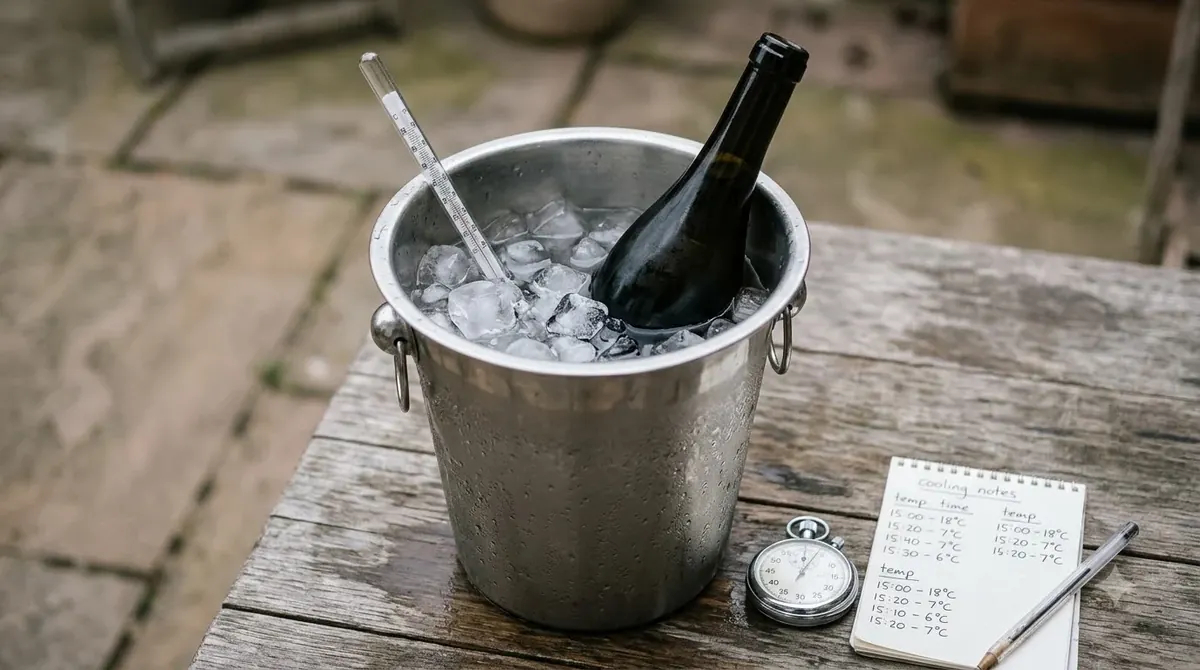
Serving temperature matters for a wine this structured. Wine Folly recommends serving Nebbiolo at 55 to 60°F (12 to 15°C), which is cooler than most room-temperature reds. Serving it too warm can make the alcohol feel heavy and hide the cherry and floral notes.
Decanting also helps. The same guide suggests decanting for about one hour before serving, which gives the wine time to open and soften slightly. A large-bowled aroma collector glass is a good choice because it concentrates the perfume without pushing the wine too hard.
If you open a bottle for a dinner, pour a small amount first and let it sit in the glass for a few minutes. The aromas will change as the wine warms slightly, and you will notice more of the leather, anise, and floral character that the grape offers.
Tip: If a bottle tastes too tight on the first pour, give it more time in the glass or in a decanter. Nebbiolo often shows more of its character after the first half hour.
Food pairings that suit this style
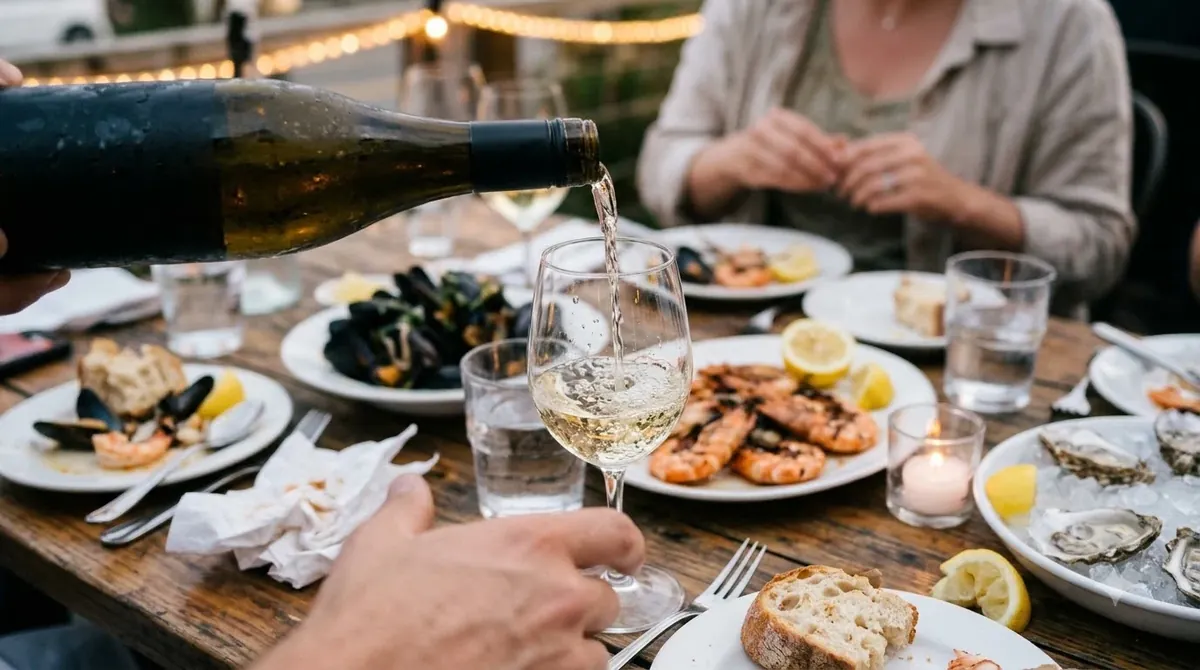
Because the tannins are so firm, pair Nebbiolo with richer dishes that carry some fat or protein. Wine Folly suggests richer foods with higher fat content, such as creams and cheeses, to balance the wine’s intensity. Truffle risotto and butternut squash ravioli are two examples that suit the style.
VinePair also notes that Barolo is closely tied to local foods such as white truffles and rich pasta sauces. Those pairings reflect the region’s cooking, and they work well because the wine’s savory notes match the dish. Braised meats, aged cheeses, and mushroom dishes are also reliable choices.
Avoid very light, delicate dishes, which can taste thin next to a firm red. A simple salad or a plate of lightly dressed fish will usually be overwhelmed by the wine. Choose a dish with enough richness to meet the tannins, and the balance becomes much easier.
How to choose a Vietti bottle
Start by deciding how much time you have before you drink. A bottle that is already aged will be ready sooner, while a young bottle may need years in a cellar. If you plan to open it within a few days, ask the shop about the vintage and whether the wine has had time to settle.
Next, think about the meal. A Nebbiolo-based red suits a long, savory dinner, while a lighter red or a white is a better choice for simple weeknight food. For a broader look at how producers differ, our guide to wine brands explains the main differences in style and region.
If you want to compare other Italian and European styles, the producers A to Z Wineworks and Andre Spumante offer contrasting profiles. Reading two or three descriptions side by side can clarify which style you prefer before you commit to a special bottle.
Check the winery’s own website for the current range and the producer’s approach. The company publishes a sustainability section there, which can help you understand how the estate describes its work in the vineyard.
Frequently Asked Questions
Is Vietti wine made from Nebbiolo?
Barolo, the wine region around Vietti’s base, is made from Nebbiolo according to VinePair. Check the label of each bottle to confirm the grape and the style before you buy.
How long should I age a Nebbiolo-based wine?
Wine Folly recommends cellaring Nebbiolo for ten years or more. Younger bottles can taste firm and closed, so ask the shop about the vintage if you want to drink it soon.
What temperature should I serve Vietti Barolo?
Serve Nebbiolo at about 55 to 60°F (12 to 15°C) in a large aroma collector glass. Decanting for about an hour can help the wine open up.
What foods go best with Nebbiolo?
Rich dishes with fat and protein work best, such as truffle risotto, butternut ravioli, braised meats, and aged cheeses. Light salads and delicate fish tend to be overwhelmed by the wine’s tannins.
Vietti wine rewards a patient, considered approach. Learn the grape, plan your decanting and serving temperature, and pair the bottle with a rich meal. Check the current range on the winery’s site, then choose a bottle that suits the occasion and your cellar plans.
More in Wine Brands
 Underwood Wine Price: Compare Bottles, Cans, and Pack SizesUpdated Nov 21, 2026
 Zenato Wine Price: Compare Styles and Choose the Right BottleUpdated Nov 21, 2026
 Zuccardi Wine Price: Compare Bottles and Find the Right RangeUpdated Nov 21, 2026
 Yellow Tail Moscato Review: Taste, Sweetness and Serving TipsUpdated Nov 21, 2026
 Wolf Blass Yellow Label Review: Choose Your Best StyleUpdated Nov 21, 2026
 Wolffer Estate Rose Review: Choose the Right Bottle for Your TableUpdated Nov 21, 2026