

We may earn a commission when you buy through links on this page, at no extra cost to you. Learn more.
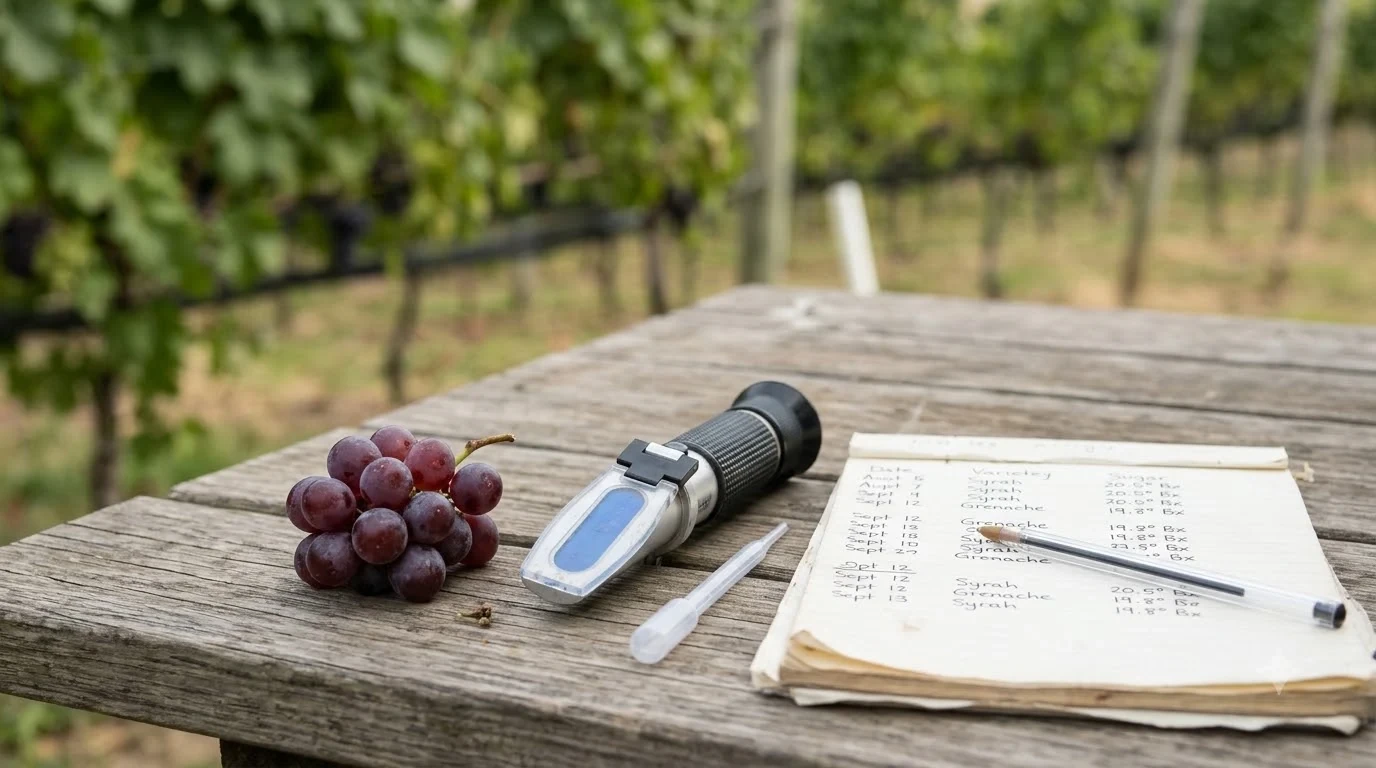
Syrah with turkey is an excellent pairing, especially with smoked turkey, roasted dark meat, peppery seasoning, and rich gravy. This full-bodied red brings blackberry, blueberry, black pepper, and savory herbal flavors that complement stronger turkey preparations. Choose a cooler-climate Syrah for herb-roasted turkey or a fruitier Australian Shiraz for smoky, heavily seasoned dishes, and serve it slightly chilled at 60–65°F.
Turkey is often associated with lighter reds and white wines, but it can handle a more substantial wine when the preparation calls for it. Syrah offers enough fruit, acidity, and savory character to complement the richer parts of the bird without requiring an elaborate holiday menu. The important distinction is between a delicate turkey breast with mild seasoning and a deeply flavored smoked leg covered in peppery rub. Matching the wine to the preparation, rather than treating every turkey dish identically, makes this pairing considerably more successful.
Why Syrah Works with Turkey
Syrah works with turkey because its dark fruit, peppery character, and savory aromas complement roasted and smoked meat. Its structure is substantial enough for dark meat and gravy, while its acidity helps balance the richness of the meal.
Syrah is generally a dry, full-bodied red wine with medium-plus to high tannin, noticeable acidity, and concentrated fruit. Depending on the region and winemaking approach, its aromas can include blackberry, blueberry, black plum, black pepper, smoked meat, violet, tobacco, and dried herbs. These characteristics give the wine several ways to connect with turkey dishes. For a closer look at the grape’s regional expressions, see Wine Enthusiast’s guide to Syrah and Shiraz.
Roasted turkey has a relatively mild flavor, particularly in the breast. Its natural savory character works with Syrah’s fruit and herbal notes, while browned skin introduces additional roasted flavors. Dark meat has more richness and intensity, making it a particularly comfortable match for Syrah’s structure. The wine becomes even more convincing when the turkey is seasoned with rosemary, thyme, garlic, or black pepper.
There is also a useful contrast between the wine and the food. The fruit character provides a counterpoint to salty, savory meat, while the wine’s acidity helps refresh the palate between bites of fatty turkey skin, stuffing, and gravy. Its tannins can feel less aggressive alongside food containing salt and fat because these elements soften the perception of astringency.
However, Syrah is not automatically the best choice for every turkey dinner. A delicate poached turkey breast or simply seasoned white meat can disappear beneath an especially concentrated, high-alcohol Shiraz. The more intense the wine, the more substantial the food should be. A lighter Rhône-style Syrah is generally a better starting point for traditional roast turkey.
The National Turkey Federation also identifies Syrah as a suitable option for bold turkey dishes, specifically highlighting smoked turkey and heavily spiced preparations. Its recommendations include Mediterranean turkey burgers and harissa-spatchcocked turkey, both of which provide the seasoning intensity needed to complement this red wine. Its turkey wine-pairing recommendations offer useful examples of these combinations.
Choosing the Right Syrah Style for Different Turkey Preparations
The best Syrah depends on how the turkey is cooked and seasoned. Northern Rhône Syrah offers savory restraint for roasted meat, while Australian Shiraz provides concentrated fruit and a fuller presence for smoked turkey and barbecue-style preparations.
Although Syrah and Shiraz are the same grape variety, regional climate and winemaking choices can produce noticeably different wines. Cooler-climate examples often emphasize acidity, pepper, herbs, and savory complexity. Warmer-climate examples generally deliver riper fruit, greater body, and more noticeable alcohol.
Cool-climate Syrah for traditional roast turkey
For a classic Thanksgiving turkey seasoned with thyme, sage, rosemary, and garlic, consider Syrah from the northern Rhône Valley in France. Appellations such as Crozes-Hermitage, Saint-Joseph, and Côte-Rôtie are useful places to explore different expressions of the grape.
These wines can offer blackberry, black pepper, olive, smoked meat, and earthy herbal notes. Their savory character complements browned turkey skin and traditional stuffing without necessarily overwhelming the meat. A balanced example with moderate alcohol and integrated tannins is particularly suitable for a meal containing both breast and dark meat.
California Syrah from cooler coastal areas can provide another option. Look for wines emphasizing fresh fruit, pepper, and moderate oak influence rather than extremely ripe, heavily extracted styles.
Australian Shiraz for smoked turkey
Australian Shiraz from Barossa Valley or McLaren Vale is a natural choice for smoked turkey. These warmer-climate wines commonly have generous blackberry and blueberry flavors, ripe tannins, and additional notes of licorice, cocoa, and baking spice.
Smoked turkey has enough intensity to meet the wine’s weight. The smoky meat and caramelized exterior connect with the savory and ripe-fruit character of Shiraz, while black pepper seasoning provides another point of agreement. This combination is especially effective with turkey legs, thighs, and heavily seasoned wings.
Alcohol deserves attention when choosing a warmer-climate bottle. Some South Australian examples reach approximately 14.5–15.5% ABV, according to Wine Enthusiast. Such wines can feel hot beside mildly seasoned breast meat. Reserve them for richer preparations with pronounced smoke, barbecue seasoning, or substantial dark meat.
American Syrah for flexible holiday menus
Syrah from California and Washington can occupy a useful middle ground. Depending on the growing area, these wines may combine ripe dark fruit with savory herbs, pepper, and enough acidity to remain adaptable at the dinner table.
A restrained California Syrah can accompany roast turkey, mushroom stuffing, and herb-seasoned gravy. A richer Paso Robles-style example may be better suited to smoked turkey or a pepper-crusted preparation. The regional name provides a starting point, but the wine’s actual weight and ripeness are more important than geography alone.
For a mixed holiday table, avoid choosing the most concentrated Shiraz available simply because turkey is a large centerpiece. A balanced bottle is usually easier to serve across several dishes and different preferences.
Pairing Syrah with Turkey Breast, Dark Meat, and Gravy
Turkey breast generally needs a more restrained Syrah, while dark meat and gravy can support a fuller, more structured bottle. Matching the intensity of the wine to the richest part of the bird is the simplest way to make the combination work.
White turkey meat is lean and relatively mild. It has less richness to soften Syrah’s tannins, so a powerful, heavily oaked Shiraz can dominate its delicate flavor. Choose a medium-bodied example with fresh blackberry, red fruit, and pepper rather than one dominated by jammy fruit and alcohol.
Dark turkey meat, especially from the thighs and legs, has more pronounced savory flavors and a richer texture. It can accommodate Syrah’s medium-plus to high tannin and more concentrated fruit. A Northern Rhône bottle works well with herb-roasted thighs, while Australian Shiraz is particularly suitable for smoked legs.
Gravy is another important consideration. Traditional turkey gravy contains concentrated roasting juices, browned meat flavors, and often butter or flour. Its savory richness helps soften the wine’s tannin, while the concentrated flavors give Syrah more substantial food to match.
Black pepper gravy creates an especially useful connection with Syrah. The wine’s characteristic pepper notes complement the seasoning, while its dark fruit provides contrast to the savory sauce. Mushroom gravy is similarly compatible because Syrah’s earthy and smoky characteristics work naturally with mushrooms.
Turkey pairing comparison
| Turkey preparation | Recommended Syrah style | Serving temperature | Pairing reason |
|---|---|---|---|
| Plain roasted breast | Light, cool-climate Syrah | 60–62°F | Moderate weight and fresh fruit |
| Herb-roasted turkey | Northern Rhône Syrah | 60–65°F | Pepper and herbal flavors |
| Roasted turkey thighs | Medium-bodied Syrah | 60–65°F | Dark fruit and savory structure |
| Smoked turkey | Full-bodied Australian Shiraz | 60–65°F | Concentrated fruit and smoke |
| Barbecue turkey legs | Ripe, fruit-forward Shiraz | 60–65°F | Matches rich meat and seasoning |
| Pepper-crusted turkey | Spicy, savory Syrah | 60–63°F | Reinforces pepper and spice |
These temperatures are practical serving targets within the recommended 60–65°F range for full-bodied reds. The table describes pairing styles rather than strict regional requirements. A lighter Australian Shiraz may work with roasted breast, just as a concentrated American Syrah can accompany smoked turkey.
Tip: If the meal includes both turkey breast and dark meat, choose a medium-bodied Syrah with balanced acidity and moderate tannin. Serve the breast first and save the richer Shiraz-style wines for thighs, legs, and gravy.
Best Turkey Seasonings, Sauces, and Side Dishes for Syrah
Syrah is particularly compatible with savory herbs, black pepper, mushrooms, smoked ingredients, and rich sauces. These flavors connect with the grape’s natural pepper, dark fruit, and earthy characteristics, creating more interesting pairings than plain turkey alone.
Rosemary, thyme, and sage
Traditional poultry herbs are excellent companions for cooler-climate Syrah. Rosemary and thyme emphasize the wine’s herbal character, while sage contributes an earthy quality that works with its savory aromas. Garlic and browned butter provide additional richness and help bring the wine and food together.
For a straightforward preparation, roast turkey with olive oil, garlic, rosemary, thyme, and black pepper. Serve it with a Northern Rhône Syrah and a simple pan gravy. This combination allows both the wine and the turkey to retain their individual character.
Black pepper and smoked seasoning
Black pepper is one of the most useful ingredients for matching Syrah with turkey. It reflects the grape’s characteristic spice without requiring an elaborate recipe. A pepper-crusted turkey breast or smoked turkey thigh can therefore work particularly well with a savory, pepper-driven bottle.
Smoked paprika, cumin, coriander, and garlic can also complement Syrah. These seasonings are useful for barbecue turkey, Mediterranean-inspired preparations, and spice-rubbed roasted legs. The more concentrated the seasoning, the more easily the dish can accommodate a full-bodied Shiraz.
Be more careful with hot chili. Alcohol and tannin can amplify the perception of chili heat, making a high-alcohol Syrah uncomfortable with intensely spicy food. For harissa turkey, choose a balanced bottle with moderate alcohol and ripe fruit rather than the most powerful Shiraz on the shelf.
Stuffing and savory vegetables
Mushroom stuffing is one of the strongest side-dish choices for Syrah. Mushrooms have earthy and savory flavors that connect with the wine’s smoky, herbal, and sometimes meaty characteristics. Stuffing containing roasted mushrooms, onions, garlic, and fresh thyme is particularly effective.
Sausage stuffing can also work well because its fat and seasoning soften the wine’s tannins. Italian sausage, black pepper, sage, and toasted bread create a substantial side dish that can stand beside a full-bodied red.
Roasted vegetables provide additional options. Consider Brussels sprouts, carrots, eggplant, onions, and roasted beets. Their caramelized edges add sweetness and savory depth, while their textures provide contrast to the wine’s body.
Cranberry sauce and sweet sides
Cranberry sauce is more challenging because its acidity and sweetness can change how Syrah tastes. Highly tart cranberry sauce may make the wine seem flatter and less fruity. A sweeter preparation with orange zest, moderate sugar, and warm spices is generally easier to match.
Sweet potato casserole also requires attention. A moderately sweet version can work with ripe Australian Shiraz, especially when it includes pecans and savory seasoning. A very sweet marshmallow-topped preparation may make a dry Syrah seem harsh by comparison.
For a more reliable plate, keep cranberry sauce and sweet potatoes in smaller portions and give savory dishes such as stuffing, gravy, and roasted vegetables a prominent role.
How Syrah Compares with Other Wines for Turkey
Syrah is not the only suitable wine for turkey, and it is not always the easiest choice for a traditional holiday meal. Pinot Noir, Merlot, Zinfandel, and Chardonnay offer different levels of body, acidity, and tannin that may suit particular preparations better.
Pinot Noir is generally the more versatile red for a traditional roast turkey dinner. Its lower tannin, bright acidity, and red-fruit character complement lean breast meat, herb stuffing, and cranberry sauce. Syrah is a better choice when the meal includes smoked meat, rich gravy, or stronger seasoning.
Merlot offers another approachable red option. Its medium tannin and softer texture can work with roast turkey, mashed potatoes, and gravy. It is generally less forceful than a concentrated Syrah, making it useful when the meal includes a range of mild dishes.
Zinfandel is a particularly strong alternative for barbecue turkey. Its ripe fruit, pepper, and generous body can match smoky seasoning and sweet barbecue sauces. For a more detailed comparison, see our guide to Zinfandel with turkey.
Cabernet Sauvignon is another possibility for heavily seasoned dark meat, but its high tannin can overpower lean turkey breast. It generally needs substantial food and rich accompaniments. Our Cabernet Sauvignon with turkey pairing guide explains when its structure makes sense.
White wine should not be overlooked. Chardonnay offers medium acidity and enough body to accompany roasted breast, creamy mashed potatoes, and buttery gravy. A lightly oaked style is particularly useful when the meal includes rich sides rather than heavily smoked meat. Explore Chardonnay with turkey for a closer comparison.
The larger principle is that wine should complement the entire plate, not just the main protein. For additional pairing fundamentals, our Grape x Food resource explains how acidity, tannin, sweetness, and food texture influence successful combinations.
Serving, Decanting, and Pouring Syrah with Turkey
Serve Syrah at 60–65°F, slightly cooler than a typical warm room. Give young, full-bodied examples 30–60 minutes of decanting when their tannins seem firm or their aromas initially appear closed.
Temperature matters because Syrah can contain substantial alcohol. When served too warm, the alcohol may become more noticeable, and the wine can feel heavier beside food. Excessive chilling creates the opposite problem by suppressing aromas and making tannins seem firmer.
A short refrigerator chill is an easy solution. Place the bottle in the refrigerator for approximately 15–20 minutes before serving, then pour a small sample. The wine should feel cool rather than cold. If it warms significantly during a long meal, a brief return to the refrigerator can restore its balance.
When to decant
Young, concentrated Syrah often benefits from exposure to air. Decanting can help open its aromas of blackberry, black pepper, smoke, and herbs. It can also make a structured wine feel more approachable alongside a substantial turkey dinner.
A useful starting point is 30–60 minutes before serving for a young, full-bodied bottle. Lighter Syrah may need considerably less time. Taste the wine after opening before deciding whether extended aeration is necessary.
Older bottles require a different approach. Mature Syrah may have delicate aromas that fade with excessive oxygen exposure. Open an older bottle carefully, taste a small amount, and serve it without automatically giving it an hour in a decanter.
Glassware and pouring portions
A standard red wine glass with a generous bowl gives Syrah room to release its aromas. The opening should allow the wine’s black fruit, pepper, and smoky notes to reach the nose without requiring an oversized glass.
Use a standard 5-ounce pour. A 750-milliliter bottle provides approximately five such servings, making it easy to estimate quantities for a holiday dinner. For six guests, two bottles provide approximately ten standard glasses, leaving room for guests who prefer smaller pours or other wines.
Do not feel obligated to serve only Syrah throughout the meal. A lighter wine for appetizers and a more substantial Syrah for smoked turkey or dark meat can provide a better progression. If guests prefer white wine, a Chardonnay or another suitable style can sit comfortably alongside the red.
Storing leftovers
Replace the cork or use a suitable closure after opening and refrigerate the remaining Syrah. Most opened still wines are best enjoyed within approximately 3–5 days when stored properly, although flavor and freshness decline at different rates depending on the wine and storage conditions.
Unopened bottles should be kept away from direct sunlight and major temperature fluctuations. A storage temperature near 55°F is a useful target for longer-term storage. Bottles with natural cork closures are generally stored on their sides to keep the cork from drying out.
Frequently Asked Questions
Is Syrah the same grape as Petite Sirah?
No. Syrah and Petite Sirah are different grape varieties. Petite Sirah is primarily associated with the Durif grape, which has a different genetic background and commonly produces deeply colored wines with substantial tannin. This distinction matters when selecting a bottle because Petite Sirah can be considerably more forceful beside delicate turkey breast.
Can a Syrah blend work with Thanksgiving turkey?
Yes. Southern Rhône-style blends containing Syrah, Grenache, and Mourvèdre can be excellent with turkey. Grenache often contributes generous red fruit, while Mourvèdre adds savory structure and Syrah supplies pepper and darker fruit. A blend with a softer overall structure can be especially useful when several different turkey preparations share the table.
Does Syrah work with turkey sandwiches?
Yes, particularly with sandwiches containing roasted dark turkey meat, smoked turkey, caramelized onions, or aged cheese. A medium-bodied Syrah can also complement a sandwich with roasted peppers and mustard. Avoid pairing a powerful, high-alcohol Shiraz with a very light sandwich containing only sliced breast meat and lettuce.
Can leftover turkey be served with cold Syrah?
Yes. Cold turkey sandwiches and leftover turkey salads can work with a lighter Syrah, especially when they contain roasted peppers, mushrooms, or savory cheese. A simple mayonnaise-based turkey salad may be better with a lighter-bodied wine because the creamy dressing can make concentrated red wine seem heavy. Serve the Syrah at its usual 60–65°F rather than refrigerator temperature.
Can Syrah be paired with turkey cooked in a slow cooker?
Yes. Slow-cooked turkey with onions, garlic, mushrooms, and rosemary develops a concentrated savory character that can complement Syrah. The cooking liquid also matters: a broth-based preparation generally works better with a restrained bottle than a very rich, pepper-heavy sauce. If the dish includes substantial tomato, balance the wine’s acidity against the sauce before choosing a particularly structured example.
Syrah with turkey is most successful when the wine’s weight matches the meat, seasoning, and richness of the meal. Choose savory, cooler-climate Syrah for herb-roasted preparations and fuller Australian Shiraz for smoked or peppery dark meat. Serve it at 60–65°F, provide suitable savory sides, and let the character of the turkey guide the final bottle selection.
More in Food & Wine Pairing
 Risotto With White Wine Recipe: Make a Creamy Dinner at HomeUpdated Nov 20, 2026
 Wassail With Wine Recipe for a Festive Spiced Holiday DrinkUpdated Nov 20, 2026
 Spritz Veneziano Recipe: Make a Classic Venetian Aperitivo at HomeUpdated Nov 20, 2026
 Summer Wine Punch Recipe for Easy Homemade EntertainingUpdated Nov 20, 2026
 Bishop Recipe: How to Make a Bright, Citrus-Forward Red Wine CocktailUpdated Nov 20, 2026
 Wine Cupcakes Recipe: Bake Rich Chocolate Cupcakes at HomeUpdated Nov 20, 2026