

We may earn a commission when you buy through links on this page, at no extra cost to you. Learn more.
Rose with turkey is an excellent pairing, especially when you choose a dry, fruit-forward rosé with refreshing acidity and enough body to complement roasted meat and traditional holiday sides. Its combination of red-berry flavors, freshness, and moderate structure works with both white and dark turkey meat. A crisp Provence rosé suits a lighter meal, while a fuller-bodied Bandol or Spanish rosado is a better match for rich gravy, savory stuffing, and heavily seasoned turkey.
Turkey is one of the more versatile meats for wine pairing, but a traditional Thanksgiving plate presents several challenges. Mild turkey breast, richer dark meat, buttery mashed potatoes, savory stuffing, and tart cranberry sauce can all appear in the same meal. Choosing one wine that works across these flavors requires a balance of acidity, fruit, body, and tannin. Rosé offers that balance, making it a practical choice for holiday dinners, Sunday roasts, and family gatherings throughout the year.
Why Rosé Works So Well With Turkey
Rosé works with turkey because it combines the refreshing acidity associated with white wine and the red-fruit character associated with red wine. This middle ground helps it complement mild poultry without overwhelming the meat, while its freshness keeps richer accompaniments from making the meal feel too heavy.
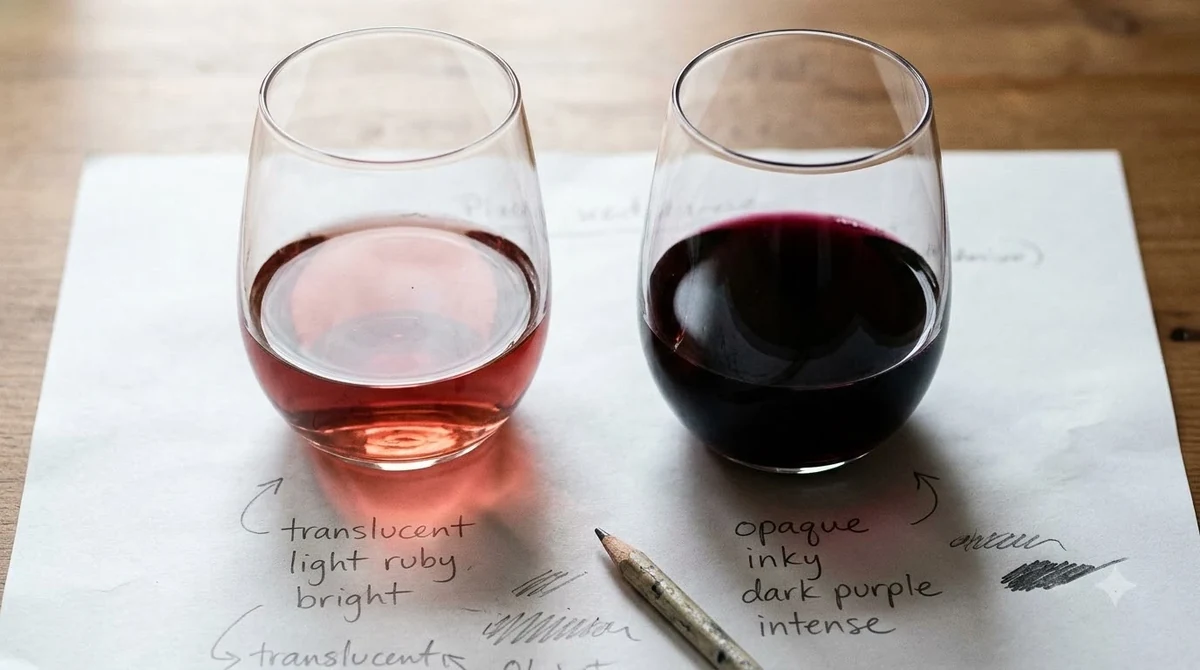
Turkey breast is relatively lean and delicate, so a heavily tannic red can dominate its flavor. A dry rosé generally has less tannic grip than Cabernet Sauvignon or Syrah, allowing the meat’s mild savory character to remain noticeable. Its acidity also provides contrast to butter, roasting juices, and creamy mashed potatoes. That balance becomes particularly useful when several dishes are served together rather than as separate courses.
The fruit profile is another advantage. Strawberry, raspberry, watermelon, cherry, and citrus notes can connect with the sweet-and-tart flavors of cranberry sauce and fruit-based stuffing ingredients. A rosé with bright red-fruit character can make the transition between turkey, roasted vegetables, and cranberry relish feel natural. It does not need to taste sweet to complement ingredients with a little sweetness.
Rosé also offers flexibility for guests who prefer different wine styles. Someone who usually drinks Sauvignon Blanc may appreciate its freshness, while a Pinot Noir drinker may enjoy its red-fruit aromas and slightly broader texture. This makes it a useful shared bottle for a Thanksgiving gathering where the menu and individual preferences vary.
Another consideration is the overall weight of the wine. A light rosé is particularly suitable for simply roasted turkey with herbs and lemon, while a medium-bodied version can stand alongside darker meat, sausage stuffing, and richer sauces. The objective is to find a wine that complements the strongest flavors on the plate without overpowering the turkey itself.
Choosing the Best Rosé Style for Turkey
The best choice is generally a dry, light-to-medium-bodied rosé with lively acidity and recognizable red-fruit flavors. Provence, Bandol, and Navarra offer useful starting points, but the grape varieties and winemaking choices matter more than the region’s name alone.

Provence Rosé for Classic Roast Turkey
Provence rosé is a dependable option for traditionally roasted turkey served with relatively simple accompaniments. These wines commonly feature Grenache and Cinsault, with fresh acidity, restrained fruit, and a relatively light texture. Strawberry, citrus, peach, and subtle herbal notes can complement turkey seasoned with rosemary, thyme, parsley, and lemon.
A pale, dry Provence rosé is particularly suitable for white turkey meat, green vegetables, lightly seasoned stuffing, and roasted potatoes. It offers enough freshness to balance the richness of butter without adding excessive weight to an otherwise delicate dish. If the meal is relatively light and the gravy is served sparingly, this is an excellent starting point.
Bandol Rosé for Richer Holiday Meals
Bandol, in southern France, is a useful region to consider when turkey is served with more substantial accompaniments. Mourvèdre plays an important role in many Bandol rosés, contributing deeper fruit, additional texture, and a more substantial structure than many lighter Provence bottlings.
These fuller rosés can work with dark turkey meat, mushroom stuffing, roasted root vegetables, and savory gravy. Their stronger berry character and broader palate give them enough presence to remain noticeable alongside dishes with concentrated roasting flavors. They are especially useful when the meal includes several rich components rather than simply roasted breast meat.
Navarra Rosado for Fruit and Savory Flavors
Navarra, in northern Spain, is another region worth exploring. Spanish rosado wines can feature grapes such as Garnacha and Tempranillo, depending on the producer and style. Their fruit character can range from fresh red berries to more concentrated cherry and plum notes.
A medium-bodied Navarra rosado can be particularly effective with paprika-seasoned turkey, roasted vegetables, sausage stuffing, and cranberry sauce. Choose a dry example when the meal is primarily savory. Its fruit can complement the holiday flavors without making the pairing taste like dessert.
For a broader understanding of the characteristics that determine a wine’s compatibility with food, explore our Grape x Food pairing resource. You can also read Decanter’s turkey wine pairing recommendations, which specifically identify Bandol and Navarra as regions worth considering for fuller-bodied rosé.
Matching Rosé With Turkey and Traditional Side Dishes
The side dishes often determine which rosé works best because turkey itself has a relatively mild flavor. A crisp, lighter rosé handles simple preparations, while a more structured wine is better suited to buttery, roasted, and savory accompaniments.
Use the following pairings to select a bottle according to the dishes actually being served.
| Turkey dish or side | Recommended rosé style | Why it works |
|---|---|---|
| Roasted turkey breast | Dry Provence rosé | Fresh acidity and restrained fruit complement lean meat. |
| Roasted turkey legs | Medium-bodied Grenache rosé | Ripe berry flavors match richer dark meat. |
| Turkey with gravy | Fuller-bodied Bandol rosé | Additional texture stands up to savory richness. |
| Cranberry sauce | Fruit-forward dry rosé | Red-fruit flavors connect with tart cranberry. |
| Sausage stuffing | Medium-bodied Spanish rosado | Fruit intensity complements savory seasoning. |
| Buttered mashed potatoes | Crisp, dry rosé | Acidity balances butter and creamy texture. |
| Roasted carrots and squash | Dry rosé with ripe fruit | Fruit complements natural vegetable sweetness. |
| Herb-roasted vegetables | Light Provence rosé | Freshness and herbal notes suit delicate seasoning. |
| Smoked turkey | Fuller-bodied rosé | Greater fruit concentration matches smoky flavors. |
| Turkey sandwiches | Light, refreshing rosé | Acidity and berry flavors complement bread and savory fillings. |
Cranberry sauce deserves particular attention because its acidity and sweetness can change how wine tastes. A very dry, delicate rosé may seem less expressive beside a particularly sweet cranberry relish. A fruit-forward rosé with sufficient acidity is generally a better choice. The same principle applies to glazed carrots, sweet potato casserole, and other dishes with added sugar.
Stuffing also varies considerably. A bread-based stuffing with celery, onion, and sage usually works well with a lighter rosé. However, sausage, mushrooms, chestnuts, and concentrated meat juices create a richer dish that benefits from a medium-bodied version. Match the wine to the most substantial ingredients rather than treating all stuffing recipes as identical.
For gravy, consider both its richness and seasoning. A butter-rich gravy with mild herbs can work with a crisp rosé, while a darker gravy made with roasted drippings and mushrooms calls for more body. The wine’s acidity should refresh the palate, but its fruit concentration must be sufficient to avoid disappearing beside the sauce.
Tip: If the turkey plate includes sweet cranberry sauce, rich gravy, and savory sausage stuffing, choose a dry, medium-bodied rosé rather than an extremely delicate bottle. The additional fruit and texture will help the wine remain balanced across the meal.
Pairing Rosé With Different Turkey Preparations
Cooking method changes the intensity, texture, and seasoning of turkey, so the ideal rosé changes accordingly. A simple oven-roasted bird generally needs less wine weight than a smoked, grilled, or heavily seasoned preparation.
Oven-Roasted Turkey
Classic oven-roasted turkey is an excellent match for dry rosé. The combination of mild poultry, browned skin, herbs, and roasting juices works particularly well with a Grenache-based wine that offers fresh acidity and red-fruit flavors. A Provence rosé is a sensible choice when the seasoning remains relatively restrained.
If the bird is basted with butter, garlic, and thyme, the wine’s freshness can provide a pleasant contrast. For a turkey with deeply browned skin and concentrated pan juices, move toward a slightly fuller style rather than choosing an especially delicate rosé.
Smoked Turkey
Smoked turkey has more pronounced savory and smoky flavors than a conventional roast. It therefore benefits from a rosé with stronger fruit concentration and sufficient body. A medium-bodied Spanish rosado or a fuller southern French rosé can provide a better match than a very pale, restrained wine.
Pay attention to the smoking wood and seasoning. Applewood and cherrywood can contribute relatively gentle aromatic qualities, while stronger smoke and black-pepper seasoning create a more intense dish. The wine should complement those flavors without becoming overly alcoholic or tannic.
Grilled and Barbecue Turkey
Grilled turkey develops browned surfaces and sometimes a slightly charred flavor. These characteristics pair well with rosés that have ripe berry notes and enough texture to match the cooking method. Grenache-based examples are useful choices, particularly when the bird is seasoned with garlic, rosemary, and black pepper.
Barbecue sauce requires additional care because many recipes contain brown sugar, molasses, or other sweet ingredients. A bone-dry, delicate rosé may taste sharp beside a sweet glaze. Choose a rosé with generous fruit character, and avoid extremely high alcohol when the sauce also contains chili. Alcohol and tannin can amplify the sensation of chili heat, so a fruit-forward, moderate-alcohol wine is a safer choice for spicy barbecue turkey.
Herb-Roasted and Stuffed Turkey
Herb-roasted turkey is particularly compatible with lighter rosé styles. Thyme, rosemary, sage, and parsley create aromatic flavors that complement the fresh fruit and subtle herbal character of many Provence wines. A dry rosé with moderate intensity can accompany the bird without dominating its seasoning.
Stuffed turkey can be more complicated because the stuffing may contain sausage, bacon, mushrooms, chestnuts, dried fruit, or nuts. The more concentrated the filling, the more useful a fuller-bodied rosé becomes. A Bandol-style wine is a good candidate for a rich, savory stuffing, while a simpler bread-and-herb filling needs less structure.
Serving Temperature, Glassware, and Bottle Planning
Rosé should be served cool enough to preserve its freshness but not so cold that its fruit and texture disappear. Light and medium-bodied rosés generally work best at 45–50°F, while fuller-bodied examples can be served slightly warmer, around 50–55°F.
Temperature makes a noticeable difference during a long holiday meal. An excessively cold rosé may seem sharply acidic, with limited fruit aromas. As the wine warms slightly in the glass, strawberry, cherry, citrus, and herbal characteristics become easier to appreciate. A fuller Bandol rosé particularly benefits from avoiding an ice-cold serving temperature.
Refrigerate the bottle before dinner and take it out shortly before pouring. If the wine becomes too warm during the meal, return it to the refrigerator briefly. An ice bucket can also help maintain a consistent serving temperature, especially when guests are pouring wine over several hours.
A standard 750 ml bottle provides approximately five 5-ounce glasses. For a gathering of eight adults, two bottles provide approximately ten standard servings, although the actual amount needed depends on how many guests drink wine and whether other beverages are available.
Choose glassware with a reasonably wide bowl to allow the wine’s aromas to develop. Standard white wine glasses work well for most rosés. There is no need for specialized glassware, although a slightly larger bowl can be useful for fuller-bodied wines from Bandol or Navarra.
Opening the bottle shortly before serving is generally sufficient. Unlike a young, full-bodied red that may benefit from 30–60 minutes of decanting, most rosés are ready to pour. Keep an opened bottle refrigerated and aim to enjoy still rosé within 3–5 days for the best freshness.
For more detailed guidance about matching rosé to food, Wine.com’s dry rosé pairing guide also discusses serving temperatures and the importance of matching wine weight to dish weight.
Rosé Versus Other Wines for a Turkey Dinner
Rosé is an excellent all-purpose choice, but it is not the only wine that works with turkey. Chardonnay, Zinfandel, Cabernet Sauvignon, and lighter reds offer different strengths depending on the meat, sauces, and side dishes being served.
The main advantage of rosé is its ability to bridge several flavors without requiring a separate wine for every plate. However, guests who prefer a specific wine style may enjoy a different pairing, especially when the meal emphasizes one particular preparation.
Rosé or Chardonnay With Turkey?
Chardonnay is a useful alternative when turkey is served with butter-rich gravy, creamy mashed potatoes, and roasted vegetables. An unoaked or lightly oaked Chardonnay with balanced acidity offers freshness, while a fuller, oak-influenced example can complement richer preparations.
Rosé is generally more flexible when cranberry sauce, fruit-based stuffing, and mixed vegetables are prominent. Its red-fruit character helps connect sweet and savory ingredients. Chardonnay is particularly attractive when the meal is creamy and savory rather than strongly fruit-driven. Our guide to chardonnay with turkey explains how different Chardonnay styles work with roasted poultry.
Rosé or Zinfandel With Turkey?
Zinfandel is a stronger option for smoked turkey, barbecue seasoning, and dark meat served with concentrated gravy. Its ripe fruit and warming spice can match more intense preparations than many light rosés. However, higher alcohol and more pronounced fruit can make some examples less suitable for delicate turkey breast.
Rosé is generally the more versatile choice for a mixed holiday plate, particularly when lighter meat, vegetables, and cranberry sauce are all served together. For guests who prefer a richer red, explore zinfandel with turkey to understand which preparations benefit most from this variety.
Rosé or Cabernet Sauvignon With Turkey?
Cabernet Sauvignon typically has high tannin, which can make it feel firm and drying alongside lean turkey breast. Its structure is better suited to richer meat dishes, and a young, powerful Cabernet can overwhelm the mild flavor of traditional roasted poultry.
Salt and fat can soften tannin, so a particularly rich plate may make a structured red more approachable. Nevertheless, rosé is generally easier to pair with a broad selection of turkey accompaniments. Guests who prefer Cabernet can find additional guidance in our article about cabernet sauvignon with turkey.
For a holiday gathering with varied preferences, consider offering one dry rosé and one alternative wine. A medium-bodied Pinot Noir or a refreshing Chardonnay can provide another option without making the wine selection unnecessarily complicated. This approach also allows guests to choose according to the dishes on their plates.
Frequently Asked Questions
Does rosé wine go with turkey?
Yes. Rosé is particularly useful with turkey because its production can retain some of the red-grape fruit character while limiting tannin through relatively brief skin contact. The term rosé covers wines made from many grape varieties, including Grenache, Mourvèdre, and Pinot Noir.
Is rosé traditionally served at Thanksgiving?
Rosé is not restricted to a particular holiday or season. In France, rosé is enjoyed throughout the year, and regions such as Provence and Bandol have established traditions of producing it. Its compatibility with roasted poultry makes it appropriate for Thanksgiving and Christmas meals.
Does rosé wine have tannins?
Yes, rosé can contain tannins because it is generally produced from red grape varieties. However, limited skin contact usually results in less tannin than in many conventional red wines. Some rosés made through longer maceration or using varieties such as Mourvèdre can have more noticeable structure.
Can rosé be made from Pinot Noir grapes?
Yes. Pinot Noir can produce rosé with delicate strawberry, raspberry, cherry, and citrus characteristics. Pinot Noir rosé is made in regions including California, Oregon, and Burgundy, and its fruit-forward profile makes it suitable for lighter turkey preparations and herb-seasoned poultry.
Can sparkling rosé be served with turkey?
Yes. Sparkling rosé offers acidity and carbonation that work particularly well with fried appetizers, salty snacks, and buttery starters served before turkey. Traditional-method sparkling wines such as Champagne rosé undergo their second fermentation in the bottle, creating their characteristic bubbles. A dry Brut style is a practical option for savory dishes.
Rosé with turkey is a dependable pairing for holiday dinners because its acidity, fruit, and moderate body complement both the meat and its varied accompaniments. Choose Provence for a lighter roast, Bandol or Navarra for richer preparations, and a fruit-forward dry style when cranberry sauce and several contrasting sides share the plate. Serve the wine cool, match its body to the meal, and enjoy a versatile alternative to the usual red and white selections.
More in Food & Wine Pairing
 Risotto With White Wine Recipe: Make a Creamy Dinner at HomeUpdated Nov 20, 2026
 Wassail With Wine Recipe for a Festive Spiced Holiday DrinkUpdated Nov 20, 2026
 Spritz Veneziano Recipe: Make a Classic Venetian Aperitivo at HomeUpdated Nov 20, 2026
 Summer Wine Punch Recipe for Easy Homemade EntertainingUpdated Nov 20, 2026
 Bishop Recipe: How to Make a Bright, Citrus-Forward Red Wine CocktailUpdated Nov 20, 2026
 Wine Cupcakes Recipe: Bake Rich Chocolate Cupcakes at HomeUpdated Nov 20, 2026