

We may earn a commission when you buy through links on this page, at no extra cost to you. Learn more.
Rioja with duck is an excellent food pairing, especially when you choose a Tempranillo-based Crianza or Reserva to complement the meat’s richness, savory flavors, and crisp skin. Rioja’s red-cherry fruit, moderate tannins, and refreshing acidity work particularly well with roasted duck breast, duck confit, and slow-cooked duck legs. For the most versatile match, choose a Rioja Reserva with roast duck and a fruit-based sauce, or a younger Crianza when the dish features crispy skin and straightforward seasoning.
Duck has a distinctive combination of richness, savory depth, and tender meat that makes it particularly rewarding to pair with Spanish red wine. Unlike lean chicken, duck contains enough fat to soften the tannins in a structured red, while its naturally savory flavor complements the dried herbs, red fruit, and oak characteristics found in many Rioja wines. The preparation matters, however. A quickly seared duck breast with cherry sauce needs a different balance from slow-cooked duck confit with potatoes and garlic. Understanding Rioja’s aging categories, serving temperatures, and flavor profiles makes it easier to select a bottle that complements the entire plate rather than overpowering it.
Why Rioja Works So Well With Duck
Rioja and duck work together because the wine’s moderate tannins, red-fruit flavors, and acidity balance the meat’s natural richness. Tempranillo-based Rioja also brings savory and oak-derived characteristics that complement browned skin, roasted meat, and traditional Spanish seasonings.
Duck contains more fat than most chicken preparations, particularly around the skin and breast. During roasting or pan-searing, that fat renders into the cooking surface and creates a concentrated savory flavor. A wine with moderate tannins can cut through the richness without producing the harsh, drying sensation that an excessively powerful red might create. Salt and fat also soften the perception of tannin, making duck a particularly suitable partner for Rioja’s traditional red styles.
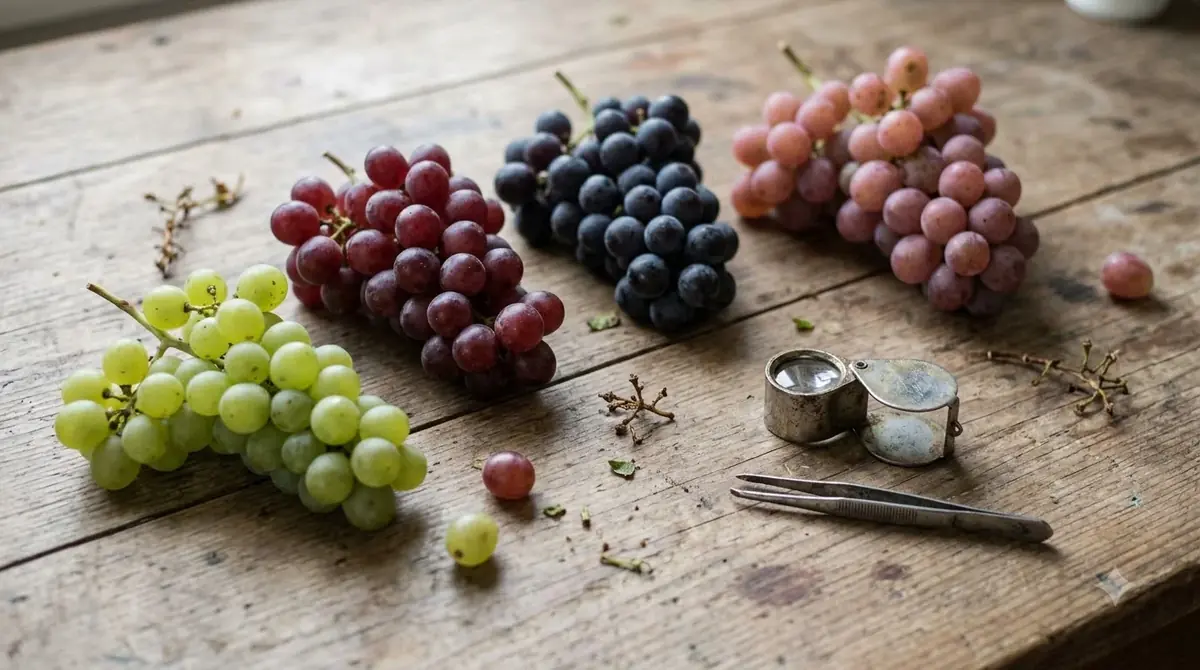
Tempranillo, Rioja’s signature red grape, is generally medium to full-bodied, with moderate acidity and moderate, fine-grained tannins. Depending on the producer and aging, its flavor profile can include red cherries, strawberries, dried herbs, leather, tobacco, and vanilla. These characteristics create several useful connections with duck. Cherry notes complement fruit sauces, herbal flavors match rosemary and thyme, and oak-derived vanilla can work with the browned, caramelized edges of roasted skin.
The wine also has enough structure to remain interesting alongside a substantial main course. A light, simple red might disappear beside duck confit or a richly seasoned roast, while an extremely tannic wine could dominate a delicate breast preparation. Rioja often occupies a useful middle ground, particularly when the bottle’s aging category matches the dish’s intensity.
Regional cooking provides another reason for the combination. Spanish food traditions frequently bring together red wine, roasted meat, cured pork, lentils, garlic, and smoky seasonings. Duck prepared with similar ingredients creates a natural connection with Rioja. For more combinations involving the region’s wines, explore this Rioja food pairing guide.
The Best Rioja Styles for Different Duck Preparations
Rioja Crianza is a reliable choice for simply roasted duck, while Reserva is particularly versatile with duck breast, fruit sauces, and richer preparations. Gran Reserva suits more delicate, savory dishes, and fresh Joven styles work best with lighter cooking and casual accompaniments.
Rioja’s aging classifications provide a useful starting point when selecting wine. They describe minimum aging requirements, not an absolute flavor profile, so producers can still create wines with different levels of fruit intensity, oak influence, and body. Nevertheless, the categories offer practical guidance when planning a duck dinner.
Rioja Crianza: Fresh Fruit and Balanced Oak
Crianza is an excellent everyday pairing for roast duck with crispy skin, grilled duck breast, and duck served with roasted vegetables. Its combination of fresh red fruit and moderate oak influence complements browned meat without making the pairing feel too heavy.
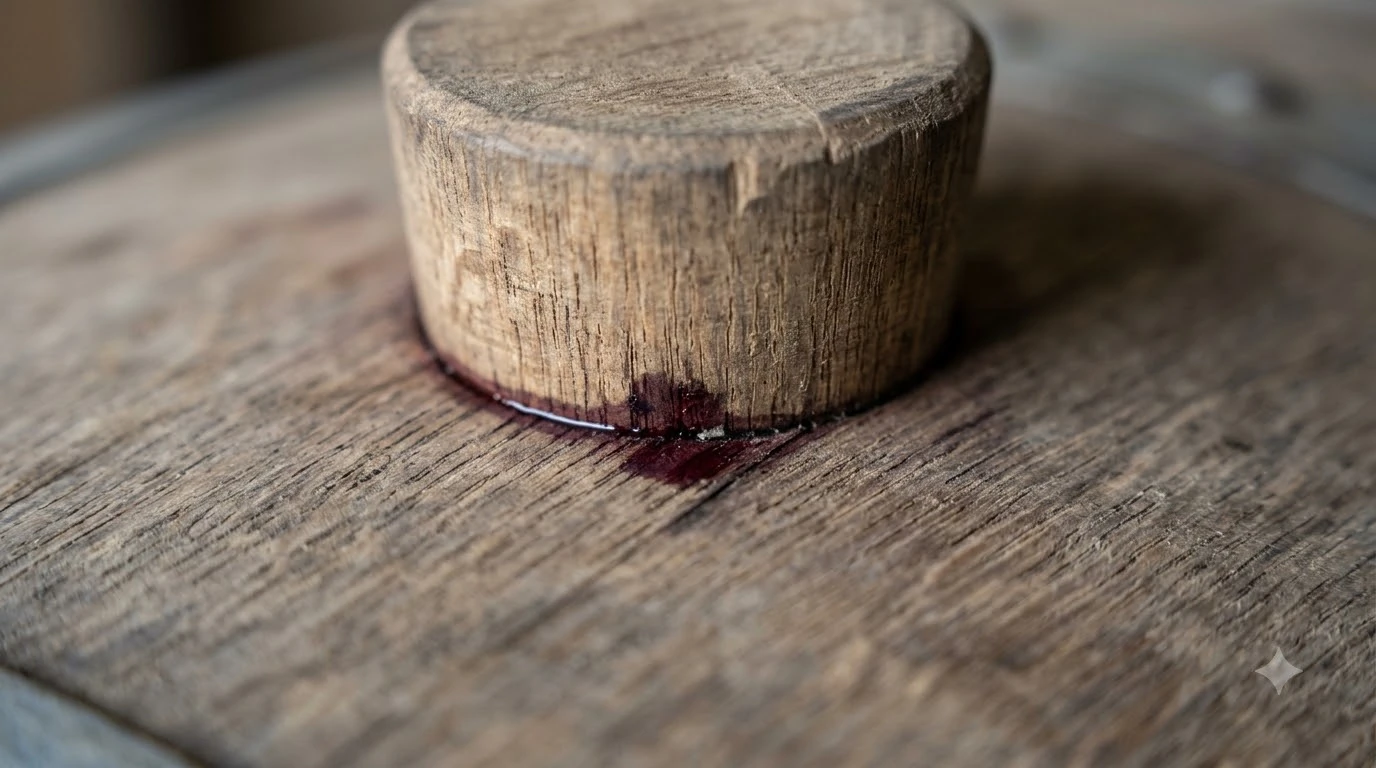
According to the DOCa Rioja regulatory council, red Crianza wines undergo at least two years of aging, including at least one year in oak barrels. The barrels traditionally hold approximately 225 liters. This aging allows the wine to develop additional savory complexity while retaining recognizable fruit characteristics.
Choose Crianza when the duck is seasoned with black pepper, garlic, rosemary, or thyme. It is also suitable for pan-seared breast with a relatively restrained sauce. If the dish includes a strong cherry reduction or substantial amounts of dried fruit, a more developed Reserva may offer a closer flavor match.
Rioja Reserva: The Most Versatile Duck Pairing
Reserva is often the strongest all-around choice for duck because its additional aging can bring more complex aromas and a softer, more integrated flavor profile. Its combination of mature red fruit, oak, and savory notes works especially well with duck breast, cherry sauce, orange glaze, and roasted duck legs.
Rioja’s official classification requires red Reserva wines to age for at least three years in total, including a minimum of 12 months in oak barrels and six months in bottle. This extended development can introduce aromas such as leather, tobacco, and dried fruit alongside the wine’s original fruit character.
These characteristics make Reserva particularly adaptable. With duck breast, its cherry and dried strawberry notes can complement fruit-based sauces. With duck confit, its savory character can stand alongside garlic, herbs, and browned potatoes. Its tannins also interact well with the meat’s rendered fat, keeping the pairing balanced.
Rioja Gran Reserva: For Mature, Savory Duck Dishes
Gran Reserva is a more specialized option for duck dishes with restrained seasoning, deep roasted flavors, or carefully prepared accompaniments. Its developed character can be particularly appealing alongside simply roasted duck, mushroom preparations, and lentils.
Under Rioja’s traditional red-wine classification, Gran Reserva requires at least five years of aging, including a minimum of two years in oak and two years in bottle. The additional maturation can produce more developed aromas, including dried fruit, tobacco, leather, and earthy notes.
Because these wines can have delicate aromas, avoid burying them under an extremely sweet glaze, excessive chili, or a heavily reduced sauce. A simple roast duck with salt, pepper, and herbs allows the wine’s mature characteristics to remain noticeable. Gran Reserva is not automatically better than Crianza or Reserva; it is simply suited to a different style of meal.
Rioja Joven: For Lighter, Fruitier Pairings
Joven Rioja is generally fresh, fruity, and less influenced by barrel aging. It works with lightly seasoned duck, duck tacos with restrained seasoning, and smaller portions served as part of a tapas meal.
Its lively red-fruit profile can be refreshing alongside crispy duck skin and simple roasted vegetables. However, a particularly rich confit preparation or strongly flavored reduction may require the additional structure and complexity of Crianza or Reserva.
| Rioja style | Typical aging | Best duck preparation | Serving temperature |
|---|---|---|---|
| Joven | Little or no barrel aging | Lightly seasoned duck and tapas | 55–60°F |
| Crianza | At least 2 years total; 1 year in oak | Roast duck and crispy skin | 60–64°F |
| Reserva | At least 3 years total; 12 months in oak | Duck breast and cherry sauce | 60–65°F |
| Gran Reserva | At least 5 years total; 24 months in oak | Slow-roasted duck and mushrooms | 60–65°F |
These are practical pairing suggestions rather than strict rules. A fruit-forward Reserva may work better with duck breast than a particularly oak-heavy Crianza, for example. Consider the wine’s actual weight and flavor concentration alongside the dish rather than choosing exclusively by the classification printed on the bottle.
Pairing Rioja With Duck Breast, Roast Duck, and Confit
Duck breast generally pairs best with Rioja Reserva, traditional roast duck works beautifully with Crianza or Reserva, and duck confit benefits from the savory complexity of Reserva. Matching the wine to the cooking method is more important than using one bottle for every duck recipe.
Pan-Seared Duck Breast
Pan-seared duck breast is one of the easiest ways to appreciate Rioja’s versatility. The meat is tender, the skin can become crisp, and the rendered fat creates a rich flavor that needs a wine with enough acidity and tannin to maintain balance.
A Rioja Reserva is a particularly attractive option. Its red-cherry and dried-fruit characteristics complement the meat, while its oak influence can echo the browned exterior. A medium-bodied Crianza is another good choice when the preparation is relatively simple and the skin provides most of the flavor concentration.
For a classic preparation, score the skin without cutting deeply into the meat, season with salt and black pepper, and start cooking skin-side down in a cool pan. Gradually rendering the fat helps produce a crisp surface. Finish the breast to the desired doneness and allow it to rest before slicing.
Serve it with roasted carrots, potatoes, sautéed mushrooms, or a modest fruit sauce. Cherry and plum are particularly useful because they reinforce Rioja’s red-fruit character without making the dish excessively sweet.
Traditional Roast Duck
Whole roast duck has a deeper, more concentrated flavor than a simply seared breast. The combination of browned skin, rendered fat, and roasted meat generally calls for a Rioja with enough structure to complement the entire bird.
Crianza is a sensible choice for a straightforward roast seasoned with rosemary, thyme, garlic, and black pepper. Reserva becomes more attractive when the duck is accompanied by roasted root vegetables, a wine-based pan sauce, or a more developed fruit preparation.
Pay particular attention to the seasoning. Salt helps soften the wine’s tannin, while herbs can connect with its dried herbal aromas. A heavily sweet glaze, however, may make a dry Rioja taste less fruity and more acidic. Keep honey and sugar restrained if the wine is the main focus of the meal.
Duck Confit
Duck confit is one of the most natural partners for a mature Spanish red. Slowly cooked duck legs have an especially rich texture, concentrated meat flavor, and crisp exterior when finished in a hot pan or oven.
Rioja Reserva works particularly well because its savory characteristics can complement garlic, thyme, bay leaf, and the concentrated flavors developed during slow cooking. The wine’s moderate tannins also benefit from the richness of the duck.
For a Spanish-inspired meal, serve confit with lentils, roasted piquillo peppers, or potatoes cooked in a little of the duck fat. Chorizo can add smoky spice and additional richness, although it should not overwhelm the duck. These ingredients create a flavor connection with Rioja’s traditional food culture.
Wine educators at WineMasters.TV illustrate a related Spanish combination using duck confit, chorizo, Beluga lentils, and roasted piquillo peppers alongside a structured Spanish red. Their preparation offers a useful example of how rich duck and savory legumes can work together in a wine-focused meal. See their Tempranillo cooking and pairing discussion for additional inspiration.
If you are deciding between different preparations, this guide to what wine goes with duck breast provides additional guidance for choosing a bottle according to the meat’s texture, seasoning, and sauce.
The Best Sauces, Seasonings, and Side Dishes
Rioja pairs particularly well with duck sauces featuring cherries, plums, oranges, mushrooms, and savory herbs. The best accompaniments reinforce the wine’s fruit and earthy characteristics without introducing excessive sweetness, vinegar, or chili heat.
Cherry and Plum Sauces
Cherry sauce is a natural match for Rioja Reserva because both the wine and the fruit can share recognizable cherry characteristics. The sauce should provide a supporting flavor rather than dominate the plate.
Prepare a simple reduction with fresh or frozen cherries, a little stock, and a small amount of wine. Keep added sugar modest and use enough seasoning to balance the fruit. Plum sauce can work similarly, particularly with roast duck or pan-seared breast.
Very sweet fruit sauces are less suitable for dry Rioja. The general pairing principle is that wine should be at least as sweet as the dessert or sweet component it accompanies. If a recipe becomes heavily sweetened, a dry red can taste sharp and less expressive.
Orange and Citrus Sauces
Duck à l’orange can work with Rioja, particularly when the orange sauce emphasizes fresh citrus, savory stock, and moderate sweetness. A fruit-driven Crianza or Reserva is generally preferable to an extremely mature, delicate Gran Reserva.
The acidity of citrus needs to be considered carefully. A highly acidic sauce can make a moderately acidic red seem flatter by comparison. Balance the orange with stock, rendered duck fat, and restrained seasoning rather than relying on a large quantity of citrus juice.
Orange zest is useful because it provides fragrance without requiring excessive acidity. A small amount of zest, a little orange juice, and a savory pan reduction can create a balanced sauce that complements the wine.
Mushrooms, Lentils, and Root Vegetables
Mushrooms are particularly suitable with mature Rioja because their earthy and savory qualities connect with the wine’s developed aromas. Roasted mushrooms, sautéed wild mushrooms, and mushroom-based pan sauces can all complement roast duck.
Lentils provide another strong option, especially alongside duck confit. Their earthy character and substantial texture make them suitable for a more structured Reserva. Brown or green lentils are particularly practical because they hold their shape after cooking.
Roasted carrots, parsnips, potatoes, and celery root offer a gentler alternative. Their natural sweetness can soften the perception of tannin, but avoid adding so much honey or syrup that the vegetables become sweeter than the dry wine can comfortably handle.
Herbs, Spices, and Cheese
Rosemary, thyme, sage, garlic, and black pepper are reliable seasonings for Rioja and duck. Their savory character complements Tempranillo without requiring the wine to compete with aggressive spices.
Salt is particularly useful because it softens the perception of tannin. Fat has a similar effect, explaining why crispy duck skin and a moderately structured red can work so well together.
Be cautious with hot chili, especially in preparations involving concentrated sauces. Alcohol and tannin can amplify the sensation of chili heat, making an otherwise balanced red taste more aggressive. If the duck includes substantial chili or hot pepper, a less tannic and slightly sweeter wine may be more comfortable.
For a Spanish-inspired cheese course, Manchego is an excellent companion. Its salty, savory character can complement the oak and mature fruit of Rioja Reserva or Gran Reserva. It also works well as part of a small appetizer before serving duck.
Serving Temperature, Glassware, and Food Preparation
Serve Rioja with duck at approximately 60–65°F, using a large red-wine glass to allow the aromas to develop. A young Crianza or Reserva can benefit from 30–60 minutes of aeration, while an older Gran Reserva should be handled more gently.
Temperature makes a noticeable difference to the pairing. Red wine served too warm can emphasize alcohol and make its flavors feel heavy beside rich duck. Excessive chilling can mute the wine’s aromas and make its tannins seem more pronounced.
For most duck dinners, aim for approximately 60–65°F. A lighter Joven can be served slightly cooler, around 55–60°F, especially when the meal includes casual tapas or smaller portions. If the room is warm, place the bottle in the refrigerator briefly before serving rather than pouring it at room temperature straight from a warm kitchen.
Use a medium-to-large red-wine glass with enough bowl space to encourage the development of cherry, herbal, and oak aromas. Fill each glass with approximately 5 ounces rather than filling it to the rim. A standard 750 ml bottle provides approximately five such servings.
Decanting depends on the wine’s age and structure. A young, full-bodied Crianza or Reserva can benefit from approximately 30–60 minutes of aeration, allowing its fruit and oak aromas to become more expressive. A mature Gran Reserva may contain sediment and can be more delicate, so careful pouring is often preferable to prolonged aeration.
Tip: Open the Rioja before preparing the duck’s final sauce. Taste a small amount alongside the meat, then adjust the sauce’s sweetness, acidity, and seasoning. This helps prevent a cherry or orange reduction from becoming so sweet or acidic that it overwhelms the wine.
Preparation timing also matters. Duck breast should rest after cooking so its juices redistribute, while confit needs a final crisping stage to develop its characteristic texture. Finishing these steps shortly before serving keeps the meat at its best and ensures the wine is not left waiting in a warm dining room.
For a complete dinner, serve the duck as the main course after a relatively simple starter. Mushroom croquettes, a small portion of Manchego, or roasted vegetables can introduce familiar Spanish flavors without making the meal excessively rich before the main dish arrives.
How to Choose the Right Bottle for Your Menu
The best Rioja depends on the duck’s cooking method, sauce, and accompanying ingredients. Start with the intensity of the food, then select a wine whose fruit, tannin, and oak character can match it without overpowering the meat.
For a simple dinner featuring pan-seared duck breast and potatoes, choose a balanced Crianza or a fruit-forward Reserva. Both offer enough structure for the meat while allowing its flavor to remain central. A restrained cherry sauce makes Reserva particularly appealing.
For a more elaborate dinner with duck confit, lentils, chorizo, and roasted peppers, select a savory Reserva. The additional aging and developed aromas provide enough complexity to accompany several strong ingredients. If the dish is especially rich and the seasoning remains restrained, a mature Gran Reserva can also be appropriate.
For a festive whole roast duck, consider the seasoning and side dishes before selecting the bottle. Rosemary, garlic, and roasted root vegetables generally work well with Crianza. A sauce featuring cherries, plums, or mushrooms can justify choosing Reserva instead.
It is also useful to consider the wine’s origin within Rioja. Rioja Alta, Rioja Alavesa, and Rioja Oriental are the three principal production areas, and wines from these areas can show different expressions depending on vineyard conditions, grape selection, and winemaking decisions. Avoid assuming that every wine from one area has an identical flavor profile.
Producer style matters just as much as classification. Some Crianza wines emphasize fresh fruit and relatively restrained oak, while others show stronger vanilla and spice characteristics. Similarly, a Reserva can be elegant and fruit-focused or more developed and savory. Choosing according to the wine’s actual profile is more reliable than relying on the aging category alone.
When comparing bottles, consider these practical questions:
- Does the duck have crispy skin and straightforward seasoning, or is it slow-cooked and richly flavored?
- Is the sauce based on cherries and plums, citrus, mushrooms, or a savory stock reduction?
- Will the meal include rich accompaniments such as lentils, potatoes cooked in duck fat, or chorizo?
- Would fresh red fruit or more mature aromas of leather, tobacco, and dried fruit better complement the dish?
These questions help identify the right style even when two bottles have the same classification. For additional guidance on preparing and pairing slow-cooked duck, see what wine goes with duck confit.
Finally, remember that a good pairing does not require the most expensive or oldest bottle. A well-balanced Crianza can be more enjoyable with crispy roast duck than a mature Gran Reserva whose delicate aromas disappear beside a powerful sauce. Choose a wine that complements the actual meal, and allow the ingredients to work together.
Frequently Asked Questions
Can white Rioja be paired with duck?
Yes. White Rioja made from Viura or other authorized white varieties can accompany duck when the preparation is lighter or features citrus, herbs, and delicate sauces. A fuller-bodied white with some oak influence can also work with pan-seared duck breast. The key is choosing enough body to stand alongside the meat without relying on heavy red-wine tannins.
Is Tempranillo the same grape used in every Rioja red?
No. Although Tempranillo is Rioja’s signature red grape, the designation permits other varieties, including Garnacha Tinta, Graciano, and Mazuelo. These grapes can contribute different characteristics to a blend, including additional fruit, acidity, color, or structure. This means two Rioja reds can have noticeably different profiles even when they share the same aging classification.
Can Rioja pair with smoked duck?
Yes. Lightly smoked duck can work with a fruit-forward Crianza or Reserva because red fruit and moderate oak can complement the smoke. Strongly smoked preparations require more care, since intense smoke can obscure delicate wine aromas. A simple side of lentils or roasted vegetables helps keep the overall pairing balanced.
Does Rioja work with duck pâté?
Yes, particularly when the pâté is served with toasted bread and restrained savory accompaniments. A younger, fruit-driven Rioja can provide a pleasant contrast to the spread’s rich texture. If the pâté is served with sweet fruit preserves, consider whether the sweetness will overpower the dry wine before choosing the bottle.
Should Rioja be decanted before serving duck?
Decanting depends on the wine’s age and condition rather than the duck recipe. A young, structured Rioja can benefit from approximately 30–60 minutes of aeration, while an older bottle may need only careful handling and separation from sediment. If the wine is already expressive when opened, prolonged decanting is unnecessary.
Rioja with duck is a versatile combination that works across roast breast, whole roast duck, and rich confit preparations. Start with Crianza for straightforward roasted meat and Reserva for fruit sauces or more substantial dishes, then match the wine’s maturity and serving temperature to the meal. With balanced seasoning, suitable side dishes, and a thoughtfully selected bottle, this Spanish red can make duck an especially satisfying dinner.
More in Food & Wine Pairing
 Risotto With White Wine Recipe: Make a Creamy Dinner at HomeUpdated Nov 20, 2026
 Wassail With Wine Recipe for a Festive Spiced Holiday DrinkUpdated Nov 20, 2026
 Spritz Veneziano Recipe: Make a Classic Venetian Aperitivo at HomeUpdated Nov 20, 2026
 Summer Wine Punch Recipe for Easy Homemade EntertainingUpdated Nov 20, 2026
 Bishop Recipe: How to Make a Bright, Citrus-Forward Red Wine CocktailUpdated Nov 20, 2026
 Wine Cupcakes Recipe: Bake Rich Chocolate Cupcakes at HomeUpdated Nov 20, 2026