

We may earn a commission when you buy through links on this page, at no extra cost to you. Learn more.
A pairing of pinot noir with prime rib can work well when the bottle has ripe fruit, bright acidity, and enough body for the roast. Pinot Noir’s relatively gentle tannins and lively freshness suit tender beef, especially when the meat has a restrained seasoning or an herb crust. Choose a fuller, fruit-forward example for a richer roast, and serve it slightly cool so the wine stays fresh beside the warm, marbled beef.
Prime rib is rich, savory, and often served with concentrated pan juices, roasted vegetables, and a selection of sauces. That combination calls for a wine with enough flavor to be noticed without overwhelming the meat. Pinot Noir offers a different kind of match from a powerful Cabernet Sauvignon: rather than relying on firm tannins, it brings acidity, red-fruit character, and earthy flavors that can complement the roast and its traditional accompaniments. The details of the bottle and the preparation matter, so the best choice starts with the way the beef is seasoned and cooked.
How Pinot Noir Meets Prime Rib’s Richness
Pinot Noir works with prime rib because its acidity refreshes the palate while its softer tannins are less likely to dominate the beef. The combination is particularly appealing with medium-rare slices, a simple salt-and-pepper seasoning, and aromatic herbs such as rosemary or thyme.
Prime rib contains substantial intramuscular fat, which gives the meat its familiar tenderness and rich flavor. Fat can soften the sensation of tannin, but the wine still needs enough fruit and structure to remain present beside a substantial serving of beef. Pinot Noir is generally less tannic than Cabernet Sauvignon or Syrah, so it creates a gentler contrast. Its acidity helps keep each bite from feeling too heavy, while cherry, raspberry, and earthy notes provide flavors that fit a roasted-meat dinner.
The roast’s preparation makes a difference. A lightly seasoned rib roast lets the wine’s cherry, cranberry, and savory notes come through without competition. A rosemary-and-garlic crust can make the match even more convincing because those herbs connect naturally with the herbal side of many Pinot Noirs. A thick layer of aggressive black pepper, heavy smoke, or deeply charred crust can create a tougher challenge. In that situation, the wine may seem delicate beside the roast’s intensity, and a fuller red may be more satisfying.
Pinot Noir is also useful when the meal includes more than beef. Its combination of acidity and moderate tannin can carry across mushrooms, roasted carrots, and aged cheeses served alongside the main course. The Grape x Food guide offers a useful starting point for understanding why acidity, tannin, richness, and seasoning affect a pairing. The same principles explain why a lighter red can suit a carefully prepared prime rib even though Cabernet Sauvignon is the more familiar steakhouse choice.
Choose a Pinot Noir With Enough Weight
For prime rib, look for a medium-bodied Pinot Noir with generous fruit and a little more concentration than an especially delicate, cool-climate bottling. Regional style is a practical guide: cooler places often produce brighter, more restrained wines, while warmer growing areas can produce riper fruit, a plusher texture, and more structure.
Pinot Noir is not one uniform style. Wine Enthusiast describes the grape as generally dry and light- to medium-bodied, with bright acidity and silky tannins. Its guide gives a broad alcohol range of 12 to 15 percent ABV, with cooler-climate examples often around 12 to 13.5 percent and warmer-climate wines sometimes between 13.5 and 15 percent. Those figures are useful clues rather than strict quality measures. A wine’s fruit concentration, acidity, oak influence, and tannin matter at least as much as the number on the alcohol line.
Cool-climate Pinot Noir from places such as Burgundy, Oregon’s Willamette Valley, or Germany can lean toward cranberry, red cherry, flowers, mushrooms, and forest-floor character. Those qualities are excellent with herb-roasted vegetables and a simply seasoned roast. A particularly light example, however, might lose its presence beside a large portion of richly marbled beef. Choose a bottle with concentrated fruit and a little more mid-palate weight if the prime rib is the center of a substantial dinner.
Warmer growing areas in California and Australia can produce Pinot Noir with darker cherry, raspberry, pomegranate, cola spice, and cedar notes. The added ripeness and fuller texture can help the wine stand up to the richness of prime rib. These bottles are worth considering for larger slices, richer pan juices, or a roast with a pronounced browned crust. Wine Enthusiast’s guide to Pinot Noir styles explains how climate can shape the grape’s fruit profile, body, acidity, and tannic structure.
Oak treatment is another detail to consider. Modest oak can add a little roundness and spice, which can sit comfortably beside garlic, rosemary, and browned beef. Strong vanilla, toast, or smoky barrel flavors are not automatically a problem, but they can make a delicate roast taste less nuanced. For a first pairing, choose a wine where red or dark fruit remains clear and the oak does not dominate the aroma.
Match the Bottle to the Roast’s Preparation
The best Pinot Noir for prime rib depends on the roast’s crust, doneness, and accompanying juices. A lightly seasoned roast calls for a more restrained wine, while a browned herb crust or richer jus can support a riper, more concentrated style.
Think about the outer crust as well as the center of the meat. Medium-rare beef is tender and juicy, with a savory interior that works well with bright acidity and red-fruit flavors. A thick, deeply browned exterior brings more roasted and caramelized notes, so a Pinot Noir with stronger fruit concentration can make a better match. A heavy pepper crust changes the equation again: peppery seasoning can dominate an elegant wine, making a more structured red such as Syrah a sensible alternative.
The following chart gives practical starting points. The temperature ranges are serving targets rather than rules for every bottle, and the alcohol ranges reflect the broad cool- and warm-climate patterns described by Wine Enthusiast.
| Prime rib preparation | Pinot Noir style to consider | Typical ABV guide | Serving temperature |
|---|---|---|---|
| Light seasoning, tender medium-rare slices | Bright, cool-climate Pinot Noir with cherry and cranberry notes | 12 to 13.5 percent | 55 to 58°F |
| Rosemary, thyme, and garlic crust | Medium-bodied Pinot Noir with clear fruit and savory detail | 12.5 to 14.5 percent | 57 to 60°F |
| Rich pan juices and a deeply browned exterior | Riper Pinot Noir with darker fruit and a fuller texture | 13.5 to 15 percent | 58 to 60°F |
| Heavy pepper crust or pronounced smoke | Consider a more structured alternative such as Syrah | Varies by wine | 60 to 65°F for a full-bodied red |
Do not treat alcohol content as a substitute for tasting judgment. A wine at the higher end of Pinot Noir’s typical range can still feel balanced if its fruit, acidity, and tannin are in proportion. Conversely, a wine with lower alcohol can taste very concentrated. Read the overall style description and consider the producer’s approach rather than choosing solely by a number.
Doneness also changes the experience. Rare and medium-rare beef usually has a softer texture and less pronounced roasted flavor than a well-done slice. This can make a fresh, fruit-driven Pinot Noir especially appealing. A more cooked roast often has a firmer texture and more concentrated browned flavors, so a fuller Pinot Noir may be preferable. The wine should complement the meat’s actual flavor rather than follow a fixed rule based only on the cut.
Choose Sides and Sauces That Support the Wine
Prime rib is easier to pair with Pinot Noir when its side dishes reinforce the wine’s fruit, acidity, and savory notes. Mushrooms, roasted root vegetables, rosemary, thyme, and aged cheeses are especially useful because they contribute earthy, herbal, or nutty flavors without overwhelming the glass.
Roasted mushrooms are one of the strongest choices. Their savory character can echo the earthy notes found in many Pinot Noirs, while browning in the oven adds a satisfying depth. Serve them as a side, fold them into a pan sauce, or spoon them over a small portion of the sliced beef. Carrots and beets also work well, particularly when roasted until their natural sweetness develops. The Willamette Valley Wineries Association recommends roasted root vegetables such as beets, carrots, and mushrooms with Pinot Noir, along with dishes featuring rosemary, thyme, and sage.
A herb crust is an especially natural bridge between the meat and wine. Rub the roast with garlic, rosemary, thyme, salt, and black pepper, keeping the pepper at a moderate level. The herbs provide aroma without introducing the intense chili heat that can make wine seem hotter and more aggressive. The Willamette Valley Wineries Association’s Pinot Noir pairing suggestions also point toward hard cheeses and roasted vegetables, making those ingredients practical choices for a dinner spread.
Au jus is usually a friendlier partner than a heavy, creamy sauce. A small amount of concentrated beef jus adds savory depth and reinforces the roast’s flavor without coating the palate in fat. A mushroom-based sauce can be an even better fit because it connects the meat with the wine’s earthy side. Cream-based sauces are not forbidden, but thick, rich versions can cover the aromas that make Pinot Noir distinctive. Use a lighter hand with cream and avoid turning the sauce into the strongest flavor on the plate.
Horseradish requires a little restraint. A small spoonful of horseradish cream can bring welcome contrast to fatty beef, but a very hot serving may overwhelm a delicate Pinot Noir. Keep the condiment on the side so guests can control the amount. If the meal is built around a very assertive horseradish sauce, a more structured wine may be easier to match. The same consideration applies to strongly peppered sauces and heavily smoked accompaniments.
For a dinner with several courses, Pinot Noir can work beyond the roast. A lighter starter of poultry can provide a transition into the main course; see the pairing approach for Pinot Noir with chicken. Mushroom-based dishes can also bridge the wine to a later course, while a tomato-forward meal may call for a different balance of acidity, as discussed in Pinot Noir with pasta. Keep sauces and seasoning consistent enough that the wine does not have to shift between very different flavor demands.
Serve and Pour Pinot Noir at the Right Temperature
Serve most lighter and medium-bodied Pinot Noir at about 55 to 60°F. This slightly cool temperature keeps the fruit fresh and the acidity lively while allowing the wine’s aromas to develop in the glass; serving it too warm can make alcohol seem more pronounced and reduce the sense of freshness alongside rich prime rib.
A bottle kept at typical room temperature may be warmer than the ideal serving range. A short period in the refrigerator can bring it closer to the target, but avoid serving it so cold that the fruit and aromas seem muted. Start near 55°F for a more delicate, cool-climate Pinot Noir and nearer 60°F for a fuller, riper example. The temperature in the glass will rise as dinner progresses, so a slightly cool first pour gives the wine room to open.
Tip: Chill the bottle briefly before dinner, then pour a small taste first. If the wine feels muted, give it a few minutes in the glass before deciding that it needs more time or warmth.
Use a reasonably large wine glass with enough room to swirl the wine and gather its aromas. A five-ounce pour is a helpful serving measure, and a standard 750-milliliter bottle provides about five such glasses. For a dinner of six adults, plan on two bottles if Pinot Noir is the only wine being served and guests are likely to have more than one glass. A second style can be useful if some guests prefer a bigger red with the roast.
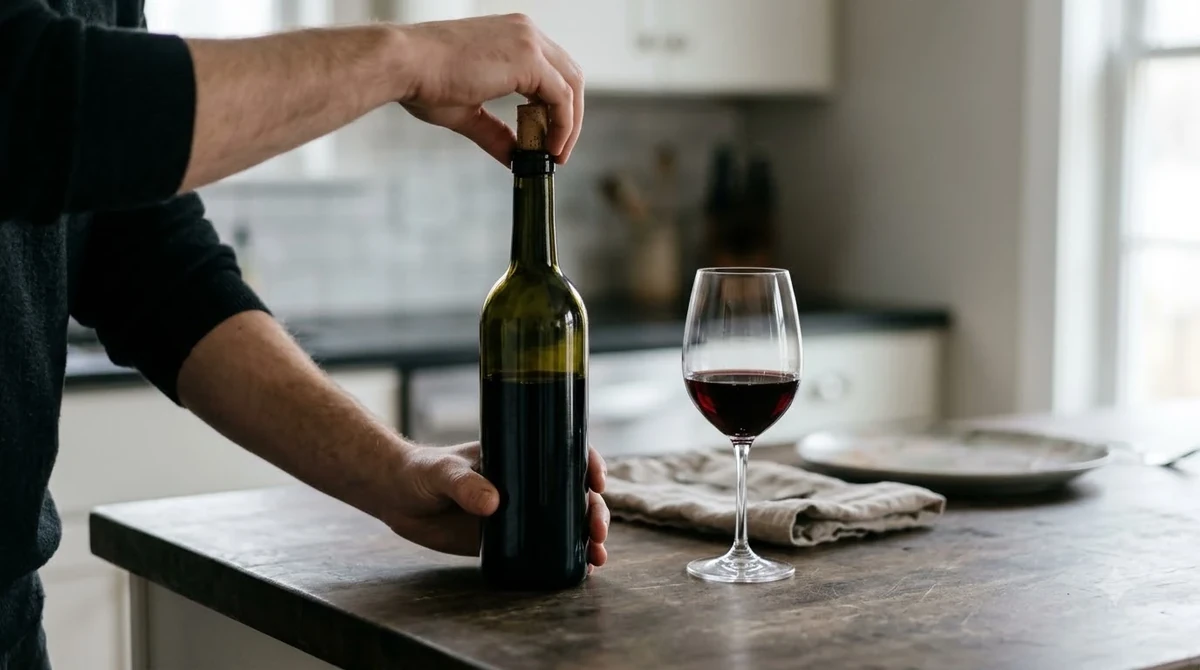
Open the bottle shortly before serving and allow the wine to breathe in the glass. Most Pinot Noir does not need the extended aeration that a young, full-bodied Cabernet Sauvignon may benefit from. Delicate aromas can be the point of the wine, so avoid assuming that a long decant will improve every bottle. A more concentrated or tightly wound Pinot Noir may open with a little air, but a graceful, mature bottle is better handled gently.
Set the table so the wine can be enjoyed with both the beef and the accompaniments. Place the roasted vegetables and mushrooms close to the meat, serve sauces separately, and keep very spicy condiments apart from the main plate. That arrangement allows diners to adjust each bite and makes it easier to see which elements bring out the wine’s fruit and savory notes. For a casual second meal, the same bottle style may also suit a mushroom-topped slice of pizza; the Pinot Noir with pizza pairing offers another example of how earthy toppings and moderate richness can work with the grape.
Know When a Bigger Red Is a Better Match
Pinot Noir is a good choice for a restrained, herb-seasoned prime rib, but it is not automatically the best bottle for every roast. A heavily charred crust, pronounced smoke, thick pepper coating, or very rich sauce may call for Cabernet Sauvignon, Syrah, or another red with more body and tannin.
Cabernet Sauvignon is the classic alternative when the meal centers on deeply flavored beef. Its higher tannin and fuller structure can meet the intensity of a substantial roast, especially when the crust is dark and savory. The fat in prime rib softens some of the tannic grip, while Cabernet’s dark fruit and structure remain noticeable beside the meat. This is often the more reliable choice for a large roast served with a rich pan sauce and bold seasoning.
Syrah is worth considering when black pepper, garlic, or smoky notes take the lead. Its savory, peppery profile can echo those seasonings and its firmer structure can handle a more assertive preparation. If the roast is smoked rather than simply roasted, the broader wine choice may shift again; a fruit-forward Zinfandel is another option for pronounced smoke and spice.
Merlot offers a softer alternative to Cabernet Sauvignon. Its medium tannin and rounder character can work well with tender beef and a relatively gentle preparation, particularly when the roast is served with au jus. It is also a useful middle ground for guests who find Cabernet too firm but want more body than a delicate Pinot Noir can provide. The best choice depends on whether the meal emphasizes tenderness, pepper, char, or rich sauce.
There is no need to treat the grape choice as a test with one correct answer. Pinot Noir can be a satisfying and thoughtful match for a lightly seasoned or herb-crusted prime rib, particularly when the meal includes mushrooms and roasted vegetables. A bigger red makes more sense when the roast itself is the most forceful element of the plate. Choose the wine that complements the preparation rather than assuming that every serving of beef needs the most tannic bottle available.
Frequently Asked Questions
These five questions cover common details about Pinot Noir, including its French name, Burgundy origins, aging potential, and use in sparkling wine.
What does the name Pinot Noir mean?
The name comes from the French words for pine and black. It refers to the compact, pine-cone-like shape of the grape clusters and the dark color of the berries. The name describes the grape, not a particular flavor or sweetness level.
Is red Burgundy always Pinot Noir?
Red Burgundy is generally made from Pinot Noir, the signature red grape of the Burgundy region in France. White Burgundy is usually made from Chardonnay, so the word Burgundy alone does not identify a red wine. The color and appellation on the bottle help distinguish the style.
Can Pinot Noir improve with age?
Yes. Well-made Pinot Noir can develop additional complexity as it matures, with some bottles moving beyond fresh fruit toward aromas such as dried leaves, leather, and forest floor. Aging potential varies by producer, vintage, and storage conditions, so not every bottle is intended for long cellaring.
Is Pinot Noir used to make sparkling wine?
Yes. Pinot Noir is one of the traditional grape varieties used in Champagne production. It can contribute body, structure, and red-fruit character to sparkling wine, and it is also used to make Blanc de Noirs, a white sparkling wine produced from dark-skinned grapes.
Does Pinot Noir always have a pale red color?
No. Pinot Noir can range from translucent ruby to a much deeper red or purple. Growing conditions, grape ripeness, and winemaking choices influence the final color, so a darker appearance does not necessarily mean a wine has more tannin or a heavier body.
Pinot Noir is a rewarding option for prime rib when the wine’s fruit, acidity, and texture suit the roast’s seasoning and richness. Choose a riper, medium-bodied bottle for a substantial serving, keep the sides savory and herb-driven, and serve the wine slightly cool. For a very smoky or heavily charred roast, consider a fuller red instead.
More in Food & Wine Pairing
 Risotto With White Wine Recipe: Make a Creamy Dinner at HomeUpdated Nov 20, 2026
 Wassail With Wine Recipe for a Festive Spiced Holiday DrinkUpdated Nov 20, 2026
 Spritz Veneziano Recipe: Make a Classic Venetian Aperitivo at HomeUpdated Nov 20, 2026
 Summer Wine Punch Recipe for Easy Homemade EntertainingUpdated Nov 20, 2026
 Bishop Recipe: How to Make a Bright, Citrus-Forward Red Wine CocktailUpdated Nov 20, 2026
 Wine Cupcakes Recipe: Bake Rich Chocolate Cupcakes at HomeUpdated Nov 20, 2026