

We may earn a commission when you buy through links on this page, at no extra cost to you. Learn more.
Pinot noir with halibut works best when the fish is grilled, roasted, or pan-seared and served with earthy herbs, mushrooms, roasted vegetables, or a savory sauce. Pinot Noir’s bright acidity and relatively soft tannins make it one of the more suitable red wines for seafood, although halibut’s lean, delicate flesh requires a lighter touch than richer fish such as salmon. Choose an elegant, cool-climate bottle, avoid heavy tannins and excessive oak, and serve the wine slightly cool for a balanced dinner.
Halibut is a versatile fish, but its mild flavor makes wine selection important. A simple steamed fillet with lemon has different pairing needs from a golden pan-seared portion with mushroom butter or a grilled fillet with roasted tomatoes. Pinot Noir can complement the richer versions particularly well, provided the seasoning and cooking method give the wine enough flavor to work with. Understanding the relationship between the fish, the wine, and the accompanying ingredients makes it easier to decide when this red-wine pairing succeeds and when a white wine would be a better choice.
Why Pinot Noir Can Work With Halibut
Pinot Noir can accompany halibut because it generally has less tannin than fuller-bodied red varieties and enough acidity to refresh the palate. The key is to balance the wine’s fruit and savory character against the fish’s mild flavor rather than expecting a powerful red to complement every preparation.

Halibut is a lean, medium-firm white fish with a clean flavor and flaky texture. It is more substantial than sole or tilapia, but it does not have the rich oiliness of salmon or mackerel. That distinction matters because fatty fish can soften tannins and provide a natural counterweight to red wine. Halibut offers less of that protection, so an aggressive red can make the fish seem metallic, dry, or overwhelmed.
Pinot Noir offers a more delicate alternative to Cabernet Sauvignon or Syrah. Its relatively low-to-medium tannin level, bright acidity, and light-to-medium body allow it to accompany seafood when the recipe includes enough savory flavor. Cabernet Sauvignon’s high tannin can dominate halibut, while Pinot Noir’s softer structure is easier to balance. The wine’s red-fruit flavors also provide a pleasant contrast to roasted vegetables and browned fish skin.
Preparation is especially important. A plain poached fillet has little browning or concentrated flavor, so even a restrained Pinot Noir might seem too assertive. A pan-seared or grilled portion develops a deeper savory character that gives the wine something to match. A mushroom garnish, roasted tomato accompaniment, or light soy-based glaze can strengthen the connection further.
The general rule is to match the intensity of the wine to the complete plate rather than the fish alone. A simply seasoned halibut fillet usually favors white wine, while a more developed preparation can make Pinot Noir a satisfying alternative. For additional pairing principles, the Grape x Food approach provides a useful starting point for comparing acidity, tannin, texture, and flavor. Wine Enthusiast also explains how sauces and cooking methods influence red-wine pairings in its guide to pairing red wine with fish.
Choosing the Right Pinot Noir Style
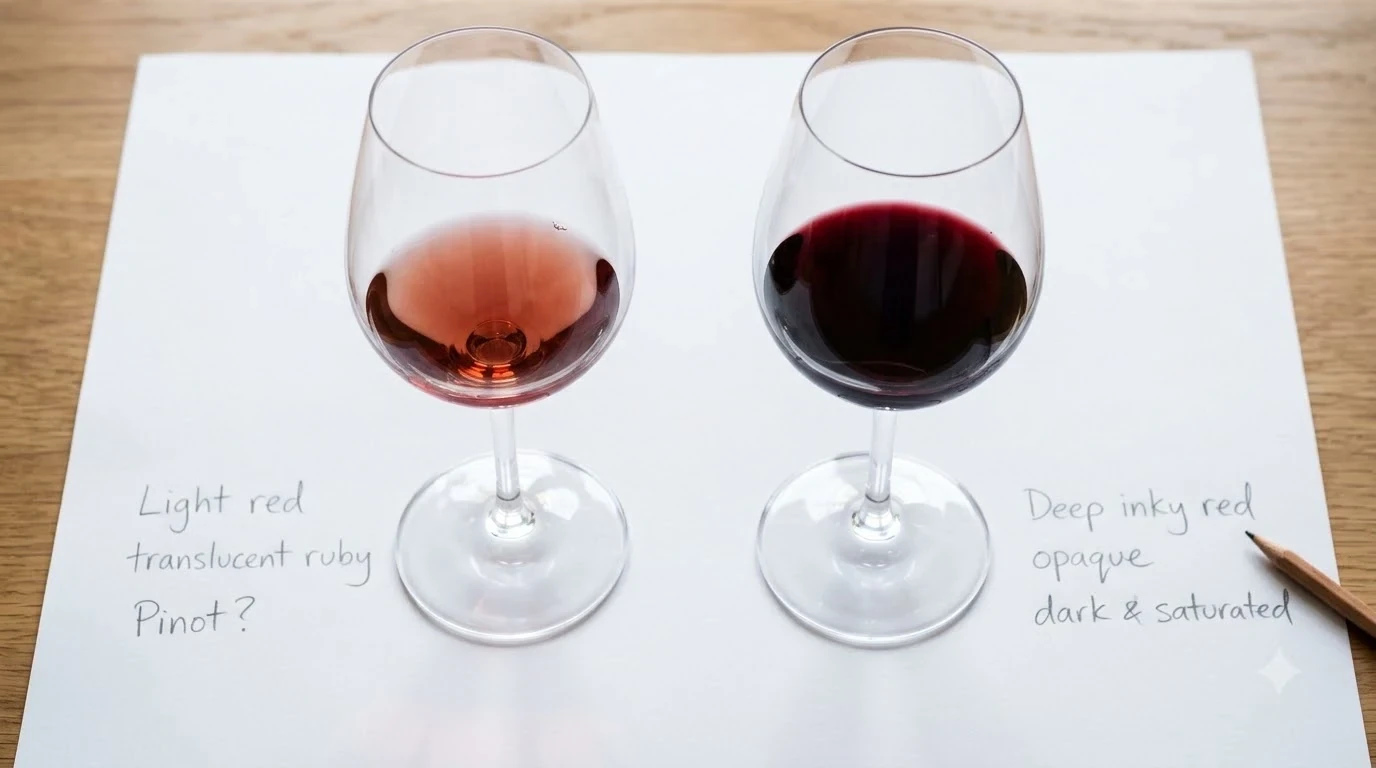
The most suitable Pinot Noir for halibut is usually light to medium-bodied, fresh, and restrained in oak influence. Look for a bottle with lively acidity, gentle tannins, and red-fruit or earthy characteristics rather than concentrated dark fruit and heavy barrel flavors.
Cool-climate Pinot Noir is often a particularly good starting point. Burgundy in France is known for elegant expressions with cranberry, red cherry, floral notes, and earthy mushroom characteristics. Oregon’s Willamette Valley also produces Pinot Noir with fresh acidity and a combination of red fruit and savory complexity. These characteristics can work especially well with halibut served with thyme, parsley, roasted mushrooms, or browned butter.
California Pinot Noir can offer another direction. Bottles from cooler coastal growing areas may show strawberry, raspberry, cherry, and gentle spice. These fruit-forward qualities can complement grilled halibut with roasted tomatoes or a lightly sweet balsamic glaze. However, some warmer-climate examples have greater alcohol, fuller body, and more noticeable oak. Those versions are better suited to stronger sauces and more intensely seasoned fish.
New Zealand Pinot Noir is another useful option. Cooler growing areas can produce wines with vivid acidity, red berries, herbs, and earthy undertones. Such a profile can work particularly well with a herb-crusted fillet or roasted vegetables. The best choice depends on the individual bottle rather than the country alone.
Pinot Noir typically contains between 12% and 15% alcohol by volume, according to Wine Enthusiast. Cooler-climate examples commonly fall between 12% and 13.5%, while warmer-region bottles can reach 13.5% to 15%. For delicate halibut, the lower-to-middle portion of this range is generally a useful starting point because higher alcohol can make the wine feel warmer and more forceful alongside mild fish.
Oak treatment deserves attention as well. Modest oak can contribute subtle spice and texture, but pronounced vanilla, toast, or smoke may overpower a simple seafood dish. A lightly oaked or predominantly fruit-driven Pinot Noir is usually easier to match than a heavily extracted, barrel-dominated example. For more detail on regional styles, aromas, and serving recommendations, consult Wine Enthusiast’s essential guide to Pinot Noir.
Matching Pinot Noir With Different Halibut Cooking Methods
Grilling, pan-searing, and roasting are the strongest cooking methods for pairing halibut with Pinot Noir because they develop browned or concentrated flavors. Steaming and poaching preserve the fish’s delicate character, which generally makes crisp white wine a safer choice.
Grilled halibut: Grilling creates light char and roasted aromas that help bridge the gap between white fish and red wine. Choose a fresh Pinot Noir with cherry and cranberry flavors, then season the fish with salt, black pepper, parsley, and a small amount of olive oil. Avoid excessive charring, which can introduce bitterness and make a delicate wine seem thin.
Pan-seared halibut: A golden crust gives the fish more savory depth and a firmer texture. A light Pinot Noir from Oregon or Burgundy can complement the browned exterior without overpowering the moist interior. Serve it with sautéed mushrooms, thyme, or roasted shallots to connect the dish with the wine’s earthy character.
Oven-roasted halibut: Roasting concentrates the fish’s natural flavor and makes it easier to incorporate ingredients such as fennel, carrots, tomatoes, and herbs. A medium-bodied Pinot Noir with balanced acidity can work when the vegetables contribute sufficient savory or roasted notes. Keep the sauce moderate so the wine remains noticeable.
Baked halibut with breadcrumbs: A thin breadcrumb crust adds texture and a toasted flavor that can support a fresh, low-tannin red. Use herbs such as thyme or parsley rather than a strong chili seasoning. A small amount of grated Parmesan can add savory depth without making the fish excessively rich.
Poached halibut: Poaching produces a particularly delicate result. The fish remains moist and soft, and its flavor is not concentrated through browning. For this preparation, Chablis, Sauvignon Blanc, or unoaked Chardonnay will usually be more harmonious. If you still want Pinot Noir, use a very light example and serve it with mushrooms, a savory broth, or a more substantial garnish.
Steamed halibut: Steaming is similarly delicate. Ginger, scallions, and a restrained soy-based dressing can give the dish additional flavor, but a high-acid white wine will generally be more reliable. A fruity Pinot Noir may work with a stronger Asian-inspired preparation, although the seasoning needs to remain balanced.
The following comparison summarizes how the cooking method influences the pairing.
| Halibut preparation | Pinot Noir suitability | Helpful accompaniment |
|---|---|---|
| Grilled | Very good | Roasted tomatoes and herbs |
| Pan-seared | Very good | Mushrooms and thyme |
| Oven-roasted | Good | Fennel and roasted shallots |
| Baked with breadcrumbs | Good | Parsley and Parmesan |
| Poached | Limited | Mushroom broth |
| Steamed | Limited | Ginger and scallions |
Building Sauces and Seasonings Around the Wine
Sauce is often the deciding factor in a successful Pinot Noir and halibut pairing. Earthy, savory, and lightly sweet ingredients can give the wine a natural connection to the dish, while sharp lemon, excessive chili, and heavily acidic sauces can make the pairing less harmonious.
Mushroom sauce is one of the most reliable options. Mushrooms have an earthy, savory quality that echoes common Pinot Noir characteristics, particularly in cooler-climate wines. Sautéed cremini mushrooms, shallots, thyme, and a modest amount of butter make a suitable accompaniment for pan-seared halibut. Keep the sauce light enough that it does not conceal the fish.
Roasted tomato sauce is another useful choice. Tomatoes provide acidity and concentrated savory sweetness, while roasting reduces their sharpness and adds depth. A sauce made with cherry tomatoes, garlic, olive oil, and fresh basil can complement fruit-forward Pinot Noir. Because acidic food needs wine with equal or higher acidity, avoid pairing a very tart tomato preparation with a soft, low-acid red.
Herb butter can work when used sparingly. Parsley, thyme, and chives add freshness, while butter provides enough richness to soften the wine’s tannins. A small amount of browned butter can also create nutty aromas that complement roasted or seared fish. Avoid turning the dish into a heavily creamy preparation, particularly if the Pinot Noir is light-bodied.
Soy and miso glazes provide another route. Their savory umami character can make halibut more compatible with a fruit-forward red. A restrained glaze with soy sauce, ginger, and a little honey can complement Pinot Noir from California or New Zealand. Sweetness should remain controlled so the wine does not taste unusually tart or thin.
Red-fruit reductions are particularly natural with Pinot Noir. A small quantity of cherry or cranberry reduction can echo the fruit in the wine without making the meal taste like dessert. Keep the sauce savory by adding stock, shallots, and herbs rather than excessive sugar.
Seasonings should remain moderate. Black pepper, thyme, rosemary, parsley, and mild garlic are useful choices. Strong chili heat is less suitable because alcohol and tannin can intensify the sensation of spice. A heavily lemon-based sauce can also make many reds taste flatter, so use citrus sparingly when Pinot Noir is the intended wine.
Tip: If you want to serve Pinot Noir with a naturally mild halibut fillet, add one savory bridge ingredient rather than several competing sauces. Mushrooms, roasted tomatoes, or a restrained soy glaze can provide enough flavor to connect the fish with the wine.
Choosing Side Dishes That Complement Both
The best sides for halibut and Pinot Noir combine moderate richness, earthy flavors, and restrained seasoning. Mushrooms, roasted root vegetables, potatoes, and mild greens can reinforce the wine’s character without overwhelming the fish.
Roasted mushrooms are a particularly effective accompaniment. Cremini, shiitake, or oyster mushrooms develop savory depth when cooked with olive oil, garlic, and thyme. Their earthy flavors complement the forest-floor and mushroom notes found in some Pinot Noir wines. Serve them beside the halibut or incorporate them into a light pan sauce.
Potatoes provide a neutral foundation. Roasted fingerling potatoes with rosemary and sea salt work well with grilled or pan-seared fish. Mashed potatoes can also be suitable, especially when prepared with moderate butter rather than a heavy cream-based sauce. Their mild flavor gives the wine room to show its fruit and acidity.
Roasted carrots and parsnips add gentle sweetness that complements ripe cherry and raspberry notes. Their natural sugars become more concentrated during roasting, making them a useful partner for a fruit-forward California or New Zealand Pinot Noir. Keep glazes restrained so the vegetables do not make the dry wine taste sour.
Green vegetables can bring freshness to the plate. Green beans, asparagus, and sautéed spinach work with halibut, particularly when finished with olive oil, parsley, or a small amount of butter. Strong bitterness and excessive vinegar are best avoided because they can make the wine seem harder and less balanced.
Grains and rice provide additional texture. Wild rice, barley, and mushroom risotto can connect particularly well with earthy Pinot Noir. A simple rice pilaf with herbs is a more neutral option for fish that has a delicate seasoning. For another dinner idea, compare the flavors used in Pinot Noir with pasta, where mushrooms and savory sauces also provide useful pairing connections.
When planning the full meal, consider the side dishes as part of the pairing rather than as separate additions. A plain halibut fillet served with mushroom risotto may be a better match for Pinot Noir than a more strongly flavored fish preparation accompanied by acidic vegetables. The combined flavor profile matters more than any individual ingredient.
Serving Temperature and Pouring Pinot Noir
Serve Pinot Noir slightly cool, generally between 55°F and 60°F for a lighter style accompanying halibut. This temperature keeps the wine fresh and helps its red-fruit aromas remain clear without emphasizing alcohol or making the fish seem heavy.
Wine Enthusiast gives a broader serving range of 55°F to 65°F for Pinot Noir, with lighter bottles toward 55°F and fuller examples closer to 65°F. For a seafood dinner, the lower portion of that range is usually more appropriate. A warmer, more powerful Pinot Noir may feel too substantial next to lean white fish, while a modest chill can improve its freshness.
If the bottle has been stored at normal room temperature, place it in the refrigerator for approximately 20 to 30 minutes before serving, then check how it feels in the glass. If it becomes too cold, allow it to warm gradually. Avoid serving it straight from an especially cold refrigerator because excessive chilling can suppress aromas and make acidity more prominent.
Use a standard wine glass with enough space for the aromas to develop. A pour of approximately 5 ounces is a practical serving size, and a standard 750 ml bottle provides about five such glasses. Pour modestly when serving a delicate fish dish because a very large serving can make it harder to appreciate the wine’s changing aromas as its temperature rises.
Young, full-bodied reds sometimes benefit from 30 to 60 minutes of decanting, but most lighter Pinot Noir intended for halibut does not require extended aeration. Open the bottle shortly before dinner and allow it to breathe in the glass. If the wine seems closed, give it a little more time rather than assuming that every Pinot Noir needs a long decant.
Serve the fish while it is warm and moist. The wine should be ready when the halibut reaches the table, allowing the two to be enjoyed together rather than leaving the fish to cool while the bottle is prepared.
When to Choose White Wine Instead
Pinot Noir is an interesting alternative, not the automatic best choice for every halibut recipe. When the fish is simply steamed, poached, or baked with lemon and delicate herbs, a fresh white wine generally preserves its subtle flavor more successfully.
Chablis is an excellent choice for straightforward halibut. Its fresh acidity and restrained Chardonnay character complement the fish without introducing substantial tannin or heavy oak. It works particularly well with a fillet seasoned with salt, parsley, and a small amount of butter.
Unoaked Chardonnay provides more body than many crisp white wines while maintaining a relatively clean flavor. This makes it suitable for medium-firm halibut served with potatoes, roasted vegetables, or a light butter sauce. It can also work for diners who prefer a rounder texture but do not want pronounced oak flavors.
Sauvignon Blanc is useful for grilled halibut with fresh herbs, asparagus, or lemon. Its high acidity provides freshness and works particularly well with green vegetable accompaniments. It is generally a more dependable option than Pinot Noir for a very light, citrus-driven fish preparation.
Pinot Gris can be a good middle ground. It often has enough texture to accompany thicker halibut fillets while retaining a fresh, approachable profile. Choose a dry style for fish with herbs, vegetables, or simple pan sauces.
Dry Riesling is another useful option, especially when the halibut includes ginger, soy, or aromatic seasoning. Its high acidity can balance savory ingredients, while a touch of residual sweetness in some styles can help with mildly spicy preparations.
Wine.com classifies halibut alongside cod and mahi mahi as a medium-firm white fish and recommends rounder whites such as Viognier, Semillon, Pinot Blanc, and Chablis. Its seafood pairing advice also emphasizes the importance of matching wine to the sauce rather than relying exclusively on the type of fish.
For more ideas involving a different protein and preparation, see Pinot Noir with chicken. The same principles of matching body, acidity, and savory ingredients can help explain why certain recipes work with Pinot Noir while others call for a white wine.
Frequently Asked Questions
Does Pinot Noir have to come from Burgundy to pair with halibut?
No. Pinot Noir from Oregon, California, New Zealand, and Germany can also work well. Burgundy is a traditional reference point, but the wine’s acidity, tannin, alcohol, and oak influence are more important than its country of origin.
Can leftover Pinot Noir be used in a halibut sauce?
Yes. A small amount of Pinot Noir can be reduced with shallots and stock to create a savory sauce for roasted or pan-seared halibut. Avoid reducing it with large quantities of lemon juice because excessive acidity can produce an unbalanced result.
Does Pinot Noir pair with halibut fish tacos?
It can work with tacos featuring grilled halibut, roasted peppers, and a mild tomato salsa. Choose a fresh, fruit-driven Pinot Noir and avoid very hot salsa, since chili heat can make alcohol and tannins seem more pronounced.
Can sparkling wine replace Pinot Noir with halibut?
Yes. Dry sparkling wines such as Brut Champagne and Cava offer acidity and bubbles that work particularly well with fried or breadcrumb-coated halibut. They are also useful when the meal includes salty garnishes or a crisp batter.
Does halibut skin change the Pinot Noir pairing?
Crispy skin adds browned, savory flavors and texture that can make the dish more compatible with a light red wine. Keep the skin dry before cooking and use a hot pan to encourage browning. The resulting texture gives Pinot Noir more to match than a completely soft, steamed preparation.
Pinot Noir with halibut is a rewarding option when the fish has enough roasted, grilled, or savory character to meet the wine’s fruit and acidity. Start with a light, low-tannin bottle, choose ingredients such as mushrooms or roasted tomatoes, and serve the wine slightly cool. If the halibut is simply prepared with lemon or delicate herbs, a crisp white wine remains the more dependable choice.
More in Food & Wine Pairing
 Risotto With White Wine Recipe: Make a Creamy Dinner at HomeUpdated Nov 20, 2026
 Wassail With Wine Recipe for a Festive Spiced Holiday DrinkUpdated Nov 20, 2026
 Spritz Veneziano Recipe: Make a Classic Venetian Aperitivo at HomeUpdated Nov 20, 2026
 Summer Wine Punch Recipe for Easy Homemade EntertainingUpdated Nov 20, 2026
 Bishop Recipe: How to Make a Bright, Citrus-Forward Red Wine CocktailUpdated Nov 20, 2026
 Wine Cupcakes Recipe: Bake Rich Chocolate Cupcakes at HomeUpdated Nov 20, 2026