


We may earn a commission when you buy through links on this page, at no extra cost to you. Learn more.
Petite sirah with prime rib is an excellent wine pairing because the wine’s firm tannins balance the roast’s rich marbling, while its concentrated blackberry, blueberry, and dark chocolate flavors complement the beef’s savory character. This full-bodied California red has enough structure to stand alongside a substantial rib roast without disappearing behind the meat. For the best results, serve it slightly cool, give a young bottle time to breathe, and season the beef with garlic, black pepper, or rosemary.
Prime rib is one of the richest and most flavorful beef roasts, making wine selection an important part of the meal. Its tender texture, browned exterior, and generous fat content call for a red wine with considerable structure. Petite Sirah fits naturally into that role, particularly when the roast has a peppery crust or is accompanied by a savory pan sauce. Understanding the relationship between tannin, fruit, seasoning, and serving temperature will help you build a more satisfying dinner.
Why Petite Sirah Works With Prime Rib
Petite Sirah works with prime rib because its high tannin content provides contrast to the beef’s rich fat, while its full body matches the intensity of the roast. The combination brings together a substantial meat dish and a wine with enough flavor and structure to remain noticeable throughout the meal.
Prime rib contains substantial intramuscular fat, commonly called marbling. As the roast cooks, this fat contributes to its juicy texture and savory flavor. A lighter red wine can taste thin beside such a rich preparation, particularly when the beef is served with a concentrated jus or a browned, seasoned exterior.
Petite Sirah addresses this challenge through its pronounced tannins. Tannins create a drying sensation in the mouth, and their interaction with fatty foods can make the overall combination feel more balanced. Rather than adding another layer of richness, the wine provides contrast that refreshes the palate between bites.
There is also a useful connection between the wine’s fruit and the roast’s browned exterior. Petite Sirah commonly offers blueberry, blackberry, plum, and dark chocolate characteristics. These concentrated flavors can complement the caramelized, savory notes that develop during roasting. Some examples also show black pepper, coffee, or smoky nuances that work particularly well with a seasoned beef crust.
Wine Folly specifically identifies prime rib as a suitable match for high-tannin Petite Sirah and Cabernet Sauvignon. Its explanation of fatty-beef pairings emphasizes how tannic red wines provide contrast to rich cuts. You can read its guide to pairing wine with red meat for additional examples.
The pairing is especially successful with a traditional rib roast served medium-rare or medium. At these levels of doneness, the meat retains considerable juiciness and a tender texture, giving the wine’s tannins something substantial to balance. A leaner roast or a preparation with a particularly delicate sauce may call for a less aggressive red, but a well-marbled prime rib generally welcomes Petite Sirah’s intensity.
Petite Sirah’s Flavor and Tannin Profile
Petite Sirah is a dry, full-bodied red wine known for dark fruit, deep color, and high tannins. Its flavor concentration and substantial texture make it a natural companion for prime rib, especially when the wine has enough freshness to balance its powerful structure.
The grape is also known as Durif, its French name. Although genetically related to Syrah, it is a distinct variety rather than a smaller or lighter version of Syrah. Wine Enthusiast identifies its origins in France and describes California as its principal growing region. California examples are produced in areas including Lodi, Paso Robles, the Sierra Foothills, and Santa Barbara.
Its characteristic flavor profile helps explain the pairing. Blackberry, blueberry, dark plum, and blackcurrant create a concentrated fruit foundation. Depending on the producer and winemaking approach, additional notes may include black pepper, dark chocolate, licorice, tobacco, espresso, and vanilla.
These flavors have different roles at the dinner table. Dark fruit complements the browned beef, while pepper and herbal notes connect with the seasoning. Chocolate and coffee nuances can echo the roasted flavors created by a well-browned exterior. The wine’s acidity also contributes freshness, although Petite Sirah is generally better known for its tannins and body than for exceptionally high acidity.
Not every bottle has exactly the same texture. Some younger examples can feel particularly firm and drying, while other wines are made in a more approachable style. Oak aging, grape ripeness, extraction, and bottle age can all influence the finished character.
Traditional Petite Sirah can take considerable time to soften. Wine Enthusiast notes that some classic examples have required 10 or more years of aging, although modern winemaking has produced wines that are more approachable earlier. This variation makes it useful to consider the wine’s actual structure rather than assuming that every bottle needs prolonged cellaring.
For prime rib, look for a wine with concentrated fruit, firm but balanced tannins, and enough freshness to keep the finish from feeling heavy. Extremely aggressive tannins are not automatically better. A balanced bottle is more versatile across several courses and remains enjoyable as the meal progresses.
Choosing the Right Prime Rib Preparation
The seasoning and cooking method influence how Petite Sirah performs with prime rib. A classic garlic-and-herb crust, peppercorn seasoning, and slow-roasted beef all complement the wine, although each preparation highlights a different part of its flavor profile.
Garlic and Rosemary Crust
A garlic-and-rosemary crust is one of the most dependable choices. Rosemary contributes an earthy, aromatic quality that connects with the herbal and peppery notes sometimes found in Petite Sirah. Garlic also reinforces the savory character of the roast without introducing excessive sweetness.
Rub the beef with olive oil, minced garlic, rosemary, thyme, kosher salt, and black pepper before roasting. The exterior develops a flavorful crust while the center remains tender. The wine’s dark fruit adds another layer of flavor without competing with the herbs.
Black Pepper and Spice Rub
A peppercorn crust is particularly suitable for a Petite Sirah with noticeable black pepper and spice characteristics. Cracked black pepper, coriander, garlic powder, and a modest amount of smoked paprika create a savory coating that connects with the wine’s darker flavors.
Keep the seasoning balanced. Excessive chili heat can make high-alcohol, tannic wines feel hotter and more aggressive. Black pepper provides aromatic intensity without requiring the same level of chili heat, making it a more reliable seasoning choice for this pairing.
Slow-Roasted Prime Rib
Slow roasting produces a tender interior and a deeply flavored exterior when the final browning step is handled properly. This preparation works well with Petite Sirah because the wine can match the roast’s concentrated beef flavor without overwhelming its texture.
Serve the roast with a restrained beef jus made from roasting drippings, stock, and aromatic vegetables. A little thyme or rosemary can reinforce the herbal connection. Avoid making the sauce excessively sweet, since sugary reductions can make a dry red wine seem harder and more bitter by comparison.
Smoked Prime Rib
Smoked prime rib offers another good opportunity for this combination. The wine’s dark fruit, coffee, and pepper characteristics can complement moderate smoke and a browned exterior. Choose a Petite Sirah with concentrated fruit rather than one dominated by aggressive oak flavors.
Smoke should remain a supporting flavor rather than overwhelming the meat. A heavy smoke profile combined with excessive black pepper and a very tannic wine can make the entire meal feel tiring. A balanced rub and a restrained smoking approach produce a more enjoyable result.
Best Side Dishes and Sauces for the Pairing
The best sides for Petite Sirah and prime rib reinforce the meal’s savory character without introducing too much sweetness or acidity. Garlic mashed potatoes, roasted mushrooms, Yorkshire pudding, and rosemary vegetables all work well because their richness and earthy flavors complement the wine’s structure.
Garlic mashed potatoes are an especially practical choice. Their creamy texture softens the sensation of tannin, while butter and roasted garlic provide savory flavors that connect with the beef. The potatoes also give the meal a mild, comforting component between bites of richly seasoned meat.
Roasted mushrooms are another strong option. Cremini, shiitake, and portobello mushrooms develop concentrated earthy flavors when cooked with olive oil, garlic, and thyme. Their umami character complements Petite Sirah’s dark fruit and can make the wine seem more integrated with the food.
Yorkshire pudding and buttered rolls contribute richness without adding competing flavors. Their soft, slightly eggy or buttery character provides a contrast to the roast’s browned crust and the wine’s drying tannins.
Choosing a Sauce
A traditional beef jus is a particularly reliable accompaniment. It concentrates the roast’s natural savory flavors and allows the wine to remain the central beverage pairing. A small amount of red wine, beef stock, shallots, and thyme can create a flavorful sauce without excessive sweetness.
Horseradish cream is another classic prime rib accompaniment, but its sharpness deserves attention. A moderate portion can provide an appealing contrast to the beef’s richness. Too much horseradish, however, can overwhelm the fruit in Petite Sirah and make the wine seem more alcoholic.
Peppercorn sauce works well when the wine has a noticeable peppery character. A creamy base softens the sauce’s intensity, while the spice connects with the wine’s aromatic profile. Keep the sauce moderately seasoned so that it does not compete with the beef.
For a broader understanding of how ingredients influence wine selection, explore our Grape x Food pairing principles. The same approach can help when planning other meals, including Petite Sirah with turkey, where preparation and accompanying sauces play a major role.
Prime Rib Side Dish Pairing Reference
| Side Dish | Recommended Preparation | Why It Works |
|---|---|---|
| Garlic mashed potatoes | Butter and roasted garlic | Creaminess softens tannin perception |
| Roasted mushrooms | 425°F for 20-25 minutes | Earthy umami complements dark fruit |
| Brussels sprouts | 425°F for 20-25 minutes | Browned edges add savory depth |
| Yorkshire pudding | 425°F for 20-25 minutes | Egg and butter flavors complement beef |
| Roasted carrots | 400°F for 25-35 minutes | Natural sweetness balances savory flavors |
| Green beans | Blanch for 3-4 minutes | Fresh texture provides contrast |
These cooking temperatures and times are practical starting points rather than universal requirements. Vegetable size, oven performance, and preparation method can change the final cooking time. The objective is to create sides with enough flavor to complement the roast while keeping the overall menu balanced.
Serving Temperature, Decanting, and Pouring
Petite Sirah generally benefits from being served slightly below typical room temperature, with 60-65°F a practical target for dinner. A young, full-bodied bottle can also benefit from 30-60 minutes of decanting, allowing its fruit and aromatic character to become more expressive.
Temperature makes a noticeable difference with a powerful red wine. When Petite Sirah is served too warm, its alcohol can become more prominent, and the overall impression may feel heavy. Serving it slightly cool helps preserve the wine’s freshness and keeps its tannins from dominating the experience.
Wine Folly lists a broader serving range of 60-68°F for Petite Sirah and recommends approximately one hour of decanting. For a prime rib dinner, the lower portion of that temperature range is a useful starting point, especially when the dining room is warm.
How to Decant Petite Sirah
Young Petite Sirah can have concentrated aromas and firm tannins that benefit from exposure to air. Pouring the wine into a decanter allows it to open gradually and gives its fruit and spice characteristics more room to develop.
Start by opening the bottle approximately one hour before serving. Taste a small amount immediately, then compare it with another small pour after 30 minutes. If the wine feels closed or unusually firm, allow additional time. If its aromas are already expressive and its texture is balanced, there is no need to wait longer.
Older bottles require a different approach. They may have developed sediment during aging, so careful pouring is more important than extended aeration. Pour slowly and stop when sediment approaches the neck of the bottle. A mature wine can lose some of its delicate aromatic qualities if exposed to air for too long.
Glassware and Pour Size
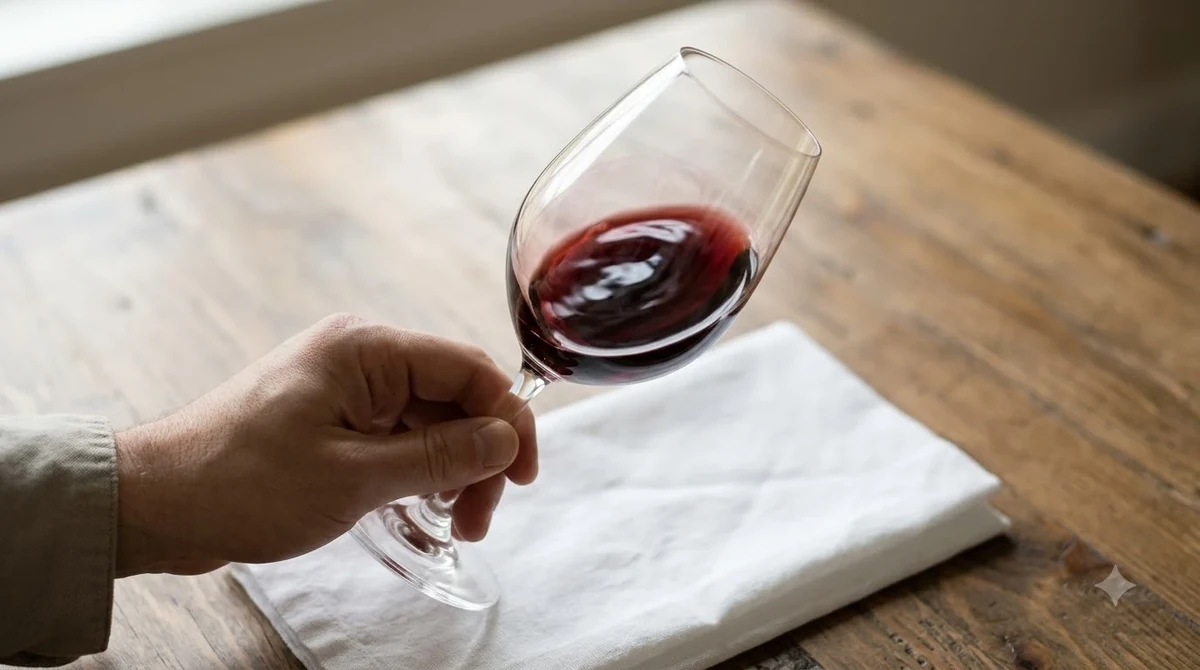
Use a large red-wine glass with enough room to swirl the wine. A bowl with a reasonably wide opening helps release the aromas of blackberry, plum, pepper, and chocolate. Avoid filling the glass too high because a smaller pour provides more room for the wine to breathe.
A standard 5-ounce pour is appropriate for a dinner serving. A 750 ml bottle contains approximately 25.4 fluid ounces, providing about five standard glasses. For a dinner with four adults, two bottles provide approximately ten standard pours, leaving some flexibility for guests who prefer a second glass.
Tip: If Petite Sirah tastes unusually hot or harsh, check its serving temperature before deciding that the wine is too tannic. A bottle that has warmed above 65°F can emphasize alcohol and make the finish feel heavier. A brief period in the refrigerator can bring it back toward the ideal serving range.
Petite Sirah Compared With Other Prime Rib Wines
Petite Sirah is an excellent choice for prime rib, but Cabernet Sauvignon, Malbec, Syrah, and Pinot Noir offer different interpretations of the pairing. The best alternative depends on how much tannin, fruit intensity, and freshness you want alongside the roast.
Cabernet Sauvignon is a familiar option because its high tannins and concentrated dark fruit work well with fatty beef. Compared with Petite Sirah, it can offer more recognizable cassis, black cherry, cedar, and herbal characteristics. It is especially suitable for a classic roast with a peppery crust or concentrated beef jus.
Malbec is another strong option, particularly when the prime rib is seasoned with garlic, herbs, and black pepper. Its dark fruit and generally more approachable tannin profile can create a softer combination than a particularly firm Petite Sirah. Read more about Malbec with prime rib if you want a fruit-forward alternative.
Syrah brings another dimension through black pepper, dark berries, and savory or smoky notes. It can be particularly effective with smoked prime rib or a roast seasoned with rosemary and cracked pepper. Its tannin levels vary, so the individual wine’s structure matters.
Pinot Noir provides a lighter alternative. Its lower-to-medium tannins and higher acidity can suit a more delicately seasoned roast, especially when the meat is served with mushrooms or a restrained jus. It will not provide the same powerful contrast to rich marbling as Petite Sirah, but it can make the meal feel less heavy. Our article on Pinot Noir with prime rib explores that lighter approach.
The following comparison provides a practical overview of the main choices.
| Wine | Tannin Level | Typical Flavor Character | Best Prime Rib Preparation |
|---|---|---|---|
| Petite Sirah | High | Blackberry, blueberry, dark chocolate | Rich, pepper-crusted roast |
| Cabernet Sauvignon | High | Cassis, black cherry, cedar | Classic herb-crusted roast |
| Malbec | Medium to high | Plum, blackberry, cocoa | Garlic and herb roast |
| Syrah | Medium-plus to high | Black pepper, dark berries, savory spice | Smoked or peppercorn roast |
| Pinot Noir | Low to medium | Red cherry, raspberry, earthy notes | Lightly seasoned roast |
| Merlot | Medium | Plum, black cherry, cocoa | Slow-roasted beef with jus |
These are general grape-variety characteristics, not guarantees about every bottle. Growing conditions, ripeness, oak treatment, and winemaking can change the finished wine considerably. For a traditional prime rib dinner with substantial marbling, Petite Sirah remains one of the most convincing choices because of its combination of full body and firm tannin.
Frequently Asked Questions
Is Petite Sirah the same grape as Syrah?
No. Petite Sirah is also known as Durif and is a crossing of Syrah and Peloursin. Genetic research at the University of California, Davis, established this relationship through DNA fingerprinting in the 1990s. The two varieties share ancestry but produce distinct wines.
Why is Petite Sirah called Petite if it produces powerful wine?
The name refers to the grape berries rather than the strength of the finished wine. Petite Sirah has relatively small berries, which contribute to a high skin-to-juice ratio during winemaking. This helps explain its deep color and substantial tannin structure.
Can Petite Sirah be blended with other red grapes?
Yes. Petite Sirah is frequently used in California red blends because its intense color and tannins can add structure to varieties with softer textures. Merlot and Zinfandel are examples of grapes that can benefit from this contribution. The proportion used varies according to the winemaker’s intended style.
Can Petite Sirah age for more than 10 years?
Yes. Some structured examples have considerable aging potential, and Wine Enthusiast notes that traditional examples can require 10 or more years for their textures to soften. Cellaring potential depends on fruit concentration, tannin balance, acidity, and storage conditions. Keep bottles on their sides in a cool, stable environment near 55°F.
What is the difference between Petite Sirah and Petite Syrah on a wine label?
Petite Syrah is an alternative spelling sometimes used for the same grape variety as Petite Sirah. Durif is another recognized name, particularly in France. The spelling difference does not automatically indicate a different grape or a different wine style.
Petite Sirah and prime rib make a rewarding combination when the roast has generous marbling, balanced seasoning, and a savory finish. Choose a fruit-forward wine with firm but integrated tannins, serve it at 60-65°F, and allow a young bottle time to open before dinner. With garlic mashed potatoes, roasted mushrooms, and a traditional beef jus, this pairing creates a satisfying centerpiece for a special meal.
More in Food & Wine Pairing
 Risotto With White Wine Recipe: Make a Creamy Dinner at HomeUpdated Nov 20, 2026
 Wassail With Wine Recipe for a Festive Spiced Holiday DrinkUpdated Nov 20, 2026
 Spritz Veneziano Recipe: Make a Classic Venetian Aperitivo at HomeUpdated Nov 20, 2026
 Summer Wine Punch Recipe for Easy Homemade EntertainingUpdated Nov 20, 2026
 Bishop Recipe: How to Make a Bright, Citrus-Forward Red Wine CocktailUpdated Nov 20, 2026
 Wine Cupcakes Recipe: Bake Rich Chocolate Cupcakes at HomeUpdated Nov 20, 2026