

We may earn a commission when you buy through links on this page, at no extra cost to you. Learn more.
Moscato with turkey can work beautifully when the bird is prepared with fruit, honey, mild herbs, or gently sweet glazes. Its peach, citrus, and floral aromas bring a fresh contrast to savory turkey, while its natural sweetness complements sweet side dishes and spicy seasonings. However, Moscato is not the best match for every traditional Thanksgiving preparation, particularly heavily salted, intensely savory, or very dry roasted turkey. Choose the right style and pair it with complementary sides to make the combination successful.
Turkey is one of the most versatile holiday proteins, but its mild flavor creates several possibilities for wine pairing. White meat is lean and delicate, dark meat is richer, and the seasonings, sauces, and side dishes can change the character of an entire plate. Moscato offers a different approach from the familiar Chardonnay and Pinot Noir choices. Rather than relying on body or tannin, it uses aromatic fruit, refreshing acidity, and sweetness to complement particular parts of the meal. Understanding where those qualities work best makes it easier to decide whether to serve Moscato as the main Thanksgiving wine, a second option, or a special pairing for specific dishes.
Why Moscato Can Work With Turkey
Moscato can complement turkey because its fruity aromas and natural sweetness provide contrast to savory meat and aromatic seasonings. The most successful combinations involve lightly sweetened preparations, fruit-based sauces, and sides that share the wine’s bright flavor profile.

Moscato is associated with aromas of peach, apricot, orange blossom, honeysuckle, and citrus. These characteristics give it a noticeable personality without the weight of heavily oaked Chardonnay or the tannic structure of Cabernet Sauvignon. With turkey breast, the wine’s aromatic character can make a simple meal feel more expressive. Its sweetness can also soften the perception of salt and complement ingredients such as roasted apples, honey, and dried cranberries.
Acidity is another important part of the pairing. Although Moscato is generally sweet, many examples retain enough freshness to keep the wine from feeling completely heavy. That freshness can help balance richer preparations, including turkey served with butter, creamy gravy, or roasted vegetables. However, the amount of sweetness and acidity varies between bottles, so the style matters.
Moscato d’Asti from Piedmont, Italy, is a particularly interesting choice. It is made from Moscato Bianco and is generally lightly sparkling, sweet, and relatively low in alcohol. The regional tourism authority describes its traditional associations with pastries, hazelnut cakes, cheese, salami, and spicy dishes. These savory applications demonstrate that Moscato is not restricted to dessert, although its sweetness still needs to be considered when pairing it with a complete turkey dinner. The Piedmont regional guide to Moscato d’Asti provides additional information about its production area, grape variety, and traditional food pairings.
There is an important distinction between complementing turkey and complementing the entire plate. A glass may work wonderfully with honey-glazed turkey breast but feel too sweet alongside salty stuffing and traditional gravy. Consider the strongest flavor on the plate rather than choosing a wine based only on the meat.
Which Moscato Styles Suit Different Turkey Preparations
The best Moscato style depends on its sweetness, acidity, bubbles, and alcohol level. For a holiday meal, a fresh, gently sparkling Moscato d’Asti is often a practical starting point, while other Muscat styles can provide alternatives for different recipes.
Moscato is a broad wine family rather than a single production style. Bottles can range from lightly sparkling Italian wines to still American examples and richer dessert-oriented Muscat wines. Some are distinctly sweet, while others are closer to off-dry or dry. The difference can be significant when the wine is served with lean poultry and savory accompaniments.
Moscato d’Asti is particularly appealing for Thanksgiving because its gentle bubbles, peach aromas, and refreshing character can make each sip feel lighter. A producer such as Gancia makes a Moscato d’Asti in Canelli from Moscato Bianco di Canelli. Its published technical information lists 5.5% alcohol by volume and 55 grams per liter of residual sugar. This illustrates why checking the specific style is useful: Moscato can deliver substantial sweetness even when its alcohol level is relatively low.
Still Moscato can be a better option for people who prefer a wine without noticeable carbonation. Its fruit-forward character remains useful with glazed poultry, fruit-based sides, and mild spices. Pink Moscato introduces berry-like fruit notes, making it especially interesting with cranberry preparations and turkey dishes featuring cherry or raspberry sauces.
For a more detailed look at the grape family and its different expressions, the Grape x Food pairing resource can help clarify how sweetness, acidity, and body influence food combinations.
| Moscato style | Typical characteristics | Turkey preparation | Best accompanying flavors |
|---|---|---|---|
| Moscato d’Asti | Sweet, gently sparkling, aromatic, low alcohol | Honey-glazed turkey breast | Peach, apple, roasted squash |
| Still Moscato | Fruity, aromatic, sweet or off-dry | Herb-roasted turkey | Apricot, citrus, mild herbs |
| Pink Moscato | Sweet, fruity, often lightly sparkling | Turkey with cranberry glaze | Strawberry, raspberry, cherry |
| Dry Muscat | Floral, aromatic, less sweet | Simply roasted turkey | Citrus, herbs, green apple |
| Sweet Muscat | Rich fruit, pronounced sweetness | Turkey with spicy fruit glaze | Apricot, honey, warm spices |
These are general pairing suggestions rather than fixed rules. A particularly sweet Moscato may overwhelm a lightly seasoned turkey breast, while a less sweet Muscat can work more comfortably with savory preparations. The most important distinction is whether the wine’s sweetness matches the strongest flavors in the dish.
Turkey Seasonings and Sauces That Complement Moscato
Fruit, honey, citrus, and mild aromatic herbs are among the most reliable ingredients to serve with Moscato and turkey. These flavors connect the wine’s natural fruitiness with the seasoning of the meat without creating excessive sweetness or bitterness.
Honey-glazed turkey is one of the easiest combinations to understand. Honey creates a sweet surface flavor that complements Moscato’s ripe peach and floral notes. A glaze containing orange zest, a little lemon juice, and fresh thyme adds aromatic complexity while preventing the dish from becoming one-dimensional. The wine’s acidity helps balance the richness of the glaze.
Apple and apricot preparations are also suitable. Apples provide gentle sweetness and acidity, while apricots contribute a softer, more concentrated fruit flavor. A turkey breast rubbed with butter, thyme, rosemary, and orange zest can pair nicely with a lightly sparkling Moscato d’Asti. These ingredients preserve the poultry’s natural flavor instead of covering it with heavy spices.
Spiced turkey offers another possibility. Ginger, cinnamon, coriander, and mild paprika can create a fragrant preparation that works with Moscato’s floral and fruity character. Sweetness can soften the perception of some spicy flavors, although the wine’s alcohol and the intensity of the seasoning still matter. Very hot chili preparations are less predictable because alcohol can amplify the sensation of heat.
Garlic and rosemary deserve more consideration. They are traditional turkey seasonings, but strong quantities can make a sweet wine feel disconnected from the dish. Use them moderately and introduce a fruit or citrus element to bridge the flavors. A little orange zest or apple-based stuffing can help bring the combination together.
Heavy black pepper, strongly smoked seasoning, and bitter herbs are less dependable partners. They may work with certain Moscato bottles, but they can compete with the wine’s delicate floral aromas. For a conventional herb-roasted turkey, a dry white wine or light red may offer a more balanced alternative.
Tip: If the turkey is seasoned with rosemary and thyme, add a small amount of orange zest or apple to the preparation. This creates a fruity connection with Moscato without requiring a heavily sweet glaze.
Thanksgiving Side Dishes That Match Moscato
Side dishes often determine whether Moscato succeeds at Thanksgiving. Cranberry sauce, sweet potatoes, roasted squash, fruit stuffing, and mildly sweet vegetables provide some of the strongest opportunities for pairing.
Cranberry sauce is a natural candidate, especially when it contains orange, apple, or a modest amount of sugar. Its tartness creates a contrast with Moscato’s sweetness, while the fruit aromas reinforce the wine’s character. However, cranberry sauce can be extremely acidic. The wine should have enough acidity to avoid tasting flat, and an especially sharp homemade sauce may require a sweeter, fresher Moscato.
Sweet potato casserole can also work, particularly when prepared with cinnamon, nutmeg, or a light brown sugar topping. The natural sweetness of the potatoes complements Moscato’s fruit profile. A lightly sparkling example adds freshness between bites, making it a more interesting match than a very heavy dessert-style Muscat.
Roasted butternut squash, carrots, and apples provide similar opportunities. Their gentle sweetness connects with peach and apricot aromas, while their roasted surfaces add savory depth. A preparation with butter and mild herbs is generally more successful than one overloaded with sugar or marshmallows.
Stuffing requires more attention because its flavor depends on the ingredients. Traditional bread stuffing with celery, onion, sausage, and sage can be quite savory. A fruit-based stuffing containing dried cranberries, apples, or apricots is easier to pair with Moscato. The wine’s sweetness becomes more appropriate when the stuffing contains comparable fruit flavors.
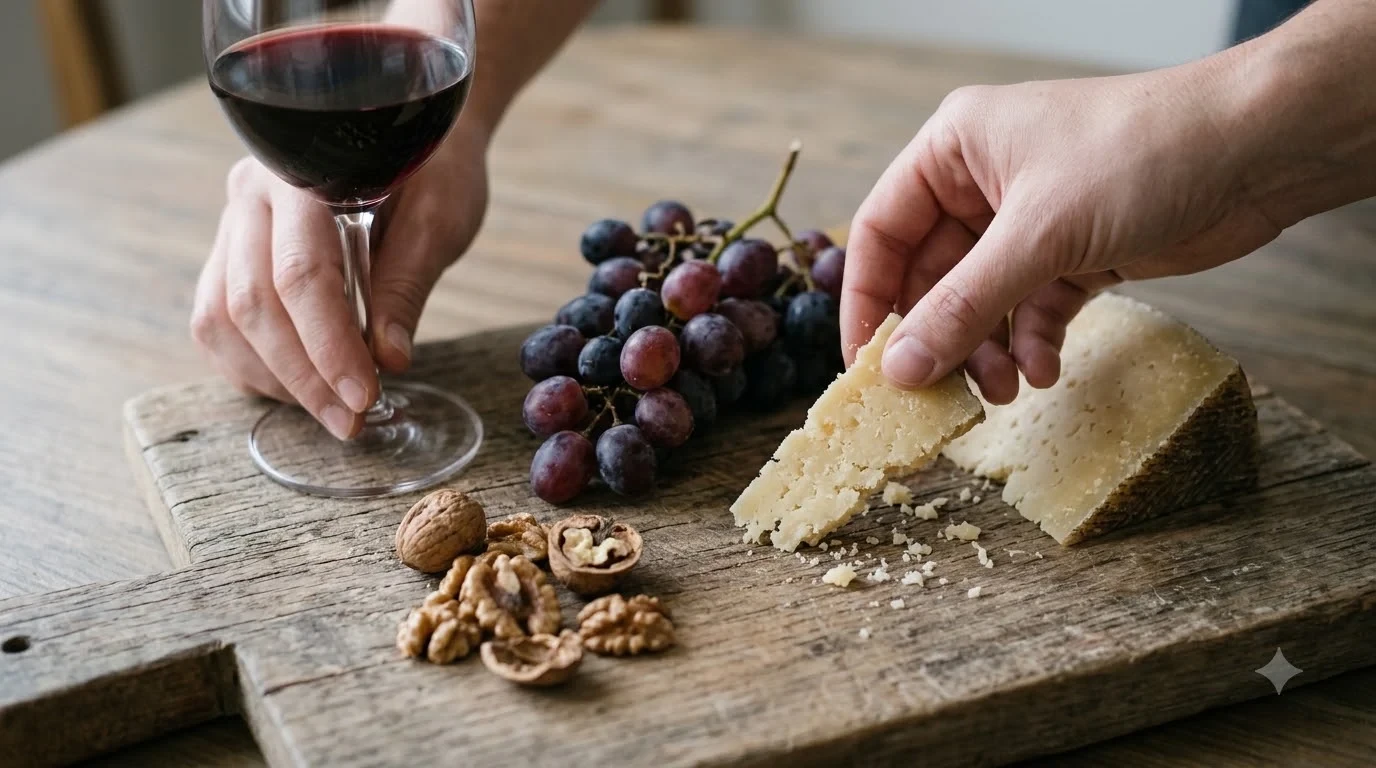
Cheese dishes can provide a useful bridge between the main course and the wine. Mild blue cheese, creamy cheeses, and savory cheese appetizers can work particularly well with sweet Moscato. Gancia also lists blue cheese and cured meats among the foods that complement its Moscato d’Asti. That makes a small cheese course an appealing way to serve the wine before or after the turkey.
Green bean casserole and heavily savory mushroom dishes are less obvious matches. Their creamy textures are not necessarily a problem, but strong earthy flavors and salty toppings can make a sweet, floral wine seem less integrated. Serve these dishes with a drier white wine if they dominate the plate.
Roasted Turkey, Fried Turkey, and Smoked Turkey Pairings
The cooking method changes the intensity, texture, and seasoning of turkey, so Moscato performs differently with roasted, fried, and smoked preparations. Lightly roasted or glazed turkey is generally the most reliable choice, while intensely smoky and heavily seasoned versions need more careful consideration.
Traditional oven-roasted turkey is the easiest starting point. Its relatively mild flavor gives Moscato room to contribute fruit and floral aromas. A preparation with butter, lemon, thyme, and a light honey glaze creates a particularly suitable combination. For unglazed turkey with a savory herb rub, a less sweet Muscat or another white wine may be more appropriate.
Deep-fried turkey introduces more fat and a crisp exterior. The wine’s acidity and bubbles can provide welcome freshness alongside the richness of the skin. However, the seasoning matters. A lightly seasoned fried bird can work with Moscato, while a very salty or spicy Cajun preparation may make a sweet bottle seem less balanced. The wine can still be served alongside fruit-based sauces that soften the transition between flavors.

Smoked turkey is more challenging because smoke introduces a powerful flavor that can dominate delicate floral and fruit aromas. Lightly smoked turkey with a mild apple or honey glaze is more promising than heavily smoked meat with pepper-heavy seasoning. A fruit-forward Moscato can create an interesting contrast, but it is not necessarily the most natural pairing for a strongly smoky preparation.
Turkey legs and dark meat also require consideration. Dark meat has a richer texture and more pronounced flavor than turkey breast. A sweeter, fruitier Muscat can complement a preparation with roasted apples, dried fruit, or warm spices. However, a particularly savory dark-meat dish may be better served with a medium-bodied red wine.
For a turkey dinner featuring multiple preparations, avoid forcing one bottle to work equally well with every dish. A lightly sparkling Moscato can be reserved for glazed breast meat and fruit-based sides, while a dry white or lighter red accompanies the more savory parts of the meal.
Serving Temperature, Glassware, and Pouring Moscato
Moscato should be served chilled so its sweetness feels refreshing and its aromatic character remains lively. For Moscato d’Asti, a temperature around 43–50°F is a useful serving range, with individual producers sometimes recommending slightly different temperatures.
Gancia recommends serving its Moscato d’Asti at 6–8°C, approximately 43–46°F. This relatively cool temperature helps preserve its freshness and gentle sparkle. A bottle that becomes too warm can make the sweetness seem heavier, particularly alongside turkey and rich holiday sides.
Refrigerate the bottle before the meal and open it shortly before serving. If the wine is too cold, allow it to warm slightly in the glass. This gives its peach, citrus, and floral aromas more room to develop. The aim is to keep the wine refreshing rather than extremely cold.
Glassware also affects the experience. A white wine glass with a moderately narrow opening is a useful choice because it allows aromatic notes to gather without making the wine feel overly formal. A tulip-shaped sparkling wine glass can also work well with gently fizzy Moscato d’Asti.
For serving quantities, a standard wine pour is approximately 5 ounces. A 750 ml bottle provides about five standard glasses. Since Moscato is sweet and can be served alongside several different foods, smaller pours can be practical during a large Thanksgiving meal.
Keep sparkling Moscato chilled between pours and close the bottle securely if there is wine remaining. Refrigerated sparkling wine generally keeps its best qualities for approximately one to three days after opening, although the bubbles gradually diminish. Still Moscato can generally remain enjoyable for around three to five days when properly refrigerated and sealed.
When to Choose Another Wine for Turkey
Moscato is a specialized turkey pairing rather than a universal holiday wine. If the meal centers on traditional savory flavors, dry whites and lighter reds are often more dependable choices.
Chardonnay is an excellent alternative for turkey roasted with butter, herbs, and creamy gravy. Its medium acidity and range of textures allow it to complement both white and dark meat. An unoaked or lightly oaked Chardonnay can preserve freshness, while a fuller-bodied version can work with richer preparations. See the recommendations for Chardonnay with turkey when a dry white is the preferred direction.
Pinot Noir is another classic possibility. Its relatively low-to-medium tannin, high acidity, and red-fruit character make it particularly useful with roasted turkey, mushroom stuffing, and cranberry sauce. It is generally more versatile than sweet Moscato when a holiday plate contains several savory elements.
For a richer, more intensely seasoned turkey, Zinfandel can be a suitable alternative. Its ripe fruit, fuller body, and noticeable alcohol can complement barbecue-style glazes, roasted dark meat, and assertive seasonings. However, very spicy dishes may make a high-alcohol red feel hotter. The Zinfandel with turkey pairing offers a different approach for guests who prefer a bold red.
Cabernet Sauvignon is generally less suitable for lean turkey breast because its high tannin can overpower delicate poultry. It becomes more appropriate when the meal includes rich sauces, fatty accompaniments, or deeply savory preparations. Salt and fat can soften tannin, helping the wine feel more integrated with a substantial plate. More details are available in the guide to Cabernet Sauvignon with turkey.
The most practical holiday arrangement is to serve Moscato as one option rather than the only wine. Guests who enjoy sweet, aromatic wines can pair it with glazed turkey, fruit stuffing, and sweet vegetables. Guests who prefer dry wines can choose Chardonnay or Pinot Noir for traditional roasted preparations. This approach accommodates different preferences without compromising the meal.
Frequently Asked Questions
Is Moscato d’Asti the same as Asti Spumante?
No. Both wines are associated with Piedmont and Moscato Bianco, but they are distinct wine styles. Moscato d’Asti is generally gently sparkling, while Asti Spumante is more fully sparkling and has a different production specification. Their different levels of carbonation can influence how refreshing they feel alongside a holiday meal.
Does Moscato have to be sweet to pair with turkey?
No. Muscat grapes can produce dry, off-dry, and sweet wines. A dry Muscat offers floral aromas without the pronounced sweetness of traditional Moscato d’Asti. This can make it a useful choice for turkey prepared with savory herbs, garlic, and traditional stuffing.
Can Moscato be used in a turkey marinade?
Yes. A small amount of Moscato can be incorporated into a marinade with orange juice, garlic, herbs, and olive oil. Its fruity character can contribute aromatic sweetness to the preparation. For food safety, keep raw poultry refrigerated during marinating and discard any marinade that has contacted raw turkey unless it is thoroughly cooked before serving.
Can Moscato accompany leftover Thanksgiving turkey sandwiches?
It can, particularly when the sandwich includes cranberry sauce, apple slices, or a mild fruit-based spread. Leftover turkey with sharp mustard, pickles, or strongly salted cheese is less predictable because those ingredients can make sweet wine seem unbalanced. A dry white wine may be more versatile for a savory sandwich.
Is Moscato d’Asti traditionally served before or after Thanksgiving dinner?
Moscato d’Asti has strong associations with Italian desserts and festive occasions, so it is commonly suitable for the end of a meal. It can also be served as an aperitif or alongside selected savory dishes. For Thanksgiving, serving it with fruit-based appetizers or glazed turkey offers another way to enjoy its aromatic character.
Moscato with turkey is a rewarding combination when the meal includes honey, fruit, citrus, mild herbs, or gently spiced preparations. Moscato d’Asti is a particularly appealing option for guests who enjoy sweet, lightly sparkling wines, while dry Muscat offers another direction for more savory dishes. For a traditional Thanksgiving spread, providing Moscato alongside a dry white or light red gives everyone a suitable pairing.
More in Food & Wine Pairing
 Risotto With White Wine Recipe: Make a Creamy Dinner at HomeUpdated Nov 20, 2026
 Wassail With Wine Recipe for a Festive Spiced Holiday DrinkUpdated Nov 20, 2026
 Spritz Veneziano Recipe: Make a Classic Venetian Aperitivo at HomeUpdated Nov 20, 2026
 Summer Wine Punch Recipe for Easy Homemade EntertainingUpdated Nov 20, 2026
 Bishop Recipe: How to Make a Bright, Citrus-Forward Red Wine CocktailUpdated Nov 20, 2026
 Wine Cupcakes Recipe: Bake Rich Chocolate Cupcakes at HomeUpdated Nov 20, 2026