

We may earn a commission when you buy through links on this page, at no extra cost to you. Learn more.
Cabernet sauvignon with ham can make a satisfying pairing when the ham is sufficiently rich, savory and salty to balance the wine’s high tannins. Smoked ham, pepper-crusted ham and moderately sweet glazed preparations offer particularly useful flavor combinations. The key is controlling sweetness, choosing complementary sides and avoiding preparations that make the Cabernet taste overly dry or bitter.
Ham is a flexible centerpiece, but its preparation changes how it interacts with wine. A traditional baked ham, a honey-glazed holiday roast and a thick slice of smoked country ham can taste like three different dishes. Cabernet Sauvignon brings concentrated dark-fruit flavors, firm tannins and substantial body, so the best results come from matching those characteristics to the meat rather than treating every ham recipe alike. Understanding the balance between salt, fat, smoke and sweetness makes this pairing easier to plan.
Why Cabernet Sauvignon Can Work With Ham
Cabernet Sauvignon can complement ham because its firm tannins respond well to the salt and richness found in many pork preparations. The wine’s dark-fruit character also provides a flavorful contrast to smoked meat, roasted edges and savory seasoning.
Cabernet Sauvignon is typically a full-bodied red with high tannin. Its structure is commonly associated with flavors of blackcurrant, blackberry, dark cherry, cedar and sometimes baking spice. These characteristics give it enough presence to accompany strongly flavored meat without immediately disappearing behind the food.
Ham contributes several elements that can help the pairing. Salt can soften the perception of tannin, while fat reduces the drying sensation that structured red wines sometimes create. A moderately fatty baked ham therefore offers a more suitable partner than a very lean, lightly seasoned slice of pork.
There is an important distinction between balancing tannin and balancing sweetness. Salt and fat can make Cabernet Sauvignon feel smoother, but a sugary glaze can make a dry red seem more bitter, acidic or austere. That is why a savory roast with a thin coating of glaze is generally easier to pair than ham covered in a thick layer of honey or brown sugar.
Smoke provides another connection. Smoky aromas from the ham can complement the darker, sometimes cedar-like or toasted characteristics of Cabernet Sauvignon. A wine with moderate oak influence may reinforce those flavors, although heavily oaked examples can become too dominant if the ham is relatively mild.
The best approach is to consider the entire plate. A rich piece of ham with roasted vegetables, savory potatoes and a peppery sauce creates a more convincing setting for Cabernet than ham served with several intensely sweet sides. The meat supplies the structure, while the accompaniments help keep the flavors balanced.
Choose the Right Ham Preparation
Smoked and savory ham preparations are generally the strongest candidates for Cabernet Sauvignon. Honey-glazed and fruit-glazed versions require more attention because excessive sweetness can exaggerate the wine’s tannins.
Smoked ham
Smoked ham is one of the more natural options for this combination. Its pronounced savory flavor and smoky aroma provide enough intensity to stand alongside a structured Cabernet Sauvignon. The saltiness also helps soften the wine’s drying tannins.
Choose a moderately fatty smoked ham rather than an unusually lean preparation. A black-pepper crust, rosemary seasoning or restrained mustard coating adds complexity without introducing excessive sweetness. Cabernet Sauvignon with noticeable blackberry and blackcurrant flavors can provide a pleasant fruit contrast.
Traditional baked ham
Traditional oven-baked ham can work well when it is seasoned with garlic, herbs, black pepper and a modest amount of mustard. The roasted exterior introduces deeper savory flavors, while the meat’s natural saltiness gives the wine a more favorable setting.
Pay attention to the amount of glaze used during roasting. A thin coating that adds caramelized flavor is easier to match than a thick sugary crust. If the recipe calls for substantial honey or brown sugar, consider reducing the sweetness or serving a less tannic red alongside it.
Honey-glazed ham
Honey-glazed ham is more challenging because sweetness changes the way dry Cabernet Sauvignon tastes. When the food is noticeably sweeter than the wine, the wine can seem harsher and less fruity. The combination may still work, but it requires a restrained glaze.
Use honey as one component rather than the dominant flavor. Dijon mustard, black pepper, fresh thyme and a little acidity can help keep the finished ham savory. The goal is a balanced sweet-and-salty crust rather than a dessert-like coating.
Country ham
Country ham brings concentrated saltiness and a distinctive cured flavor. A small serving can provide an interesting contrast to Cabernet Sauvignon, particularly when accompanied by unsweetened cornbread, roasted vegetables or savory beans.
However, very lean and intensely salty country ham is not automatically an ideal partner for a heavily tannic red. Choose a Cabernet with ripe fruit and relatively approachable tannins, and avoid adding additional salty or sharply acidic condiments.
Ham preparations compared
| Ham preparation | Pairing potential | Best Cabernet approach |
|---|---|---|
| Smoked ham | Very good | Ripe dark fruit and moderate oak |
| Traditional baked ham | Good | Balanced fruit and firm structure |
| Black-pepper ham | Good | Ripe fruit and restrained alcohol |
| Honey-glazed ham | Moderate | Fruit-forward, softer tannins |
| Brown-sugar glazed ham | Challenging | Choose a less tannic alternative if very sweet |
| Lean country ham | Moderate | Approachable tannins and fresh fruit |
| Ham with heavy fruit glaze | Challenging | Consider off-dry Riesling or rosé instead |
These ratings are practical pairing judgments rather than formal wine scores. The amount of fat, salt, smoke and added sugar can change the result considerably, even between two hams prepared using similar methods.
Match Cabernet Sauvignon to the Glaze and Seasoning
The glaze and seasoning can determine whether Cabernet Sauvignon tastes harmonious or overly aggressive beside ham. Savory ingredients generally provide a more reliable connection than pronounced sweetness, while herbs and moderate spice can reinforce the wine’s aromatic character.
Mustard and black pepper
Mustard is a useful ingredient for bringing ham and Cabernet Sauvignon together. Its savory, slightly sharp flavor can balance the richness of the pork and complement the wine’s dark-fruit character. Dijon mustard is particularly useful because it adds flavor without requiring a large amount of sugar.
Black pepper also works well. A pepper-crusted ham creates a savory contrast to Cabernet’s ripe fruit, especially when the wine has subtle cedar or spice notes. Keep the seasoning moderate, since intense chili heat can make the alcohol and tannins in red wine feel more pronounced.
Rosemary, thyme and garlic
Herbs offer another reliable connection. Rosemary and thyme bring earthy, aromatic flavors that can complement the herbal and cedar-like notes found in some Cabernet Sauvignons. Garlic adds savory depth without introducing sweetness.
For a simple holiday preparation, season the ham with rosemary, thyme, black pepper and a small amount of Dijon mustard. Roast it until the exterior develops appealing browned edges, then serve it with savory potatoes and green vegetables. This preparation gives the wine enough flavor to work with without overwhelming its fruit.
Honey and brown sugar
Honey and brown sugar need more restraint. Their sweetness can make Cabernet Sauvignon appear more bitter, particularly when the wine has substantial tannin and a dry finish.
If a sweet glaze is essential to the recipe, balance it with mustard, pepper and herbs. Avoid adding several other sweet elements to the same plate. Sweet potato casserole, candied carrots and sugary cranberry sauce can collectively make the meal difficult for a dry Cabernet Sauvignon.
Fruit-based glazes
Apricot, pineapple and orange glazes can also create difficulties. Their sweetness and fruit intensity may compete with the wine rather than complement it. A lightly tart fruit preparation is generally easier to accommodate than a thick, concentrated preserve-based glaze.
For a Cabernet-friendly alternative, make a savory pan sauce with meat drippings, a little stock, black pepper and fresh thyme. This keeps the plate grounded in savory flavors and gives the wine a more consistent partner from the first bite to the last.
Tip: If the ham glaze tastes distinctly sweeter than the Cabernet Sauvignon, adjust the recipe before serving. Reduce the honey or brown sugar and add Dijon mustard, black pepper or fresh herbs. A less sugary finish usually makes the pairing more comfortable.
Serve the Best Side Dishes With Ham and Cabernet
The right side dishes help Cabernet Sauvignon work with ham by adding savory depth, moderate richness and complementary roasted flavors. Potatoes, mushrooms, green beans and roasted root vegetables are especially useful choices for a traditional dinner.
Roasted potatoes
Roasted potatoes are a dependable accompaniment because their crisp exterior and soft interior provide a savory contrast to the ham. Olive oil, garlic, rosemary and black pepper add flavor without creating unnecessary sweetness.
Mashed potatoes also work, especially when prepared with butter and a moderate amount of cream. Their richness helps balance the wine’s tannins, while their relatively neutral flavor allows the ham and Cabernet to remain the focus.
Roasted mushrooms
Mushrooms are an excellent companion for a structured red wine. Their earthy, savory character can complement Cabernet’s dark fruit and oak-derived aromas. Roasted cremini mushrooms with garlic and thyme make a particularly suitable addition to a ham dinner.
A mushroom gravy can also work, provided it does not rely heavily on vinegar or added sugar. A little butter, stock and fresh herbs provide enough richness and flavor without introducing a competing taste.
Green vegetables
Green beans, asparagus and Brussels sprouts can provide freshness alongside rich pork. Roasting or sautéing them with olive oil and garlic keeps the preparation savory and relatively simple.
Be cautious with dressings made with large quantities of lemon juice or vinegar. Highly acidic food can make a wine with insufficient acidity taste flat. Serve sharply dressed salads separately if the meal also includes a powerful Cabernet Sauvignon.
Root vegetables
Carrots, parsnips and roasted beets can complement ham through their earthy and naturally sweet characteristics. The preparation matters, however. Roasting vegetables with olive oil, thyme and a little salt is generally more suitable than coating them in honey or brown sugar.
Sweet potatoes can work when prepared as a savory side with butter, black pepper and rosemary. A heavily candied version introduces another layer of sweetness that can make the Cabernet seem less balanced.
Cheese and savory appetizers
Firm, savory cheeses can provide a useful transition from appetizers to the main course. Consider aged cheddar or a moderately intense hard cheese with crackers and unsweetened nuts. Very creamy or intensely salty cheeses can alter the perception of the wine, so keep the appetizer selection varied rather than building the entire meal around cheese.
For additional pairing ideas with other holiday meats, compare cabernet sauvignon with turkey and cabernet sauvignon with duck. These comparisons illustrate how fat, texture and preparation influence the suitability of the same red wine.
Choose a Cabernet Sauvignon Style That Fits the Meal
Not every Cabernet Sauvignon has the same balance of fruit, acidity, tannin and oak. A ripe, fruit-forward bottle with approachable tannins is generally more versatile with ham than an extremely concentrated, heavily extracted red.
California Cabernet Sauvignon
California Cabernet Sauvignon can offer ripe blackberry, blackcurrant and dark-cherry flavors, often accompanied by vanilla, cedar or toasted oak. These characteristics make it a useful candidate for smoked ham and savory baked preparations.
Choose a style with balanced oak and fruit rather than one dominated by powerful barrel flavors. A particularly rich California Cabernet can overwhelm a relatively mild ham, so consider the intensity of the meat and its seasoning before selecting the bottle.
Napa Valley Cabernet Sauvignon
Napa Valley Cabernet Sauvignon is frequently associated with concentrated dark fruit, substantial body and firm tannins. Those qualities make it an appealing choice for richer ham preparations with roasted edges, pepper seasoning and savory sauces.
However, a powerful Napa Valley Cabernet is not necessarily the best option for every holiday ham. If the meat is lean or the glaze is sweet, the wine may feel more dominant than the food. Reserve the more structured examples for a generously flavored roast with sufficient richness.
Washington State Cabernet Sauvignon
Washington State offers another style worth considering. Cabernet Sauvignon from regions such as Columbia Valley can combine dark fruit with savory, herbal and structured characteristics. These qualities can suit smoked ham and herb-seasoned baked pork.
Look for a balanced expression rather than selecting solely on the basis of body or intensity. A wine with concentrated fruit and measured oak is easier to serve across a meal that includes several different side dishes.
Choose based on tannin and fruit
For ham, the most useful distinction is often the wine’s tannin level. Cabernet Sauvignon naturally has high tannin, but the perceived firmness can vary between producers and growing regions. A fruit-forward bottle with softer-feeling tannins can be more accommodating than a particularly austere example.
Consider the following characteristics when choosing a bottle:
- Fruit: Blackcurrant, blackberry and dark cherry can complement smoked and roasted pork.
- Tannin: Firm structure suits richer, fattier ham better than lean, delicate preparations.
- Oak: Moderate cedar and toasted notes can complement smoke, while excessive oak can dominate the dish.
- Acidity: Freshness helps the wine remain lively alongside rich meat and savory accompaniments.
- Alcohol: A balanced wine is easier to enjoy throughout a meal than an unusually powerful bottle.
For a broader explanation of how these characteristics interact with different foods, explore Grape x Food. The same principles can help with everything from a simple pork dinner to a more elaborate holiday spread.
Serve Cabernet Sauvignon at the Right Temperature
Serving temperature influences the way Cabernet Sauvignon expresses its fruit, tannin and alcohol. A temperature of 60–65°F is a useful target for full-bodied red wine, while moderate aeration can help a young bottle become more expressive before dinner.
Serving temperature
Although red wine is often described as best served at room temperature, a warm dining room can make Cabernet Sauvignon seem heavy and alcoholic. Serving it slightly cooler helps maintain freshness and keeps the fruit from becoming overly pronounced.
A practical target is 60–65°F. If the bottle has been stored in a warm kitchen, place it in the refrigerator briefly before opening. Avoid serving it excessively cold because low temperatures can make tannins seem firmer and suppress some of the wine’s aromas.
Decanting young Cabernet Sauvignon
A young, full-bodied Cabernet Sauvignon can benefit from 30–60 minutes of decanting. Exposure to air allows the wine to open gradually, making its fruit and aromatic characteristics more apparent.
Decanting is particularly useful for a structured bottle served with a rich holiday meal. Pour the wine into a clean decanter, allowing some space for aeration. Older bottles may require a gentler approach because prolonged exposure to air can diminish delicate aromas.
Glassware and pouring
Use a large red-wine glass with enough room for the wine to develop its aromas. A generous bowl makes it easier to appreciate dark-fruit, herbal and oak-derived characteristics without having to fill the glass to the rim.
A standard serving is approximately 5 ounces. A 750 ml bottle provides about five standard glasses, making it straightforward to estimate how much wine is needed for a dinner party. For six adults each having one glass, plan on two bottles rather than relying on a single bottle.
Opening and storing the bottle
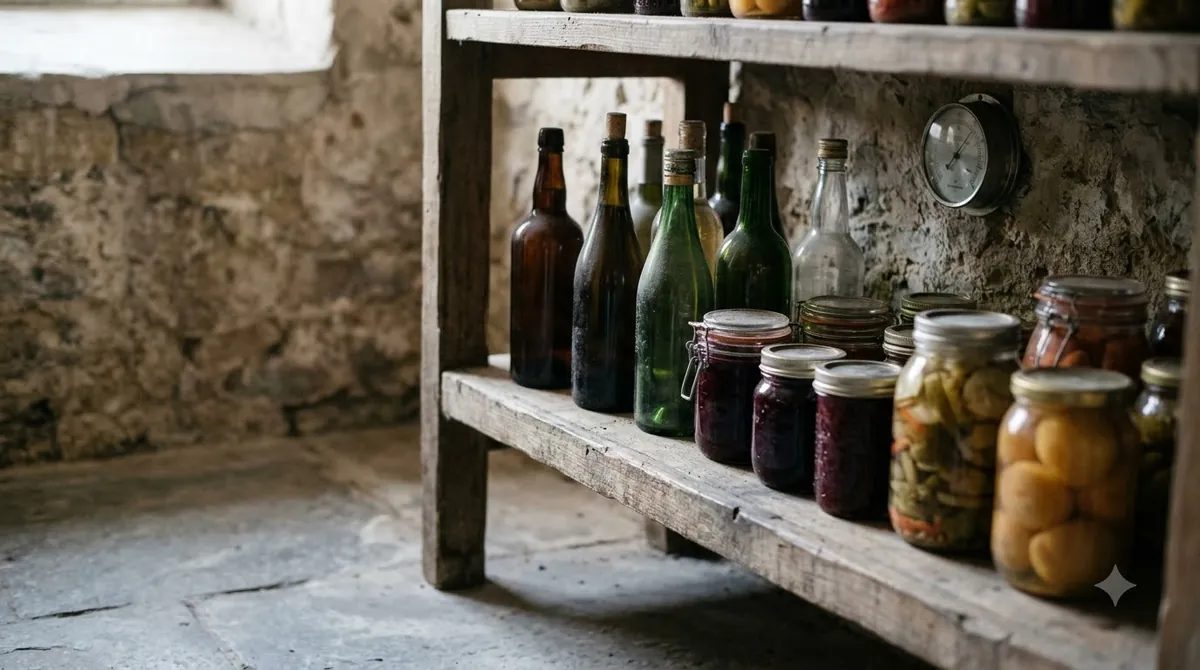
Unopened Cabernet Sauvignon should be stored in a cool, dark location, ideally near 55°F, with bottles resting on their sides when sealed with natural cork. Avoid direct sunlight, temperature fluctuations and storage beside heat-producing kitchen appliances.
After opening, reseal the bottle and refrigerate it. Most still wines are best consumed within approximately 3–5 days after opening, although their aromas and flavors can gradually change. Allow a refrigerated bottle to warm toward the appropriate serving temperature before pouring another glass.
When to Choose Another Wine Instead
Cabernet Sauvignon is not the most suitable wine for every ham recipe. Very sweet glazes, lean cured meat and menus dominated by delicate sides can benefit from wines with higher acidity and lower tannin.
There are several useful alternatives to consider when the preparation makes Cabernet Sauvignon difficult to balance.
Pinot Noir for lighter ham
Pinot Noir generally has low-to-medium tannin and high acidity, making it more flexible with lighter pork preparations. Its red-cherry and raspberry character can complement ham without introducing the same degree of tannic structure as Cabernet Sauvignon.
It is particularly useful for leaner baked ham, lightly smoked pork and dishes served with mushrooms or herb-seasoned vegetables. A bottle from Oregon or Germany can provide a more delicate alternative when the Cabernet feels too powerful.
Beaujolais for savory holiday menus
Beaujolais, made primarily from Gamay, is another practical alternative. Its bright acidity, mild tannins and fresh red-fruit flavors make it suitable for a meal containing several different savory dishes.
The Washington Post highlights Beaujolais as a food-friendly holiday red because it can accompany rich foods without overwhelming the rest of the menu. Serving it slightly chilled can also make it especially refreshing beside warm baked ham.
Riesling for sweet glazed ham
Riesling is a particularly useful option for honey-glazed or brown-sugar ham. Its high acidity helps balance richness, while a slightly off-dry version can match the sweetness of the glaze without making the wine taste austere.
The important principle is that wine should be at least as sweet as the dessert-like elements of a dish. If the ham is covered in a pronounced sweet glaze, a dry Cabernet Sauvignon may not provide the most harmonious experience.
Rosé and sparkling wine for mixed menus
Rosé and dry sparkling wine are useful alternatives when the table includes ham, turkey, several vegetable dishes and sweet accompaniments. Their freshness and versatility make them practical choices for meals where one bottle needs to work with multiple preparations.
Wine consultant Julia Coney recommends rosé and sparkling wine for holiday meals that include ham. Her advice, reported by Food & Wine’s holiday wine recommendations, is particularly relevant when the meal includes several dishes with different flavors.
Decanter also highlights sparkling wine as a versatile food-pairing choice, including alongside richer dishes. Its discussion of wine pairings for a festive dinner illustrates why freshness and balanced structure matter when a meal has several competing flavors.
Frequently Asked Questions
Does Cabernet Sauvignon go with spiral-cut ham?
Yes, spiral-cut ham can work with Cabernet Sauvignon, particularly when the slices retain some of the meat’s natural fat. The cut’s exposed surface also allows glaze to reach more of the meat, so a heavily sweetened version may require a softer, fruit-forward red. Serve savory pan juices separately to give guests another flavor option.
Can I serve Cabernet Sauvignon with leftover ham sandwiches?
Yes, especially when the sandwich contains smoked ham, aged cheddar and a modest amount of mustard. Choose a sturdy bread that can support the filling without introducing sweetness. Avoid sweet barbecue sauces or sugary sandwich spreads if the wine has pronounced tannins.
Does Cabernet Sauvignon work with ham and pineapple?
It can be challenging because pineapple adds noticeable sweetness and acidity. Fresh pineapple is generally less concentrated than a sugary canned pineapple topping, but either preparation can make a dry Cabernet seem less balanced. A slightly off-dry Riesling or refreshing rosé is often a better choice for this particular combination.
Is Merlot a good substitute for Cabernet Sauvignon with ham?
Yes, Merlot is a useful substitute because it typically has medium tannin and a softer texture than Cabernet Sauvignon. Its plum and black-cherry flavors work well with roasted pork and moderate seasoning. Merlot can be especially suitable when the ham is leaner or the Cabernet selection tastes too firm.
Can I use Cabernet Sauvignon in a sauce for baked ham?
Yes, Cabernet Sauvignon can contribute dark-fruit and savory flavors to a reduced sauce. A small amount can be combined with stock, shallots and thyme, then gently reduced until the alcohol aroma dissipates and the sauce reaches the desired consistency. Avoid excessive reduction if the wine is particularly tannic, since concentrated flavors can become harsh.
Cabernet Sauvignon with ham is a rewarding combination when the preparation emphasizes smoke, salt, roasted flavors and savory seasoning rather than excessive sweetness. Choose a balanced bottle, serve it at 60–65°F and build the meal around potatoes, mushrooms and roasted vegetables. If the ham has a particularly sweet glaze, Pinot Noir, Riesling or rosé may offer a more harmonious match.
More in Food & Wine Pairing
 Risotto With White Wine Recipe: Make a Creamy Dinner at HomeUpdated Nov 20, 2026
 Wassail With Wine Recipe for a Festive Spiced Holiday DrinkUpdated Nov 20, 2026
 Spritz Veneziano Recipe: Make a Classic Venetian Aperitivo at HomeUpdated Nov 20, 2026
 Summer Wine Punch Recipe for Easy Homemade EntertainingUpdated Nov 20, 2026
 Bishop Recipe: How to Make a Bright, Citrus-Forward Red Wine CocktailUpdated Nov 20, 2026
 Wine Cupcakes Recipe: Bake Rich Chocolate Cupcakes at HomeUpdated Nov 20, 2026