


We may earn a commission when you buy through links on this page, at no extra cost to you. Learn more.
Lambrusco vs Moscato comes down to flavor, sweetness, and how you plan to serve the wine: Lambrusco is generally a sparkling red or rosé with refreshing acidity and red-fruit flavors, while Moscato is usually a sweet, aromatic white with peach, apricot, and floral notes. Lambrusco works especially well with pizza, pasta, cured meats, and savory meals. Moscato is a natural choice for fruit, mild cheeses, and desserts. Both have sparkling expressions, but their grapes, origins, alcohol levels, and typical food pairings are quite different.
Italian wine offers plenty of variety beyond familiar bottles of Pinot Grigio and Prosecco. Lambrusco and Moscato are two approachable examples, yet they deliver very different experiences. One brings red-fruit character, lively bubbles, and a refreshing savory edge; the other emphasizes fragrant fruit, gentle sweetness, and an easy-drinking style. Understanding their differences makes it easier to choose a bottle for dinner, a celebration, or a relaxed dessert course.
1. Origin and Grape Varieties: Emilia-Romagna vs Piedmont
Lambrusco and Moscato come from different parts of northern Italy and represent two distinct wine traditions. Lambrusco is associated primarily with Emilia-Romagna, while the best-known Italian Moscato expression, Moscato d’Asti, comes from Piedmont.
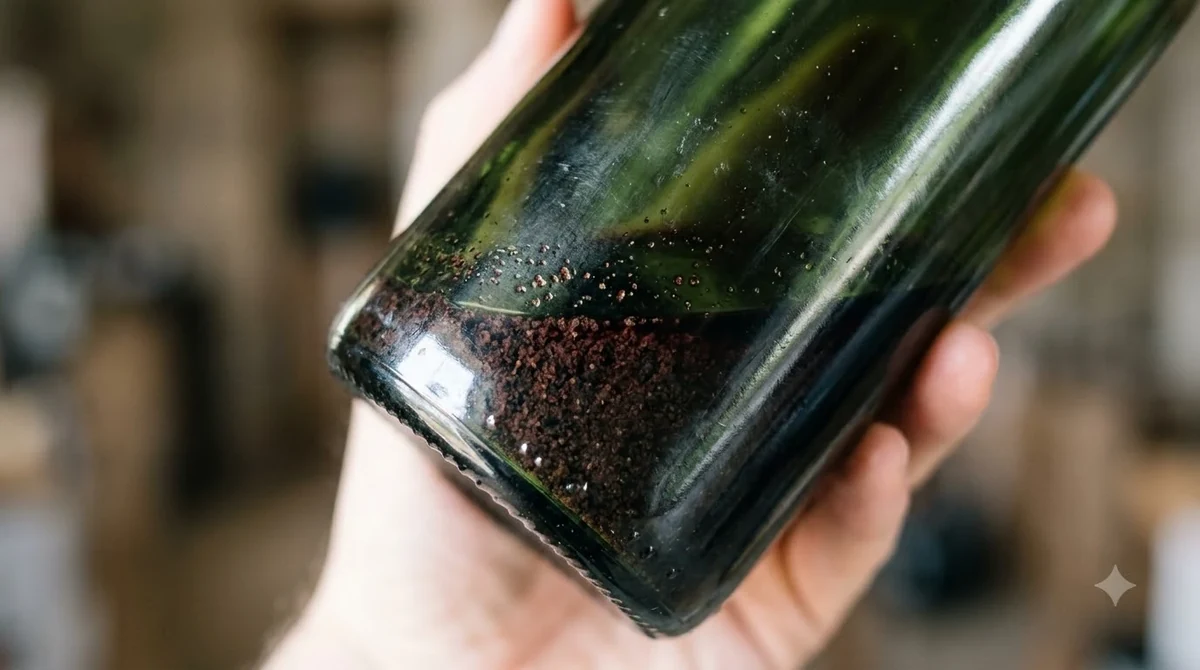
Lambrusco is a family of grapes and wines rather than one single variety. Its traditional home includes the provinces of Modena, Reggio Emilia, and Parma. Seven principal grape varieties are associated with the family: Sorbara, Grasparossa, Salamino, Marani, Maestri, Montericco, and Ancellotta. Each contributes different characteristics, which explains why Lambrusco can range from delicate, pale, and floral to deeply colored and more structured.
For example, Lambrusco di Sorbara is associated with lighter color, violet aromas, red berries, and lively freshness. Lambrusco Grasparossa di Castelvetro generally produces deeper-colored wines with more noticeable body and tannin. Lambrusco Salamino di Santa Croce often shows ruby color and aromas of raspberry, cherry, and blackberry. These differences are important because two bottles labeled Lambrusco can taste noticeably different.
Moscato d’Asti has a more focused identity. It is made from Moscato Bianco, also known as Muscat Blanc à Petits Grains, in Piedmont. The growing area includes parts of the provinces of Asti, Alessandria, and Cuneo. The grape is prized for its intensely fragrant character, which can include orange blossom, peach, apricot, sage, and fresh grape aromas.
The broader Muscat family contains more than 200 grape varieties, according to Decanter. These grapes are used for several wine styles around the world, including dry whites, sweet wines, fortified wines, and sparkling expressions. Therefore, Moscato does not always mean sweet Italian white wine. However, Moscato d’Asti is the familiar reference point for many American wine drinkers.
The geographical distinction also helps explain their different personalities. Emilia-Romagna has a strong culinary tradition built around pasta, cured meats, and rich regional dishes. Piedmont is known for its vineyards, aromatic white wines, and substantial food culture. Both wines developed alongside local cooking, but they complement different parts of a meal.
2. Sweetness and Acidity: Which Wine Tastes Sweeter?
Moscato d’Asti is usually sweeter than a typical dry Lambrusco, although sweet Lambrusco can also have noticeable residual sugar. The important distinction is that both wines offer several styles, so sweetness should be evaluated by the specific bottle rather than its grape name alone.
Lambrusco is commonly labeled using Italian sweetness terms. Secco means dry, amabile means medium-sweet or gently sweet, and dolce means sweet. A secco Lambrusco can taste crisp and refreshing, with red-fruit flavors balanced by acidity. An amabile version has a softer, sweeter impression, while a dolce example is intended for drinkers who prefer a distinctly sweet wine.
Moscato d’Asti is typically delicately sweet, with the grape’s natural sugar contributing to its rounded taste. Its gentle sparkle and pronounced fruit aromas make the sweetness seem especially approachable. Rather than tasting like a heavy dessert wine, it often feels light and fragrant, with refreshing acidity helping balance the sugar.
Acidity is another important difference. Lambrusco generally has a refreshing level of acidity that helps balance its fruit and makes it particularly useful with rich foods. Moscato d’Asti also has acidity, but its sweetness and floral character usually create a softer overall impression.
| Characteristic | Lambrusco | Moscato d’Asti |
|---|---|---|
| Typical sweetness | Dry to sweet | Sweet |
| Common sweetness terms | Secco, amabile, dolce | Generally delicately sweet |
| Typical grape | Lambrusco family | Moscato Bianco |
| Typical color | Red or rosé | Straw yellow |
| Typical alcohol | Often around 10–12% ABV, depending on style | Approximately 5–6% ABV |
| Typical bubbles | Frizzante or spumante | Gently sparkling |
| Main fruit flavors | Cherry, raspberry, blackberry | Peach, apricot, nectarine |
| Best-known food role | Savory meals | Fruit and desserts |
| Serving temperature | 55–60°F for lighter styles | 43–50°F |
The alcohol figures are general buying guides rather than fixed specifications for every bottle. Lambrusco varies with its grape blend, fermentation, and finished style. Moscato d’Asti is notably lower in alcohol, commonly around 5–6% ABV, making it a different drinking experience from many sparkling reds.
For anyone who wants sweetness without losing freshness, an amabile Lambrusco is an interesting middle ground. It combines red-fruit flavors with a gentle sweetness and enough acidity to accompany savory dishes. Moscato d’Asti is usually the better option if a distinctly aromatic, sweet white is the priority.
3. Flavor, Aroma, Color, and Texture
Lambrusco tastes primarily of red and dark fruits, while Moscato d’Asti is known for peach, apricot, citrus, and floral aromas. Their colors, textures, and bubbles reinforce these differences, making them relatively easy to distinguish once poured.

Lambrusco’s flavor depends considerably on the grape variety. Sorbara can show red berries, delicate floral notes, and a light-bodied structure. Grasparossa is generally more intense, with blackberry, cherry, violet, and sometimes fresh-almond characteristics. Salamino often falls between these expressions, with recognizable red-fruit aromas and a fresh, moderately structured palate.
On the palate, Lambrusco can feel crisp, juicy, and refreshing. Some examples have noticeable tannin, particularly fuller-bodied Grasparossa wines. This gives the wine a slight drying sensation that is uncommon in Moscato d’Asti. Its bubbles also help refresh the palate between bites of rich or salty food.
Moscato d’Asti takes a different aromatic direction. Fresh peach, apricot, nectarine, orange blossom, and honeysuckle are common descriptors. Some bottles also show sage, lemon, and subtle citrus notes. These aromas are closely associated with Moscato Bianco and contribute to the wine’s recognizable fragrance.
Its texture is usually light, soft, and gently effervescent. The sweetness creates a rounded impression, while the bubbles keep the wine from feeling too heavy. Moscato d’Asti generally has little of the tannic grip associated with red Lambrusco.
Color is another straightforward distinction. Lambrusco ranges from pale pink and light ruby to deep ruby and purple, depending on the grape and production method. Moscato d’Asti is generally pale straw yellow, sometimes with golden reflections. A glass of each therefore looks quite different even before the first sip.
Neither wine should be judged by color alone. A pale Lambrusco di Sorbara may be more delicate than a deeply colored Grasparossa, while a Moscato d’Asti’s light appearance does not mean it lacks concentrated aromas. The grape varieties and winemaking decisions matter more than visual intensity.
4. Alcohol Content and Sparkling Wine Production
Lambrusco generally has more alcohol than Moscato d’Asti, although individual bottles vary. Their sparkling styles also differ in pressure, texture, and winemaking details.
Many Lambrusco wines fall around 10–12% ABV, with some examples outside that range. Their alcohol level depends on the grapes’ natural sugar, fermentation, and the producer’s intended style. A dry, structured Lambrusco may feel closer to a conventional red wine in strength, even though its bubbles make it seem particularly refreshing.
Moscato d’Asti typically contains approximately 5–6% ABV. Fermentation is stopped relatively early, leaving natural grape sugar in the wine. This produces a sweet, fragrant drink with comparatively little alcohol. It is an important difference for anyone choosing between the two wines for a daytime gathering or a long meal.
Lambrusco is commonly produced using the Martinotti-Charmat method, in which secondary fermentation takes place in pressurized tanks. The method preserves fruit-forward aromas and creates the wine’s characteristic bubbles. Some producers use other techniques, including traditional bottle fermentation or ancestral approaches, so production is not identical across the entire Lambrusco family.
Moscato d’Asti uses controlled fermentation to preserve its aromatic character and natural sweetness. It is generally gently sparkling rather than aggressively bubbly. Its pressure is lower than that of many fully sparkling wines, contributing to its softer, delicate mousse.
It is useful to distinguish Moscato d’Asti from Asti Spumante. Both are associated with Piedmont and Moscato Bianco, but their production specifications and finished sparkling characteristics differ. Moscato d’Asti is generally the lighter, lower-alcohol, gently sparkling expression. Asti Spumante is typically more fully sparkling.
These distinctions also help when comparing Italian wines more broadly. For example, Lambrusco vs Prosecco is another useful comparison because Prosecco is made primarily from Glera and usually presents a white-fruit profile rather than Lambrusco’s red-fruit character.
For a closer look at the different regional expressions, the Lambrusco Consortium’s denomination descriptions explain how Sorbara, Grasparossa, and Salamino differ in grape composition, color, and tasting characteristics.
Tip: If you want a low-alcohol sparkling wine with pronounced sweetness, start with Moscato d’Asti. If you want something closer to a traditional red wine with bubbles, look for Lambrusco. Check the alcohol percentage and sweetness description before choosing between individual bottles.
5. Food Pairings: Dinner, Appetizers, and Desserts
Lambrusco is generally the stronger choice for savory meals, while Moscato d’Asti works particularly well with fruit, mild cheeses, and sweet dishes. Both can accompany appetizers, but their acidity, tannin, sweetness, and aromas make them suited to different foods.
Best foods for Lambrusco
Lambrusco’s bubbles and acidity make it a natural companion for foods containing salt, fat, and rich savory flavors. Traditional Emilia-Romagna pairings include prosciutto, salami, mortadella, and other cured meats. The wine’s freshness cuts through the richness of these foods, while its fruit character provides a pleasant contrast to their savory flavors.
Pizza is another strong match, especially varieties with tomato sauce, mozzarella, sausage, mushrooms, or pepperoni. A dry Lambrusco has enough acidity to work with tomato-based toppings, while its bubbles refresh the palate after fatty cheese and meat.
For pasta, consider dishes with tomato sauce, meat ragù, sausage, or mushrooms. A lighter Sorbara can work well with tomato-based pasta and delicate cured meats. A fuller Grasparossa is more appropriate for richer meat sauces and hearty dishes.
Grilled sausages, roasted pork, barbecue, and burgers are also useful pairings. Fuller Lambrusco styles have enough body to stand up to stronger flavors. However, heavily tannic red wine can make spicy chili heat seem more intense, so choose a softer, fruitier expression if the food is particularly hot.
Best foods for Moscato
Moscato d’Asti is particularly successful with fruit-based desserts. Peach tart, fruit salad, apricot pastries, berry desserts, and fresh strawberries all complement its aromatic profile. The wine’s sweetness also makes it suitable for vanilla desserts and lightly sweet cakes.
Soft cheeses provide another attractive pairing. Brie, fresh ricotta, mascarpone, and mild goat cheese can work well because their creamy textures complement Moscato’s sweetness and fragrance. Fresh fruit served alongside the cheese makes the pairing even more cohesive.
Spicy Asian dishes can also work with Moscato. Its sweetness can balance moderate chili heat, while its aromatic fruit character complements ingredients such as ginger, citrus, and fragrant herbs. However, alcohol and tannin can amplify chili heat, which is one reason the relatively low-alcohol profile of Moscato d’Asti can be helpful.
One important rule applies to both wines: the wine should be at least as sweet as the dessert. A dry Lambrusco can taste harsh beside a very sweet chocolate cake or syrup-heavy pastry. Moscato is usually a safer choice for these situations, provided the dessert does not overwhelm the wine.
Acidic foods also need wines with equal or higher acidity. Tomato sauce, citrus dressings, and vinegar-based dishes can make a low-acid wine seem flat. This is one reason the refreshing character of Lambrusco can be useful with tomato-based Italian cooking.
For more sparkling wine comparisons, Champagne vs Moscato explains why two wines with bubbles can have very different sweetness, production methods, and food-pairing roles.
6. Serving Temperature, Glassware, and Storage
Both wines benefit from chilling, but Moscato d’Asti should generally be served colder than lighter red Lambrusco. The right temperature preserves freshness, controls the perception of sweetness, and allows the wine’s aromas to develop without becoming overly warm.
Serve Moscato d’Asti at approximately 43–50°F. This temperature range helps maintain its gentle bubbles and refreshing acidity. If it becomes too warm, the sweetness can seem more prominent and the wine may feel less refreshing. A chilled white wine glass or sparkling wine glass is suitable.
Light Lambrusco styles, especially Sorbara and delicate rosé expressions, are generally best served around 55–60°F. Fuller examples, such as Grasparossa, can also be served toward the cooler end of the light-red range if you prefer a fresher impression. Avoid serving red Lambrusco at typical room temperature in a warm home, as excessive warmth can make its alcohol seem more pronounced.
Glassware does not need to be complicated. A standard white wine glass gives Lambrusco enough room for its red-fruit aromas to develop. Moscato d’Asti can be served in a white wine glass or a tulip-shaped sparkling glass. Very narrow flutes preserve bubbles but can make it harder to appreciate the wine’s aromatic complexity.
For portion sizes, a standard 5-ounce pour is a useful reference. A 750 ml bottle provides approximately five such glasses. For a gathering, plan the number of bottles around the total number of guests and whether wine will be served alongside other drinks.
Once opened, both wines should be recorked or sealed and refrigerated. Sparkling Lambrusco is best enjoyed within approximately 1–3 days, although its bubbles may diminish after opening. Moscato d’Asti should also be consumed promptly while its aromatic freshness and gentle effervescence remain intact.
For unopened bottles, store wine away from direct sunlight, excessive heat, and temperature fluctuations. A cool storage area near 55°F is a useful target. Bottles with traditional cork closures are generally stored on their sides to keep the cork from drying out.
7. Which Wine Should You Buy for Different Occasions?
The best choice depends on whether you want a wine for a savory meal, a sweet finish, or a casual gathering. Lambrusco is more versatile with many main courses, while Moscato d’Asti is especially appealing when sweetness and floral aromas are priorities.
Choose Lambrusco for dinner parties
If your menu includes pizza, pasta, roasted pork, or cured meats, Lambrusco is usually the more practical selection. It provides the familiarity of a red wine with the refreshing character of sparkling wine. Guests who normally prefer Cabernet Sauvignon or Merlot may also enjoy discovering its fruit-forward style, especially if they appreciate a little acidity and bubbles.
For a lighter dinner, choose Sorbara. Its red-berry aromas, lighter body, and freshness make it a flexible option for appetizers and less substantial dishes. For grilled meat, sausage, and richer pasta, Grasparossa offers more structure and noticeable tannin.
Choose Moscato for celebrations and desserts
Moscato d’Asti is a strong option for brunch, afternoon gatherings, fruit platters, and dessert courses. Its lower alcohol content and gentle bubbles make it approachable for guests who do not usually drink red wine. Its fragrant character also makes it an appealing choice for people who prefer sweet white wines.
It can be served with a fruit tart, vanilla cake, almond pastries, or a selection of soft cheeses. For a simple celebration, pair it with fresh peaches, strawberries, or sliced melon. These foods complement the wine’s natural aromas without overpowering its delicate texture.
Consider your guests’ sweetness preferences
For a group with mixed tastes, a dry Lambrusco and a bottle of Moscato d’Asti provide two clearly different options. The first covers savory dishes and red-wine preferences; the second offers sweetness and a fragrant finish. If guests prefer something between the two, an amabile Lambrusco provides a useful compromise.
Other comparisons can help clarify your preferences. For example, Merlot vs Moscato explores the difference between a still red wine with softer tannin and an aromatic sweet white. You can also explore more comparisons in our Wine vs Wine section.
Neither wine is universally better. The right bottle depends on the food, the desired sweetness, and the atmosphere of the occasion. Lambrusco is a particularly good choice when the meal is central to the experience, while Moscato d’Asti is an excellent way to finish a meal or serve something sweet and refreshing.
Frequently Asked Questions
Is Lambrusco a red or white wine?
Lambrusco is most commonly red or rosé, although the wider family and related regional production include additional expressions. The grape varieties are naturally associated with red-wine production, and some examples have deep ruby or purple coloring. A pale Lambrusco di Sorbara can look almost pink in the glass.
Can Lambrusco be sweeter than Moscato?
Yes. A dolce Lambrusco can be sweeter than some Moscato wines, particularly when compared with drier Muscat expressions. Sweetness depends on the finished wine’s residual sugar, not simply the grape family. Moscato d’Asti, however, is generally sweet.
Is Moscato d’Asti the same as Asti Spumante?
No. Both are Piedmontese wines made from Moscato Bianco, but they are separate wine styles with different production specifications. Moscato d’Asti is gently sparkling and typically around 5–6% ABV, while Asti Spumante is generally more fully sparkling. Their sweetness and aromatic profiles can also vary.
Does Lambrusco need to be decanted?
No. Most young Lambrusco is ready to drink straight from the bottle after chilling. Decanting is generally unnecessary for these fresh sparkling wines because it can reduce their bubbles. Older or unusual still red expressions may require different handling, but that is not typical of everyday sparkling Lambrusco.
Can you mix Lambrusco and Moscato together?
They can be combined in a wine cocktail, but doing so changes the balance of both wines. Moscato’s sweetness and floral aromas can soften Lambrusco’s red-fruit character, while Lambrusco adds color and a more savory dimension. If experimenting, start with equal small pours and adjust the proportions according to the desired sweetness.
Lambrusco and Moscato offer two very different ways to enjoy Italian wine. Choose Lambrusco for refreshing bubbles, red-fruit flavors, and savory food pairings; choose Moscato d’Asti for delicate sweetness, peach and floral aromas, and desserts. Trying both is an easy way to discover which Italian wine style best suits your palate and your next meal.
More in Wine vs Wine
 Chenin Blanc vs Pinot Gris: Acidity, Body, and Pairing DifferencesUpdated Nov 20, 2026
 Chianti vs Lambrusco: How Tuscany and Emilia-Romagna Reds CompareUpdated Nov 20, 2026
 Chianti vs Primitivo: Key Differences in Taste, Body, and PairingUpdated Nov 20, 2026
 Chianti vs Rioja: Key Differences in Taste, Aging, and PairingUpdated Nov 20, 2026
 Chianti vs Shiraz: How Acidity, Body, and Food Pairings CompareUpdated Nov 20, 2026
 Chianti vs Syrah: Key Differences in Taste, Body, and Food PairingUpdated Nov 20, 2026