

We may earn a commission when you buy through links on this page, at no extra cost to you. Learn more.
Where is Petite Sirah from? The grape was bred in France around 1880, but most of today’s Petite Sirah comes from California, where it became a blending workhorse and later a stand-alone red. Wine Folly reports fewer than 10,000 planted acres worldwide, and most of those are in California. Smaller plantings exist in Australia, Israel, Mexico, South Africa, and parts of South America. Knowing that path explains why the wine is so dark and tannic, and why its name causes so much confusion.
Petite Sirah is one of the most misunderstood names on the American wine shelf. Many drinkers assume “petite” means a light, small-scale wine or a diluted Syrah. The grape actually has a French birth story, an American adoption, and a naming history that took more than a century to settle. Tracing its route from a botanist’s experimental plot to the vineyards of Lodi, Mendocino, and the Sierra Foothills makes it much easier to choose a bottle you will enjoy.
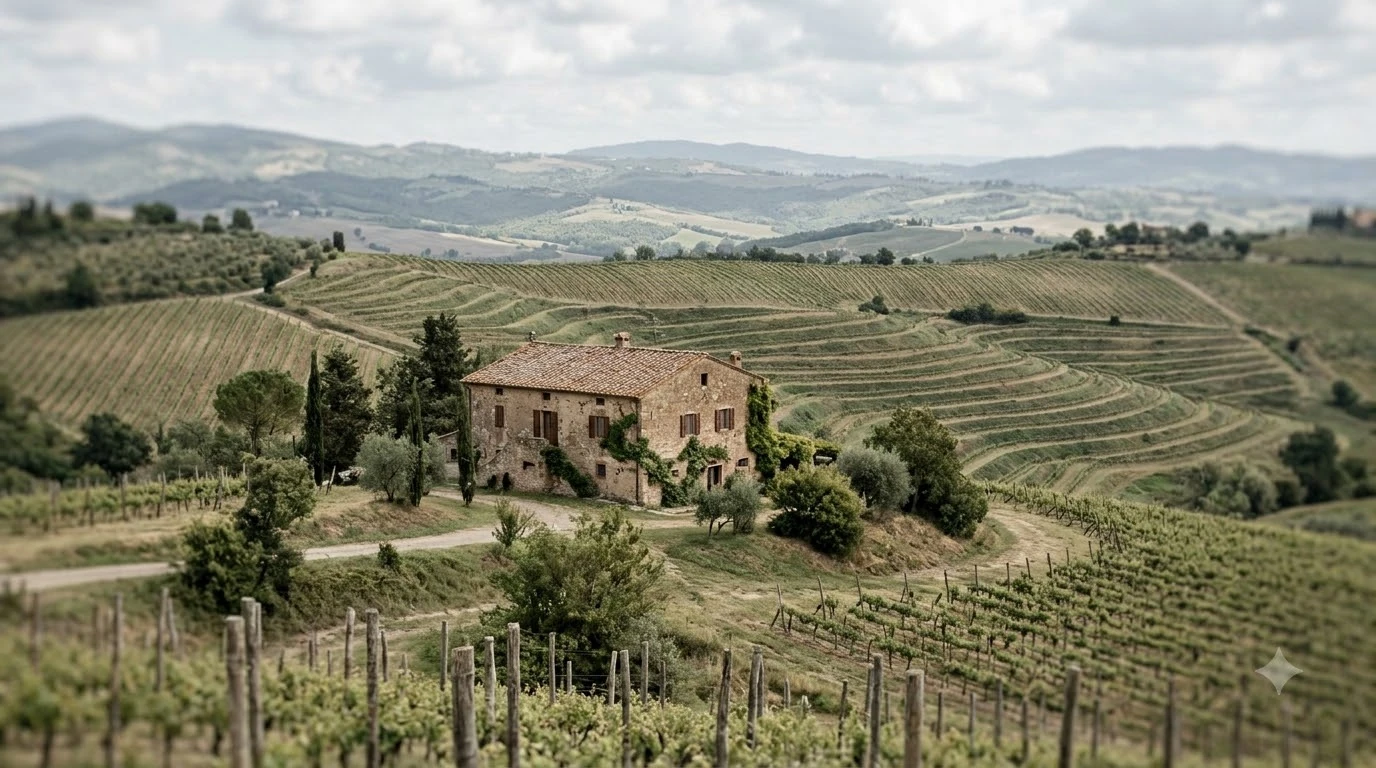
Where Durif Created the Grape in France
The grape began as a deliberate breeding project rather than an old regional variety with centuries of village history. Its parentage explains much of what you taste in the glass.
The story starts around 1880 at the University of Montpellier in southern France. According to WineMaker Magazine, botanist François Durif found a seedling from an accidental cross between the red grape Peloursin and an unknown pollen donor. He recognized it as a distinct variety and named it after himself, which is why the grape was known as Durif for most of its early life.
The pollen source turned out to matter. Wine Enthusiast reports that DNA fingerprinting at the University of California, Davis, during the 1990s confirmed that Durif descended from Peloursin pollinated by Syrah. Wine Folly describes Petite Sirah as the offspring of those two parents, which is why many people assume it is simply a smaller Syrah. For the parent grape’s own background, see where is syrah from.
In France, the grape never found a broad following. WineMaker notes that Durif was viewed as inferior to other existing varieties and never really fell into favor. Because the French version remained rare, the grape’s modern identity was built in other countries, starting with California.
How the Grape Reached California and Took Hold
California gave Petite Sirah its name, its reputation, and most of its vineyards. Planting began in the 1880s, and the story that followed was anything but steady.
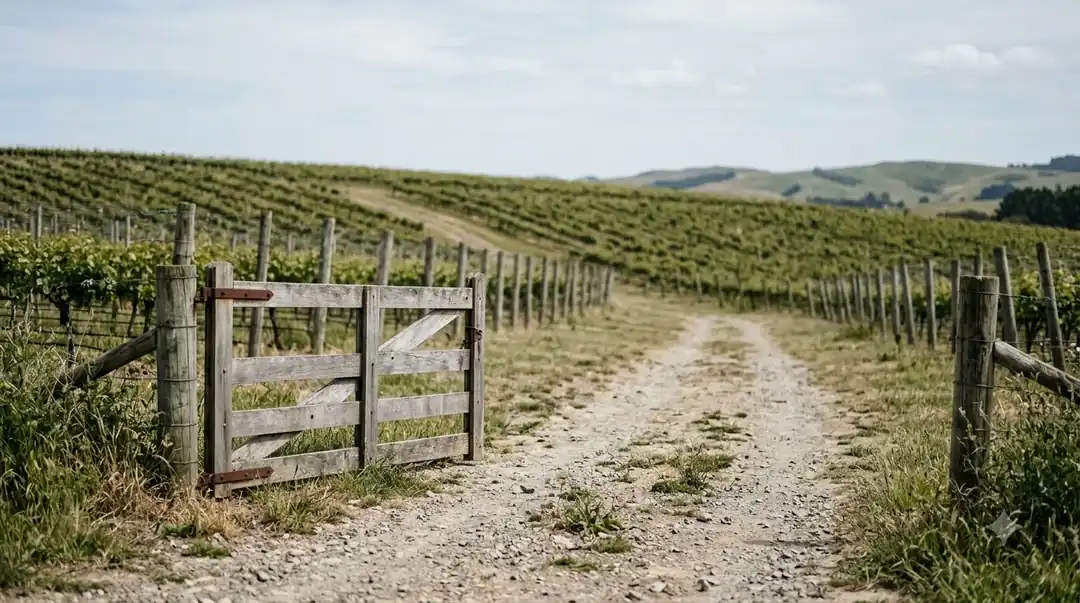
Charles McIver imported Durif in 1884 for his Linda Vista Vineyard in San Jose, according to WineMaker Magazine, and Decanter records the same import year. Growers soon adopted the variety under the Petite Sirah name, which they applied to Durif and to other dark-skinned varieties including Syrah and Zinfandel. That loose labeling shaped how the grape was planted, blended, and sold for generations.
Phylloxera devastated California vineyards in the 1890s, and the replanting that followed leaned heavily on field blends. Durif was among the varieties placed in those mixed plantings. Growers valued the grape for its deep color and firm tannin, and the wine’s toughness made it useful in blends. Wine Enthusiast notes that winemakers have long used it with Zinfandel, where its dense tannins give the Zinfandel’s rich fruit a firm frame. Its acreage grew with the state’s population until it peaked.
That peak came in 1976, when USDA data cited by WineMaker Magazine put California plantings at about 14,000 acres. By 1982 the figure had dropped to 2,779 acres, as Chardonnay and Cabernet Sauvignon took over the market. The table below summarizes the key milestones.
| Period | Milestone | Key figure or detail |
|---|---|---|
| Around 1880 | Durif is bred at Montpellier, France | Peloursin cross with unknown pollen |
| 1884 | Durif is imported to California | Linda Vista Vineyard, San Jose |
| 1976 | California plantings peak | About 14,000 acres |
| 1982 | Plantings drop sharply | 2,779 acres |
Why Durif and Petite Sirah Share One Grape
For decades, the same vines carried different names depending on who was selling them. Official recognition came only after advocates and researchers pushed for clarity.
The confusion started with marketing. WineMaker Magazine notes that producers also tried Petit Sirah, Petite Syrah, and Petit Syrah on labels, while some circles kept calling the grape Durif. Spelling varied from bottle to bottle, which makes shopping harder for anyone new to the category.
Federal labeling made the problem worse. WineMaker reports that the Tax and Trade Bureau still treated Durif and Petite Sirah as separate varieties for labeling purposes, even after genetic testing pointed the other way. Eventually, backing from Petite Sirah I Love You, the Wine Institute, and the UC Davis Foundation Plant Services made the two officially the same. Either name can now appear on a label, and the legal spelling is Petite Sirah. For a shopper, a bottle labeled Petite Sirah, Petite Syrah, or Durif is generally the same grape, so the region and the producer’s style tell you far more than the name does.
California Regions That Shape Petite Sirah
Petite Sirah tastes noticeably different from one California appellation to the next. Central Valley old vines, cooler northern coastal sites, and mountain vineyards each produce a distinct expression.
Central Valley and Lodi
The inland valleys, especially the Lodi and Clarksburg appellations, hold many of the state’s old workhorse vines. According to Wine Folly, those wines show blackberry jam, brambles, and black pepper, with vanilla from oak aging. Wine Folly also calls the Central Valley one of the best places in California to find value, which makes it a smart starting point for a first bottle.
Single vineyards can change the wine considerably. At Klinker Brick in Lodi, winemaker Joseph Smith built a varietal Petite Sirah around the Antoinette Celle Vineyard, a plot with rocky clay soil rather than the usual sand. According to Wine Enthusiast, Celle fruit made up about 75 percent of that wine, with riper grapes from Jessie’s Grove vineyards supplying the other 25 percent.
Sonoma and Mendocino
Sonoma and the northern coast, including Mendocino, run slightly cooler than Napa and the inland valleys. Wine Folly describes those wines as deeper, with fresh blackberry, plum, dark chocolate, and espresso notes wrapped in dense tannins. Mendocino has a long record with the variety. Wine Enthusiast reports that Charlie Barra bought 175 acres in 1955, a holding that has since grown past 300 acres. The family’s Bella Collina Vineyard sits about 1,000 feet above the Ukiah Valley floor, and Barra credits that site for much of the wine’s character.
The family’s winery dates to 1997, when Mendocino pioneer John Parducci made its first vintage. Martha Barra, as Wine Enthusiast reports, calls the Petite Sirah the family’s best wine, and she stresses mouthfeel and balance over sheer power. The Bella Collina vineyard has been certified organic for almost 20 years and is lightly irrigated, which helps the grapes ripen without pushing alcohol too high.
Napa and the Coastal Ranges
Napa is the least typical home for the grape. Most producers there focus on Cabernet Sauvignon, so a 100 percent Petite Sirah takes some searching, according to Wine Folly. Napa and coastal-range versions tend to be intensely colored, with blueberry, cocoa, and graphite flavors and mouth-drying tannins. Lake County and mountain sites within the Monterey AVA are the other places to explore. Readers comparing softer, Bordeaux-style reds can also read about where Merlot is grown.
The Sierra Foothills
The foothills offer a different profile again. Miraflores production manager Jorden Mingle, quoted by Wine Enthusiast, points to well-drained granitic soil, an estate elevation above 2,450 feet, and cool nights with hot days as the keys to the area’s fruit. That elevation-driven style shows how terrain shapes the grape as much as the name on the label does.
| Region | Typical flavor | Site or climate detail |
|---|---|---|
| Lodi and Clarksburg (Central Valley) | Blackberry jam, brambles, black pepper, oak vanilla | Many old workhorse vines |
| Sonoma and Mendocino | Blackberry, plum, dark chocolate, espresso | Slightly cooler than Napa; Bella Collina sits about 1,000 feet up |
| Napa, Lake County, Monterey mountains | Blueberry, cocoa, graphite, mouth-drying tannin | Cabernet Sauvignon dominates Napa |
| Sierra Foothills | Dense, fruit-rich wines | Granitic soil; estate vineyard above 2,450 feet |
Petite Sirah Beyond California’s Borders
Outside California, the grape appears in warm, dry growing areas and often travels under local names. Each country adds its own accent to the deep color and firm tannin that define the variety.
Decanter says Durif performs well in hot, dry climates, which explains its presence in Mexico, Israel, and Rutherglen in the Australian state of Victoria. The magazine points to Ridge or Guenoc in California, L A Cetto in Mexico, and Luis Felipe Edwards in Chile, alongside Durif from Rutherglen and De Bortoli in Australia. Those names make a useful starting list for anyone comparing regions side by side. For the grape’s wider profile, see Decanter’s Durif grape profile.
Australia is the most important overseas home. Wine Folly reports that Australian versions often show a spicier profile and a slightly softer tannic structure, reflecting the warmer climate. Because Australia and South Africa sometimes use the name Durif, shoppers who only search for Petite Sirah can miss those bottles.
South America keeps the American name. Wine Folly notes that Chile, Mexico, and Brazil use Petite Sirah on labels, and that South American versions often show vibrant, fruit-forward character with a smoother finish across varied microclimates. Israel has also built a following, and Decanter groups it with Mexico as a hot-climate site where the grape performs well.
How Origin Shapes Serving and Food Pairings
Where Petite Sirah grows affects how you serve it and what you eat with it. Origin tells you how much structure to expect before you open the bottle.
As a full red, Petite Sirah shows its best at roughly 60 to 65 F. That range keeps the dense tannins from feeling harsh and lets blackberry, plum, and pepper notes come forward. Young bottles with this much structure benefit from 30 to 60 minutes in a decanter before serving. The bigger and plusher the bottle, the more that short wait helps.
Pairing begins with tannin. Salt and fat soften the grip of tannin, which is why Wine Folly points to roasted pork, barbecue beef, and beef burgers as natural matches. Aged Gouda and melted Swiss also complement the wine’s structure. Oily fish clashes with tannic reds, so save salmon and sardines for lighter bottles. For a broader look at grape families and styles, browse Wine by Type, and for regional profiles and more pairing ideas, see Wine Folly’s Petite Sirah guide.
Winemaking choices shape the glass as much as the pairing does. The Barra family, according to Wine Enthusiast, holds its Petite Sirah until it is ready rather than releasing it early, so a bottle from a producer who follows that approach is usually more settled on the table. When you open a young bottle, give it time in the glass and let the tannin and fruit find their balance.
Tip: Pour a Central Valley Petite Sirah and a Mendocino bottle side by side. Jammy blackberry versus espresso and dense tannin makes the regional difference easy to spot.
Frequently Asked Questions
Is Petite Sirah the same grape as Syrah?
No. Petite Sirah is a distinct cross of Syrah and Peloursin, and Wine Folly notes that its tannins are more concentrated than either parent’s. The Peloursin parent is nearly extinct and survives in only a few places in the French Alps. Petite Sirah keeps Syrah’s spiciness while showing much darker fruit.
Why does Petite Sirah have such small, dark berries?
Wine Folly says the name reflects small berries that grow in tight clusters. WineMaker adds that the berries are small yet highly pigmented, and the dense clusters can rot in wet weather or sunburn if the canopy is thin. Some resistance to downy mildew has been reported.
How long can Petite Sirah age?
Wine Folly says most Petite Sirah loses too much acidity and fruit within about seven years to be a strong long-term candidate. A few producers, especially in Napa and Sonoma, make wines that can age 10 to 20 years. When buying for the cellar, look for acidity and fruit that balance the tannin.
How much alcohol do winemakers aim for?
Wine Enthusiast reports that Lodi winemaker Adam Mettler often harvests ripe grapes that yield wines at least 15% alcohol by volume. He ferments warm with frequent pumpovers and ages the wine 14 to 18 months in French oak, with 30 to 40 percent of the barrels new.
Did Prohibition change how Petite Sirah was grown?
WineMaker Magazine reports that Petite Sirah was favored during Prohibition, when California vineyard acreage expanded sharply. Its tough skins made rail shipping to eastern markets easier, which helped the grape spread. That popularity helps explain why so many old vineyards still hold the variety.
Petite Sirah’s story runs from a French botanist’s breeding work to the old vineyards of California and the warm climates of Australia and South America. Once you know that path, the name on the label becomes a useful clue rather than a source of confusion. Start with the region on the label, then look at the producer’s style.
More in Wine Types & Grapes
 What Does Mourvèdre Taste Like? Flavor Profile, Regions, and PairingsUpdated Nov 20, 2026
 What Does Marsanne Taste Like? Flavors, Styles, and Food PairingsUpdated Nov 20, 2026
 What Does Malvasia Taste Like? Styles, Flavors, and Food PairingsUpdated Nov 20, 2026
 What Does Grenache Blanc Taste Like? Flavor Profile, Styles, and PairingsUpdated Nov 20, 2026
 What Does Garnacha Taste Like? Key Flavors, Styles, and Pairing TipsUpdated Nov 20, 2026
 What Does Fruit Wine Taste Like? A Complete Flavor and Style BreakdownUpdated Nov 20, 2026