

We may earn a commission when you buy through links on this page, at no extra cost to you. Learn more.
Where is corvina from? Corvina is an Italian red wine grape originating in the Veneto region of northeastern Italy, particularly around Verona, Valpolicella, and Lake Garda. It is the principal grape behind several regional specialties, including Valpolicella, Bardolino, and Amarone della Valpolicella. Known for its bright acidity, cherry flavors, and suitability for grape drying, Corvina produces wines ranging from light, refreshing reds to deeply concentrated, powerful wines.
Italy has hundreds of native grape varieties, but relatively few have shaped the identity of an entire wine region as strongly as Corvina. This distinctive red grape is closely connected to the vineyards surrounding Verona, where generations of growers have used it to create some of the country’s best-known wines. Understanding its geography, growing conditions, and winemaking traditions explains why Corvina can produce such different styles from the same basic grape.
Corvina’s Origins in Veneto, Northeastern Italy
Corvina comes from Veneto, an administrative region in northeastern Italy. Its traditional home is the province of Verona, especially the hills of Valpolicella and the vineyards surrounding Lake Garda, where the variety has become central to local winemaking.

Veneto stretches from the Adriatic coastline toward the foothills of the Alps. Its wine-growing landscape includes plains, lake-influenced vineyards, and elevated hillsides. Corvina is particularly associated with the western part of the region, where Verona provides an important geographical and cultural center for its production. The nearby Lake Garda also influences the local climate, helping create conditions suitable for growing red grapes.
Three particularly important growing areas are Valpolicella, Valpantena, and Bardolino. Wine Enthusiast identifies Corvina as a native grape of northeastern Italy, particularly Veneto, while regional wine organizations identify it as a traditional variety of the Verona area. These locations form the heartland of the variety, even though their wines can have noticeably different personalities.
Valpolicella lies north of Verona and is particularly famous for its red wines, including Amarone and Ripasso. Bardolino occupies territory along the eastern side of Lake Garda and is known for lighter red wines and rosé. Valpantena, another important growing area, forms part of the wider Veronese wine landscape.
Although Corvina is sometimes described as a grape with a clearly established birthplace, its precise historical origin remains uncertain. The Bardolino wine protection consortium identifies it as a traditional native variety of both Valpolicella and Bardolino, while acknowledging that its earliest origins are unknown.
The important distinction is that Corvina’s historical identity is firmly Italian even if researchers cannot establish the exact location where the variety first appeared. Its longstanding presence in the Verona area makes Veneto the correct answer to the question of where the grape comes from.
For readers exploring Italian varieties, Corvina offers an excellent starting point for understanding how regional grapes shape the identity of local wines. Its geographical connections are just as important as its flavor characteristics.
The History and Development of the Corvina Grape
Corvina has a long association with the vineyards around Verona, although its documented history is much clearer than its ultimate origin. One important historical reference is 1824, when cultivation in Valpolicella was recorded by the Pollini family.
This early record establishes that Corvina was already part of the area’s agricultural and winemaking traditions during the nineteenth century. It does not mean that the grape was first planted in 1824. Rather, it demonstrates that the variety was established in the region by that point, with an earlier history that remains difficult to reconstruct.
Over time, Corvina became particularly important because of its usefulness in regional blends. Its natural acidity and relatively restrained tannins provide freshness and structure, while its fruit character helps define the recognizable profile of wines from Verona.
The grape also became closely connected with traditional grape-drying techniques. Local producers discovered that Corvina could withstand the drying process used to concentrate grapes before fermentation. This helped establish its importance in Amarone and Recioto, two wines that demonstrate very different results from similar raw materials.
Its development was also influenced by the traditional practice of blending several native grapes. Rather than relying on one variety to supply every element of a wine, winemakers combined grapes with different characteristics to achieve a more balanced result.
Rondinella became one of Corvina’s most important partners. Wine Enthusiast identifies Corvina as a parent variety of Rondinella, adding an interesting genetic connection to their longstanding relationship in regional blends.
There was also historical confusion between Corvina and Corvinone. The two grapes have similar names and were once mistaken for one another, but DNA testing established that they are distinct varieties. This distinction matters because Corvinone has its own characteristics and is permitted as a separate blending grape in several regional wines.
Today, Corvina remains most strongly associated with Veneto. Although small plantings exist elsewhere, including Argentina, its international presence is much more limited than that of internationally recognized varieties such as Merlot or Cabernet Sauvignon.
How Corvina Grows in the Veneto Vineyard
Corvina is a vigorous, relatively productive grape variety that ripens from mid to late in the growing season. Its growing habits and physical characteristics influence where growers plant it, how they manage the vines, and why it works particularly well in the traditional vineyards around Verona.
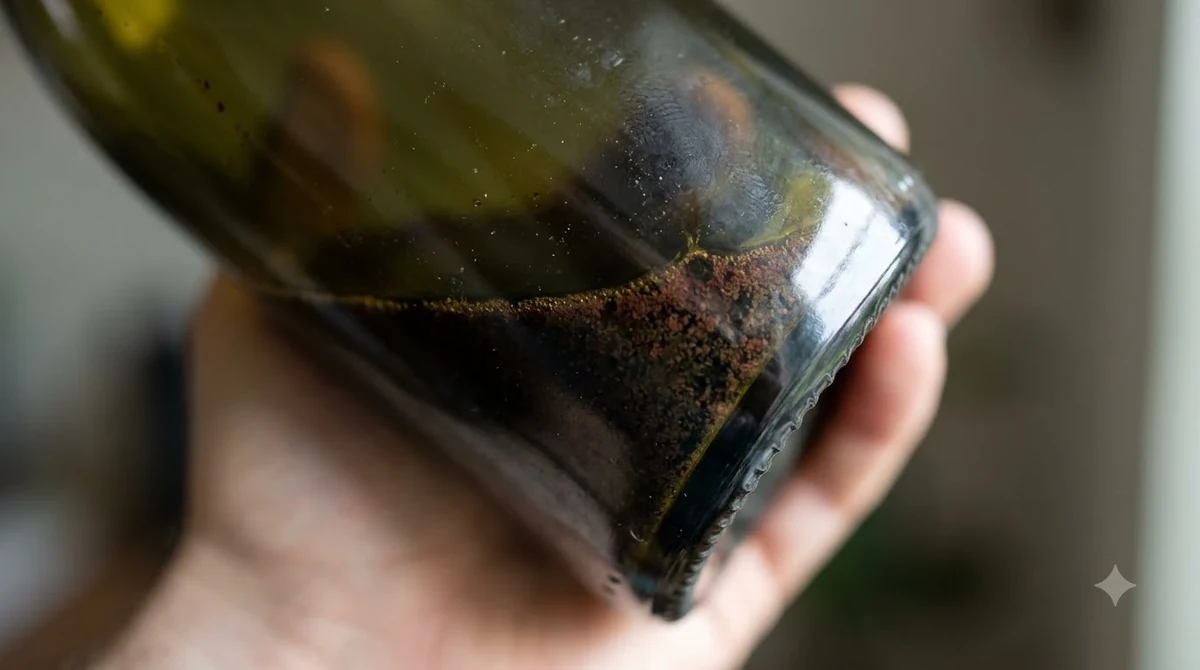
The berries have dark blue-black skins, juicy flesh, and relatively compact clusters. Wine Enthusiast describes Corvina as a late-ripening variety with small, tightly packed berries and thick skins. These physical characteristics are important because the skins provide material for color and structure while helping the grapes tolerate drying.
Corvina also has a relatively late ripening period. This means vineyard location and growing-season conditions are important. Growers favor well-exposed sites where the grapes receive sufficient sunlight and can ripen regularly before harvest.
According to the Bardolino wine protection consortium, the variety has good vigor and relatively consistent productivity. It can withstand cold winters, although it is sensitive to several vineyard diseases, including downy mildew, botrytis, and powdery mildew.
Vineyard management is therefore important. Pruning and canopy management help growers maintain suitable yields and encourage more consistent fruit development. Wine Enthusiast notes that Corvina’s first buds do not produce fruit, making its training system and pruning decisions particularly relevant to productivity.
The regional climate contributes another important dimension. Around Lake Garda, the water moderates temperatures, while the surrounding hills create different exposures and elevations. The Bardolino area also contains glacially deposited soils, with more than 60 soil types identified by its protection consortium.
These environmental differences help explain why Corvina does not produce one identical style of wine everywhere. Even within its traditional Italian home, differences in elevation, soil, vineyard management, and harvest decisions can change the character of the finished wine.
The Main Wines Made From Corvina
Corvina is the central grape in several famous wines from Veneto, especially Valpolicella, Bardolino, Amarone, and Recioto. The wines share a geographical connection, but differences in blending, grape preparation, fermentation, and aging create distinct styles.
Valpolicella
Valpolicella is generally the most approachable expression of Corvina. The grapes are fermented without the extensive drying used for Amarone, preserving their fresh fruit character and natural acidity.
These wines commonly show sour cherry, red berries, subtle herbs, and a refreshing finish. Their lighter structure makes them useful with everyday Italian food, including tomato-based pasta, pizza, roasted chicken, and grilled vegetables.
Valpolicella is an especially useful introduction for anyone unfamiliar with Corvina because it demonstrates the grape’s natural freshness without the additional concentration associated with dried grapes.
Bardolino
Bardolino comes from vineyards near the eastern shore of Lake Garda. Corvina is its principal grape, and Rondinella is another important component of the traditional blend.
The resulting red wines are typically bright, fruity, and relatively light. Cherry, strawberry, raspberry, and redcurrant aromas are common, while fresh acidity helps make the wines versatile with food.
Bardolino also has a rosé counterpart called Chiaretto. Producers obtain its characteristic pink color through limited skin contact, allowing some color and aromatic compounds to transfer from the grapes without extracting everything found in a red wine.
Valpolicella Ripasso
Ripasso occupies a position between conventional Valpolicella and Amarone in terms of richness and concentration. The traditional technique involves refermenting a Valpolicella wine with the remaining grape material from Amarone or Recioto production.
This process contributes additional flavor, body, and texture. Ripasso commonly shows ripe cherry, dried fruit, baking spices, and a more substantial palate than a straightforward Valpolicella.
Amarone della Valpolicella
Amarone is among the most famous wines made with Corvina. It uses partially dried grapes, a technique known as appassimento, which concentrates the sugars and flavor compounds before fermentation.
The resulting wine is dry but can smell and taste richly concentrated. Typical characteristics include dried cherries, raisins, dark berries, chocolate, spices, and earthy notes. Its texture is generally fuller and more powerful than conventional Valpolicella.
Recioto della Valpolicella
Recioto uses the same broad grape-drying tradition but produces a sweet finished wine. Fermentation is stopped before all the available grape sugar becomes alcohol, leaving residual sweetness.
It can show concentrated cherry, dried fruit, chocolate, and spice characteristics. Unlike dry Amarone, Recioto is particularly suited to desserts and sweet food pairings.
| Wine or classification | Important production detail | Typical style |
|---|---|---|
| Bardolino DOC | Rondinella: 10-40% of the blend | Light, fruity red |
| Bardolino Superiore DOCG | At least 1 year of aging | Structured red |
| Valpolicella | Fresh, conventionally fermented grapes | Fresh, cherry-driven red |
| Valpolicella Ripasso | Refermentation using dried-grape pomace | Richer, fuller red |
| Amarone della Valpolicella | Appassimento grape drying | Concentrated, dry red |
| Recioto della Valpolicella | Dried grapes and retained residual sugar | Rich, sweet red |
These differences are important when shopping for Corvina-based wine. A bottle labeled Valpolicella will generally offer a different drinking experience from one labeled Amarone, even though both rely heavily on the same native grape. The Valpolicella consortium’s explanation of its wine styles provides further details about these traditional categories.
How Winemakers Use Corvina and Appassimento
Corvina’s naturally fresh acidity and relatively restrained tannins make it particularly useful in blends. Its thick skins also allow winemakers to use appassimento, a traditional drying method that changes the grape’s concentration and the style of the finished wine.
In conventional winemaking, freshly harvested grapes are crushed and fermented relatively soon after picking. This preserves the fruit’s fresh characteristics and produces the lighter style associated with many Valpolicella and Bardolino wines.
For Amarone and Recioto, the process begins differently. Selected bunches are harvested and placed in ventilated drying spaces, where moisture gradually evaporates from the berries. The fruit becomes smaller and more concentrated as the water content decreases.
The Valpolicella wine consortium explains that appassimento traditionally takes place in ventilated rooms known as fruttai. The grapes are laid on traditional racks or in modern crates, allowing air to circulate around the bunches during drying.
According to the consortium, the bunches generally remain in these drying spaces for approximately three months, losing between 30% and 50% of their original weight. The precise duration depends on the conditions and the grapes selected for production.
Drying can also change the balance of the grape’s aromatic compounds. Fresh cherry flavors become more concentrated, and additional notes of raisins, dried plums, spice, and chocolate can emerge in the finished wine.
Once the drying period is complete, the grapes are pressed and fermented. The concentrated must contains more sugar than juice from fresh grapes, allowing producers to make wines with greater alcohol potential and a fuller overall texture.
Amarone undergoes fermentation until the wine is dry, meaning most of the fermentable sugar has been converted into alcohol. Recioto follows a different approach, retaining significant residual sugar and producing a sweet wine.
Blending remains important throughout these processes. Corvina provides the core fruit character and acidity, while other permitted grapes contribute complementary characteristics. Rondinella is particularly useful, and producers may also incorporate Corvinone and other traditional varieties.
The percentage of each grape depends on the particular wine’s production regulations. Bardolino, for example, has specific requirements for its permitted varieties, while Valpolicella wines follow their own rules.
For consumers, understanding appassimento helps explain why two wines made predominantly from Corvina can taste so different. One may be light, fresh, and focused on tart cherries, while another may be powerful, concentrated, and dominated by dried fruit.
Tip: If you are trying Corvina for the first time, begin with a conventional Valpolicella before moving to Ripasso and Amarone. Comparing these three styles makes it easier to recognize the difference between fresh-grape flavors and the concentrated character produced through appassimento.
What Corvina Wine Tastes Like and What to Eat With It
Corvina typically produces wines with fresh acidity, relatively low tannins, and recognizable red-cherry flavors. The precise taste depends on whether the grapes are fermented fresh or dried before fermentation, as well as the blending and aging decisions made by the producer.
In a conventional Valpolicella, expect sour cherry, strawberry, red plum, and subtle herbal notes. The acidity gives the wine a lively character, while its moderate structure makes it less demanding than heavily tannic reds.
Bardolino often has a similar fresh-fruit character, with additional notes of raspberry, redcurrant, and sometimes light spices. Its lighter style makes it particularly suitable for meals where a powerful red wine would overwhelm the food.
Amarone is considerably more concentrated. Dried cherries, raisins, dark plums, chocolate, leather, and baking spices are common descriptors. Despite the impression of sweetness that dried-fruit aromas can create, Amarone is generally a dry wine.
Recioto is the notable sweet exception. Its residual sugar makes it more appropriate for dessert pairings than conventional Valpolicella or dry Amarone.
Food Pairings for Fresh Corvina Wines
Fresh Valpolicella and Bardolino work particularly well with Italian dishes that have moderate richness and noticeable acidity. Tomato-based pasta, margherita pizza, grilled chicken, mushroom risotto, and roasted vegetables are practical choices.
The wine’s acidity helps refresh the palate between bites, while its lighter tannins avoid creating an overly drying sensation with moderately fatty food. Mushroom dishes are particularly appealing because their earthy flavors complement the wine’s red-fruit and herbal characteristics.
Bardolino is also traditionally enjoyed with food from the Lake Garda area. The Bardolino consortium identifies grilled lake fish, tench, eel risotto, and polenta with salt cod as regional combinations.
Pairings for Ripasso and Amarone
Richer Corvina-based wines benefit from more substantial dishes. Try Ripasso with beef ragù, grilled sausages, roasted pork, or mushroom-based pasta. Its additional body and concentration can stand up to richer sauces without overwhelming the meal.
Amarone works especially well with braised beef, slow-cooked short ribs, game, and aged hard cheeses. These dishes have enough richness and flavor intensity to match the wine’s concentrated fruit and substantial structure.
For Recioto, choose desserts that are not sweeter than the wine. Dark chocolate desserts, fruit tarts, and cherry-based pastries can work well, provided their sweetness does not overwhelm the wine’s own sugar and acidity.
Serving temperature also makes a difference. Light Corvina-based reds such as Bardolino are generally best served around 55-60 F, while fuller styles such as Amarone are better around 60-65 F. Slightly cooler temperatures can help preserve freshness in the lighter wines.
For a traditional five-ounce serving, a standard 750 ml bottle provides approximately five glasses. This makes it easy to compare different Corvina styles at the table without serving unnecessarily large portions.
How Corvina Compares With Other Italian and International Grapes
Corvina is distinctive because it combines fresh acidity and relatively low tannins with a particularly strong connection to regional winemaking traditions. Comparing it with familiar varieties such as Merlot, Syrah, and Pinot Noir helps explain its place in the wider world of red wine.
Merlot generally produces softer, rounder wines with medium tannins. Corvina can also be relatively approachable, but its characteristic fresh cherry acidity and use in appassimento wines create a different overall profile. Readers interested in its broader geographical context can also explore where Merlot is from.
Syrah generally produces more structured wines, often with medium-plus to high tannins and dark fruit characteristics. Corvina usually has less tannic weight in its fresh form, although Amarone can develop considerable concentration and richness through grape drying. The comparison with where Syrah is from also illustrates how different growing regions create distinctive identities for their native and internationally planted grapes.
Pinot Noir is another useful comparison. It generally has low-to-medium tannins and high acidity, making it a popular choice for drinkers who enjoy lighter red wines. Fresh Corvina can appeal to similar drinkers, particularly in Bardolino and conventional Valpolicella, although its fruit profile and regional production methods are different.
Corvina is also interesting alongside Portuguese Port. Both have strong connections to traditional regional winemaking, but their finished styles are quite different. Port is a fortified wine, while conventional Valpolicella and Amarone are fermented as unfortified wines. For another example of how geography defines wine identity, see where Port is from.
For anyone exploring grape varieties systematically, Corvina belongs in the wider category of native Italian red grapes. The Wine by Type resource provides a useful starting point for understanding how grape varieties, wine regions, and production methods relate to one another.
Corvina is best understood as a grape whose regional identity and winemaking versatility are closely connected. Its fresh acidity makes it useful for lighter reds, while its suitability for appassimento allows producers to create some of Italy’s most concentrated and recognizable wines.
Frequently Asked Questions
What does the name Corvina mean?
The name Corvina is commonly associated with the Italian word corvo, meaning raven. This connection is often explained by the grape’s dark, almost black appearance when ripe. Corvina is also known by the synonym Corvina Veronese.
Is Corvina genetically related to Rondinella?
Yes. DNA research has identified Corvina as one of the parent varieties of Rondinella. This genetic relationship is particularly interesting because both grapes are traditionally used together in wines from the Verona area.
Can Corvina produce wine with high alcohol content?
Yes. Although conventional Corvina wines are often relatively moderate in alcohol, Amarone can reach substantially higher alcohol levels. This happens because appassimento concentrates the grape sugars before fermentation, providing more material for yeast to convert into alcohol.
Is Corvina suitable for making rosé wine?
Yes. Corvina is an important grape in Bardolino Chiaretto, a traditional rosé from the Lake Garda area. Its pink color comes from limited contact between the grape juice and skins during winemaking, rather than the extended maceration used for many red wines.
Can Corvina wine be aged for several years?
Yes, although aging potential depends heavily on the style and producer. Conventional Bardolino is generally intended for relatively early drinking, whereas well-made Amarone can develop additional complexity over many years. Bottle age, storage conditions, and the concentration of the original wine all influence its development.
Corvina comes from Veneto in northeastern Italy, where it remains an essential part of the wine traditions surrounding Verona, Valpolicella, and Lake Garda. Whether enjoyed as a fresh Bardolino, a versatile Valpolicella, or a concentrated Amarone, this native grape offers a fascinating example of how geography and winemaking traditions shape Italian wine. Exploring several Corvina-based styles is one of the best ways to understand the variety’s distinctive character.
More in Wine Types & Grapes
 Zinfandel Sugar Content: Dry Red vs. White Zinfandel GramsUpdated Nov 21, 2026
 Best Zinfandel Substitute Options for Sipping and CookingUpdated Nov 21, 2026
 Zweigelt Food Pairing: Best Dishes, Cheeses, and Serving TipsUpdated Nov 21, 2026
 Zinfandel Tannins Explained: How Structure Shapes Every BottleUpdated Nov 21, 2026
 Zinfandel Sweetness Level: Dry Red vs. Sweet White Zin ExplainedUpdated Nov 21, 2026
 Xinomavro Food Pairing: Best Dishes, Styles, and Serving TipsUpdated Nov 21, 2026