

We may earn a commission when you buy through links on this page, at no extra cost to you. Learn more.
What is zweigelt? Zweigelt is an Austrian red wine grape that produces fresh, fruit-forward wines with juicy cherry flavors, gentle spice and generally soft tannins. Created in 1922 by crossing Blaufränkisch and Sankt Laurent, it has become Austria’s most widely planted red grape. Depending on the producer and growing conditions, Zweigelt can make everything from light, refreshing everyday reds to concentrated, oak-aged wines with considerable depth.
Austria is widely recognized for white wines such as Grüner Veltliner and Riesling, but its red wines deserve attention too. Zweigelt is an especially useful starting point because its approachable fruit, balanced structure and range of styles make it easy to enjoy without requiring extensive knowledge of Austrian wine regions. Whether you prefer a lightly chilled red for a casual meal or a more substantial bottle for roasted meats, this grape offers several possibilities.
What Is Zweigelt and Where Did It Originate?
Zweigelt is a red grape variety developed in Austria in 1922. It was created by Professor Fritz Zweigelt at the viticultural institute in Klosterneuburg, near Vienna, through a crossing of Blaufränkisch and Sankt Laurent. The grape is also known by the synonym Rotburger.
The two parent varieties contribute different characteristics. Blaufränkisch is associated with pronounced acidity, dark fruit and firmer tannins, while Sankt Laurent is known for its aromatic character and appealing cherry and berry flavors. Zweigelt brings together elements of both, although the resulting wine has its own recognizable personality.
The grape became particularly successful because it can adapt to a wide range of Austrian vineyard conditions. It ripens relatively early, produces generous crops and is less demanding about vineyard location than some other red varieties. These qualities helped it spread across the country’s wine regions.
Today, Zweigelt is Austria’s most widely planted red wine grape. It is grown in both Lower Austria and Burgenland, as well as in other Austrian wine-producing areas. Although smaller plantings exist outside Austria, the country remains its principal home and the reference point for understanding the variety.
The grape’s naming history is also interesting. It was initially called Rotburger, a name connected with its development in Klosterneuburg. The official adoption of the name Zweigelt in Austrian documents began in 1975. Rotburger remains a recognized synonym encountered in wine references.
For consumers, the important distinction is that Zweigelt is a genuine grape variety rather than a regional designation or a particular winemaking technique. A bottle labeled Zweigelt identifies the grape responsible for the wine, although the producer may use different vineyard practices, fermentation methods and maturation choices.
Its history also reflects Austria’s development of distinctive local grape varieties. Rather than relying entirely on international varieties, Austrian growers have maintained grapes adapted to local growing conditions. Zweigelt is one of the clearest examples of that tradition.
What Does Zweigelt Taste Like?
Zweigelt typically tastes of fresh cherries, red berries and subtle spice, with soft tannins and a refreshing finish. Its fruit-forward character makes it approachable, while more concentrated examples can reveal darker fruit, additional structure and notes developed through oak maturation.
Cherry is the variety’s most recognizable flavor. Depending on ripeness and production style, this can resemble fresh red cherry, black cherry or the sharper character of Morello cherry. Raspberry, blackberry and other dark berry notes may appear alongside the central cherry profile.
Spice is another recurring characteristic. Some wines reveal black pepper, gentle herbal notes or a savory impression that balances the fruit. Oak-aged versions can develop additional aromas of vanilla, toasted wood and baking spices. These characteristics are influenced by maturation rather than being universal features of every Zweigelt.
The grape’s structure is generally approachable. Many examples have soft or moderate tannins, moderate acidity and a medium-bodied palate. The result is a red wine that feels rounded without necessarily being heavy. However, the variety is capable of producing more substantial wines when growers restrict yields and harvest grapes at suitable maturity.
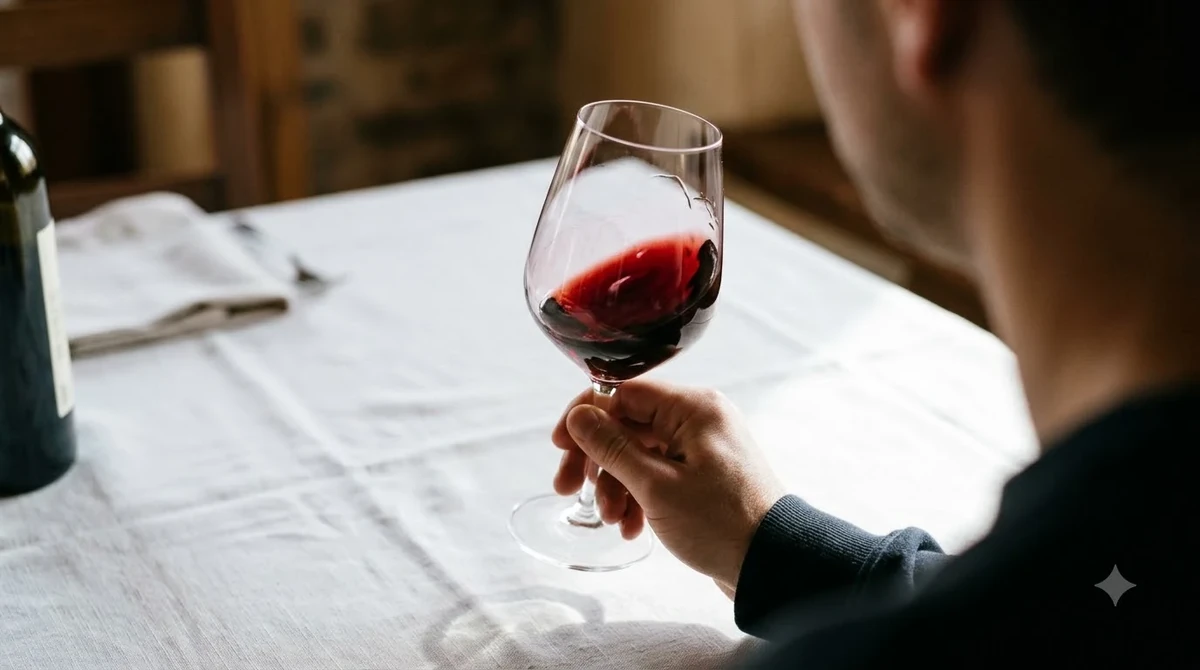
Color can range from bright ruby to deeper garnet and violet-red shades. Younger, unoaked bottlings often emphasize freshness and lively fruit, whereas more concentrated wines may show darker color and a firmer texture.
How Different Winemaking Styles Affect Flavor
Stainless-steel fermentation and maturation generally preserve the grape’s fresh fruit character. These wines tend to emphasize cherry, raspberry and uncomplicated drinking pleasure. They are often intended to be enjoyed relatively young rather than stored for many years.
Large wooden vessels can provide a different texture without necessarily adding strong oak aromas. Smaller oak barrels, particularly when used for extended maturation, can contribute vanilla, toast and spice while allowing more concentrated wines to develop additional complexity.
Oak does not automatically indicate better quality. Zweigelt’s appeal often comes from its lively fruit and natural drinkability. Excessive extraction or prominent new oak can obscure these characteristics, so the best approach depends on the individual producer’s style.
Some winemakers deliberately emphasize freshness rather than power. These bottlings can be especially appealing to people who prefer red wines with lively fruit, moderate structure and a clean finish. Other producers use carefully selected vineyard sites and barrel maturation to create wines that can develop over several years.
Where Is Zweigelt Grown in Austria?
Zweigelt grows throughout Austria, but Burgenland and Niederösterreich, or Lower Austria, are especially important for the variety. Within these larger areas, Neusiedlersee and Carnuntum are two particularly useful regional names to recognize when choosing a bottle.
Burgenland lies in eastern Austria, close to Hungary, and includes vineyards around Lake Neusiedl. The lake and surrounding landscape influence local growing conditions, helping producers make ripe, expressive red wines. Zweigelt from this area often shows generous cherry and darker berry flavors.
Neusiedlersee DAC is particularly associated with Zweigelt. The designation identifies wines connected to a specific regional origin and production framework. The basic red wine emphasizes the variety, while Reserve bottlings offer a more structured interpretation with additional maturation requirements.
Soil differences within the region can influence the finished wine. According to winemakers interviewed by Wine Enthusiast, heavier loam soils can contribute darker cherry, ripe Morello cherry and cassis characteristics. Lighter soils can produce brighter cherry notes and black pepper impressions.
Carnuntum is another important location. Situated southeast of Vienna in Lower Austria, it has developed a strong reputation for red wines made from Zweigelt and Blaufränkisch. Its regional identity includes Rubin Carnuntum, a designation associated with pure Zweigelt wines.
Other Lower Austrian areas also grow the variety. Weinviertel, Kamptal, Wagram and Kremstal are among the regions where Zweigelt can be encountered. Producers may bottle it as a single-variety wine or incorporate it into blends.
These regional differences are useful when comparing bottles. A Neusiedlersee wine may emphasize ripe, generous fruit, while a Carnuntum bottling can offer a different balance of freshness, concentration and spice. Nevertheless, vineyard location is only one influence; producer decisions and vintage conditions matter too.
For an introduction to Austrian regional labeling, look for DAC on the bottle. Districtus Austriae Controllatus is Austria’s system of controlled regional wine designations. Understanding the regional name can help explain why two wines made primarily from the same grape taste different.
The official Austrian Wine grape varieties guide provides further information about Zweigelt’s distribution, parentage and range of winemaking styles.
How Is Zweigelt Made and What Styles Are Available?
Zweigelt is made in several styles, from fresh, unoaked reds to concentrated wines aged in wooden barrels. It can also be used in blends, rosé wines and sparkling wine, making it more versatile than its reputation as a simple everyday red might suggest.
The winemaking process usually begins with harvesting ripe red grapes and separating the juice from the stems when appropriate. Fermentation takes place with the grape skins to extract color, flavor and tannin. The length of skin contact and fermentation conditions influence the wine’s eventual structure and intensity.
For a fresh style, producers generally aim to preserve primary fruit characteristics. Stainless-steel tanks or larger neutral vessels can help retain cherry aromas without introducing noticeable oak flavors. These wines are often bottled for relatively early enjoyment.
More ambitious versions may involve restricted vineyard yields, selective harvesting and longer maturation. Oak barrels can add texture and additional aromatic complexity. According to Austrian Wine, the variety’s range extends from fresh wines made without wood to powerful examples matured in barriques.
Understanding the Main Zweigelt Styles
| Wine style | Typical characteristics | Best occasion |
|---|---|---|
| Fresh and unoaked | Cherry, raspberry, soft tannins | Casual meals and relaxed drinking |
| Medium-bodied regional red | Red and dark berries, moderate structure, spice | Roasted poultry and pork |
| Reserve or oak-aged | Morello cherry, darker fruit, firmer tannins, oak spice | Roasted meats and substantial dishes |
| Zweigelt blend | Cherry fruit combined with the characteristics of other grapes | Mixed menus and regional cuisine |
| Rosé or sparkling | Fresh red fruit and a lighter presentation | Outdoor meals and celebrations |
Blending is another important part of Zweigelt production. Blaufränkisch is a natural partner because the varieties can contribute different elements of fruit, freshness and structure. Merlot and Cabernet Sauvignon can also appear in blends, depending on the producer and regional rules.
In Neusiedlersee, Reserve classification provides a useful indication of a more substantial production approach. Reserve wines are generally intended to express greater concentration and complexity than straightforward young-drinking bottlings. Their oak influence and maturation can vary according to the individual wine and its production requirements.
Not every Zweigelt should be evaluated according to the same expectations. A fresh wine intended for immediate enjoyment should be judged on its clarity of fruit and balance, not on whether it resembles a powerful oak-aged red. Conversely, a premium single-vineyard bottling may offer additional layers and a longer development in the glass.
Rosé production offers another expression of the grape. By limiting the contact between juice and dark grape skins, winemakers can create wines with a lighter color and fresh berry character. Zweigelt can also form the basis of sparkling rosé, providing an alternative to still red wine.
Sweet versions are less familiar but also possible. In Burgenland, producers can use grapes affected by noble rot to make concentrated sweet wines. This demonstrates that Zweigelt’s production potential extends beyond dry table wine.
How Does Zweigelt Compare With Other Red Wines?
Zweigelt is generally softer and more immediately fruit-driven than structured red varieties such as Cabernet Sauvignon or Syrah. It shares some of the fresh, cherry-focused appeal of Pinot Noir and Gamay, but its flavor profile and growing history remain distinctly Austrian.
Its closest comparisons are often its two parent grapes. Blaufränkisch typically has more pronounced acidity, firmer tannins and darker, sometimes peppery fruit. Zweigelt usually emphasizes juicy cherry character and a rounder texture, especially in uncomplicated styles.
Sankt Laurent can also provide a useful comparison. Both varieties can show cherry and berry aromas, but Sankt Laurent is often associated with a more delicate aromatic expression and a structure that recalls Pinot Noir. Zweigelt is generally the more widely planted and versatile variety.
Compared with international grapes, Zweigelt can appeal to people who enjoy lighter expressions of Merlot, Pinot Noir or Gamay. It is generally less tannic than Cabernet Sauvignon and many Syrah wines, making it a practical choice for people who prefer fruit and freshness over a strongly drying finish.
Quick Comparison of Popular Red Grapes
| Grape | Typical tannin | Common flavor profile | General style |
|---|---|---|---|
| Zweigelt | Soft to moderate | Cherry, berries, spice | Fresh and approachable |
| Pinot Noir | Low to medium | Red cherry, raspberry, earth | Elegant and aromatic |
| Merlot | Medium | Plum, black cherry, cocoa | Round and supple |
| Blaufränkisch | Medium to firm | Dark cherry, blueberry, pepper | Fresh and structured |
| Cabernet Sauvignon | High | Blackcurrant, cedar, dark fruit | Firm and structured |
| Syrah | Medium-plus to high | Blackberry, pepper, savory spice | Rich and structured |
These are general comparisons rather than fixed rules. Ripeness, vineyard conditions, fermentation and maturation can change the balance of any red wine. A concentrated Zweigelt Reserve may feel considerably more substantial than a light, young Pinot Noir.
For someone exploring Austrian wines, trying Zweigelt alongside Blaufränkisch is particularly informative. The comparison reveals how two varieties from the same country, and with a direct genetic relationship, can produce different expressions of fruit, acidity and tannin.
Readers exploring other varieties can also browse Wine by Type to understand how grape varieties differ in structure, flavor and typical production methods.
What Food Pairs Well With Zweigelt?
Zweigelt pairs especially well with roast pork, grilled sausages, roast chicken, mushroom dishes and tomato-based pasta. Its cherry fruit and relatively soft tannins make it adaptable to everyday meals, while its acidity provides enough freshness to accompany moderately rich foods.
Austrian cuisine offers several natural combinations. Wiener Schnitzel, traditionally made with a breaded cutlet, works well with a fresh, lighter Zweigelt. The wine’s fruit balances the savory coating without overwhelming the meat. Roast pork and grilled sausages are also excellent partners, especially when the wine has a little more body.
For beef, choose a more concentrated example with additional structure. Beef stew, grilled beef and slow-cooked dishes can work particularly well with a reserve-style Zweigelt. The deeper fruit and more noticeable tannins provide a suitable counterpoint to the savory character of the meat.
Vegetarian dishes offer plenty of possibilities too. Roasted mushrooms, eggplant, lentils and grilled vegetables can complement the wine’s earthy and fruity elements. Tomato-based pasta is another useful match because its acidity works naturally with a fresh, fruit-forward red.
Pairing by Cooking Method
Grilling brings out smoky and caramelized flavors, making it a good match for Zweigelt with noticeable pepper or darker fruit. A medium-bodied version works with grilled chicken, pork chops and vegetables, while a more concentrated bottle suits richer beef dishes.
Roasting creates savory flavors that complement the grape’s cherry character. Roast duck, pork loin and herb-seasoned chicken are useful choices. Dishes with mushrooms or browned onions can also emphasize the wine’s more savory qualities.
For cheese, consider medium-aged semi-hard cheeses, mild washed-rind cheeses and savory regional varieties. Very strong blue cheeses can dominate a lighter Zweigelt, so a more concentrated wine is preferable if the cheese has intense flavor.
Spicy food requires some care. Chili heat can become more pronounced with alcohol and tannin, so very hot dishes are not ideal partners for powerful red wines. A fresh, lower-alcohol Zweigelt with soft tannins is generally a more comfortable choice for mildly spiced food.
Oily fish can be difficult with tannic red wines because the combination may create an unpleasant impression. For fish dishes, lighter preparations with less oil are a better starting point, although a crisp white wine may be more suitable overall.
For additional meal ideas, see this guide to Zweigelt food pairing, which explores combinations based on different dishes and cooking styles.
Tip: Match the wine’s weight to the food. Choose fresh Zweigelt for grilled chicken, schnitzel and tomato pasta, and a more concentrated Reserve bottling for roast pork, beef stew and richer mushroom dishes. The more intense the preparation, the more structure the wine should have.
How to Serve, Store and Choose Zweigelt
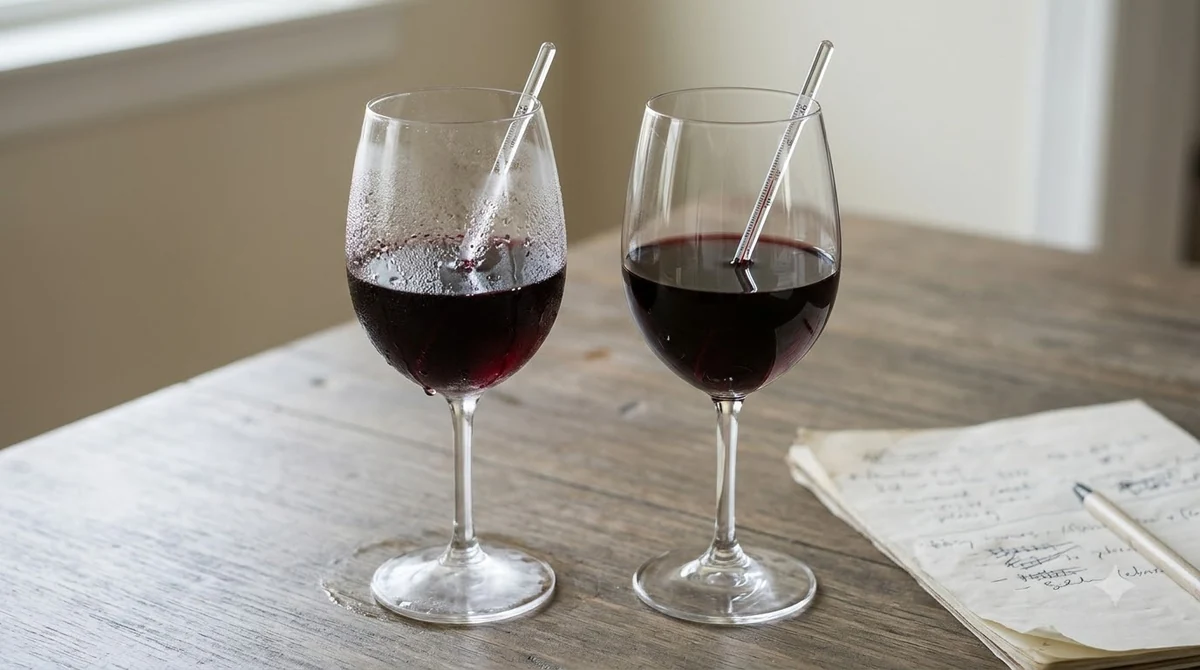
Zweigelt is best served slightly cool rather than warm, particularly when the wine is young and fruit-forward. A serving temperature of 55–60 F works well for lighter reds, while fuller, oak-aged examples can be served closer to 60–65 F.
Serving temperature affects how the wine’s aromas and structure are perceived. Excessive warmth can make alcohol seem more prominent and reduce the impression of freshness. Serving it too cold, however, can suppress cherry aromas and make tannins seem firmer.
If the bottle has been stored at ordinary room temperature, placing it in the refrigerator briefly before serving can help bring it into the appropriate range. The aim is not to serve it as cold as a white wine but to preserve its lively fruit and balanced texture.
Choosing the Right Bottle
Start by considering the style you enjoy. If you prefer juicy, uncomplicated reds, look for young Zweigelt described as fresh, fruity or unoaked. These wines are generally intended for drinking soon after release and often show clear red-cherry and raspberry flavors.
If you prefer more depth, look for Reserve, barrique-aged or single-vineyard examples. These terms can indicate a more substantial approach, although the actual style depends on the producer. Neusiedlersee and Carnuntum are particularly useful regional names to explore.
Another consideration is whether the bottle contains pure Zweigelt or a blend. A single-variety bottling provides a clearer expression of the grape, while a blend can combine its fruit with the acidity, structure or aromatic qualities of other varieties.
Storage and Decanting
Store unopened bottles in a cool, dark location with a relatively stable temperature near 55 F. Bottles sealed with traditional corks are generally best kept on their sides to maintain contact between the cork and wine. Avoid prolonged exposure to direct sunlight, strong vibration and temperature fluctuations.
Most fresh Zweigelt is intended for relatively early enjoyment. More concentrated Reserve and single-vineyard wines may develop further in the bottle, particularly when they have sufficient acidity, fruit concentration and tannin. Not every bottle is designed for long-term cellaring, so the producer’s recommendations are useful when available.
Young, full-bodied versions can benefit from approximately 30–60 minutes of decanting. Lighter examples usually need less aeration, and some can be poured directly from the bottle. Decanting can soften the initial impression and allow more developed aromas to emerge.
Once opened, store the bottle in the refrigerator with a suitable closure. Most still wines remain enjoyable for approximately 3–5 days, although freshness and aroma gradually decline. Allow the wine to warm slightly in the glass before serving again.
For readers unfamiliar with the grape’s name, learning how to pronounce Zweigelt can also make it easier to ask about Austrian bottles at a wine shop or restaurant.
For further regional context and tasting descriptions, Wine Enthusiast’s overview of Austria’s red wines discusses Zweigelt alongside Blaufränkisch, Sankt Laurent and Austrian Pinot Noir.
Frequently Asked Questions
Is Zweigelt an indigenous Austrian grape?
Zweigelt was developed in Austria rather than being an ancient wild variety native to the country. Its breeding history dates to 1922, making it a comparatively modern grape. It has since become deeply established in Austrian viticulture and is central to several regional wine identities.
Does Zweigelt have another name?
Yes. Rotburger is an established synonym, and Blauer Zweigelt is another name used in Austrian wine references. Zweigeltrebe is also encountered in Central European wine terminology. These names refer to the same grape variety rather than separate varieties.
Can Zweigelt produce sweet wine?
Yes. Although most familiar Zweigelt wines are dry reds, the grape can be used for sweet wines in Burgenland. Some examples are made from grapes affected by Botrytis cinerea, commonly called noble rot, which concentrates sugars and flavors as the berries shrivel. Zweigelt is also used in rosé sparkling wine production.
Is Zweigelt suitable for making rosé?
Yes. Its naturally attractive cherry and berry flavors make it suitable for rosé production. Zweigelt can also serve as a base for Austrian rosé Sekt, the country’s sparkling wine category. These wines offer a different presentation from the familiar still red versions.
Can Zweigelt be grown outside Austria?
Yes. Smaller plantings can be found in several other wine-producing countries, including Germany, Hungary, Slovakia and Canada. However, Austria remains the variety’s principal reference point, and its most recognizable regional expressions come from Burgenland and Lower Austria.
Zweigelt is one of Austria’s most versatile red grapes, combining juicy cherry fruit, gentle spice and approachable tannins with the ability to produce more structured, ageworthy wines. From fresh bottles made for casual meals to Reserve wines from Neusiedlersee and Carnuntum, it offers a rewarding introduction to Austrian reds. For anyone looking beyond familiar international varieties, Zweigelt is an excellent grape to add to the tasting list.
More in Wine Types & Grapes
 Zinfandel Sugar Content: Dry Red vs. White Zinfandel GramsUpdated Nov 21, 2026
 Best Zinfandel Substitute Options for Sipping and CookingUpdated Nov 21, 2026
 Zweigelt Food Pairing: Best Dishes, Cheeses, and Serving TipsUpdated Nov 21, 2026
 Zinfandel Tannins Explained: How Structure Shapes Every BottleUpdated Nov 21, 2026
 Zinfandel Sweetness Level: Dry Red vs. Sweet White Zin ExplainedUpdated Nov 21, 2026
 Xinomavro Food Pairing: Best Dishes, Styles, and Serving TipsUpdated Nov 21, 2026