

We may earn a commission when you buy through links on this page, at no extra cost to you. Learn more.
What is saperavi? Saperavi is a native Georgian red wine grape known for producing deeply colored, full-bodied wines with dark fruit flavors, firm tannins, and lively acidity. Its naturally red flesh and skin give the grape exceptional coloring power, while its versatility allows winemakers to produce dry, semi-sweet, sweet, and fortified styles. Most closely associated with Georgia’s Kakheti region, Saperavi is an excellent choice for people who enjoy structured red wines with substantial flavor and food-pairing potential.
Georgia has a long winemaking tradition, and Saperavi is one of the country’s most recognizable contributions to the international wine scene. Although it may be less familiar to American wine drinkers than Cabernet Sauvignon or Merlot, this distinctive grape offers comparable intensity with its own combination of fruit, acidity, tannin, and regional character. Understanding its origins, production methods, and different styles makes it easier to choose a bottle that suits your preferences.
What Is Saperavi and Where Does It Come From?
Saperavi is an indigenous red grape variety from Georgia, a country in the Caucasus region between Europe and Asia. It is particularly associated with Kakheti in eastern Georgia, where it plays a central role in the production of traditional and modern red wines. Its name refers to its ability to color, an appropriate description for a grape capable of producing exceptionally dark wine.
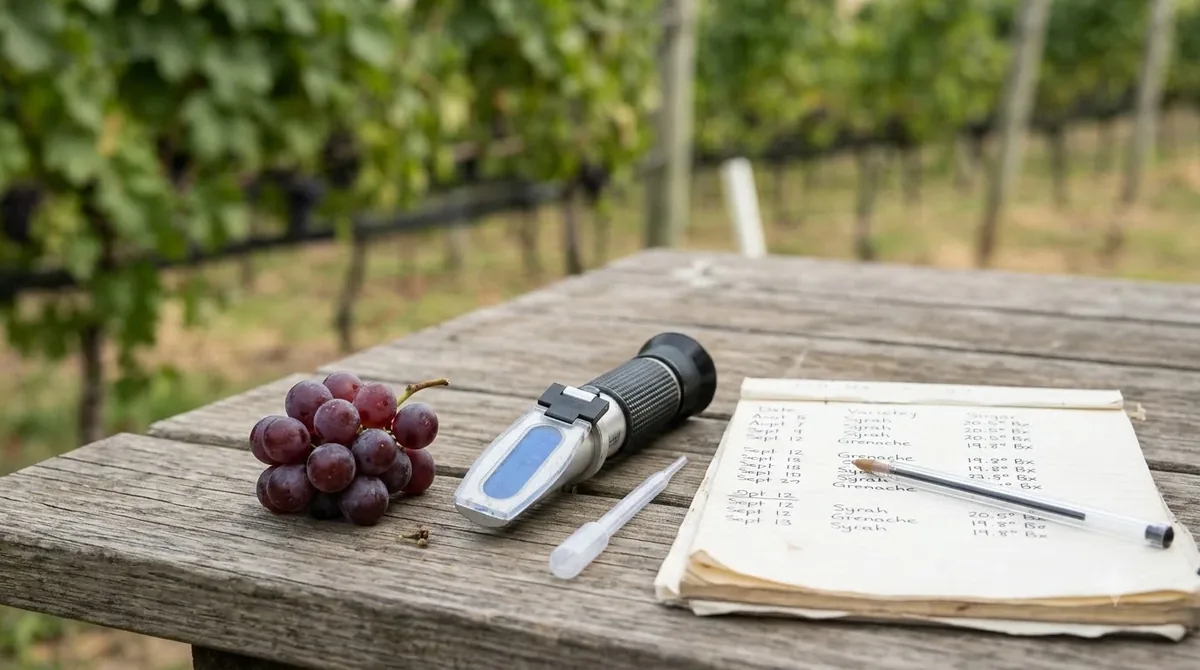
Unlike most red wine grapes, Saperavi has colored flesh as well as dark skin. This characteristic places it in a relatively unusual category known as teinturier grapes. With many conventional red varieties, the juice is relatively pale, and much of the wine’s color comes from contact with the skins during fermentation. Saperavi brings additional pigment from its pulp, helping create wines that can look nearly black or opaque in the glass.
The grape is particularly important in Kakheti, Georgia’s principal winemaking region. According to the Georgian National Wine Agency, important vineyards in the Alazani and Iori basins sit approximately 400 to 700 meters above sea level. The region’s varied soils, elevations, and local climates contribute to different expressions of the same grape.
Saperavi is also cultivated in other Georgian regions and has established a presence in wine-producing areas outside its homeland. Its ability to withstand cold winters has helped make it attractive to growers in cooler climates, including producers experimenting with the variety in the United States and Australia.
The grape has a long history in Georgian viticulture. Its numerous documented clones and variations reflect an established cultivation tradition, although its exact historical origin cannot be identified with complete certainty. The Georgian National Wine Agency notes that ampelographers have discussed at least 17 variations and clones of Saperavi.
For American wine drinkers, the easiest way to understand its identity is to think of it as a distinctive Georgian alternative to powerful international reds. It has the color and structure associated with serious red wines, but its natural acidity gives it a freshness that can make it particularly enjoyable alongside substantial meals.
What Does Saperavi Wine Taste Like?
Saperavi typically tastes like a full-bodied red wine with dark berries, black cherry, plum, and blackberry at the center of its flavor profile. Firm tannins provide structure, while lively acidity prevents the wine from feeling excessively heavy. Depending on its origin and production method, additional notes can include licorice, tobacco, chocolate, black pepper, smoke, and savory herbs.
The first impression is often its concentrated fruit character. Blackberry and dark plum are common reference points, particularly in warmer-climate expressions. Some wines also show blackcurrant, cherry, and darker spice notes. These flavors can be accompanied by earthy or savory characteristics, especially in traditional Georgian examples.
Its tannins are an important part of the experience. Tannins create the drying sensation on the gums and inside the cheeks that many people associate with Cabernet Sauvignon or other structured reds. Saperavi generally has firm tannins, although their intensity depends on grape ripeness, extraction, fermentation, and aging.
Acidity is another defining feature. Even a powerful Saperavi can have enough freshness to balance its dark fruit and substantial body. This quality makes the grape particularly useful with rich foods because acidity helps refresh the palate between bites.
Oak aging can add another layer of complexity. Depending on the barrel and the time spent aging, a wine may develop notes of vanilla, baking spice, toast, or additional savory character. Stainless steel versions usually place greater emphasis on the grape’s natural fruit and freshness.
How vineyard conditions affect flavor
Saperavi does not taste exactly the same in every Georgian wine region. Cooler sites can produce more red-berry aromas and wines with an elegant impression. Warmer locations often produce darker fruit, meatier flavors, and higher alcohol levels.
These differences explain why two bottles made from the same grape can provide noticeably different experiences. One may emphasize fresh cherry and balanced structure, while another offers concentrated blackberry, dark chocolate, and powerful tannins.
For a more detailed breakdown of its aromas, texture, and finish, read our guide to what does Saperavi taste like.
How Saperavi Is Made: Qvevri, Stainless Steel, and Oak
Saperavi can be made using traditional Georgian fermentation techniques or modern European winemaking methods. The choice of vessel, length of skin contact, and aging process can substantially change the finished wine’s texture and flavor. Qvevri production is especially important because it connects the grape with one of Georgia’s most recognizable winemaking traditions.

A qvevri is a large clay vessel traditionally buried underground. Georgian winemakers use these vessels for fermentation and aging, allowing the wine to develop through extended contact with grape solids. In traditional Kakhetian production, the must can ferment with skins, seeds, and stems. This contact extracts color, tannins, and additional aromatic compounds.
After fermentation, the wine can remain in the qvevri while it completes further development. The Georgian National Wine Agency describes a traditional process in which the grape solids settle after fermentation, the vessel is closed following malolactic fermentation, and the first racking takes place in March. The wine may then continue aging for approximately a year.
Extended skin contact often produces a more textured wine with pronounced tannins and earthy or savory flavors. Qvevri Saperavi can therefore feel more rustic and structured than a fruit-forward modern interpretation. These characteristics are not automatically signs of better or worse quality; they represent a different approach to expressing the grape.
Modern stainless steel production
Stainless steel fermentation offers another route. Because steel does not contribute oak-derived flavors, it allows the grape’s natural fruit character to remain prominent. Shorter maceration can also produce a more approachable structure, making the wine suitable for people who prefer fresh fruit over pronounced earthy or extractive characteristics.
Some producers use a combination of fermentation and aging vessels to balance fruit, tannin, and complexity. Stainless steel may be used during fermentation, followed by a period in another vessel before bottling. The precise approach varies between wineries.
Oak-aged Saperavi
Oak barrels can contribute additional flavor and texture. Saperavi may be aged in different oak types, including French, American, Slavonian, Russian, and Hungarian oak. Each barrel choice can influence the wine’s aromatic profile and development.
Oak-aged versions can combine ripe black fruit with tobacco, vanilla, chocolate, and baking spice. The grape’s natural acidity and tannin provide enough structure to support this treatment, particularly in concentrated examples intended for extended aging.
When comparing bottles, pay attention to whether the producer emphasizes qvevri, stainless steel, or oak. These production details help explain why Saperavi can range from fresh and fruit-driven to deeply textured and savory.
Dry, Semi-Sweet, and Sweet Saperavi Wine Styles
Saperavi is not exclusively a dry red wine. It can be produced in dry, semi-sweet, sweet, and fortified styles, giving it considerably more versatility than some consumers initially expect. The sweetness level is one of the most useful details to understand before choosing a bottle.
Dry Saperavi is the best starting point for people who enjoy structured red wines. It typically combines dark berry fruit, noticeable tannins, and refreshing acidity. Depending on the producer, the wine may be aged in stainless steel, qvevri, or oak barrels.
Dry examples from established Georgian designations include Mukuzani and Napareuli. These names indicate particular wine-growing areas and production requirements rather than different grape varieties. Both are associated with dry Saperavi, although individual bottles can still differ in ripeness, concentration, and aging style.
Other expressions offer more noticeable sweetness. Kindzmarauli is particularly associated with naturally semi-sweet Saperavi. These wines balance residual grape sugar with fresh acidity, creating a softer impression than a fully dry, tannic red.
Akhasheni is another Georgian designation associated with naturally semi-sweet Saperavi. These wines are useful examples of how the grape’s natural intensity can work with sweetness rather than relying exclusively on dry, highly structured styles.
Sweetness does not necessarily mean that a wine lacks complexity. A well-balanced semi-sweet Saperavi can retain dark fruit, freshness, and a distinctive Georgian identity. Its sweetness simply changes the relationship between fruit, acidity, and tannin.
Important Saperavi styles at a glance
| Style or designation | Typical sweetness | General characteristics |
|---|---|---|
| Dry Saperavi | Dry | Dark fruit, firm tannins, lively acidity |
| Mukuzani | Dry | Concentrated fruit and structured character |
| Napareuli | Dry | Traditional dry Georgian Saperavi |
| Kindzmarauli | Semi-sweet | Ripe fruit, sweetness, fresh acidity |
| Akhasheni | Semi-sweet | Fruity character and balanced sweetness |
| Fortified Saperavi | Varies | Higher alcohol and potentially sweeter character |
These styles provide a practical starting point, but the grape variety alone does not determine the sweetness of a finished bottle. A dry Saperavi and a semi-sweet Kindzmarauli can be made from the same grape while delivering very different drinking experiences.
For someone buying Georgian wine for the first time, a dry Saperavi is a good choice if the goal is to explore its tannins and structure. Kindzmarauli is a useful alternative for anyone who prefers a fruitier red with noticeable sweetness.
The Wines of Georgia appellation descriptions provide additional details about these protected regional styles, including the grape varieties and characteristic profiles associated with individual designations.
Georgian Wine Regions and Important Saperavi Appellations
Kakheti is the most important region to understand when exploring Saperavi. Located in eastern Georgia, it is home to many of the country’s most recognized wine-growing areas and several protected designations associated with this grape. The differences between these locations help explain the range of styles available.
The Alazani and Iori basins are particularly important vineyard areas. Their vineyards include different elevations and soil compositions, creating opportunities for producers to make wines with distinct expressions. The Georgian National Wine Agency identifies humus-carbonate, black, and alluvial soils among the important vineyard soils of Kakheti.
Within Kakheti, Mukuzani is one of the most recognizable names for dry Saperavi. Wines from this designation are associated with concentrated fruit and structured character. They are often a useful choice for drinkers looking for a substantial red wine with the ability to develop complexity over time.
Napareuli is another important designation for dry Saperavi. It provides another expression of Kakhetian red wine, illustrating why the region’s appellation names are useful when comparing bottles rather than treating all Georgian Saperavi as identical.
Kindzmarauli stands out for its semi-sweet style. Its naturally retained grape sweetness creates a different balance from the drier wines of Mukuzani and Napareuli. The acidity remains important because it prevents the sweetness from becoming the only noticeable characteristic.
Akhasheni also produces naturally semi-sweet Saperavi. These wines are generally intended for earlier enjoyment than concentrated dry examples designed for long aging.
Beyond Kakheti, Saperavi is cultivated in several Georgian regions, and international producers have also experimented with the variety. Its use in pink and sparkling wines also demonstrates that the grape is not limited to conventional still red wine production.
When comparing Georgian bottles, the designation can provide more useful information than simply seeing Saperavi on the front label. It can indicate a specific production tradition and sweetness style, helping buyers understand what kind of wine to expect.
Food Pairings, Serving Temperature, and Storage
Saperavi is particularly suitable for flavorful food because its acidity, tannins, and concentrated fruit can stand up to rich dishes. Grilled meats, lamb, beef stew, roasted vegetables, mushrooms, and aged cheeses are natural partners for dry examples. The best matches depend on the wine’s sweetness and the intensity of its tannins.
For a dry Saperavi, begin with grilled lamb or roasted beef. The richness of the meat complements the wine’s body, while its fat helps soften the perception of tannin. Slow-cooked beef stew is another strong option because the concentrated flavors of the dish can match the wine’s dark fruit and savory character.
Barbecued pork is also a good choice, particularly when the sauce has smoky, savory, or moderately sweet elements. The wine’s acidity helps balance the richness, while the dark fruit works well with charred flavors.
Roasted mushrooms, eggplant, and other substantial vegetables provide alternatives to meat. Their earthy flavors can complement the savory side of Saperavi, particularly versions fermented in qvevri. Aged cheeses are another suitable pairing because salt and fat soften the sensation of tannin.
Sweetness changes the pairing strategy. A semi-sweet Kindzmarauli can work well with mildly spicy dishes or savory preparations that have a little sweetness of their own. The wine should generally be at least as sweet as a dessert if it is being served alongside one.
Foods that require extra care
Very spicy food can be difficult with high-alcohol, tannic red wines. Chili heat can feel more intense when combined with alcohol and tannin, so heavily spiced dishes may make a powerful dry Saperavi seem harsher. Moderately seasoned grilled food is usually a more reliable choice.
Delicate fish dishes are also less suitable for a strongly tannic red. Oily fish can clash with tannic wines, and the intensity of Saperavi can overwhelm lighter seafood preparations. For these meals, a different wine style is usually more appropriate.
Serving temperature
Serving temperature makes a noticeable difference. Full-bodied red wines are generally best served around 60–65°F rather than at warm room temperature. A slightly cool bottle helps keep alcohol from dominating the aromas and allows the wine’s fruit and structure to remain balanced.
If a bottle has been stored at room temperature, place it in the refrigerator briefly before serving. Avoid serving it excessively cold, because very low temperatures can make tannins feel more prominent and reduce the expression of its aromas.
Decanting and storing
Young, concentrated Saperavi may benefit from 30–60 minutes of decanting before serving. Exposure to air can help the wine open up and make its aromas easier to appreciate. This is especially useful for structured dry examples with pronounced tannins.
For longer storage, keep unopened bottles on their sides in a cool, dark place near 55°F, with relatively stable temperatures. Avoid direct sunlight and repeated temperature fluctuations.
After opening, reseal the bottle and store it in the refrigerator. Most still wines are best consumed within approximately 3–5 days after opening, although the exact period depends on the wine, storage conditions, and how much air remains in the bottle.
Tip: Start with a dry Saperavi from Kakheti, serve it at approximately 60–65°F, and allow a young, structured bottle 30–60 minutes to breathe. Pair it with grilled lamb, roasted beef, or aged cheese to appreciate how its acidity and tannins work with food.
For more ideas, explore our Saperavi food pairing recommendations. Understanding the relationship between tannin, acidity, sweetness, and food makes it easier to find a combination that suits the particular bottle.
How Saperavi Compares With Other Red Wine Grapes
Saperavi shares some characteristics with familiar international red varieties, particularly Cabernet Sauvignon and Syrah. Its combination of deep color, firm tannins, substantial body, and acidity makes it a useful alternative for people who enjoy powerful reds. However, its distinctive Georgian identity and naturally colored flesh give it a character of its own.
Cabernet Sauvignon is a useful comparison because both grapes can produce structured wines with considerable tannin. Cabernet often shows blackcurrant, cedar, and herbal notes, while Saperavi frequently emphasizes blackberry, plum, dark cherry, and savory spice. Both can benefit from food with sufficient richness to balance their tannins.
Syrah is another useful comparison. Both varieties can produce dark-colored wines with concentrated fruit and savory flavors. Syrah often brings notes of black pepper, smoked meat, and dark berries, characteristics that can also appear in Saperavi. Their regional expressions, however, can differ significantly.
Merlot generally provides a softer comparison. It usually has medium tannins and a rounder texture, making it approachable for drinkers who find powerful reds too demanding. Saperavi typically has firmer tannins and a more pronounced structural impression.
Pinot Noir is quite different. It usually has lighter body, low-to-medium tannins, and high acidity, with red fruit and more delicate aromas. Someone who enjoys Pinot Noir may still appreciate Saperavi, but should expect a substantially darker and more powerful wine.
These comparisons can help identify whether Saperavi is likely to suit your preferences. Drinkers who enjoy Cabernet Sauvignon, Syrah, or Tannat may find its concentration and structure familiar, while those who prefer lighter reds may want to start with a less extracted example.
There are also meaningful differences between Saperavi and other lesser-known wine grapes. For example, the Spanish Airen grape is a white variety generally associated with very different wine styles. Comparing grapes from different countries illustrates how regional climate, grape anatomy, and winemaking traditions shape the wines in your glass.
For additional information about wine varieties, production methods, and the characteristics of different grapes, visit our Wine by Type resource.
Ultimately, Saperavi is best understood on its own terms rather than as a substitute for another red grape. Its unusual pigmentation, natural acidity, Georgian heritage, and versatility make it a distinctive option for anyone interested in discovering wines beyond the most familiar international varieties.
Frequently Asked Questions
How do you pronounce Saperavi?
Saperavi is commonly pronounced sah-peh-rah-vee, with four clearly spoken syllables. In Georgian, it is written საფერავი. The pronunciation may vary slightly between English-speaking wine professionals, but the four-syllable version is a useful guide when ordering it at a restaurant or wine shop.
Is Saperavi a single grape variety or a wine region?
Saperavi is a grape variety, not a geographical wine designation. Mukuzani, Napareuli, and Kindzmarauli are examples of Georgian protected wine designations associated with Saperavi production. The distinction is similar to the difference between a grape name and the geographical origin printed on a wine label.
Does Saperavi make rosé wine?
Yes. Saperavi can be used to produce rosé as well as red and sparkling wines. The final color depends on how much contact the juice has with the grape skins during production. Shorter skin contact generally produces a lighter color than the deeply pigmented red versions.
Can Saperavi be blended with other grapes?
Yes. Although many Saperavi wines are made entirely from the variety, it can also be blended with other grapes. Georgian winemakers have experimented with varieties such as Rkatsiteli and Mtsvane. Blending can change the wine’s balance, aromatic profile, and overall structure.
Does Saperavi have good aging potential?
Some concentrated dry Saperavi wines can develop for more than a decade under suitable storage conditions. The grape’s acidity, tannins, and fruit concentration provide the structural elements needed for extended aging. Not every bottle is intended for long-term cellaring, however, and semi-sweet examples such as Kindzmarauli are generally intended for earlier enjoyment.
Saperavi is one of Georgia’s most distinctive red wine grapes, combining extraordinary natural color with dark fruit, firm tannins, and refreshing acidity. Whether you choose a dry Mukuzani, a traditional qvevri bottling, or a semi-sweet Kindzmarauli, it offers a rewarding introduction to Georgian wine culture. Start with a bottle that matches your preferred sweetness and body, then explore the different regions and winemaking styles to discover the range of this remarkable grape.
More in Wine Types & Grapes
 Zinfandel Sugar Content: Dry Red vs. White Zinfandel GramsUpdated Nov 21, 2026
 Best Zinfandel Substitute Options for Sipping and CookingUpdated Nov 21, 2026
 Zweigelt Food Pairing: Best Dishes, Cheeses, and Serving TipsUpdated Nov 21, 2026
 Zinfandel Tannins Explained: How Structure Shapes Every BottleUpdated Nov 21, 2026
 Zinfandel Sweetness Level: Dry Red vs. Sweet White Zin ExplainedUpdated Nov 21, 2026
 Xinomavro Food Pairing: Best Dishes, Styles, and Serving TipsUpdated Nov 21, 2026