

We may earn a commission when you buy through links on this page, at no extra cost to you. Learn more.
How rose wine is made: it starts with red grapes, but it is almost never a mix of red and white wine. The pink color comes from a short contact between the grape juice and the dark skins, or from drawing off some juice early from a red wine tank. The method controls how pale or deep the wine looks and how dry or sweet it tastes, so understanding it helps you read a label and choose a bottle you will enjoy.
This guide walks through the main ways rosé is produced, what those methods do to color and flavor, and how the styles range from bone dry to noticeably sweet. It also covers the labeling rule that surprises many shoppers.
The Three Main Production Methods
Most rosé comes from one of three approaches. Each one pulls color from the grape skins in a different way, so the finished wines can look and taste quite different even when they use the same grape.
The first and most traditional is skin contact, sometimes called maceration. Black-skinned grapes are crushed and the juice is left in contact with the skins for a short period, typically two to twenty hours. The winemaker then presses the skins off, so they do not stay in the tank through fermentation the way they do for red wine. The length of contact is the main control knob: a few hours gives a pale wine, and a longer soak gives a deeper color.
The second method is saignée, a French term that roughly means “bleeding off.” Some pink juice is drawn from a red wine tank early in the process. That removal concentrates the red wine that stays behind, and the juice that was drawn off is fermented separately as rosé. Many producers use saignée as a by-product of making a richer red, which is one reason rosé can be a practical way to use the same fruit.
The third method is blending, where red wine is mixed into white wine to add color. This is the least common approach for serious rosé. In France it is not allowed for still wine, with Champagne as the well-known exception. Because the method is so restricted in its home region, most rosé you find in a store was made with skin contact or saignée.
For a shopper, the practical lesson is that the method tells you something about the bottle. A skin-contact rosé is often lighter and more aromatic, while a saignée rosé can carry a little more body, since it comes from a tank that was also used for red wine.
How Color Depends on Grape and Winemaking
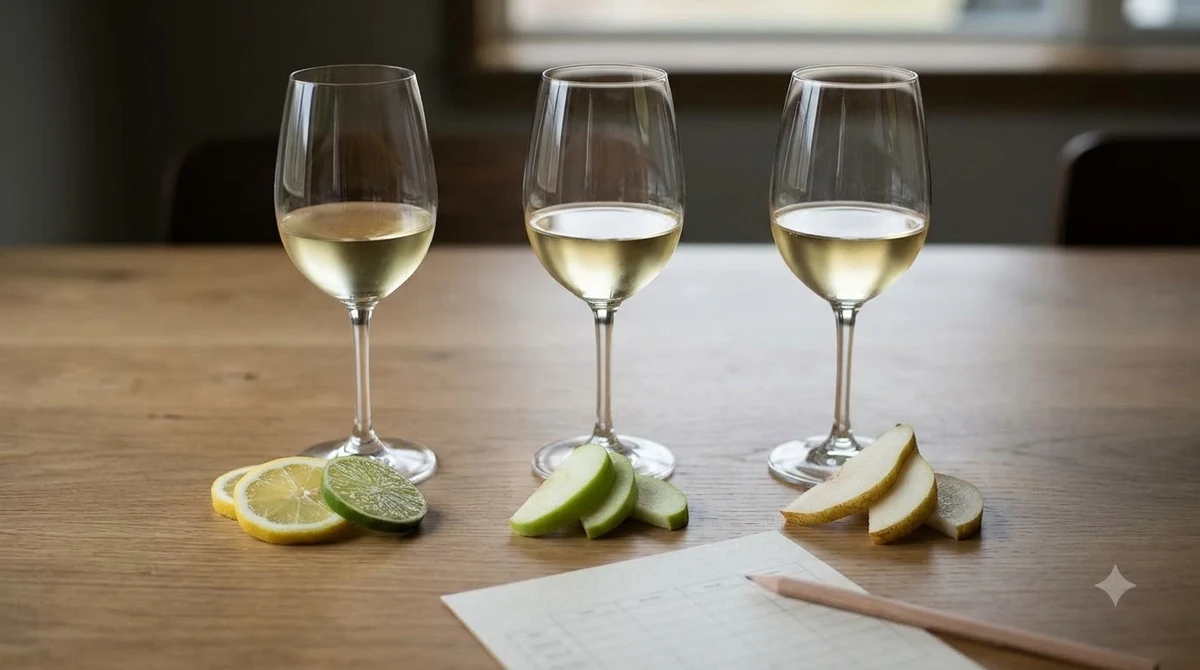
Rosé covers a wide visual range. Pale wines can look like onionskin, a soft orange tinged with pink, while the most vivid bottles look nearly purple. Color is not a reliable sign of sweetness or quality on its own, because it reflects the grape variety and the time the juice spent with its skins.
Grape variety matters a great deal. Some red grapes have thick, deeply pigmented skins that release color quickly, while others give a lighter tint. Winemakers usually choose a variety and a contact time together, so a pale salmon rosé and a deep cherry rosé can come from the same region but be made on very different schedules.
Longer skin contact also brings more tannin and a firmer structure, which is why some rosés taste closer to a light red. A short contact gives a fresher, more delicate wine that many people prefer for warm weather and lighter meals.
How Sweet or Dry Rosé Tastes
Sweetness is the feature that varies most between rosés, and it is easy to miss from the color alone. Rosés range from highly dry wines of the Provençal style, which feel crisp and savory, to sweet blush wines in the style of White Zinfandel. Between those two ends sit off-dry and fruit-forward bottles that taste sweeter than a dry white.
A dry rosé usually shows red fruit like strawberry or cherry, a clean acidity, and a mineral or herbal finish. A sweet rosé tastes more like candy or ripe fruit with a soft, round mouthfeel. Neither is better in general; the right choice depends on what you plan to eat and who is drinking.
Reading the Sweetness on a Label
Many rosé labels do not state sweetness directly. Look for words such as dry, brut, or off-dry, and check the producer’s description. If the label is silent, the grape and the region give a clue: wines from Provence are typically dry, while blush-style bottles with fruit names or sweet descriptions usually lean sweet.
How to Serve and Pair Rosé
Rosé is usually served chilled, which keeps the fruit lively and the acidity crisp. Pour it into a standard white wine glass, and avoid leaving the bottle in a warm room for long, since heat makes the wine taste flat and heavy.
Dry rosé pairs well with a wide range of foods. Grilled chicken, salads with goat cheese, tomato-based dishes, and light seafood all suit its acidity and fresh fruit. A sweeter rosé is better for spicy food, since the sugar can soften heat, or for fruit-based desserts. Rich, fatty dishes can make a dry rosé taste thin, so match the weight of the wine to the weight of the meal.
Rosé is also a useful bridge between red and white drinkers. If you usually reach for a red at dinner but want something lighter, a dry rosé can meet you halfway without the heavy tannin of a full red.
Rosé and Sparkling Rosé
Sparkling rosé adds bubbles to the same pink base. The color may come from skin contact or from blending, depending on the region and the rules that apply there. Sparkling rosé is served colder than still rosé and pairs well with appetizers and brunch dishes.
When you compare a sparkling rosé with a still one, expect the bubbles to lift the fruit and make the finish feel brighter. Sweetness still varies widely, so read the label and check whether the wine is labeled dry or sweet before you buy it for a particular occasion.
Frequently Asked Questions
Is rosé made by mixing red and white wine?
Usually not. Most rosé is made by brief skin contact with red grapes or by drawing off some juice early from a red wine tank. Blending red into white is rare and legally restricted in France, with Champagne as the main exception.
Why are some rosés darker than others?
Color depends mainly on the grape variety and how long the juice stays with the skins. Longer contact gives a deeper color and more tannin, while a short contact produces a pale, delicate wine.
Is all rosé sweet?
No. Rosé ranges from very dry Provençal styles to sweet blush wines. Check the label for terms such as dry or off-dry, and use the region as a clue if the label does not state sweetness.
How should I serve rosé?
Serve it chilled in a white wine glass. Keep the bottle cool until you pour, and avoid leaving it in a warm room, because heat dulls the fruit and makes the wine taste heavier.
Rosé is simpler to choose once you know how it is made. Method and contact time shape the color, and the grape and style shape the sweetness. For a sweet sparkler that many shoppers reach for as an alternative, see Andre Spumante, or browse the wider Wine Brands guide to compare other bottles by style.
Outbound reference for the production methods: the Wikipedia article on rosé.
More in Wine Brands
 Underwood Wine Price: Compare Bottles, Cans, and Pack SizesUpdated Nov 21, 2026
 Zenato Wine Price: Compare Styles and Choose the Right BottleUpdated Nov 21, 2026
 Zuccardi Wine Price: Compare Bottles and Find the Right RangeUpdated Nov 21, 2026
 Yellow Tail Moscato Review: Taste, Sweetness and Serving TipsUpdated Nov 21, 2026
 Wolf Blass Yellow Label Review: Choose Your Best StyleUpdated Nov 21, 2026
 Wolffer Estate Rose Review: Choose the Right Bottle for Your TableUpdated Nov 21, 2026