

We may earn a commission when you buy through links on this page, at no extra cost to you. Learn more.
What is ruche? Ruchè is a rare, dry red wine made primarily from the Ruchè grape in Piedmont, northwestern Italy, known for its fragrant aromas of roses, violets, red berries and black pepper. Its home is the small Monferrato wine-growing area in the province of Asti, where it has a protected DOCG designation. Medium-bodied, aromatic and generally approachable, Ruchè offers something different from better-known Piedmont reds such as Barolo and Barbera.
Although Ruchè has a long local history, it remains relatively unfamiliar to many American wine drinkers. Its combination of floral fragrance, juicy fruit, spice and a dry finish makes it an interesting choice for people who enjoy expressive red wines without always wanting the weight of a powerful Cabernet Sauvignon or the structure of a Nebbiolo. Understanding its grape, growing region and traditional production rules makes it easier to recognize a bottle and decide how to serve it.
What Ruchè Is and Where It Comes From
Ruchè is both the name of an indigenous Italian red grape and the wine made from it. The best-known expression is Ruchè di Castagnole Monferrato DOCG, a protected regional wine produced in a small part of Piedmont’s Asti province. The grape’s limited growing area is a major reason the wine remains relatively uncommon outside Italy.
The DOCG production area includes seven municipalities: Castagnole Monferrato, Grana, Montemagno, Portacomaro, Refrancore, Scurzolengo and Viarigi. These communities sit among the rolling hills of the Monferrato district, an area with a long agricultural and winemaking tradition. The vineyards benefit from sunny exposures and predominantly calcareous soils, conditions that contribute to the distinctive character of the local wines. The regional consortium identifies this restricted territory as the traditional home of the variety.
The wine’s legal recognition developed in two important stages. Ruchè di Castagnole Monferrato received DOC status in 1987 and was promoted to DOCG in 2010. DOCG is Italy’s highest traditional wine designation, with defined production boundaries and rules governing grape composition and wine characteristics. It gives consumers a way to distinguish the protected regional wine from other wines that might use the Ruchè grape outside the denomination.
Ruchè is also unusual because its historical origins are not completely documented. One popular account suggests that monks brought a grape variety from Burgundy and planted it near the former convent of San Rocco. Other local traditions offer different explanations, and the precise origin remains uncertain. The connection to the convent is an interesting part of the grape’s history, but it should be treated as a traditional story rather than established historical fact.
What is clearer is that Ruchè was once close to disappearing. Its revival is closely associated with Don Giacomo Cauda, a parish priest who arrived in Castagnole Monferrato during the 1960s. He recognized the grape’s potential, selected old vines and encouraged producers to make wine from it rather than allowing the variety to fade from local vineyards. His work helped establish the dry style that defines the wine today.
How the Ruchè Grape Shapes the Wine
The Ruchè grape is responsible for the wine’s unusual combination of floral fragrance, dark fruit and spice. It is a blue-black grape with a naturally aromatic character, producing red wines that are expressive on the nose and generally medium-bodied on the palate.
According to the Barbera d’Asti and Monferrato wine consortium, the vine has medium-sized to large bunches, medium-small berries and moderate vigor. It has good fertility and can produce abundant crops. The grape generally begins its growing season with budbreak around the second ten days of April and reaches ripeness around late September, depending on vineyard conditions.
Ruchè is typically cultivated using espalier training systems, with Guyot pruning among the established vineyard practices. The variety responds well to short pruning. Its ability to tolerate some vineyard challenges, including downy mildew, also contributes to its suitability for the local growing environment.
DNA research has provided an additional piece of information about its identity. Ruchè is a crossing of Croatina and Malvasia Aromatica di Parma. Croatina is a dark-skinned red grape, while Malvasia Aromatica di Parma is an aromatic white variety. This genetic background helps explain why Ruchè combines the structure and fruit of a red wine grape with an unusually expressive aromatic profile.
That aromatic personality is one of the main reasons wine enthusiasts seek out Ruchè. Instead of relying only on dark fruit or oak flavors, the grape offers a recognizable floral quality that can make the wine stand out in a tasting lineup.
The grape also has relatively low natural acidity compared with some other Piedmont varieties. This helps create a rounded impression rather than the sharp, high-acid character associated with certain Italian reds. The finished wine can still feel fresh, especially when its fruit, alcohol and tannins are balanced.
Tip: If you are trying Ruchè for the first time, pay attention to its aroma before taking a sip. The rose, violet and pepper notes are among its most recognizable characteristics and help distinguish it from other regional red wines.
What Ruchè Tastes Like: Aroma, Body and Finish
Ruchè typically tastes dry, medium-bodied and aromatic, with red fruit, floral notes and peppery spice. Its texture is generally rounded rather than aggressively tannic, making it approachable for people who enjoy fragrant reds with moderate structure.
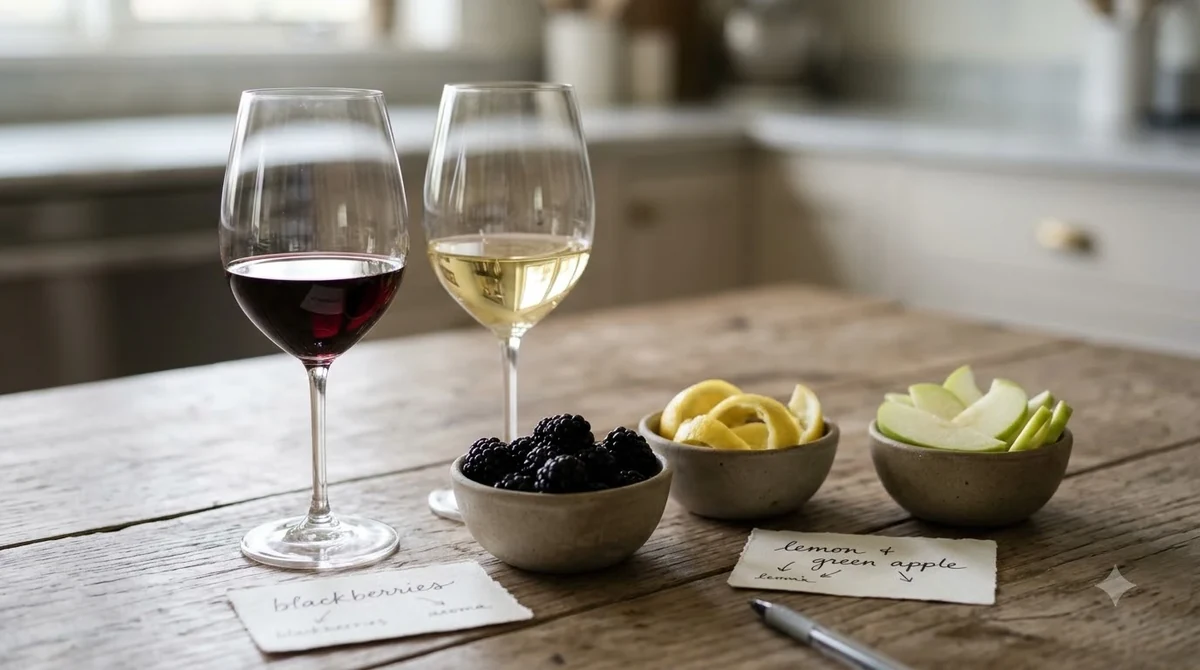
Aroma: Rose petals, violets and other fragrant flowers are classic characteristics. Some bottles also show geranium-like floral notes, white pepper and black pepper. These aromas can be quite pronounced, particularly when the wine is first poured. The combination of flowers and spice is one of the most distinctive features of Ruchè.
Fruit: Expect red and dark berry aromas, sometimes accompanied by Morello cherry. Depending on the producer and vintage, the fruit can suggest ripe cherries, wild berries or other juicy red-fruit flavors. The wine is generally fruit-forward without being inherently sweet.
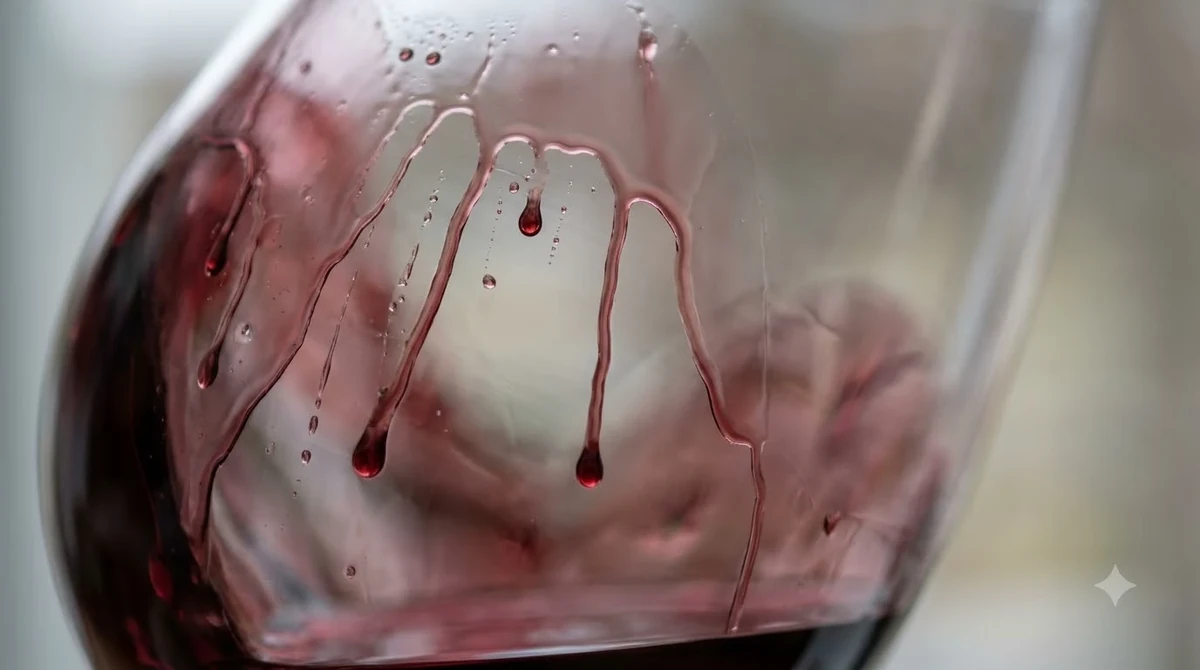
Palate: Most Ruchè wines are dry, rounded and harmonious. Medium body gives them enough presence for substantial dishes without making them feel as heavy as many powerful reds. Tannins are usually noticeable but not excessively aggressive, although their intensity varies between producers and bottlings.
Finish: Floral and spicy notes can remain after swallowing, giving the wine a persistent aromatic character. Some examples also develop subtle earthy, herbal or wood-related nuances through maturation. Oak treatment, grape ripeness and the winemaker’s approach influence how prominent these elements become.
The following table summarizes the typical characteristics to expect. These are general descriptions rather than guarantees for every bottle.
| Characteristic | Typical Ruchè profile |
|---|---|
| Wine color | Ruby red, sometimes with violet highlights |
| Primary aromas | Rose, violet and fragrant flowers |
| Fruit aromas | Wild berries and Morello cherry |
| Spice aromas | White pepper and black pepper |
| Body | Medium-bodied |
| Acidity | Relatively low to moderate |
| Tannins | Moderate, sometimes slightly pronounced |
| Sweetness | Typically dry |
| Minimum DOCG alcohol | 12.5% ABV |
| DOCG grape composition | At least 90% Ruchè |
One important distinction is that aromatic does not mean sweet. Ruchè can smell intensely floral and fruity while remaining completely dry. This makes it different from Moscato, another aromatic Italian wine that is frequently made in a noticeably sweet style.
There is also variation between producers. Some favor fresh fruit and immediate drinkability, while others make more structured wines with greater complexity. Riserva bottlings can show additional development and a more layered flavor profile. If you enjoy exploring different expressions of the same grape, comparing standard and Riserva wines can be particularly rewarding.
How Ruchè Is Made and What DOCG Means
Ruchè di Castagnole Monferrato DOCG is governed by specific production regulations that protect the wine’s regional identity. The rules establish the permitted grape varieties, growing area, maximum yields and minimum alcohol level, ensuring that the denomination remains connected to its traditional production territory.
The most important requirement is grape composition. Ruchè must account for at least 90% of the wine. Barbera and Brachetto may make up the remaining portion, either individually or together, with a combined maximum of 10%. This means that a DOCG bottle is overwhelmingly based on the Ruchè variety, even when blending grapes are used.
The geographical requirement is equally important. Grapes must come from the seven authorized municipalities in the province of Asti. Growing Ruchè elsewhere does not automatically qualify a wine for the Ruchè di Castagnole Monferrato DOCG designation. The protected name refers to a particular combination of grape variety and territory.
The regulations also establish a maximum production yield of 63 hectoliters per hectare. This controls the amount of wine that can be produced from a given vineyard area. The minimum total alcohol content is 12.5% ABV, a requirement that reflects the expected ripeness and strength of the finished wine.
Winemaking itself can differ between producers. Fermentation in stainless steel helps retain fresh fruit and floral aromas, while oak aging can contribute additional texture and complexity. Some producers prefer relatively straightforward wines intended for drinking while young. Others create more structured examples designed to develop additional character in the bottle.
Historically, local Ruchè was sometimes made in a sweet style. The modern revival, particularly the work associated with Don Giacomo Cauda, helped establish dry Ruchè as the region’s defining expression. Today, the protected denomination is associated with dry red wine rather than dessert wine.
There are two principal DOCG designations to recognize: standard Ruchè di Castagnole Monferrato and Ruchè di Castagnole Monferrato Riserva. The Riserva category represents a more developed expression subject to its own production requirements. It can be a useful option for drinkers looking for additional structure and complexity.
For a closer look at the grape itself, the regional consortium’s Ruchè grape profile and growing information provides useful details about its vineyard characteristics and agricultural requirements.
Ruchè Compared With Other Italian Red Wines
Ruchè stands apart from other Piedmont reds because of its unusually expressive floral aromas and rounded structure. Barolo, Barbaresco and Barbera may come from the same broader region, but they offer different combinations of acidity, tannin, fruit and aging potential.
Ruchè versus Barbera: Barbera is known for its relatively high acidity, juicy cherry flavors and generally softer tannins. Ruchè is more floral and aromatic, with a less pronounced acidic character. Both can work with tomato-based dishes and meat, but Ruchè offers a more fragrant alternative when you want something distinctive.
Ruchè versus Barolo: Barolo is made from Nebbiolo and is famous for high tannins, substantial structure and significant aging potential. Ruchè is usually more immediately approachable, with medium body and less demanding tannins. Barolo is a natural choice for people seeking a powerful, structured wine, while Ruchè suits those who prefer floral fragrance and a softer overall impression.
Ruchè versus Barbaresco: Barbaresco is another Nebbiolo-based wine, generally showing firm tannins, fresh acidity and aromas that can include cherries, flowers and earthy notes. Ruchè also has floral aromas, but its rose and violet character is often more immediately recognizable. Its medium-bodied style can make it an appealing alternative for a less tannic dinner wine.
Ruchè versus Dolcetto: Dolcetto is typically a fruit-forward red with relatively low acidity and noticeable but generally approachable tannins. Both wines can be enjoyable with everyday Italian food. Ruchè, however, tends to have a more distinctive aromatic profile, particularly through its floral and peppery notes.
Ruchè versus Pinot Noir: Pinot Noir is generally light to medium-bodied, with high acidity and low to medium tannins. Ruchè is often more aromatic in a floral and spicy direction and can have a somewhat firmer tannic impression. Both can work with poultry and lighter meat dishes, although their acidity and flavor profiles differ.
These comparisons are useful when choosing a bottle based on familiar wine preferences. Someone who usually drinks Barbera may appreciate Ruchè’s approachable body, while a Nebbiolo enthusiast might enjoy its different aromatic personality. It is not a replacement for these wines but a distinctive addition to the range of Piedmont reds.
For readers exploring other varieties, the Airen grape offers an interesting contrast: it is a white grape associated with Spain rather than an aromatic red from Italy. Exploring grapes from different regions can help clarify how climate, variety and winemaking shape a finished wine.
Best Food Pairings for Ruchè
Ruchè is particularly good with savory Italian dishes, meat-filled pasta, cured meats and moderately aged cheeses. Its floral aromas, red fruit and peppery character provide enough flavor to complement substantial food without overwhelming every ingredient.
Pasta and traditional Piedmontese dishes: Agnolotti del plin is one of the most natural pairings. These small, pinched pasta parcels are commonly filled with meat, creating a savory dish that works well with Ruchè’s fruit and moderate tannins. Other meat-filled ravioli and pasta served with rich meat sauces are also excellent choices.
Cured meats: Salami, prosciutto and regional charcuterie are good partners. Salt and fat soften the perception of tannin, making the wine feel rounder. The wine’s fruit also provides a pleasant contrast to the savory and sometimes spicy flavors of cured meat.
Cheese: Moderately aged cheeses are especially suitable. Regional examples include Grana Padano and Castelmagno. Aged cheeses provide enough savory depth to match the wine’s aromatic intensity, while their fat helps balance the tannins.
Meat dishes: Roasted pork, grilled sausages, beef stew and roasted red meats can all work well. The wine’s medium body makes it versatile enough for a range of preparations. For richer dishes, a more structured Ruchè or Riserva may be the better choice.
Vegetarian dishes: Roasted mushrooms, grilled eggplant, lentils and vegetable dishes featuring herbs can complement Ruchè’s earthy and floral notes. Dishes with substantial seasoning are generally better than very delicate preparations, which can be overwhelmed by the wine’s aromatic intensity.
Spiced foods: The peppery character of Ruchè can work with moderately spiced dishes. However, be careful with very hot chili preparations. Alcohol and tannins can amplify chili heat, so a heavily spiced dish may make the wine seem hotter and less balanced.
Acidity also matters when planning a pairing. Highly acidic foods generally need a wine with equal or higher acidity. Because Ruchè is not typically a high-acid red, intensely acidic tomato sauces or vinegar-heavy preparations may be less successful than richer, more savory alternatives.
For a simple dinner, try Ruchè with mushroom risotto, roasted pork or a platter of cured meats and cheese. These dishes allow the wine’s fruit and floral qualities to remain noticeable while providing enough savory flavor to complement its structure.
Its versatility is not limited to Italian cooking. Fragrant grilled meats, seasoned roasted vegetables and moderately spiced Asian dishes can also work. The key is to match the intensity of the food with the aromatic character of the wine rather than choosing dishes that completely dominate it.
How to Serve, Store and Age Ruchè
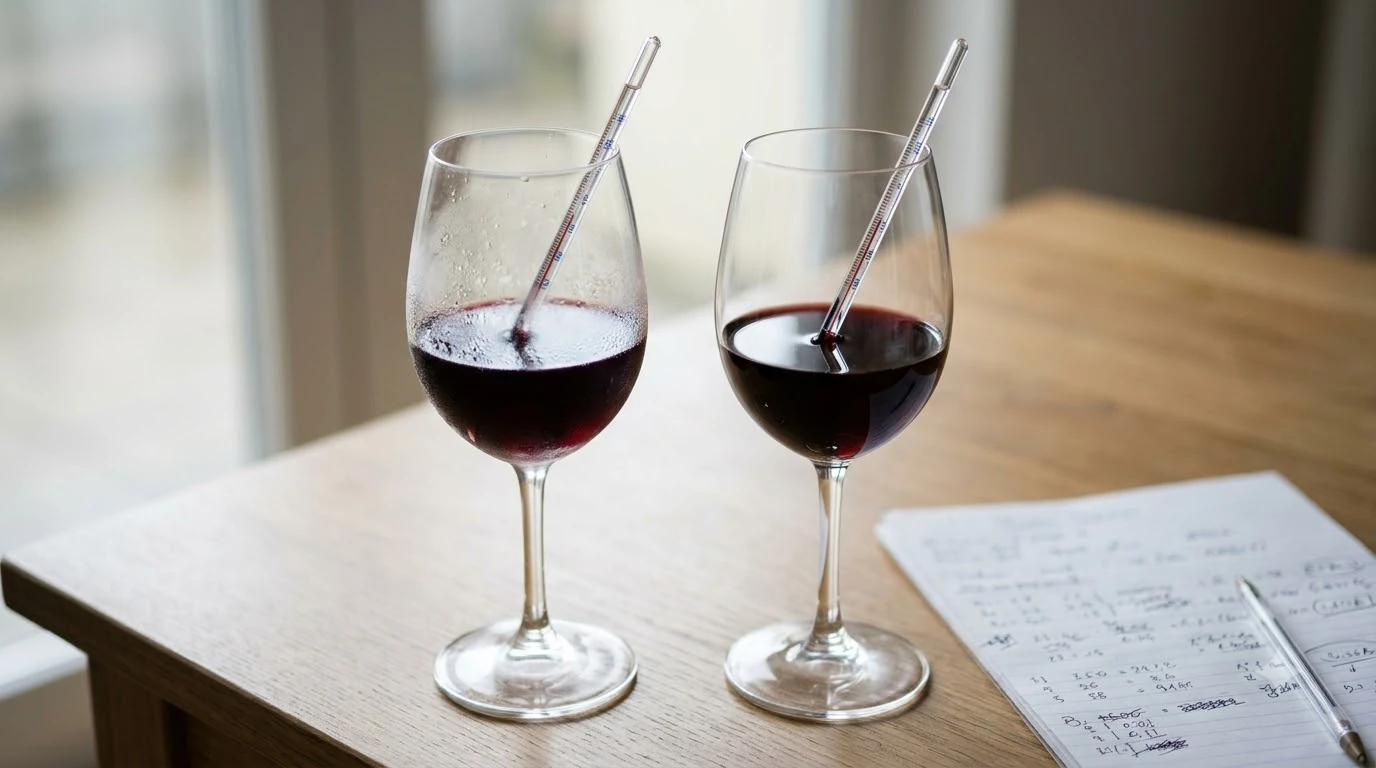
Serve Ruchè slightly cool, around 55–60°F, to preserve its floral aromas and fresh fruit while keeping its alcohol from becoming too prominent. Proper temperature and glassware make a noticeable difference, particularly with an aromatic red wine.
Although Ruchè is a red wine, it does not need to be served at a warm room temperature. A modest chill helps retain its freshness and makes the wine feel more balanced. If the bottle has been stored at a typical cellar temperature, allow it to warm slightly after pouring rather than serving it excessively cold.
A standard red wine glass with a reasonably wide bowl is suitable. The additional space allows the floral and spicy aromas to collect and become easier to recognize. You do not need specialized glassware to enjoy Ruchè, although a glass designed for aromatic reds can be useful.
Decanting depends on the bottle’s age and structure. A young, fruit-forward Ruchè generally needs little or no decanting. More concentrated or structured examples may benefit from approximately 15–30 minutes of aeration, particularly if the initial aromas seem restrained. This is a practical starting point rather than a strict requirement.
Riserva bottlings may benefit from additional time in the bottle, depending on the producer and vintage. However, not every Ruchè is designed for extended aging. Many standard examples are best enjoyed while their fresh fruit and floral aromas remain prominent. The producer’s recommendations can help determine whether a particular wine is intended for early drinking or longer cellaring.
For storage, keep unopened bottles in a cool, dark place with a relatively stable temperature near 55°F. Bottles sealed with natural cork should generally be stored horizontally so the cork remains in contact with the wine. Avoid direct sunlight, heat sources and frequent temperature changes.
Once opened, reseal the bottle and refrigerate it. Most opened still wines remain enjoyable for approximately 3–5 days, depending on their structure and exposure to oxygen. Bring the wine back toward its serving temperature before pouring another glass.
For readers who want to explore more varieties beyond Piedmont, the Wine by Type resource provides a broader introduction to the main wine categories and their defining characteristics.
Where to Find Ruchè and What to Look for on the Label
Ruchè is a specialty wine, so it may require more searching than familiar Italian reds such as Chianti, Barbera or Montepulciano. The most useful label identification is Ruchè di Castagnole Monferrato DOCG, which confirms the wine’s protected origin and regulated grape composition.
Specialty wine retailers, Italian wine shops and stores with a strong Piedmont selection are good places to look. Restaurants with regional Italian wine lists may also offer Ruchè by the glass or bottle. If you are visiting Piedmont, the seven authorized municipalities provide the most direct opportunity to explore the wine in its home region.
Pay attention to the producer as well as the denomination. Different winemaking choices can produce noticeably different styles. A stainless-steel-aged bottling may emphasize fresh flowers and berries, while a wine with oak maturation may show more developed aromas and a broader palate.
Some producers make Ruchè as a straightforward, fruit-focused red for relatively early enjoyment. Others concentrate on vineyard selection and longer development to create more complex examples. Comparing two producers from the same denomination is a useful way to understand how much variation can exist within one grape variety.
The name can also appear without the full DOCG designation on wines produced outside the protected area or under different labeling arrangements. The grape name alone does not guarantee that the wine comes from the seven authorized municipalities. If regional origin is important to your purchase, look for the full denomination.
It is also helpful to understand the distinction between Ruchè and Brachetto. Both are associated with Piedmont, but they are different grape varieties with different typical wine styles. Brachetto is particularly associated with aromatic, often sparkling or sweet wines, while DOCG Ruchè is a dry red with floral and spicy characteristics.
For an introduction to the grape’s pronunciation, see how to pronounce Ruchè. Knowing the name makes it easier to ask for the wine at a restaurant or specialist retailer.
Ultimately, Ruchè is a good discovery for anyone interested in lesser-known Italian wines. Its protected growing area, distinctive aromas and approachable structure give it a clear identity among the many varieties grown across Piedmont.
Frequently Asked Questions
Is Ruchè related to Muscat?
Ruchè is not simply another name for Muscat, although its genetic background includes Malvasia Aromatica di Parma, an aromatic white grape. DNA research identifies Ruchè as a crossing of Croatina and Malvasia Aromatica di Parma. This relationship helps explain its floral fragrance without making it a Muscat wine.
Does Ruchè have a specific pronunciation?
The Italian name is generally pronounced approximately roo-KEH, with the final vowel pronounced clearly. The accent on the final è indicates the stressed syllable. Pronunciation can vary slightly between speakers, but this approximation is useful when ordering the wine.
Is Ruchè produced outside Piedmont?
The protected Ruchè di Castagnole Monferrato DOCG denomination is restricted to seven municipalities in the province of Asti. The grape’s cultivation is strongly associated with this territory, and the protected regional name cannot be used by wines made from grapes grown outside its authorized production area. This geographical restriction is an important part of the denomination’s identity.
What does Riserva mean on a Ruchè bottle?
Riserva identifies a regulated category of the DOCG wine with additional production requirements compared with the standard designation. It generally signals a more developed style rather than a different grape variety. The wine must still follow the denomination’s requirements for grape composition and geographical origin.
Can Ruchè be made into sparkling wine?
The protected Ruchè di Castagnole Monferrato DOCG is a still red wine, not a sparkling denomination. Experimental wines made from the grape may exist outside that designation, but they should not be confused with the traditional DOCG expression. The familiar regional style is a dry, aromatic red intended to be served without carbonation.
Ruchè is one of Piedmont’s most distinctive lesser-known red wines, combining rose and violet aromas with juicy berries, peppery spice and a dry, medium-bodied palate. Look for Ruchè di Castagnole Monferrato DOCG if you want the protected regional expression, and serve it slightly cool alongside meat-filled pasta, roasted meats or aged cheeses. For wine drinkers looking beyond the familiar Italian varieties, it is a rewarding bottle to discover.
More in Wine Types & Grapes
 Zinfandel Sugar Content: Dry Red vs. White Zinfandel GramsUpdated Nov 21, 2026
 Best Zinfandel Substitute Options for Sipping and CookingUpdated Nov 21, 2026
 Zweigelt Food Pairing: Best Dishes, Cheeses, and Serving TipsUpdated Nov 21, 2026
 Zinfandel Tannins Explained: How Structure Shapes Every BottleUpdated Nov 21, 2026
 Zinfandel Sweetness Level: Dry Red vs. Sweet White Zin ExplainedUpdated Nov 21, 2026
 Xinomavro Food Pairing: Best Dishes, Styles, and Serving TipsUpdated Nov 21, 2026