

We may earn a commission when you buy through links on this page, at no extra cost to you. Learn more.
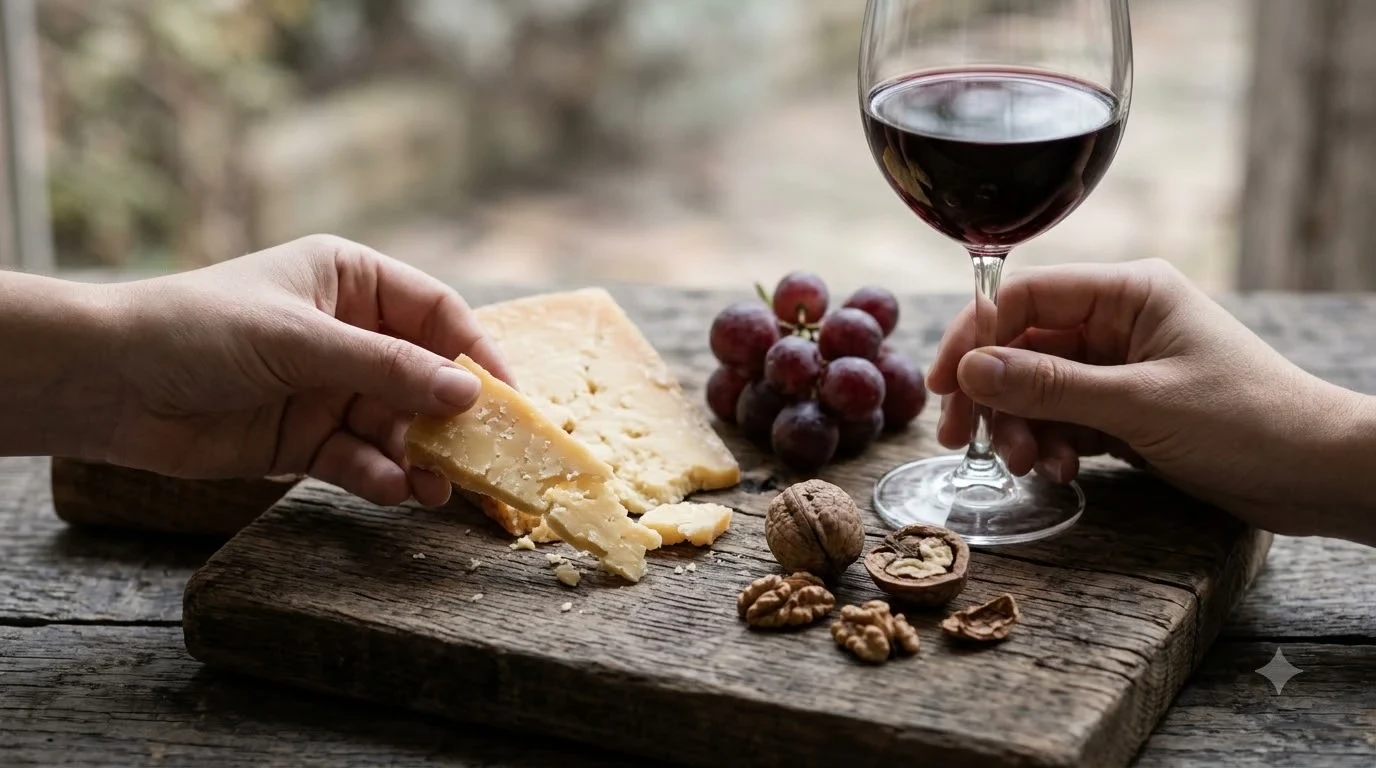
What does petite sirah taste like? Petite Sirah tastes like concentrated blackberry, blueberry, dark plum, and dark chocolate, with hints of black pepper, baking spice, and sometimes violet. This dry red wine is full-bodied, deeply colored, and notably high in tannins, giving it a firm, sometimes chewy texture. Its combination of dark fruit, savory spice, and substantial structure makes it particularly suited to grilled meats, barbecue, and rich dishes.
Petite Sirah is a distinctive California red wine for drinkers who enjoy intense fruit and a substantial mouthfeel. Despite its name, it is not a smaller or lighter version of Syrah. The grape, also known as Durif, has its own identity, shaped by small berries, concentrated color, and naturally powerful tannins. Understanding its flavor profile, regional differences, and serving requirements makes it easier to decide whether this bold red belongs at your dinner table.
The Main Flavors and Aromas of Petite Sirah
Petite Sirah typically delivers ripe dark fruit first, followed by chocolate, pepper, and earthy details. Its aroma and flavor profile can be intense, but the balance between fruit, acidity, oak, and tannin determines whether a particular bottle feels smooth or particularly powerful.
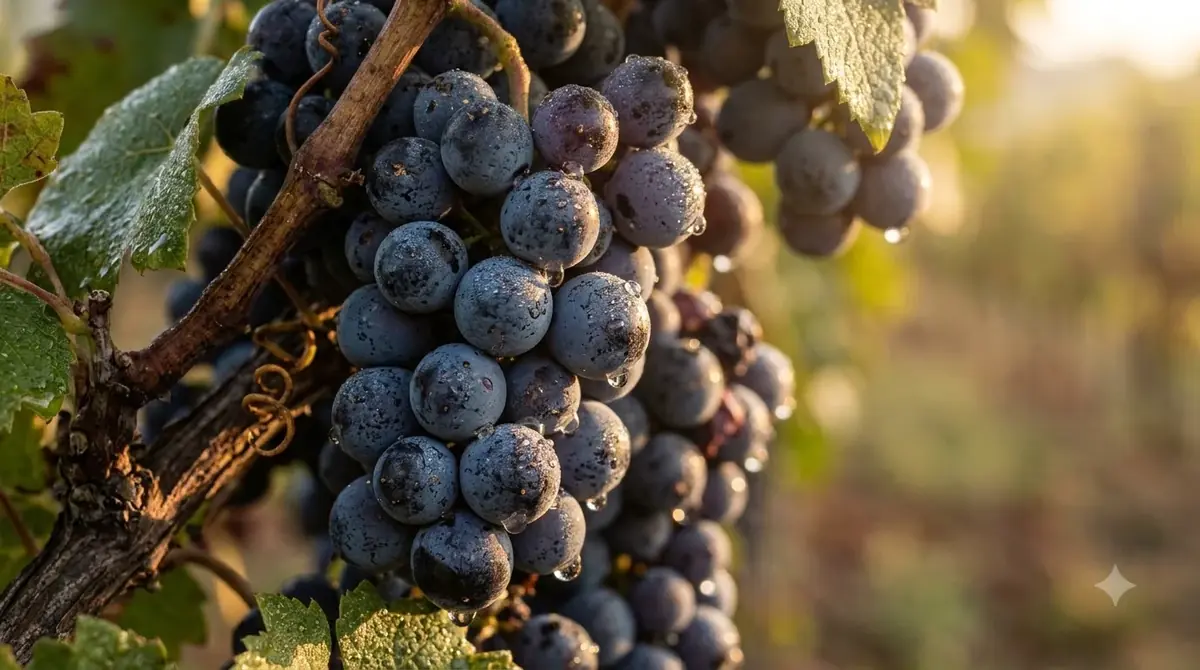
Blackberry and blueberry are among its most recognizable fruit characteristics. Blackberry can resemble ripe fresh berries or thick blackberry preserves, while blueberry often provides a sweeter-smelling, slightly floral dimension. Depending on ripeness and winemaking, dark plum, black cherry, and concentrated berry compote can also appear. These flavors generally remain dark and substantial rather than resembling the lighter red fruit found in Pinot Noir.
Chocolate is another familiar characteristic. Dark chocolate, cocoa powder, and espresso-like impressions can develop alongside the fruit, particularly in wines matured in oak barrels. The chocolate character does not necessarily mean the wine contains added sweetness. Petite Sirah is usually fermented to dryness, and the impression of richness comes from ripe fruit, alcohol, oak influences, and concentrated flavor.
Spice provides another layer. Black pepper, baking spices, and occasionally clove or vanilla can emerge, especially when oak aging contributes additional aromatic complexity. Some bottles also show violet, dried herbs, tobacco, or earthy notes. Older examples may develop leather-like and savory characteristics as their primary fruit aromas evolve.
The aroma can therefore change noticeably between bottles. A young, fruit-forward California Petite Sirah may smell strongly of blueberries and blackberries, while a more developed example can reveal dried fruit, cocoa, tobacco, and spice. Neither profile is unusual; vineyard conditions, harvest ripeness, fermentation, and aging all influence the final wine.
Ridge Vineyards describes its Lytton Estate bottling with black and blue fruit, cocoa, bramble, baking spice, and a long finish. Its account of the grape also mentions floral aromas, illustrating that Petite Sirah can offer more than dark fruit and chocolate. Read the producer’s Petite Sirah profile and winemaking notes for a specific example of how these characteristics come together.
Body, Acidity, Tannins, and Sweetness
Petite Sirah is generally a dry, full-bodied red with high tannins and moderate acidity. Its defining sensation is a firm grip across the gums and tongue, balanced by concentrated fruit and a substantial weight on the palate.
Body describes how heavy or substantial wine feels in the mouth. Petite Sirah usually sits at the full-bodied end of the spectrum, creating a dense sensation rather than the lighter, more delicate impression of many Pinot Noir wines. Its dark fruit concentration, tannins, and often substantial alcohol contribute to that weight.
Tannins are particularly important. They are naturally occurring compounds extracted from grape skins, seeds, and sometimes stems, as well as oak barrels. They create a drying, slightly gripping sensation that can make the mouth feel less lubricated after a sip. Petite Sirah has a reputation for especially firm tannins, although careful winemaking can produce a more approachable result.
Acidity helps prevent the wine from feeling entirely heavy. Petite Sirah generally has moderate acidity, which provides freshness and helps balance ripe fruit and alcohol. It is not usually as sharply refreshing as Sauvignon Blanc or Riesling, but its acidity can give the finish enough lift to keep the wine interesting.
In terms of sweetness, most Petite Sirah is dry. Ripe blackberries and plums can suggest sweetness, but fruit intensity is not the same as residual sugar. A wine can taste rich and fruit-forward while remaining dry, with tannins and acidity contributing structure rather than sugary softness.
| Characteristic | Typical Petite Sirah profile |
|---|---|
| Wine color | Deep purple to inky black-red |
| Sweetness | Dry |
| Body | Full |
| Tannins | High |
| Acidity | Moderate |
| Primary fruit | Blackberry, blueberry, dark plum |
| Secondary flavors | Dark chocolate, pepper, baking spice |
| Typical serving temperature | 60–65°F |
| Standard wine pour | 5 oz |
| Standard bottle size | 750 ml, approximately 5 glasses |
These characteristics explain why Petite Sirah can feel more powerful than many other everyday red wines. For a comparison, Merlot generally has softer, medium tannins, while Cabernet Sauvignon also has high tannins but often presents a different balance of cassis, cedar, and herbal characteristics. Petite Sirah is particularly recognizable for its dark berry concentration and dense texture.
Petite Sirah Compared With Syrah and Other Red Wines
Petite Sirah shares some characteristics with Syrah and Cabernet Sauvignon, but it is a separate grape variety with its own flavor profile. The most useful comparison is its combination of dark fruit, concentrated color, and firm tannins.
The name can be confusing because Petite Sirah is genetically related to Syrah. However, Petite Sirah is Durif, a crossing of Syrah and Peloursin. The two grapes share a family connection, but they are not interchangeable names for the same variety. The University of California, Davis, Foundation Plant Services identifies Durif’s pedigree as Syrah crossed with Peloursin and lists Petite Sirah among its common synonyms.
Syrah can produce wines with blackberry, plum, black pepper, smoked meat, and savory spice. Depending on its origin, it may be medium-plus or highly tannic. Petite Sirah generally emphasizes concentrated dark fruit and a more pronounced, gripping tannic structure. Both can be full-bodied, but the exact differences depend on the region and winemaker.
Cabernet Sauvignon is another useful comparison. It commonly offers blackcurrant, black cherry, cedar, and sometimes green herbal notes. It also has high tannins. Petite Sirah often feels darker and more densely fruity, with blueberry, blackberry, and chocolate playing a prominent role. Cabernet can seem more structured around cassis and oak, while Petite Sirah often has a particularly powerful berry character.
Merlot is usually a softer alternative. Its medium tannins and plush plum and cherry flavors can make it easier to approach for someone who finds Petite Sirah too drying. Meanwhile, Malbec can offer similarly deep color, dark fruit, and a full-bodied impression, although its tannin structure varies by region and producer.
Pinot Noir provides a contrast at the lighter end. It generally has low-to-medium tannins and higher acidity, with red cherry, raspberry, and earthy aromas. Someone who enjoys delicate fruit and a silky texture may find Petite Sirah considerably more intense.
For a broader exploration of grape characteristics, the Wine by Type collection offers a useful starting point. It can help distinguish wines based on body, acidity, tannin, and dominant flavor rather than relying only on grape names.
Where Petite Sirah Grows and How Its Origin Shapes Flavor
California is the leading home of Petite Sirah, with Paso Robles, Lodi, Livermore, and other established growing areas producing recognizable examples. Differences in climate, soils, vineyard conditions, and winemaking can influence how ripe, spicy, concentrated, or structured the finished wine becomes.
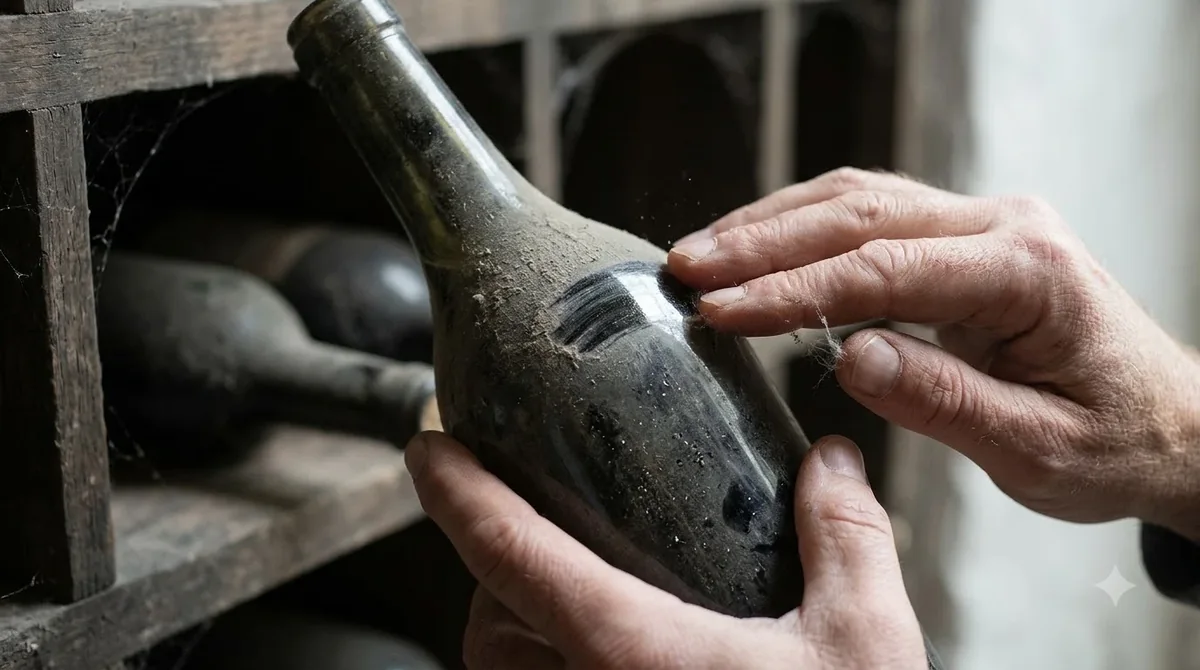
Petite Sirah originated in France, where it is known as Durif. The grape was developed in the 19th century and resulted from a crossing of Syrah and Peloursin. University of California, Davis, records Durif as a French variety with black berries and lists its pedigree as Syrah crossed with Peloursin.
The grape became established in California during the 1880s. Its small berries and high skin-to-juice ratio made it particularly useful for producing deeply colored wines with substantial tannin. These characteristics also made it valuable as a blending component, particularly in California red blends that needed additional structure and color.
Paso Robles
Paso Robles is particularly associated with concentrated Petite Sirah. The Paso Robles Wine Country Alliance explains that the area’s dry Mediterranean climate and calcareous soils help intensify blackberry flavors and strong tannins. These conditions make the region suitable for producing Petite Sirah as a standalone varietal rather than using it exclusively in blends.
Examples from this area can show ripe blackberry, blueberry, dark chocolate, and substantial structure. Oak maturation may add vanilla, baking spice, or toasted characteristics. The combination of concentrated fruit and firm tannins makes Paso Robles bottles especially suitable for substantial meals.
The Paso Robles Wine Country Alliance’s vineyard explanation describes the grape’s small berries, concentrated color, and regional growing conditions. It is a useful regional reference for understanding why Paso Robles has developed a distinct identity for this variety.
Lodi and Other California Regions
Lodi is another important California growing area for Petite Sirah. The grape is also grown in the Sierra Foothills, Livermore Valley, Napa Valley, and Santa Barbara. These regions do not necessarily produce identical styles, so a bottle’s flavor can vary even when the grape variety remains the same.
California examples can range from ripe, fruit-driven wines to structured bottlings with pronounced tannin and oak. Warmer growing conditions can encourage ripe blackberry and plum flavors, while vineyard location and harvest decisions influence acidity and overall balance. A producer’s approach to extraction and maturation can be just as important as the region printed on the label.
Australia also grows Petite Sirah under the Durif name. The grape is less common in other parts of the world, and California remains particularly associated with its modern identity as a varietal red wine.
For readers exploring contrasting white-wine profiles, what does Chenin Blanc taste like provides an interesting comparison. Chenin Blanc can range from dry and high-acid to distinctly sweet, making it quite different from the typically dry, tannic character of Petite Sirah.
Oak Aging, Winemaking, and Bottle Development
Winemaking has a major influence on how intense Petite Sirah tastes. Decisions about skin contact, fermentation, pressing, and barrel aging can determine whether the wine feels aggressively tannic or more balanced and approachable.
Because Petite Sirah naturally has substantial color and tannin, extraction requires careful attention. During fermentation, grape skins release pigments and tannins into the developing wine. Longer skin contact can increase extraction, although the outcome also depends on temperature, grape condition, and the winemaker’s approach.
Oak aging introduces another set of flavor possibilities. French oak can contribute subtle spice and toast, while American oak may give more noticeable vanilla and sweet spice impressions. These influences can complement blackberry, blueberry, and chocolate flavors, but excessive oak character can make the wine feel heavier.
Ridge Vineyards provides an example of how extraction decisions can shape the result. Its approach to Petite Sirah at Lytton Estate includes shorter maceration and pressing before fermentation is complete to manage tannins. The producer describes the resulting wine as full-bodied, with black and blue fruit, cocoa, bramble, baking spice, and a long finish.
Other producers may choose more extensive extraction to emphasize concentration and structure. The result can be a wine with a powerful initial impression, substantial grip, and a finish that develops slowly. Neither approach is automatically better; they simply create different interpretations of the grape.
Young and Mature Bottles
Young Petite Sirah usually emphasizes primary fruit. Blackberry, blueberry, plum, and chocolate may dominate, while tannins can feel firm and slightly coarse. Some wines are ready to drink relatively young, particularly when the winemaker has prioritized balance and restrained extraction.
More traditionally structured examples can benefit from extended bottle aging. Well-made Petite Sirah can develop additional complexity as its tannins soften and its primary fruit evolves. Mature bottles may show dried fruit, leather, tobacco, and more integrated savory characteristics.
Not every bottle needs a decade in the cellar. Producer style, vintage conditions, storage, and the wine’s original structure all influence its aging potential. A fruit-forward bottle intended for earlier drinking may not develop in the same way as a concentrated, age-worthy example.
Tip: If a young Petite Sirah tastes especially drying, pour a glass and allow it to sit for 15–20 minutes before deciding whether it needs more aeration. For a particularly structured young bottle, try decanting for 30–60 minutes and compare the wine before and after.
Proper storage also matters. Keep bottles in a cool, dark location near 55°F, with consistent temperatures and minimal vibration. Store cork-finished bottles on their sides to help prevent the cork from drying out. Avoid leaving bottles in direct sunlight or in areas where temperatures fluctuate significantly.
Food Pairings and the Best Way to Serve Petite Sirah
Petite Sirah works best with rich, savory foods that can balance its firm tannins and concentrated fruit. Fatty meats, grilled dishes, smoked flavors, and aged cheeses are particularly useful partners.
Grilled steak is a classic choice. The protein and fat in beef soften the drying impression of tannins, while the wine’s blackberry and pepper characteristics complement the browned, savory flavors created by grilling. Ribeye, strip steak, and grilled sirloin are all suitable options.
Barbecue is another excellent pairing. Smoked brisket, beef short ribs, and pulled pork can work particularly well, especially when the sauce has a moderate sweetness. The richness of the meat helps balance the wine, while smoky flavors complement its dark fruit and spice. Remember that the wine should generally be at least as sweet as the accompanying sauce if the dish has a pronounced sugary character.
Lamb is also worth considering. Roasted lamb with rosemary, garlic, and black pepper provides savory flavors that complement Petite Sirah’s structure. Slow-braised short ribs with a rich sauce are another strong match because their fat and concentrated cooking juices help soften the wine’s tannins.
For vegetarian meals, consider mushroom-based dishes, roasted eggplant, lentil stews, or grilled portobello mushrooms. Their earthy and savory characteristics can stand up to the wine’s intensity. A mushroom risotto with aged hard cheese can also work well, especially when the dish has sufficient richness.
Pairings That Require More Care
Very spicy food can be challenging. Chili heat may seem more intense alongside wines with substantial alcohol and tannin, so heavily spiced dishes with hot peppers are not always the best choice. If serving spicy barbecue, choose a preparation with more smoky, savory, or mildly sweet flavors rather than relying on extreme chili heat.
Delicate seafood is generally less suitable. Tannic red wines can overwhelm mild fish, and oily fish can clash with tannic reds. A lighter, more acidic white wine is often a better match for salmon, tuna, and other seafood dishes.
Serving Temperature and Glassware
Serve Petite Sirah at approximately 60–65°F. This temperature range allows the wine to show its dark fruit and aromatic complexity without emphasizing alcohol as much as warmer serving conditions can. Serving it too warm can make a full-bodied red seem heavy, while excessive chilling can make its tannins feel more pronounced.
A large red-wine glass is useful because it gives the wine room to release its aromas. Pour approximately 5 ounces into each glass rather than filling it to the rim. A standard 750 ml bottle provides about five such servings.
Young, structured bottles can benefit from decanting for 30–60 minutes. This gives the wine time to interact with oxygen and may make its aromas easier to appreciate. Older bottles require more care because extended exposure to air can diminish delicate developed aromas. If sediment is present, carefully separating the clear wine from the sediment can also improve the drinking experience.
After opening, refrigerate leftover still wine and use a proper closure. Petite Sirah will generally keep for around 3–5 days under refrigeration, although its aromas and freshness gradually change. Allow the remaining wine to approach serving temperature before pouring another glass.
Frequently Asked Questions
Does Petite Sirah stain your teeth?
Petite Sirah can temporarily stain teeth because its dark pigments are particularly concentrated. Its deep purple-black color comes from the grape’s naturally high pigment concentration. Drinking water between glasses and rinsing your mouth afterward can help reduce lingering wine coloration.
Is Petite Sirah the same as Durif?
Petite Sirah and Durif generally refer to the same grape variety, although the name Petite Sirah has historically been associated with some other varieties in California vineyards. The Alcohol and Tobacco Tax and Trade Bureau recognized Petite Sirah and Durif as synonymous label names in April 2002. In Australia, Durif is the commonly used name.
Does Petite Sirah have more alcohol than other red wines?
Petite Sirah can have relatively high alcohol because the grapes often reach substantial ripeness before harvest. However, alcohol levels vary by growing region, vintage, and producer. The alcohol percentage is separate from tannin concentration, so a wine can feel particularly powerful because of both characteristics together.
Why is Petite Sirah sometimes spelled Petite Syrah?
Petite Syrah is a historical spelling associated with the grape’s California identity. The name reflects its genetic relationship to Syrah, but the variety itself is Durif rather than a small-berried version of ordinary Syrah. Modern wine labeling generally uses Petite Sirah or Durif.
Can Petite Sirah be made into a dessert wine?
Yes. Although dry red wine is its most familiar form, Petite Sirah grapes can also be used for Port-style dessert wines. These styles may retain more residual sugar or use fortification, producing a sweeter and richer profile than the typical dry varietal bottling.
Petite Sirah is an excellent choice for anyone who enjoys dark berry flavors, chocolate, pepper, and a firm tannic structure. Its versatility across California regions and its ability to develop with bottle age make it an interesting grape to explore in different styles. Start with a bottle from Paso Robles or Lodi, serve it at 60–65°F, and pair it with grilled beef or slow-cooked barbecue to appreciate its characteristic combination of fruit and structure.
More in Wine Types & Grapes
 Zinfandel Sugar Content: Dry Red vs. White Zinfandel GramsUpdated Nov 21, 2026
 Best Zinfandel Substitute Options for Sipping and CookingUpdated Nov 21, 2026
 Zweigelt Food Pairing: Best Dishes, Cheeses, and Serving TipsUpdated Nov 21, 2026
 Zinfandel Tannins Explained: How Structure Shapes Every BottleUpdated Nov 21, 2026
 Zinfandel Sweetness Level: Dry Red vs. Sweet White Zin ExplainedUpdated Nov 21, 2026
 Xinomavro Food Pairing: Best Dishes, Styles, and Serving TipsUpdated Nov 21, 2026