


We may earn a commission when you buy through links on this page, at no extra cost to you. Learn more.
Vinho Verde tasting notes typically feature crisp citrus, green apple, peach, floral aromas, refreshing acidity, and sometimes a gentle spritz. This Portuguese wine region produces several styles, from light, easy-drinking whites to structured Alvarinho bottlings, aromatic rosés, and distinctive reds. The exact flavor profile depends on the grape variety, subregion, ripeness, and winemaking approach.
Vinho Verde is one of Portugal’s most recognizable wine names, but its character is more varied than the familiar image of an inexpensive, slightly fizzy white wine. Lime, lemon, grapefruit, white flowers, and green apple are common tasting impressions, while some bottles reveal ripe peach, tropical fruit, mineral notes, and a rounder texture. Understanding the grapes and regional differences makes it easier to recognize what is in the glass and choose a bottle that suits a particular meal or occasion.
What Vinho Verde Tastes Like: The Overall Flavor Profile
Most white Vinho Verde is fresh, lively, and relatively light, with noticeable acidity and a clean finish. Expect citrus and green-fruit aromas first, followed by floral or mineral details that depend on the grapes and growing conditions.
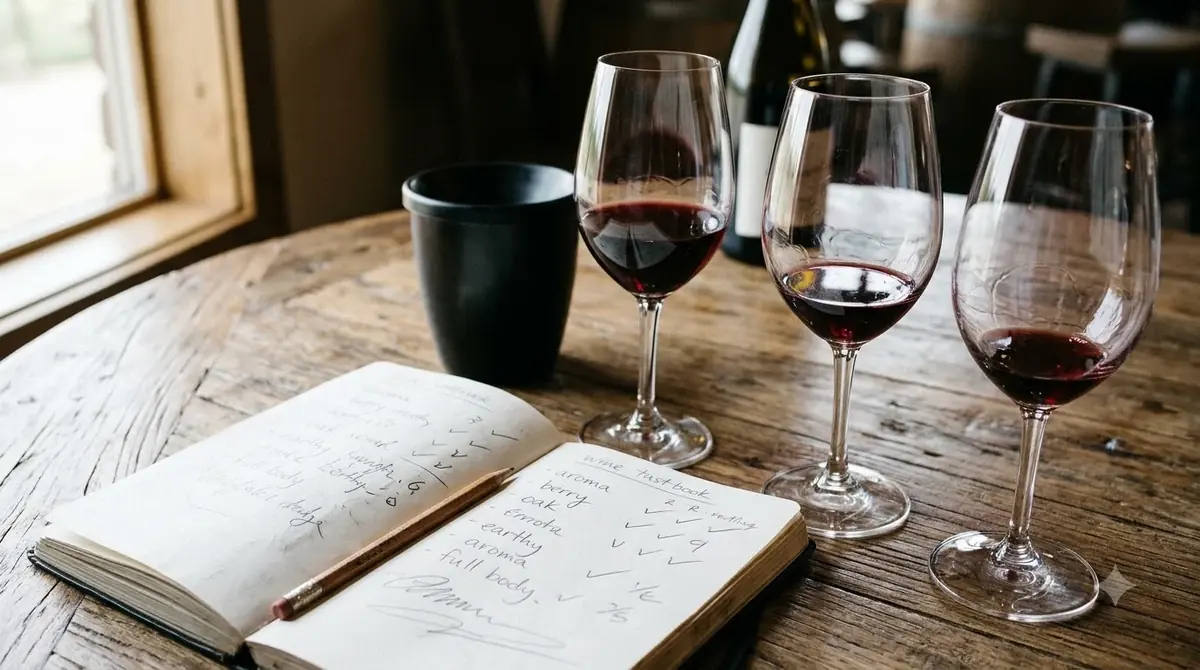
The most recognizable aroma is citrus. Lime zest, lemon, grapefruit, and occasionally orange peel give many examples their bright character. Green apple and pear contribute a crisp fruit impression, while peach, nectarine, and pineapple appear in riper or more concentrated bottlings. These aromas can be subtle in a simple regional blend or more expressive in a single-variety wine.
Floral notes provide another important part of the profile. White flowers, honeysuckle, rose, and sometimes jasmine are particularly associated with Loureiro. Alvarinho can bring orange blossom alongside citrus, stone fruit, and tropical aromas. Depending on the wine, these scents may appear separately or combine into a layered bouquet.
Minerality is another recurring characteristic. Tasters may describe sensations of wet stone, chalk, or a slightly saline impression rather than a literal mineral flavor. These descriptors help communicate the wine’s crisp, restrained character, particularly in examples from coastal or granite-influenced vineyards.
On the palate, acidity is usually the defining feature. It gives the wine its refreshing quality, makes the fruit seem brighter, and creates a mouthwatering finish. Light effervescence can add a gentle tingling sensation, although the amount of carbonation varies considerably. Some modern examples are completely still and more structured.
Alcohol is generally moderate in many traditional styles, allowing the fruit and acidity to remain prominent. More concentrated Alvarinho wines can have greater weight and intensity. A useful comparison is to think of basic Vinho Verde as crisp and refreshing, while more ambitious regional bottlings can offer the texture and complexity associated with fuller-bodied Portuguese whites.
The official regional description also recognizes a wider range of white-wine characteristics, from light and fruity or floral expressions to more structured wines with mineral, honeyed, and dried-fruit notes. This distinction explains why two bottles bearing the same regional name can deliver noticeably different experiences.
How the Main Grape Varieties Shape the Tasting Notes
Vinho Verde’s character comes from several authorized Portuguese grape varieties rather than one universal blend. Alvarinho, Loureiro, Avesso, Arinto, Azal, and Trajadura are particularly useful names to recognize when interpreting the wine’s aromas, acidity, and texture.
Alvarinho is one of the most expressive varieties in the region. Its aromas can include peach, quince, lemon, banana, passion fruit, lychee, and orange blossom. The regional viticulture commission also identifies hazelnut, walnut, and honeyed notes as possible elements of its aromatic profile. On the palate, Alvarinho tends to have more body and concentration than a very light regional blend.
Alvarinho is particularly associated with Monção e Melgaço, where it can produce wines with ripe fruit, firm acidity, and a persistent finish. Some examples are suitable for short-term bottle aging, developing more mature citrus, nutty, and honeyed characteristics.
Loureiro is known for its floral personality. Rose, freesia, honeysuckle, and citrus are common descriptors, with lime and green apple adding freshness. Its aromatic character makes it especially interesting in single-variety bottlings, although it is also frequently blended with other regional grapes.
Avesso offers a different balance. Peach, orange, pineapple, apple, and almond-like notes can appear alongside citrus. Compared with particularly light Vinho Verde styles, Avesso often provides more palate weight and a slightly broader texture while retaining refreshing acidity.
Arinto contributes citrus, apple, pear, and a firm acidic backbone. Its fruit can range from crisp green apple to riper tree-fruit impressions. It is a useful blending grape when a producer wants freshness without relying entirely on Loureiro or Alvarinho.
Azal is associated with particularly lively acidity. Lemon, lime, grapefruit, and green apple are typical descriptors. Its sharp, refreshing character can make it a useful component in blends that need additional brightness.
Trajadura generally contributes a softer impression. Pear, apple, and peach are common aromas, with a rounder texture and less pronounced acidity than Azal. In a blend, it can balance sharper grapes and give the finished wine a more approachable palate.
Tip: If you prefer intense citrus and a firmer structure, look for Alvarinho or Azal. For pronounced floral aromas, try Loureiro. If you want ripe peach, pear, and a fuller texture, explore Avesso or a blend containing Trajadura.
These varieties are not interchangeable. A Loureiro-led bottle can smell distinctly floral, while an Alvarinho-led wine may lean toward peach, citrus, and tropical aromas. The official Vinho Verde grape-variety descriptions provide further detail about the authorized grapes and their regional characteristics.
For a broader understanding of how grape identity affects aroma and structure, compare these characteristics with Sancerre tasting notes, where Sauvignon Blanc provides another recognizable expression of acidity and citrus.
Regional Differences Across Vinho Verde
Vinho Verde covers a large area of northwestern Portugal, and its subregions help explain differences in fruit ripeness, body, and aromatic intensity. Monção e Melgaço and Lima are two particularly useful names to recognize when comparing bottles.
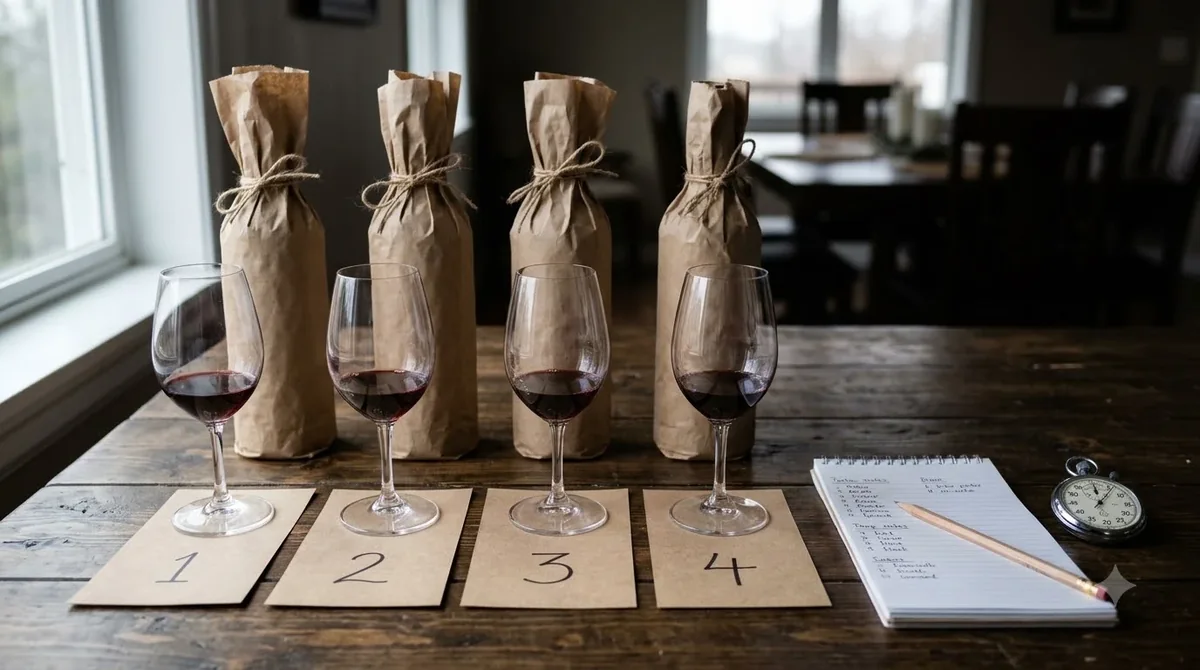
Monção e Melgaço lies in the northern part of the region, near the Spanish border. It is particularly associated with Alvarinho. The wines can show ripe peach, lemon, orange blossom, tropical fruit, and mineral notes, often with greater concentration and structure than lighter coastal examples.
Decanter’s regional profile describes this area as relatively protected from Atlantic influence. Its warmer and drier conditions help support fuller fruit development. Consequently, some Alvarinho bottlings offer a richer palate, more pronounced aromatics, and greater potential to develop with age.
Lima is especially associated with Loureiro. Its wines often emphasize floral aromas, lime, and a fresh, direct palate. Some examples are delicate and aromatic, while more concentrated bottlings can show stronger citrus intensity and a persistent finish.
Cávado and Ave are other important areas to recognize. Loureiro, Arinto, and Trajadura are among the authorized white varieties associated with these subregions. Their combinations can produce wines that balance floral aromas, citrus fruit, and moderate palate weight.
Baião is associated with Avesso, Arinto, and Azal. These varieties provide a different combination of fruit, acidity, and texture from the more familiar Loureiro-led wines. Avesso is particularly useful when looking for a more substantial white with peach and citrus characteristics.
The wider landscape helps explain these distinctions. The Atlantic Ocean influences the region’s climate, while predominantly granitic, well-drained soils are an important part of its vineyard environment. Inland areas experience less direct ocean influence and can produce wines with greater fruit intensity, body, and alcohol.
It is important not to treat subregions as rigid flavor formulas. Vineyard exposure, harvest decisions, grape proportions, fermentation, and maturation all influence the final wine. Two Alvarinho wines from Monção e Melgaço, for example, can differ significantly if one is fermented in stainless steel and another receives lees aging or oak treatment.
For more detail about the region’s geography, subregions, and changing wine styles, read Decanter’s Vinho Verde regional profile.
For readers exploring other grape-driven regional styles, Grenache tasting notes provide a useful contrast: Grenache commonly emphasizes ripe red fruit and a warmer impression, while Vinho Verde whites generally prioritize citrus, floral aromas, and acidity.
White, Rosé, Red, and Sparkling Vinho Verde Styles
White Vinho Verde is the best-known style, but the region also produces rosé, red, and sparkling wines. Color and production method change the tasting experience, so the regional name should not be treated as a guarantee of one particular flavor profile.
White Vinho Verde usually shows pale citrine, lemon-yellow, or slightly golden color. Its aromas can include lime, lemon, green apple, pear, peach, white flowers, and mineral notes. Light examples are crisp and refreshing, while Alvarinho and Avesso bottlings can offer more weight and ripe-fruit concentration.
Many familiar white blends are designed for immediate enjoyment. Their appeal lies in fresh fruit, lively acidity, and a clean finish rather than extensive oak influence or long bottle maturation. However, more concentrated wines can have greater depth and a longer aftertaste.
Rosé Vinho Verde ranges from pale pink to deeper pink or ruby shades. Strawberry, raspberry, red currant, and other fresh red-fruit aromas are common descriptors. The palate is generally refreshing, with balanced acidity and a light-to-medium impression of body.
Rosé is a useful choice when a white wine seems too restrained but a substantial red would be too heavy. Its fresh fruit makes it suitable for grilled vegetables, seafood, salads, and lighter meat dishes. Some examples are particularly crisp, while others show more ripe-fruit character and a smoother texture.
Red Vinho Verde is less familiar to many American wine drinkers, but it is an important part of the region’s tradition. Grapes such as Vinhão, Borraçal, and Espadeiro contribute different expressions of color, acidity, and tannin.
Vinhão can produce deeply colored wines with dark-berry aromas, earthy nuances, noticeable acidity, and substantial structure. Some traditional reds have a distinctly rustic personality. They can be more assertive than the delicate whites that dominate the region’s international reputation.
Sparkling Vinho Verde offers another interpretation of the region’s freshness. These wines can have citrus, green apple, floral aromas, and more obvious bubbles. The regional designation also covers sparkling and quality sparkling wine categories, so sparkling Vinho Verde is a recognized part of the production rather than simply an accidental characteristic of still wine.
There is an important distinction between a still wine with a slight spritz and a fully sparkling wine. Some traditional commercial whites have gentle carbonation, while other examples are completely still. Producers can also add carbon dioxide during bottling to create a subtle sparkling sensation.
For comparison, Prosecco is generally produced from Glera grapes using the tank method, whereas Champagne and Cava undergo their second fermentation in the bottle. Vinho Verde’s production methods vary by category and producer, so its bubbles should not automatically be interpreted as evidence of traditional-method sparkling production.
Acidity, Sweetness, Alcohol, and Mouthfeel
Acidity is usually the most noticeable structural feature of Vinho Verde, while sweetness and alcohol depend on the particular bottling. Many familiar whites are dry or nearly dry, but the region includes more than one sweetness and body level.
High acidity gives Vinho Verde its lively, refreshing character. It makes citrus and green-fruit aromas seem especially bright and leaves a mouthwatering sensation after each sip. The sensation is similar to biting into a crisp green apple or adding a squeeze of fresh lemon to seafood.
Sweetness requires a little more attention. A fruity aroma does not necessarily mean a wine contains significant residual sugar. Peach, pear, pineapple, and ripe citrus can smell sweet even when the wine tastes dry. A bottle may therefore have an expressive tropical-fruit nose but finish with crisp acidity rather than noticeable sweetness.
Some commercial styles contain residual sugar to soften their acidity. These wines may seem slightly off-dry, particularly when served very cold. However, it is inaccurate to assume that all Vinho Verde is sweet. Dry examples are common, especially among more concentrated single-variety bottlings.
Alcohol also varies. Traditional lighter styles are often relatively low in alcohol, while modern, riper white wines can have more body and a higher alcohol level. Decanter identifies 11-12% alcohol as increasingly typical for modern regional whites. This range is a useful reference rather than a rule for every bottle.
Mouthfeel can range from light and almost weightless to rounded and textured. A simple white blend often feels crisp and direct, with a quick, clean finish. An Alvarinho may feel broader, while Avesso can contribute a slightly waxy or fuller impression. Lees aging can add further texture and complexity.
The following table summarizes common tasting expectations. These are descriptive ranges rather than fixed legal specifications for every wine.
| Style or grape | Typical aromas | Acidity | Body | Common impression |
|---|---|---|---|---|
| Traditional white blend | Lime, lemon, apple, flowers | High | Light | Crisp and refreshing |
| Alvarinho | Peach, quince, citrus, lychee | Medium-high to high | Medium | Concentrated and persistent |
| Loureiro | Rose, honeysuckle, lime | High | Light to medium | Floral and aromatic |
| Avesso | Peach, orange, pineapple, almond | Medium-high to high | Medium | Rounder and fruit-driven |
| Azal | Green apple, lemon, lime | High | Light to medium | Sharp and energetic |
| Rosé | Strawberry, raspberry, red fruit | Medium-high to high | Light to medium | Fresh and fruity |
| Vinhão red | Dark berries, earthy notes | High | Medium to full | Structured and assertive |
For a useful comparison of structural differences in wine, consider Petit Verdot tasting notes. Petit Verdot typically emphasizes darker fruit, firmer tannin, and greater structural weight, whereas most white Vinho Verde relies on acidity and freshness rather than tannic grip.
When assessing a glass, separate the three main sensations: sweetness, acidity, and body. A wine can have ripe peach aromas, high acidity, and a medium body at the same time. Recognizing these distinctions makes tasting descriptions more precise and helps explain why two wines with similar fruit aromas can feel very different.
How to Taste and Serve Vinho Verde
Serve most white Vinho Verde well chilled, around 45-50°F, to emphasize its fresh fruit, acidity, and refreshing character. More concentrated white examples can be served slightly warmer, around 50-55°F, to reveal additional aromatic and textural detail.
Start by observing the color. Young white examples often appear pale lemon or citrine, while more developed wines may show deeper yellow or golden reflections. Rosé can range from pale pink to a more intense shade, and red Vinho Verde can be much darker depending on the grape variety.
Next, assess the aromas before tasting. Gently swirl the glass and look for citrus, green apple, pear, peach, white flowers, or tropical fruit. Try to identify whether the wine is primarily citrus-driven, floral, or ripe-fruited. A concentrated Alvarinho may reveal several layers, while a straightforward blend may be more direct.
Take a small sip and pay attention to the initial acidity. Does the wine feel sharply refreshing, or does its fruit and texture soften the impression? Notice whether the palate is light and crisp or broader and more substantial. If the wine has a gentle spritz, observe how the bubbles affect the texture.
Finally, assess the finish. A simple regional white may finish quickly with lemon and green apple. A more concentrated Alvarinho may retain peach, citrus, floral notes, or a mineral impression for longer. The finish helps distinguish a straightforward refreshing wine from a more structured bottle.
For a practical serving reference, use these temperatures:
- Light, crisp white Vinho Verde: 45-50°F.
- Fuller-bodied Alvarinho or Avesso: 50-55°F.
- Rosé Vinho Verde: 45-50°F.
- Red Vinho Verde: 55-60°F for lighter examples; fuller reds can be served around 60-65°F.
- Sparkling Vinho Verde: 40-50°F.
Pour approximately 5 ounces per glass from a standard 750 ml bottle, which provides about five servings. A large wine glass gives aromatic whites enough room to release their floral and fruit characteristics. A smaller glass is also suitable for casual outdoor drinking, especially when the wine is served very cold.
Most fresh, light Vinho Verde is intended for relatively early enjoyment. Wine Enthusiast’s tasting director emphasizes that delicate fruit and effervescence can lose their energetic character as bottles age. More concentrated Alvarinho and selected structured wines are exceptions and may develop additional complexity.
Once opened, keep the bottle refrigerated and use a suitable closure. A still white wine generally retains its best character for about 3-5 days, although delicate aromatic wines are often more enjoyable earlier. Sparkling wines generally keep for approximately 1-3 days with an appropriate sparkling-wine stopper.
To explore additional wine categories and their characteristic serving styles, visit Wine by Type.
Food Pairings That Complement Vinho Verde
Vinho Verde’s high acidity, fresh fruit, and often light body make it particularly suitable for seafood, salads, vegetables, and simply prepared poultry. Its refreshing character can balance salt, moderate richness, and fresh herbs without overwhelming delicate ingredients.
Seafood and shellfish are natural partners. Oysters, clams, mussels, shrimp, and grilled white fish work particularly well with citrus-driven whites. The wine’s acidity complements the freshness of seafood, while its fruit provides enough flavor to stand alongside lemon, parsley, and other light seasonings.
Alvarinho is especially useful with grilled fish, scallops, and richer seafood dishes. Its additional body can stand up to a more substantial preparation without losing its refreshing character. Loureiro, with its floral aromas and lime notes, is particularly appealing alongside delicate shellfish and lightly seasoned fish.
Sushi and sashimi are also strong options. A crisp white Vinho Verde can complement clean seafood flavors, cucumber, and fresh herbs. Its acidity helps refresh the palate between bites, while its relatively light body is less likely to overwhelm delicate fish.
Salads and vegetables benefit from the wine’s brightness. Green salads, asparagus, grilled zucchini, peas, and fresh vegetable dishes are suitable matches. Citrus dressings and herb-based sauces can reinforce the wine’s natural aromatic profile.
Acidity matters when choosing a dressing. A highly acidic vinaigrette can make a less-acidic wine seem flat, so choose a Vinho Verde with equal or higher acidity than the food. Lemon-based dressings and fresh citrus garnishes are generally easier matches for the region’s crisp white styles.
Chicken and pork provide more substantial pairing opportunities. Grilled chicken with herbs, roasted chicken with lemon, and lightly seasoned pork dishes complement medium-bodied white Vinho Verde. A richer Avesso or Alvarinho may be particularly suitable for preparations involving olive oil, roasted vegetables, or a creamy but not overly heavy sauce.
Salty foods and appetizers are another good direction. Olives, salted almonds, mild cheeses, grilled seafood, and savory pastries can work well with the refreshing acidity. Salt can soften the perception of bitterness and tannin, although tannin is not a major feature in most white Vinho Verde.
Spicy food requires more care. The fresh acidity of Vinho Verde can refresh the palate between bites, but high alcohol and tannin can intensify chili heat. Choose a lighter, lower-alcohol white, and avoid pairing particularly hot dishes with a powerful red Vinho Verde. A slightly off-dry white may also be a more comfortable match for moderately spicy food.
Rosé works with grilled vegetables, tomato-based dishes, charcuterie, and lighter grilled meats. Its red-fruit character provides a bridge between white-wine freshness and the fruitier flavors often associated with red wines.
Red Vinho Verde, particularly structured Vinhão, calls for more substantial dishes. Grilled sausages, roasted pork, hearty regional preparations, and savory foods with enough flavor to match the wine’s acidity are useful options. Avoid assuming that every red Vinho Verde should be paired like a soft, low-tannin red.
Desserts require a different approach. If serving a sweet dessert, choose a wine that is at least as sweet as the food. Most dry Vinho Verde is therefore better suited to savory dishes, fresh fruit with limited sweetness, or an aperitif rather than a very sweet dessert.
Frequently Asked Questions
Why is Vinho Verde sometimes called green wine?
The Portuguese name translates to green wine, but it does not mean that the wine is made from green grapes or has a green color. The name is generally associated with the traditional practice of releasing these wines young. The regional designation identifies a wine-producing area rather than a specific grape or color.
Is Vinho Verde made with only Portuguese grapes?
Wines carrying the DO Vinho Verde designation must follow the region’s authorized grape-variety regulations. The official list includes many varieties, including Alvarinho, Loureiro, Avesso, Azal, and Trajadura. The separate IG Minho designation permits a broader selection of grapes, including some international varieties.
Can Vinho Verde be made with oak aging?
Yes. Although stainless steel is common for fresh, aromatic regional whites, some producers use oak or lees aging to add texture and complexity. These techniques can introduce additional nutty, creamy, or subtle toasted characteristics. Such wines may have more structure than the familiar light and crisp style.
What does Vinho Verde mean on a wine label compared with Minho?
Vinho Verde is a protected designation of origin, while Minho is used as a geographical indication for wines from the same broad production area. The two designations have different production rules and authorized grape-variety provisions. The distinction can be useful when comparing bottles made from traditional regional grapes with wines that use a broader selection of varieties.
Does Vinho Verde have a long history of red wine production?
Yes. Red wines were historically predominant in the region before white wines became more prominent. Traditional reds often used Vinhão and other indigenous varieties, with the region’s high acidity and relatively low alcohol contributing to their distinctive character. The growing international recognition of white Vinho Verde should not obscure this older red-wine tradition.
Vinho Verde offers much more than a lightly fizzy summer white. From floral Loureiro and citrus-driven Azal to concentrated Alvarinho, fuller Avesso, refreshing rosé, and structured red wines, the region provides a wide range of tasting experiences. Start with a crisp white if you enjoy fresh citrus and acidity, then explore single-variety and subregional bottlings to discover the greater depth of northwestern Portugal’s wines.
More in Wine Types & Grapes
 Zinfandel Sugar Content: Dry Red vs. White Zinfandel GramsUpdated Nov 21, 2026
 Best Zinfandel Substitute Options for Sipping and CookingUpdated Nov 21, 2026
 Zweigelt Food Pairing: Best Dishes, Cheeses, and Serving TipsUpdated Nov 21, 2026
 Zinfandel Tannins Explained: How Structure Shapes Every BottleUpdated Nov 21, 2026
 Zinfandel Sweetness Level: Dry Red vs. Sweet White Zin ExplainedUpdated Nov 21, 2026
 Xinomavro Food Pairing: Best Dishes, Styles, and Serving TipsUpdated Nov 21, 2026