


We may earn a commission when you buy through links on this page, at no extra cost to you. Learn more.
Pinot blanc tasting notes typically feature crisp apple, pear, peach, lemon, and delicate white flowers, supported by moderate acidity and a smooth, refreshing texture. This white grape produces approachable wines that range from light and crisp to rounded and creamy. Depending on the region and winemaking method, you may also find mineral, almond, hazelnut, and subtle honey characteristics.
Pinot Blanc is an adaptable white grape grown in several European wine regions and increasingly appreciated by wine drinkers looking for an alternative to Chardonnay or Pinot Grigio. Its combination of orchard fruit, restrained floral aromas, and balanced acidity makes it particularly useful at the dinner table. Understanding its typical aromas, palate, regional differences, and serving conditions will help you recognize the style you prefer and choose suitable food pairings.
The Typical Flavor Profile of Pinot Blanc
Pinot Blanc is generally a dry white wine with a fruit-forward aroma, moderate acidity, and a texture that can range from light and refreshing to medium-bodied and rounded. Its defining characteristics are orchard fruit, gentle citrus, and subtle floral notes rather than intense tropical aromas or sharp herbal flavors.
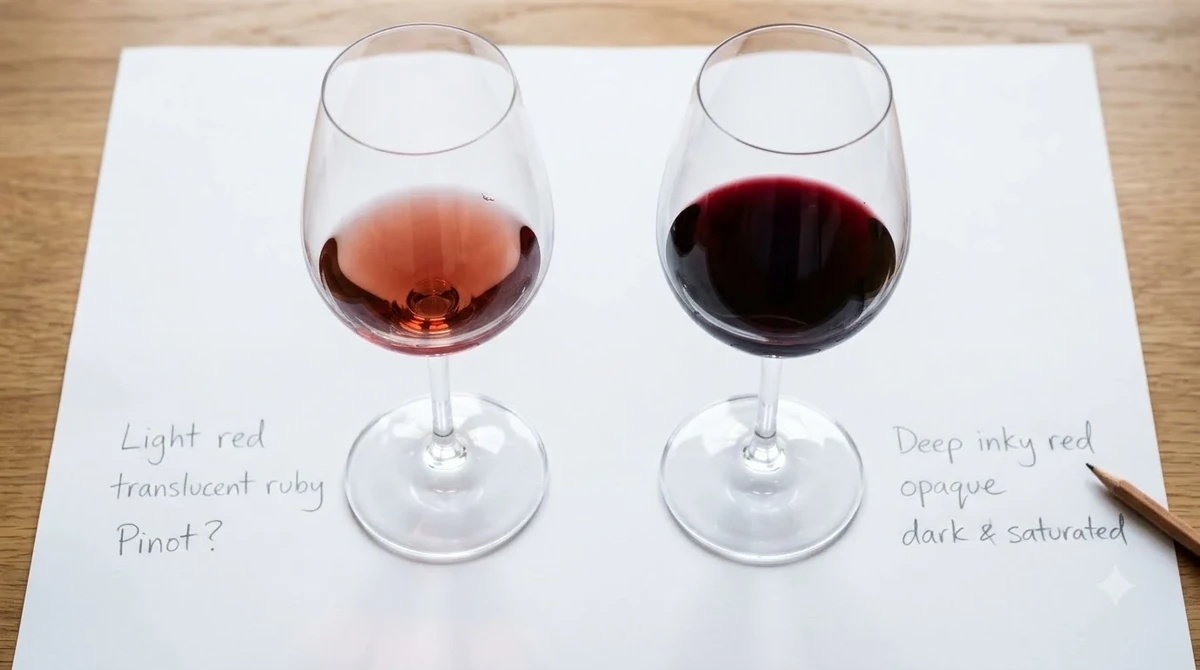
On the nose, expect green apple, ripe pear, white peach, and occasionally nectarine or apricot. Lemon zest and citrus blossom may appear alongside these fruits, adding freshness without making the wine smell aggressively acidic. White flowers, hay blossoms, and delicate herbal suggestions provide additional complexity in some examples.
The palate usually follows the aromatic profile. Apple and pear establish the central fruit character, while peach and lemon provide additional depth. Depending on the growing region, the fruit may taste crisp and freshly picked or riper and more rounded. A mineral impression, sometimes described as wet stone, chalk, or crushed rock, can appear in wines from particular vineyards.
Pinot Blanc is not normally an intensely aromatic grape. Its appeal comes from balance and clarity. Instead of the pronounced perfume associated with Gewürztraminer or the vivid grassy notes often found in Sauvignon Blanc, Pinot Blanc tends to communicate through understated fruit, gentle flowers, and a clean finish.
Some examples also develop almond, hazelnut, and honey characteristics. These are particularly interesting in wines that have spent time aging on their lees or developing in the bottle. Mature bottles may become more savory and nutty while retaining enough fruit to remain recognizable as Pinot Blanc.
Sweetness should not be confused with ripe fruit aromas. A wine that smells strongly of peach or pear can still be completely dry. Most familiar Pinot Blanc bottlings are dry, although sweeter expressions exist in certain regions and winemaking styles.
Pinot Blanc Aromas: Fruit, Flowers and Mineral Notes
The aromatic profile of Pinot Blanc is built around orchard fruit, stone fruit, citrus, and restrained floral character. The exact combination changes with climate, harvest ripeness, and winemaking decisions, making aroma recognition one of the easiest ways to explore different examples of this grape.
Apple and pear: These are two of the most recognizable Pinot Blanc aromas. Green apple creates a crisp impression, while ripe pear contributes a softer, rounder fruit character. Some wines lean toward freshly cut apple, whereas others suggest juicy yellow pear or quince.
Peach and nectarine: Stone fruit becomes more noticeable in wines made from fully ripe grapes. White peach generally produces a delicate, fresh impression, while yellow peach and nectarine can make the wine seem richer. Apricot may appear in particularly ripe examples.
Lemon and citrus: Lemon zest, lemon flesh, and occasional grapefruit notes contribute freshness. These aromas usually support the orchard fruit instead of dominating it. The result is often a wine that feels lively without the aggressive citrus sharpness associated with some high-acid whites.
White flowers and hay: Floral aromas may resemble acacia, spring blossoms, or white flowers. In Alto Adige, regional descriptions also identify hay blossoms as a characteristic aromatic component. These nuances make the nose more expressive without turning Pinot Blanc into a highly perfumed wine.
Almond and hazelnut: Nutty aromas can develop through bottle aging, lees contact, or particular winemaking choices. They add depth and create a bridge between the fresh fruit and the wine’s savory finish. A subtle almond character can be especially attractive in a rounded, textured example.
Mineral impressions: Some bottles suggest wet stone, chalk, or a lightly saline sensation. These are tasting descriptions rather than evidence that minerals from the soil have transferred directly into the glass. They help describe the impression of freshness, structure, and the finish.
Tip: When assessing Pinot Blanc, smell the wine before and after swirling the glass. Start with apple, pear, and peach, then look for smaller details such as lemon zest, white flowers, almonds, and wet stone.
Acidity, Body, Texture and Finish
Pinot Blanc typically has moderate acidity and a light-to-medium or medium-bodied structure, depending on its origin and production method. Its texture can be crisp and delicate or relatively full and creamy, but the wine generally maintains enough freshness to avoid feeling heavy.
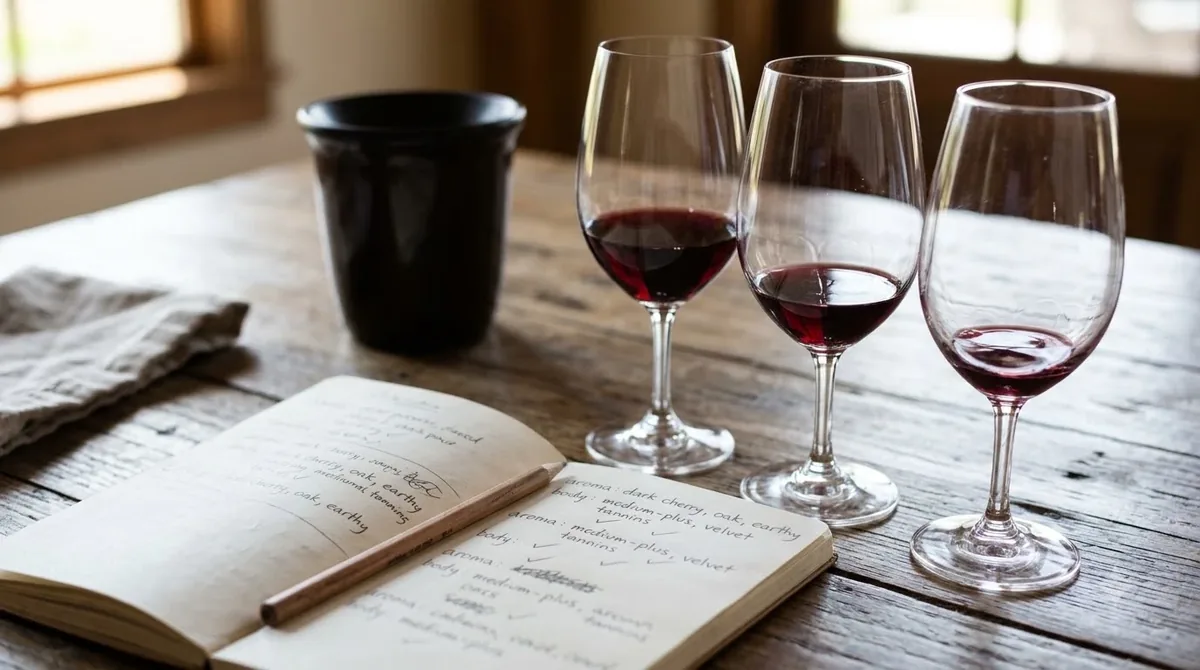
Acidity: The acidity is usually moderate rather than aggressively sharp. It provides freshness, supports the fruit flavors, and keeps the finish lively. Cooler growing conditions and higher-elevation vineyards can produce wines with a more pronounced acidic impression.
For comparison, Sauvignon Blanc and Riesling generally have higher acidity, while Chardonnay often has medium acidity. Pinot Blanc sits comfortably between these styles in many examples. It can offer more freshness than a soft, heavily textured Chardonnay without delivering the intense tartness associated with particularly crisp Sauvignon Blanc.
Body: The body varies with ripeness, growing conditions, alcohol level, and winemaking. Stainless-steel examples often feel lighter and more direct, while wines with lees aging or oak influence can develop additional weight. Alsace examples may also gain roundness when Auxerrois is included in the blend.
Texture: A young, unoaked Pinot Blanc may feel clean, smooth, and lightly rounded. Lees-aged versions can have a creamier texture, sometimes suggesting ripe pear, almond, or soft pastry. Oak treatment can contribute additional breadth and subtle spice, although oak is not necessary for producing a satisfying Pinot Blanc.
Alcohol: Alcohol levels vary by region and producer. Moderate alcohol is common in many approachable examples, while riper grapes and warmer growing conditions can produce wines with a fuller sensation. Alcohol should be considered alongside acidity and body rather than used as the only measure of richness.
Finish: The finish is generally clean and moderately persistent. Apple, pear, citrus, and floral notes may remain after swallowing. More structured examples can leave almond, hazelnut, or mineral impressions that extend the finish and make the wine suitable for more substantial dishes.
These characteristics make Pinot Blanc an adaptable white wine. It has enough body to accompany creamy sauces and poultry but enough freshness to work with salads, seafood, and lighter vegetable dishes.
How Pinot Blanc Changes Across Wine Regions
Pinot Blanc has several regional identities, and the differences are most apparent when comparing Alsace in France, Alto Adige in Italy, and Germany or Austria. The grape is also grown in Oregon and other New World regions, where producers can emphasize either freshness or a richer, more textured style.
Alsace, France
Alsace is one of the best-known regions for Pinot Blanc. The regional wine authority describes the wine as light-bodied, with a pale yellow appearance, fresh peach and apple aromas, floral nuances, and brisk balancing acidity.
An important detail is the relationship between Pinot Blanc and Auxerrois. In Alsace, wines labeled Pinot Blanc may include Auxerrois, a related variety that contributes a fuller, rounder character. This helps explain why some Alsace examples feel more generous and soft than wines made entirely from Pinot Blanc elsewhere.
Alsace Pinot Blanc commonly offers red or green apple, pear, peach, and gentle floral notes. Some examples also show a rounded texture and subtle spice. The grape is also used in the production of Crémant d’Alsace, where sparkling versions offer a different expression of its fruit and acidity.
For additional regional background, the Wines of Alsace regional guide describes the area’s grape varieties, growing conditions, and characteristic wine profiles.
Alto Adige, Italy
In Alto Adige, Pinot Blanc is known as Pinot Bianco and has an especially important regional identity. The region’s vineyards include communities such as Appiano, Caldaro, Terlano, Termeno, and Renon.
Alto Adige Pinot Bianco often shows apple, pear, lemon, and occasionally pineapple or apricot. Hay blossoms, hazelnuts, and almonds can add complexity. The regional wine organization also identifies lively acidity, juiciness, and occasional mineral characteristics as important features.
Elevation plays an important role in the regional style. Pinot Blanc can perform particularly well at higher locations, including vineyards reaching approximately 800 meters (2,600 feet). These conditions can help maintain acidity and produce wines with a slimmer structure and pronounced freshness.
The region’s wines are generally useful examples for drinkers who prefer a combination of orchard fruit, refreshing acidity, and a restrained mineral finish.
Germany and Austria
In Germany and Austria, Pinot Blanc is called Weissburgunder. These wines can be fresh and straightforward or more structured, depending on the growing conditions and cellar approach.
Expect apple, pear, peach, and citrus as common aromatic references. Some examples show a more rounded palate with subtle nutty characteristics, while cooler-site versions can emphasize acidity and freshness.
Weissburgunder is particularly useful when exploring the difference between fruit-driven and textured white wines. A stainless-steel example may feel crisp and uncomplicated, while a version aged on its lees can develop additional creaminess and complexity.
Oregon and Other New World Regions
Oregon offers another interesting interpretation of Pinot Blanc, particularly in the Willamette Valley. Depending on the producer and vineyard conditions, the wine can display green apple, peach, citrus, floral notes, and a refreshing mineral character.
New World producers may experiment with stainless steel, oak, lees contact, and sparkling production. This gives drinkers access to styles that range from straightforward aperitif wines to richer examples intended for food pairing.
For a broader introduction to different grape varieties and their regional identities, explore Wine by Type.
Winemaking Choices That Shape Pinot Blanc
Pinot Blanc’s flavor and texture depend not only on the vineyard but also on decisions made in the cellar. Fermentation vessels, lees aging, oak treatment, and blending can produce noticeably different wines from the same grape variety.
Stainless-Steel Fermentation
Stainless-steel fermentation is commonly associated with fresh, fruit-focused Pinot Blanc. The neutral vessel allows the grape’s natural aromas to remain prominent without adding obvious oak flavors.
These wines often emphasize green apple, pear, lemon, and delicate floral notes. Their texture is generally clean and refreshing, making them suitable as aperitif wines or companions for lighter meals.
Lees Aging
Lees are the spent yeast cells remaining after fermentation. Keeping a wine in contact with its lees can add texture and complexity, particularly when the producer uses periodic stirring.
Lees-aged Pinot Blanc may develop a creamier mouthfeel and additional notes of bread dough, almond, or subtle pastry. For example, Food & Wine describes Nals Margreid’s Sirmian Pinot Bianco 2020 as a wood-fermented wine that received eight months of lees aging, contributing to its creamy texture and complex citrus and herbal character.
Oak Aging
Oak can give Pinot Blanc a broader palate and introduce nuances of vanilla, spice, and toasted nuts. The amount of oak influence depends on the type of barrel, its age, and the time the wine spends in contact with the wood.
New oak tends to contribute more noticeable flavors, while neutral barrels primarily influence texture and development. Producers may also combine oak and stainless steel to balance richness with freshness.
Food & Wine describes Three Sticks’ Durell Vineyard Pinot Blanc 2019 as a blend of three aging approaches: 10% new acacia, 50% neutral French oak, and 40% stainless steel. This example demonstrates how different vessels can be combined to create a more layered wine.
Blending and Sparkling Production
In Alsace, Pinot Blanc may be blended with Auxerrois to provide a rounder palate. The resulting wine can have more fullness than a lean, single-variety example while retaining the characteristic apple and pear profile.
Pinot Blanc is also used for sparkling wine. Erath’s Sparkling Pinot Blanc, described by Food & Wine, uses the traditional method, with its second fermentation taking place in the bottle. This production method can introduce pastry-like notes alongside fruit and floral aromas.
The resulting range is broad. A stainless-steel wine can be crisp and straightforward, a lees-aged bottle can feel creamy, and a sparkling version can offer more pronounced bubbles and additional complexity.
Serving Temperature, Glassware and Storage
Pinot Blanc is best served cool enough to preserve its freshness but not so cold that its delicate fruit and floral aromas become difficult to detect. A temperature of approximately 50–55°F works well for fuller examples, while lighter bottles can be served slightly cooler.
Temperature matters because excessive chilling can suppress apple, pear, peach, and floral aromas. Serving the wine too warm, on the other hand, can make its alcohol more noticeable and reduce the impression of freshness.
The following temperatures provide a practical starting point for serving different Pinot Blanc styles:
| Wine style | Serving temperature | What to emphasize |
|---|---|---|
| Light, unoaked Pinot Blanc | 45–50°F | Fresh apple, pear, and citrus |
| Medium-bodied Pinot Blanc | 50–55°F | Fruit, acidity, and texture |
| Lees-aged Pinot Blanc | 50–55°F | Creaminess, almond, and ripe fruit |
| Oak-aged Pinot Blanc | 50–55°F | Structure, spice, and nutty notes |
| Pinot Blanc sparkling wine | 40–50°F | Bubbles, freshness, and delicate aromas |
For glassware, choose a standard white wine glass or a universal wine glass. A moderately sized bowl provides enough room to release the aromas while keeping the wine cool. There is no need for an unusually large glass because Pinot Blanc generally benefits from a controlled serving temperature.
Pour approximately 5 ounces per serving. A standard 750 ml bottle provides about five glasses at that pour size. This is a practical amount that leaves room in the glass for swirling and smelling without filling it to the rim.
Most fresh, unoaked Pinot Blanc is best enjoyed while its primary fruit character remains prominent. More structured wines, particularly those with lees aging or oak influence, may develop additional savory and nutty notes with bottle aging. The aging potential depends on the producer, vintage, acidity, and overall structure rather than the grape name alone.
For storage, keep unopened bottles away from direct sunlight and major temperature fluctuations. A cool storage environment near 55°F is a useful target. Bottles intended for longer storage should generally be kept on their sides when sealed with natural cork.
Once opened, reseal the bottle and place it in the refrigerator. Most still Pinot Blanc should retain reasonable quality for approximately three to five days, although its freshest aromas are generally most noticeable during the first few days.
Food Pairings That Complement Pinot Blanc
Pinot Blanc works particularly well with seafood, poultry, vegetables, salads, and dishes containing butter or cream. Its moderate acidity, restrained aromas, and adaptable body allow it to complement food without overwhelming delicate ingredients.
Seafood and Fish
Grilled white fish, shrimp, scallops, and lobster are natural companions for Pinot Blanc. The wine’s apple, pear, and citrus flavors complement seafood’s delicate sweetness, while its acidity helps refresh the palate between bites.
Lobster with melted butter and parsley is an especially attractive pairing. A fuller Pinot Blanc with lees aging can match the richness of the butter, while a fresher stainless-steel example works well with simply grilled fish and lemon.
Lightly seasoned crab cakes and shrimp pasta are also good options. Avoid pairing delicate Pinot Blanc with heavily smoked or intensely spicy seafood preparations if you want the wine’s subtle aromas to remain noticeable.
Chicken and Turkey
Roasted chicken, turkey breast, and herb-seasoned poultry work well with the grape’s restrained fruit and balanced acidity. These dishes generally have enough flavor to complement Pinot Blanc without overpowering it.
Chicken with cream sauce, parsley, or tarragon is particularly suitable. The creamy texture matches fuller examples, while herbal ingredients echo the subtle botanical notes sometimes found in the wine.
For a lighter meal, serve Pinot Blanc with grilled chicken salad, roasted vegetables, or poultry accompanied by a lemon-based dressing. The wine’s fruit character adds freshness without creating an overly sweet impression.
Creamy Pasta and Cheese
Pinot Blanc can accompany pasta with cream, butter, and mild cheese sauces. Its acidity helps balance the richness of these dishes, while its texture provides enough weight to match the sauce.
Consider fettuccine Alfredo, mushroom pasta, or ravioli filled with ricotta. A richer Alsace Pinot Blanc or lees-aged Alto Adige Pinot Bianco is particularly suitable for these combinations.
Soft cheeses are another natural choice. Munster from Alsace can work with regional Pinot Blanc, while mild goat cheese and fresh cheeses can complement lighter, more citrus-driven versions.
Vegetables and Savory Dishes
Asparagus, green beans, roasted zucchini, and vegetable tarts can all work well with Pinot Blanc. The wine’s moderate acidity and subtle fruit character provide balance without competing with the vegetables.
Alsatian onion tart is another useful pairing. Its savory filling and pastry richness work particularly well with the rounded texture of regional Pinot Blanc. Quiche, mushroom dishes, and lightly seasoned vegetable casseroles are similarly suitable.
For a more complete pairing strategy, match the intensity of the dish to the weight of the wine. A light salad benefits from a crisp, unoaked example, while a rich cream sauce or butter-based dish is better matched with a fuller, textured bottle.
Sweet dishes require extra attention. If serving Pinot Blanc with dessert, choose a wine at least as sweet as the dessert itself. A dry example will usually taste less satisfying alongside a very sweet pastry or fruit-based dessert.
Frequently Asked Questions
Is Pinot Blanc related to Pinot Noir?
Yes. Pinot Blanc is a genetic mutation of Pinot Noir, and the varieties belong to the same Pinot family. Their grape skins differ in color, but they have developed into distinct varieties with different winemaking uses and wine characteristics.
Is Pinot Blanc the same as Pinot Bianco?
Yes. Pinot Bianco is the Italian name for the same grape variety known as Pinot Blanc in France and many international markets. In Germany and Austria, the grape is generally called Weissburgunder.
Can Pinot Blanc be used to make Champagne?
Pinot Blanc is permitted in Champagne production, although it is a relatively uncommon choice compared with Chardonnay, Pinot Noir, and Meunier. Its use in sparkling wine also extends to other regions, including producers making traditional-method sparkling Pinot Blanc outside France.
Does Pinot Blanc have tannins?
Pinot Blanc is a white wine with essentially negligible tannin in its usual production style. Unlike red wines that receive extended skin contact during fermentation, most Pinot Blanc is pressed and fermented without prolonged contact with grape skins.
Can Pinot Blanc improve with bottle aging?
Some structured Pinot Blanc wines can develop greater complexity with bottle aging. Nutty, honeyed, and savory characteristics may become more noticeable over time, particularly in examples made with careful lees aging or oak treatment. Many simpler, fruit-focused bottles are better enjoyed young.
Pinot Blanc is a versatile white wine defined by apple, pear, peach, citrus, delicate flowers, and balanced acidity. Its regional expressions range from refreshing Alsace bottlings to mineral-driven Alto Adige Pinot Bianco and more textured examples from other growing regions. Whether served with seafood, roasted chicken, creamy pasta, or vegetable dishes, it offers a balanced alternative for drinkers who appreciate freshness without excessive sharpness.
Exploring other grape varieties can make its character even easier to recognize. Compare these Pinot Meunier tasting notes and Grenache tasting notes to understand how different grape families express fruit, acidity, and structure.
More in Wine Types & Grapes
 What Does Mourvèdre Taste Like? Flavor Profile, Regions, and PairingsUpdated Nov 20, 2026
 What Does Marsanne Taste Like? Flavors, Styles, and Food PairingsUpdated Nov 20, 2026
 What Does Malvasia Taste Like? Styles, Flavors, and Food PairingsUpdated Nov 20, 2026
 What Does Grenache Blanc Taste Like? Flavor Profile, Styles, and PairingsUpdated Nov 20, 2026
 What Does Garnacha Taste Like? Key Flavors, Styles, and Pairing TipsUpdated Nov 20, 2026
 What Does Fruit Wine Taste Like? A Complete Flavor and Style BreakdownUpdated Nov 20, 2026