

We may earn a commission when you buy through links on this page, at no extra cost to you. Learn more.
Merlot tannins are generally low to medium, giving Merlot its characteristic smooth, rounded mouthfeel and making it less drying than Cabernet Sauvignon. Tannins provide structure rather than sweetness, and they influence how a red wine feels on the palate. Although Merlot is known for softer tannins, growing conditions, grape ripeness, fermentation techniques, and oak aging can all change their intensity.
Understanding tannins helps explain why Merlot is approachable when young, why some bottles feel firmer than others, and why the grape works so well in Bordeaux blends. Whether you are choosing a first bottle of Merlot or comparing different red wines, knowing what tannins do makes it easier to find a style that suits your preferences.
What Are Merlot Tannins?
Merlot tannins are naturally occurring compounds that give the wine structure and a drying sensation. They come primarily from grape skins and seeds, with additional tannins sometimes contributed by oak barrels during winemaking and aging.
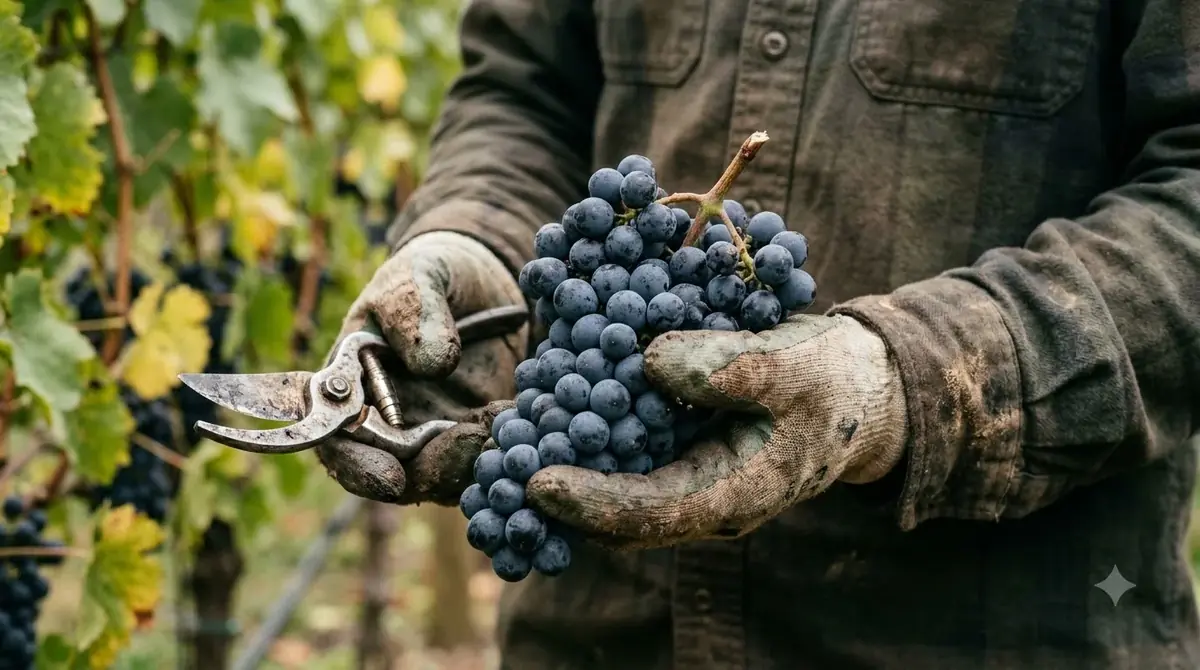
Tannins belong to a group of plant compounds called polyphenols. In red wine, they interact with proteins in saliva, temporarily reducing the lubrication in your mouth. This creates the familiar sensation of dryness or grip that wine drinkers associate with tannic wines. It is a physical sensation rather than a particular fruit flavor or aroma. For a closer explanation of their chemistry and sensory effects, read Decanter’s guide to wine tannins.
Merlot generally has less noticeable tannic intensity than Cabernet Sauvignon. Its texture is commonly described as rounded, supple, soft, or velvety. Wine Enthusiast characterizes Merlot as relatively light in tannin, with less of the tooth-drying sensation associated with Cabernet Sauvignon. This is one reason Merlot is often approachable without extensive bottle aging.
However, low tannin does not mean no tannin. A structured Merlot can still produce noticeable grip, particularly when it comes from a concentrated vintage or receives substantial skin contact during fermentation. A young Pomerol or Saint-Émilion, for example, can have considerably more structure than a straightforward, fruit-forward Merlot intended for early drinking.
It is also important to distinguish tannins from acidity and sweetness. Acidity makes the mouth water, while tannins create a drying sensation. Sweetness comes from residual sugar, not tannin. A dry Merlot can taste generous and fruity because of its ripe plum and cherry flavors without containing significant residual sugar. Understanding Merlot sugar content helps separate fruit-driven impressions of sweetness from the wine’s actual sugar level.
In practical terms, Merlot sits in the middle of the red-wine tannin spectrum. It offers enough structure to complement savory food without usually producing the pronounced grip associated with particularly tannic varieties.
How Merlot Tannins Compare With Other Red Wines
Merlot typically has softer, less assertive tannins than Cabernet Sauvignon and Syrah, while offering more noticeable structure than many lighter Pinot Noir wines. Comparing these varieties helps put Merlot’s mouthfeel into perspective.
Cabernet Sauvignon is a useful reference point because it frequently produces firm, persistent tannins. Merlot is often blended with Cabernet Sauvignon in Bordeaux precisely because its rounder texture complements Cabernet’s stronger structure. The combination can produce a wine with both generous fruit and a more substantial framework.
Pinot Noir provides another comparison. Its tannins are generally low to medium, with acidity playing a more prominent role in its structure. Merlot tends to feel broader and softer, particularly in warmer-climate examples with ripe plum and black-cherry flavors.
Syrah typically has medium-plus to high tannins, depending on its origin and winemaking. Its darker fruit, pepper, and sometimes smoky character often accompany a firmer mouthfeel than a typical Merlot. These differences explain why two wines with similar body can feel very different when tasted.
The following table summarizes the typical tannin characteristics of four familiar red grape varieties. These are general style descriptions rather than laboratory measurements or fixed rankings for every bottle.
| Grape variety | Typical tannin level | Common mouthfeel | Acidity |
|---|---|---|---|
| Merlot | Medium, often soft | Round, supple, velvety | Moderate |
| Cabernet Sauvignon | High | Firm, structured, drying | Medium to high |
| Pinot Noir | Low to medium | Silky, delicate | High |
| Syrah | Medium-plus to high | Firm, dense, sometimes grippy | Medium |
These differences are particularly useful when choosing a wine for dinner. Someone who enjoys the structure of Cabernet Sauvignon but wants a gentler experience may prefer Merlot. Someone who wants a lighter, more delicate red might prefer Pinot Noir instead.
Merlot’s position between these styles makes it versatile. It can provide enough tannin for grilled meats and rich sauces while remaining accessible to drinkers who find heavily structured reds uncomfortable.
What Influences the Tannin Level in Merlot?
Merlot’s naturally softer character is only part of the story. Vineyard conditions, grape maturity, fermentation, extraction, and oak treatment all influence how much tannin ends up in the finished wine.
Grape skins and seeds are the primary sources of tannins in red wine. During fermentation, the juice remains in contact with these solid grape materials. This process, called maceration, extracts color, flavor compounds, and tannins. Longer contact generally allows more tannin extraction, although the final result depends on the winemaking method and the condition of the grapes.
Ripeness also matters. Harvest timing influences tannin maturity and structure. According to Decanter’s explanation of wine tannins, grape maturation changes tannin structure through chemical interactions during ripening. Harvesting at different stages can therefore produce different sensations of firmness and texture.
Climate contributes to the final style as well. Merlot is an early-ripening variety, and its growing conditions influence the balance between fruit concentration, acidity, alcohol, and tannin development. Bordeaux, California, Washington State, and Chile can produce noticeably different expressions of the grape.
For example, cooler growing conditions may preserve fresher fruit characteristics and produce wines with more herbal notes. Warmer regions and fully ripe grapes can produce deeper colors and more concentrated fruit flavors. Neither style automatically guarantees higher tannins; extraction and winemaking decisions remain important.
Fermentation and extraction
Winemakers control tannin extraction through several cellar techniques. These include fermentation temperature, the duration of skin contact, and the frequency and intensity of punch-downs or pump-overs. More vigorous extraction can increase the amount of phenolic material entering the wine.
Gentler extraction can help preserve a softer, fruit-focused style. A producer making an approachable Merlot for early consumption may choose a different fermentation strategy from one producing a concentrated wine intended for extended aging. The objective is not always to extract the greatest possible amount of tannin. It is to achieve an appropriate balance between structure, fruit, and texture.
Oak aging
Oak barrels can contribute additional tannins to Merlot. The wood also influences aromas and flavors, potentially adding notes of vanilla, cedar, spice, toast, or baking chocolate. The impact depends on the type of oak, the age and condition of the barrel, and the length of time the wine spends in contact with the wood.
New oak generally contributes more noticeable wood-derived compounds than older barrels that have been used repeatedly. Consequently, two Merlots made from similar grapes can have different textures and flavor profiles because of their cellar treatments.
Tip: When comparing two Merlots, look beyond the grape variety. Compare their growing regions, fruit concentration, and oak treatment. A fruit-forward, lightly extracted bottle may feel much softer than a concentrated, barrel-aged example.
How to Recognize Tannins When Tasting Merlot
The easiest way to recognize Merlot tannins is to pay attention to the sensation inside your mouth after swallowing. Look for dryness, grip, and texture rather than trying to identify a particular aroma or fruit flavor.
Start with a small sip and allow the wine to coat your tongue and cheeks. Notice whether your mouth feels smooth and moist or whether the wine seems to leave a dry, slightly rough sensation. Tannins are often particularly noticeable along the gums, inside the cheeks, and toward the sides of the tongue.
A typical approachable Merlot should feel rounded rather than aggressively drying. You may notice a gentle grip toward the finish, but the fruit flavors often remain prominent. Ripe plum, black cherry, raspberry, and sometimes chocolate can make the wine seem generous and soft.
Pay attention to the difference between a wine’s fruit intensity and its tannin level. A wine with concentrated black-fruit flavors is not necessarily highly tannic. Likewise, a deeply colored Merlot does not automatically have a harsh finish. Color, fruit concentration, acidity, alcohol, and tannin are related aspects of wine structure, but they are not interchangeable measurements.
Soft versus firm tannins
Soft tannins generally create a smooth, rounded sensation. They can feel silky or velvety and tend to integrate easily with the wine’s fruit. This is the texture that makes many Merlots appealing to drinkers who prefer less aggressive reds.
Firm tannins produce a more noticeable grip. They may feel slightly coarse, chalky, or drying, particularly in a young wine. A structured Merlot can have this characteristic without being defective or unpleasant. It may simply need time to develop or food to complement its structure.
It is also useful to distinguish astringency from bitterness. Astringency is a tactile sensation caused by tannins interacting with saliva proteins. Bitterness is a taste perceived by the tongue. A wine can be drying without being bitter, and a wine can have bitter flavors without particularly strong tannins.
A simple tasting exercise
Try tasting Merlot alongside Cabernet Sauvignon and Pinot Noir in separate glasses. Use similar serving temperatures and small pours so that temperature differences do not distract from the comparison.
Begin with Pinot Noir, move to Merlot, and finish with Cabernet Sauvignon. Notice how the wines differ in their grip and finish. Pinot Noir should generally feel lighter in tannin, Merlot should provide a rounder middle ground, and Cabernet Sauvignon should usually show the firmest structure.
Give each wine a few moments after swallowing before assessing its finish. Some tannins are immediately noticeable, while others become more apparent as the mouth dries. This simple comparison provides a clearer understanding of Merlot’s place among familiar red wines.
How Aging Changes Merlot Tannins
Merlot tannins change as wine develops in the bottle, often becoming more integrated and less obviously abrasive. This helps explain why some structured Merlots benefit from aging while many everyday examples are enjoyable shortly after release.
During aging, tannin molecules undergo chemical changes and interact with other wine components. These processes can alter the perception of texture, making a wine seem more harmonious over time. Tannins may also participate in the formation of larger compounds that eventually contribute to sediment.
However, aging does not simply remove all tannins or guarantee a smoother wine. The result depends on the wine’s original structure, acidity, fruit concentration, storage conditions, and overall balance. A well-made Merlot with sufficient structure can develop complexity, while a simple wine intended for early drinking may lose freshness before developing much additional character.
Young Merlot often emphasizes primary fruit characteristics such as fresh plum, cherry, and blackberry. With bottle development, some wines gain secondary and tertiary notes of dried fruit, tobacco, leather, cedar, chocolate, and earth. Their texture can also become more integrated.
Bordeaux provides useful examples of the different aging potential within Merlot-based wines. Some straightforward regional bottles are made for relatively early drinking, while concentrated wines from Pomerol and Saint-Émilion can develop over many years. The grape variety alone does not determine how long a bottle should age.
Should you decant Merlot?
Not every Merlot needs decanting. A young, straightforward bottle can usually be opened and poured directly into a glass. A more concentrated, structured example may benefit from exposure to air, particularly if its tannins initially seem firm.
For a young full-bodied red, a decanting period of approximately 30 to 60 minutes is a useful starting point. Taste the wine before and after decanting to see whether its fruit becomes more expressive and its texture more integrated. The appropriate duration depends on the individual wine rather than a fixed rule for the grape.
Older bottles require more care. Their purpose in decanting may be to separate sediment rather than to provide prolonged aeration. Extended exposure to oxygen can diminish delicate aromas in mature wines, so gentle handling is preferable.
Storage conditions matter throughout the aging process. Keep bottles on their sides in a cool, dark location near 55 degrees Fahrenheit, with relatively stable temperatures. If you are planning ahead, understanding how long Merlot lasts unopened can help you decide whether a bottle is intended for immediate enjoyment or longer cellaring.
Best Food Pairings for Merlot’s Tannin Level
Merlot’s moderate tannins and rounded fruit make it particularly versatile with savory dishes. It works well with roasted meats, poultry, mushrooms, pasta, and moderately rich sauces because its structure complements food without overwhelming it.
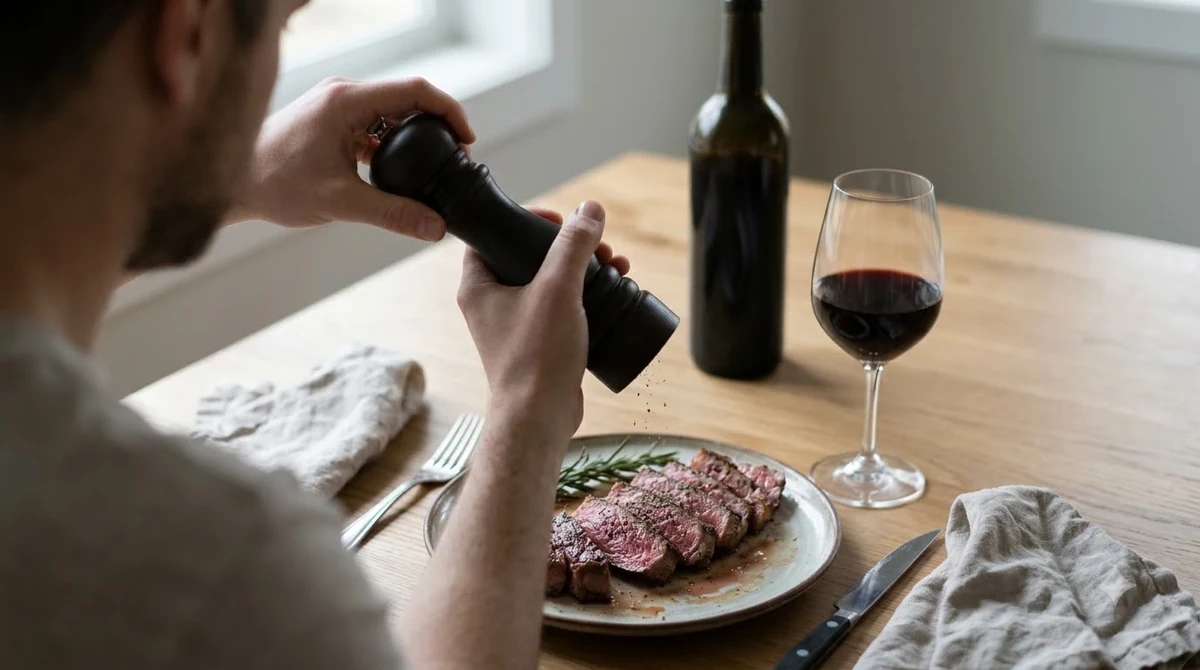
One of the most reliable pairings is grilled or roasted beef. Merlot has enough tannin to accompany the protein and savory flavors of a beef roast, while its plum and cherry characteristics complement the browned exterior. A beef stew or slow-cooked short rib dish is another strong choice, especially when the sauce contains herbs and mushrooms.
Roast chicken and turkey also work well. These dishes generally have milder flavors than heavily seasoned beef, allowing Merlot’s fruit to remain noticeable. Mushroom-based sauces provide additional savory depth that works particularly well with the wine’s earthy and fruit-driven characteristics.
For pasta, consider tomato-based sauces, meat ragù, mushroom preparations, and dishes featuring roasted vegetables. Merlot’s moderate acidity means particularly acidic sauces can make the wine seem less lively. Choose a Merlot with enough freshness to balance the dish rather than assuming every bottle will work equally well.
Cheese is another useful pairing category. Medium-aged cheddar, Gouda, and other moderately firm cheeses can complement Merlot’s fruit and structure. Salt and fat soften the perception of tannins, helping the wine feel rounder and less drying.
Pairings that require more care
Very spicy food can be challenging with Merlot, especially when the wine has substantial alcohol or noticeable tannin. Chili heat can become more intense alongside alcohol and tannins, making heavily spiced dishes less comfortable pairings. Mildly seasoned grilled vegetables, roasted peppers, and gently spiced poultry are often easier matches.
Oily fish can also be difficult with tannic red wines. The combination may produce an unpleasant metallic impression, particularly with firmer examples of Merlot. For salmon or tuna, a lighter-bodied red with lower tannins or an appropriately fresh white wine is often a better option.
For dessert, sweetness needs special attention. A dessert should generally be no sweeter than the wine, or the wine may taste sour and thin by comparison. Most dry Merlots are better suited to savory meals than very sweet desserts.
Serving temperature and glassware
Temperature influences how you perceive Merlot’s structure. A useful serving range for light reds is 55 to 60 degrees Fahrenheit, while fuller-bodied reds are generally best served around 60 to 65 degrees Fahrenheit.
Serving Merlot too warm can emphasize alcohol and make the wine seem heavier. Serving it too cold can mute fruit aromas and make tannins appear more prominent. A short period in the refrigerator can help bring a warm bottle into a more suitable range.
A standard red wine glass with a reasonably wide bowl allows aromas to collect and provides enough room to swirl the wine. A 5-ounce pour is a practical serving size, and a standard 750-milliliter bottle provides approximately five such glasses.
For more information about different grape varieties and their characteristics, explore Wine by Type and compare Merlot with other familiar red wines.
Frequently Asked Questions
Are Merlot tannins naturally lower than Cabernet Franc tannins?
Merlot and Cabernet Franc can both produce moderate tannin levels, and their relative intensity depends on growing conditions and winemaking. Cabernet Franc often emphasizes freshness, herbal notes, and acidity, while Merlot generally offers a rounder texture and more generous plum fruit. Neither variety has a fixed tannin level across all regions and producers.
Can Merlot tannins cause sediment in an older bottle?
Yes. Tannins and other phenolic compounds can participate in reactions that form larger particles or deposits during bottle aging. Older red wines may develop sediment, sometimes accompanied by color pigments. This is a natural part of wine development and does not automatically indicate spoilage.
Does Merlot contain the same type of tannins as black tea?
Both wine and black tea contain polyphenolic compounds that can produce astringency. However, their specific tannin compositions differ according to their plant sources and processing methods. The drying sensation in both beverages comes partly from interactions between polyphenols and proteins in saliva.
Can Merlot be made without oak aging?
Yes. Merlot can be fermented and aged in stainless steel tanks or other neutral vessels without spending time in oak barrels. This approach avoids additional wood-derived tannins and often emphasizes fresh fruit characteristics. Concrete tanks and neutral vessels are also used by producers seeking a different textural expression.
Why can two Merlots from the same vintage taste different?
Different vineyards, harvest dates, fermentation decisions, and maturation methods can produce substantially different wines from the same vintage. Even within Bordeaux, Merlot from Pomerol and Saint-Émilion can have different combinations of fruit concentration, acidity, and structure. Individual producer choices also influence the final tannin profile.
Merlot is generally a medium-tannin red wine with a softer, rounder texture than Cabernet Sauvignon. Its balance of ripe fruit and approachable structure makes it suitable for both casual drinking and more substantial meals, while vineyard conditions and winemaking explain the differences between individual bottles. Understanding Merlot tannins gives you a better way to compare styles, select food pairings, and decide which wines deserve time in the cellar.
More in Wine Types & Grapes
 What Does Mourvèdre Taste Like? Flavor Profile, Regions, and PairingsUpdated Nov 20, 2026
 What Does Marsanne Taste Like? Flavors, Styles, and Food PairingsUpdated Nov 20, 2026
 What Does Malvasia Taste Like? Styles, Flavors, and Food PairingsUpdated Nov 20, 2026
 What Does Grenache Blanc Taste Like? Flavor Profile, Styles, and PairingsUpdated Nov 20, 2026
 What Does Garnacha Taste Like? Key Flavors, Styles, and Pairing TipsUpdated Nov 20, 2026
 What Does Fruit Wine Taste Like? A Complete Flavor and Style BreakdownUpdated Nov 20, 2026