

We may earn a commission when you buy through links on this page, at no extra cost to you. Learn more.
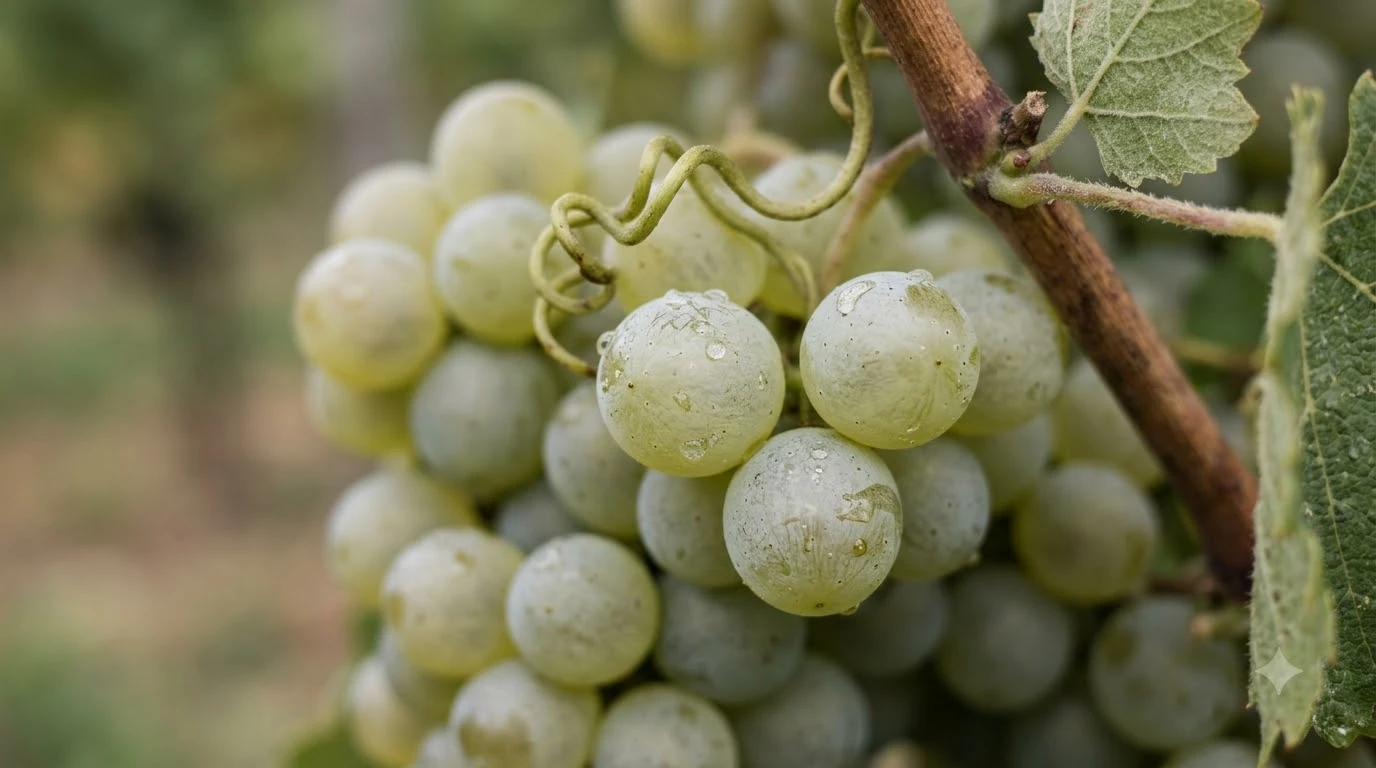
The malagousia grape is an indigenous Greek white wine variety known for its expressive aromas of peach, apricot, citrus, jasmine, and Mediterranean herbs. It generally produces dry, medium-bodied wines with moderate acidity and a rounded, aromatic character. Although the variety nearly disappeared during the 20th century, its revival helped establish it as one of Greece’s most recognizable modern white grapes. Today, Malagousia offers an appealing alternative to familiar international whites, particularly for people who enjoy fragrant wines with fresh fruit and herbal complexity.
Greek wine is often associated with Assyrtiko, the country’s celebrated mineral-driven white grape, but Malagousia deserves equal attention from anyone exploring Mediterranean wine. Its combination of floral perfume, ripe stone fruit, citrus freshness, and food-friendly texture makes it versatile at the dinner table. Understanding its origins, regional differences, production methods, and serving requirements makes choosing a bottle considerably easier.
Origins and the Revival of Malagousia
Malagousia has a remarkable history: a traditional Greek variety that came close to disappearing before becoming an internationally recognized white wine grape. Its modern success is closely connected to the work of Greek oenologist Evangelos Gerovassiliou and the development of commercial wine production in Epanomi during the 1980s.
The variety is believed to originate in Central or Western Greece. Historical references to Malagousia appear in 19th-century ampelographic records, but its commercial importance declined considerably during the following century. By the middle of the 20th century, only scattered surviving plantings remained. Older vineyards in areas of Central and Western Greece helped preserve the variety, even though it was no longer widely cultivated for commercial winemaking.
An important step toward its revival came during the early 1970s. Professor Vassilis Logothetis of Aristotle University of Thessaloniki collected cuttings and established an experimental planting at Domaine Porto Carras in Halkidiki. A young oenologist, Evangelos Gerovassiliou, became interested in the grape while working with the material at the estate.
Gerovassiliou subsequently planted Malagousia in his family’s vineyard at Epanomi, southeast of Thessaloniki. His commercial bottlings during the 1980s demonstrated that the variety could produce distinctive, high-quality wines rather than simply survive as a neglected local grape. This achievement helped encourage other Greek producers to plant it.
Its revival also changed how Greek white wine was presented internationally. Rather than relying exclusively on internationally familiar grapes such as Chardonnay and Sauvignon Blanc, wineries could offer a distinctly Greek aromatic variety with recognizable fruit and floral characteristics.
Malagousia now appears in vineyards throughout Greece, including Macedonia, Halkidiki, Drama, Evia, and the Peloponnese. Experimental plantings have also appeared outside the country, including California, Australia, and Israel. Its expansion demonstrates the commercial potential of rediscovering traditional grape varieties.
For readers exploring other less familiar grapes, the Airen grape offers an interesting comparison. Airen has a different historical background and is widely associated with Spain, while Malagousia is strongly connected to the revival of Greece’s indigenous white wine heritage.
Flavor, Aroma, and Structure
Malagousia is primarily an aromatic white grape, producing wines that combine ripe stone fruit, floral perfume, citrus, and fresh herbs. Its typical structure is medium-bodied, with moderate acidity and a smooth texture that makes it approachable without sacrificing character.
Peach and apricot are among the most recognizable fruit aromas. Depending on the wine’s ripeness and production method, these may be accompanied by pear, quince, mango, lemon, grapefruit, or other citrus characteristics. The fruit generally feels ripe and expressive rather than sharply green.
Floral notes are another important part of its identity. Jasmine and citrus blossom can give the wine a fragrant quality, while basil, fresh mint, and other Mediterranean herbs contribute freshness. Some examples also reveal white pepper, chamomile, or a subtle mineral impression.
The following table summarizes common characteristics. These are typical sensory expectations rather than mandatory characteristics of every bottle.
| Characteristic | Typical Malagousia profile |
|---|---|
| Wine color | Pale straw to golden yellow |
| Body | Medium, sometimes medium-full |
| Acidity | Moderate and refreshing |
| Alcohol | Varies with ripeness and winemaking |
| Primary fruit | Peach, apricot, pear, citrus |
| Floral aromas | Jasmine and citrus blossom |
| Herbal aromas | Basil, mint, Mediterranean herbs |
| Additional notes | White pepper, chamomile, subtle minerality |
| Typical sweetness | Dry |
| Typical body | Medium |
One reason Malagousia is interesting is that its aromatic intensity does not necessarily mean high acidity or a heavy palate. Compared with Sauvignon Blanc, which generally has higher acidity and often more pronounced green or grassy characteristics, Malagousia tends to feel rounder and more fruit-driven.
Its relationship with Viognier is also worth understanding. Both varieties can show pronounced floral aromas and ripe stone fruit. However, Malagousia often brings a more noticeable Mediterranean herbal character and a fresher citrus component.
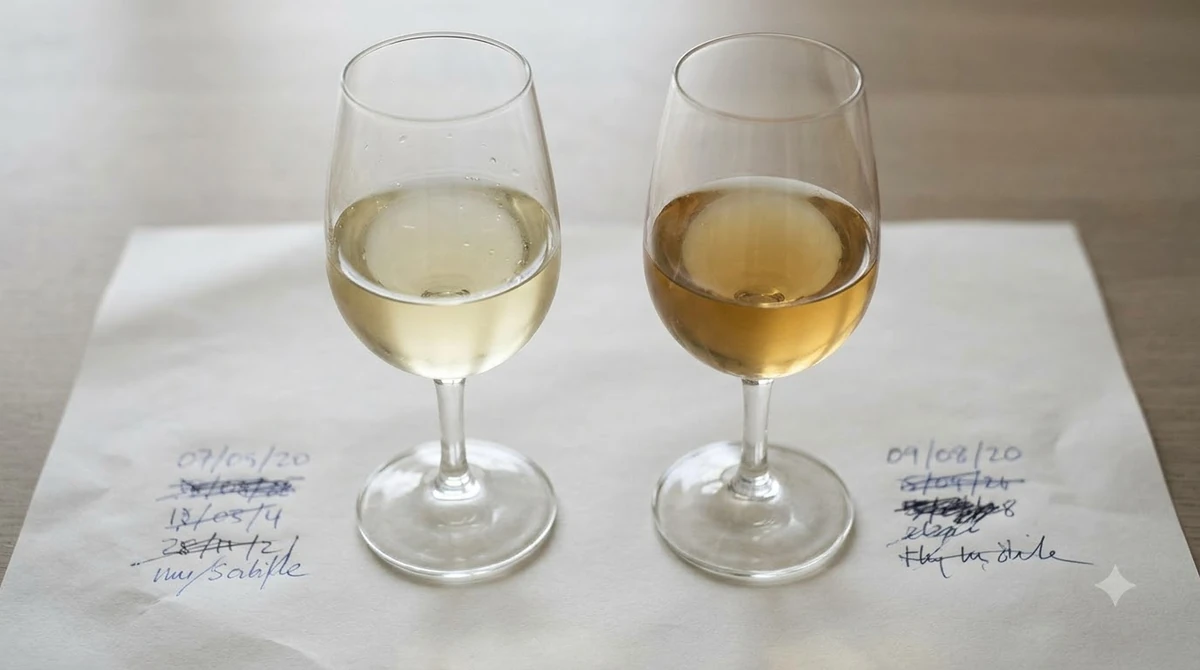
Winemaking can significantly change the experience. A stainless-steel version may emphasize fresh peach, lemon, jasmine, and herbs. A barrel-fermented example can become broader, with additional texture and aromas of toasted almond, waxed lemon, or spice.
A 2025 study published in Beverages examined 28 commercial single-varietal Malagousia wines from Northern Greece. Its researchers identified citrus, chamomile, and peach among the recurring sensory characteristics, while also documenting considerable differences associated with production techniques. The published Malagousia wine research provides a detailed examination of how location and cellar methods influence the variety.
The practical takeaway is that Malagousia is not a one-dimensional aromatic white. It can range from crisp and fruit-focused to textured, complex, and oak-influenced.
Growing Regions and Important Producers
Although Malagousia originated in Greece, it is no longer restricted to one small growing area. Northern Greece remains especially important, but producers in Central Greece, Evia, and the Peloponnese have developed their own interpretations of the variety.
Epanomi in Central Macedonia is particularly significant because of its connection to Evangelos Gerovassiliou and the commercial revival of Malagousia. Wines carrying PGI Epanomi have helped establish the area’s reputation for this grape. The proximity to the Thermaic Gulf also contributes to a growing environment influenced by maritime conditions.
Halkidiki is another important northern Greek location. The area’s wine history is associated with the early preservation and development of the variety at Domaine Porto Carras. Its Malagousia plantings helped demonstrate the grape’s suitability for quality wine production.
Other northern locations include Drama, Kavala, and Florina. Differences in elevation, soil, vineyard exposure, and temperature can influence the final wine. Cooler locations may preserve fresher citrus and herbal notes, while warmer growing conditions can encourage riper peach, apricot, and tropical fruit aromas.
In Evia, Avantis Estate is among the producers associated with Malagousia. The region offers another interpretation of the grape beyond the northern mainland. In the Peloponnese, producers including Mercouri Estate have incorporated it into their white wine offerings.
Several producer names provide useful starting points for exploration:
- Domaine Gerovassiliou: Located in Epanomi, this winery is closely associated with the commercial revival of Malagousia. Its standard varietal and single-vineyard bottlings offer useful reference points for understanding the grape.
- Avantis Estate: Based in Evia, this producer is associated with a fresher, citrus-oriented interpretation.
- Domaine Costa Lazaridi: Located in Drama, the estate is known for a broader, riper-fruited approach.
- Mercouri Estate: Located in the Peloponnese near Olympia, this producer offers a warmer-climate expression of the variety.
- Alpha Estate: Based in Amyntaio, the winery produces Malagousia from a northern Greek growing environment.
- Kanakaris Winery: Its Malagousia comes from mountainous vineyards on the Slopes of Aigialia in Eastern Achaia, demonstrating the grape’s adaptability beyond Macedonia.
Geographical indications are useful when comparing bottles. PGI Epanomi, PGI Macedonia, PGI Halkidiki, and PGI Slopes of Aigialia are examples of designations that identify the wine’s geographical origin. Malagousia frequently carries a Protected Geographical Indication rather than a Protected Designation of Origin because it is cultivated across several traditional wine regions.
For American shoppers, the producer and growing region can provide a better indication of style than the grape name alone. A northern Greek bottle and a mountain-grown Aigialia example may share recognizable jasmine and peach aromas but differ in texture, ripeness, and acidity.
Winemaking Methods and Different Styles
Malagousia can produce several distinct wine styles, even when the grapes come from similar locations. Stainless-steel fermentation, skin contact, lees aging, barrel maturation, and late harvesting all influence the final result.
Most familiar examples are dry, still white wines intended to showcase the grape’s aromatic personality. Stainless-steel fermentation is particularly useful for preserving fresh fruit and floral characteristics. Temperature-controlled fermentation also allows winemakers to retain delicate aromas that might otherwise become less pronounced during production.
Skin contact is another important technique. Before fermentation, white grapes can remain in contact with their skins for a controlled period. This process extracts additional compounds from the grape skins and can influence aroma, color, phenolic structure, and texture.
One documented Kanakaris Winery example uses pre-fermentation maceration for 36 hours at 8°C before pressing. Fermentation takes place at temperatures no higher than 15°C, followed by the use of fine lees. The wine is then bottled fresh under an inert gas atmosphere.
Lees aging offers another route toward a more substantial palate. Lees are the dead yeast cells remaining after fermentation. Keeping wine in contact with fine lees can contribute texture, aromatic integration, and a fuller mouthfeel.
Barrel maturation creates a different expression. Oak can introduce toasted almond, spice, and additional texture, while allowing the original peach and floral characteristics to remain part of the wine’s identity. Some producers also experiment with acacia barrels, which can contribute more subtle vanilla characteristics than oak.
Research published in Beverages found that processing methods affected the measured characteristics of commercial Malagousia wines, sometimes more noticeably than their geographical origin. The study included wines with different combinations of skin contact, lees aging, and maturation in oak or acacia barrels. Its findings help explain why two bottles carrying the same grape name can taste quite different.
Sweet Malagousia is another style worth recognizing. Late-harvest grapes can develop concentrated sugars and produce wines with ripe peach, pear, quince, mango, and honey characteristics. The Epanomi product specification also describes an overripe-grape wine made exclusively from Malagousia, with extended oak aging, a deep gold color, and a sweet undertone balanced by acidity.
These wines should not be confused with the standard dry version. Their greater concentration and sweetness make them better suited to dessert pairings or selected rich cheeses.
Blending is possible as well. Although varietal bottlings are especially useful for understanding Malagousia’s character, some producers use it alongside other white grapes to add fragrance, fruit, or texture to a blend.
Food Pairings for Malagousia
Malagousia is particularly useful with Mediterranean food because its aromatic profile complements fresh herbs, seafood, vegetables, and mild cheeses. Its moderate acidity and medium body also make it flexible enough for a range of international dishes.
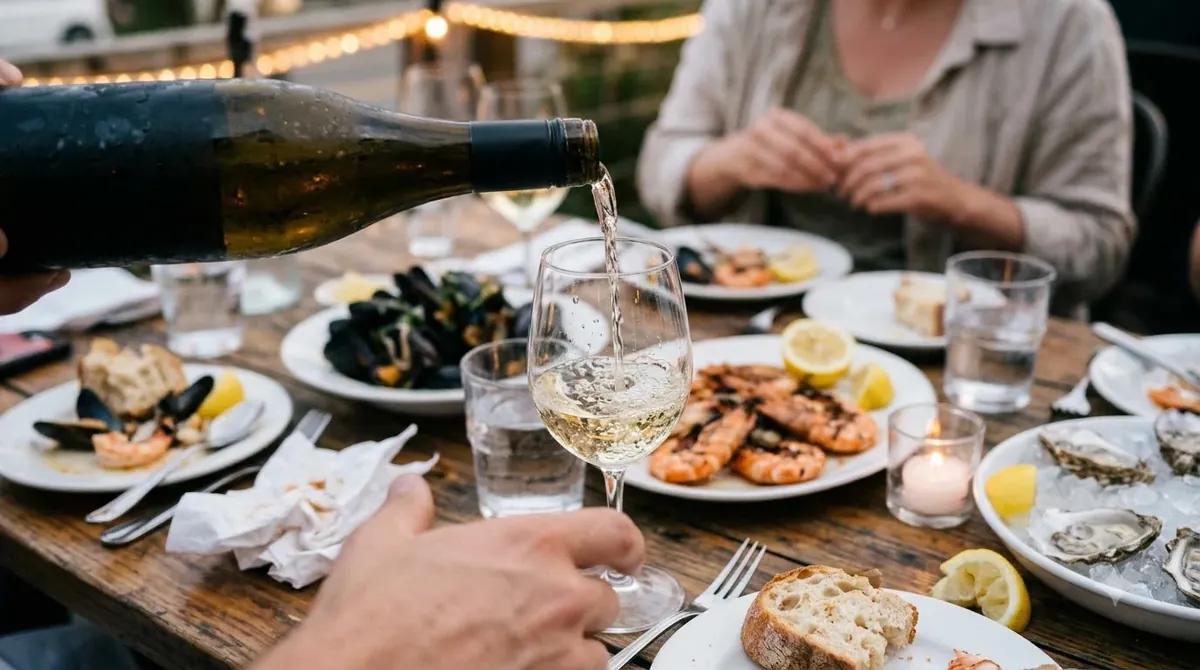
Seafood is one of the most reliable starting points. Grilled sea bass, sea bream, prawns, calamari, and octopus work particularly well with a dry, fresh Malagousia. The wine’s citrus and herbal notes complement delicate seafood flavors without overwhelming them.
Grilled sardines are another traditional Greek pairing. Their savory, slightly oily character benefits from a white wine with sufficient freshness. Malagousia’s moderate acidity can provide a pleasant contrast, particularly when the fish is finished with lemon, olive oil, and fresh herbs.
Greek appetizers also make excellent companions. Consider baked feta, dolmades, tomato and cucumber salad, grilled vegetables, and mild halloumi. Basil, mint, dill, oregano, and parsley bring out the wine’s herbal side.
White meat is another good option. Roasted or grilled chicken with lemon, rosemary, and olive oil complements the grape’s citrus and floral character. Turkey breast with fresh herbs can work equally well, especially when the preparation avoids heavy sauces.
For pasta, choose dishes with white sauces, seafood, vegetables, or fresh herbs. A lemon and herb pasta, shrimp linguine, or a light cream sauce can complement the wine’s body. Very heavy tomato sauces may be less suitable if their acidity overwhelms the wine.
Malagousia also works with Asian food. Thai green curry, Vietnamese herb-based dishes, and chilled noodle salads can all complement its aromatic character. The wine’s floral and herbal notes are particularly useful with dishes featuring cilantro, mint, basil, lemongrass, and lime.
There is one important consideration with spicy food: chili heat can feel stronger alongside alcohol and tannin. Malagousia is a white wine with little of the tannic structure associated with red wines, but a high-alcohol bottling can still intensify the sensation of heat. Moderately spiced dishes are generally safer than extremely hot preparations.
Tip: For an easy pairing, serve dry Malagousia with grilled fish, lemon, olive oil, and fresh dill. This simple combination highlights the wine’s citrus, floral, and herbal characteristics without competing with its aromas.
Cheese pairings are equally straightforward. Fresh goat cheese, young Graviera, mild halloumi, and other lightly salted cheeses complement the wine’s fruit and moderate acidity. Salt can soften perceived bitterness and make the overall combination feel more balanced.
Sweet Malagousia requires a different approach. The wine should generally be at least as sweet as the dessert to prevent it from tasting thin or sour. Ripe fruit desserts, honey-based pastries, and lightly sweetened fruit tarts can work particularly well with concentrated late-harvest versions.
Readers interested in aromatic red alternatives can also explore the Brachetto grape, which offers a very different approach to floral aromas and sweetness. Its red-fruit character and frequently sparkling style provide an interesting contrast to dry Greek Malagousia.
Serving Temperature, Storage, and Buying Advice
Serving Malagousia at the right temperature helps preserve its aromatic complexity without making the wine seem heavy. Most dry examples benefit from a light-white-wine serving temperature of 45–50°F, while fuller barrel-fermented versions can be served slightly warmer at 50–55°F.
Overchilling can suppress the grape’s expressive peach, jasmine, and herbal aromas. If a bottle comes directly from a very cold refrigerator, allowing it to warm briefly in the glass can reveal more of its character.
A standard white wine glass with a moderately sized bowl is suitable. The shape should allow the aromas to collect while providing enough room to swirl the wine. There is no need for an elaborate specialist glass to appreciate a good bottle.
Pouring approximately 5 ounces per serving is a useful standard. A 750 ml bottle contains approximately five such glasses, making it suitable for a small dinner gathering.
Most everyday Malagousia is intended for relatively early consumption. Fresh, stainless-steel-fermented examples are usually best enjoyed while their primary fruit and floral aromas remain vivid. A general drinking window of two to four years after the vintage is a reasonable starting point for these wines, although individual bottles differ.
More ambitious examples deserve different treatment. Selected single-vineyard and barrel-fermented wines from producers such as Domaine Gerovassiliou and Alpha Estate can develop over six to ten years. With bottle age, some examples may acquire honeyed, waxy, and nutty characteristics while retaining a recognizable herbal component.
Store unopened bottles away from direct sunlight and excessive temperature changes. A storage environment near 55°F is a useful target. Bottles sealed with natural cork are generally stored horizontally to keep the cork from drying out.
After opening, reseal the bottle and refrigerate it. Most still white wines remain enjoyable for approximately three to five days, although the freshness of aromatic Malagousia can gradually diminish as oxygen exposure changes its fruit and floral expression.
When shopping, start by identifying whether the wine is dry or sweet. Dry Malagousia is the most familiar style and the most versatile choice for everyday meals. Late-harvest examples are more concentrated and better suited to desserts.
Next, consider the region and production approach. Epanomi and other northern Greek origins are good starting points for exploring established expressions. A stainless-steel version is a sensible choice if fresh fruit and floral aromas are the priority. A barrel-fermented wine is more appropriate for someone who enjoys fuller white wines with additional texture.
Finally, consider the producer. Wineries with established Malagousia bottlings can help provide a consistent reference point when exploring regional differences. Comparing two producers from different Greek regions is a useful way to understand how climate, vineyard conditions, and cellar decisions affect the same variety.
Frequently Asked Questions
Is Malagousia an ancient Greek grape?
Malagousia is a traditional indigenous Greek variety, with its name appearing in 19th-century ampelographic records. However, its exact historical origin is not definitively established. Its modern commercial revival is much better documented than its earliest cultivation history.
How do you pronounce Malagousia?
The Greek name is Μαλαγουζιά. An accessible English approximation is mah-lah-goo-ZYAH, with emphasis on the final syllable. Pronunciation can vary slightly between English speakers and Greek speakers.
Is Malagousia suitable for vegetarian and vegan meals?
Yes, dry Malagousia is naturally compatible with many vegetarian dishes, including grilled vegetables, herb salads, and vegetable pasta. Whether a particular wine is vegan depends on its production and clarification methods. Some wineries identify vegan certification or suitability on their technical information.
Can Malagousia be made into sparkling wine?
Although Malagousia is best known for still white wines, its aromatic character makes sparkling interpretations possible. Production methods and sweetness levels depend on the individual winery. Sparkling versions should be served colder than still examples, generally around 40–50°F.
Is Malagousia related to Assyrtiko?
Both are indigenous Greek white grape varieties, but they are distinct cultivars rather than different names for the same grape. Malagousia is generally more aromatic and rounder, while Assyrtiko is especially associated with pronounced acidity and mineral character. Their contrasting styles make them useful introductory wines for understanding the diversity of Greek white grapes.
Malagousia combines an extraordinary revival story with a distinctive aromatic profile that makes Greek white wine particularly rewarding to explore. Its peach, citrus, jasmine, and herbal characteristics work beautifully with seafood, fresh vegetables, and Mediterranean cooking. Start with a dry bottle from Epanomi or another established Greek growing region, then compare stainless-steel and barrel-aged examples to discover the range of this remarkable indigenous grape.
More in Wine Types & Grapes
 Zinfandel Sugar Content: Dry Red vs. White Zinfandel GramsUpdated Nov 21, 2026
 Best Zinfandel Substitute Options for Sipping and CookingUpdated Nov 21, 2026
 Zweigelt Food Pairing: Best Dishes, Cheeses, and Serving TipsUpdated Nov 21, 2026
 Zinfandel Tannins Explained: How Structure Shapes Every BottleUpdated Nov 21, 2026
 Zinfandel Sweetness Level: Dry Red vs. Sweet White Zin ExplainedUpdated Nov 21, 2026
 Xinomavro Food Pairing: Best Dishes, Styles, and Serving TipsUpdated Nov 21, 2026