

We may earn a commission when you buy through links on this page, at no extra cost to you. Learn more.
Is petite sirah sweet or dry? Petite Sirah is typically a dry red wine, with little to no residual sugar in most traditional bottlings. Its ripe blackberry, blueberry, and dark chocolate flavors can create an impression of sweetness, but those fruity aromas do not necessarily indicate sugar. Instead, Petite Sirah is known for its full body, powerful tannins, deep color, and concentrated dark fruit character.
If you enjoy bold red wines but prefer to avoid genuinely sweet styles, Petite Sirah is usually a good variety to explore. Understanding the difference between fruitiness and actual sweetness will help you know what to expect, how to choose a bottle, and which foods bring out its best qualities.
Petite Sirah Is Usually a Dry Red Wine
Petite Sirah is generally vinified as a dry red wine, meaning most of the grape sugar has been converted into alcohol during fermentation. Its reputation comes from concentrated fruit flavors, high tannins, and substantial body rather than noticeable residual sugar.
During fermentation, yeast consumes the natural sugars in grape juice and produces alcohol and carbon dioxide. When fermentation finishes with very little fermentable sugar remaining, the resulting wine is considered dry. This is the typical approach for standard Petite Sirah table wines.
For example, Von Stiehl lists its Petite Sirah with 0.0% residual sweetness and an alcohol content of 13.9%. That producer’s example illustrates how a wine can taste rich, dark, and intensely fruity without being sweet. Individual bottles vary, but this dry profile is representative of the variety’s traditional style.
There are exceptions. Petite Sirah can be used in Port-style wines, which are deliberately made to retain sweetness or have their fermentation stopped through fortification. These dessert-oriented wines are different from the standard dry red bottlings most people encounter.
It is also useful to distinguish dryness from body. A full-bodied wine can feel rich and heavy in the mouth even when it contains very little sugar. Petite Sirah combines that substantial texture with firm tannins, making it particularly different from lighter, softer red wines.
For a broader explanation of the grape’s characteristics, Wine Enthusiast’s Petite Sirah overview describes its common dry-red uses, California growing regions, and characteristic dark fruit flavors.
Why Petite Sirah Can Taste Sweet Without Being Sweet
Petite Sirah can taste sweet because ripe dark fruit aromas create an impression of sweetness even when the wine is technically dry. Blackberry, blueberry, plum, and dark chocolate are common flavor associations, and these characteristics can make the wine seem sweeter than its residual sugar level suggests.
The distinction is important because sweetness is a basic taste, while fruitiness is primarily an aromatic experience. When you smell ripe blueberries or blackberry jam, your brain may associate those aromas with sugary foods. However, the wine itself may contain very little remaining grape sugar.
Several characteristics contribute to this impression:
- Ripe blackberry: Creates a juicy, concentrated fruit impression.
- Blueberry: Adds a round, sweet-fruited aroma.
- Dark plum: Can suggest ripe, almost jammy fruit.
- Dark chocolate: Contributes richness and a dessert-like association.
- Vanilla and baking spice: Oak aging can introduce aromas that resemble sweet ingredients.
- High alcohol: Can create a warm, rounded sensation that makes the wine feel fuller.
Tannins add another layer of complexity. They create a drying, gripping sensation in the mouth, especially along the gums and tongue. In Petite Sirah, this structure can balance the impression of concentrated fruit, producing a wine that feels simultaneously rich, powerful, and dry.
Think of the difference between eating a handful of fresh blackberries and drinking a sweet blackberry syrup. Both have similar fruit associations, but their actual sugar levels and mouthfeel are very different. Petite Sirah is generally closer to the dry, structured fruit experience than to the syrup-like sweetness of a dessert drink.
Tip: If Petite Sirah seems sweet to you, pay attention to how your mouth feels after swallowing. A dry finish with noticeable gum-gripping tannins is a strong indication that you are experiencing ripe fruit aromas rather than dessert-wine sweetness.
What Petite Sirah Tastes Like in the Glass
Petite Sirah typically delivers concentrated dark fruit, peppery spice, substantial tannins, and a full-bodied texture. Its intensity is one of its defining characteristics, making it a natural choice for people who enjoy powerful reds rather than delicate, light-bodied wines.
The Lodi Winegrape Commission describes the variety’s characteristic aromas as including cracked black pepper, ripe blackberry, and blueberry. On the palate, the wine is commonly very full-bodied, with high tannin and relatively low acidity.
Depending on the vineyard, ripeness, fermentation choices, and oak treatment, you may encounter several additional characteristics:
- Black plum: Provides a dense, ripe fruit character.
- Blackberry: Often gives the wine its recognizable dark-fruit profile.
- Blueberry: Adds a softer, rounder aromatic impression.
- Black pepper: Supplies a savory, spicy note.
- Leather: Can contribute an earthy, mature character.
- Dark chocolate: Adds depth and richness.
- Coffee and mocha: May appear in wines with substantial oak influence.
Not every bottle displays all these characteristics. A younger wine may emphasize fresh blackberry and pepper, while a more developed example can show leather, tobacco, and softer fruit aromas. Oak-aged wines may also reveal vanilla, toast, and chocolate-like notes.
Color is another notable feature. Petite Sirah is famous for its very dark pigmentation, sometimes appearing almost opaque purple or inky black in the glass. This visual intensity reflects the grape’s naturally high color compounds and is one reason winemakers value it in red blends.
The combination of dark color, concentrated fruit, and firm structure makes Petite Sirah a distinctive wine even among other full-bodied reds. It is particularly suitable for drinkers who enjoy an assertive flavor profile rather than a subtle or delicate one.
How Petite Sirah Compares With Other Red Wines
Petite Sirah is generally more tannic and deeply colored than many familiar red wines. Comparing it with Cabernet Sauvignon, Merlot, Syrah, and Pinot Noir helps explain its distinctive position and makes choosing a bottle easier.
Cabernet Sauvignon is another full-bodied red with high tannins, but Petite Sirah often has an especially dense color and powerful, gripping texture. Merlot generally offers softer tannins, while Pinot Noir is lighter in body with lower-to-medium tannins and higher acidity.
Syrah is the closest comparison by name and genetic relationship, but the two varieties should not be confused. Petite Sirah is Durif, a crossing of Syrah and Peloursin, rather than a smaller or lighter version of Syrah.
| Red wine | Typical tannin | Typical body | Common flavor profile |
|---|---|---|---|
| Petite Sirah | High | Full | Blackberry, blueberry, pepper, dark chocolate |
| Cabernet Sauvignon | High | Full | Blackcurrant, cedar, dark cherry |
| Merlot | Medium | Medium to full | Plum, cherry, chocolate |
| Syrah | Medium-plus to high | Medium to full | Blackberry, pepper, smoke |
| Pinot Noir | Low to medium | Light to medium | Red cherry, raspberry, earth |
These are typical style comparisons rather than fixed rules. Climate, vineyard conditions, grape ripeness, and winemaking can change the final character of any bottle.
If you like Cabernet Sauvignon but want a particularly dark, concentrated red, Petite Sirah is worth considering. If you prefer softer tannins, Merlot may be a more comfortable choice. Pinot Noir is generally better suited to someone seeking lighter texture and brighter acidity.
For another useful comparison, explore whether Moscato is sweet or dry. Moscato is commonly associated with aromatic fruit and noticeable sweetness, making it quite different from the structured, dry character of Petite Sirah.
California Regions and Winemaking Styles
California is the most important growing area for Petite Sirah, with established plantings in regions including Lodi, Paso Robles, Livermore, the Sierra Foothills, and Santa Barbara. Although the grape originated in France as Durif, it has become particularly associated with California red wine production.
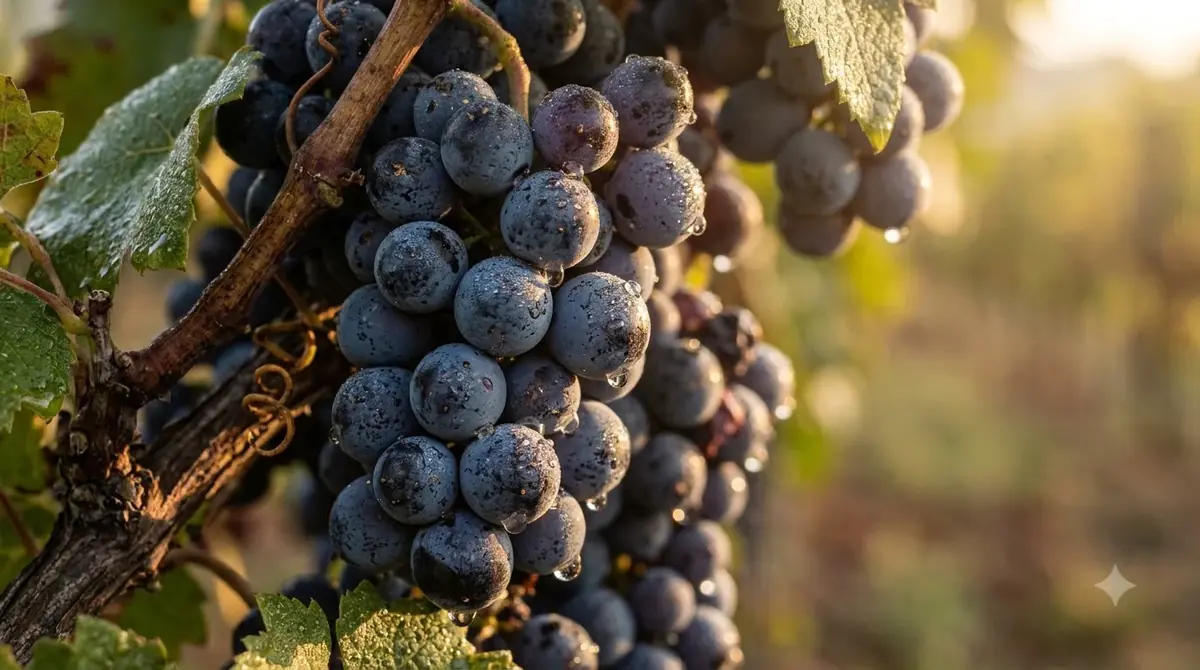
According to Wine Enthusiast, Petite Sirah was California’s sixth most widely planted red-wine variety in 2021, representing more than 11,000 acres. Its popularity reflects the grape’s usefulness as both a standalone varietal wine and a blending component.
Regional differences can influence the final style:
Lodi
Lodi is associated with ripe, expressive fruit and substantial red wines. Petite Sirah from this area can emphasize blackberry, blueberry, pepper, and a dense mouthfeel. The grape’s natural tannin structure makes it suitable for drinkers who enjoy powerful wines with pronounced dark-fruit flavors.
Paso Robles
Paso Robles is another important California area for Petite Sirah. Warm growing conditions can encourage ripe fruit development, while vineyard location and cooler nighttime conditions influence the wine’s balance. Bottlings can show concentrated plum, blackberry, spice, and substantial alcohol.
Livermore and the Sierra Foothills
Livermore has a place in the variety’s California history, while the Sierra Foothills offers another setting for growing deeply colored red grapes. Differences in elevation, soils, and local climate can contribute to variation in ripeness, tannin expression, and aromatic complexity.
Winemaking choices are equally important. Extended skin contact can extract more color and tannin, while oak aging can add vanilla, smoke, and spice. Some producers aim for a powerful, structured wine that benefits from bottle aging, while others focus on softer tannins and earlier drinkability.
Petite Sirah can also be blended with varieties such as Zinfandel and Merlot. Its dark color and high tannin content can contribute structure and intensity to wines that would otherwise be lighter or softer.
Best Food Pairings for Dry Petite Sirah
Dry Petite Sirah pairs particularly well with rich, protein-heavy foods that can stand up to its full body and firm tannins. Grilled beef, barbecue, roasted lamb, and hearty dishes with savory sauces are among the most reliable choices.
The main consideration is balance. Petite Sirah’s strong tannins can seem aggressive alongside delicate foods, while the richness of meat and the softening effect of fat make the wine feel more approachable.
Here are some especially suitable combinations:
- Grilled steak: Ribeye, filet mignon, and other beef cuts complement the wine’s concentrated fruit and tannin structure.
- Barbecue brisket: Smoked meat and a moderately sweet barbecue sauce work particularly well with dark fruit flavors.
- Grilled burgers: Black pepper, bacon, and blue cheese create strong savory flavors that match the wine’s intensity.
- Roasted lamb: Herbs, browned meat, and rich cooking juices complement the wine’s peppery character.
- Smoked pork: Slow-cooked pork shoulder and smoky seasoning provide enough flavor to match the wine.
- Hearty lasagna: Meat sauce, tomato, and melted cheese create a satisfying combination with a bold red.
- Roasted game: Venison and other strongly flavored game meats can work well with concentrated Petite Sirah.
Food sweetness also matters. A slightly sweet barbecue glaze can complement ripe fruit flavors, but the wine should generally be at least as sweet as a genuinely sweet dish. Very sugary sauces can make a dry red taste sharper and more tannic.
Salt and fat help soften the perception of tannin. This is why a fatty ribeye or bacon-topped burger can work better than a lean, lightly seasoned piece of meat.
Be more cautious with spicy dishes. Chili heat can become more pronounced alongside wines with substantial alcohol and tannin. If serving Petite Sirah with spicy barbecue or heavily seasoned food, moderate the chili and emphasize smoky, savory, and slightly sweet flavors instead.
Very delicate seafood and oily fish are generally less suitable choices. Petite Sirah’s powerful tannins can overwhelm subtle fish flavors, and tannic red wines can clash with oily fish. A lighter, more acidic white is usually a better match for those meals.
Serving Temperature, Glassware, and Storage
Petite Sirah is best served slightly cooler than typical room temperature, with approximately 60-65°F being a useful range for full-bodied reds. Serving it too warm can emphasize alcohol, while excessive chilling can suppress its aromas and make its tannins seem more pronounced.
A practical approach is to place the bottle in the refrigerator briefly before serving if it has been stored in a warm room. If the wine feels too cold, allow it to warm gradually in the glass. The goal is to preserve the dark fruit aromas while keeping the alcohol sensation balanced.
Glassware also makes a difference. A large red wine glass with a broad bowl gives the wine room to release its aromas. Pouring approximately 5 ounces allows enough space for swirling without filling the glass to the rim.
For young, particularly full-bodied Petite Sirah, decanting for 30-60 minutes can help soften the initial impression and expose more of the wine’s aromatic character. Older bottles require more care because extended exposure to air may reduce their freshness.
Storage is important if you plan to keep bottles for later enjoyment. Store unopened bottles on their sides in a cool, dark location near 55°F, away from direct sunlight and significant temperature fluctuations.
After opening, reseal the bottle and keep it refrigerated. Most still wines retain their best character for approximately 3-5 days under proper storage conditions, although Petite Sirah may change noticeably as it interacts with oxygen.
For additional wine-style comparisons, see whether rosé is sweet or dry and whether Brut Champagne is sweet or dry. These styles demonstrate how wine sweetness can vary independently of color, grape variety, and serving occasion.
Frequently Asked Questions
Is Petite Sirah naturally sweeter than Cabernet Sauvignon?
No, Petite Sirah is not inherently sweeter than Cabernet Sauvignon. Both are generally made as dry red wines, although their fruit aromas and textures differ. Petite Sirah commonly emphasizes blueberry and blackberry, while Cabernet Sauvignon often shows blackcurrant and cedar.
Can Petite Sirah be used to make rosé wine?
Yes, Petite Sirah can be used to make rosé through limited contact between the grape skins and juice during production. Shorter skin contact generally produces a lighter color than traditional red Petite Sirah. The finished rosé can be dry or made in a sweeter style depending on the producer.
How long can an unopened bottle of Petite Sirah age?
Some structured examples can develop for 10 years or longer, particularly bottles made with substantial tannin and balanced fruit. Wine Enthusiast notes that traditional Petite Sirah could require 10 or more years to soften, although modern examples can become approachable earlier. Aging potential varies considerably by producer, vintage, and storage conditions.
Does Petite Sirah have more alcohol than most red wines?
Many Petite Sirah wines have substantial alcohol, particularly examples made from fully ripe grapes in warm California regions. However, alcohol content varies by producer and vintage rather than being fixed by the grape variety. A particular bottle’s alcohol percentage provides a more reliable indication than the grape name alone.
Is Petite Sirah suitable for making red wine blends?
Yes, Petite Sirah is particularly useful in blends because its deep color and high tannin content can add structure to other red grapes. California producers sometimes combine it with Zinfandel and Merlot. Its contribution can make a blend darker, firmer, and more concentrated without requiring the finished wine to be entirely Petite Sirah.
Petite Sirah is generally a dry red wine, even though its ripe blackberry, blueberry, and chocolate characteristics can suggest sweetness. Its full body, high tannins, and concentrated dark fruit make it an excellent choice for people who enjoy powerful reds with substantial structure. If you prefer dry wines with bold flavors, a California Petite Sirah is a style worth exploring.
More in Wine Types & Grapes
 Zinfandel Sugar Content: Dry Red vs. White Zinfandel GramsUpdated Nov 21, 2026
 Best Zinfandel Substitute Options for Sipping and CookingUpdated Nov 21, 2026
 Zweigelt Food Pairing: Best Dishes, Cheeses, and Serving TipsUpdated Nov 21, 2026
 Zinfandel Tannins Explained: How Structure Shapes Every BottleUpdated Nov 21, 2026
 Zinfandel Sweetness Level: Dry Red vs. Sweet White Zin ExplainedUpdated Nov 21, 2026
 Xinomavro Food Pairing: Best Dishes, Styles, and Serving TipsUpdated Nov 21, 2026