

We may earn a commission when you buy through links on this page, at no extra cost to you. Learn more.
A well-stored bottle can remain enjoyable for several years; that is the practical answer to the question, “how long does tawny port last unopened?” Its best drinking window depends on the style, the bottling date, the seal, and how consistently cool and dark the bottle has been kept. Treat storage as a way to preserve the wine’s existing character, not as a way to make it improve indefinitely.
Tawny Port is a fortified wine whose nutty, dried-fruit character develops mainly during time in wooden casks before bottling. That production method is the reason an unopened tawny behaves differently from bottle-aged Vintage Port. The practical answer is straightforward: buy sound bottles, store them carefully, and enjoy them while their aromas are fresh rather than saving every tawny as a long-term collectible.
How Long Does an Unopened Tawny Port Last?
An unopened tawny Port can keep its quality for several years when the bottle is sound and stored in stable conditions, but there is no single official expiration date for every producer and bottling. The Instituto dos Vinhos do Douro e do Porto (IVDP) explains that Tawny is ready to drink at release, so it does not need the 10, 20, or more years of bottle aging associated with certain Vintage Ports; see the IVDP’s Port category overview.
For a basic Tawny or Tawny Reserve, think of the purchase as a bottle to enjoy in the near to medium term, not a project to hold for 20 more years. A sensible household approach is to drink it within a few years of purchase, especially if you do not know the bottling date or the bottle’s storage history. This is a quality-minded rule of thumb, not a fixed expiration date. A well-sealed bottle kept cool and dark may remain pleasant longer, while prolonged heat or sunlight can shorten its useful drinking window.
Age-indicated Tawny, such as 10, 20, 30, or 40 Year Old, has already spent substantial time maturing in wood before it reaches the store. The age describes the style of the blend, not a promise that the wine will keep gaining complexity at home. For Colheita, note both the harvest year and bottling year: the first identifies the single vintage, while the second tells you when its wood maturation ended. A quality window is not a strict safety deadline; if you are buying a gift for a dinner several years away, choose a legible bottling date and ask the retailer about storage. For bottles without a visible bottling date, keep the receipt or retailer note with the wine so you can identify when it entered your collection. A clear record is especially useful when several bottles of different Tawny categories are stored together.
Why Tawny Port Is Ready to Drink at Bottling
Tawny Port develops much of its defining character before bottling, during controlled aging in wood. The IVDP separates Port into Ruby and Tawny styles: Ruby is made to preserve youthful fruit and can age in the bottle, while Tawny gains its amber color and dried-fruit and wood aromas during cask or vat aging.
Port is fortified with grape spirit and typically contains 19–22% alcohol by volume, according to the IVDP. In a barrel, small amounts of oxygen interact gradually with the wine. Decanter describes controlled oxidation and esterification in small casks, including traditional lodge pipes of about 600–640 liters, as the color shifts from deep ruby toward orange and amber. This deliberate process helps explain Tawny’s notes of walnuts, caramel, dried fig, orange peel, and spice, rather than the vivid black fruit of youthful Ruby Port.
Once bottled, the wine no longer receives the same measured exposure to air through the wood. The IVDP says Tawny categories are ready to drink at bottling, and Decanter notes that Colheita generally will not improve in bottle, although it does not deteriorate quickly simply because it has been bottled. Cellaring Tawny is therefore mainly about preservation.
This differs from Vintage Port, which spends a relatively short period in wood before maturing in bottle for many years. Tawny’s maturity is already built into the wine; a 10- or 20-year-old label is not a prompt to cellar it for another decade or two.
What the Tawny Label Tells You
The word “Tawny” alone does not tell you exactly how long the wine aged, and the different categories do not all use the same date system. The IVDP lists Tawny, Tawny Reserve, Tawny with an Indication of Age, and Colheita; age-indicated bottles commonly use 10, 20, 30, or 40 years, while Colheita identifies a single harvest. Read the category, age indication, and bottling information together to decide when to open the bottle.
| Label category | What the number or name means | Practical unopened-bottle approach |
|---|---|---|
| Basic Tawny | A Tawny blend aged in wood; no age number required | Enjoy within a few years of purchase for freshness |
| Tawny Reserve | Reserve style with additional wood aging; Decanter describes about 7 years in wood | Ready to drink at release; do not cellar for added maturity |
| 10 Year Old Tawny | A blend intended to show a 10-year-old Tawny profile | Drink on your preferred schedule; bottle age is not the advertised age |
| 20 Year Old Tawny | A blend intended to show a 20-year-old Tawny profile | Store cool and dark; it is already mature when bottled |
| 30 or 40 Year Old Tawny | A blend approved for the corresponding older Tawny style | Preserve the existing complexity rather than expecting bottle aging to add it |
| Colheita | Single-harvest Tawny; at least 7 years in wood before bottling | Use the bottling year as a key guide and avoid unnecessary long cellaring |
The numbers on age-indicated labels describe the intended profile of the finished blend, not a simple count of the years every drop spent in a barrel. A 20 Year Old Tawny is not necessarily bottled 20 years after one harvest, and it does not need another 20 years in your cellar. Colheita, by contrast, comes from one harvest year rather than a multi-year blend. Decanter’s Port style guide explains that Colheita must spend at least 7 years in wood and carries both harvest and bottling years on the label.
For a direct comparison, how long does ruby port last unopened covers a Port style built around preserving fresh fruit, while Tawny is built around wood maturation. The difference in aging method is more useful than simply comparing the number printed on two Port bottles.
Best Storage Conditions for an Unopened Bottle
Stable, cool, dark storage gives unopened Tawny the best chance of holding its original aromas and texture. Aim for a consistent temperature near 55°F, keep the bottle away from direct sunlight and heat sources, and avoid frequent swings between warm and cold rooms.
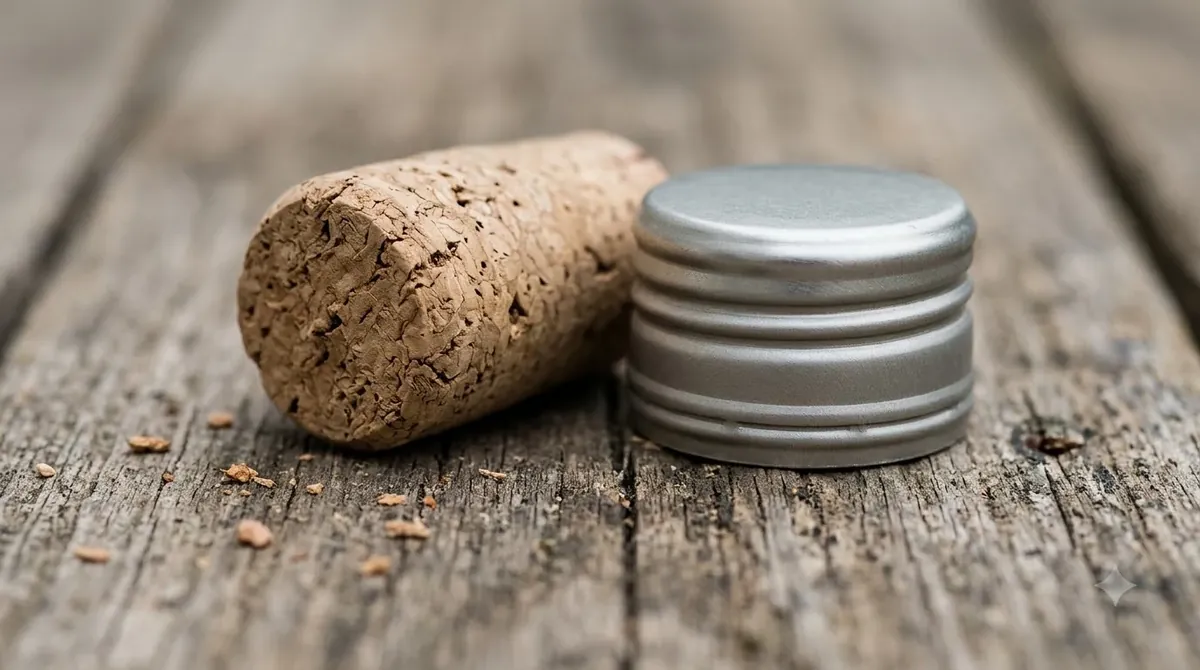
For a natural-cork bottle kept longer than a short period, store it on its side so the cork remains in contact with the wine. A screw-cap bottle can generally stand upright. A shelf above a stove, beside a radiator, or in direct afternoon sun is a poor choice.
Temperature stability matters more than elaborate cellar equipment. Avoid garages, attics, and sheds where summer heat and winter cold can be severe; a consistently cool interior closet is usually better than a bright kitchen counter. A kitchen refrigerator is useful for chilling Tawny and preserving an opened bottle, but it is colder and drier than a good long-term storage space. For an unopened bottle kept for a few years, choose a cool cupboard or wine cabinet with steady conditions.
Tip: Write the purchase date and, for Colheita, the bottling year on a small cellar note. That simple record helps you rotate bottles sensibly without treating the age statement as a future drinking deadline.
How to Judge an Older Unopened Bottle
An old date on a 10-, 20-, or 40-year Tawny bottle does not automatically mean it is past its best, but the closure and storage history matter. Before opening, look for leakage, a pushed or damaged cork, sticky residue around the capsule, or an unusually low fill level. On a bottle with a natural cork, also check whether the capsule looks disturbed or the cork has lifted above the bottle lip. These signs do not prove that the wine is spoiled, but they justify more caution before serving it to guests.
A noticeably low fill level may indicate evaporation or a compromised seal. Wetness or dried wine around the cork can point to seepage, while a cork that has crept upward may suggest heat exposure. When you open the bottle, check the aroma before pouring a full glass: Tawny normally shows nuts, dried fruit, caramel, spice, and sometimes orange peel. A sharp vinegar smell, musty odor, or flat, tired character can signal a bottle that has not held its quality. A little oxidative character is expected, but harsh stale aromas are not.
Color alone is not a pass-or-fail test: Tawny ranges from reddish brown through amber to lighter gold. For an expensive or unusually old bottle, a specialist merchant can assess the cork, fill level, capsule, and provenance, though no external inspection can guarantee the wine’s condition.
When to Open, Serve, and Finish Tawny Port
Because Tawny is mature at bottling, there is little benefit in postponing an enjoyable bottle simply to add more age. Open it when the style suits the occasion, serve it slightly cool, and reseal any remainder promptly so the wine has less contact with air.
The IVDP recommends serving Tawny-style Port at 10–14°C, or about 50–57°F. That is cooler than typical room temperature and helps keep the alcohol from dominating the aromas. A brief chill in the refrigerator followed by a few minutes in the glass is an easy way to find a comfortable temperature, especially for 10- and 20-year-old Tawny.
A 5-ounce pour is a typical wine serving, while a smaller 2- to 3-ounce after-dinner pour can suit fortified Tawny. Use a Port glass or small white-wine glass; the wine pairs well with toasted walnuts, almonds, dried figs, crème caramel, almond tart, or aged cheese; match dessert sweetness with a Port at least as sweet as the dish. After opening, the IVDP gives a guide of 3 to 4 weeks for Tawny and Tawny Reserve, and 1 to 4 months for age-indicated Tawny and Colheita. These are quality guidelines, not guarantees; close the bottle after each pour, refrigerate it, and bring each serving back toward 50–57°F.
Other wine styles follow different storage patterns. For example, how long does boxed wine last unopened focuses on a package with a sealed bag and tap, while how long does cabernet sauvignon last unopened explains the role of tannin and bottle aging in a still red wine. To compare more styles, browse Wine by Type.
Frequently Asked Questions
These answers address common decisions about 10-, 20-, and 40-year Tawny labels, 55°F storage, and the difference between unopened and opened bottles. They are practical checks for preserving quality, not guarantees for every bottling.
Does unopened Tawny Port expire?
Port is not usually sold with a strict drink-by date that predicts the exact moment it becomes undrinkable. A bottle can lose quality gradually if its seal or storage conditions are poor, while sound bottles may remain enjoyable beyond a practical drinking window. Treat the date as a guide to freshness, not a safety deadline.
Should I age a 20 Year Old Tawny for another 20 years?
No. The 20-year indication describes the intended character of the blend, not a countdown that begins when you buy it. Producers blend wines of different ages to achieve that profile, and the wine is released ready to drink.
Can an unopened Tawny Port be stored upright?
A natural-cork bottle is generally better stored on its side for longer storage, while a screw-cap bottle can usually stand upright. If you are unsure which closure is fitted, inspect the top of the bottle before choosing its position. More important than orientation alone is avoiding heat, direct sun, and repeated temperature changes.
Does Colheita Port have a vintage year?
Yes. Colheita comes from a single harvest, and its label identifies both the harvest year and the bottling year. That makes it different from a 10-, 20-, 30-, or 40-year-old Tawny, which is a blend designed to represent an age-related style rather than one harvest.
Can heat damage a sealed bottle of Tawny Port?
Yes. High temperatures can accelerate chemical changes and may compromise the closure, especially if the wine expands and pushes against the cork. A bottle stored for a long period in a hot car, attic, or sunlit window is a greater gamble than one kept in a steady, cool cupboard.
For most drinkers, unopened Tawny Port is best treated as a mature wine to preserve, not a bottle that needs further aging. Keep it cool, dark, and stable, pay attention to the bottling details on Colheita, and open it while its wood-aged aromas are still appealing. That approach gives you the best chance of enjoying the style the producer intended.
More in Wine Types & Grapes
 What Does Ruby Port Taste Like? Flavor Notes, Styles, and Serving TipsUpdated Nov 21, 2026
 What Does Ribolla Gialla Taste Like? Crisp White and Amber Styles ExplainedUpdated Nov 21, 2026
 What Does Semillon Taste Like? Flavor Profile, Styles & PairingsUpdated Nov 21, 2026
 What Does Scuppernong Taste Like? Flavor, Styles, and Pairing GuideUpdated Nov 21, 2026
 What Does Saperavi Taste Like? Flavors, Styles, and Pairing GuideUpdated Nov 21, 2026
 What Does Natural Wine Taste Like? Flavors, Styles, and Serving TipsUpdated Nov 21, 2026