

We may earn a commission when you buy through links on this page, at no extra cost to you. Learn more.
How to serve zinfandel: Serve red Zinfandel slightly cool at 60–65°F in a large-bowled red wine glass, with a short rest in the refrigerator before pouring. This temperature helps preserve its ripe blackberry, raspberry, and plum flavors while keeping alcohol from dominating the aroma. Give a young, full-bodied bottle 30–60 minutes in a decanter if it needs more air, and pair it with grilled meats, barbecue, pizza, or other richly flavored dishes.
Zinfandel is one of California’s most recognizable red wines, known for generous fruit, peppery spice, and a full, sometimes powerful texture. Its serving requirements are straightforward, but a few adjustments make a noticeable difference. The right temperature, glass, pouring technique, and food pairing can help the wine taste balanced rather than overly warm, alcoholic, or heavy. It is also important to distinguish dry red Zinfandel from White Zinfandel, since the two styles need different serving temperatures and food pairings.
The Best Temperature for Serving Red Zinfandel
Serve most red Zinfandel at 60–65°F, slightly cooler than a typical heated living room. This range allows ripe fruit, black pepper, and baking spice to show without making the wine’s alcohol seem overly prominent.
Although red wine is often associated with room temperature, that traditional advice can lead to disappointing results. Modern indoor temperatures are frequently warmer than the conditions under which red wine is best enjoyed. A powerful California Zinfandel served at 70°F or warmer can emphasize alcohol and make its concentrated fruit seem heavy. Cooling the bottle slightly helps restore balance between fruit, acidity, tannin, and alcohol.
For a bottle stored at approximately 65–70°F, begin by placing it in the refrigerator for about 20–25 minutes. Total Wine recommends approximately 20 minutes for red Zinfandel, while Wine Enthusiast suggests around 25 minutes for full-bodied red wines starting at room temperature. These are useful starting points rather than exact requirements because bottle storage temperature, refrigerator performance, and room conditions vary.
Decanter recommends serving young, fruity California Zinfandel at approximately 15°C, or 59°F. This slightly cooler approach is especially useful for fruit-forward bottles that benefit from freshness rather than excessive warmth. The practical target is to serve the wine cool to the touch, then let it warm gradually in the glass.
Use the following temperatures as a practical guide for the main Zinfandel styles:
| Zinfandel style | Serving temperature | Suggested glass |
|---|---|---|
| Dry red Zinfandel | 60–65°F | Large-bowled red wine glass |
| Light-bodied red Zinfandel | 58–62°F | Medium red wine glass |
| White Zinfandel | 45–50°F | White wine glass |
| Other blush Zinfandel | 50–60°F | White or rosé wine glass |
| Late-harvest Zinfandel | 45–55°F | Small dessert wine glass |
These ranges reflect differences in sweetness, body, and winemaking style. A concentrated dry red needs more warmth than a delicate, sweet rosé, while a dessert-style Zinfandel benefits from cooler service to keep its sweetness balanced.
If the bottle becomes too warm during dinner, place it in an ice bucket containing ice and water for a few minutes. Avoid leaving it submerged for an extended period. The goal is to maintain a consistent serving temperature, not to make a red wine refrigerator-cold.
Tip: If you are unsure whether your red Zinfandel is ready, touch the bottle. It should feel slightly cool rather than warm. Start around 20 minutes of refrigeration and adjust according to the wine’s temperature before pouring.
Choosing the Right Zinfandel Wine Glass
A large-bowled red wine glass is an excellent choice for Zinfandel because its generous opening gives concentrated fruit and spice room to develop. A traditional red wine glass is sufficient; you do not need expensive grape-specific stemware to serve the wine properly.
Red Zinfandel commonly features aromas of blackberry, raspberry, cherry, plum, black pepper, and cloves. These aromas can become more noticeable when the wine has sufficient contact with air. A wider bowl gives you room to swirl the wine without spilling and makes it easier to appreciate its changing aromas.
The glass should also have a tapered opening. This shape helps direct aromas toward your nose while providing enough space for the wine to move around the bowl. A medium-to-large red wine glass is a practical choice for most California Zinfandel, including fuller examples from Sonoma, Amador County, and Lodi.
Stemmed glasses are preferable for normal table service because holding the stem reduces direct contact between your hand and the wine. Your hand can gradually warm a glass of wine, particularly during a long meal. A stem also makes swirling easier and keeps fingerprints away from the bowl.
How much wine should you pour?
A standard wine serving is 5 ounces. A typical 750 ml bottle contains approximately 25.4 fluid ounces, which provides about five standard glasses with a small amount left over depending on pouring accuracy.
Do not fill a red wine glass to the rim. Leave enough space to swirl the wine and collect its aromas inside the bowl. A pour of approximately one-third of a generously sized glass is a useful visual guideline, although the exact amount depends on the glass dimensions.
For a dinner party, a 750 ml bottle provides a reasonable starting point for five guests having one glass each. If Zinfandel is the main wine for a longer dinner, plan for additional bottles rather than increasing individual pours. Smaller servings also make it easier for guests to appreciate the wine as it changes temperature.
White Zinfandel is different. Its lighter, often sweeter character makes a white wine glass more appropriate. A smaller bowl and narrower opening help maintain a cooler temperature while allowing its strawberry and raspberry aromas to remain noticeable. For additional guidance on this style, see how to serve white zinfandel.
When to Decant Zinfandel Before Serving
Decanting is optional for Zinfandel, but a young, concentrated bottle can benefit from 30–60 minutes of aeration. Exposure to air can help release aromas and make the wine feel more open, particularly when it initially seems tight or dominated by alcohol.
Not every bottle needs this treatment. A straightforward, fruit-forward Zinfandel that already smells expressive immediately after opening can go directly into glasses. Pouring the wine and gently swirling it often provides enough aeration for casual meals.
For a powerful young red, pour the bottle into a clean decanter approximately 30 minutes before dinner. If the wine still seems closed, allow another 15–30 minutes and taste again. This gradual approach is more useful than automatically leaving every bottle open for an hour or longer.
Zinfandel can have substantial alcohol and concentrated fruit, so aeration should improve its balance rather than simply expose it to air for as long as possible. If the wine starts showing less freshness or its fruit seems to fade, pour it into glasses rather than continuing to leave it in the decanter.
Decanting older Zinfandel
Older bottles require a different approach. Mature Zinfandel can develop more delicate aromas, including dried fruit, leather, tobacco, and earthy notes. Excessive aeration may cause these characteristics to fade faster than expected.
If an older bottle contains sediment, stand it upright for approximately 12 hours before opening. This gives particles time to settle toward the bottom. Then pour slowly into a decanter, stopping when the sediment approaches the neck of the bottle.
Use a light source behind the bottle to monitor the wine as it flows. The objective is to separate the clear wine from the sediment, not to expose the entire bottle to unnecessary air. Once separated, serve the wine promptly and avoid assuming that a mature Zinfandel needs the same treatment as a young, powerful one.
For an ordinary bottle, opening it shortly before dinner is usually enough. For a young, structured red that needs additional air, a short decant is a useful option rather than a compulsory step.
Best Foods to Pair With Zinfandel
Red Zinfandel pairs especially well with grilled meat, barbecue, tomato-based dishes, and strongly seasoned foods. Its ripe fruit, peppery spice, and full-bodied texture complement savory flavors that might overwhelm a lighter red wine.
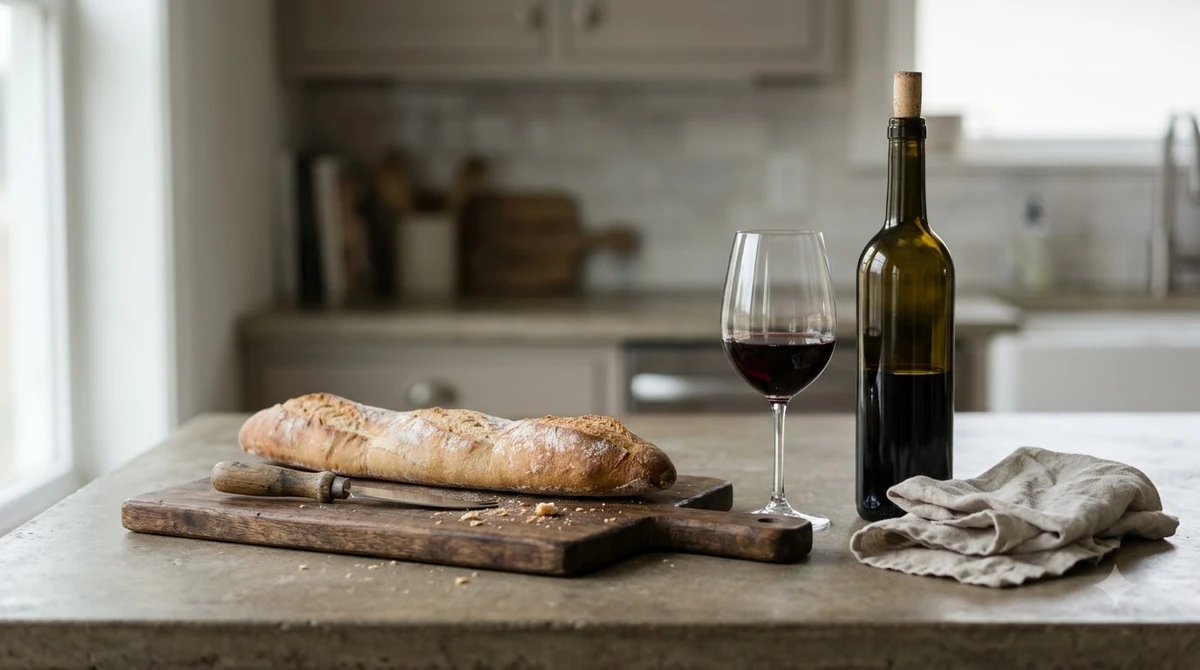
Barbecue is one of the most natural matches. The wine’s dark fruit works with smoky ribs, grilled beef, pulled pork, and sticky barbecue sauces. Sweetness in a sauce can make a dry wine seem more tart, so a fruit-forward Zinfandel is generally a better match than a particularly austere or delicate red.
Grilled burgers and sausages also work well. The fat and savory richness of the meat help soften the sensation of tannin, while charred surfaces bring out the wine’s peppery and smoky characteristics. A burger with aged cheddar, caramelized onions, or a smoky tomato relish is an especially practical pairing.
Tomato dishes and Italian food
Pizza and lasagna are dependable choices because tomato sauce, cheese, and savory toppings can complement Zinfandel’s fruit concentration. The wine also has enough body to stand alongside dishes containing sausage, roasted vegetables, and rich meat sauces.
Tomatoes are naturally acidic, so choose a Zinfandel with enough freshness to stand up to the sauce. A wine that tastes soft and overly ripe beside a sharp tomato-based dish may seem flatter than expected. A more balanced example with lively fruit and moderate freshness will usually perform better.
Other suitable dishes include baked ziti, meatballs in tomato sauce, grilled eggplant, and roasted mushrooms. These foods have sufficient flavor and texture to complement the wine without making its fruit character disappear.
Cheese and charcuterie
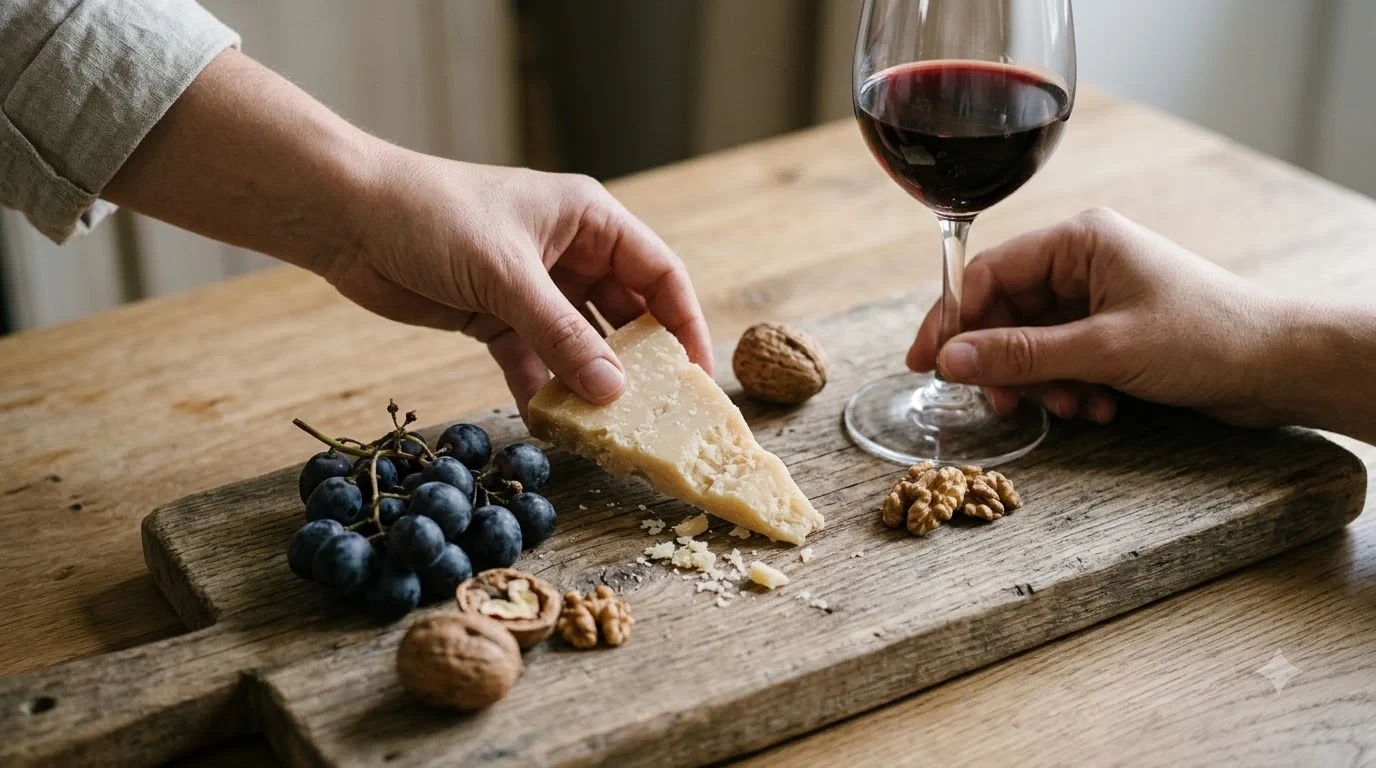
Zinfandel works with flavorful cheeses such as aged Gouda, sharp cheddar, and smoked cheeses. Their richness and savory character can balance the wine’s concentrated fruit and tannin.
For a simple appetizer board, combine aged cheddar, smoked Gouda, cured sausage, roasted peppers, olives, and crusty bread. The different textures make the wine easier to enjoy throughout the meal. Blue cheese can also work with some fruit-forward examples, particularly when served with a small amount of dried fruit.
Foods to approach carefully
Very spicy dishes require attention because alcohol and tannin can amplify chili heat. A heavily peppered Zinfandel alongside intensely hot chili or spicy wings may make the meal seem hotter than intended. Choose a less spicy preparation or a softer, fruitier bottle if the food contains substantial chili.
Delicate white fish and oily fish are generally less successful matches for tannic red Zinfandel. The wine’s weight can overwhelm the fish, and its tannins can create an unpleasant contrast with oily textures. A crisp white wine or a suitable rosé is often a better choice.
For seafood, chicken, and lighter salads, White Zinfandel is usually more appropriate than a full-bodied red. You can compare its serving approach with how to serve pinot grigio when planning a menu with lighter dishes.
Understanding Red Zinfandel, White Zinfandel, and Regional Styles
Zinfandel is one grape variety used to make several different wine styles, including dry red wine, blush rosé, and sweet late-harvest wine. Understanding the style is essential because serving temperature, glass choice, and food pairing change considerably between these wines.
Red Zinfandel is generally the fullest-bodied expression. Its aromas can include ripe blackberry, raspberry, cherry, plum, black pepper, and cloves. Depending on the vineyard and winemaking approach, the wine may feel juicy and approachable or concentrated and powerful.
White Zinfandel is a pink rosé wine made from the same red grape. Despite its name, it is not a conventional white wine. Many examples have noticeable sweetness and refreshing fruit flavors, making them suitable for lighter meals, seafood, chicken, and salads.
Late-harvest Zinfandel is another distinct style. It is made from grapes with concentrated sugars and can display flavors of raisins, dark fruit preserves, candied plum, and chocolate. Because this style is sweet, serve it cooler and use smaller dessert-sized pours.
California regions and their differences
California is especially important to Zinfandel’s identity. The Wine Institute describes blackberry, raspberry, boysenberry, cherry, black pepper, cloves, anise, and herbs as common descriptors of the grape. Its California Zinfandel information also explains the variety’s historical connection with the state and its genetic relationship to Primitivo and the Croatian grape Crljenak Kaštelanski.
Sonoma County’s Dry Creek Valley is associated with bright red and dark fruit, including raspberry, blackberry, and pomegranate. These wines can have a lively fruit profile and a rich texture, making them excellent choices for grilled meats and tomato-based dishes.
Amador County, in California’s Sierra Foothills, is known for bolder Zinfandel styles. Warmer growing conditions can produce wines with concentrated blackberry, plum, licorice, and clove characteristics. These wines often work particularly well with smoky barbecue, roasted beef, and hearty dishes.
Lodi is another important California growing area. Its Zinfandel can show generous dark fruit and spice, making it a useful style to explore if you prefer wines with an approachable, fruit-forward character. Napa Valley also produces Zinfandel, including examples with silky textures and spicy blackberry flavors.
These regional differences do not require completely different serving equipment. A large red wine glass and a temperature around 60–65°F remain useful starting points for most dry red examples. The main adjustment is how long to aerate the bottle and which foods will complement its particular balance of fruit, tannin, and alcohol.
Serving Zinfandel at Dinner Parties and Special Occasions
Zinfandel is a versatile dinner wine because its concentrated fruit and substantial body can accompany a range of familiar dishes. For a successful meal, prepare the bottle shortly before serving, maintain a cool temperature, and choose food with enough flavor to stand alongside the wine.
For a casual dinner, serve red Zinfandel with burgers, grilled sausages, pizza, or barbecue chicken. These foods do not require elaborate preparation, and their savory flavors complement the wine’s ripe fruit and spice.
For a more formal dinner, consider grilled lamb, roast beef, or a slow-cooked beef dish. A more structured Zinfandel can handle richer meat preparations, while a softer, fruitier bottle works with dishes that have a slightly sweeter glaze.
For a vegetarian menu, consider grilled eggplant, roasted mushrooms, caramelized onions, tomato-based pasta, or baked beans. The key is to use substantial ingredients with roasted, smoky, or savory flavors. A delicate vegetable dish may disappear beside a powerful red wine.
A practical serving schedule
Preparing the wine in advance helps avoid last-minute temperature problems. Use this schedule for a typical dinner beginning at 7 p.m. with a bottle stored at ordinary room temperature.
| Time | Serving task |
|---|---|
| 6:15 p.m. | Check the bottle and prepare the glasses. |
| 6:25 p.m. | Place the red Zinfandel in the refrigerator. |
| 6:45 p.m. | Remove the bottle and open it. |
| 6:50 p.m. | Decant if the young wine needs additional aeration. |
| 7:00 p.m. | Serve at approximately 60–65°F. |
| During dinner | Keep the remaining wine cool and pour moderate servings. |
This schedule is a starting point, not a fixed requirement. If the bottle is already stored at cellar temperature, it may need less refrigeration. If the room is particularly warm, keep the bottle in a wine cooler or an ice bucket between pours.
When serving several wines, consider the order carefully. A lighter wine such as Pinot Gris or Pinot Grigio can precede a full-bodied Zinfandel. This helps guests appreciate the lighter wine before moving to the richer red. See how to serve pinot gris for guidance on the cooler serving conditions appropriate for that style.
For a tasting with several Zinfandel bottles, use the same glass and similar serving temperatures for each wine. This makes comparisons easier because differences in the wine are less likely to be caused by different glass shapes or excessive temperature variation.
Storing Opened Zinfandel and Keeping It Fresh
After opening a bottle of red Zinfandel, reseal it and store it in the refrigerator. Most opened still wines are best enjoyed within 3–5 days, although the exact period depends on the wine’s age, condition, and exposure to oxygen.
Oxygen gradually changes wine after opening. A small amount of exposure can initially help aromas develop, but extended contact eventually causes fruit flavors to fade and oxidation characteristics to become more noticeable. A bottle left uncorked on a warm kitchen counter will generally lose freshness faster than one properly resealed and refrigerated.
Replace the original cork securely or use a suitable wine stopper. Store the bottle upright in the refrigerator to minimize the exposed surface area. When ready to drink again, remove it from the refrigerator and allow the wine to approach its serving temperature.
For red Zinfandel, approximately 15–25 minutes outside the refrigerator may be sufficient, depending on the bottle’s temperature and the room. Taste a small pour before serving the remaining wine. If the fruit remains fresh and the aromas are pleasant, it is generally ready to enjoy.
Long-term storage for unopened bottles
Unopened Zinfandel should be stored in a cool, dark location with a stable temperature near 55°F. Avoid placing wine near ovens, radiators, sunny windows, or appliances that produce substantial heat.
For bottles sealed with natural cork, horizontal storage keeps the cork in contact with the wine and helps prevent it from drying out. Limit vibration and avoid frequent temperature changes. A dedicated wine refrigerator is useful when a consistent storage environment is not otherwise available.
Not every Zinfandel is intended for long-term aging. Many fruit-forward bottles are made to be enjoyed relatively young, while concentrated examples from suitable vineyards can develop additional complexity with time. The producer’s style, grape concentration, acidity, tannin, and storage conditions all influence aging potential.
For an everyday bottle, there is little reason to hold it indefinitely. Enjoying it while its fruit remains expressive is often the best approach. A particularly structured old-vine Zinfandel may deserve more time, but aging should be based on the individual wine rather than the grape name alone.
Frequently Asked Questions
Does Zinfandel have to be served at room temperature?
No. Red Zinfandel generally tastes better slightly cooler than a typical heated room, with 60–65°F being a useful target. The traditional room-temperature advice comes from conditions that were often cooler than modern indoor environments. A cool bottle helps prevent alcohol from dominating the wine’s fruit aromas.
Is Zinfandel the same grape as Primitivo?
Yes. DNA analysis established that Zinfandel and Italy’s Primitivo are genetically identical varieties, with the Croatian grape Crljenak Kaštelanski also belonging to the same genetic family. Their wines can still taste different because growing conditions, vineyard practices, ripeness, and winemaking influence the finished bottle.
Does old-vine Zinfandel need different serving treatment?
Not necessarily. Old-vine Zinfandel can have concentrated fruit and more developed complexity, but the ideal temperature still depends on its body and style. Some mature bottles benefit from careful sediment separation, while others are best opened shortly before serving to preserve their delicate aromas.
Can Zinfandel be served with chocolate desserts?
Yes, particularly when the wine is a sweet late-harvest Zinfandel with concentrated dark-fruit flavors. Pairing the sweetness of the wine with a similarly sweet dessert helps prevent the wine from tasting sour or harsh. A dry red Zinfandel is generally less suitable for very sweet chocolate desserts.
Why does Zinfandel sometimes taste like jam or raisins?
Zinfandel grapes can ripen unevenly, with some berries becoming raisin-like while other berries are still ripening. Those concentrated grapes contribute to the variety’s ripe fruit character and can increase the sugar available during fermentation. Winemaking choices and growing conditions also influence whether the finished wine tastes fresh and berry-driven or concentrated and jammy.
Serving Zinfandel well comes down to a few practical decisions: keep dry red examples around 60–65°F, choose a generous red wine glass, and decant young, concentrated bottles only when they need extra air. Match the wine with barbecue, grilled meats, tomato-based dishes, or flavorful cheeses to make the most of its fruit and spice. With the right temperature and food, Zinfandel is an approachable and rewarding choice for everyday dinners and special occasions alike.
More in Wine Types & Grapes
 What Does Mourvèdre Taste Like? Flavor Profile, Regions, and PairingsUpdated Nov 20, 2026
 What Does Marsanne Taste Like? Flavors, Styles, and Food PairingsUpdated Nov 20, 2026
 What Does Malvasia Taste Like? Styles, Flavors, and Food PairingsUpdated Nov 20, 2026
 What Does Grenache Blanc Taste Like? Flavor Profile, Styles, and PairingsUpdated Nov 20, 2026
 What Does Garnacha Taste Like? Key Flavors, Styles, and Pairing TipsUpdated Nov 20, 2026
 What Does Fruit Wine Taste Like? A Complete Flavor and Style BreakdownUpdated Nov 20, 2026