

We may earn a commission when you buy through links on this page, at no extra cost to you. Learn more.
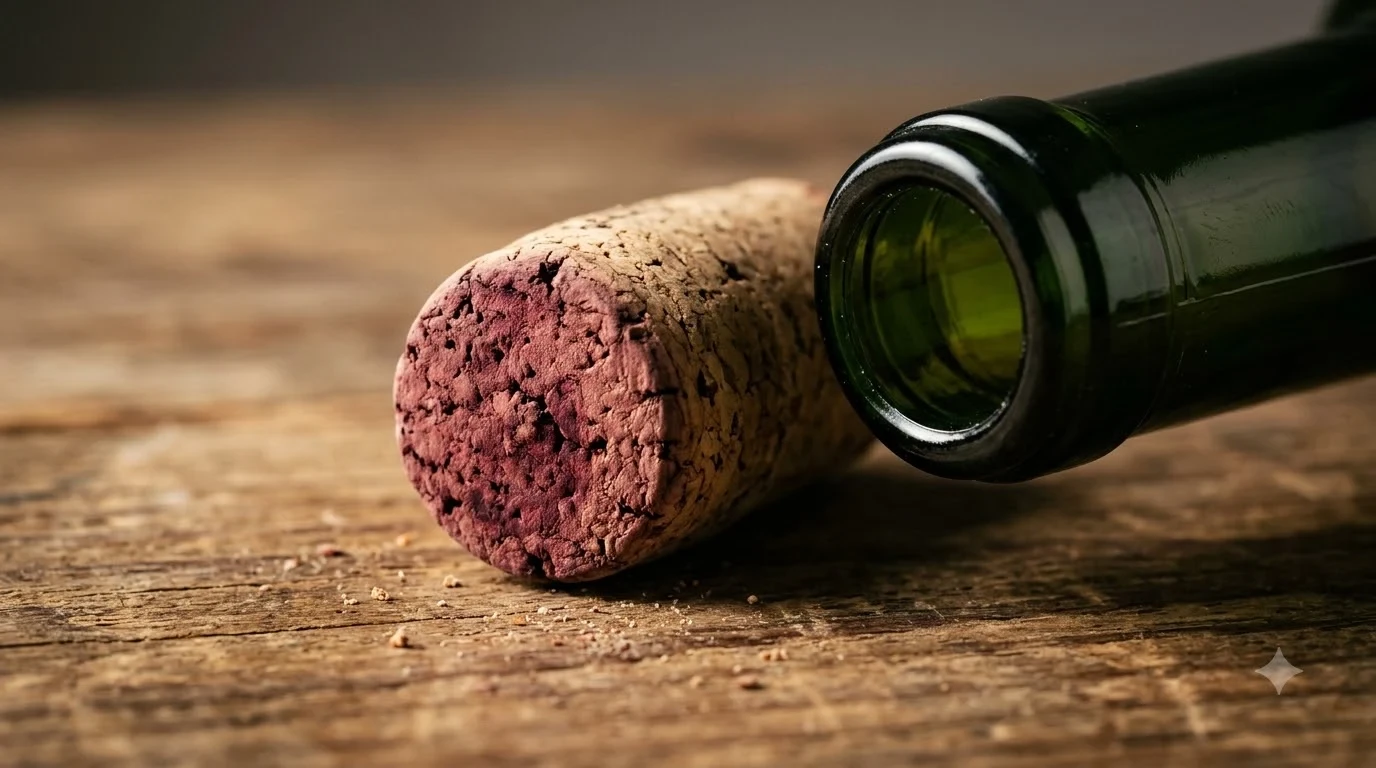
How long does non alcoholic wine last unopened? Most unopened nonalcoholic wines last approximately two years when stored properly, although the exact shelf life depends on the producer, packaging, and preservation methods. Some brands recommend drinking their bottles within 12 months for the best flavor, even when the stated shelf life is longer. Keeping the wine in a cool, dark location and following its printed best-by date helps preserve its original character.
Nonalcoholic wine can be a convenient alternative to traditional wine, but it does not necessarily have the same storage characteristics. Removing alcohol changes the beverage, and different producers use different stabilization methods, ingredients, and packaging. Whether you have a bottle of alcohol-free Cabernet Sauvignon, a crisp white, or sparkling rosé, understanding its shelf life helps you avoid disappointing flavors and unnecessary waste.
Typical Shelf Life of Unopened Nonalcoholic Wine
Most unopened nonalcoholic wines have a typical shelf life of around two years when kept in suitable storage conditions. However, the actual recommendation varies by brand, and some producers encourage drinking their wines earlier for the best flavor.
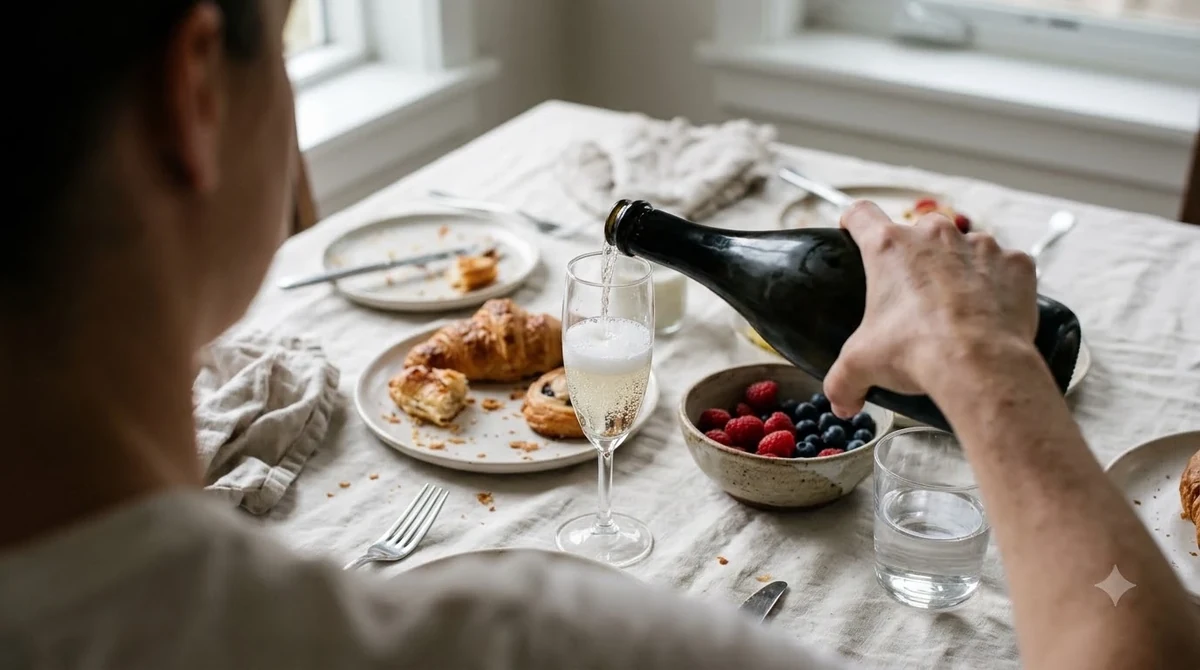
For example, Surely states that its wines have a shelf life of two years under proper storage conditions but recommends consuming them within 12 months of purchase. Sovi also describes a typical best-by period of two years from bottling or canning. These examples provide a useful reference, but they do not establish a universal expiration date for every alcohol-free wine.
The difference between a stated shelf life and a recommended drinking window is important. A bottle may remain within its producer’s stated shelf life while gradually losing some of its original fruit aromas, freshness, and balance. A recommendation to drink within 12 months often reflects a quality preference rather than a separate expiration deadline.
VINADA provides another example of how recommendations vary. The producer recommends consuming its unopened wines within three years of production for optimal taste and quality. That longer period does not mean every nonalcoholic wine can be stored for three years. It applies to the producer’s own products and storage guidance.
Use the following comparison to understand how individual producers approach unopened storage and shelf life:
| Producer | Unopened shelf-life guidance | Storage recommendation |
|---|---|---|
| Surely | 2 years; preferably within 12 months of purchase | Cool, dark place; bottles on their sides |
| Sovi | Typically 2 years from bottling or canning | Cool place; refrigeration unnecessary before opening |
| VINADA | Within 3 years of production for optimal quality | Upright, cool, dark environment |
The three recommendations illustrate why checking the producer’s instructions matters more than relying on a single industry-wide estimate. VINADA recommends a three-year period, while Surely and Sovi use a two-year reference period. Packaging, processing, and individual product formulations influence these differences.
For practical planning, treat two years as a useful general estimate rather than a guarantee. If you are buying several bottles for a future celebration, prioritize those with the latest best-by dates and avoid storing them longer than necessary.
Why Nonalcoholic Wine Has a Different Shelf Life
Nonalcoholic wine has different preservation characteristics because much of its alcohol has been removed or because it was produced without traditional fermentation. Alcohol contributes to the structure and preservation characteristics of conventional wine, so removing it changes how the finished beverage behaves during storage.
Most alcohol-removed wines begin as traditionally fermented wine. Producers then use specialized processes to separate alcohol while retaining as much of the original aroma and flavor as possible. Vacuum distillation and spinning cone technology are examples of methods used for this purpose. Sovi describes vacuum distillation as a process that removes alcohol while retaining delicate wine aromas.
After alcohol removal, the beverage may undergo additional filtration, stabilization, or blending. These production decisions influence how well it maintains its quality while sealed. VINADA, for instance, explains that its wines undergo filtration and stabilization after dealcoholization.
Alcohol-removed wine versus wine alternatives
Not every beverage marketed as a wine alternative is produced in the same way. Alcohol-removed wine undergoes fermentation before alcohol extraction, whereas proxy wine is made using ingredients such as grape juice without the traditional fermentation process. These differences affect flavor, ingredients, and potentially storage requirements.
Some alcohol-free alternatives also contain added grape juice or other ingredients to adjust sweetness and body. A product made with additional fruit ingredients may have different preservation requirements from a stabilized dealcoholized wine. This is another reason not to assume that every bottle has an identical two-year shelf life.
Residual alcohol also varies. Many alcohol-removed wines contain less than 0.5% alcohol by volume, although some products contain no detectable alcohol. The exact figure depends on the production method and the finished product.
For a closer look at how alcohol-removed wine is produced, Surely’s explanation of its winemaking and dealcoholization process describes the fermentation and spinning cone technology used to produce its wines.
For a broader explanation of different wine styles, production methods, and characteristics, explore our Wine by Type resource.
Best Storage Conditions for Unopened Bottles
Store unopened nonalcoholic wine in a cool, dark place with a relatively stable temperature. Avoid direct sunlight, warm cupboards, windowsills, and locations near appliances that produce heat. Consistent conditions help protect the wine’s aromas and flavor throughout its intended shelf life.
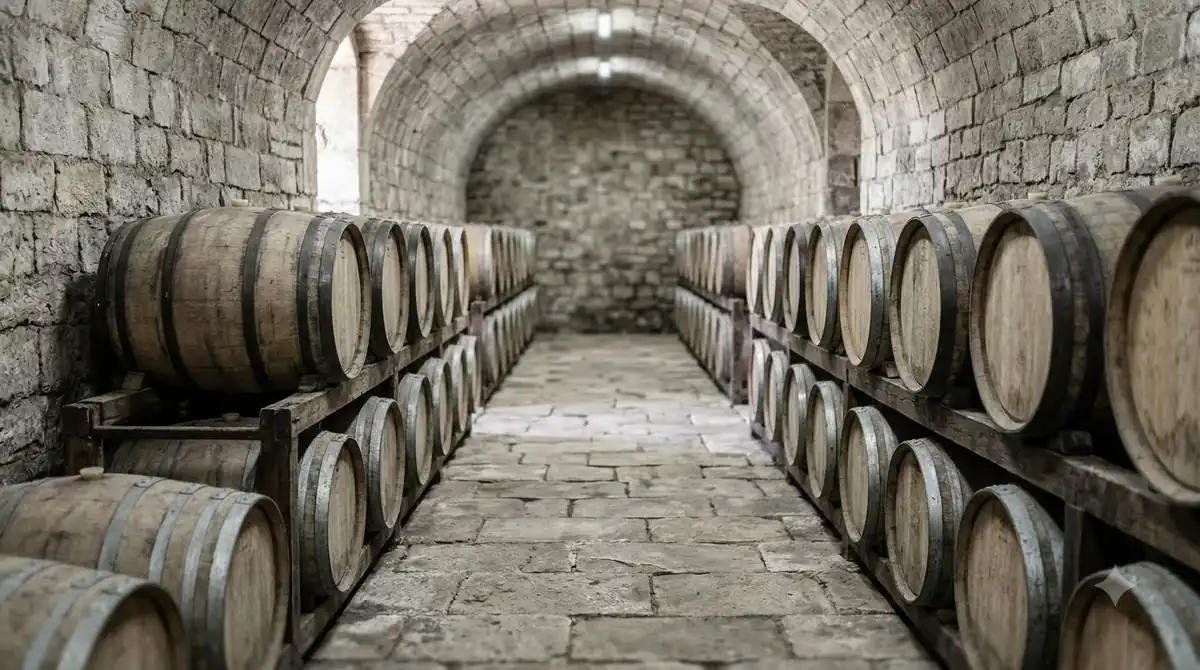
Refrigeration is not automatically necessary for every unopened bottle. Sovi specifically states that its unopened wines do not require refrigeration, provided they are stored somewhere cool. However, some other products may have different instructions, so follow the individual producer’s recommendations rather than assuming all alcohol-free wines should be stored identically.
Temperature stability is especially important. Repeated changes between warm and cold conditions can be undesirable for wine quality, particularly when bottles are exposed to direct heat for extended periods. A pantry, dark cupboard, or temperature-controlled storage area can be suitable when it remains consistently cool.
Should you store bottles upright or horizontally?
Bottle orientation depends partly on the closure and the manufacturer’s advice. Surely recommends storing its unopened bottles on their sides, while VINADA recommends upright storage. Neither instruction should be treated as a universal rule for every alcohol-free wine.
Traditional wine storage often emphasizes horizontal positioning for natural cork closures because keeping the cork in contact with the liquid helps prevent it from drying out. However, screw-cap bottles and other modern closures do not necessarily require the same approach. If a producer gives a specific orientation recommendation, follow it.
Keep bottles away from strong odors, excessive vibration, and bright natural or artificial light. Although a sealed bottle is protected from direct environmental exposure, poor storage conditions can still contribute to gradual quality deterioration.
Tip: Choose one consistently cool storage location rather than repeatedly moving bottles between a warm kitchen, a sunny counter, and a refrigerator. Write the purchase date on the carton if you are storing several bottles for future occasions.
Does Refrigeration Extend the Shelf Life Before Opening?
Refrigerating unopened nonalcoholic wine is not a universal requirement, and it does not automatically extend the manufacturer’s stated shelf life. For many products, a cool cupboard provides suitable storage until the bottle is ready to serve.
The distinction between storage and serving temperature matters. A wine may be stored safely in a cool location and then chilled shortly before consumption. VINADA recommends serving its wines between 6 and 8°C, approximately 43 to 46°F. This is a serving recommendation, not a requirement that every unopened bottle remain refrigerated throughout its entire storage period.
For white, rosé, and sparkling styles, chilling before serving helps present their freshness and aromatic characteristics. Red nonalcoholic wines may also benefit from moderate cooling, depending on the style. The serving temperature should suit the particular wine rather than being confused with its long-term storage temperature.
When should you refrigerate an unopened bottle?
Refrigeration is a practical option when your home does not have a reliably cool storage area. A refrigerator can provide a more stable environment than a kitchen cabinet exposed to summer heat. However, avoid placing bottles in a location where they may freeze or experience repeated temperature fluctuations.
Follow any instructions that specifically say to keep a product refrigerated before opening. This is particularly relevant for certain alternative wine beverages that may have different ingredients or processing methods from traditional dealcoholized wine.
Also consider the amount of time you intend to store the bottle. If you are purchasing wine for a party next weekend, refrigeration may be convenient. If you are storing several bottles for a future occasion, a consistently cool and dark storage space is generally more practical when the manufacturer permits it.
How to Recognize Nonalcoholic Wine That Has Lost Quality
An unopened bottle can lose quality before its stated best-by date if it has been exposed to unfavorable storage conditions or if its seal has been compromised. Changes in appearance, unusual odors, leakage, and damaged packaging are reasons to inspect the product carefully before serving.
Start by examining the closure and bottle. A loose cap, damaged cork, leaking liquid, or sticky residue around the neck can indicate that the seal is no longer reliable. Also look for unusual pressure changes, damaged cans, or compromised packaging on sparkling products.
Appearance provides another useful clue. Some nonalcoholic wines naturally have darker colors than their alcoholic counterparts because of the dealcoholization process. Surely explains that its wines may show concentrated color, tannins, and other phenolic compounds. Therefore, a darker appearance alone does not prove that a bottle has spoiled.
Signs that deserve attention
Unusual cloudiness, unexpected sediment, or a significant color change can indicate deterioration, although individual wine styles may naturally have some variation. For example, a red wine may have a deeper color than expected, while a white wine may naturally vary in shade depending on its grape variety and production method.
Odor is another important indicator once a bottle has been opened. Vinegar-like smells, unpleasant sour aromas, or musty odors can indicate that the wine has deteriorated. A noticeable loss of fresh fruit character and an unpleasant, flat flavor are additional quality concerns.
Never assume that an intact bottle is necessarily in good condition just because its printed date has not passed. Conversely, a best-before date is generally a quality guideline rather than an automatic indication that a product becomes unsuitable immediately afterward. Packaging integrity, storage history, and the manufacturer’s instructions all matter.
If the seal is damaged, the contents show unexpected changes, or the beverage smells clearly abnormal, do not rely on tasting it to determine whether it is suitable to drink. Discard a questionable bottle rather than attempting to rescue it.
How Different Nonalcoholic Wine Styles Compare
Nonalcoholic wine comes in several styles, including red, white, rosé, and sparkling varieties. Their ingredients, production methods, and packaging can influence their recommended storage periods, so a shelf-life estimate for one bottle should not automatically be applied to another.
Still red wines are often modeled on varieties such as Cabernet Sauvignon, Merlot, and Pinot Noir. Their dealcoholized versions can have different structures and flavor profiles from traditional wines, particularly because alcohol contributes to body and texture. Their unopened shelf life still depends primarily on the producer’s processing, stabilization, closure, and storage recommendations.
White and rosé wines are commonly made to emphasize freshness and fruit character. Their aromas may gradually become less expressive during extended storage, especially if bottles are kept in warm or brightly lit conditions. Buying them closer to the intended drinking date is a sensible approach when freshness is the priority.
Still versus sparkling alternatives
Sparkling nonalcoholic wine introduces another consideration: carbonation. The sealed packaging must retain pressure to preserve the bubbles, making closure quality particularly important. A damaged cap or compromised seal can affect the product’s carbonation even if the bottle has not reached its best-by date.
Cans also have different storage considerations from glass bottles. Surely recommends storing its unopened cans upright, while its bottled wines are stored horizontally. Sovi provides best-by dates for both bottles and cans, typically based on two years from packaging.
When buying sparkling alternatives, pay attention to the packaging and avoid bottles with signs of leakage or damage. Store them according to the manufacturer’s directions and chill them before serving. A bottle that has been stored properly but has lost its carbonation may no longer deliver the intended drinking experience.
For comparison, traditional wine has its own storage expectations. A bottle of Cabernet Sauvignon stored unopened may have a different aging potential because it retains alcohol and is produced with different characteristics. Nonalcoholic wine is generally intended to be enjoyed relatively young rather than kept for long-term cellar aging.
Buying and Organizing Nonalcoholic Wine for Longer Storage
Good storage begins when you purchase the bottle. If you are buying several nonalcoholic wines for an upcoming event, compare their best-by dates and choose bottles with sufficient time remaining before your planned occasion. This is particularly useful when selecting different styles for a large gathering or stocking a home beverage collection.
Check the packaging for visible damage and avoid bottles that have been exposed to strong sunlight or excessive heat on a retail display. If the wine is sold in a multipack, examine the individual bottles rather than relying solely on the outside carton. A damaged closure on one bottle does not necessarily mean every bottle in the package has the same problem.
Once you bring the wine home, organize bottles by their best-by dates. Place those intended for earlier consumption toward the front of the storage area and keep newer purchases behind them. This simple first-in, first-out system reduces the chance of forgetting older bottles.
Planning purchases around drinking dates
For a celebration taking place within a few weeks, buying wine relatively close to the event is an easy way to reduce storage concerns. For a gathering several months away, choose products with clearly printed dates and storage instructions that suit your available space.
Buying a mixed selection can also help prevent a surplus of one particular style. For example, a gathering might include nonalcoholic sparkling wine for an opening toast, white wine for lighter dishes, and red wine for a main course. Keep the intended serving dates in mind so each bottle is used while its flavor remains fresh.
If you regularly purchase both traditional and nonalcoholic wine, keep their storage plans separate. Conventional wine may have an aging potential that certain alcohol-free alternatives do not. A bottle of nonalcoholic wine should not automatically be treated as a collectible cellar wine simply because it is sealed.
For another useful comparison, see our guide to how long boxed wine lasts unopened. Boxed wine has a different packaging system and storage characteristics, so its recommended shelf life should not be transferred directly to bottled nonalcoholic wine.
Frequently Asked Questions
Can nonalcoholic wine freeze during storage?
Yes. Nonalcoholic wine can freeze because removing alcohol raises its freezing point compared with conventional wine. Freezing also causes liquid to expand, potentially damaging the closure or container. Avoid leaving bottles in a freezer for extended periods.
Does a 0.0% label mean the wine lasts longer?
No. The alcohol percentage alone does not establish shelf life. Processing methods, acidity, preservatives, filtration, packaging, and storage conditions also influence how long a product maintains its quality. A 0.0% wine can have a shorter or longer recommended shelf life than another alcohol-free product.
Can unopened nonalcoholic wine be stored in a garage?
A garage is suitable only if its temperature remains consistently cool and the bottles are protected from sunlight. Many garages experience substantial seasonal temperature changes, especially in summer. A dark indoor cupboard is usually a more dependable option.
Does an unopened bottle need a wine preservation stopper?
No. A preservation stopper is intended for bottles that have already been opened. An intact original screw cap, cork, or sparkling-wine closure should remain in place during storage. Additional closures are unnecessary unless the original packaging has been opened and the producer recommends a particular replacement.
Does pasteurization guarantee a longer shelf life?
No. Pasteurization can reduce certain microorganisms, but it does not independently determine the finished product’s shelf life. Other factors, including filtration, bottling hygiene, packaging integrity, and storage temperature, also influence product stability. The producer’s stated storage period remains the appropriate reference.
Most unopened nonalcoholic wine is best enjoyed within approximately two years, although individual producers may recommend shorter or longer periods. Store bottles in a consistently cool, dark location, protect their closures, and pay attention to the printed best-by date. With sensible purchasing and storage habits, you can enjoy your alcohol-free wine while its intended aromas, freshness, and flavor are at their best.
More in Wine Types & Grapes
 What Does Ruby Port Taste Like? Flavor Notes, Styles, and Serving TipsUpdated Nov 21, 2026
 What Does Ribolla Gialla Taste Like? Crisp White and Amber Styles ExplainedUpdated Nov 21, 2026
 What Does Semillon Taste Like? Flavor Profile, Styles & PairingsUpdated Nov 21, 2026
 What Does Scuppernong Taste Like? Flavor, Styles, and Pairing GuideUpdated Nov 21, 2026
 What Does Saperavi Taste Like? Flavors, Styles, and Pairing GuideUpdated Nov 21, 2026
 What Does Natural Wine Taste Like? Flavors, Styles, and Serving TipsUpdated Nov 21, 2026