

We may earn a commission when you buy through links on this page, at no extra cost to you. Learn more.
Vinho verde wineries are found across nine wine subregions in northwestern Portugal, with leading producers such as Quinta de Soalheiro, Anselmo Mendes, Quinta do Ameal, and Quinta de Covela specializing in distinctive native grapes and regional wine styles. Their wines range from crisp, aromatic Loureiro and concentrated Alvarinho to textured Avesso, traditional reds, rosés, and sparkling bottlings. Exploring producers by subregion is one of the best ways to understand why this Portuguese wine region offers considerably more diversity than its familiar light, slightly fizzy white wines suggest.
Vinho Verde has developed an international reputation for refreshing white wine, but its wineries tell a much broader story. Family estates, established cooperatives, independent winemakers, and innovative agricultural projects all contribute to the region’s character. Some concentrate on expressive single-variety wines, while others preserve traditional vineyard practices or experiment with extended lees contact, oak, amphora fermentation, and biodynamic farming. Understanding the producers behind these bottles makes it easier to choose wines that reflect the particular landscapes and grapes of northern Portugal.
Understanding the Vinho Verde Wine Region
Vinho Verde occupies the northwestern corner of Portugal, between the Minho River in the north, the Atlantic Ocean in the west, and mountainous landscapes toward the east and south. Officially demarcated in 1908, the region has nine recognized subregions, each with its own combination of climate, soils, grape varieties, and winemaking traditions.
Granite dominates much of the vineyard landscape, although schist and other soil formations also occur. The Atlantic brings moisture, rainfall, and cooling breezes, while inland elevations and greater continental influence can produce warmer growing conditions. These differences help explain why coastal Loureiro wines can taste very different from concentrated Alvarinho or Avesso produced farther inland.
The nine subregions are Amarante, Ave, Baião, Basto, Cávado, Lima, Monção e Melgaço, Paiva, and Sousa. Their differences matter when selecting a winery to visit or a bottle to explore. Monção e Melgaço is particularly associated with Alvarinho, Lima has a strong relationship with Loureiro, and Baião has become an important location for Avesso.
Vinho Verde is also a protected designation of origin rather than simply a description of young or green-colored wine. Producers must follow rules governing authorized grapes, yields, winemaking practices, and finished-wine characteristics. Certification includes laboratory analysis and sensory evaluation.
The neighboring Minho geographical indication covers the same broad geographical area but allows more flexibility with grape varieties. This distinction matters because some winemakers choose Minho labeling when experimenting with varieties or blends outside the traditional Vinho Verde designation requirements.
The region’s vineyard history includes unusual growing systems such as ramadas and enforcados, in which vines spread across elevated structures or trees. Modern producers also use more conventional trellising systems designed to improve vineyard management and grape ripening. Both approaches contribute to the region’s agricultural identity.
For readers comparing Portuguese wine destinations, the broader Wine Regions resource provides useful context for understanding how geography and grape selection influence regional wine styles.
Leading Alvarinho Producers in Monção e Melgaço
Monção e Melgaço is one of the most important destinations for serious Vinho Verde, particularly for wines made from Alvarinho. Its more sheltered inland position allows grapes to develop concentrated fruit while retaining refreshing acidity, making this subregion an excellent starting point for exploring premium producers.
Quinta de Soalheiro is among the best-known names in the area. The estate’s Alvarinho vineyard history dates to 1974, and its wines demonstrate how one grape can produce several distinct expressions. Its range includes straightforward, fruit-focused examples alongside more complex bottlings that explore fermentation and maturation techniques.
Soalheiro is especially interesting for drinkers who want to compare different approaches to Alvarinho. Some wines emphasize fresh citrus, floral aromas, and direct fruit expression, while other selections offer greater texture and complexity. Its Terramatter and Nature bottlings illustrate how producers can work with the variety beyond a conventional stainless-steel white wine.
Anselmo Mendes is another essential name for understanding the area’s modern reputation. His Muros Antigos range highlights the relationship between individual varieties and subregions. His work with Alvarinho has also helped establish more structured, distinctive expressions that demonstrate the grape’s ability to develop complexity.
Among his better-known wines are Contacto, Curtimenta, and Parcela Única. They offer different perspectives on Alvarinho, including approaches involving skin contact and more concentrated fruit expression. For anyone comparing traditional aromatic whites with more ambitious examples, these bottlings provide useful reference points.
Quinta do Regueiro is another producer to seek out in Melgaço. Its history includes the planting of the family’s first Alvarinho vines in 1988 and the launch of its own wine label in 1999. The range includes Reserva, sparkling Alvarinho, and more distinctive expressions such as Jurássico I.
These producers demonstrate why Monção e Melgaço deserves attention beyond its reputation for simple summer whites. Its Alvarinho wines can show grapefruit, pear, honeysuckle, tropical citrus, and stone fruit, supported by enough acidity to remain fresh even when the wines have greater body and concentration.
When comparing these wineries, look beyond the grape name alone. Vineyard location, harvesting decisions, fermentation choices, and maturation can produce substantial differences between bottles made from the same variety.
Notable Loureiro Wineries in the Lima Subregion
Lima is particularly important for Loureiro, an aromatic white grape that produces wines with floral, citrus, and herbal characteristics. Wineries in this area offer some of the most recognizable examples of the variety, from light, aromatic bottles to structured wines with greater depth.
Quinta do Ameal is a leading reference for premium Loureiro. The estate helped establish the variety’s potential for more ambitious, ageworthy wines, moving beyond the assumption that Vinho Verde whites should always be consumed immediately. Its Solo Único and Escolha bottlings illustrate different dimensions of the grape.
Solo Único emphasizes precision and the expression of an individual vineyard parcel. Escolha offers a more developed style involving oak and bottle maturation. Together, these wines demonstrate how Loureiro can maintain its aromatic identity while gaining texture and complexity.
Aphros, associated with winemaker Vasco Croft, is another distinctive producer in Lima. Its approach emphasizes biodynamic viticulture and less conventional winemaking. Loureiro and Vinhão feature prominently in its range, including still and sparkling expressions.
The producer’s Phaunus wines are particularly interesting for visitors and enthusiasts interested in low-intervention winemaking. These wines explore alternative production methods, including fermentation approaches that avoid conventional additions and electricity-intensive cellar processes.
When comparing Lima producers, consider the influence of rainfall and vineyard location. Coastal and river-influenced sites can produce particularly aromatic wines, although vineyard management and fruit quality remain important. Excessive yields can dilute concentration, whereas more carefully managed vineyards can produce Loureiro with stronger definition and persistence.
Loureiro commonly displays lime, lemon, peach, white flowers, and herbal notes. Its fresh acidity makes it especially suitable for seafood, shellfish, grilled fish, and dishes featuring fresh herbs. A well-made bottle can also work with vegetable dishes and lightly seasoned poultry.
For visitors choosing between producers, Quinta do Ameal is a strong reference for structured, varietal Loureiro, while Aphros offers an opportunity to explore a more experimental approach to the grape. Both demonstrate why Lima deserves attention from people interested in the wider range of Portuguese white wines.
Avesso, Azal, and Other Distinctive Inland Producers
Inland Vinho Verde offers a different perspective from the more maritime vineyards. Baião, Amarante, Basto, and Sousa are particularly useful places to explore varieties such as Avesso and Azal, which can retain freshness while developing more pronounced fruit and texture.
Quinta de Covela is an important name in Baião. The estate is associated with pioneering work on Avesso and offers a more concentrated style than many light coastal whites. Its south-facing vineyard setting and combination of Portuguese and French grape varieties contribute to a distinctive range.
Avesso is particularly interesting for people who enjoy fuller-bodied whites. Compared with Loureiro, it can offer more weight and a softer perception of acidity, with tropical fruit, peach, and other stone-fruit characteristics. Some producers also use oak maturation to add texture and complexity.
Sem Igual is another producer worth investigating. Its wines explore the possibilities of traditional grape varieties, particularly Arinto and Azal. The label’s approach emphasizes distinctive expressions rather than simply reproducing the familiar light, slightly sparkling Vinho Verde profile.
Sem Igual’s work also demonstrates the importance of traditional vineyard practices. Its wines draw on family vineyard properties in Sousa and Amarante, with an interest in older vineyard systems and grape combinations that can otherwise be overlooked.
Quinta da Palmirinha is an interesting Sousa producer for visitors interested in biodynamic farming and minimal-intervention winemaking. Its approach places particular emphasis on vineyard practices, native varieties, and expressing the character of individual grapes.
Azal is another grape to seek out in inland areas. It ripens relatively late and retains strong acidity, with apple and citrus characteristics. It can contribute freshness to blends or appear in more distinctive single-variety bottlings.
These wineries show why selecting a producer based on grape variety can be more useful than choosing a bottle simply because it says Vinho Verde. A visitor interested in concentrated whites may prefer Baião and Avesso, while someone looking for energetic, high-acid wines may enjoy Azal from Amarante or surrounding inland areas.
The comparison is also useful when exploring Portuguese wines outside the region. Drinkers who enjoy the character of southern Italian estates can compare these producers with Puglia wineries, where different climates and grape varieties create a contrasting regional identity.
Cooperatives, Traditional Estates, and Red Wine Producers
Vinho Verde’s wine industry is not limited to individual premium estates. Cooperatives and established agricultural producers remain important to the region, offering access to traditional blends, approachable Alvarinho, and red wines that are less commonly encountered in international markets.
Adega de Monção is one of the region’s recognized cooperative producers. Founded in the 1950s, it is associated with the Deu La Deu Alvarinho brand and produces a range of wines that demonstrate the commercial importance of Monção’s grape-growing community.
Cooperatives can be particularly useful for understanding the regional identity because they bring together grapes from multiple growers. Their wines may offer a broader expression of local vineyards rather than the narrowly defined character of one estate parcel.
Other producers worth investigating include Quinta da Aveleda, Quinta da Lixa, Quinta das Arcas, Quinta de Curvos, and Quinta de Santa Cristina. Each contributes to the broader diversity of the region, from recognizable white blends to more focused varietal expressions.
Traditional Vinho Verde reds also deserve attention. The most widely planted red grape is Vinhão, which produces deeply colored wine with intense acidity and firm tannins. Its character is quite different from the light, aromatic white wines that dominate international awareness of the region.
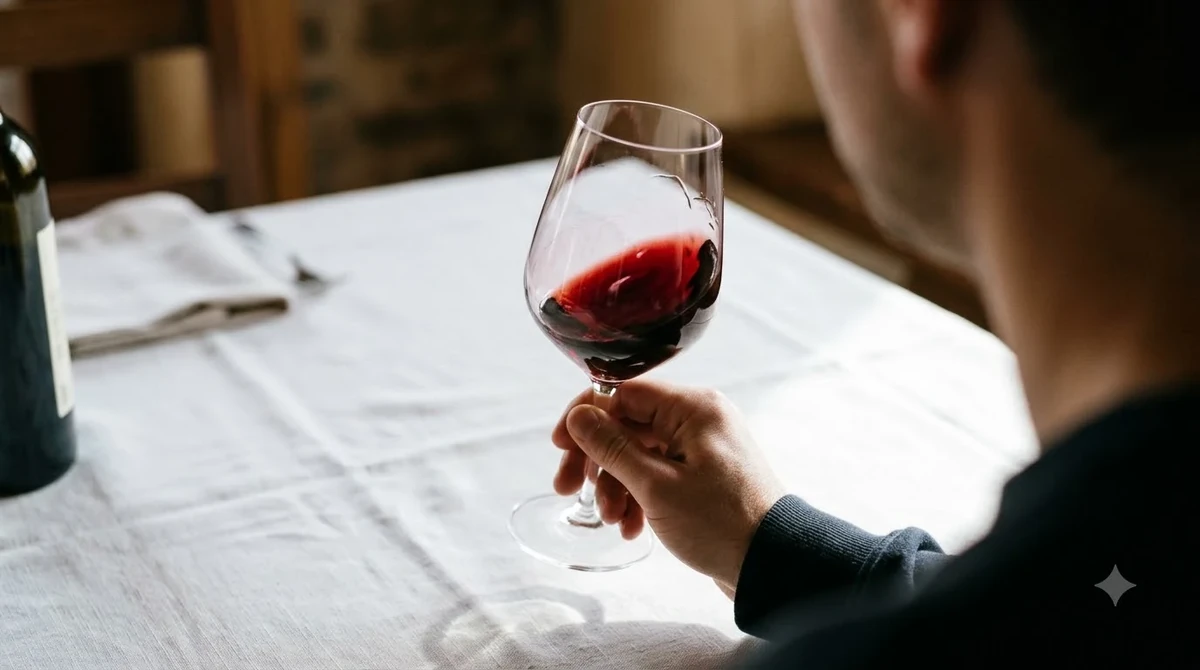
Vinhão can show sour cherry, dark berries, earthy notes, and pronounced acidity. Traditionally, these wines have been served in white bowls, allowing drinkers to appreciate their unusually deep color. Modern examples can be more polished while retaining the grape’s characteristic structure.
Espadeiro is another important red grape, particularly for rosé production. It generally produces lighter-colored wines with red-fruit flavors and lively acidity. Padeiro also contributes to the region’s red and rosé diversity.
Aphros is particularly interesting for people seeking less conventional red expressions, while Adega de Monção provides a useful reference for more traditional cooperative production. These contrasting producers help explain why the region should not be treated as exclusively white-wine territory.
Vinho Verde also produces sparkling wines. Some follow traditional bottle-fermentation methods, while others use tank fermentation. These wines can range from straightforward, fruit-driven sparkling styles to more complex bottlings with additional time on the lees.
How to Compare Vinho Verde Wineries and Their Wines
Comparing producers is easier when you begin with the subregion, grape variety, and winemaking style. These three factors explain much of the difference between a light coastal white, a concentrated inland Alvarinho, and a fuller-bodied Avesso.
The following table provides a practical starting point for selecting wineries and understanding the styles associated with their locations.
| Producer | Subregion or Location | Key Grape | Style to Explore |
|---|---|---|---|
| Quinta de Soalheiro | Melgaço | Alvarinho | Fresh and structured whites |
| Anselmo Mendes | Monção e Melgaço | Alvarinho | Varietal and skin-contact wines |
| Quinta do Regueiro | Melgaço | Alvarinho | Reserva and sparkling wines |
| Quinta do Ameal | Lima | Loureiro | Structured, ageworthy whites |
| Aphros | Lima | Loureiro and Vinhão | Biodynamic and natural styles |
| Quinta de Covela | Baião | Avesso | Fuller-bodied, textured whites |
| Sem Igual | Sousa and Amarante | Arinto and Azal | Distinctive varietal expressions |
| Adega de Monção | Monção | Alvarinho and Vinhão | Traditional cooperative wines |
These producers are not interchangeable. Someone looking for aromatic whites with pronounced citrus character may prefer Loureiro, while drinkers seeking more concentrated fruit and structure may favor Alvarinho or Avesso. The best starting point depends on which characteristics matter most.
Important differences to look for
Grape variety: Alvarinho tends to provide concentration and citrus-driven fruit, Loureiro emphasizes floral aromas, and Avesso offers greater body. Azal contributes refreshing acidity, while Vinhão produces a more structured red wine.
Winemaking: Stainless-steel fermentation generally preserves fresh fruit and aromatic precision. Oak maturation, skin contact, and lees aging can create additional texture, complexity, and savory characteristics.
Vineyard location: Coastal areas tend to show stronger maritime influence, while inland sites can produce riper, more concentrated fruit. Monção e Melgaço and Baião are particularly useful comparisons for exploring these differences.
Producer philosophy: Some estates focus on conventional quality control and consistent bottlings, while others emphasize biodynamic farming, minimal intervention, or unusual fermentation methods. These choices can make wines from the same grape variety taste quite different.
Tip: Organize a tasting around three different grapes rather than opening several similar blends. Compare an Alvarinho from Monção e Melgaço, a Loureiro from Lima, and an Avesso from Baião. Serve the whites at approximately 45–50 F to preserve their freshness while allowing their aromas to develop.
Planning winery visits
For a focused wine trip, Monção e Melgaço is a sensible starting point because it brings together several recognizable Alvarinho producers. Quinta de Soalheiro, Quinta do Regueiro, and the wines of Anselmo Mendes offer different perspectives on the same grape and geographical area.
A separate visit to Lima provides an opportunity to investigate Loureiro through Quinta do Ameal and Aphros. Baião is particularly interesting for visitors who want to explore Avesso and the relationship between inland geography and wine texture.
Do not assume every producer operates a public tasting room or accepts visitors without arrangements. Contact individual wineries before traveling, confirm their current tasting options, and ask whether appointments are necessary. Some producers may focus on wine production and distribution rather than regular tourism activities.
For readers interested in comparing Portuguese and Spanish Atlantic wine traditions, the txakoli wineries guide offers another useful point of reference. Both regions demonstrate how coastal influences, indigenous varieties, and local production traditions shape distinctive white wines.
Buying, Serving, and Enjoying Wines From Vinho Verde
Choosing wines from these producers is easier when you know what each grape contributes and how different production techniques affect the finished bottle. Vinho Verde includes both uncomplicated everyday wines and structured bottles that deserve more attention at the table.
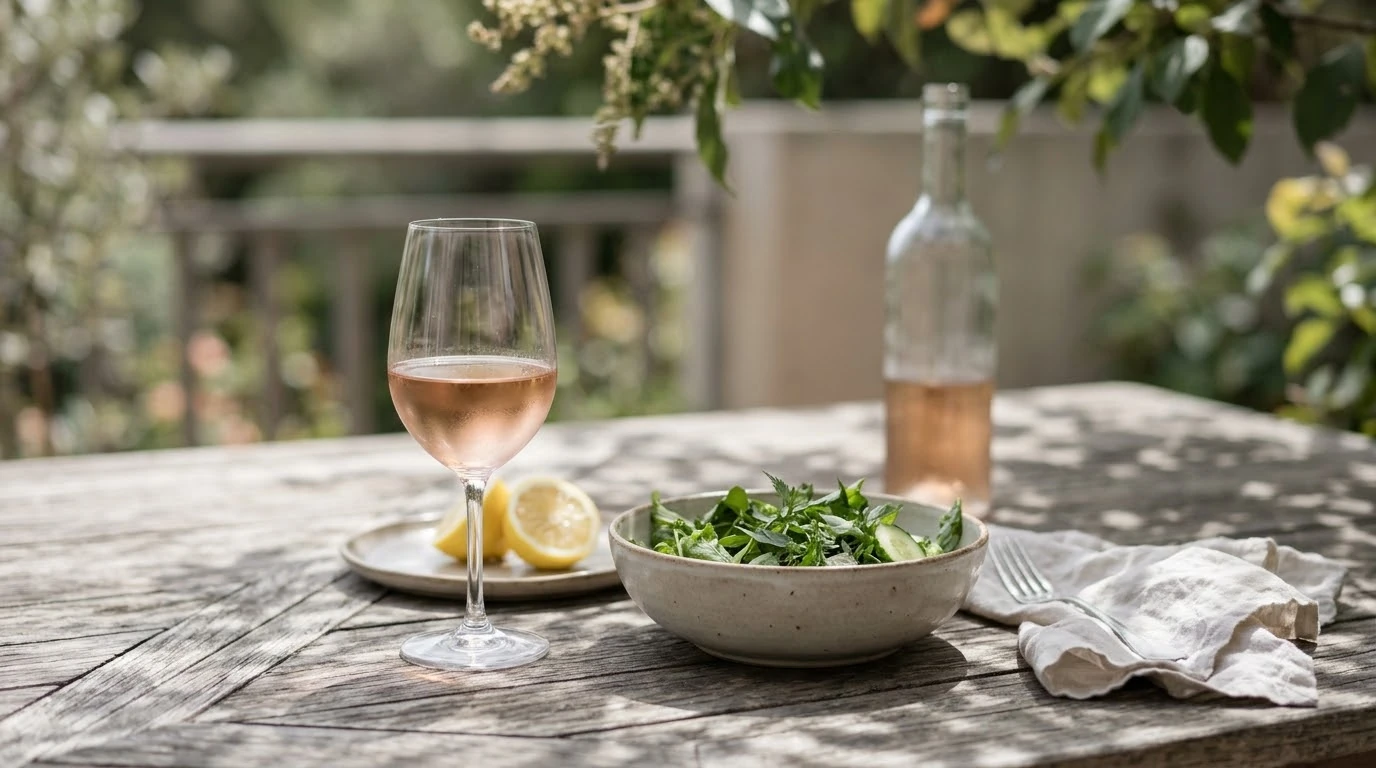
For a refreshing aperitif or casual meal, a young Alvarinho or Loureiro can be an excellent choice. Their acidity works particularly well with shellfish, grilled fish, fresh salads, and dishes featuring lemon or herbs. A slightly sparkling white blend is another suitable option for informal gatherings.
For more substantial food, look for an Avesso with greater texture or a structured Alvarinho with lees contact. These wines can complement roasted chicken, grilled white fish, seafood pasta, and richer vegetable dishes. Their acidity helps balance sauces without overwhelming delicate ingredients.
Vinho Verde rosés made from Espadeiro or Padeiro can work with grilled vegetables, seafood appetizers, and lighter pork dishes. Red Vinhão is more appropriate for richer foods such as grilled pork, sausages, and game meats because its tannins and acidity provide greater structure.
Serving temperatures and storage
Light Vinho Verde whites are best served around 45–50 F, while fuller-bodied whites can benefit from slightly warmer temperatures of 50–55 F. Sparkling versions are generally most enjoyable around 40–50 F.
Serving temperature influences the way aromas and acidity are perceived. Excessively cold wine can conceal delicate floral and fruit characteristics, while overly warm white wine can lose some of its refreshing character.
Use standard 5-ounce pours when organizing a tasting. A 750-milliliter bottle provides approximately five glasses, making it convenient to compare several producers without serving unnecessarily large portions.
Store unopened bottles on their sides in a cool, dark environment near 55 F when using traditional cork closures. Avoid temperature fluctuations and direct sunlight. After opening, refrigerate still wines and aim to consume them within approximately three to five days for the best overall freshness.
Although many light Vinho Verde wines are intended for relatively early enjoyment, premium Alvarinho and carefully made Loureiro can develop additional complexity with bottle age. The producer, vintage, acidity, structure, and winemaking decisions all influence how successfully an individual wine develops.
For a broader introduction to the region’s wine styles and tasting traditions, the official Portuguese Institute of Vine and Wine regional overview explains the geographical boundaries, principal grape varieties, and protected designations.
Frequently Asked Questions
Can Vinho Verde wines be aged for ten years?
Some premium Alvarinho and structured Loureiro wines can develop over several years, although ten years is not a universal expectation. The strongest candidates generally come from carefully selected vineyards and producers that prioritize concentration and balanced acidity. Storage conditions also have a major influence on bottle development.
Does every Vinho Verde winery grow its own grapes?
No. The region includes independent estate growers, cooperatives, and wineries that source grapes from other vineyard owners. Cooperative production is especially important because it allows smaller growers to participate in winemaking and distribution. This creates different production models within the same protected designation.
What does Quinta mean in Portuguese winery names?
Quinta generally refers to an estate or country property, often associated with agricultural production and vineyards. It appears in the names of many Portuguese wine estates, including Quinta de Soalheiro, Quinta de Covela, and Quinta do Ameal. The word alone does not guarantee that every grape used by a producer comes from a single estate vineyard.
Is Vinho Verde produced using organic and biodynamic farming?
Yes. Several producers have explored organic or biodynamic approaches, including Aphros and Quinta da Palmirinha. However, farming methods vary considerably between estates, so organic or biodynamic practices should not be assumed across the entire region. Certification and individual producer information provide more reliable confirmation.
Are Vinho Verde wines available in the United States?
Yes. Vinho Verde has an established presence in the American wine market, particularly through widely distributed white blends and Alvarinho bottlings. More specialized wines from smaller estates can be harder to find and may appear through independent wine merchants or importers. Searching by producer and grape variety can help identify less common examples.
Vinho Verde wineries offer a rewarding introduction to Portugal’s Atlantic wine culture, from the concentrated Alvarinho of Monção e Melgaço to the aromatic Loureiro of Lima and the textured Avesso of Baião. Start with established producers such as Quinta de Soalheiro, Anselmo Mendes, Quinta do Ameal, and Quinta de Covela, then explore smaller estates and traditional cooperatives to discover the region’s full diversity. Comparing wines by subregion and grape variety is the most useful way to appreciate what makes Vinho Verde distinctive.
More in Wine Regions
 Willcox Wine Trail: Discover Arizona’s High-Elevation Wine CountryUpdated Nov 20, 2026
 Yakima Valley Wine Region: Find the Best Styles to TryUpdated Nov 20, 2026
 Vosne Romanee Wine Tasting: Identify Aromas and Choose Better PairingsUpdated Nov 20, 2026
 Yakima Valley Wine Festival: Find the Best Seasonal Wine EventsUpdated Nov 20, 2026
 Wales Vineyards: Discover Cool-Climate Wines and Where to VisitUpdated Nov 20, 2026
 Yountville Wine Festival: Discover Napa Wines and Local FoodUpdated Nov 20, 2026