

We may earn a commission when you buy through links on this page, at no extra cost to you. Learn more.
Nobilo wine comes from New Zealand, and its style follows the bright, fruit-forward character that the country is known for in white wine. The style reflects the New Zealand wine tradition, where Marlborough Sauvignon Blanc has become the reference point for the variety worldwide. This guide explains what to expect in the glass, how to serve it, and which dishes it suits.
If you have seen a bottle of Nobilo on a shop shelf and wondered whether it is worth buying, this article gives you a practical answer. It covers the style behind the label, the flavors you should expect, the right serving temperature, and simple food pairings you can try at home. It also points to a few other wine brands so you can compare styles before you choose.
What Nobilo wine is and where the style comes from
Nobilo is a New Zealand producer, and its wines follow the cool-climate style that has made the country a reference point for crisp white wine. Cool nights and long, mild growing seasons help grapes keep their acidity while still ripening well. That balance is the main reason New Zealand whites usually feel lively rather than heavy on the palate.
The best-known regional expression of this style is Marlborough, a wine region at the top of the South Island. According to VinePair’s Sauvignon Blanc guide, Marlborough expressions “pack a punch with louder aromatics and fruit-forward flavors” compared with leaner styles from the Loire Valley. That contrast is a useful way to set expectations before you open a bottle.
Because New Zealand whites are often sold as everyday drinking wine, many shoppers meet this style first on a retail shelf. Reading the grape name, the region, and the vintage on the label tells you more about what is inside than the brand name alone. Keep that in mind as you read the rest of this guide.
It also helps to know that a brand name can cover several bottlings across different vintages. Two bottles with the same label can taste slightly different from year to year, depending on the growing season. Treat the style described here as a general guide rather than a fixed promise for every bottle on the shelf.
Flavor profile: what you will taste
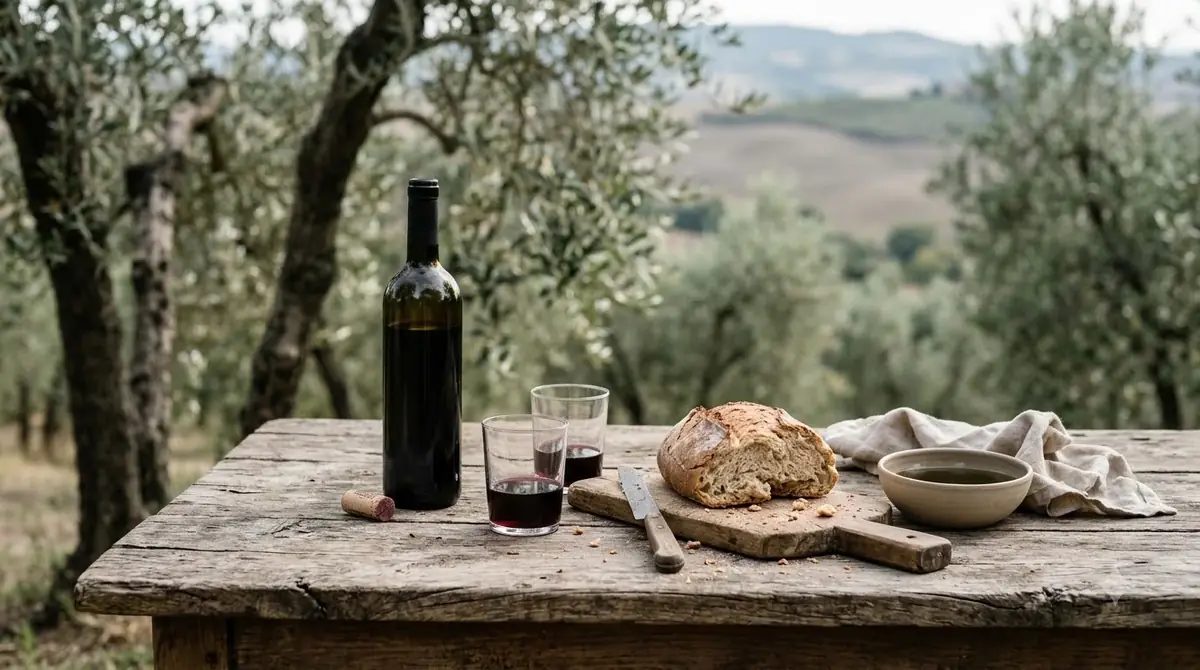
A typical Sauvignon Blanc in this style leans toward fresh, green-edged fruit. Wine Folly’s grape guide lists gooseberry, honeydew, grapefruit, white peach, and passion fruit as core flavors, with aromas that can read as freshly cut grass, peas, or asparagus. In a riper bottling or a warmer year, you may also notice tropical notes such as mango.
The acidity is what holds everything together. Wine Folly describes the grape’s acidity as “racy,” which is why the wine tastes clean and refreshing even when the fruit is intense. Most drinkers find it light-bodied with moderate alcohol, so it works as an aperitif or as a relaxed glass on its own, without food.
Texture is simpler than in oaked whites. Most bottles are not aged in heavy oak, so the wine stays focused and direct. If you prefer a rounder, creamier white, you may find this style too sharp at first, but many drinkers come to appreciate the clean finish after a few glasses.
| Flavor group | What you may notice | Typical role |
|---|---|---|
| Green and herbal | Freshly cut grass, peas, asparagus | Fresh, zesty character |
| Citrus and orchard fruit | Grapefruit, gooseberry, green apple | Lift and acidity |
| Tropical fruit | Passion fruit, guava, mango | Ripeness in fuller styles |
How to serve Nobilo white wine
Serving temperature matters more than most people expect. Wine Folly recommends serving Sauvignon Blanc at 45 to 55°F (7 to 12°C). If the bottle is too cold, the aromas tighten and the wine tastes sharper than it should. If it is too warm, the alcohol becomes more noticeable and the fruit feels flat.
A standard white wine glass works well because it concentrates the aromas near the rim. Pour a modest amount, keep the bottle in the fridge between glasses, and try to finish an opened bottle within a day or two for the freshest flavor. A cooler on the table helps if you are serving outdoors or over a long meal.
If you plan to serve it as part of a dinner, pour the wine before the food arrives so guests can compare the aromas with the first dish. That simple step makes the wine feel more intentional and helps everyone notice the fresh herbal character the style is known for.
Food pairings that suit this style
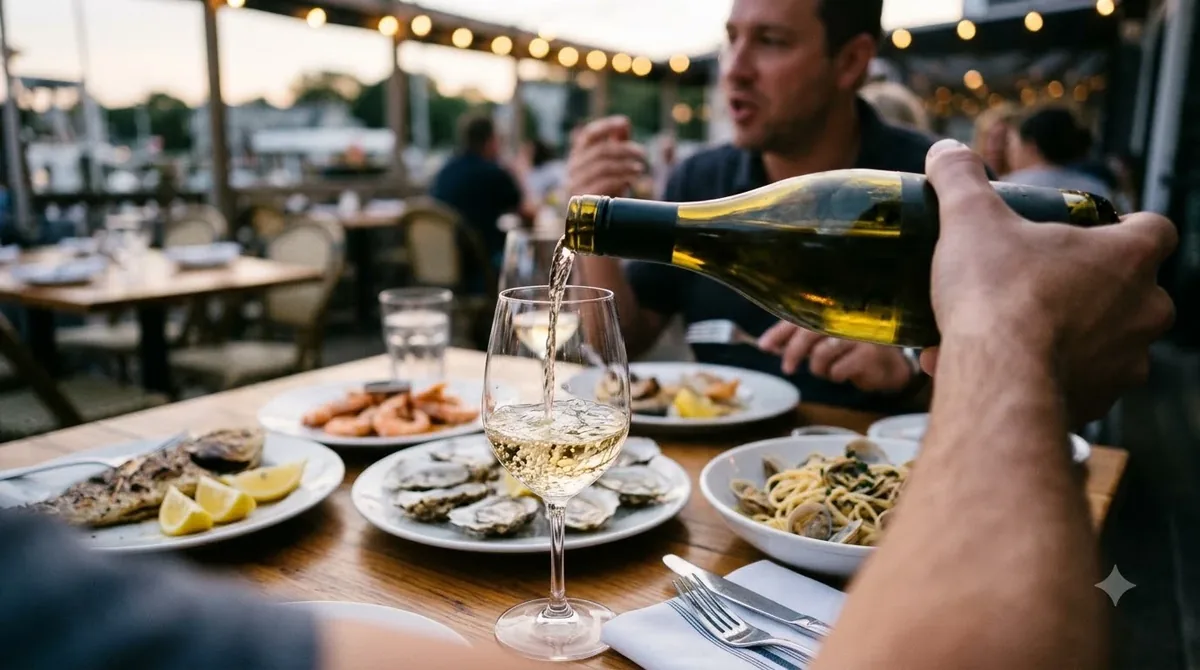
Wine Folly’s core advice for Sauvignon Blanc is “when in doubt, go green.” Herb-driven sauces, salads with fresh herbs, and dishes built on lime and cilantro all echo the grape’s natural aromas. Herb-forward Thai and Vietnamese dishes are a natural match because the herbs and citrus line up with the wine’s own character.
Because the wine is light, pair it with lighter proteins. Chicken, pork, crab, and salmon all work well, and the same guide suggests keeping the pairing light overall. Among cheeses, feta and chèvre are classic partners, and a warm goat cheese or burrata brings out the fruit without overpowering it.
Avoid heavy red-meat dishes and rich, buttery sauces, which tend to make the wine taste thin by comparison. A simple grilled fish with lemon and herbs is often the easiest way to show what this style does best at the table.
How to choose a bottle
When you compare labels, look at the grape, the region, and the vintage first. A younger bottle from a cool region usually tastes fresher and more direct, while a riper, warmer-region bottle tends to be rounder and more tropical. Those three details tell you more about the style than marketing copy does.
It also helps to decide what you want from the glass. If you want a clean, refreshing white for weeknight dinners, a crisp Sauvignon Blanc style is a good fit. If you want something softer for a special meal, look for a different grape or a different region. Our guide to wine brands explains how producers differ in style, and it is a useful next step if you are building a shortlist.
For shoppers who want a different direction, the producers A to Z Wineworks, Andre Spumante, and Avaline Rosé give you a sense of how other styles compare without leaving the category. Reading two or three short descriptions side by side is often the fastest way to find the bottle that fits your taste.
Frequently Asked Questions
Is Nobilo wine dry or sweet?
The Sauvignon Blanc style is generally dry, with fruit flavors and high acidity that can read as fresh rather than sweet. Always check the back label for the specific bottling, since sweetness can vary between expressions.
What is the best way to serve Nobilo white wine?
Chill it to about 45 to 55°F (7 to 12°C) and serve it in a standard white wine glass. Keep the bottle cold between pours, and drink it within a day or two once opened.
What foods go well with Sauvignon Blanc?
Fresh herbs, lime, and green vegetables are natural partners. Chicken, crab, salmon, feta, and herb-forward Thai or Vietnamese dishes also work well.
Does New Zealand wine taste different from French wine?
Yes. VinePair notes that Marlborough expressions tend to be louder and more fruit-forward, while Loire Valley wines are usually leaner. The difference is a matter of style, so both can suit different tastes.
Nobilo is a practical choice for everyday white wine: bright, food-friendly, and easy to serve. Start with the serving temperature and a simple herb-based dish, and you will get the most out of the style. Check the bottle’s grape and vintage, and compare a few options before you settle on your favorite.
More in Wine Brands
 Underwood Wine Price: Compare Bottles, Cans, and Pack SizesUpdated Nov 21, 2026
 Zenato Wine Price: Compare Styles and Choose the Right BottleUpdated Nov 21, 2026
 Zuccardi Wine Price: Compare Bottles and Find the Right RangeUpdated Nov 21, 2026
 Yellow Tail Moscato Review: Taste, Sweetness and Serving TipsUpdated Nov 21, 2026
 Wolf Blass Yellow Label Review: Choose Your Best StyleUpdated Nov 21, 2026
 Wolffer Estate Rose Review: Choose the Right Bottle for Your TableUpdated Nov 21, 2026