

We may earn a commission when you buy through links on this page, at no extra cost to you. Learn more.
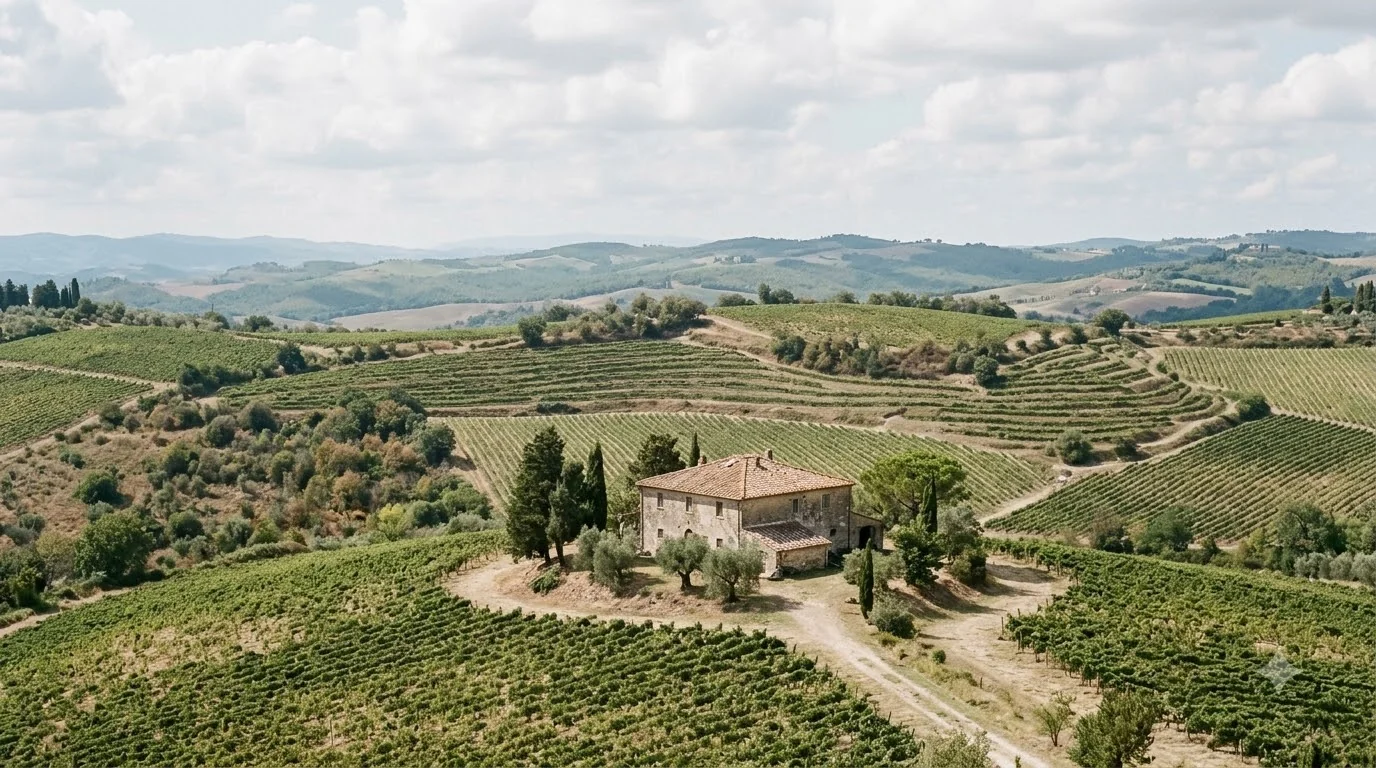
Romania wineries offer an exciting way to discover indigenous European grapes, distinctive regional wines, and centuries of winemaking tradition. From the powerful Fetească Neagră reds of Muntenia to the aromatic white wines of Cotnari and Transylvania, Romanian producers combine local varieties with internationally recognized grapes. Exploring their vineyards provides a different perspective on European wine, particularly for drinkers interested in discovering varieties beyond the familiar names of France, Italy, and Spain.
Romania has a long viticultural history, diverse growing conditions, and a wine industry that has undergone considerable change. Its vineyards extend across several distinct regions, from the hills of Moldova and Muntenia to the cooler landscapes of Transylvania and the warmer southeastern territory near the Black Sea. Although international varieties such as Cabernet Sauvignon and Chardonnay remain important, the country’s indigenous grapes give its wines much of their character. Understanding the main wine-growing areas, producers, and traditional varieties makes it easier to decide which Romanian bottles deserve attention.
Romania’s Winemaking History And Modern Revival
Romania’s wine culture reaches back thousands of years, although its modern industry reflects several periods of disruption and reconstruction. Ancient influences, nineteenth-century vineyard destruction, and twentieth-century industrial production all helped shape the country’s present-day wine landscape.
According to the Wine & Spirit Education Trust, Greek settlers brought grapevines into the territory of modern Romania through the Black Sea between 600 and 500 BC. The Romans subsequently developed viticulture in the area, particularly in territories that now form part of Dobrogea. Monasteries also contributed to vineyard development in places such as Drăgășani, Transylvania, and Valea Călugărească.
One of the most consequential events in Romanian wine history was the arrival of phylloxera in 1884. The insect devastated vineyards throughout the country, as it did elsewhere in Europe. French viticulturists helped rebuild production by introducing American rootstocks resistant to the pest. This reconstruction changed vineyard practices and influenced the varieties and planting material used by subsequent generations.
The next major disruption occurred during communist rule between 1944 and 1989. Wine production became heavily industrialized, with an emphasis on quantity and consistent output. Some indigenous varieties lost prominence, while grape crossings designed for higher yields became more widespread.
Following 1990, privatization, foreign investment, and European Union funding helped modernize the sector. Historic estates and new producers began investing in vineyards, cellar equipment, and more selective winemaking. Greater attention also returned to traditional grapes that had previously received less commercial recognition.
This renewed interest explains why contemporary Romanian wine offers two complementary experiences. One involves familiar international varieties produced with modern techniques. The other involves native grapes that provide flavors, structures, and regional identities less commonly encountered in American wine shops. For additional historical and regional background, the WSET introduction to Romanian wines provides a useful overview.
Major Romanian Wine Regions And Their Characteristics
Romania’s wine-growing geography includes several major areas, each with distinct climatic influences, established appellations, and local grape traditions. Understanding the differences between Moldova, Muntenia, Transylvania, Oltenia, and Dobrogea provides a useful starting point for choosing wines.
Moldova is one of the country’s most important wine-growing areas. Its established vineyards include Cotnari, Iași, Huși, Panciu, Odobești, and Cotești. Cotnari has a particularly recognizable identity connected with traditional white grapes and aromatic wine styles. Visitors interested in historic Romanian wine culture should pay particular attention to Grasă de Cotnari, Fetească Albă, and Frâncușă.
Muntenia, south of the Carpathian Mountains, contains the important Dealu Mare wine-growing area. Its recognized subdesignations include Boldești, Valea Călugărească, Urlați, Ceptura, Tohani, Breaza, Merei, and Zorești. Dealu Mare is particularly relevant for drinkers interested in structured red wines, especially those made from Fetească Neagră, Merlot, and Cabernet Sauvignon.
Transylvania offers another perspective, with vineyards including Târnave, Alba Iulia, Sebeș-Apold, Aiud, and Lechința. Its regional identity is strongly associated with white wines and grapes such as Fetească Regală, Fetească Albă, and Chardonnay. Producers such as Jidvei help make this area an important destination for exploring Romanian white wine.
Oltenia includes Drăgășani, Segarcea, Sâmburești, and other established wine-growing areas. Drăgășani is particularly interesting because of its association with distinctive grapes such as Crâmpoșie Selecționată, Negru de Drăgășani, and Novac. These varieties provide a valuable alternative to the familiar international red and white grapes.
Dobrogea, in southeastern Romania near the Black Sea, includes Murfatlar, Babadag, Sarica Niculițel, and other protected wine-growing areas. Its warmer conditions support a range of grape varieties and wine styles, including aromatic and sweet wines. Cabernet Sauvignon, Chardonnay, and Fetească Neagră are among the varieties represented in the region’s winery portfolios.
Banat and Crișana, in western Romania, complete the picture with vineyards such as Recaș and Miniș. Their portfolios include both international grapes and traditional varieties such as Mustoasă de Măderat and Cadarca.
| Wine region | Recognized wine areas | Grapes to explore | General wine identity |
|---|---|---|---|
| Moldova | Cotnari, Iași, Huși | Grasă de Cotnari, Fetească Albă | Aromatic and traditional white wines |
| Muntenia | Dealu Mare, Pietroasa | Fetească Neagră, Merlot | Structured reds and aromatic whites |
| Transylvania | Târnave, Aiud, Lechința | Fetească Regală, Fetească Albă | Fresh and expressive white wines |
| Oltenia | Drăgășani, Segarcea | Crâmpoșie Selecționată, Novac | Distinctive indigenous varieties |
| Dobrogea | Murfatlar, Babadag | Fetească Neagră, Chardonnay | Red, white, and sweet wines |
| Banat and Crișana | Recaș, Miniș | Mustoasă de Măderat, Cadarca | Traditional and international varieties |
The Romanian wine landscape includes 12 geographical indications and 35 controlled designations of origin, according to the regional breakdown presented by WineWhispers. Its Romanian wine atlas provides a useful geographical overview of appellations, regional grape identities, and vineyard areas.
The Romanian National Office of Vine and Wine Products maintains official information about protected designations of origin and geographical indications. Its records are useful when distinguishing a recognized appellation from a broader regional description. For additional background on how wine regions work, explore our guide to Wine Regions.
Indigenous Romanian Grapes Worth Discovering
Romania’s native grape varieties are among its strongest attractions for adventurous wine drinkers. Fetească Neagră, Fetească Regală, Fetească Albă, and Grasă de Cotnari are especially useful names to recognize when browsing Romanian wine selections.
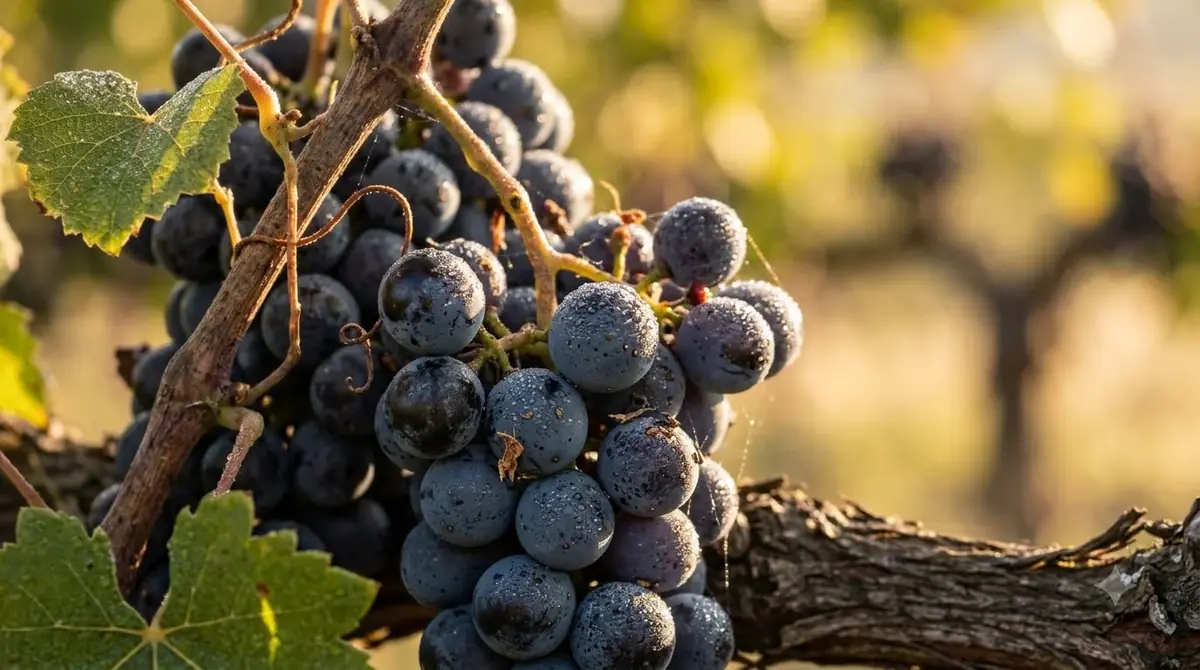
Fetească Neagră is arguably the country’s most recognizable indigenous red grape. Its name translates approximately as Black Maiden, and it is associated with dark-colored, spicy, full-bodied wines. Depending on the vineyard site, vintage, and winemaking approach, the grape can produce wines with concentrated fruit character and substantial structure.
Fetească Neagră is particularly interesting from a comparison perspective. Cabernet Sauvignon generally has high tannin, while Merlot is usually softer with medium tannin. Fetească Neagră can offer a different combination of dark fruit, spice, and texture. It may appeal to drinkers who enjoy substantial reds but want to move beyond the familiar Bordeaux varieties.
Fetească Albă is an indigenous white grape associated with elegant, relatively restrained wine styles. It is an important variety in traditional Romanian vineyards and appears in regions including Transylvania and Moldova.
Fetească Regală, whose name translates approximately as Royal Maiden, is another important Romanian white grape. It is particularly associated with Transylvania and is frequently used for fresh, expressive white wines. Its distinctive identity makes it one of the most useful varieties for understanding modern Romanian wine.
Grasă de Cotnari is strongly connected with the historic Cotnari area. It has an established association with aromatic, richer sweet wine styles. Raisin, honeyed, and dried-fruit characteristics are useful reference points when exploring its traditional expressions.
Other indigenous varieties add further diversity. Băbească Neagră is an established red grape, while Busuioacă de Bohotin is associated with aromatic rosé and red wine styles. Tămâioasă Românească contributes distinctive aromatic character, and Crâmpoșie Selecționată is an important white grape associated with Drăgășani.
Wine drinkers looking for less familiar reds should also investigate Negru de Drăgășani and Novac. Mustoasă de Măderat, Frâncușă, and Șarbă provide additional opportunities to discover the country’s indigenous white wine heritage.
Tip: Start a Romanian wine tasting with Fetească Regală, move to Grasă de Cotnari, and finish with Fetească Neagră. This sequence introduces three different expressions of Romanian wine without overwhelming the palate with several similarly styled bottles.
Notable Romania Wineries To Put On Your Wine List
Several Romanian producers offer useful introductions to the country’s regional identities and indigenous grapes. Rather than concentrating exclusively on the largest commercial labels, consider exploring wineries whose portfolios represent different parts of the country.
Jidvei is an important name associated with Transylvania. Its portfolio includes Fetească Albă, Chardonnay, and Cabernet Sauvignon. The producer is particularly relevant for people interested in understanding Transylvanian white wines and the relationship between native and international varieties.
Avincis represents Oltenia in the Romanian winery directory. Its listed varieties include Crâmpoșie Selecționată, Alutus, and Cabernet Sauvignon. This combination provides an interesting opportunity to compare a distinctive regional grape with an internationally familiar red variety.
Averești Estates is associated with Moldova. Its portfolio includes Busuioacă de Bohotin, Aligote, and Cabernet Sauvignon. Busuioacă de Bohotin is particularly worth investigating because it offers an aromatic local identity that differs from more familiar international grapes.
Beciul Domnesc, also associated with Moldova, has wines made from Busuioacă de Bohotin, Cabernet Sauvignon, and Chardonnay. Its selection illustrates how Romanian producers can work with both indigenous varieties and grapes recognized internationally.
Bogdan Wine Estate represents Dobrogea in the Wines of Romania winery directory. Its listed varieties include Fetească Neagră, Cabernet Sauvignon, and Chardonnay. This selection makes it a useful name for drinkers exploring the southeastern part of the country.
DeMATEI Winery is another producer listed in the directory, with Fetească Albă, Fetească Neagră, and Cabernet Sauvignon among its varieties. This combination provides an opportunity to investigate the country’s native white and red grapes alongside an international benchmark.
These producers are starting points rather than a definitive ranking. Each offers a different regional perspective, and individual wines can vary considerably according to grape selection, vineyard conditions, vintage, and cellar decisions.
For a broader European comparison, Romanian producers can be considered alongside the regional traditions represented by Puglia wineries in southern Italy and Wachau wineries in Austria. These comparisons help demonstrate how local grapes and growing conditions influence a region’s wine identity.
How To Choose Romanian Wines By Style
The easiest way to shop for Romanian wines is to begin with the style you normally enjoy and then explore an indigenous variety from a relevant region. White, red, rosé, sparkling, and sweet wines are all represented in the country’s production.
For drinkers who usually choose fresh white wines, Fetească Regală and Fetească Albă are sensible starting points. Their regional associations with Transylvania and Moldova provide useful context when selecting bottles. Chardonnay and Sauvignon Blanc are alternatives for people who prefer internationally familiar varieties.
Those who enjoy full-bodied reds should look for Fetească Neagră from established producers in Muntenia and other recognized growing areas. Cabernet Sauvignon and Merlot are also widely represented. A comparison between Fetească Neagră and Cabernet Sauvignon can reveal how native grape identity differs from a familiar international variety.
For lighter and more aromatic choices, investigate Busuioacă de Bohotin, particularly when looking for rosé expressions. Tămâioasă Românească is another useful variety for people who enjoy aromatic wines. Grasă de Cotnari deserves attention among drinkers who prefer sweet white wine.
Sweet wine selection requires particular attention to food pairing. A wine should generally be at least as sweet as the dessert served alongside it. Otherwise, the wine can seem thin or overly acidic. Grasă de Cotnari and other aromatic Romanian sweet wines may be suitable partners for fruit desserts, pastries, and dishes featuring dried fruit.
Serving temperature also affects how Romanian wines perform. A useful starting point is 45 to 50 degrees Fahrenheit for light whites and rosés, 50 to 55 degrees for fuller-bodied whites, and 55 to 60 degrees for lighter reds. Full-bodied reds generally benefit from 60 to 65 degrees.
Young, full-bodied Fetească Neagră wines may benefit from 30 to 60 minutes of decanting when they show substantial tannin or concentrated structure. A five-ounce serving is a practical standard pour, and a 750-milliliter bottle provides approximately five glasses.
For people interested in exploring other distinctive regional white wines, Txakoli wineries offer an interesting comparison with Romania’s fresher white wine traditions. The grapes and production methods differ, but both regions demonstrate why looking beyond international varieties can make wine discovery more rewarding.
Planning A Visit To Romanian Wine Country
Romania offers several wine tourism possibilities, from established estates and tasting rooms to smaller producers in historic vineyard landscapes. Choosing the right area depends on whether the priority is discovering native grapes, exploring historic appellations, or visiting several wineries during one trip.
Dealu Mare is a logical choice for visitors interested in Muntenia and Fetească Neagră. Its collection of recognized subdesignations, including Ceptura, Urlați, and Tohani, provides a useful geographical framework for organizing visits. Its location in the southern part of the country also makes it an attractive destination for travelers exploring the Bucharest area.
Cotnari is an appealing option for those interested in traditional Moldovan white wines. The area’s identity is closely connected with Grasă de Cotnari, Fetească Albă, and other historic varieties. A visit can help explain why the region occupies an important position in Romania’s wine heritage.
Transylvania is particularly relevant for travelers seeking white wine experiences. The Târnave vineyard and the wider Jidvei area provide opportunities to understand the relationship between regional conditions and grapes such as Fetească Regală and Fetească Albă.
Drăgășani deserves attention from people interested in lesser-known indigenous varieties. Crâmpoșie Selecționată, Negru de Drăgășani, and Novac make the region especially interesting for visitors who want to learn about grape varieties that rarely appear in mainstream international wine selections.
Dobrogea is another worthwhile destination, especially for travelers interested in southeastern Romanian wine traditions. Murfatlar and Sarica Niculițel are recognized wine-growing names, while the wider region offers a combination of historic vineyards and contemporary producers.
Before arranging visits, contact wineries directly to confirm tasting availability, opening arrangements, group requirements, and the languages offered during tours. Some estates operate structured experiences rather than accepting spontaneous visitors. A confirmed appointment is a better approach than arriving without notice.
Travelers should also plan transportation carefully. Wine tastings can involve several samples, and driving after drinking is not an appropriate way to move between estates. A designated driver, organized wine tour, or overnight stay near the vineyard area makes the experience easier to manage.
Frequently Asked Questions
Are Romanian wines recognized internationally?
Romanian wines have received attention from international wine publications and professional educators, including Decanter and WSET. The country also participates in the European Union’s protected geographical designation system. Recognition varies by producer and individual wine, so the reputation of a particular bottle should be considered separately from the country’s overall wine heritage.
What does DOC mean on a Romanian wine label?
DOC stands for Denumire de Origine Controlată, the Romanian designation for controlled designation of origin. It identifies wines associated with a defined geographical production area and applicable production requirements. It is comparable in general purpose to protected origin systems used in other European wine countries, although individual rules differ.
Is Fetească Regală related to Fetească Albă?
Yes. Genetic research identifies Fetească Regală as a crossing of Fetească Albă and Frâncușă. This relationship connects two important Romanian grape varieties and helps explain why both names appear frequently in discussions of the country’s white wine heritage.
Does Romania produce sparkling wine?
Yes. Romania has a sparkling wine tradition that includes producers such as Carastelec Sparkling Winery in the Crișana and Maramureș area. Romanian sparkling wines can be produced using different techniques, so the production method and grape varieties are useful details to investigate when comparing bottles.
What is the best season for a Romanian vineyard visit?
September and October are useful months for experiencing the grape harvest in many Romanian wine areas, although exact dates vary with the growing season and grape variety. Spring can also be attractive for vineyard scenery and quieter visits. Harvest activities are seasonal, so visitors interested in seeing picking or cellar work should confirm the schedule with individual estates.
Romania’s wineries offer a distinctive combination of indigenous grapes, historic appellations, and increasingly diverse modern wine styles. Begin with Fetească Neagră, Fetească Regală, and Grasă de Cotnari, then explore producers in Dealu Mare, Cotnari, Transylvania, and Drăgășani. These regions provide an excellent introduction to a European wine country whose traditional varieties deserve a much wider audience.
More in Wine Regions
 Willcox Wine Trail: Discover Arizona’s High-Elevation Wine CountryUpdated Nov 20, 2026
 Yakima Valley Wine Region: Find the Best Styles to TryUpdated Nov 20, 2026
 Vosne Romanee Wine Tasting: Identify Aromas and Choose Better PairingsUpdated Nov 20, 2026
 Yakima Valley Wine Festival: Find the Best Seasonal Wine EventsUpdated Nov 20, 2026
 Wales Vineyards: Discover Cool-Climate Wines and Where to VisitUpdated Nov 20, 2026
 Yountville Wine Festival: Discover Napa Wines and Local FoodUpdated Nov 20, 2026