

We may earn a commission when you buy through links on this page, at no extra cost to you. Learn more.
Rogue valley vineyards are located in southwestern Oregon, where varied elevations, warm growing seasons, and cool nighttime temperatures support an unusually broad selection of wine grapes. The region produces Pinot Noir, Syrah, Cabernet Sauvignon, Tempranillo, Chardonnay, Viognier, and other varieties across four principal growing areas. Understanding its geography, climate, and grape-growing districts makes it easier to choose wines that reflect Southern Oregon’s distinctive character.
Oregon is widely associated with Pinot Noir, particularly from the Willamette Valley, but the southern part of the state offers a different perspective on winemaking. Rogue Valley combines Mediterranean-influenced warmth, mountain elevations, river systems, and diverse soils to support both lighter, aromatic wines and structured reds. Its vineyards reward exploration because wines from neighboring growing areas can have noticeably different personalities.
Where Rogue Valley Vineyards Are Located in Southern Oregon
Rogue Valley vineyards occupy southwestern Oregon, primarily within Jackson and Josephine counties. The appellation stretches through a network of river valleys and foothills near the California border, with Medford, Ashland, Grants Pass, and Jacksonville providing useful geographic reference points for understanding the region.
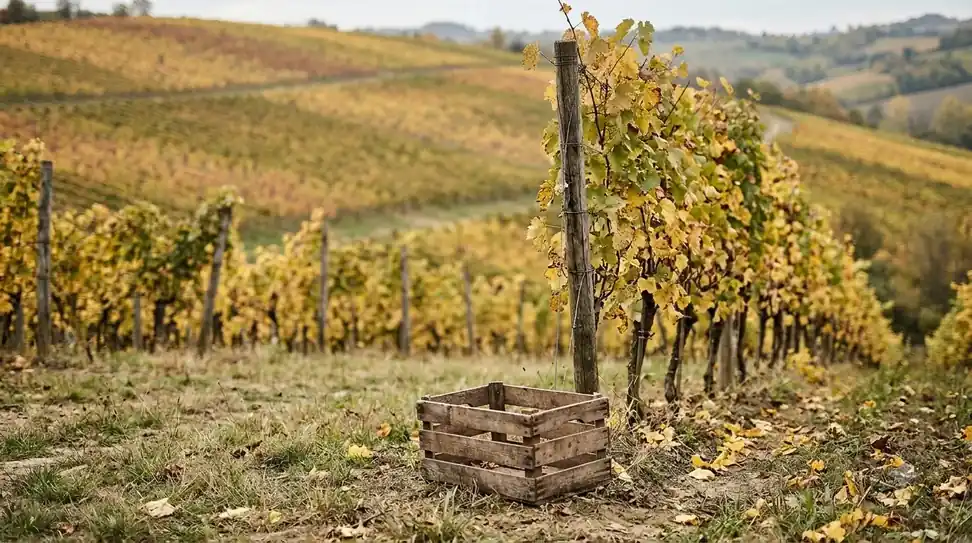
The Rogue Valley American Viticultural Area, or AVA, was established in 1991. According to Oregon Wine, it covers approximately 1,139,800 acres, although only a relatively small portion is planted to wine grapes. Its landscape is shaped by the Rogue River and three important tributaries: the Applegate River, Bear Creek, and Illinois River. These waterways, together with surrounding mountain ranges, influence local growing conditions. The Oregon Wine Rogue Valley regional profile provides an official overview of the appellation’s geography, planted acreage, and principal varieties.
The area sits approximately 75 miles from the Oregon coast and 50 miles from Crater Lake. The Cascade, Siskiyou, and Coastal mountain ranges contribute to the region’s varied terrain. Vineyard sites are distributed across hillsides, benches, valley floors, and elevated slopes rather than occupying one continuous agricultural plain.
This geography is important because the Rogue Valley is not a single uniform wine district. Western sites experience more mountain and marine influences, while inland locations generally receive more warmth and sunshine. Differences in elevation, slope orientation, and exposure can affect how quickly grapes ripen and how much acidity remains in the finished wine.
For comparison, the northern Verde Valley vineyards offer another example of how distinctive regional climates influence American wine production. Rogue Valley, however, benefits from a combination of Oregon’s mountainous terrain, substantial growing-season sunshine, and cool nighttime conditions.
The region is also part of the larger Southern Oregon winegrowing landscape. The Southern Oregon AVA encompasses several appellations, including Rogue Valley and Umpqua Valley. These geographic distinctions matter because a wine labeled Rogue Valley communicates a more specific origin than one labeled only Southern Oregon.
The Four Principal Rogue Valley Growing Areas
The Rogue Valley’s four principal growing areas are Bear Creek Valley, the Valley of the Rogue, Applegate Valley, and Illinois Valley. Each has different geographic influences, so exploring these areas provides a useful starting point for understanding the wines produced throughout the appellation.
Bear Creek Valley is associated with the agricultural corridor around Medford and Ashland. Its relatively warm conditions make it suitable for several varieties, including Cabernet Sauvignon, Syrah, Chardonnay, and Viognier. The combination of valley-floor agriculture and surrounding hills creates a range of potential vineyard exposures.
The Valley of the Rogue follows the Rogue River corridor in the northern portion of the appellation. Its river-influenced landscape includes varied elevations and vineyard positions. Differences between exposed hillsides and lower sites can affect grape development, making individual vineyard location an important consideration.
Applegate Valley is especially important because it has its own nested AVA designation. Established in 2001, it is characterized by inland conditions and vineyard sites influenced by the Siskiyou Mountains. Decanter reports average vineyard elevations of approximately 400 meters in this subregion. Those elevated locations can experience substantial temperature differences between daytime warmth and nighttime cooling.
Illinois Valley occupies the western portion of the broader Rogue Valley growing region. Its proximity to coastal influences and mountainous terrain generally creates cooler conditions than many inland locations. This makes it an interesting area for varieties that benefit from a longer, less intensely warm ripening period.
These four growing areas should not be confused with four separate official AVAs. Applegate Valley is the recognized nested AVA within Rogue Valley, while the other three are geographical growing areas rather than independently designated sub-appellations.
Understanding the distinction helps wine shoppers interpret regional labels. A bottle identified as Applegate Valley offers more specific geographic information than a general Rogue Valley bottling, although neither designation automatically determines the wine’s quality or style.
Travelers interested in planning a broader visit can also explore Rogue Valley wine country, which provides a useful starting point for learning about wineries, tasting destinations, and the region’s agricultural surroundings.
The Main Grapes Grown in Rogue Valley Vineyards
Rogue Valley is notable for its diversity of grape varieties, including both traditional international grapes and less familiar alternatives. Pinot Noir, Syrah, Cabernet Sauvignon, Merlot, and Tempranillo are important reds, while Chardonnay, Viognier, and Pinot Gris are among its principal white varieties.
The Rogue Valley Winegrowers Association identifies more than 15 commonly grown varieties, alongside additional experimental and less widely planted grapes. Decanter reports more than 50 varieties across over 200 vineyards. This broad selection reflects the region’s ability to accommodate different ripening requirements and wine styles. Its Southern Oregon regional profile also discusses the importance of Syrah and the region’s distinctive combination of vineyard elevations and microclimates.
Red grape varieties
Pinot Noir is an important part of the regional identity. Although the grape is strongly associated with cooler Oregon wine districts, suitable Rogue Valley locations can produce expressive examples with ripe cherry, raspberry, and darker fruit characteristics. Its relatively low-to-medium tannin and naturally high acidity make it versatile at the table.
Syrah is another variety worth seeking out. Depending on the vineyard and winemaking approach, Rogue Valley Syrah can offer blackberry, dark plum, pepper, and savory notes. Decanter highlights its growing importance, particularly as growers identify better vineyard locations for the variety.
Cabernet Sauvignon thrives in warmer sites where the fruit can complete its ripening cycle. Expect wines with blackcurrant, dark cherry, and firm structure. Cabernet Sauvignon typically has high tannin, making it a natural candidate for dishes with substantial protein and fat.
Merlot provides another route into the region’s red wines. It generally has softer tannins than Cabernet Sauvignon and can display plum, blackberry, and chocolate-like flavors. Tempranillo, Cabernet Franc, and Malbec add further variety, particularly for drinkers who enjoy Mediterranean and Bordeaux-inspired styles.
White grape varieties
Chardonnay is one of the most useful whites to explore. Depending on site and production choices, it can range from fresh citrus and apple flavors to fuller expressions with peach, cream, and oak influences.
Viognier offers a different aromatic profile, often featuring apricot, peach, and floral notes. It is particularly interesting for drinkers who prefer expressive whites with a fuller texture.
Pinot Gris provides a versatile alternative, generally combining pear, apple, and citrus flavors with refreshing acidity. Albariño, Gewürztraminer, and Pinot Blanc also contribute to the regional white-wine selection.
| Grape variety | Wine category | Typical characteristics | Food pairing |
|---|---|---|---|
| Pinot Noir | Red | Cherry, raspberry, fresh acidity | Roast chicken, salmon, mushrooms |
| Syrah | Red | Blackberry, pepper, savory notes | Lamb, grilled beef, barbecue |
| Cabernet Sauvignon | Red | Blackcurrant, firm tannins, structure | Steak, short ribs, aged cheese |
| Merlot | Red | Plum, soft tannins, rounded texture | Roast pork, burgers, pasta |
| Tempranillo | Red | Red berries, plum, savory spice | Grilled lamb, tapas, roast vegetables |
| Chardonnay | White | Apple, citrus, possible oak richness | Roast chicken, seafood, creamy pasta |
| Viognier | White | Apricot, peach, floral aromas | Roast poultry, mild curry, pork |
| Pinot Gris | White | Pear, apple, refreshing acidity | Shellfish, salads, grilled fish |
These descriptions represent general grape characteristics rather than guaranteed tasting notes for every bottle. Vineyard location, harvest timing, fermentation, oak use, and blending all contribute to the final wine.
Climate, Elevation, and Soil Behind the Wines
Warm growing seasons, cool nights, varied elevations, and a mixture of geological formations define Rogue Valley’s growing environment. These conditions allow growers to work with varieties that have very different ripening requirements, which helps explain the region’s broad wine selection.
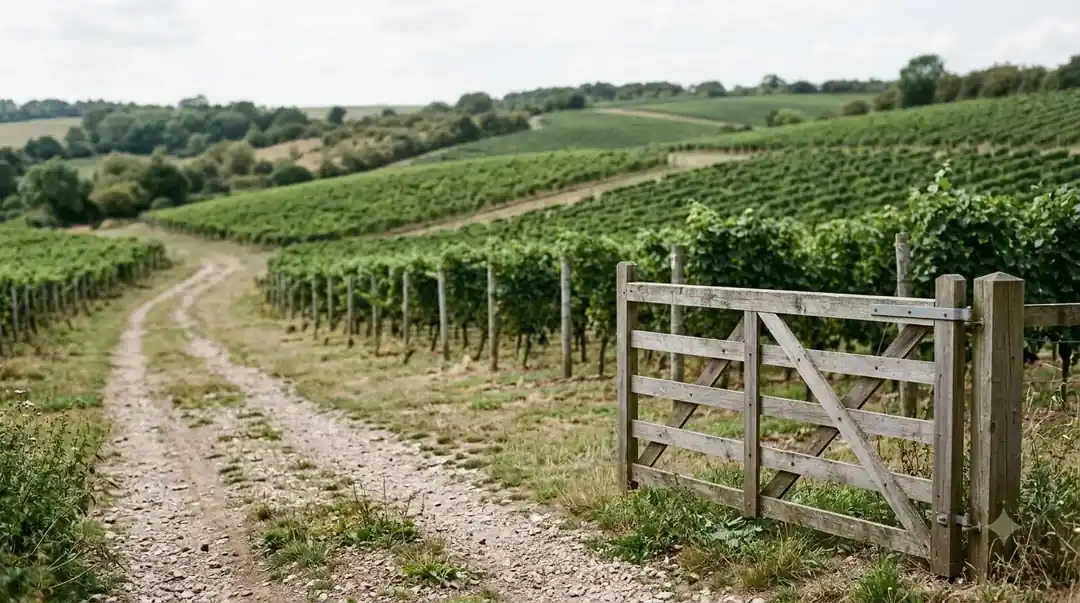
The Rogue Valley is generally warmer and drier than Oregon’s famous northern wine districts. Generous sunshine supports varieties such as Cabernet Sauvignon, Syrah, Merlot, and Tempranillo. At the same time, mountain influences and nighttime cooling help preserve acidity, particularly in fruit harvested from appropriately selected sites.
According to Oregon Wine, nighttime temperatures can drop by as much as 70 degrees Fahrenheit in some conditions. This substantial diurnal temperature difference slows certain aspects of grape development and helps maintain freshness as sugars accumulate during the growing season.
The result is an interesting balance between ripeness and acidity. Warm afternoons can encourage ripe fruit flavors, while cooler nights help retain the freshness needed for balanced wines. The effect varies from site to site, so two vineyards growing the same grape can produce different results.
Elevation and vineyard exposure
Elevation is particularly relevant in Applegate Valley. Decanter identifies average vineyard elevations of around 400 meters there, with the nearby Siskiyou Mountains contributing to the area’s landscape and growing conditions.
Higher vineyard positions can experience cooler temperatures and different airflow patterns compared with lower valley sites. Slope direction also matters. A south-facing vineyard may receive more direct sunlight, while other exposures can provide a slower ripening environment.
Vineyard altitude alone does not determine quality. Soil depth, water availability, frost exposure, vine age, canopy management, and harvest decisions also influence the resulting grapes. The strongest regional comparisons consider these factors together rather than relying on elevation as a single measure.
Soil diversity
Oregon Wine identifies stream sediments among the predominant Rogue Valley soil characteristics. The Rogue Valley Winegrowers Association also describes clay loams and granitic qualities throughout the region. These descriptions illustrate the area’s geological variety rather than suggesting that every vineyard shares the same soil profile.
River systems contribute alluvial materials, while surrounding mountains provide different rock-derived soil components. Some vineyards contain deeper, finer-textured soils, while hillside locations can have shallower or more varied profiles.
Soil affects drainage, vine vigor, and water availability. These factors influence canopy growth and fruit development, which in turn affect the wine’s concentration and balance. Growers therefore consider individual vineyard conditions when deciding which varieties to plant.
For additional regional context, compare these conditions with those found in Dry Creek Valley vineyards. Both areas offer distinctive combinations of geography and grape varieties, but their respective climates and vineyard landscapes create different wine identities.
What Rogue Valley Wines Taste Like
Rogue Valley wines are diverse rather than defined by one signature flavor. Warm-climate reds can show ripe dark fruit and substantial structure, while cooler-site Pinot Noir and aromatic whites offer freshness, fruit definition, and a lighter overall impression.
For red wine drinkers, Syrah is an especially interesting place to start. It can combine blackberry and plum fruit with black pepper, herbs, and savory characteristics. The variety’s medium-plus to high tannin gives many examples a substantial structure, although individual wines differ according to extraction and aging choices.
Cabernet Sauvignon generally offers a firmer profile, with dark fruit and noticeable tannins. A bottle from a warmer vineyard may show ripe blackcurrant and plum, while careful oak management can add cedar, spice, and toasted notes. Merlot provides a softer alternative with rounder fruit and medium tannin.
Pinot Noir is a useful contrast. It typically has lower-to-medium tannin and higher acidity than Cabernet Sauvignon. Expect cherry, raspberry, and sometimes earthy or forest-floor characteristics. Its freshness makes it particularly suitable for meals that would overwhelm a more heavily structured red.
White wines provide another reason to investigate the appellation. Viognier is often aromatic and full-bodied, with peach, apricot, and floral notes. Chardonnay varies considerably, from crisp and citrus-driven versions to fuller wines influenced by malolactic fermentation and oak aging.
Pinot Gris is often a practical choice for casual meals. Its pear and apple flavors, refreshing acidity, and relatively approachable texture work with a broad selection of foods. Gewürztraminer and Albariño offer additional options for drinkers who enjoy aromatic or particularly food-friendly whites.
Blended wines are also worth considering. A producer may combine varieties to achieve a particular balance of fruit, acidity, tannin, and texture. Rhône-inspired combinations featuring Syrah and other southern French varieties are especially relevant to the region’s warmer growing conditions.
There is no single Rogue Valley flavor profile that applies to every producer. The most reliable way to understand the appellation is to compare different grape varieties and vineyard origins side by side. A Pinot Noir from a cooler site and a Syrah from a warmer inland vineyard can provide a particularly revealing contrast.
Visiting Wineries and Planning a Rogue Valley Wine Trip
A Rogue Valley wine visit is best planned around geographic clusters rather than trying to cover the entire appellation in one day. Jacksonville, Medford, Ashland, and the Applegate Valley provide useful reference points for organizing winery visits and combining tasting appointments with local sightseeing.
Jacksonville is particularly interesting for wine-history enthusiasts. The town is associated with Peter Britt, who began growing grapes in the region in 1852 and opened Valley View Winery in 1873. Oregon Wine identifies his operation as Oregon’s first official winery, making this history an important part of the region’s agricultural heritage.
Applegate Valley is a worthwhile destination for visitors interested in hillside vineyards and the region’s recognized sub-AVA. Its mountainous surroundings and relatively elevated sites provide an opportunity to explore how location affects the wines. A visit to this area can also help clarify why the Rogue Valley is more varied than its general appellation label might suggest.
The Medford and Ashland areas are practical starting points for exploring Bear Creek Valley and nearby wineries. Visitors can combine tastings with restaurants, cultural attractions, and outdoor activities. Grants Pass provides another useful base for discovering the northern Rogue River corridor.
How to organize a tasting day
Start with two or three winery appointments rather than scheduling too many stops. A slower itinerary gives visitors time to discuss grape varieties, vineyard sites, production choices, and differences between individual bottlings.
Begin with lighter wines such as Pinot Gris or Chardonnay before moving to Pinot Noir, Syrah, or Cabernet Sauvignon. This progression helps preserve the ability to identify subtle aromas and differences in structure. If a tasting room offers a flight of several varieties, compare the wines rather than focusing exclusively on the highest-rated bottle.
Ask about vineyard origin, grape composition, fermentation vessels, oak aging, and harvest timing. These questions can reveal whether a wine reflects a cooler or warmer site and whether its character comes primarily from grape variety or winemaking decisions.
Tip: Schedule appointments in the same general area, allow time between stops, and make one tasting focused on comparing different grapes. A Pinot Noir, Syrah, and Viognier flight can provide a much clearer introduction to Rogue Valley’s range than tasting several similar red wines.
Seasonal conditions also influence the experience. Spring brings fresh vineyard growth, while summer offers long daylight hours and opportunities to combine winery visits with outdoor activities. Harvest season can provide a closer look at the agricultural side of winemaking, although tasting-room availability and appointment requirements vary among producers.
Before traveling, consult the Wine Regions resource to compare Rogue Valley with other American appellations. Checking individual winery schedules and appointment policies before setting out is also sensible, particularly for smaller producers with limited tasting-room hours.
Choosing, Serving, and Pairing Rogue Valley Wines
The best Rogue Valley wine depends on the occasion, preferred grape variety, and food being served. Pinot Noir and Pinot Gris are versatile choices for everyday meals, while Syrah, Cabernet Sauvignon, and Tempranillo are strong candidates for richer dishes and grilled foods.
For a first purchase, consider selecting three different styles rather than several bottles of one grape. A useful introduction would include a Pinot Noir, a Syrah, and a white such as Viognier or Chardonnay. This combination illustrates the difference between the region’s cooler-site expressions and its warmer-climate strengths.
Food pairing recommendations
Pinot Noir pairs naturally with roast chicken, mushroom dishes, duck, and salmon. Its acidity provides freshness, while its moderate tannin avoids overwhelming delicate flavors. It is particularly effective with dishes featuring herbs, roasted vegetables, and savory mushroom sauces.
Syrah works well with grilled lamb, barbecued beef, smoked meats, and richly seasoned dishes. Its darker fruit and substantial tannin complement protein and fat. Cabernet Sauvignon is similarly suited to steak, short ribs, and aged cheeses, where the food’s richness helps soften the wine’s firm tannins.
Merlot offers a more flexible red-wine pairing for burgers, roast pork, tomato-based pasta, and grilled vegetables. Tempranillo is particularly good with grilled lamb, Spanish-inspired tapas, roasted peppers, and dishes featuring paprika.
For white wines, Chardonnay works with roast poultry, scallops, crab, and creamy pasta. Viognier pairs well with roast chicken, pork, and mildly spiced dishes. Pinot Gris is a useful companion for shellfish, salads, white fish, and lighter seafood preparations.
One important distinction concerns acidity. Highly acidic foods, including dishes with substantial lemon or vinegar, need a wine with equal or higher acidity. A crisp Pinot Gris or a fresh Pinot Noir may be more successful than a soft, low-acid white in those situations.
Salt and fat can soften the perception of tannin, which is why structured Cabernet Sauvignon often works so well with fatty beef. Oily fish, however, can clash with heavily tannic reds. Pinot Noir is generally a more suitable red choice for salmon than a powerful Cabernet Sauvignon.
Sweetness also matters. A wine served with dessert should be at least as sweet as the dessert itself. Spicy dishes require additional care because high alcohol and tannin can intensify chili heat. Aromatic whites with refreshing acidity may provide a more comfortable pairing than a heavily structured red.
Serving temperatures and storage
Temperature makes a noticeable difference to the way Rogue Valley wines present their aromas and structure. Serving a red too warm can emphasize alcohol, while serving a white too cold can suppress its aromatic character.
- Pinot Noir and other lighter reds: 55–60°F.
- Cabernet Sauvignon and full-bodied Syrah: 60–65°F.
- Chardonnay and other fuller-bodied whites: 50–55°F.
- Pinot Gris and lighter whites: 45–50°F.
Young, full-bodied reds can benefit from 30–60 minutes of decanting, especially when their tannins are firm. This gives the wine additional contact with oxygen and can help its aromas become more expressive.
A standard 750-milliliter bottle provides approximately five 5-ounce glasses. After opening, keep still wines refrigerated and generally aim to consume them within three to five days. Store unopened bottles on their sides in a cool, stable environment near 55°F when using traditional cork closures.
These simple practices help preserve the balance and aromatic detail that make Rogue Valley wines interesting. Proper serving conditions are particularly useful when comparing bottles from different grape varieties or vineyard areas.
Frequently Asked Questions
When was the Rogue Valley AVA officially established?
The Rogue Valley AVA was formally established on January 23, 1991, according to the Rogue Valley Winegrowers Association. Its creation gave producers a recognized geographic designation for wines originating in this part of southwestern Oregon. The AVA is one of Oregon’s federally approved winegrowing regions.
How large is the Rogue Valley AVA compared with its planted vineyard area?
Oregon Wine lists the AVA’s total area at approximately 1,139,800 acres, or 461,260 hectares. Its reported planted area is 5,635 acres, illustrating that vineyards occupy only a small portion of the appellation’s overall landscape. The remaining territory includes mountains, forests, waterways, towns, and other agricultural land.
Who established the first official winery in Oregon?
Peter Britt is credited with establishing Oregon’s first official winery, Valley View Winery. He began growing grapes in the Rogue Valley in 1852 and opened the winery in 1873. The winery later closed in 1907, but its history remains an important part of Southern Oregon’s wine heritage.
Does Rogue Valley have more than one nested AVA?
Applegate Valley is the officially recognized nested AVA within the Rogue Valley appellation. It received its own designation in 2001. Bear Creek Valley, Illinois Valley, and the Valley of the Rogue are recognized growing areas, but they do not have the same nested AVA status.
How many wineries and wine producers operate in the Rogue Valley?
The Rogue Valley Winegrowers Association describes a regional community of approximately 70 wine-producing entities, ranging from small grower-producers to larger established wineries. Decanter has also reported approximately 80 bonded wineries in its regional profile. These figures use different descriptions of wine businesses, so they should not be treated as identical counting categories.
Rogue Valley vineyards offer a compelling introduction to the diversity of Southern Oregon wine, from fresh Pinot Noir and aromatic whites to structured Syrah and Cabernet Sauvignon. Exploring the four growing areas and comparing their grape varieties provides a practical way to understand the region’s distinctive character. Whether selecting a bottle for dinner or planning a winery visit, Rogue Valley deserves a place on any serious Oregon wine itinerary.
More in Wine Regions
 Willcox Wine Trail: Discover Arizona’s High-Elevation Wine CountryUpdated Nov 20, 2026
 Yakima Valley Wine Region: Find the Best Styles to TryUpdated Nov 20, 2026
 Vosne Romanee Wine Tasting: Identify Aromas and Choose Better PairingsUpdated Nov 20, 2026
 Yakima Valley Wine Festival: Find the Best Seasonal Wine EventsUpdated Nov 20, 2026
 Wales Vineyards: Discover Cool-Climate Wines and Where to VisitUpdated Nov 20, 2026
 Yountville Wine Festival: Discover Napa Wines and Local FoodUpdated Nov 20, 2026