

We may earn a commission when you buy through links on this page, at no extra cost to you. Learn more.
Oklahoma wine festival visitors can sample wines, meads, and ciders from producers across the state while enjoying music and a shared tasting experience. The statewide event is hosted by the Oklahoma Winery & Vineyard Association, with its 2026 gathering held at The Fordson Hotel in Oklahoma City. The organizer says the festival is expected to return in 2027, although the next date has not yet been announced.
Oklahoma’s wine scene is spread across small farms, rural tasting rooms, and city-based producers, so a statewide festival offers a convenient introduction before a longer winery trip. Here is how the main event works, what the state’s wine trails add, and how to plan a visit that leaves room for both tasting and learning.
What the Statewide Oklahoma Wine Festival Offers
The statewide festival brings Oklahoma wineries, meaderies, and cideries together in one venue, making it easier to compare local drinks without driving between towns. Its 2026 program combined producer tastings, live music, light appetizers, and a passport raffle at The Fordson Hotel’s Main Gallery.
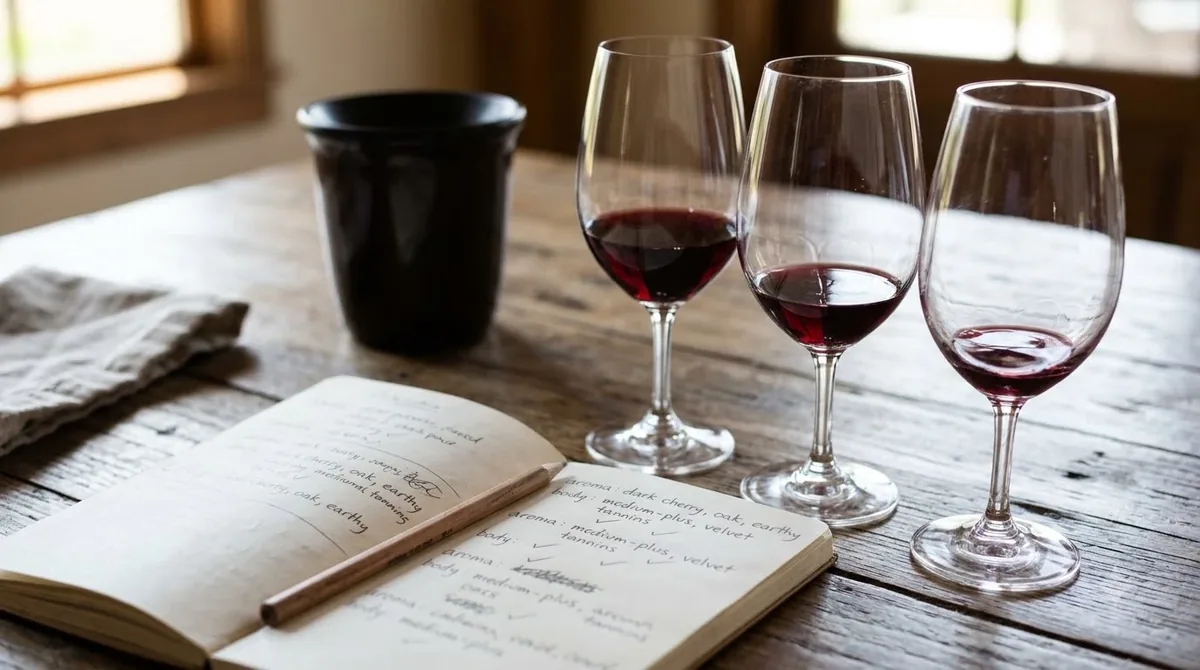
The Oklahoma Winery & Vineyard Association (OWVA) presents the gathering as a showcase of the state’s beverage producers rather than a single-winery event. That distinction matters: guests can move between booths, ask different makers about their ingredients and methods, and notice how varied Oklahoma’s production has become. The association describes a range that includes bold red wines, crisp whites, sweet fruit-forward bottles, mead, and cider. It is a broad overview, not a promise that every producer or style appears at every edition.
The festival format is designed for discovery. In 2026, attendees received an OWVA-branded glass and a tasting passport on entry. The passport raffle encouraged visitors to stop at participating booths, collect stamps, and enter a drawing. Live sets by Vintage Vibe and From A to Z gave the event a social atmosphere, while light appetizers provided something to eat between pours. These details help explain why the event can suit both committed wine drinkers and people who are simply curious about drinks made in Oklahoma.
For a first visit, treat the festival as a tasting map of the state. Rather than concentrating on one familiar grape or sweetness level, compare a dry red with a fruit-forward wine, then ask whether the fruit was grown by the winery or sourced elsewhere. Try a cider or mead as a point of contrast. Questions about grape variety, growing location, fermentation, and serving suggestions often reveal more than a quick tasting note, and they give you a useful shortlist of wineries to visit later.
Dates, Venue, and What Is Confirmed
The last statewide edition listed by OWVA took place on June 13, 2026, from 11 a.m. to 6 p.m. at The Fordson Hotel in Oklahoma City. The association says it plans to host another event in 2027, but visitors should wait for the organizer to publish the date, venue details, and admission information before making travel arrangements.
The 2026 event was held in the hotel’s Main Gallery, providing a central indoor setting rather than a vineyard or outdoor fairground. That venue choice makes the statewide showcase convenient for people staying in Oklahoma City, but it is not a substitute for visiting a vineyard. Guests who want to see vines, production spaces, or a rural tasting room should plan an additional excursion using the state’s winery directory or wine-trail routes.
The 11 a.m.–6 p.m. schedule gave guests time to compare producers, take breaks, and enjoy the music without rushing through every booth. For a future edition, use the organizer’s announcement as the source of truth: hours, participating wineries, food service, entertainment, and entry arrangements can change from one year to the next.
| Event detail | Published information |
|---|---|
| Most recently listed statewide date | June 13, 2026 |
| Hours | 11 a.m.–6 p.m. (7 hours) |
| Venue | The Fordson Hotel, Main Gallery |
| City | Oklahoma City, Oklahoma |
| Next edition | Expected in 2027; date not posted |
Follow the OWVA festival announcement before booking a hotel or arranging transportation. Confirm the venue, entrance, sampling rules, and bottle-purchase arrangements rather than assuming the next edition will use the same hotel or schedule.
Oklahoma Wine Country and the Passport Trails
The festival is a one-day introduction, while Oklahoma’s wine trails turn that introduction into a series of winery visits. The state’s official program lists nine named routes across regions including Central, Northeast, Southeast, South Central, and Southwest Oklahoma, with itineraries ranging from three to seven destinations.
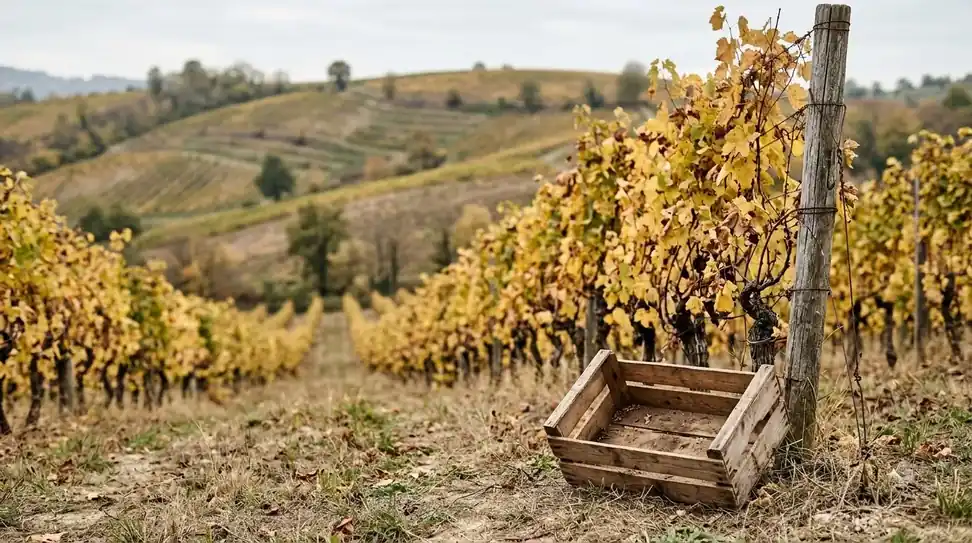
The routes offer a practical way to organize a weekend or a shorter day trip. Central Oklahoma’s “Oklahoma City is Oh So Pretty” route lists seven destinations, while “Wild Wild Wine” in the Southwest lists three. In the Southeast, “Walk the Red Carpet” and “On Cloud Wine” provide separate route options; Northeast visitors can look at “Get Your Sips” and “Eufaula the Leader.” Other named routes include “Vine and Dandy,” “Wine Not?,” and “Ouachitalkin’ About.” The regional labels are useful starting points, but actual distances still need to be checked before setting a timetable. Oklahoma’s Wine Trails passport program adds a reason to visit more than one producer, using winery check-ins and rewards to connect the routes. Oklahoma State University reports that the passport moved to an online platform with digital check-ins, allowing visitors to track completed stops and progress on a phone.
Not every stop operates like a full-service tasting room every day. Some have limited public hours, appointment requirements, or seasonal schedules, so check each winery’s visitor information and group nearby stops into a realistic route. Three carefully chosen visits can make a better day than trying to fit six scattered destinations into one afternoon. The state’s Oklahoma wine-trail listings help narrow the map, but individual winery directions and opening details should guide the final plan.
For comparisons with other regional wine destinations, see the site’s guides to the Indiana wine festival, the Livermore wine festival, and broader Wine Regions. Each destination has its own travel pattern and producer mix, so use those examples for planning ideas rather than expecting an Oklahoma route to resemble a more concentrated wine district.
Grapes, Growing Conditions, and Oklahoma Wine Styles
Oklahoma’s continental climate creates a demanding environment for grape growing, with very cold winters and very warm summers. Producers have responded in part by planting French-American hybrid grapes such as Chambourcin, Seyval Blanc, and Traminette, varieties that can handle conditions that challenge some traditional European wine grapes.
These grapes help explain why an Oklahoma tasting can differ from a flight built around familiar California or European varieties. Oklahoma State University viticulture specialist Aaron Essary identifies Chambourcin as one of the state’s most successful hybrids; Seyval Blanc and Traminette are also used to work with seasonal extremes. French-American hybrids combine American grape durability with characteristics producers value in French varieties, giving growers options in a climate that can stress vines.
Expect variety rather than one definitive Oklahoma flavor. OWVA’s festival description points to bold reds, crisp whites, and sweet, fruit-forward wines with ripe-berry, stone-fruit, and honeyed notes. A dry hybrid red differs from a sweet fruit wine, while a crisp white may be more refreshing with food than a rounder, sweeter pour. Ask what fruit a producer uses and where it was grown: Oklahoma State University reports that some wineries use their own grapes, while others use fruit or concentrate from outside the state.
That distinction does not automatically determine quality, but it does change what a bottle says about Oklahoma agriculture. Ask which vineyards supplied the grapes, which varieties are planted, and how growers handle heat, cold, and disease pressure. A conversation with a winemaker can connect the drink in your glass to decisions made in the field, including grape selection, canopy management, harvest timing, and the style the producer wants to make. Record producer names and grape varieties rather than relying only on whether a wine tastes sweet or dry.
How to Plan a Comfortable Festival Day
A successful festival visit starts with a simple plan: confirm the schedule, decide how you will get there and back, and leave enough time to speak with producers. The 2026 event ran from 11 a.m. to 6 p.m., so a future program of similar length would allow visitors to spread tastings across the day instead of trying every booth at once.
Before arrival, check the current admission policy, age and identification rules, parking arrangements, and whether food is included. The 2026 statewide event included an OWVA glass and tasting passport, but those details should not be assumed for another edition. Bring a valid photo ID, keep your phone available for producer websites and digital trail information, and wear comfortable shoes for moving between booths.
Set a tasting plan: start with styles you know least about, then return to a favorite producer if time allows. Ask about the grape or fruit, sweetness level, and a food pairing. A small taste and a short conversation can be enough to decide whether to learn more; you do not need to finish every sample. Take breaks and drink water between tastings.
Arrange transportation before sampling begins. Choose a designated driver who does not drink, arrange a rideshare or taxi where available, or stay within walking distance. Do not assume public transportation or late rides will be easy to find. Groups should agree on a meeting point and departure plan. To extend the day, choose one nearby winery or a small group of trail stops rather than building an ambitious cross-state drive. Oklahoma’s wine destinations are spread across several regions, and a relaxed visit to one tasting room can reveal more about vineyard conditions and production than a hurried sequence of stops.
Tip: Use the first part of the visit to compare unfamiliar Oklahoma wines, then spend the final portion revisiting one or two favorites and asking where you can find them after the festival. Record the producer, grape or fruit, and preferred style while the details are fresh.
Wine Tasting, Food, and Bottles to Take Home
Think of a festival tasting as a chance to compare structure, sweetness, and aroma, not just to choose a favorite color of wine. Oklahoma producers make a range of styles, so move from lighter, drier pours toward fuller or sweeter ones when the booth sequence allows, and ask for a fresh glass or rinse when switching between very different wines.
Temperature affects what you notice. A light white or rosé is generally best around 45–50°F, while a fuller white is better around 50–55°F. Light reds show well at about 55–60°F, and fuller reds are commonly served around 60–65°F. Sparkling wines are usually served colder, around 40–50°F, while sweet whites are typically served around 43–50°F. At a busy festival, the wines may be poured at the temperature available at the booth, but these ranges are useful when you bring a bottle home and serve it later.
Food makes a tasting more revealing. Sauvignon Blanc’s high acidity can work with tomato-based dishes or citrus-dressed salads, while medium-acidity Chardonnay suits roast chicken, creamy pasta, or grilled vegetables. Lighter Pinot Noir can complement mushroom dishes and roast poultry; a more tannic Cabernet Sauvignon is generally a better partner for richer, protein-forward food than delicate fish. Salt and fat soften tannin, while chili heat can seem more intense alongside wines with high alcohol or strong tannin.
For tasting notes, record whether the wine is dry or sweet, which fruit or other aroma stands out, and how it feels in the mouth. Acidity creates a lively, mouthwatering edge; tannin creates a drying sensation, especially in reds; and body describes how light or full a wine feels. For sweet wines, consider whether acidity balances the sweetness and remember that dessert wine should be at least as sweet as the dessert. If you buy a bottle, ask whether it is ready to drink or benefits from cellaring. Store cork-finished bottles on their side in a cool, dark place near 55°F, and do not leave wine in a hot car. A 750-milliliter bottle holds about five 5-ounce servings. Once opened, most still wines keep about three to five days in the refrigerator; sparkling wine generally lasts one to three days with an effective closure.
Frequently Asked Questions
How many licensed small-farm wineries are there in Oklahoma?
Oklahoma State University reports approximately 45 small-farm licensed wineries. That count includes traditional wine producers, hard-cider producers, and businesses making other fruit wines.
How much grape-growing land does Oklahoma have?
Oklahoma State University reported approximately 385 acres of grapes statewide, counting both bearing and nonbearing vines. That figure describes grape acreage, not the total land area owned or operated by wineries.
How long does a new vineyard take to produce grapes?
Oklahoma State University’s viticulture specialist said vines typically need about three years to produce harvestable fruit. Growers therefore spend several seasons establishing and caring for a vineyard before they can count on a commercial crop.
When did Oklahoma introduce its wine-trail passport program?
The Oklahoma Department of Agriculture, Food and Forestry announced the passport program in 2024. Its original route structure grouped participating vineyards and wineries into nine trails, with three to six producers on each trail.
What state policy change helped the modern wine industry expand?
Oklahoma voters approved State Question 792 in 2018, modernizing the state’s alcohol laws. Expanded access to grocery and convenience-store retail sales was one part of the change described by Oklahoma State University’s report on the industry.
The Oklahoma wine festival is a useful starting point for discovering the state’s wineries, meaderies, cideries, and regional wine trails in one visit. Check OWVA’s next announcement before planning around a future date, then use the passport routes to turn favorite festival pours into a longer Oklahoma wine-country trip.
More in Wine Regions
 Willcox Wine Trail: Discover Arizona’s High-Elevation Wine CountryUpdated Nov 20, 2026
 Yakima Valley Wine Region: Find the Best Styles to TryUpdated Nov 20, 2026
 Vosne Romanee Wine Tasting: Identify Aromas and Choose Better PairingsUpdated Nov 20, 2026
 Yakima Valley Wine Festival: Find the Best Seasonal Wine EventsUpdated Nov 20, 2026
 Wales Vineyards: Discover Cool-Climate Wines and Where to VisitUpdated Nov 20, 2026
 Yountville Wine Festival: Discover Napa Wines and Local FoodUpdated Nov 20, 2026