

We may earn a commission when you buy through links on this page, at no extra cost to you. Learn more.
Oklahoma wine comes from a small but growing industry that makes everything from dry Chardonnay and Cabernet Sauvignon to sweet fruit and honey-style wines. According to Wikipedia’s overview, the state has about 52 wineries, most of them in Green Country in the northeast, the Lincoln County area, central Oklahoma, and the southwest. Wines range from sweet to dry, and some producers make fruit wines from peaches as well as the grape-based styles most people expect.
This guide explains how Oklahoma wine developed, where the wineries are located, which grapes and styles you are likely to find, and how to choose and serve a bottle. It is written for readers who are new to the state’s wine scene and want a clear overview before they visit a tasting room or shop for a bottle.
A Short History of Oklahoma Wine
Wine was an established part of Oklahoma’s agricultural economy in the 1920s. The Wikipedia account says the industry was then destroyed by the Dust Bowl of the 1930s and by the introduction of Prohibition in the United States. Like many regional wine industries, it had to rebuild from a very small base, and the modern scene has grown from a handful of pioneering estates into a broader group of tasting rooms and farm wineries.
That history matters because it explains why Oklahoma wine often looks different from California or Oregon wine. Growers have had to work with a climate that is humid and variable, and many producers have built their reputations on blends, fruit styles, and wines that suit local tastes as much as classic European models. The overview’s climate note describes the highland areas as humid subtropical to continental, a mix that favors hardy grapes and hybrids alongside more traditional vinifera plantings. Visitors who understand that mix tend to appreciate the range of styles more, since the same vineyard can produce a crisp white in one year and a fuller red in another.
Where the Wineries Are Located
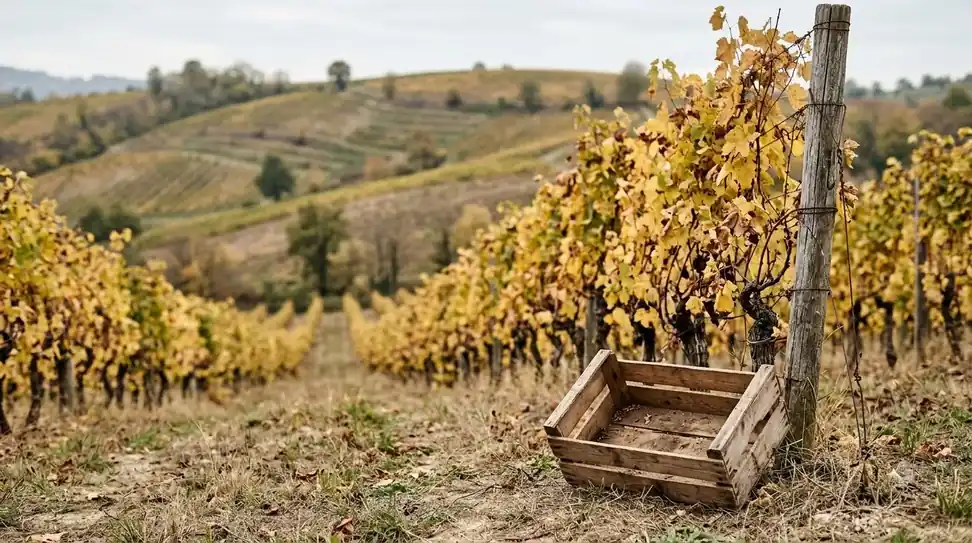
Most of Oklahoma’s wineries sit in four clusters. Green Country, in the northeast, is one of the most visited areas for wine tourism. The Lincoln County area and nearby east-central parts of the state also have a concentration of producers, as do the central and southwestern parts of Oklahoma. Each cluster has its own feel, from rolling hills and farm-based estates to towns with easy access to restaurants and lodging.
Because the wineries are spread across the state, a visit usually means choosing one region rather than trying to cover everything in a single trip. If you want a model for planning a route through several tasting rooms, the Illinois wine trail guide on this site walks through a similar approach, while the Wine Regions guide explains how different climates produce different wine styles.
| Area (per the overview) | What it offers visitors | Good fit for |
|---|---|---|
| Green Country (northeast) | A concentration of tasting rooms and farm wineries | First-time visitors who want a short, varied trip |
| Lincoln County and east-central | Wineries spread through rural countryside | Visitors who enjoy a slower drive between stops |
| Central Oklahoma | Producers near larger towns and services | Groups that want easy lodging and dining |
| Southwest Oklahoma | Wineries with a different landscape and feel | Visitors combining wine with other regional stops |
Grapes and Styles to Expect
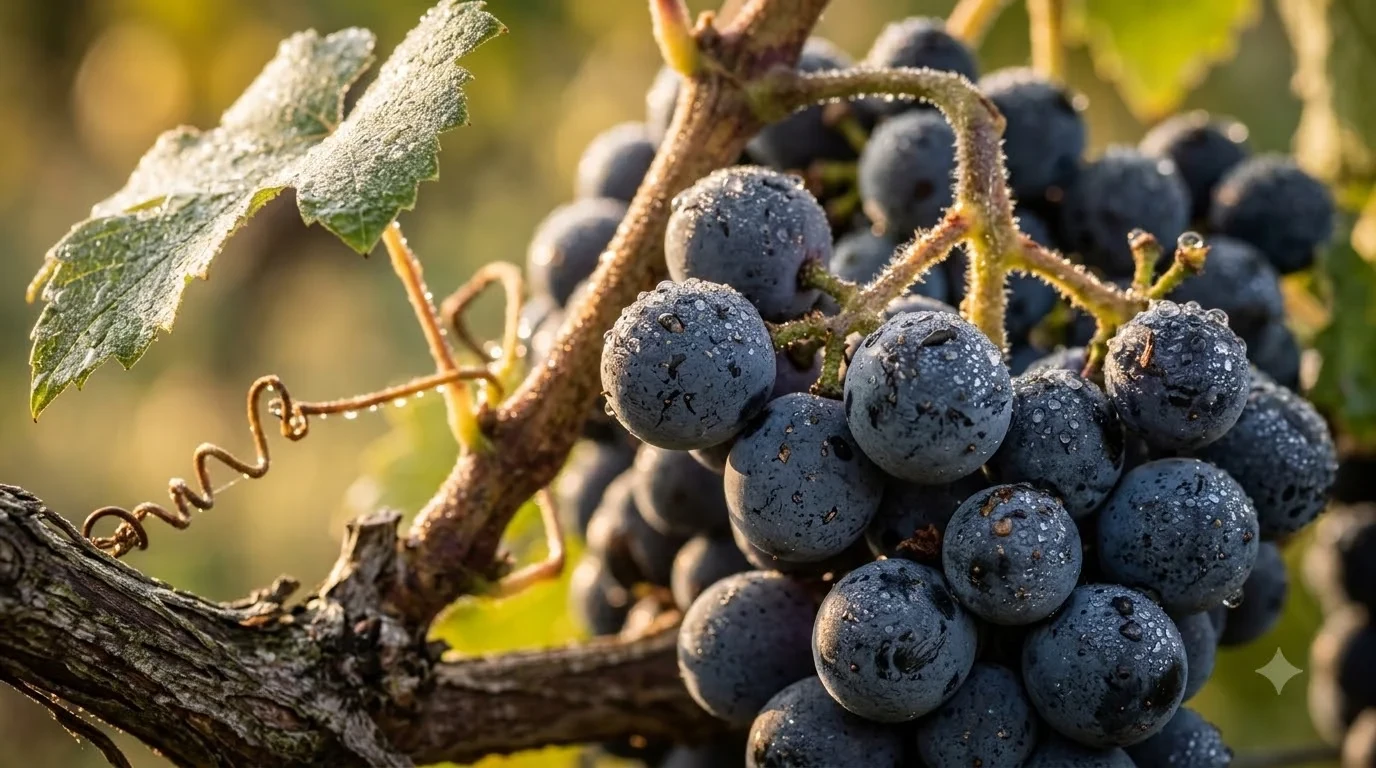
Oklahoma wineries work with a mix of grape types. Wikipedia’s article cites international varieties such as Cabernet Sauvignon and Chardonnay, German varieties such as Riesling and Gewurztraminer, French hybrids, and American native varieties. The state’s infobox lists many more, including Chambourcin, Concord, Catawba, Norton, Niagara, and Vidal blanc. For a visitor, that range means you can find dry reds and whites alongside sweeter styles that are made from native grapes or from fruit.
The state also has an unusual range of products. The overview notes that some producers have made non-grape wines from peaches and jalapeño peppers, and that at least one winery produces an ice wine. These wines are not the only options, but they are a reminder that Oklahoma’s industry has often been willing to experiment with local flavors. A tasting flight is a practical way to test that range. Ask for a short pour of each style, starting with the driest wine and finishing with the sweetest, so the palate stays fresh and the differences are easier to notice.
How to Serve and Pair Oklahoma Wine
Serving temperature depends on the style. Dry whites such as Chardonnay show best when chilled to about 45 to 50 degrees Fahrenheit, while lighter reds and hybrids often taste better slightly cooler than room temperature. Sweet fruit wines are usually best cold, and they make a pleasant pairing with desserts or spicy food. Use a standard white glass for whites and a medium-sized red glass for reds, and let the wine warm slightly in the glass before judging it.
Pairings should follow the weight and sweetness of the wine. Dry whites pair well with chicken, seafood, and salads with light dressings. Fuller reds suit grilled meats, barbecue, and hearty stews, which are common on Oklahoma menus. Sweet and fruit wines work well with spicy dishes, since a touch of sugar can calm heat, and they go nicely with cheese boards and fresh fruit desserts.
Tip: Ask a tasting room server to describe the sweetness level of each wine before you order. Many Oklahoma producers offer a range from dry to sweet, and the label does not always make that clear.
How to Choose an Oklahoma Bottle
Start with the style you enjoy. If you are new to the state’s wines, look for a dry white or a light red from a producer whose tasting notes are clear about sweetness. If you prefer sweeter wines, read whether the bottle is described as sweet, semi-sweet, or dry, since the terms can differ from one winery to the next. Fruit wines and honey-style wines are a good way to explore flavors that are less common elsewhere.
Because Oklahoma wineries are relatively small, distribution outside the state can be limited. Buying at the winery or from a local retailer is often the easiest route to a bottle you cannot find elsewhere. Ask staff which bottles are made in small batches, and check whether the winery offers shipping within your state before you plan a purchase. Shipping rules for wine differ by state, and some producers only ship to a limited list of places, so confirm before you buy. Keep an eye on bottle size and condition during transport, and store the wine at a steady, cool temperature until you are ready to open it.
Frequently Asked Questions
How many wineries are in Oklahoma?
Wikipedia’s overview states that Oklahoma currently has about 52 wineries. The number can change as new producers open and others close, so check a current directory before planning a route.
Is Oklahoma wine only made from grapes?
No. Most wineries focus on grape wines, but the overview notes that some producers make non-grape wines from fruit such as peaches, and that at least one winery makes an ice wine.
Which part of Oklahoma has the most wineries?
According to the overview, many wineries sit in Green Country in the northeast, and there are clusters in Lincoln County and east-central areas, central Oklahoma, and the southwest. Green Country is a common starting point for visitors.
Are Oklahoma wines sweet?
Not all of them. The overview says that most wineries produce wines from sweet to dry, so the range is wide. Read the tasting notes or ask a server to describe the sweetness before you choose.
Oklahoma wine is a varied and developing scene, with wineries spread across the state and a mix of grape and fruit styles. Pick one region to explore, taste a few styles from the same producer, and plan transport before you go. Please drink responsibly, and use the regional guides on this site to plan your next wine trip.
More in Wine Regions
 Willcox Wine Trail: Discover Arizona’s High-Elevation Wine CountryUpdated Nov 20, 2026
 Yakima Valley Wine Region: Find the Best Styles to TryUpdated Nov 20, 2026
 Vosne Romanee Wine Tasting: Identify Aromas and Choose Better PairingsUpdated Nov 20, 2026
 Yakima Valley Wine Festival: Find the Best Seasonal Wine EventsUpdated Nov 20, 2026
 Wales Vineyards: Discover Cool-Climate Wines and Where to VisitUpdated Nov 20, 2026
 Yountville Wine Festival: Discover Napa Wines and Local FoodUpdated Nov 20, 2026