

We may earn a commission when you buy through links on this page, at no extra cost to you. Learn more.
Catena wine is the range of Argentine bottles made by Bodega Catena Zapata, and Malbec is the grape behind most of it. The lineup runs from fruit-forward everyday bottlings to high-altitude wines from the estate’s best vineyards. The tier on the label tells you more about the taste than the brand name does, so this guide explains the range, the Malbec style, and how to serve and pair these wines.
Catena is one of the best-known names in Argentine wine, and many shoppers meet it first on a restaurant list or a shop shelf. The brand can feel like a single product, but it covers several wines made in different vineyards at different elevations. Read on to see what sets each level apart and how to pick a bottle that fits your meal.
Who makes Catena wine and where it comes from
Catena wine comes from Bodega Catena Zapata, a winery run by the Catena family in Argentina. The winery’s official site has sections for the family, for Nicolás Catena Zapata, for the Adrianna Vineyard, and for its wines, along with a Catena Institute. That structure shows a producer that talks about its own vineyards and research, which is useful context when you compare bottles from one estate.
For a buyer, the practical point is that the estate works with more than one vineyard site. Different sites bring different altitude and soil, so two bottles from the same house can taste quite different. The official Bodega Catena Zapata website is a useful place to check the current range, catenazapata.com, before you buy.
Malbec, the grape behind most Catena bottles
Malbec is the grape most people link with Catena, and it sets the basic style of the house. Wine Folly’s Malbec guide describes it as Argentina’s most important planted grape variety. It came from France, where it is known as Côt, and around 40 percent of Argentina’s red grape vineyards are planted to Malbec, according to the same page.
The flavor profile is consistent across most Malbec. Wine Folly lists red plum, blackberry, vanilla, sweet tobacco and cocoa, with a dry, full-bodied structure, medium tannins, medium-low acidity and 13.5 to 15 percent alcohol by volume. The page notes that the grape does best in sunny climates with cool nights and at higher elevations, which is why the Uco Valley and Luján de Cuyo in Mendoza are named for some of the most praised examples.
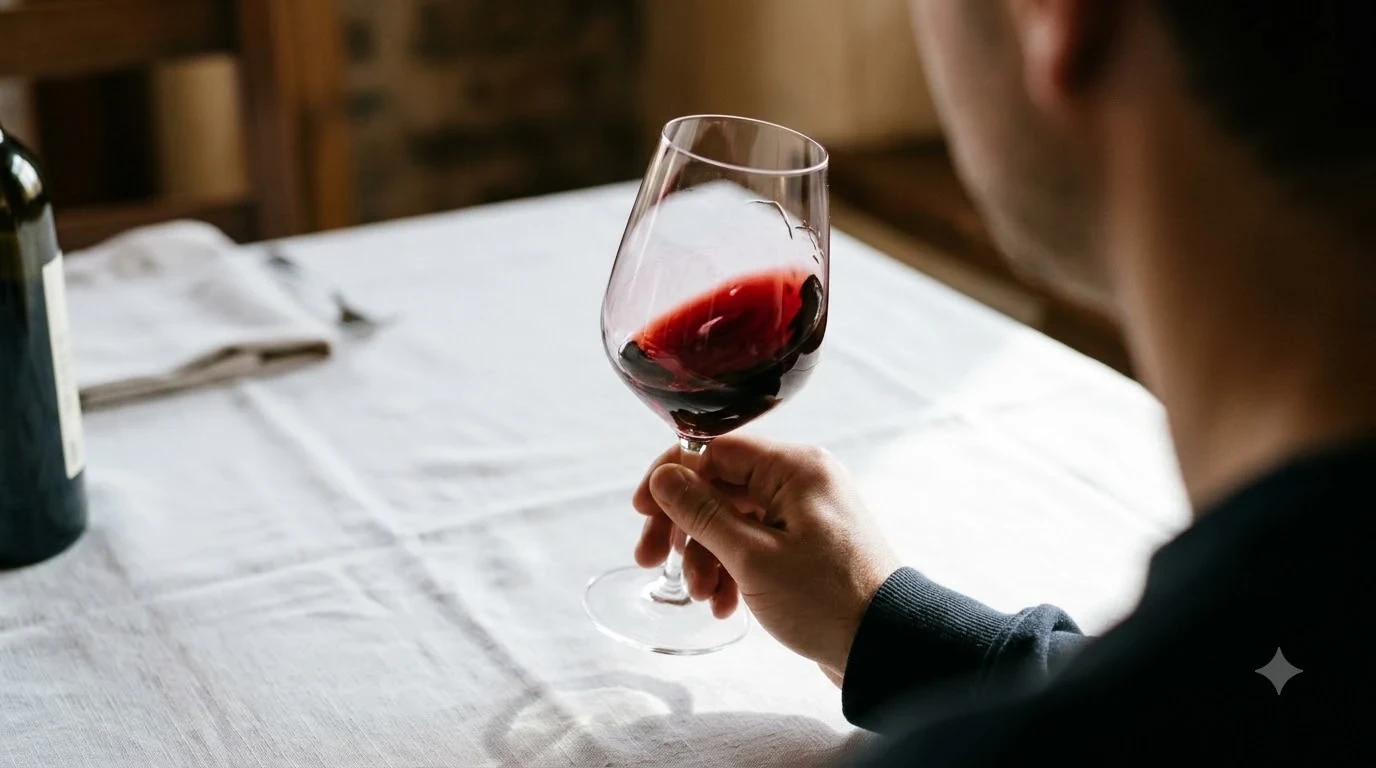
When you taste a Catena Malbec, look first for ripe dark fruit and a smooth finish.
Vanilla and spice usually come from oak, and the amount you notice depends on the tier. A wine with very firm tannins and deep color is usually meant for a longer wait in the cellar.
How the Catena tiers differ
The range is easiest to understand as a ladder rather than a list of separate products. Entry bottlings are made for early drinking and everyday meals, with bright red fruit and softer tannins. Mid-range wines usually add more structure and some oak influence, and they reward a few minutes in the glass. The top bottlings come from selected vineyard blocks and are built to age, so they show more depth and a longer finish.
Check the front and back labels for the exact name of each wine, because the naming can change from one vintage to the next. The table below is a guide to style, not a fixed rule, and a strong vintage can move a wine up a level in the way it tastes.
| Style level | What to expect | Best use |
|---|---|---|
| Entry bottlings | Bright red fruit, soft tannins, easy to drink young | Weeknight dinners and casual pours |
| Mid-range wines | More structure, some oak, deeper dark fruit | Roast meats and small gatherings |
| High-altitude top bottlings | Concentrated fruit, firm tannins, a longer finish | Special meals and short-term cellaring |
How to serve Catena Malbec
Serving temperature and glassware change how a Malbec tastes. Wine Folly suggests serving Malbec at 60 to 68 degrees Fahrenheit (15 to 20 degrees Celsius), which keeps the fruit lively without hiding the structure. The same guide recommends a universal glass, a shape wide enough to show the aromas while still directing them toward the palate.
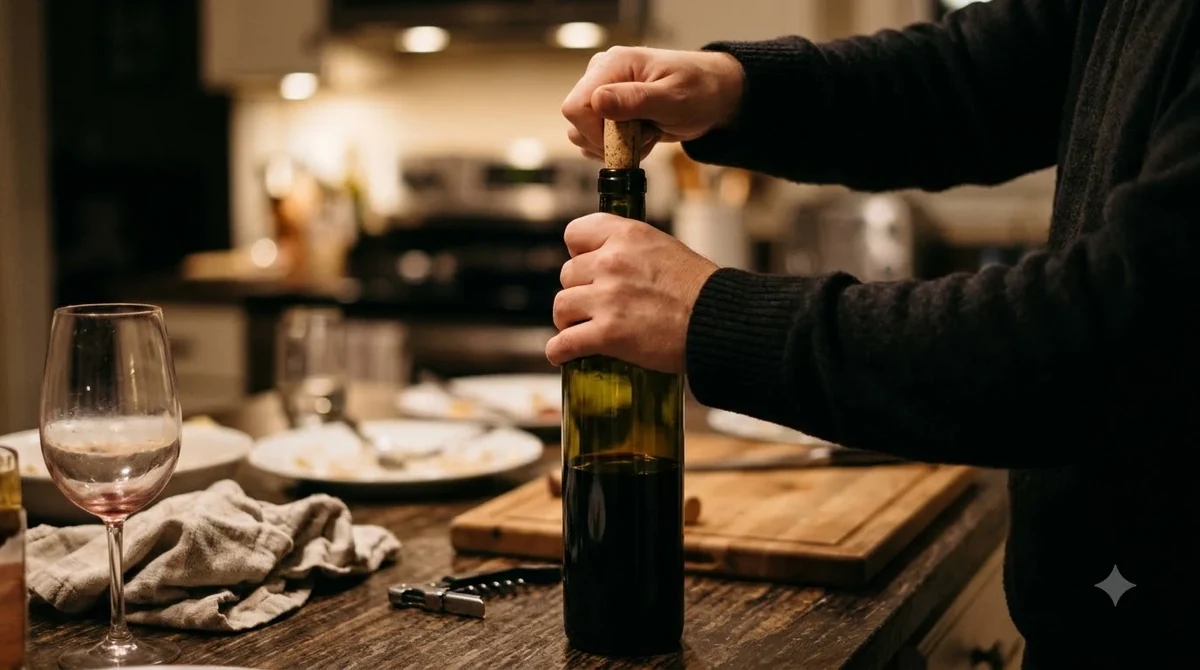
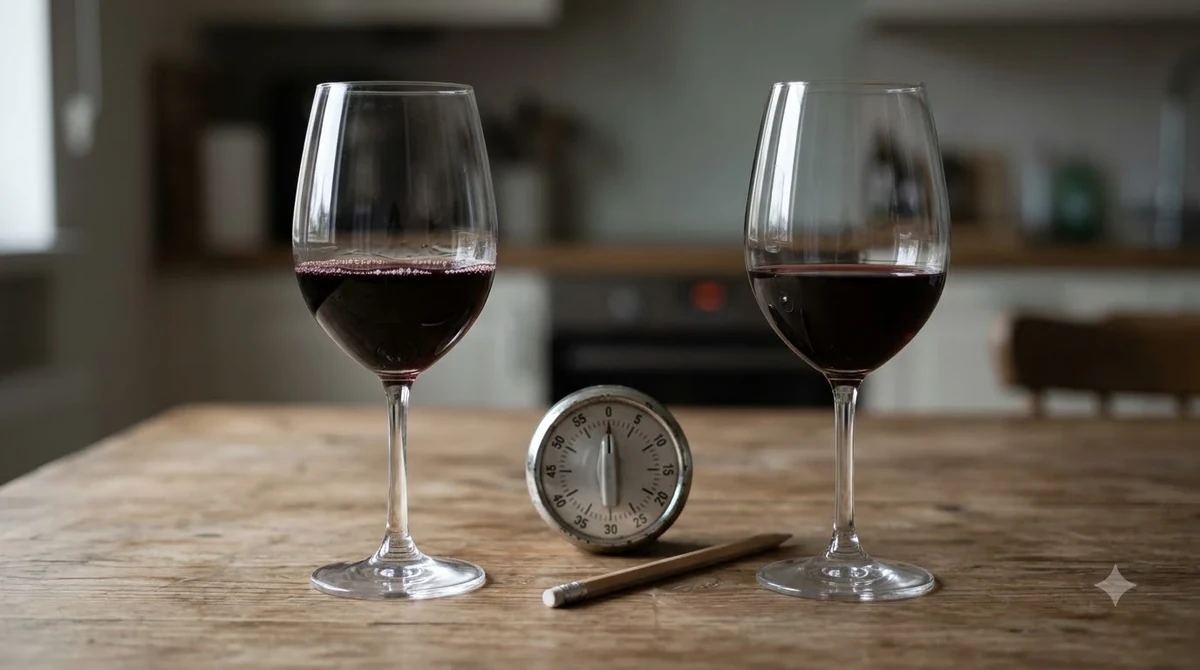
Decanting helps younger, structured bottles. Wine Folly suggests decanting for about 30 minutes, and it notes that Malbec can be cellared for five to ten years if you want it to develop further. Entry bottlings can be opened and poured straight away. For the higher tiers, pour a small glass first and taste how the tannins feel before you decide how long to decant.
Tip: If a bottle tastes tight or closed, give it 20 to 30 minutes in the glass or in a decanter before you judge it.
What to pair with Catena Malbec
Malbec pairs well with food that matches its ripe fruit and soft spice. Grilled beef, roast lamb and smoked pork are classic partners, because the tannins cut through fat and the fruit balances the char. Hard cheeses, mushroom dishes and dark chocolate also work well. Delicate white fish or light salads tend to be overpowered by a full-bodied red.
For a simple dinner, start with an entry bottling and serve it with burgers or a tomato-based pasta. Save a top-tier bottle for a meal built around a steak or a slow-cooked roast, where the wine’s structure has something to hold onto. Matching the wine to the richness of the main dish matters more than matching it to the side dishes.
How to choose a Catena bottle
Start with the tier you want rather than the year on the label. If you plan to drink the wine within a few days of buying it, choose an entry or mid-range bottling. If you are bringing a bottle to guests who appreciate structure, choose a higher tier and open it with food. Read the back label for the vineyard name or altitude, since those details usually signal the style you will taste.
Buy from a shop that stores wine away from heat and direct light. Malbec is more sensitive to heat than many people expect, so a bottle left in a hot car or on a sunny shelf can taste flat even when the cork is sound. If you are buying for a special meal, ask the staff when the bottle arrived and how it was kept.
Frequently Asked Questions
Is Catena wine always Malbec?
Malbec is the best-known wine in the range and the grape most people associate with the brand. Check the label for the specific bottling, because the lineup includes other styles that are not Malbec.
Is Catena wine from Argentina?
Yes. Bodega Catena Zapata is an Argentine winery, and its wines are closely tied to Mendoza, the region best known for Malbec.
Should I decant Catena Malbec?
Younger, structured bottles usually benefit from about 30 minutes in a decanter. Entry bottlings can be opened and poured right away without decanting.
How long can I keep a Catena Malbec?
Most everyday Malbec is best within a few years of the vintage. The higher tiers can age longer. Wine Folly suggests cellaring Malbec five to ten years if you want it to develop.
Catena wine is easiest to enjoy when you match the tier to the occasion. Start with a mid-range bottle to learn the house style, then move up when you want more depth. For a lighter, crowd-pleasing option at a gathering, see the Andre Spumante entry, and for a broader look at how producers handle their ranges, see the wine brands guide.
More in Wine Brands
 Underwood Wine Price: Compare Bottles, Cans, and Pack SizesUpdated Nov 21, 2026
 Zenato Wine Price: Compare Styles and Choose the Right BottleUpdated Nov 21, 2026
 Zuccardi Wine Price: Compare Bottles and Find the Right RangeUpdated Nov 21, 2026
 Yellow Tail Moscato Review: Taste, Sweetness and Serving TipsUpdated Nov 21, 2026
 Wolf Blass Yellow Label Review: Choose Your Best StyleUpdated Nov 21, 2026
 Wolffer Estate Rose Review: Choose the Right Bottle for Your TableUpdated Nov 21, 2026