

We may earn a commission when you buy through links on this page, at no extra cost to you. Learn more.
The niagara on the lake wine festival is a collection of seasonal wine celebrations featuring local wineries, Icewine tastings, food pairings, and special events throughout Niagara-on-the-Lake, Ontario. The best-known winter celebration is the Niagara Icewine Festival, which brings participating wineries and visitors together during January. The wider Niagara Grape & Wine Festival program also includes spring, summer, and fall experiences, making the region an appealing destination throughout the year.
Planning a wine country visit involves more than choosing a tasting room. Niagara-on-the-Lake combines historic streets, vineyard landscapes, regional cuisine, and a distinctive cool-climate wine industry. Understanding which festival takes place where, what each event includes, and how to organize winery visits will help you make better use of your trip. Here is what to know before planning a visit.
Understanding the Niagara Wine Festival Calendar
Niagara’s wine celebrations span several seasons, but the events do not all take place in the same town or at the same venues. The distinction matters because Niagara-on-the-Lake is one part of a larger wine region that also includes St. Catharines and the Niagara Benchlands.
The Niagara Grape & Wine Festival organizes experiences throughout the year, with seasonal Discovery Pass programs and larger public celebrations. Its fall flagship event centers on Montebello Park in St. Catharines, while its winter programming includes the Niagara-on-the-Lake Icewine Village. Visitors should distinguish between these events before booking accommodations or arranging transportation.
January is particularly important for Niagara-on-the-Lake because it is associated with Icewine production and winter wine tourism. The local tourism calendar highlights a January celebration involving more than 20 wineries pouring dessert wines. Visitors can combine the festival atmosphere with winery appointments, restaurant visits, and walks through the historic district.
Other seasonal events provide different experiences. Spring emphasizes fresh wines and seasonal winery activities, summer brings outdoor gatherings and food-focused events, and autumn highlights harvest flavors and regional cuisine. The official festival calendar organizes these experiences under separate seasonal programs, making it easier to choose an appropriate visit.
Tip: Before booking a hotel, identify the exact event and its venue. A festival advertised as a Niagara wine celebration may take place in St. Catharines rather than Niagara-on-the-Lake.
For a broader introduction to the area’s geography, grape varieties, and wine styles, explore our Wine Regions resource. Understanding the wider region makes it easier to plan a trip that includes more than one festival location.
Winter Icewine Celebrations in Niagara-on-the-Lake
The January Icewine Festival is one of the most distinctive reasons to visit Niagara-on-the-Lake during winter. Its combination of dessert wines, seasonal dishes, outdoor entertainment, and historic streets gives visitors a different experience from the traditional summer vineyard visit.
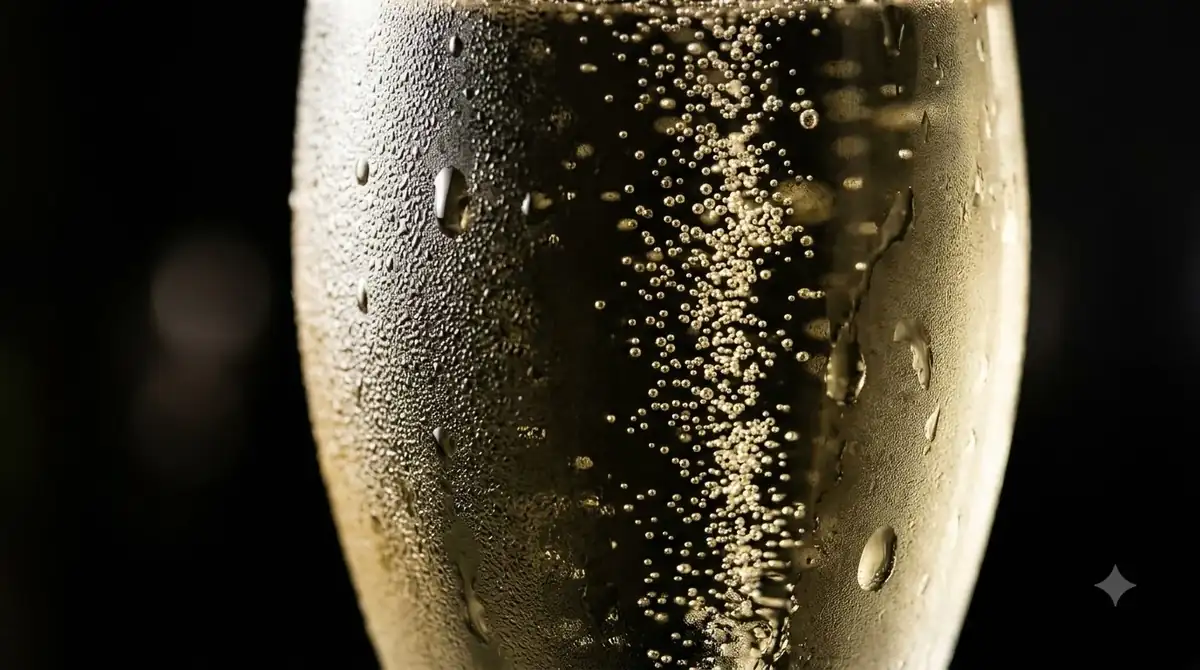
The Niagara-on-the-Lake Icewine Village transforms Queen Street into a seasonal gathering place. Local wineries serve Icewine alongside food from regional culinary vendors, while visitors can enjoy ice sculptures, fire pits, entertainment, and illuminated surroundings. The village offers free general admission, so visitors do not necessarily need a festival ticket simply to enjoy the public atmosphere.
The wider winter festival also includes an Icewine Discovery Pass. This program connects participating wineries through curated wine and food experiences. Instead of visiting one central festival site, pass holders can travel between winery locations and discover different interpretations of Niagara Icewine.
The official 2027 Niagara Icewine Festival runs January 15–31. Its program includes the Icewine Village and Discovery Pass experiences. The village itself is organized around two weekends of activities, so visitors should distinguish the broader festival dates from the specific dates of individual events.
Icewine is particularly suited to winter celebrations because the wine is produced from grapes that freeze naturally on the vine. Harvesting and pressing frozen grapes concentrates sugars and flavor components, creating a rich dessert wine with distinctive acidity. Vidal, Riesling, and Cabernet Franc are among the varieties associated with Ontario Icewine production.
Expect concentrated flavors that can include apricot, peach, honey, citrus, tropical fruit, and candied notes. The acidity is important because it balances the wine’s sweetness. A good Icewine should not taste simply sugary or heavy.
Visitors who enjoy dessert pairings can explore combinations with blue cheese, fruit tarts, cheesecake, or dark chocolate. The wine should be at least as sweet as the dessert to prevent it from tasting thin or sour alongside the food.
For official event information, the Niagara-on-the-Lake Icewine Village event page provides details about the location, general admission, activities, and visitor arrangements.
Fall Harvest Events and the Montebello Park Celebration
Fall is another major season for Niagara wine tourism, particularly for visitors interested in harvest celebrations, live entertainment, and regional food. However, the flagship Niagara Grape & Wine Festival gathering takes place in Montebello Park in St. Catharines, not in the center of Niagara-on-the-Lake.
The 2026 Montebello Park celebration ran September 24–27. Its program included more than 100 Niagara VQA wines, locally prepared culinary dishes, and more than 25 hours of live music. General park admission was free on Friday, Saturday, and Sunday, while the Thursday concert kickoff was ticketed.
The park’s Wine and Culinary Village is designed for visitors who want to sample multiple regional wines without traveling between separate vineyard properties. Wine vendors, food stalls, entertainment areas, and gathering spaces create a concentrated festival experience.
The fall program also includes community events that connect the celebration with Niagara’s agricultural heritage. The Grape & Wine Grande Parade takes place in downtown St. Catharines, while the Mayor’s Invitational Grape Stomp brings a playful harvest tradition to Montebello Park.
The 2026 Grande Parade was scheduled for September 26 at 11 a.m. The Grape Stomp followed on September 27 at 2:30 p.m. These events illustrate why the fall celebration appeals to more than dedicated wine enthusiasts: visitors can combine tastings with music, food, parades, and family activities.
The distinction between the fall and winter programs is useful when choosing travel dates. Fall is generally better for harvest atmosphere, outdoor entertainment, and exploring several wine styles. Winter is more closely associated with Icewine, seasonal food pairings, and the festive atmosphere of Queen Street.
Discovery Passes and Winery Tasting Experiences
Discovery Pass programs provide a structured way to explore participating Niagara wineries without arranging every tasting independently. Each pass includes a set number of experiences, generally combining a selected wine with a complementary culinary item.
The 2026 Fall Discovery Pass offered several formats. The standard Discovery Pass included six wine and food experiences, while the Mini Pass provided three stops for visitors planning a shorter outing. The Flex Friday option was designed for Friday visits, and the Driver’s Pass provided the culinary component with a nonalcoholic beverage.
The fall program listed 25 participating wineries. These included Bella Terra Vineyards, Chateau des Charmes, Inniskillin Winery, Jackson-Triggs Niagara Estate, Konzelmann Estate Winery, Peller Estates Winery, Pillitteri Estates Winery, Reif Estate Winery, and Trius Winery.
Each participating winery brings a different setting and wine selection. Some offer traditional tasting rooms, while others feature vineyard views, patio seating, or distinctive architectural surroundings. This variety makes the pass useful for people who want to compare more than one winery experience during their trip.
The standard six-stop format is not necessarily a reason to visit six wineries in a single afternoon. The program allows participants to spread qualifying visits across multiple days, giving them more flexibility to enjoy the food and wine without rushing.
| Pass or experience | Included stops | Best suited to |
|---|---|---|
| Discovery Pass | 6 experiences | Visitors exploring several wineries |
| Mini Pass | 3 experiences | Shorter winery outings |
| Flex Friday Pass | 6 experiences | Friday visits |
| Driver’s Pass | Culinary portions and nonalcoholic sips | Designated drivers |
| Fall winery program | 25 participating wineries | Comparing regional producers |
| Standard tasting pour | 5 oz. for a typical full glass | Understanding wine servings |
Festival tasting portions are not necessarily the same as a full restaurant glass. A typical standard wine serving is 5 ounces, while curated festival samples may be smaller. The number and size of samples depend on the particular event.
Pass holders should also understand the individual-use rules. The 2026 Fall Discovery Pass program specified that each pass is scanned per person and cannot be shared. Reservations were generally unnecessary for smaller groups, although groups of eight or more were asked to contact wineries ahead of time.
For visitors who prefer a more independent experience, a dedicated Niagara-on-the-Lake wine tasting itinerary can help identify individual wineries and tasting styles outside the festival schedule.
What Wines and Food Should You Expect?
Niagara-on-the-Lake offers considerably more variety than Icewine alone. Its wine country includes refreshing whites, aromatic Riesling, Chardonnay, sparkling wines, rosé, and structured reds. Festival programming provides opportunities to encounter these styles in both tasting rooms and food-pairing settings.
The region’s position between Lake Ontario and the Niagara Escarpment contributes to its distinctive growing conditions. Cool lake breezes and moderated temperatures help shape the local growing season, while differences in soil and vineyard location influence individual wines.
Riesling is a particularly useful wine to explore because its acidity can complement many festival dishes. Dry Riesling works with seafood, salads, and lighter appetizers. Sweeter styles can accompany spicy dishes and fruit-based desserts when their sweetness is appropriate for the food.
Chardonnay offers another perspective on the region. Depending on the winemaking approach, it can range from fresh and citrus-driven to fuller and creamier. Its moderate acidity makes it a flexible partner for roasted poultry, creamy pasta, and dishes featuring mushrooms.
Visitors interested in red wine can look for Pinot Noir, Cabernet Franc, Merlot, and other regional varieties. Pinot Noir generally has lower to medium tannin and noticeable acidity, making it suitable for roasted vegetables, poultry, and salmon. Cabernet Franc can offer red-fruit character, herbal notes, and a more structured finish.
Food pairings at winery events are often designed to demonstrate how wine interacts with regional ingredients. A crisp white may accompany fresh cheese or seafood, while a fuller red can work with grilled meats and savory dishes. Sweet wines such as Icewine are particularly effective with desserts and selected salty cheeses.
Pairing principles for festival visitors
Three basic principles can help visitors choose more successfully. First, the wine should be at least as sweet as the dessert. Second, acidic food generally needs a wine with equal or higher acidity. Third, salt and fat can soften the perception of tannin in red wines.
Spicy food requires additional care. Alcohol and tannin can make chili heat feel stronger, so high-alcohol Cabernet Sauvignon or heavily structured Syrah may be difficult matches for very spicy dishes. A fruit-forward wine with lower alcohol and modest tannin is often more comfortable.
Oily fish is another pairing to consider carefully. Highly tannic red wine can clash with fish oils, so a crisp Riesling or Chardonnay is usually a more suitable starting point. These principles are particularly useful when a festival pairing includes several different food components.
Ask the winery staff which wine is intended for each dish. A carefully selected pairing can reveal details about acidity, sweetness, texture, and regional ingredients that might be less obvious in a standalone tasting.
Planning Your Festival Visit and Winery Route
A successful wine festival trip begins with choosing the right base and organizing transportation. Niagara-on-the-Lake and St. Catharines are separate destinations within the larger Niagara region, so a visitor attending events in both places should allow time for travel between them.
For the Icewine Village, staying within or near the historic district makes it easier to enjoy Queen Street, restaurants, and seasonal activities on foot. For the fall Montebello Park celebration, accommodation in St. Catharines can reduce transportation time to the main festival site.
Winery visits require a little more planning because tasting rooms are spread across the region. Niagara-on-the-Lake has approximately 40 estates and small-batch tasting rooms, according to its local tourism organization. Some properties are close enough to combine on one outing, but a realistic schedule should account for tasting time, meals, and transportation.
Start with two or three winery stops rather than trying to visit every available property. This gives you time to ask questions, enjoy the setting, and compare wines without making the day feel rushed. If a Discovery Pass is involved, consider spreading its six experiences over more than one day.
Guided wine tours are particularly helpful for visitors who do not want to drive between tasting rooms. They can also make it easier to coordinate several winery stops and understand the differences between vineyard areas.
A practical two-day itinerary
Day one: Begin in the historic Niagara-on-the-Lake district. Visit the Icewine Village if it is operating during your travel dates, explore Queen Street, and enjoy a leisurely lunch. Spend the afternoon at one or two nearby wineries, focusing on Icewine, Riesling, or Chardonnay.
Day two: Arrange a guided winery route or use a suitable Discovery Pass. Visit two or three participating producers, enjoy their food pairings, and leave time for a relaxed dinner. If your itinerary also includes the fall Montebello Park event, dedicate a separate portion of your trip to St. Catharines rather than trying to combine everything into one afternoon.
For a more detailed route between vineyards and tasting rooms, see our Niagara-on-the-Lake wine trail article.
Visitors should also consider the season when packing. January conditions can involve snow, wind, and freezing temperatures, particularly during outdoor village activities. Comfortable walking shoes, warm layers, and weather-resistant outerwear are sensible choices.
Tickets, Accessibility, and Visitor Practicalities
Not every festival experience requires the same ticket arrangement. The Niagara-on-the-Lake Icewine Village offers free general admission, while certain premium experiences and winery tasting programs require separate tickets or passes. The fall Montebello Park celebration also has different admission arrangements for its individual days and special events.
The distinction between free entry and included tastings is important. Free admission to the Icewine Village does not mean that wine samples or food are automatically complimentary. These are available through participating vendors and may involve separate purchases or ticketed experiences.
For premium winter experiences, the Icewine Village has offered VIP formats with access to dedicated hospitality areas and additional tasting inclusions. These arrangements can differ from the general public program, so visitors should review the specific event description before purchasing.
Accessibility is another practical consideration. The official Icewine Village information identifies the event as suitable for wheelchairs and strollers. However, winter weather can affect walking surfaces, and visitors with specific mobility requirements may benefit from checking the latest venue arrangements before traveling.
Families can attend the Icewine Village, which includes family-friendly activities and an outdoor festival environment. However, many evening events across the wider Icewine Festival program are intended for adults. Parents should confirm age requirements for individual ticketed experiences rather than assuming every event has the same policy.
The festival’s payment arrangements also deserve attention. The Icewine Village information describes a cashless event, accepting credit cards, debit cards, and contactless payments. Visitors should prepare an appropriate payment method before arriving.
Parking is available through street and public parking areas around Niagara-on-the-Lake, but demand can increase during major event weekends. Arriving early provides more flexibility, particularly when visiting Queen Street during peak festival hours.
Finally, remember that wine tasting and transportation need to be planned together. Designate a sober driver, arrange a guided tour, or use appropriate local transportation. The Driver’s Pass is another option for people who want to participate in the culinary experience without consuming alcoholic samples.
Frequently Asked Questions
Is Niagara-on-the-Lake the same place as Niagara Falls?
No. Niagara-on-the-Lake is a separate historic town in Ontario, located near the mouth of the Niagara River at Lake Ontario. Niagara Falls is a different city farther south. They are both within the Niagara region, but they offer different visitor experiences and festival locations.
What makes Niagara Icewine different from ordinary dessert wine?
Authentic Icewine is made from grapes that freeze naturally on the vine before harvest. The frozen grapes are pressed while still frozen, separating concentrated juice from much of the water retained as ice. This production method creates an intensely flavored wine with concentrated sweetness and balancing acidity.
Can visitors buy Niagara Icewine directly from wineries?
Yes. Many Niagara wineries sell their own bottled Icewine through winery retail outlets and tasting-room operations. Some also offer special tasting experiences that introduce visitors to different grape varieties and vintages. Availability varies by producer and inventory.
What is the difference between VQA wine and other Canadian wine?
VQA stands for Vintners Quality Alliance, Ontario’s appellation and wine-quality designation system. Ontario VQA wines must meet defined origin and production requirements, including rules concerning the grapes’ geographic source. The designation helps consumers identify wines made under the province’s established appellation standards.
Can visitors combine Niagara-on-the-Lake wineries with a visit to Niagara Falls?
Yes. The two destinations can be included in the same regional trip. A practical itinerary is to dedicate one day to Niagara-on-the-Lake’s wineries and historic district, then reserve another day for Niagara Falls attractions. A guided regional tour can also help coordinate transportation between the destinations.
The niagara on the lake wine festival experience offers much more than a single annual gathering. From the January Icewine Village to seasonal winery programs and the wider Niagara harvest celebrations, visitors can discover regional wines through food, culture, and memorable vineyard experiences. Choose the event that best matches your interests, organize transportation in advance, and leave enough time to enjoy Niagara-on-the-Lake beyond the tasting room.
More in Wine Regions
 Willcox Wine Trail: Discover Arizona’s High-Elevation Wine CountryUpdated Nov 20, 2026
 Yakima Valley Wine Region: Find the Best Styles to TryUpdated Nov 20, 2026
 Vosne Romanee Wine Tasting: Identify Aromas and Choose Better PairingsUpdated Nov 20, 2026
 Yakima Valley Wine Festival: Find the Best Seasonal Wine EventsUpdated Nov 20, 2026
 Wales Vineyards: Discover Cool-Climate Wines and Where to VisitUpdated Nov 20, 2026
 Yountville Wine Festival: Discover Napa Wines and Local FoodUpdated Nov 20, 2026