
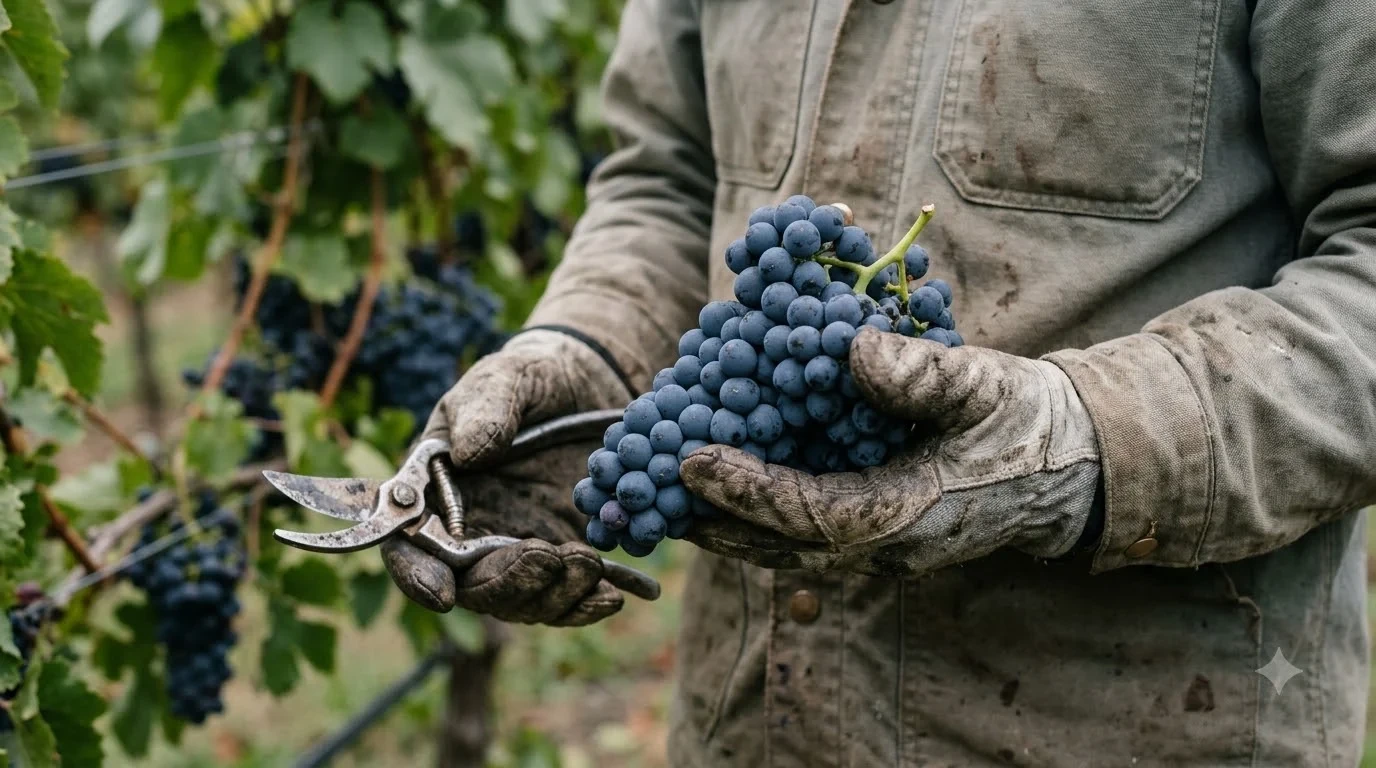

We may earn a commission when you buy through links on this page, at no extra cost to you. Learn more.
The Niagara grape is an American white grape from the Vitis labrusca family, first bred in New York in 1868 and still the leading green grape in the United States. It is sweet and has the bold, musky “foxy” character that Concord fans know, with a bright, floral aroma. It shows up mostly as table grapes, juice, jam, and sweet white wine.
If you have seen Niagara on a grocery label, a juice carton, or a wine list from a New York producer, this guide explains what the grape is, where it comes from, and how it differs from the European varieties most wine drinkers know. It covers flavor, uses, growing regions, and how to enjoy Niagara in the glass or on the table.
Where the Niagara Grape Comes From
Niagara was created in Niagara County, New York, in 1868 by Claudius L. Hoag and Benjamin W. Clark. They crossed Concord grapes with a white variety called Cassady, and the variety was first sold commercially in 1882 (Wikipedia’s entry on the Niagara grape). The new grape was first sold commercially in 1882, and it quickly became a favorite for home gardens and farms across the Northeast.
Because one parent was Concord, Niagara belongs to the North American species Vitis labrusca, the same family as Concord and many other American grapes. That heritage is why the grape tastes so different from a European Vitis vinifera variety such as Chardonnay or Riesling. It is also why the grape is often described as a hybrid, since it was bred from two parents rather than grown as a single pure type.
What Niagara Tastes Like
Fresh Niagara has a sweet, very pleasant aroma and a generally pleasant flavor. Many people call the taste “foxy,” a word used for the musky, grapey character common in American grapes. Some tasters note candied citrus peel and floral notes, and the sweetness is one of the most noticeable parts of the experience.
Niagara is not a wine built around tannin or oak. Its appeal comes from fruit and aroma, which is why it works best in styles that show those qualities clearly. The grape is usually served sweet and fresh, so drinkers who prefer dry wines may find it too direct on its own.
Where Niagara Is Grown
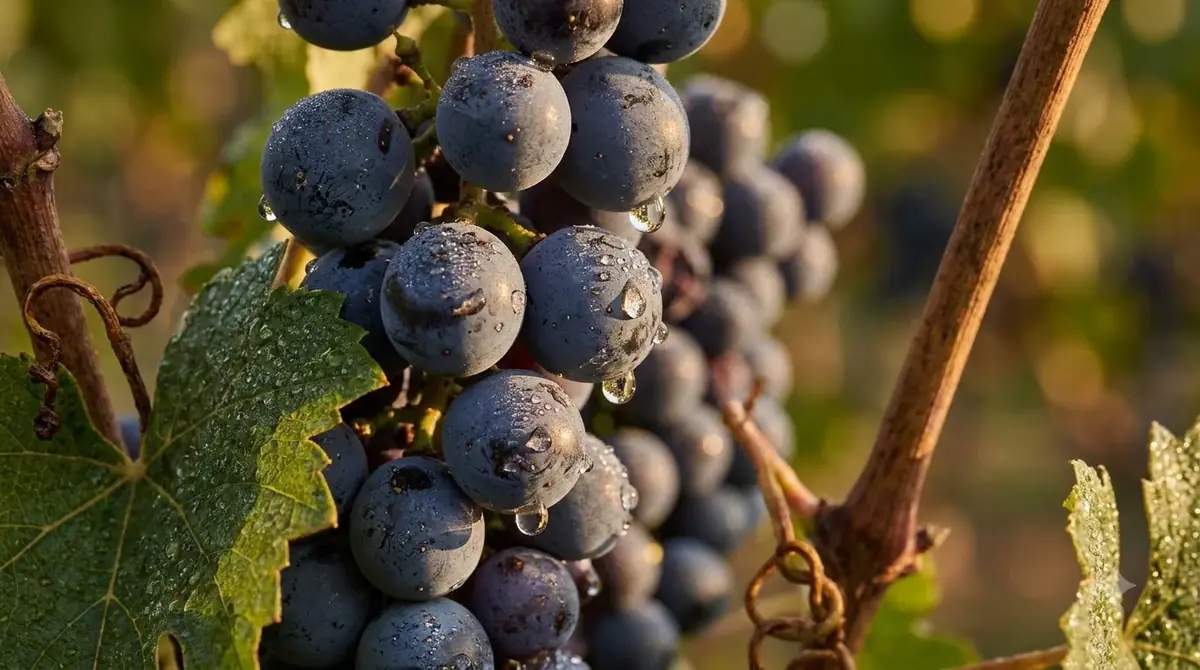
Niagara grows mainly in the United States, especially in New York, Pennsylvania, New Jersey, Michigan, Washington, and Ohio. It is also grown in Ontario, Canada, and in parts of Brazil and New Zealand. Growers in these areas use Niagara for the same reasons it is grown in New York: it is a familiar, dependable American variety with a loyal following.
Niagara is also considered a poor shipping grape, so fresh fruit is rarely sold far from where it is grown. That is one reason many shoppers only meet it in local markets, juice, or regional wine.
| Use | What to expect | Best for |
|---|---|---|
| Table grapes | Sweet, musky, and juicy | Snacking and fruit bowls |
| Juice | Bold grape flavor with clear sweetness | Breakfast and kids’ drinks |
| Jam and jelly | Strong aroma that holds up when cooked | Toast, cheese boards, and pantry gifts |
| Wine | Sweet, light, and fruit-led white styles | Casual sipping and dessert pairings |
How Niagara Is Used
Niagara is the leading green grape in the United States, and it is the source of much of the white grape juice American consumers know. Grape growers in New York also use it for jam and for sweet wines. Its strong aroma and sweetness make it easy to recognize, even when the grape is blended into another product.
For wine, Niagara is usually made in a light, fruity, and sweet style. It is a crowd-pleaser at casual gatherings and pairs well with spicy foods and simple desserts. If you want a drier white with more structure, a grape like assyrtiko grape or another European variety will feel quite different.

How to Serve and Enjoy Niagara
Serve fresh Niagara chilled, straight from the refrigerator, to keep its sweetness crisp rather than heavy. Wash the grapes well and eat them within a few days, since they do not keep as long as firmer varieties. Niagara juice is best served cold, and it makes a good base for a light spritzer.
For wine, serve a sweet Niagara cool but not ice cold, so the aroma can come through. A small glass is usually enough, because the sweetness can build quickly. It goes well with soft cheeses, fruit tarts, and mild spicy dishes.
Tip: If you are buying Niagara juice or wine for the first time, check the label for sweetness. Sweet styles pair with dessert and spice, while drier options suit savory meals better.
When you shop for Niagara, the form you buy matters as much as the variety. Fresh bunches are best in late summer and early fall, when the sugar and aroma are most noticeable. Frozen concentrate and bottled juice keep the grape flavor for longer, though they often add sugar or blend Niagara with other grapes, so reading the ingredient list helps you know what you are getting.
Jam made from Niagara is another easy way to enjoy the grape. Cooking brings out its sweetness and perfume, which is why the flavor holds up on toast, with soft cheese, or stirred into yogurt. Small batches from farm stands in growing regions are often the most fragrant.
Niagara and Other American Grapes
Niagara is part of a wider family of American grapes that includes Concord and Catawba. Like Niagara, the Catawba grape has a strong, fruity character and is grown in New York, but it has a pink skin and a more floral, off-dry profile. If you enjoy one of these grapes, the other is a natural next step.
Many wine drinkers start with a sweet Niagara and then move toward drier American styles as their palate develops. That path is a good one, because the flavors of American grapes tend to be bold and easy to recognize, and the contrast with European wine helps you understand what you like about each one. expect bold aromatics and a sweeter style than most European wines. That difference is part of the appeal for many drinkers, and it is worth trying a few styles side by side to see which you prefer.
Frequently Asked Questions
Is Niagara a sweet grape?
Yes. Niagara is known for its sweetness and musky, grapey aroma. It is usually enjoyed as a fresh table grape, a juice, or a sweet wine.
Where was the Niagara grape created?
It was created in Niagara County, New York, in 1868 by Claudius L. Hoag and Benjamin W. Clark, who crossed Concord grapes with a white Cassady grape.
Is Niagara used to make white grape juice?
Yes. Niagara is the leading green grape in the United States and is the source of much of the white grape juice that American consumers know.
Is Niagara a European or American grape?
It is an American grape from the Vitis labrusca species, bred in New York. Its flavor is quite different from European varieties such as Chardonnay or Riesling.
The Niagara grape is a good starting point if you want to understand American grapes and their bold, sweet character. Try a fresh bunch, a glass of juice, or a sweet wine from a New York producer. Each option shows a different side of the grape, so it is worth trying more than one. For a full view of the grape families behind your favorite bottles, look at the Wine by Type section and compare what you find.
More in Wine Types & Grapes
 Zinfandel Sugar Content: Dry Red vs. White Zinfandel GramsUpdated Nov 21, 2026
 Best Zinfandel Substitute Options for Sipping and CookingUpdated Nov 21, 2026
 Zweigelt Food Pairing: Best Dishes, Cheeses, and Serving TipsUpdated Nov 21, 2026
 Zinfandel Tannins Explained: How Structure Shapes Every BottleUpdated Nov 21, 2026
 Zinfandel Sweetness Level: Dry Red vs. Sweet White Zin ExplainedUpdated Nov 21, 2026
 Xinomavro Food Pairing: Best Dishes, Styles, and Serving TipsUpdated Nov 21, 2026