

We may earn a commission when you buy through links on this page, at no extra cost to you. Learn more.
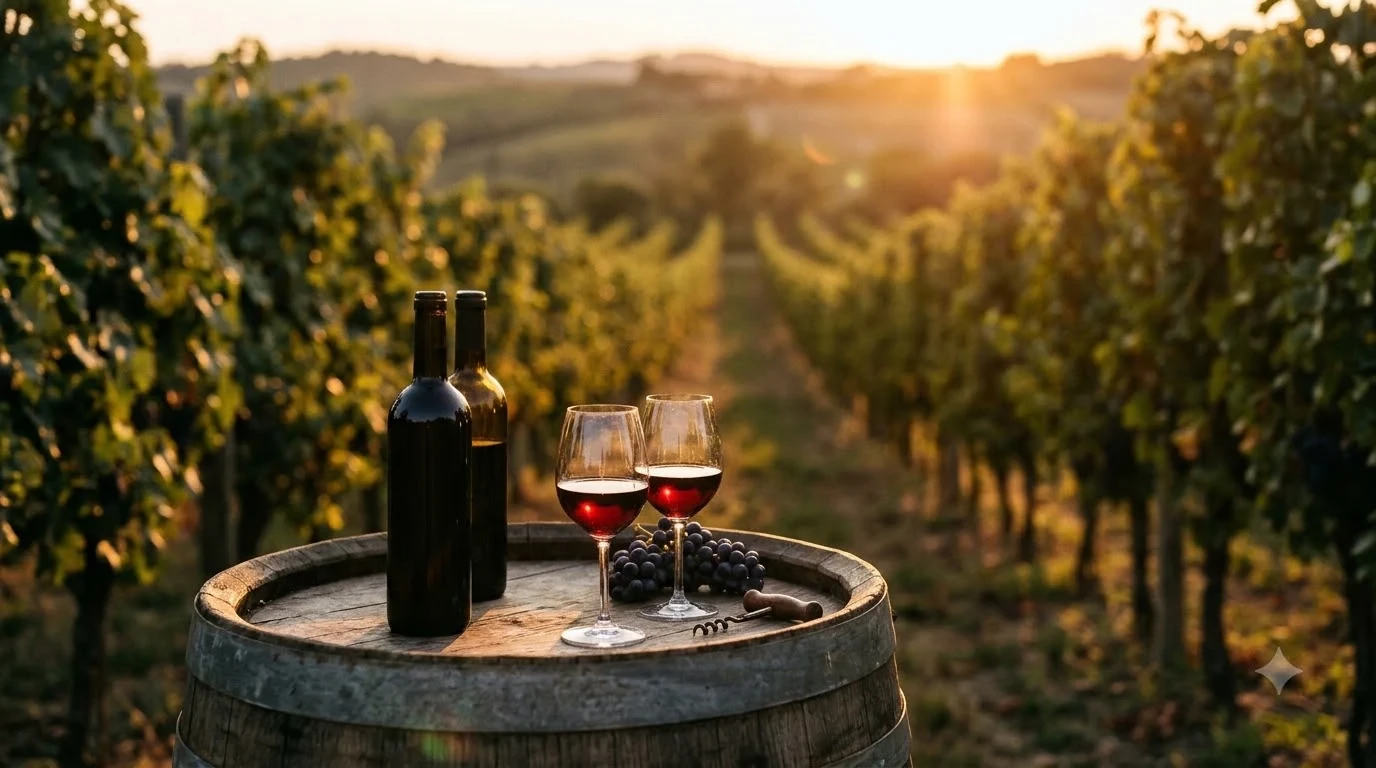
The monticello wine region is a historic American Viticultural Area (AVA) in central Virginia, known for Cabernet Franc, Chardonnay, Viognier, and scenic vineyards near Charlottesville and the Blue Ridge Mountains. Established as an AVA in 1984, this distinctive wine-growing area combines a long agricultural history with a modern collection of more than 40 wineries. Its wines reflect Virginia’s warm growing season, varied soils, and growing expertise with European grape varieties. For visitors and wine enthusiasts, Monticello offers an opportunity to discover a distinctive side of American wine beyond the better-known regions of California and Oregon.
Virginia’s connection with wine stretches back to the early colonial period, but the modern Monticello wine industry developed through decades of experimentation with grape varieties suited to the state’s climate. Today, the region attracts visitors interested in both wine and American history. Understanding its geography, grape varieties, winemaking traditions, and tasting experiences makes it easier to appreciate what distinguishes Monticello from other American wine destinations.
Where the Monticello Wine Region Is Located
The Monticello wine region occupies part of Virginia’s central Piedmont, surrounding Charlottesville and extending along the eastern slopes of the Blue Ridge Mountains. Its landscape of rolling hills, agricultural valleys, and mountain foothills provides a range of vineyard conditions that influence grape development and wine styles.
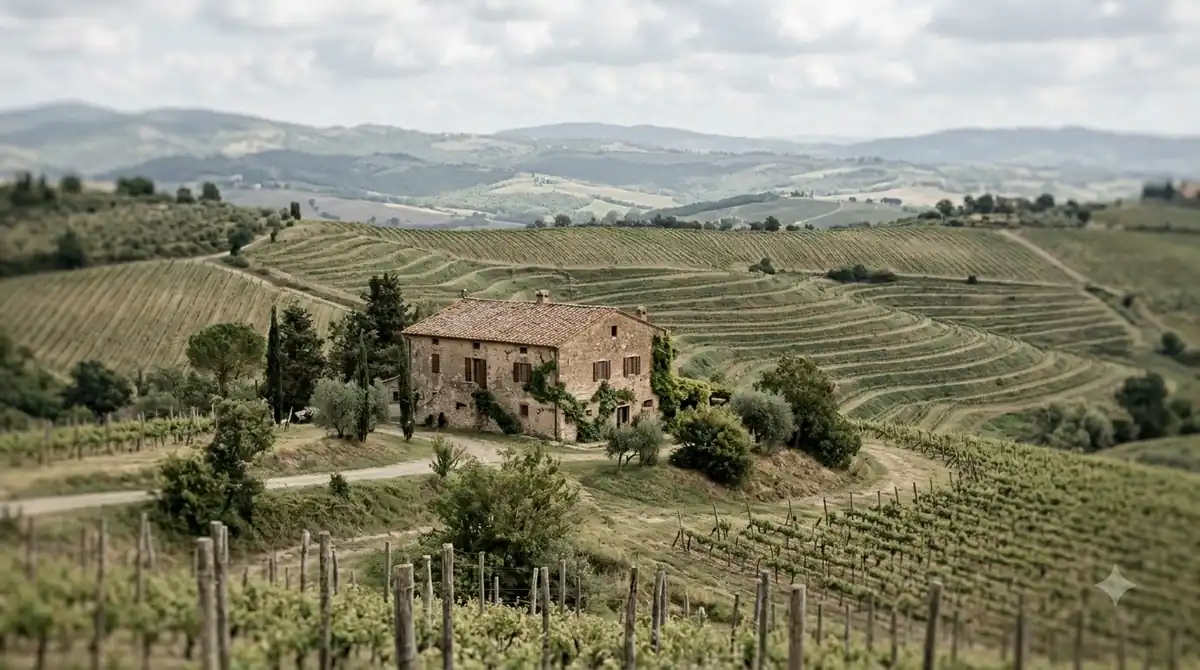
The Monticello AVA includes territory associated with Albemarle County and neighboring parts of central Virginia. Southwest Mountain is another important geographic feature. The area’s boundaries reflect a combination of historical associations and physical characteristics, including climate, soil, and elevation. Unlike a wine trail, which is an organized collection of participating wineries, an AVA is a federally recognized grape-growing area with defined boundaries.
Charlottesville is the most convenient starting point for exploring the region. The city provides access to vineyards, restaurants, historic attractions, and the surrounding countryside. Many members of the Monticello Wine Trail are located within approximately 25 miles of Charlottesville, making it practical to visit multiple wineries without undertaking long drives between destinations.
The Blue Ridge Mountains contribute to the area’s visual identity and growing environment. Vineyard elevations, slope orientation, drainage, and exposure to sunlight can vary considerably between properties. These differences matter because a vineyard on a well-drained hillside may experience different growing conditions from one situated on flatter agricultural land.
The Monticello AVA is also part of the wider Central Virginia wine region. Visitors interested in comparing American wine-growing areas can explore the broader selection of destinations in Wine Regions, where differences in climate, geography, and grape selection help explain the character of individual wine-producing areas.
Thomas Jefferson and the History of Virginia Winemaking
Thomas Jefferson’s interest in viticulture helped establish the historical identity of Monticello, although successful commercial wine production developed much later. His experiments with European grape varieties revealed the difficulties of growing traditional wine grapes in Virginia’s humid climate.
Jefferson worked with Italian viticulturist Filippo Mazzei, who helped research vineyard conditions and establish plantings around Monticello and neighboring farms. Their ambitions were interrupted by the American Revolution. Jefferson continued pursuing grape cultivation after the war, but environmental challenges and diseases, including phylloxera, repeatedly damaged vineyards.
His personal vineyard experiments were extensive. According to the Thomas Jefferson Foundation’s historical account, Jefferson’s 1807 planting included 287 rooted vines and cuttings representing 24 European grape varieties. His two vineyards occupied approximately 9,000 and 16,000 square feet, respectively, in the south orchard. The plantings were arranged across 17 narrow terraces, reflecting his interest in testing different varieties and growing arrangements.
Despite these efforts, it is unlikely that Jefferson produced wine from grapes grown at Monticello during his lifetime. The difficulties of cultivating European Vitis vinifera in Virginia were substantial. Humidity, black rot, and phylloxera made successful vineyard management particularly challenging before modern viticultural techniques became available.
His vineyards were eventually restored by the Thomas Jefferson Foundation. The northeast vineyard was replanted in 1985 using European varieties grafted onto hardy native rootstock. The southwest vineyard followed in 1993, with Sangiovese plantings. These restoration projects preserve the experimental spirit of Jefferson’s original work rather than representing the commercial foundation of the modern wine industry.
The region’s wine history also includes the Norton grape, a native American variety that became important to Virginia winemaking during the nineteenth century. The Monticello Wine Company received a gold medal in Vienna in 1873 and a silver medal in Paris in 1878, demonstrating that Virginia wines had gained recognition beyond the United States.
Modern commercial development accelerated during the 1970s. Barboursville Vineyards began operations in 1976, and the Jeffersonian Wine Grape Growers Society subsequently helped organize regional growers. The group proposed the Monticello AVA in 1982, and federal approval followed in 1984.
For more historical context, the Monticello Wine Trail’s regional history describes the relationship between Jefferson’s agricultural ambitions and the modern Virginia wine community.
Climate, Soil, and Vineyard Conditions
The Monticello AVA has a warm, humid growing environment influenced by its position in the central Piedmont and its proximity to the Blue Ridge Mountains. Its combination of seasonal warmth, varied elevations, and different soil types allows growers to cultivate several European wine grape varieties alongside American and hybrid grapes.
Virginia’s growing season is generally longer than that of many cooler-climate American wine regions. Wine Enthusiast describes the Charlottesville area as having a growing season averaging more than 200 days. This extended period provides opportunities for grapes to develop ripeness, although it also requires careful vineyard management to maintain acidity and prevent excessive fruit maturity.
Rainfall is an important consideration. The original federal documentation establishing the Monticello AVA reported an average annual rainfall of 42.4 inches across 15 surveyed vineyards, with individual figures ranging from 39.5 to 44 inches. These figures help explain why vineyard drainage and canopy management are important regional concerns.
Humidity can encourage fungal diseases, particularly during periods of sustained rainfall. Growers must pay close attention to airflow around grape clusters, foliage density, and vineyard sanitation. Careful pruning and canopy management help reduce disease pressure while allowing sufficient sunlight to reach the fruit.
Soil conditions also vary between vineyard sites. Granite-based clay soils are characteristic of parts of the Charlottesville area, while other locations have different proportions of clay, loam, and other mineral materials. These differences influence water retention, drainage, root development, and the timing of vine growth.
Elevation and slope orientation introduce further variation. A hillside vineyard may drain cold air more effectively than a low-lying site, reducing some frost-related risks. South- and southeast-facing slopes can receive useful sunlight, helping grapes reach maturity during the growing season.
The Blue Ridge Mountains are an important part of the regional landscape, but no single mountain-related effect explains every vineyard’s conditions. Individual properties have different elevations, exposures, and surrounding vegetation. Consequently, two wineries producing Cabernet Franc in the same AVA can create noticeably different wines.
These environmental differences also explain why vintage conditions matter. A warm, relatively dry growing season may favor fuller-bodied red wines, while a cooler or wetter season can make harvest timing particularly important. Winemakers must balance ripeness, acidity, tannin development, and fruit health rather than relying on a single fixed harvest schedule.
Important Grapes Grown in the Monticello AVA
Cabernet Franc, Chardonnay, and Viognier are among the most recognizable varieties associated with Monticello. The region also grows Cabernet Sauvignon, Merlot, Petit Verdot, Petit Manseng, and other grapes that contribute to its varied portfolio of wines.
Cabernet Franc
Cabernet Franc is one of the most important red grapes to explore in Monticello. It ripens earlier than Cabernet Sauvignon, an advantage in Virginia’s growing environment, where late-season rainfall and changing weather can complicate harvest decisions.
Typical Cabernet Franc wines offer red cherry, raspberry, plum, and herbal aromas. Depending on ripeness and winemaking choices, they may also show green pepper, tobacco, spice, and earthy notes. Their medium body and moderate-to-high acidity make them versatile at the dinner table.
Monticello Cabernet Franc can be bottled on its own or included in Bordeaux-inspired blends. Oak aging may contribute cedar, baking spice, and additional structure, while stainless-steel or neutral-vessel approaches can preserve more direct fruit character.
Chardonnay
Chardonnay is Virginia’s most widely planted white grape, and it offers considerable stylistic flexibility. Monticello producers can make fresh, restrained versions with citrus and apple characteristics or richer wines influenced by oak fermentation and aging.
Unoaked Chardonnay typically emphasizes lemon, green apple, pear, and mineral impressions. Oak-aged examples may develop notes of vanilla, toasted nuts, cream, and ripe stone fruit. Malolactic fermentation can further soften acidity and introduce a rounder texture.
Viognier
Viognier is another notable Virginia white variety. Originally associated with France’s Northern Rhône Valley, this aromatic grape is particularly interesting in Monticello because it can produce expressive wines with floral and stone-fruit characteristics.
Common aromas include peach, apricot, honeysuckle, orange blossom, and ripe pear. Viognier generally has medium acidity and a fuller texture than many crisp white wines. It is frequently made as a dry wine, although its ripe fruit aromas can sometimes create an impression of sweetness.
Other Regional Varieties
Petit Verdot is important in Monticello’s red wine portfolio. Originally associated with Bordeaux blending, it can provide deep color, concentrated fruit, and firm tannins. Some Virginia producers bottle it independently, creating structured wines with dark berry, violet, and spice characteristics.
Cabernet Sauvignon and Merlot also appear in regional vineyards and blends. Cabernet Sauvignon generally contributes firmer tannins and darker fruit, while Merlot provides a softer texture and plum-like flavors. Combining these grapes with Petit Verdot and Cabernet Franc allows winemakers to adjust structure, aromatic complexity, and balance.
Petit Manseng, Tannat, Norton, Vidal Blanc, and Chambourcin broaden the selection further. Petit Manseng can produce aromatic whites with lively acidity, while Tannat contributes powerful tannins and dark fruit. Norton offers a distinctive connection to Virginia’s native grape-growing history.
Tip: If you are visiting Monticello for the first time, compare a Cabernet Franc with a Viognier from the same general area. The red wine demonstrates the region’s potential for structured, savory fruit, while the white highlights its capacity for aromatic, expressive wines.
Monticello Wine Styles and What to Expect in the Glass
Monticello produces a broad range of wines, from aromatic whites and refreshing rosés to structured red blends and full-bodied single-variety bottlings. Rather than representing one uniform flavor profile, the region offers several styles shaped by grape selection, vineyard conditions, harvest decisions, and cellar techniques.
White wines provide a useful introduction. Chardonnay can range from crisp and citrus-driven to creamy and oak-influenced. Viognier tends to be more aromatic, with ripe peach, apricot, and floral notes. Petit Manseng offers another option, particularly for drinkers who enjoy expressive whites with lively acidity.
Red wines are equally varied. Cabernet Franc is a particularly useful starting point because its fruit, herbal character, and moderate structure illustrate why the grape has become so important in Virginia. Cabernet Sauvignon and Petit Verdot generally provide more tannic structure, while Merlot can bring softness and approachable plum fruit.
Bordeaux-inspired blends are another important category. These wines combine grapes such as Cabernet Franc, Cabernet Sauvignon, Merlot, and Petit Verdot in different proportions. The objective is to balance fruit, acidity, tannin, and texture. A producer may use Cabernet Franc for aromatic lift, Merlot for softness, and Petit Verdot for color and structure.
Rosé wines add another dimension to the regional selection. They can be made from red varieties such as Cabernet Franc or other suitable grapes, with limited skin contact creating their lighter color. Depending on production choices, they may emphasize strawberry, watermelon, citrus, and refreshing acidity.
Monticello also has opportunities for sparkling wine and sweeter styles. These categories are useful to explore because Virginia’s producers are not restricted to traditional still red and white wines. The best choice depends on the producer’s approach and the character of the fruit in a particular vintage.
Wine style is also affected by oak treatment. New barrels can contribute vanilla, toast, clove, and baking spice, while stainless steel tends to preserve fresh fruit and floral aromas. Neutral oak provides some textural influence without overwhelming the original grape character.
Serving temperature can make a significant difference in how these wines taste. A full-bodied red generally shows better balance at 60–65°F, while a lighter red benefits from 55–60°F. Light whites and rosés are best served at 45–50°F, while fuller-bodied Chardonnay is generally more expressive at 50–55°F.
| Wine style or grape | Typical characteristics | Suggested serving temperature |
|---|---|---|
| Cabernet Franc | Red cherry, herbs, moderate-to-high acidity | 55–60°F |
| Cabernet Sauvignon | Dark fruit, firm tannins, structure | 60–65°F |
| Merlot | Plum, cherry, softer tannins | 60–65°F |
| Chardonnay | Apple, citrus, pear, possible oak influence | 50–55°F |
| Viognier | Peach, apricot, floral aromas | 45–50°F |
| Petit Manseng | Expressive fruit and refreshing acidity | 45–50°F |
| Rosé | Red berries, citrus, refreshing fruit | 45–50°F |
| Sparkling wine | Fresh acidity and fine bubbles | 40–50°F |
Food pairing offers another way to appreciate these wines. Cabernet Franc works well with grilled lamb, roasted chicken, mushroom dishes, and moderately seasoned sausages. Its acidity can balance richer foods, while its tannins complement protein and fat.
Chardonnay pairs naturally with roasted poultry, creamy pasta, grilled vegetables, and seafood. A richer oak-aged version can accompany dishes with butter or cream, while a fresher unoaked style works better with lighter preparations.
Viognier is particularly enjoyable with aromatic dishes, roasted chicken, pork, and mildly spiced Asian cuisine. Its floral aromas and ripe fruit character can complement herbs and gentle spice without requiring a heavy sauce.
For a more structured red such as Petit Verdot or Cabernet Sauvignon, try grilled beef, aged hard cheese, or slow-roasted meat. The protein and fat help soften the perception of tannin. Avoid pairing highly tannic reds with delicate oily fish, as the combination can create an unpleasant metallic impression.
Wineries, Wine Trails, and Visiting Monticello
The Monticello Wine Trail provides an organized way to explore the region’s vineyards and tasting rooms. With more than 40 participating wineries and a concentration of properties within approximately 25 miles of Charlottesville, visitors can experience several different producers during a weekend trip.
Each winery offers its own combination of grape varieties, tasting formats, and surroundings. Some emphasize estate-grown wines, while others focus on blending, experimental varieties, or food-oriented tasting experiences. Comparing producers is particularly useful for understanding how differences in vineyard location and winemaking decisions affect the final wine.
Notable Wineries to Consider
Barboursville Vineyards is one of the important names in modern Virginia wine history. Its operations began in 1976, helping establish the region’s contemporary wine industry. The winery is particularly associated with Bordeaux-inspired red wines and its flagship Octagon blend. Visitors interested in the development of Virginia winemaking can use Barboursville as a starting point for understanding the region’s modern history.
Early Mountain Vineyards offers another opportunity to explore Monticello wines. Located in Madison, Virginia, it is associated with the region’s broader selection of red and white varieties. Its tasting experiences provide a useful opportunity to compare different producers and grape styles.
Veritas Vineyard and Winery is located in Afton and offers access to the scenic Blue Ridge foothills. Its location makes it a practical addition to a route through the western part of the region.
Pippin Hill Farm & Vineyards is located in North Garden and combines vineyard experiences with a food-focused hospitality setting. It is particularly relevant to visitors who want to combine wine tasting with a meal or a longer countryside visit.
Southwest Mountains Vineyards, in Keswick, provides another opportunity to discover wines from the Monticello area. Its location illustrates the diversity of vineyard settings surrounding Charlottesville.
These properties represent different parts of the region’s wine experience rather than a definitive ranking. Availability, tasting formats, reservations, and operating schedules can vary, so visitors should confirm arrangements directly with individual wineries before traveling.
Planning a Wine-Tasting Route
Charlottesville is a convenient base for a visit because it offers accommodation, restaurants, historic attractions, and access to multiple vineyard routes. A full day can accommodate two or three winery visits comfortably, particularly if each stop includes a guided tasting or a meal.
For a first visit, consider choosing wineries with different strengths. One producer might offer a strong Cabernet Franc program, another may focus on Chardonnay and Viognier, and a third may be known for Bordeaux-style blends. This approach provides a more useful comparison than visiting several wineries that specialize in similar wines.
Allow approximately 60–90 minutes for a relaxed tasting visit, depending on the winery’s format and whether food is included. If you are planning to visit three properties, allow additional time for driving, lunch, and unexpected delays.
Spring and fall are attractive seasons for exploring the countryside. Spring brings fresh vineyard growth, while fall offers changing foliage and the atmosphere of harvest activity. Summer visits can also be enjoyable, although Virginia’s heat and humidity make hydration, shade, and comfortable clothing important considerations.
Visitors interested in historic attractions can combine winery visits with a trip to Thomas Jefferson’s Monticello estate or other Charlottesville landmarks. This combination provides context for the region’s agricultural history and explains why the area’s identity is so closely tied to Jefferson.
The region also rewards visitors who take time to explore beyond the most prominent wineries. Smaller producers may offer unusual grape varieties, limited-production bottlings, or distinctive interpretations of familiar wines. A tasting of Norton or Petit Manseng, for example, can reveal aspects of Virginia viticulture that are less common in other American wine regions.
For travelers who enjoy comparing geographically distinct wine destinations, the Savoie wine region and Tasmania wine region offer useful contrasts in climate, grape varieties, and wine traditions. Monticello’s warm, humid Piedmont setting creates a very different experience from the cooler mountain vineyards of Savoie or the maritime climate of Tasmania.
How Monticello Wines Compare With Other American Wine Regions
Monticello occupies an interesting position in American wine because it combines European grape varieties with a distinctive East Coast growing environment. Its wines can resemble familiar Old World styles in grape selection, yet their fruit profiles, acidity, and growing-season characteristics reflect central Virginia.
Compared with Napa Valley, Monticello generally places greater emphasis on Cabernet Franc, Viognier, and a wider selection of varieties suited to a humid climate. Napa is internationally recognized for Cabernet Sauvignon and Chardonnay, while Monticello’s identity is more closely associated with Virginia’s regional grape portfolio.
There are also differences in climate and vineyard management. California’s wine regions include many Mediterranean-style growing environments, with relatively dry summers in important vineyard areas. Central Virginia experiences greater humidity and more regular growing-season rainfall, making disease prevention and harvest timing especially important.
Compared with Oregon’s Willamette Valley, Monticello generally offers a warmer growing environment and a different range of signature grapes. Willamette Valley is especially known for Pinot Noir, while Monticello is more strongly associated with Cabernet Franc, Viognier, and Bordeaux-style blends.
The comparison with other historic European wine areas is also interesting. Savoie in France has a strong identity built around mountain vineyards and distinctive regional varieties. Switzerland’s wine-producing regions offer another example of how geography and local grape traditions shape a wine culture. These differences help demonstrate why the Monticello AVA should be understood on its own terms rather than judged solely against more famous wine destinations.
One of Monticello’s strongest qualities is its diversity. The region is not limited to a single grape or wine style. Its producers can work with aromatic whites, structured reds, rosés, and blends, allowing them to respond to individual vineyard conditions and changing seasonal patterns.
Recognition from the wider wine community has helped raise its profile. The Charlottesville area received Wine Enthusiast’s 2023 Wine Region of the Year award, highlighting the growing significance of the region within American wine. That recognition reflects a modern industry that has developed well beyond Jefferson’s original experiments.
Ultimately, Monticello’s appeal comes from the combination of historical significance, a varied growing environment, and a wine community willing to experiment with different varieties. It offers a distinctly Virginian interpretation of familiar European grapes while preserving an important connection to America’s early wine-growing ambitions.
Frequently Asked Questions
Is Monticello considered the birthplace of American wine?
Monticello is frequently associated with the history of American wine because Thomas Jefferson promoted viticulture and experimented with European grape varieties there. However, wine-growing activities existed elsewhere in colonial America before Jefferson’s work. The region’s historical importance comes from his influence on American agricultural thinking and the later development of Virginia’s wine industry.
What is the official name of the Monticello wine designation?
The official designation is the Monticello American Viticultural Area, commonly shortened to Monticello AVA. It is a federally recognized appellation of origin rather than a state-created wine trail or tourism district. Its boundaries identify a geographically distinctive grape-growing area in central Virginia.
Can Monticello wine be made from grapes grown outside the region?
Wine labeled with the Monticello AVA designation must satisfy federal appellation requirements, including the rule that at least 85% of its grapes come from within the designated area. Wines using broader Virginia appellation labeling follow a different geographic requirement. This distinction helps consumers understand the origin of the grapes used in a bottle.
What is Norton wine, and why is it associated with Virginia?
Norton is an American grape variety associated with Dr. D. Norton, who propagated it during the nineteenth century. Unlike traditional European Vitis vinifera varieties, Norton has American grape ancestry and developed a reputation for tolerating phylloxera. Its historical role makes it an important part of Virginia’s wine heritage, even though Cabernet Franc and other European varieties are more prominent in many modern Monticello tasting rooms.
Did Thomas Jefferson ever successfully produce wine at Monticello?
There is no reliable evidence that Jefferson produced wine from grapes grown in his Monticello vineyards during his lifetime. His experiments repeatedly encountered problems involving vineyard establishment, pests, and disease. The Thomas Jefferson Foundation’s restored vineyard program later produced a blended white wine from the 1988 harvest, demonstrating the continuation of his agricultural experiments under modern conditions.
The Monticello wine region offers a compelling combination of American history, diverse grape varieties, and distinctive Virginia vineyard landscapes. Cabernet Franc, Chardonnay, and Viognier are excellent starting points for discovering its wines, while the region’s smaller producers and historic connections reward further exploration. Whether you are planning a Charlottesville wine-country visit or simply looking for distinctive American bottles, Monticello deserves a place on your wine map.
More in Wine Regions
 Willcox Wine Trail: Discover Arizona’s High-Elevation Wine CountryUpdated Nov 20, 2026
 Yakima Valley Wine Region: Find the Best Styles to TryUpdated Nov 20, 2026
 Vosne Romanee Wine Tasting: Identify Aromas and Choose Better PairingsUpdated Nov 20, 2026
 Yakima Valley Wine Festival: Find the Best Seasonal Wine EventsUpdated Nov 20, 2026
 Wales Vineyards: Discover Cool-Climate Wines and Where to VisitUpdated Nov 20, 2026
 Yountville Wine Festival: Discover Napa Wines and Local FoodUpdated Nov 20, 2026