

We may earn a commission when you buy through links on this page, at no extra cost to you. Learn more.
The idaho wine region is an increasingly recognized American wine destination featuring three AVAs, high-desert vineyards, and distinctive wines made from Riesling, Syrah, Merlot, Cabernet Sauvignon, and other varieties. Located primarily in southwestern and northern Idaho, the region benefits from sunny growing seasons, cool nights, varied elevations, and volcanic and granitic soils. Its combination of established grape varieties and adventurous winemaking makes Idaho an interesting destination for wine enthusiasts exploring the Pacific Northwest.
Idaho’s wine story stretches back much further than many people expect. Grapes were planted in Lewiston during the 1860s, decades before the modern wine industries of neighboring Oregon and Washington became internationally recognized. Although Prohibition interrupted early production, winemaking returned during the 1970s, eventually establishing a modern industry centered on the Snake River Valley. Today, Idaho offers a diverse selection of wine-growing landscapes, from the high-desert vineyards surrounding Boise to the warmer river canyons near Lewiston. Understanding its geography, grape varieties, and three federally recognized appellations makes it easier to appreciate what distinguishes Idaho wine.
Idaho’s Wine History and Growing Geography
Idaho has a surprisingly long connection to American winemaking, with early grape cultivation dating to 1864 and a modern industry that began developing again in the 1970s. Its geography combines high elevations, volcanic soils, four-season weather, and substantial temperature changes between daytime and nighttime.
The earliest documented wine-growing activity occurred in Lewiston, where Royal Muscadine cuttings were planted in 1864. An early account described the vineyard surviving its first winter and beginning to produce grapes. These plantings established a foundation for a regional agricultural tradition that developed alongside the area’s other crops.
Prohibition disrupted Idaho’s wine industry, as it did wine production throughout the United States. Commercial activity eventually returned, with Chateau Juliaetta established in Troy in 1972 and Ste. Chapelle opening in 1975. The modern industry gained momentum as growers recognized the potential of southwestern Idaho’s climate and available agricultural land.
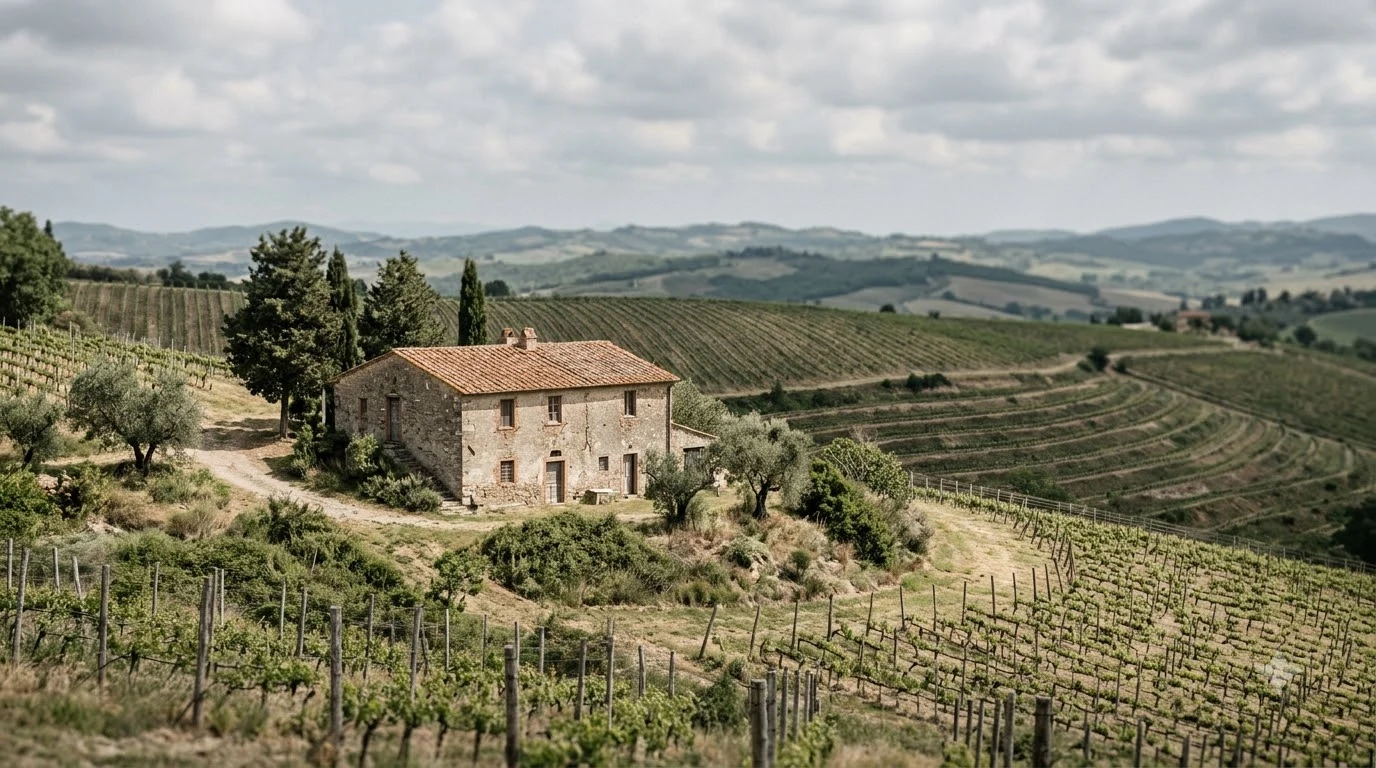
The state’s geography helps explain its suitability for grape growing. Many vineyards occupy elevated landscapes between approximately 600 and 3,000 feet, according to the Idaho Wine Commission. Southern vineyards experience a high-desert climate, with warm summers and cold winters, while northern areas have different temperature patterns and growing-season conditions.
Another important factor is diurnal temperature variation, meaning the difference between daytime highs and nighttime lows. The Snake River Valley experiences substantial summer temperature swings. Warm daytime conditions encourage grape ripening, while cooler nights help preserve natural acidity and aromatic freshness.
Soils add another layer of regional diversity. Ancient volcanic sediments, granitic material, and other geological formations influence drainage, water availability, and vine development. These differences allow vineyards in separate locations to produce grapes with distinct characteristics, even when they grow the same variety.
Idaho’s position in the broader Pacific Northwest also makes it interesting to compare with neighboring wine destinations. While Oregon is particularly associated with Pinot Noir and Washington has developed a strong reputation for Cabernet Sauvignon and Riesling, Idaho has a more varied emerging identity. Readers interested in regional comparisons can also explore the Tasmania wine region, another geographically distinctive area where climate and vineyard location influence wine styles.
The Three Idaho AVAs and Their Differences
Idaho has three American Viticultural Areas: Snake River Valley, Eagle Foothills, and Lewis-Clark Valley. Each designation identifies a geographically defined wine-growing area with its own landscape, climate, and growing conditions.
An American Viticultural Area, or AVA, is a federally recognized grape-growing designation. It identifies a region based on geographical characteristics rather than prescribing particular grape varieties or winemaking methods. A winery can produce different styles within an AVA, so the designation provides geographical context rather than a guarantee of a specific flavor.
Snake River Valley AVA
The Snake River Valley is Idaho’s largest and most established wine-growing designation. Established on April 9, 2007, it covers approximately 8,263 square miles across southwestern Idaho and eastern Oregon. Most of Idaho’s vineyards and wineries are concentrated within this broad region.
The landscape includes ancient lake sediments and volcanic material associated with the geological history of Lake Idaho. These soils can provide good drainage and create different growing conditions from one vineyard site to another. Elevations of approximately 2,500 to 3,000 feet are common in the AVA’s high-desert vineyard areas.
Syrah, Riesling, Viognier, Chardonnay, Merlot, and Cabernet Sauvignon are among the varieties associated with the region. The warm growing season supports ripe fruit development, while cool nighttime temperatures help retain freshness. The resulting wines range from aromatic whites to structured reds.
Eagle Foothills AVA
Eagle Foothills became an AVA on December 28, 2015. It is entirely within Idaho and forms a smaller appellation inside the larger Snake River Valley AVA. The designation covers approximately 49,815 acres in the foothills near Eagle and the Boise metropolitan area.
Its elevated terrain creates important differences in sunlight exposure, air movement, and frost protection. Sloping vineyards can benefit from cold-air drainage, while the surrounding foothills influence wind patterns and growing conditions. Granitic soils are another distinguishing feature of the area.
These geographical characteristics make Eagle Foothills particularly interesting for producers interested in expressing vineyard differences. The appellation is smaller than Snake River Valley, but its identity is shaped by its specific foothill environment rather than simply by its location near Boise.
Lewis-Clark Valley AVA
The Lewis-Clark Valley became Idaho’s third AVA on May 20, 2016. It covers approximately 479 square miles along the Clearwater River, the middle Snake River, and their surrounding tributaries. Unlike the southern high-desert vineyards, this northern region benefits from a relatively temperate climate.
Lewiston is an important center for the area’s wine-growing activity. The river canyons create sheltered locations, varied slopes, and favorable exposure for vineyards. Lower elevations also contribute to a longer growing season than many vineyards experience in southwestern Idaho.
These conditions can be particularly useful for varieties that need additional time to mature. Cabernet Sauvignon, Merlot, and other red grapes can develop ripe fruit characteristics in suitable sites, while whites benefit from vineyard selection and harvest timing.
| AVA | Established | Approximate area | Distinctive feature |
|---|---|---|---|
| Snake River Valley | April 9, 2007 | 8,263 square miles | High-desert climate and volcanic sediments |
| Eagle Foothills | December 28, 2015 | 49,815 acres | Foothill slopes and granitic soils |
| Lewis-Clark Valley | May 20, 2016 | 479 square miles | Temperate river-canyon environment |
These figures demonstrate why Idaho should not be treated as one uniform vineyard landscape. The enormous Snake River Valley AVA contains smaller geographical environments, while Lewis-Clark Valley provides a separate northern expression of Idaho viticulture. For broader context on how appellations shape regional wine identities, the Wine Regions overview offers a useful starting point.
For additional geographical detail, the Idaho Wine Commission’s overview of the state’s AVAs and wine-growing regions explains the boundaries, establishment dates, and distinctive characteristics of all three appellations.
The Six Wine-Growing Areas Worth Knowing
Idaho wine country includes six visitor-oriented wine-growing areas, offering different combinations of vineyard landscapes, tasting rooms, outdoor activities, and regional attractions. The most useful distinction is between the established southwestern wine corridor and the smaller or geographically separate northern and central destinations.
Western Treasure Valley and Sunnyslope are central to Idaho’s wine identity. This area includes the Sunnyslope Wine Trail, one of the state’s best-known winery destinations. The high-desert environment features hot summers and cool nights, while the agricultural landscape provides a variety of vineyard locations. Visitors can explore tasting rooms and wineries while enjoying views of the surrounding countryside.
Eagle is associated with the Eagle Foothills AVA and its distinctive elevated terrain. The foothills provide different vineyard exposures and soil conditions from the flatter agricultural areas of the Treasure Valley. Its proximity to Boise also makes it convenient for visitors who want to combine wine tasting with a city stay.
Boise and Garden City offer a different experience from traditional countryside winery visits. Garden City has an urban wine and craft beverage presence, including tasting opportunities that can be combined with restaurants and other city attractions. Cinder Wines is one example of an urban winery associated with Garden City and the Snake River Valley’s vineyard network.
Lewiston and Moscow provide access to the northern wine-growing landscape. Lewiston sits within the Lewis-Clark Valley AVA, where river canyons and warmer conditions influence grape growing. Moscow adds another destination for visitors exploring northern Idaho’s cultural and agricultural attractions.
Coeur d’Alene and Sandpoint are located in Idaho’s northern Panhandle. Their appeal includes mountain scenery, lakes, outdoor recreation, and cultural attractions. Wine tourism here can be combined with a broader regional itinerary rather than being limited to vineyard visits.
South Central Idaho offers a geographically varied wine experience. The area includes destinations around Twin Falls, Sun Valley, Idaho Falls, and other communities. Its volcanic soils, cooler conditions in some locations, and varied elevations contribute to a wine-growing environment different from the southwestern corridor.
Visitors should distinguish between the six tourism areas and the three AVAs. An AVA is an official geographical wine designation, whereas a visitor region is a broader destination used to organize wine-related travel and activities. The distinction matters because not every winery in a visitor region necessarily falls within an individual AVA.
Those interested in comparing Idaho’s varied landscapes with European mountain wine regions may also enjoy reading about the Savoie wine region, where altitude, slopes, and local grape varieties also play important roles.
Important Idaho Grapes and Their Wine Styles
Idaho produces a broad selection of white and red wines, with Riesling, Chardonnay, Viognier, Merlot, Cabernet Sauvignon, Cabernet Franc, and Syrah among its important varieties. Its growing conditions support both internationally familiar grapes and wines with more distinctive regional expressions.
Riesling
Riesling is one of Idaho’s most significant white varieties, with approximately 105 acres devoted to the grape according to the Idaho Wine Commission. It performs well in locations where warm days encourage ripening and nighttime temperatures preserve acidity.
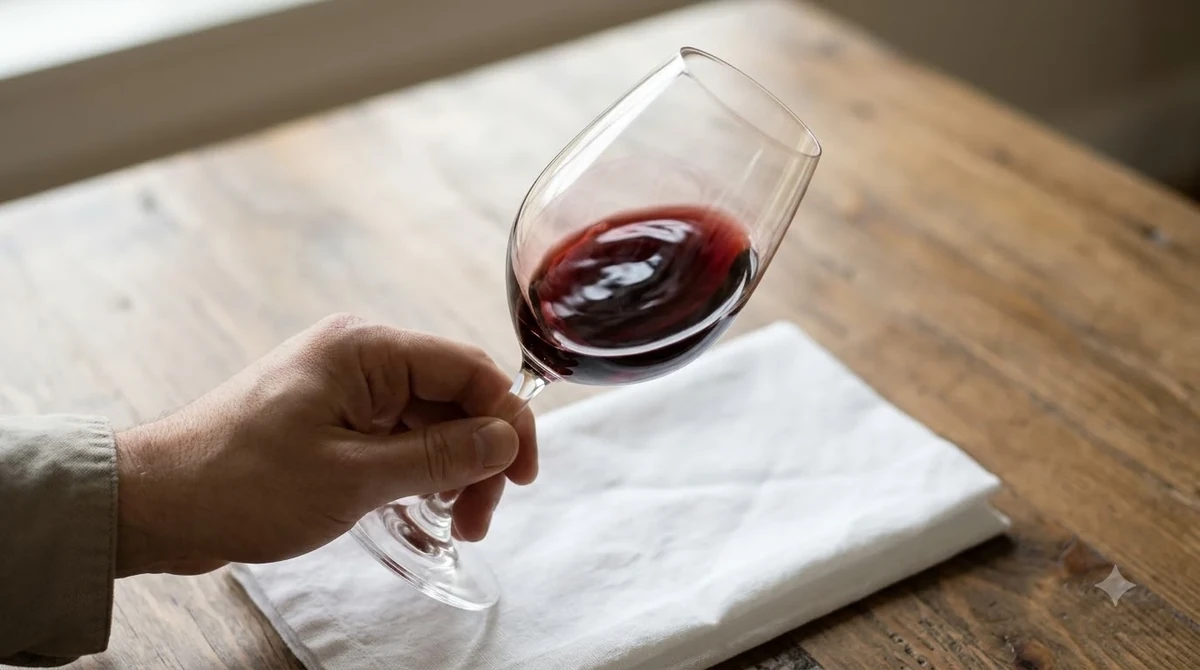
Typical Idaho Riesling aromas include rose and honeysuckle, while peach and lime can appear on the palate. Depending on the producer and harvest conditions, the wine can range from dry and crisp to noticeably sweet. Late-harvest grapes can also be used for ice wine, a concentrated dessert wine produced from naturally frozen grapes.
Riesling’s naturally high acidity makes it especially useful at the dinner table. It pairs well with spicy fish tacos, glazed salmon, baked Brie, and dishes featuring fruit-based sauces. For spicy food, a slightly off-dry style can provide a pleasant contrast without sacrificing freshness.
Chardonnay
Chardonnay is another important Idaho white grape and is the state’s fourth-most-planted variety overall. The warm growing season encourages ripe fruit characteristics, including citrus, peach, and melon.
Winemaking decisions strongly influence its final style. Stainless-steel fermentation can preserve freshness and emphasize fruit, while oak fermentation or aging can contribute vanilla, toast, and a richer texture. Idaho producers also use Chardonnay in sparkling wine production.
Food pairings include roasted turkey, baked Brie, roasted chicken, and parmesan-crusted fish. A fuller-bodied Chardonnay can complement creamy sauces, while a fresher unoaked example works well with lighter seafood dishes.
Viognier
Viognier is an expressive white grape that benefits from Idaho’s warm growing conditions. It is naturally aromatic and can produce wines with a fuller body than many familiar crisp white varieties.
Typical aromas and flavors may include peach, apricot, floral notes, and soft spice. Its relatively rich texture makes it a useful alternative for drinkers who enjoy Chardonnay but want a more aromatic profile.
Food pairings include grilled pork with apricot glaze, coconut shrimp, vegetable samosas, and mildly spiced Asian dishes. The wine’s fruit character can complement sweet-savory sauces, although very hot chili preparations may overwhelm its more delicate aromas.
Merlot
Merlot is Idaho’s most planted red grape variety, with more than 90 acres devoted to it according to the Idaho Wine Commission. It is known for a softer tannin structure than Cabernet Sauvignon and a generous fruit profile.
Black cherry, plum, cedar, and vanilla are possible characteristics, depending on ripeness and oak treatment. Idaho Merlot can be enjoyed as a standalone varietal wine or incorporated into Bordeaux-inspired blends.
Its medium tannins make it adaptable at the dinner table. Try it with smoked ribs, mushroom ravioli, roasted beef, or grilled pork. Salt and fat can soften its tannins, making it especially suitable for richer savory dishes.
Cabernet Sauvignon
Cabernet Sauvignon is an important Idaho red grape and is often made into full-bodied wines with considerable structure. Its naturally high tannins and acidity can support aging, particularly in wines made from carefully selected vineyard sites.
Common flavor characteristics include blackcurrant, blackberry, dark cherry, cedar, and spice. Oak aging may introduce additional vanilla or toasted notes. Cabernet Sauvignon can also appear in regional red blends alongside Merlot and Cabernet Franc.
Pair it with grilled ribeye, lamb, smoked beef, and substantial mushroom dishes. The wine’s tannins work particularly well with protein and fat, while its acidity helps balance rich preparations.
Syrah and Cabernet Franc
Syrah is another important Idaho red variety, ranking third among the state’s most planted red grapes. It can develop savory characteristics, including black pepper and violet, alongside blackberry and dark plum flavors.
Cabernet Franc offers a different profile. Approximately 41 acres of Idaho vineyards are devoted to the variety. Depending on its growing conditions and production method, it can show raspberry, cassis, tobacco, bell pepper, and violet characteristics.
Syrah is particularly suitable for braised lamb, grilled chicken skewers, and roasted vegetables. Cabernet Franc works well with herb-crusted lamb, roast chicken, and grilled asparagus. Both varieties can also contribute complexity to regional red blends.
The Idaho Wine Commission’s guide to Idaho’s leading wine grape varieties provides additional information about regional grape plantings, characteristic flavors, and suggested food pairings.
How Idaho Wines Taste and What Makes Them Different
Idaho wines are not defined by a single flavor profile. Their character depends on the grape variety, vineyard elevation, local soil, growing season, and winemaking choices, resulting in everything from crisp aromatic whites to concentrated red wines.
The high-desert environment of southwestern Idaho encourages fruit ripeness, particularly during warm summer months. At the same time, significant nighttime cooling helps preserve acidity. This combination can produce wines that feel ripe and expressive without necessarily becoming heavy or flat.
Riesling illustrates this balance particularly well. It can offer ripe peach and floral aromas while retaining the acidity needed for a fresh finish. Some producers favor a dry style, while others use late-harvest fruit to create wines with more noticeable sweetness.
Red wines show another side of the region. Merlot can provide accessible fruit and softer tannins, while Cabernet Sauvignon generally offers more structure. Syrah adds savory flavors and spice, and Cabernet Franc can contribute freshness and aromatic complexity to blends.
Viognier is especially interesting because its naturally rich texture and expressive aromas distinguish it from lighter white wines. It can provide an alternative for drinkers who prefer full-bodied whites but want something different from Chardonnay.
Idaho also produces sparkling and dessert wines. Chardonnay can be used for sparkling bottlings, while Riesling can be made into ice wine from grapes harvested after freezing naturally on the vine. These styles demonstrate that the state’s wine production is not restricted to dry red and white table wines.
Comparisons with other regions should account for these differences. Idaho’s high-desert growing conditions are distinct from the cooler maritime influence associated with many coastal wine regions. Even within Idaho, a Riesling from a southern elevated vineyard may have a different profile from one grown in the lower-elevation Lewis-Clark Valley.
Tip: Start exploring Idaho wines with three contrasting bottles: a dry Riesling for acidity and aromatics, a Merlot for softer red-wine structure, and a Syrah for darker fruit and savory spice. Comparing these varieties side by side makes the influence of grape selection and growing conditions easier to understand.
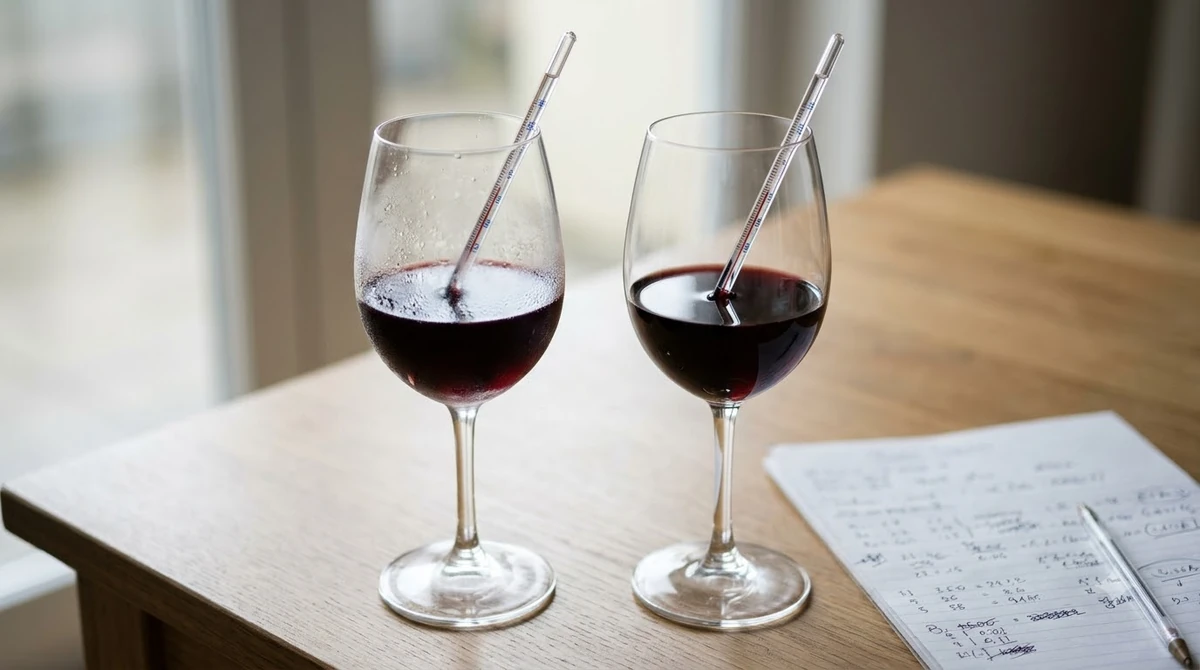
Serving temperature also affects how these wines express themselves. Serve Riesling and other light whites around 45–50°F, fuller Chardonnay and Viognier around 50–55°F, and Merlot or Cabernet Sauvignon around 60–65°F. Lightly chilling a red wine can make its fruit and acidity more noticeable, particularly during warmer weather.
Visiting Idaho Wineries and Planning a Tasting Trip
The easiest way to explore Idaho wine country is to choose one geographical area rather than attempting to visit every wine-growing destination in a single trip. Southwestern Idaho offers the most established concentration of wineries, while northern Idaho and South Central provide opportunities to combine wine with different landscapes and outdoor activities.
For a first visit, the Western Treasure Valley and Sunnyslope area make practical starting points. The Sunnyslope Wine Trail connects visitors with a selection of wineries in an established agricultural landscape. Its combination of vineyards, tasting rooms, and regional scenery makes it suitable for a relaxed day of wine exploration.
Boise and Garden City are useful bases for travelers who prefer urban accommodation and dining options. Garden City’s winery and craft beverage corridor offers opportunities to explore local producers without spending the entire day driving between rural vineyards. Cinder Wines is one example of an urban winery that works with grapes sourced from vineyards across the Snake River Valley.
Eagle is another convenient destination, especially for visitors interested in the smaller Eagle Foothills AVA. Its foothill setting offers a different geographical perspective from the broader Snake River Valley landscape. Combining a visit here with Boise provides a straightforward introduction to southwestern Idaho wine.
Travelers interested in the Lewis-Clark Valley should consider a separate visit to Lewiston. The river-canyon landscape, lower elevation, and warmer growing conditions distinguish this area from the southern high-desert vineyards. Moscow can also be included in a northern Idaho itinerary.
Coeur d’Alene and Sandpoint are better suited to travelers who want to combine wine exploration with lakes, mountains, and outdoor recreation. South Central Idaho offers another alternative, with communities and landscapes spread across a larger geographical area. These destinations reward a more flexible travel schedule.
Before visiting, confirm tasting-room hours and reservation requirements directly with individual wineries. Smaller producers may have limited visitor schedules, particularly during harvest or special events. Allow time between appointments, arrange transportation that does not require the driver to consume alcohol, and avoid trying to fit too many tasting stops into one afternoon.
A useful tasting approach is to compare three wines from the same producer or area. Begin with an aromatic white such as Riesling or Viognier, move to a medium-bodied red such as Merlot, and finish with a more structured Cabernet Sauvignon or Syrah. This progression helps reveal differences in acidity, body, tannin, and aromatic intensity.
Visitors can also explore regional wine events and seasonal activities through the Idaho Wine Commission. Harvest periods offer an opportunity to see vineyard activity, although the exact timing varies by grape variety, elevation, and annual weather conditions. A visit outside harvest can be equally rewarding because tasting rooms provide more opportunities for relaxed conversations about individual wines and vineyards.
For visitors who enjoy comparing less familiar wine destinations, the Switzerland wine region provides another example of how varied terrain and localized growing conditions create distinctive regional wine identities.
Frequently Asked Questions
Is Idaho considered part of the Pacific Northwest wine region?
Yes. Idaho is commonly included in the broader Pacific Northwest wine landscape alongside Oregon and Washington. The Snake River Valley AVA even crosses the Idaho-Oregon border, making it a geographically shared appellation rather than an exclusively Idaho designation.
What is the oldest recorded wine grape variety planted in Idaho?
Royal Muscadine was among the earliest documented grape varieties planted in Idaho. The historic Lewiston planting dates to 1864, according to the Idaho Wine Commission’s historical account. This early planting predates the modern commercial wine industry that developed in the state during the 1970s.
Does Idaho produce ice wine?
Yes. Idaho producers make ice wine from grapes that freeze naturally on the vine before harvest. Riesling is one variety used for this style. The freezing process concentrates sugars and other grape components, producing a sweet dessert wine with concentrated fruit flavors and natural acidity.
Does Idaho have vineyards at higher elevations than California’s Napa Valley?
Many Idaho vineyards sit at elevations around 2,500 to 3,000 feet, particularly in the Snake River Valley. Napa Valley vineyards occupy a broad range of elevations, from valley-floor locations to higher mountain sites. Comparing individual vineyard elevations is more meaningful than assuming every Idaho vineyard is higher than every Napa vineyard.
Can Idaho wine grapes be grown organically?
Organic grape growing is possible in Idaho, but certification depends on vineyard management practices and compliance with applicable organic standards. Growers must manage weeds, pests, soil fertility, and disease without relying on prohibited inputs. Individual winery or vineyard claims should be evaluated separately rather than assuming all Idaho wines are organically produced.
The Idaho wine region offers considerably more diversity than its relatively modest national profile might suggest. Its three AVAs, contrasting northern and southern climates, and broad selection of grape varieties provide plenty of reasons to explore its wines. Start with Riesling, Merlot, and Syrah to understand the region’s range, then discover individual producers and vineyard locations through the state’s wine trails.
More in Wine Regions
 Willcox Wine Trail: Discover Arizona’s High-Elevation Wine CountryUpdated Nov 20, 2026
 Yakima Valley Wine Region: Find the Best Styles to TryUpdated Nov 20, 2026
 Vosne Romanee Wine Tasting: Identify Aromas and Choose Better PairingsUpdated Nov 20, 2026
 Yakima Valley Wine Festival: Find the Best Seasonal Wine EventsUpdated Nov 20, 2026
 Wales Vineyards: Discover Cool-Climate Wines and Where to VisitUpdated Nov 20, 2026
 Yountville Wine Festival: Discover Napa Wines and Local FoodUpdated Nov 20, 2026