

We may earn a commission when you buy through links on this page, at no extra cost to you. Learn more.
The kansas wine trail connects visitors with local wineries, vineyard experiences, and distinctive regional wines across the Sunflower State, particularly around Kansas City, Lawrence, and Topeka. Kansas has several established wine-trail areas rather than one continuous statewide route. The best-known options include the Somerset, Kaw Valley, and Glacial Hills wine trails, each offering a different combination of tasting rooms, countryside scenery, and locally produced wines.
Kansas wine country offers an appealing alternative to the better-known wine destinations of California and Oregon. Its wineries reflect the agricultural character of the Midwest, with family-operated vineyards, native and hybrid grape varieties, fruit wines, and tasting rooms that often combine wine with outdoor activities. Whether you have one afternoon or an entire weekend, understanding the state’s wine regions makes it easier to plan a rewarding visit.
Understanding Kansas Wine Country and Its Regional Trails
Kansas wine country is best explored as a collection of regional winery clusters rather than a single uninterrupted driving route. Three established trail areas in northeastern Kansas provide a useful starting point: Somerset, Kaw Valley, and Glacial Hills.
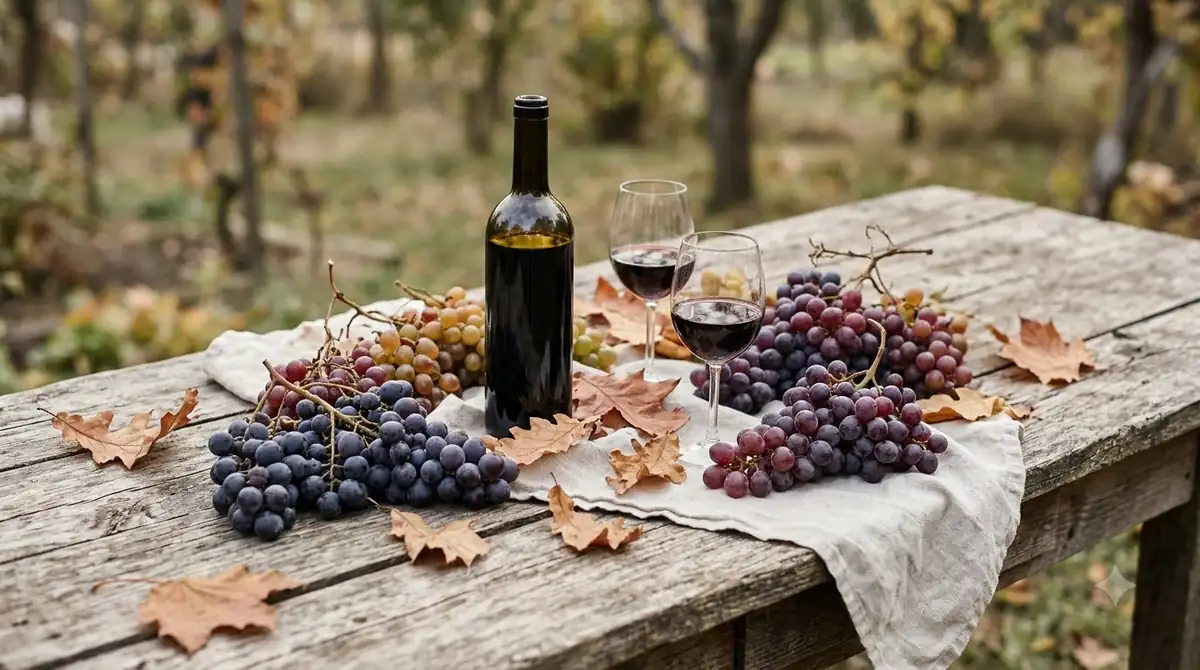
The state’s winemaking history reaches back to the period before Prohibition, when grape growing and wine production were important parts of Midwestern agriculture. Like many American wine-producing areas, Kansas experienced a major interruption during Prohibition. Its modern industry developed through renewed interest in local agriculture, grape cultivation, and small-scale winemaking.
The Kansas Grape Growers and Winemakers Association, formed in 1987, has played an important role in supporting this development. The organization works to identify grape varieties suited to Kansas conditions, improve growing and winemaking practices, and provide educational opportunities for producers. Its work reflects one of the defining characteristics of Kansas wine: choosing grapes that can handle the state’s challenging continental climate.
Unlike a famous wine corridor with hundreds of miles of vineyards connected by one highway, Kansas wine destinations are spread across different parts of the state. The northeastern corner contains several convenient clusters, while other wineries can be found around Wichita, Manhattan, and smaller agricultural communities.
For visitors, this geography creates several practical choices. A traveler based in Kansas City can concentrate on Somerset and the southern part of the Kaw Valley area, while someone staying in Lawrence or Topeka can explore wineries farther west and north. Visitors interested in the broader American wine landscape can also compare Kansas with destinations featured in our guides to the Wine Regions of the United States.
Somerset Wine Trail: A Convenient Kansas City Wine Escape
The Somerset Wine Trail is a compact wine-country outing south of Kansas City, making it particularly suitable for visitors who want a countryside experience without committing to a long road trip. Kansas Tourism identifies four farm wineries along a stretch of approximately 12 miles.
The relatively short distance is one of the trail’s biggest advantages. Instead of spending most of the afternoon driving between distant destinations, visitors can concentrate on tasting, vineyard scenery, and conversations with local wine producers. The area provides an accessible introduction to Kansas wineries for couples, small groups, and travelers visiting the Kansas City metropolitan area.
One distinctive feature associated with the Somerset route is trolley transportation. Kansas Tourism describes a bright red-and-green trolley that visitors can use to explore the region. This can make the experience feel more like a traditional wine-country excursion than an ordinary series of roadside stops. Transportation arrangements and operating schedules should be confirmed before building a trip around the trolley.
The trail is particularly appealing during warmer months, when vineyard surroundings and outdoor seating can become part of the experience. However, visitors should remember that four wineries spread across 12 miles do not necessarily share identical business hours. A tasting room may operate on selected afternoons, while another may host a scheduled event or private gathering.
For a relaxed visit, choose two or three tasting stops rather than trying to fit every possible destination into one afternoon. Allow approximately 60 to 90 minutes at each winery, depending on whether you plan to participate in a formal tasting, explore the grounds, or enjoy food and entertainment.
Somerset is also a good option for people who want to combine wine tasting with other Kansas City-area activities. A countryside lunch, a scenic drive, and an early evening return to the city can create a satisfying day without requiring an overnight stay.
Kaw Valley Wine Trail: Exploring Northeastern Kansas
The Kaw Valley Wine Trail is one of the most extensive established winery routes in Kansas, with Kansas Tourism listing 16 wineries across northeastern Kansas. Its destinations include communities around Lawrence, Basehor, Eudora, Olathe, and surrounding countryside.
The trail’s geographic spread gives visitors plenty of variety. Rather than focusing on a single small cluster, it brings together vineyards and tasting rooms located in different agricultural communities. Some stops emphasize traditional vineyard settings, while others offer a more social tasting-room experience.
Holy-Field Vineyard & Winery in Basehor is among the best-known destinations associated with the route. Kansas Tourism highlights its record of 19 Jefferson Cup awards, making it a useful stop for visitors interested in the recognition earned by Kansas producers.
Other named destinations on the Kaw Valley route include Davenport Winery in Eudora and Stone Pillar Vineyard in Olathe. The published winery listing also includes Crescent Moon Winery in Lawrence, Haven Pointe Winery in Baldwin City, and White Tail Run Winery in Edgerton.
The following selection illustrates the geographic variety available along the route:
| Winery | Community | General location |
|---|---|---|
| Holy-Field Vineyard & Winery | Basehor | Southern Leavenworth County |
| Crescent Moon Winery | Lawrence | Douglas County |
| Davenport Winery | Eudora | Douglas County |
| Haven Pointe Winery | Baldwin City | Douglas County area |
| Stone Pillar Vineyard | Olathe | Johnson County |
| White Tail Run Winery | Edgerton | Johnson County area |
These destinations make it possible to design different types of outings. A Lawrence-based visitor might concentrate on Crescent Moon and Davenport, while someone approaching from the Kansas City suburbs could prioritize Holy-Field and Stone Pillar. A longer itinerary can connect several communities, although the distances between individual stops mean that a little advance planning is essential.
For a deeper look at the route, the Kansas Viticulture & Farm Winery Association’s Kaw Valley winery listing provides winery names, addresses, and contact information. Use the listing to identify destinations, then confirm current tasting arrangements directly with each business.
One useful approach is to divide the Kaw Valley experience into smaller geographic outings. Visiting three wineries in one area can be more enjoyable than attempting to cover all 16 destinations in a single day. It also leaves time for lunch, photographs, and a leisurely tasting rather than turning the trip into a race between appointments.
Glacial Hills Wine Trail: Topeka, Lawrence, and Countryside Views
The Glacial Hills Wine Trail offers another way to experience northeastern Kansas, with wineries associated with the Topeka and Lawrence areas. Its landscape reflects the geological history of the region, where glacial activity helped shape the fertile soils, wooded hills, and valleys.
This scenery gives the trail a different character from the more suburban winery clusters closer to Kansas City. Visitors can enjoy rural roads, agricultural properties, and rolling countryside between tasting stops. The changing landscape is part of the appeal, particularly for travelers who prefer a slower excursion with opportunities to explore small communities.
Crescent Moon Winery in the Lawrence area is one of the wineries associated with this northeastern Kansas wine landscape. It is known for wines made with French-American hybrid grapes and offers visitors a chance to discover varieties that are less familiar to drinkers accustomed to conventional California selections.
Lawrence also makes a practical base for exploring nearby wine destinations. The city offers restaurants, independent shops, cultural attractions, and accommodation options, allowing visitors to build a weekend around wine tasting rather than trying to return home after every outing.
Trivedi Wine is another useful Lawrence-area stop, located at 1826 East 1150 Road, approximately one mile north of the city. Its location on the Scenic River Route makes it a convenient addition to a countryside itinerary. The winery offers indoor and outdoor seating, subject to availability, as well as a wooded trail for visitors who want to spend time outside.
Trivedi Wine also organizes seasonal entertainment. From April to mid-October, its outdoor Grove hosts local musicians and food trucks, particularly on Saturday evenings. During the cooler months, the winery offers ticketed music performances and community events inside its tasting room.
Visitors interested in this part of Kansas should allow additional time for the drive between rural destinations. Even when two wineries appear relatively close on a map, local roads and the need to travel between communities can make the journey longer than expected.
Grape Varieties and Wine Styles to Look For in Kansas
Kansas wines reflect the state’s continental climate, with cold winters, hot summers, variable rainfall, and significant temperature changes throughout the year. These conditions encourage producers to work with grape varieties that can perform reliably in the Midwest rather than relying exclusively on traditional European grapes.
Hybrid grapes are especially important to the region. French-American hybrids combine characteristics from European wine grapes and North American varieties, helping growers address challenges such as cold temperatures, disease pressure, and inconsistent growing seasons.
Visitors may encounter several distinctive grape varieties and wine styles during tastings:
Red grapes and approachable red wines
Chambourcin is a French-American hybrid that can produce deeply colored red wines with appealing fruit character. Depending on the producer’s approach, the resulting wine may be fresh and relatively approachable or more structured with additional oak influence.
Norton is another important American grape variety associated with Midwestern winemaking. It can produce fuller-bodied reds with darker fruit characteristics and a more substantial structure than many lighter hybrid wines.
Other cold-hardy varieties, including Frontenac, Marquette, and Noiret, may also appear in Kansas tasting rooms. Their characteristics vary according to vineyard conditions, harvest decisions, fermentation, and blending.
White grapes and aromatic wines
Seyval Blanc is a French-American hybrid that can produce fresh, crisp white wines. Its relatively bright acidity makes it an interesting choice for visitors who prefer refreshing whites rather than heavily oaked styles.
Vignoles is another variety worth seeking out. It can produce aromatic wines with citrus, tropical fruit, and stone-fruit characteristics. Winemakers can use it to create dry, off-dry, and sweeter expressions, depending on the desired style.
Some producers also work with Traminette and other varieties suited to regional conditions. These wines can provide floral aromas and noticeable fruit character, making them particularly interesting for drinkers who enjoy aromatic white wines.
Sweet wines and fruit wines
Kansas wineries may also offer sweeter wines made from native grapes such as Concord, along with fruit wines featuring locally available ingredients. These options reflect the state’s agricultural traditions and appeal to visitors who prefer softer acidity and noticeable sweetness.
There is no single flavor profile that defines every Kansas winery. One tasting room might specialize in dry hybrid reds, while another offers sweet whites, fruit wines, or a mixture of styles. Sampling several producers is the best way to understand the range.
Tip: Begin a Kansas winery tasting with sparkling wines and lighter whites, move to fuller whites and lighter reds, and finish with structured reds and sweeter dessert wines. Ask about the grape variety, sweetness level, and local growing conditions to understand what makes each bottle distinctive.
Planning a Kansas Wine Trail Itinerary
A successful Kansas winery trip starts with choosing a manageable geographic area and allowing enough time at each tasting room. The Somerset, Kaw Valley, and Glacial Hills routes are spread across northeastern Kansas, so trying to cover every trail in one afternoon is not a practical approach.
For a first visit, a one-day itinerary is usually sufficient to explore two or three wineries. A weekend provides more flexibility, especially if you want to visit destinations around Lawrence, Topeka, or the Flint Hills.
Suggested one-day Kansas City-area outing
Start with a morning departure from Kansas City and head toward the Somerset area. Arrange your first tasting for late morning or early afternoon, allowing time to enjoy the vineyard surroundings and speak with the staff about the wines.
Continue with a second winery visit after lunch. If you are using the trolley, coordinate your schedule with its operating arrangements. Finish with an early dinner or a relaxed return to Kansas City rather than trying to add distant destinations at the end of the day.
Suggested Lawrence and Kaw Valley weekend
For a longer trip, use Lawrence as your overnight base. On the first day, explore nearby wineries such as Trivedi Wine and Crescent Moon Winery. This combination offers a convenient introduction to local wines, rural scenery, and the area’s entertainment options.
On the second day, explore other Kaw Valley destinations. Davenport Winery in Eudora and Holy-Field Vineyard & Winery in Basehor provide different geographic settings and opportunities to discover additional producers. Add another winery only if its opening hours and location fit comfortably into the schedule.
Visitors who want to extend the journey beyond northeastern Kansas can explore wineries around Wichita or Manhattan. Grace Hill Winery near Wichita and Oz Winery in Wamego are two destinations highlighted by Kansas Tourism. Oz Winery takes inspiration from L. Frank Baum’s The Wonderful Wizard of Oz, providing a themed experience that differs from a conventional vineyard visit.
How much time should you allow?
The following estimates are useful starting points for organizing a visit. They are planning allowances rather than published operating schedules.
| Activity | Suggested time | Planning purpose |
|---|---|---|
| Individual tasting visit | 60–90 minutes | Sample wines and speak with staff |
| Drive between nearby wineries | 20–40 minutes | Allow for rural roads and parking |
| Lunch break | 45–60 minutes | Enjoy a meal between tastings |
| Half-day outing | 3–4 hours | Visit two wineries |
| Full-day outing | 6–8 hours | Visit two or three wineries with meals |
| Weekend trip | 2 days | Explore multiple regional clusters |
These time estimates are especially useful for groups because tasting experiences can take longer when everyone wants to sample different wines. A smaller itinerary also leaves room for unexpected discoveries, such as a special event, vineyard walk, or conversation with the winemaker.
Best Time to Visit, Tasting Etiquette, and Practical Advice
Spring through fall is generally the most appealing period for exploring Kansas vineyards and outdoor tasting spaces. Late spring brings fresh vineyard growth, summer offers outdoor entertainment, and fall provides an opportunity to experience the agricultural landscape during harvest season.
However, individual wineries may follow different schedules. Some operate throughout the year, while others have seasonal hours or close during particular winter months. For example, Trivedi Wine lists regular Friday-through-Sunday opening hours, while Valley Trails Winery in Westmoreland has historically operated on a limited weekend schedule and closes during January and February.
Saturday is often a convenient day for a winery outing because several Kansas tasting rooms organize their main activities around the weekend. Trivedi Wine’s seasonal Grove events are one example, while other wineries may host live music, food vendors, or special tasting events.
Check opening hours and make reservations when needed
Before leaving, verify the operating hours of every winery on your itinerary. Confirm whether tastings are walk-in experiences or require advance arrangements. Larger groups should contact the tasting rooms before visiting, particularly if they want a guided tasting or are traveling by party bus.
Trivedi Wine specifically requests advance contact for tasting groups larger than eight people. Its formal tastings also stop one hour before scheduled weekend events, an important detail for visitors planning to combine wine sampling with live music.
Understand the tasting experience
Many Kansas tasting rooms offer flights that allow visitors to compare several wines. Start with lighter, drier styles and progress toward fuller reds and sweeter selections. Take small sips, allow the wine to develop in the glass, and ask questions about the grape varieties and production methods.
A standard wine pour is approximately 5 ounces, and a 750-milliliter bottle provides roughly five standard glasses. A tasting flight usually contains smaller samples, but serving sizes vary between wineries.
If you are planning to purchase bottles, consider bringing a suitable carrier to protect them during the drive. Keep wine away from excessive heat, particularly during the Kansas summer. At home, store unopened bottles on their sides in a cool location near 55 degrees Fahrenheit when appropriate for the closure and bottle style.
Make transportation part of the plan
Driving is generally the most practical way to reach rural Kansas wineries, but the driver should remain alcohol-free. Arrange a designated driver, private transportation, or another safe travel option before beginning the trip. The Somerset trolley may provide an alternative for that particular route when operating.
It is also sensible to bring comfortable shoes, a light jacket, and weather-appropriate clothing. Vineyard paths can be uneven, and outdoor seating may become less comfortable when temperatures or wind conditions change.
For visitors comparing different regional wine destinations, Kansas offers a distinctive Midwestern experience. It is quite different from the established tasting corridors of Michigan’s Traverse City wine trail or the warmer agricultural landscape of Oregon’s Applegate Valley wine trail. Each destination reflects its own growing conditions, local traditions, and approach to hospitality.
Frequently Asked Questions
Does Kansas have an official statewide wine trail?
Kansas does not have one continuous statewide wine route that connects every producer under a single itinerary. The Somerset, Kaw Valley, and Glacial Hills trails are regional experiences, and wineries elsewhere in the state can be visited separately. Visitors can combine multiple areas into a longer road trip.
Are Kansas wineries suitable for people who prefer dry wine?
Yes. Kansas producers make dry red and white wines in addition to sweeter selections. Chambourcin, Norton, and Seyval Blanc are useful varieties to ask about when looking for drier styles. Individual wineries may also offer dry blends and oak-aged bottlings.
Can visitors buy Kansas wines directly from the wineries?
Many Kansas wineries operate tasting rooms where visitors can purchase bottles directly from the producer. Some also provide online ordering or wine-club opportunities. Availability depends on the winery’s current selection and sales arrangements, so ask about purchasing options during your visit.
Is Kansas wine available outside the state?
Some Kansas producers offer shipping or distribution beyond their immediate local markets, although availability varies by winery and destination. Alcohol shipping regulations differ between states, and not every producer can ship to every location. Visitors interested in a particular bottle should ask about the winery’s distribution and shipping policies.
What is the Ad Astra Wine Trail?
The Ad Astra Wine Trail is a northeastern Kansas winery grouping introduced around four destinations: Liquid Art Winery and Estate, Valley Trails Winery, Divine Vineyard and Venue, and Oz Winery. It provides another way to explore Kansas producers beyond the established Somerset, Kaw Valley, and Glacial Hills routes. Individual participating wineries can provide details about current trail arrangements and events.
The Kansas wine trail experience rewards visitors who appreciate regional wines, agricultural landscapes, and welcoming independent tasting rooms. Start with Somerset for a compact Kansas City-area outing, or choose Kaw Valley and Glacial Hills for a broader exploration of northeastern Kansas. With a little advance planning, a Kansas wine trip can become a memorable introduction to one of the Midwest’s distinctive wine-producing communities.
More in Wine Regions
 Willcox Wine Trail: Discover Arizona’s High-Elevation Wine CountryUpdated Nov 20, 2026
 Yakima Valley Wine Region: Find the Best Styles to TryUpdated Nov 20, 2026
 Vosne Romanee Wine Tasting: Identify Aromas and Choose Better PairingsUpdated Nov 20, 2026
 Yakima Valley Wine Festival: Find the Best Seasonal Wine EventsUpdated Nov 20, 2026
 Wales Vineyards: Discover Cool-Climate Wines and Where to VisitUpdated Nov 20, 2026
 Yountville Wine Festival: Discover Napa Wines and Local FoodUpdated Nov 20, 2026