

We may earn a commission when you buy through links on this page, at no extra cost to you. Learn more.
Coombsville wine is Napa Valley wine from a cooler southeastern appellation known especially for Cabernet Sauvignon with dark-fruit flavors, refreshing acidity, and balanced tannins. Located east of the City of Napa, Coombsville benefits from marine air moving inland from San Pablo Bay, volcanic soils, and vineyards at varying elevations. Although Cabernet Sauvignon receives much of the attention, Chardonnay, Merlot, Syrah, and Pinot Noir also contribute to the region’s distinctive wine identity.
Coombsville offers a different expression of Napa Valley than the warmer districts farther north. Its combination of cooler growing conditions, rocky volcanic terrain, and varied vineyard exposures creates opportunities for wines that balance ripe fruit with freshness. Understanding its geography, grape varieties, and growing conditions makes it easier to recognize what distinguishes a bottle from this increasingly recognized appellation.
Where Coombsville Sits Within Napa Valley
Coombsville occupies the southeastern corner of Napa Valley, immediately east of the City of Napa and near the foothills of the Vaca Mountains. Its location gives vineyards a combination of elevated terrain, marine influence, and proximity to the southern end of the valley.

The Coombsville American Viticultural Area, or AVA, received official recognition in 2011. An AVA is a federally recognized wine-growing region whose geographical features distinguish it from surrounding areas. The designation identifies where grapes were grown; it does not automatically guarantee a particular grape variety, winemaking method, or quality level.
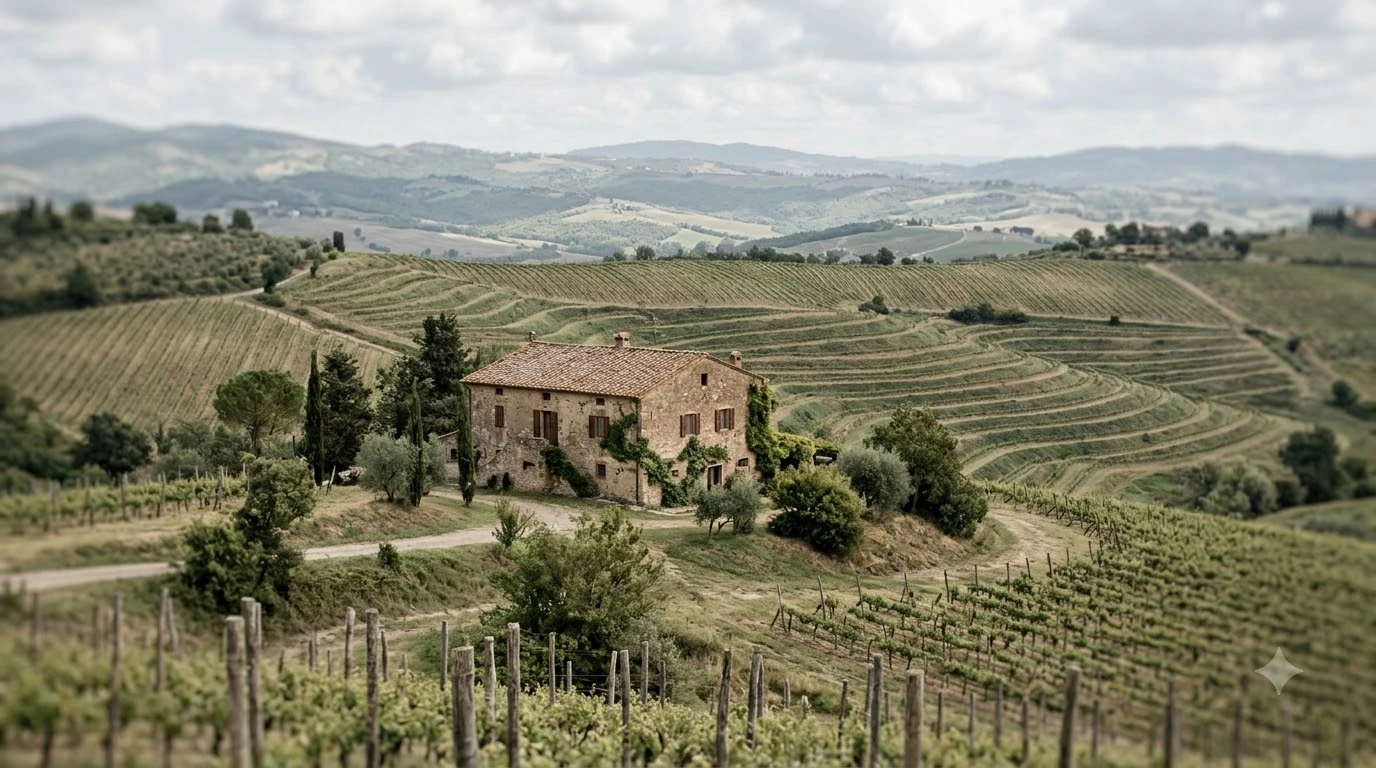
The landscape is one of the appellation’s defining features. Napa Valley Vintners describes Coombsville as a horseshoe-shaped area with a concave basin and surrounding ridges. Much of the vineyard landscape occupies a west-facing bowl formed through geological processes that included extensive landslides. Mount George and the Vaca Mountain foothills help define the surrounding terrain.
Elevation varies considerably across the appellation. Napa Valley Vintners gives a general vineyard elevation range of approximately 100 to 1,000 feet, while the surrounding mountain range reaches higher elevations. These differences matter because slope, exposure, and elevation influence sunlight, drainage, and temperature. Two vineyards located within the same AVA can therefore produce grapes with noticeably different characteristics.
Coombsville also has an interesting historical identity. The area takes its name from Nathan Coombs, an early Napa County settler who acquired land in 1845 and founded the City of Napa in 1847. Agriculture initially centered on livestock and subsistence farming rather than large-scale wine production. Prune orchards became important during Prohibition, and commercial interest in wine grapes increased during the middle of the twentieth century.
Recognition as an AVA in 2011 helped give the district a clearer identity within Napa Valley. For wine drinkers, that designation is useful because it identifies a specific growing area rather than simply indicating that a wine comes from the larger Napa Valley appellation.
Cool Marine Climate and Volcanic Terroir
Coombsville’s defining growing conditions come from the interaction between San Pablo Bay’s marine influence, varied elevations, and volcanic geology. Cooler temperatures and well-drained soils help explain why the appellation can produce concentrated Cabernet Sauvignon while retaining freshness.

Marine air moves inland from San Pablo Bay, bringing cool breezes and frequent growing-season fog. According to Napa Valley Vintners, daily average high temperatures during hot months can be as much as 10°F cooler than those in many other Napa Valley appellations. Heat spikes also tend to be less severe, creating conditions that can extend the ripening period.
That additional time can be valuable for Cabernet Sauvignon. Grapes need sufficient warmth and time to develop ripe flavors, color, and tannins. A cooler environment does not necessarily mean underripe fruit. Instead, the slower progression of ripening can allow different components of grape maturity to develop together, depending on vineyard conditions and the grower’s decisions.
Fog is another important influence. Marine-influenced fog occurs almost daily during the growing season, helping moderate temperatures and reducing excessive heat exposure. Morning fog and cooler air can also create differences between vineyard blocks, particularly where elevation and slope affect airflow.
Rainfall reaches approximately 25 inches annually, according to Napa Valley Vintners. That amount, combined with local soil differences and seasonal weather, influences vineyard water management. Rainfall totals alone do not determine how much water vines receive because drainage, soil depth, slope, and root development all play a part.
Why volcanic soils matter
Coombsville’s geology includes volcanic rhyolitic tuff, ancient lava-flow deposits, volcanic ash, gravel, and substantial rock fragments. The upland soils are weathered from volcanic material, while lower elevations contain more alluvial deposits transported and deposited by water.
Well-drained soil can help prevent excessive water retention around vine roots. In some locations, rocky material and relatively limited soil depth restrict vine vigor. These conditions can encourage careful canopy management and require growers to pay attention to irrigation and seasonal rainfall.
However, volcanic soil should not be treated as a guarantee of a particular flavor. Wine characteristics result from many interacting factors, including grape variety, vineyard exposure, farming, harvest decisions, fermentation, and aging. Mineral descriptions in tasting notes are useful sensory language, not proof that a wine directly tastes like the rocks beneath its vines.
The interaction of cool weather and volcanic terrain is central to the appellation’s identity. For a broader comparison of how growing environments shape regional wine styles, the Wine Regions resource provides useful context. The Napa Valley Vintners Coombsville AVA profile also provides regional details about elevation, climate, soils, and grape varieties.
Cabernet Sauvignon and the Main Coombsville Grapes
Cabernet Sauvignon is the leading reference point for Coombsville, particularly in its hillside vineyards. Chardonnay, Merlot, Syrah, and Pinot Noir are also recognized principal varieties, giving the appellation a wider range of styles than its reputation for Cabernet alone might suggest.
Coombsville Cabernet Sauvignon is associated with blackberry, blackcurrant, and other dark-fruit characteristics. Napa Valley Vintners describes many examples as having generous, soft tannins, moderate alcohol, and refreshing acidity. These characteristics distinguish the region’s expression from the more heat-driven styles that can occur in warmer growing areas.
Cabernet Sauvignon is naturally high in tannin, giving it the structure to accompany protein-rich meals and rich sauces. In Coombsville, cooler conditions can help preserve freshness while allowing the grapes to develop ripe fruit. The finished style still varies substantially according to vineyard location, vintage, winemaking, and time spent in oak.
How the other varieties compare
Merlot is an important blending grape and also appears in varietal wines. It generally has medium, softer tannins than Cabernet Sauvignon, with ripe plum, cherry, and other red or dark-fruit flavors. In a blend, Merlot can contribute a rounder texture and make the wine approachable earlier.
Chardonnay has historical importance in Coombsville, especially in cooler vineyard locations. Its medium acidity can support apple, pear, citrus, and stone-fruit flavors, while fermentation and aging in oak may introduce vanilla, toast, and creamy textures. The degree of oak influence depends on the producer’s style.
Pinot Noir is another variety associated with the appellation’s cooler sites. It generally has low-to-medium tannin and relatively high acidity, with cherry, raspberry, and sometimes earthy or savory notes. Its lighter structure makes it a useful alternative to Cabernet for people who prefer red wines with less tannic intensity.
Syrah offers another direction. It generally has medium-plus to high tannin and can show blackberry, dark plum, pepper, and savory characteristics. Its weight and structure can make it suitable for richer dishes, although individual examples vary according to ripeness and winemaking.
| Grape variety | Typical structure | Common flavor profile | Typical role |
|---|---|---|---|
| Cabernet Sauvignon | High tannin | Blackcurrant, blackberry | Signature red wine |
| Merlot | Medium, softer tannin | Plum, cherry | Blending and varietal wine |
| Chardonnay | Medium acidity | Apple, pear, citrus | White wine |
| Pinot Noir | Low-medium tannin, high acidity | Cherry, raspberry | Lighter red wine |
| Syrah | Medium-plus to high tannin | Blackberry, pepper | Fuller-bodied red wine |
These descriptions are general grape characteristics rather than guarantees for every Coombsville bottle. Vineyard conditions and cellar decisions can create substantial differences, even between wines made from the same variety.
What Coombsville Wine Tastes Like
Coombsville wines are often recognized for ripe dark fruit balanced by freshness, particularly in Cabernet Sauvignon. Their overall character depends on the grape variety, vineyard location, ripeness at harvest, and winemaking choices.
Cabernet Sauvignon commonly presents blackberry, blackcurrant, and plum, with possible notes of cedar, herbs, graphite-like impressions, and spice. The fruit profile can be concentrated without necessarily becoming excessively sweet or heavy. Fresh acidity helps balance the richness of the fruit, while tannins provide structure and a lingering finish.
The appellation’s cooler climate is important to this balance. In warmer locations, grapes can ripen quickly, sometimes producing wines with softer acidity and more pronounced ripe-fruit or jam-like characteristics. Coombsville’s marine influence can slow the process, although weather conditions and individual vineyard exposures still make a considerable difference.
Tannin is another characteristic to consider. Cabernet Sauvignon is naturally high in tannin, but Napa Valley Vintners describes Coombsville examples as having generous, relatively soft tannins. This means the wines can feel structured without necessarily being aggressively drying. Aging in oak barrels may further influence the texture and introduce aromas such as vanilla, toast, and baking spice.
How vineyard location changes the style
Higher vineyard positions and hillside exposures can produce different ripening patterns from lower-lying sites. Soil depth, sunlight, slope direction, and exposure to wind all influence how quickly grapes develop. Even within a relatively compact appellation, these variables can result in different expressions of Cabernet Sauvignon.
Lower-lying vineyards may have different soil compositions because alluvial deposits become more prominent in some areas. Their growing conditions can differ from rocky upland sites, particularly in water retention and vine vigor. These distinctions are part of why the AVA should not be treated as a single uniform vineyard.
Chardonnay from the region can emphasize citrus, apple, pear, and acidity, with a richer texture where oak fermentation or aging is used. Pinot Noir generally offers more delicate red-fruit characteristics and less tannic weight. Merlot provides a softer red-wine alternative, while Syrah can offer darker fruit and a more savory profile.
For comparison, other American wine-growing areas also demonstrate how climate and geography shape regional identity. Readers interested in different expressions of American wine can explore red hills wine and santa ynez valley wine.
Coombsville Wine Producers and Vineyard Sites
Coombsville has a relatively vineyard-focused identity, with fewer wineries than some of Napa Valley’s better-known districts. Learning about individual vineyard sites and producers is therefore particularly useful when selecting bottles from the appellation.
Napa Valley Vintners notes that much of the area consists of vineyards, with only occasional wineries. This is an important distinction for visitors. A wine carrying the Coombsville designation may come from a vineyard in the appellation even if the winery producing or selling it is located elsewhere in Napa Valley.
The Nathan Coombs Estate is one documented example of the area’s distinctive vineyard landscape. ALH Wines describes the property as being positioned at the edge of a crescent-shaped ancient volcanic caldera. Its soils include rocky, well-drained Haire loam and clay loam, with igneous rock fragments and volcanic tuff.
ALH Wines also describes the influence of San Pablo Bay on the estate’s growing conditions. Cool marine breezes and lingering morning fog can lower daily temperatures by as much as 10°F during the growing season compared with up-valley locations. These conditions are particularly relevant to Cabernet Sauvignon production.
The estate’s history is connected to Paul Hobbs, who purchased the property in 2012. Its vineyard characteristics illustrate how geological features and site-specific farming practices contribute to a producer’s interpretation of Coombsville.
What to look for on a bottle
Start by checking whether the wine identifies Coombsville as its appellation. This helps distinguish grapes grown within the AVA from wines labeled more broadly as Napa Valley. A Napa Valley designation can cover fruit from a larger geographical area and does not necessarily indicate Coombsville vineyard sourcing.
Next, consider the grape variety and vintage. A Coombsville Cabernet Sauvignon offers a useful introduction to the appellation’s signature red-wine style. Chardonnay or Pinot Noir can be more suitable for someone interested in its cooler-climate characteristics without the tannic weight of Cabernet.
Producer information can also reveal whether a wine comes from a single vineyard or a blend of different sites. Single-vineyard wines may offer a more focused expression of a particular location, while blended wines can combine fruit from multiple vineyard blocks to achieve a particular balance.
For additional regional context beyond California, readers can compare the geography and wine traditions of puglia wineries, where Mediterranean conditions and different grape varieties produce another distinctive regional identity.
Tip: For a first Coombsville purchase, start with a Cabernet Sauvignon from a named vineyard or a clearly identified Coombsville AVA bottling. Compare its fruit intensity, acidity, and tannin with a Cabernet from a warmer Napa Valley district to understand the appellation’s cooler-climate expression.
Serving Coombsville Wine and Pairing It With Food
Coombsville Cabernet Sauvignon is best served slightly below ordinary room temperature, while Chardonnay and Pinot Noir benefit from cooler serving conditions appropriate to their styles. Matching the wine’s acidity, tannin, and body with the food is more important than choosing a dish based only on the region’s name.
For full-bodied Cabernet Sauvignon, aim for approximately 60–65°F. This temperature allows the wine’s fruit, acidity, and structure to show without making alcohol aromas overly prominent. Serving it too warm can make the wine seem heavy, while excessive chilling can make tannins feel more pronounced and suppress aromas.
Pinot Noir generally works well at 55–60°F, a slightly cooler range that emphasizes its red-fruit character and freshness. Chardonnay is usually best served at 50–55°F when full-bodied, while lighter white wines are commonly served at 45–50°F. If a Chardonnay is heavily oaked and relatively rich, the warmer end of its range can help reveal its texture and aroma.
Food pairings for Cabernet Sauvignon
Grilled steak is a classic match for Coombsville Cabernet Sauvignon. The wine’s high tannin works particularly well with protein and the richness of beef. A grilled ribeye, roasted strip steak, or slow-cooked beef short ribs can complement the wine’s dark fruit and structure.
Lamb is another strong option. Roasted lamb shoulder, herb-crusted lamb chops, and braised lamb shanks provide enough flavor and richness to stand alongside Cabernet. Rosemary, thyme, and black pepper can echo savory elements in the wine without overpowering its fruit.
Hard cheeses can also work well. Aged cheddar, mature Gouda, and firm sheep’s milk cheeses provide savory and sometimes salty flavors that help soften the perception of tannin. Rich sauces and fatty cuts of meat have a similar effect, making structured red wine seem smoother.
Pairing the other Coombsville varieties
Chardonnay is a natural match for roast chicken, grilled seafood, creamy pasta, and dishes with butter-based sauces. A richer, oak-influenced Chardonnay can accompany roast poultry or grilled salmon, while a fresher style can pair with shellfish and lighter preparations.
Pinot Noir works well with roast duck, mushroom risotto, grilled salmon, and roasted pork. Its lower tannin and higher acidity make it more adaptable to foods that would be overwhelmed by a heavily structured Cabernet Sauvignon.
Merlot pairs comfortably with meatloaf, roasted pork tenderloin, mushroom dishes, and tomato-based pasta. Its softer tannins can make it a practical choice for meals where a full Cabernet would be too powerful.
Syrah is particularly suitable for grilled lamb, beef stew, roasted mushrooms, and smoked meats. Its dark-fruit character and peppery notes complement savory dishes with moderate to substantial richness.
Acidity also deserves attention. Tomato-based sauces and other acidic foods generally need wines with equal or higher acidity. Very acidic food can make a less-acidic wine seem flat. For spicy dishes, wines with high alcohol and tannin can intensify the sensation of chili heat, so a lighter or less tannic selection may be preferable.
Opening, decanting, and storing bottles
Young, full-bodied Coombsville Cabernet Sauvignon can benefit from 30–60 minutes of decanting. Exposure to air can help the aromas become more expressive and soften the initial impression of a tightly structured wine. Older bottles may need gentler handling because extended aeration can cause delicate aromas to fade.
A standard wine pour is approximately 5 ounces, and a 750-milliliter bottle provides about five glasses. This is a useful reference when planning a dinner for four or five people, especially when serving more than one wine style.
Store unopened bottles on their sides in a cool, dark location near 55°F when possible. Consistent temperature is more important than short periods of minor fluctuation. Avoid keeping wine near ovens, radiators, direct sunlight, or other sources of heat.
After opening, refrigerate still wines and aim to finish them within approximately three to five days. A refrigerator helps slow oxidation even for red wines, which can be allowed to warm toward their preferred serving temperature before pouring.
Frequently Asked Questions
Is Coombsville considered part of Napa Valley?
Yes. Coombsville is a nested American Viticultural Area within the larger Napa Valley AVA. Napa Valley itself received its AVA designation in 1981, while Coombsville received separate recognition in 2011. The two geographical designations can therefore appear together on wine labels.
What does Coombsville mean?
The name comes from Nathan Coombs, an early settler associated with the development of Napa County. He acquired land in the area in 1845 and founded the City of Napa in 1847. His name remains attached to the surrounding district and its wine-growing appellation.
Is Coombsville considered a volcanic wine region?
Yes. Its geology includes rhyolitic tuff, volcanic ash, and ancient lava-flow deposits, although alluvial soils also occur at lower elevations. The combination reflects the area’s complex geological history rather than a single uniform volcanic soil type.
Why is Coombsville called a cup and saucer appellation?
The description refers to the distinctive basin-like landscape formed by the surrounding hills and ridges. The circular geological structure is associated with an ancient volcanic caldera. The expression helps explain the area’s unusual topography and the variation in vineyard exposures.
Is Coombsville mainly a Cabernet Sauvignon appellation?
Cabernet Sauvignon is a major variety, especially on hillside sites, but it is not the only grape associated with the AVA. Chardonnay and Pinot Noir have historical importance in cooler locations, while Merlot and Syrah also form part of the region’s recognized principal varieties. The appellation’s official grape list therefore extends well beyond its best-known red wine.
Coombsville offers a distinctive Napa Valley perspective, combining marine-influenced growing conditions, volcanic geology, and a strong reputation for Cabernet Sauvignon. Its Chardonnay, Merlot, Syrah, and Pinot Noir also deserve attention, particularly for drinkers interested in different expressions of the appellation’s cooler environment. Exploring wines from individual vineyard sites is one of the most useful ways to appreciate the area’s character and diversity.
More in Wine Regions
 Willcox Wine Trail: Discover Arizona’s High-Elevation Wine CountryUpdated Nov 20, 2026
 Yakima Valley Wine Region: Find the Best Styles to TryUpdated Nov 20, 2026
 Vosne Romanee Wine Tasting: Identify Aromas and Choose Better PairingsUpdated Nov 20, 2026
 Yakima Valley Wine Festival: Find the Best Seasonal Wine EventsUpdated Nov 20, 2026
 Wales Vineyards: Discover Cool-Climate Wines and Where to VisitUpdated Nov 20, 2026
 Yountville Wine Festival: Discover Napa Wines and Local FoodUpdated Nov 20, 2026