

We may earn a commission when you buy through links on this page, at no extra cost to you. Learn more.
The bergerac wine region is a wine-producing area in southwestern France, in the Dordogne, known for Bordeaux-style red blends, refreshing dry white wines, rosés, and distinctive sweet wines such as Monbazillac. Located along the Dordogne River east of Bordeaux, it shares many grape varieties with its famous neighbor while offering a broader range of wine styles. Its best-known appellations include Bergerac, Pécharmant, Monbazillac, Saussignac, Montravel, and Rosette.
Bergerac deserves attention from wine drinkers who enjoy French wines but want to explore beyond familiar Bordeaux labels. The region combines traditional grape varieties, varied soils, and a mix of dry and sweet wine styles. Understanding its appellations makes it easier to choose a bottle for dinner, discover a new white wine, or find a dessert wine with the freshness to balance its sweetness.
Where Is the Bergerac Wine Region?
The Bergerac wine region lies in southwestern France, in the Dordogne department of the Nouvelle-Aquitaine area. Its vineyards follow both banks of the Dordogne River, east of Bordeaux and between Saint-Émilion and the Périgord Noir. This location gives the vineyards a strong connection to Bordeaux while retaining distinctive local characteristics.
The broader Bergerac-Duras winegrowing area extends beyond Bergerac itself. According to Pays de Bergerac Tourism, its seven principal terroirs are Bergerac, Pécharmant, Rosette, Montravel, Monbazillac, Saussignac, and Duras. The landscape includes river valleys, gentle hills, limestone-rich ground, clay, and gravel. These variations help explain why the area produces such a wide selection of wines within a relatively compact part of France.
The Dordogne River has played an important role in the region’s commercial history. Wine exports were already significant during the medieval period. In 1255, Henry III of England granted permission for Bergerac wines to be shipped freely to the mouth of the Gironde, helping connect local producers with wider European markets.
The modern appellation system developed much later. September 11, 1936, was a landmark date for Bergerac and Duras, when official decrees recognized their appellations d’origine contrôlée. Montravel Rouge received its own recognition in 2001, illustrating how the region’s wine identity has continued to develop.
The wider winegrowing area has approximately 9,000 hectares of vines and 1,000 winegrowers, according to Pays de Bergerac Tourism. These figures describe the broader Bergerac-Duras wine area rather than the Bergerac appellation alone. The result is a substantial wine community with both small independent estates and larger cooperative producers.
For wine enthusiasts comparing French regions, Bergerac provides an interesting alternative to Bordeaux. The neighboring Savoie wine region, for example, is better known for Alpine varieties and mountain-influenced wines, while Bergerac focuses heavily on familiar southwestern French grapes. Both demonstrate how local geography shapes regional wine styles.
Grapes and Main Wine Styles in Bergerac
Bergerac uses many of the same grape varieties found in Bordeaux, especially Merlot, Cabernet Sauvignon, Cabernet Franc, Sauvignon Blanc, Sémillon, and Muscadelle. These grapes produce wines ranging from approachable fruit-forward reds to structured blends, fresh dry whites, and concentrated sweet wines.
Red grapes form the foundation of the region’s traditional red wines. Merlot is particularly important because it contributes ripe plum, black cherry, and a softer texture. Cabernet Sauvignon adds tannin, structure, and blackcurrant flavors, while Cabernet Franc can contribute red fruit, herbal notes, and freshness. Malbec, also known locally as Côt, appears in some regional blends.
These varieties are often blended rather than bottled individually. A Merlot-led Bergerac red may be relatively approachable, while a Cabernet Sauvignon-influenced wine can have firmer tannins and greater structure. The proportions vary between producers and appellations, so two wines carrying the same broad regional name can taste quite different.
White grapes offer another important part of the region’s identity. Sauvignon Blanc contributes citrus, green fruit, and lively acidity. Sémillon adds body and a softer texture, while Muscadelle can contribute floral and aromatic characteristics. Sauvignon Gris, Chenin Blanc, Ondenc, and Ugni Blanc also appear in regional white blends.
Chenin Blanc is particularly interesting because it can help preserve acidity and freshness. Wine Enthusiast’s reporting on Bergerac’s white wine production highlights its importance alongside Sauvignon Blanc, Sémillon, and Muscadelle. The grape provides another way for producers to balance ripe fruit character with a refreshing finish. Its discussion of the region’s white wines is available in this overview of Bergerac white wine styles.
There are three broad white wine styles to recognize:
- Dry white: Often called Bergerac Sec, these wines range from crisp and citrus-driven to rounded and complex.
- Moelleux: Medium-sweet wines with noticeable fruit and a gentle sweetness, suitable for aperitifs and richer dishes.
- Sweet wines: More concentrated expressions, especially associated with Monbazillac and Saussignac.
Rosé is also part of the regional selection. These wines are generally intended for relatively early drinking and offer a fruit-focused alternative to the reds and whites. Their versatility makes them useful for casual meals, outdoor dining, and lighter dishes.
Bergerac’s white wines can vary significantly in texture and concentration. A Sauvignon Blanc-led dry white may be lively and citrus-driven, while a blend with more Sémillon can feel broader and rounder. This variety makes the white wine category particularly rewarding to explore.
Understanding the Major Bergerac Appellations
The Bergerac-Duras winegrowing area contains 10 protected appellations of origin covering 17 wine types, according to Pays de Bergerac Tourism. Each appellation has its own identity, grape requirements, and characteristic wine styles, making the label an important starting point when selecting a bottle.
Bergerac AOP is the broad regional appellation. It covers red, white, and rosé wines and offers a useful introduction to the area’s principal grapes. Red versions commonly feature Merlot, Cabernet Sauvignon, and Cabernet Franc, while white versions may combine Sauvignon Blanc, Sémillon, and Muscadelle.
Côtes de Bergerac includes richer red wines and medium-sweet white expressions. These wines can offer more concentration than straightforward regional bottlings. The appellation is particularly useful for shoppers interested in a slightly richer white wine without moving directly to a full dessert-wine style.
Pécharmant is one of the region’s most distinctive red appellations. Located just east of Bergerac, it produces red wine only. Its wines are known for structure, depth, and the influence of distinctive clay, flint, and gravel soils. Decanter discusses these characteristics in its regional profile of Bergerac and Pécharmant.
Monbazillac is the region’s best-known sweet wine appellation. It produces white wines from grapes affected by noble rot, a beneficial fungus that concentrates sugars and develops complex flavors. These wines are associated with honey, candied fruit, dried apricot, and a balancing freshness.
Saussignac is another sweet wine appellation, situated southwest of Bergerac. Its wines are associated with noble-rot grapes and can offer concentrated sweetness alongside refreshing acidity. They provide an alternative to Monbazillac for people interested in discovering smaller regional appellations.
Rosette produces medium-sweet white wines. Its characteristic combination of gentle sweetness and freshness makes it a different experience from the more concentrated dessert wines of Monbazillac and Saussignac.
Montravel produces dry white and red wines, while the wider Montravel family also includes appellations for sweeter white styles. Montravel is particularly interesting for drinkers who enjoy Bordeaux-style wines but want to compare different expressions of southwestern French terroir.
Duras, or Côtes de Duras in its appellation designation, is part of the wider Bergerac-Duras winegrowing area. Its range includes red, rosé, dry white, and sweet white wines. It adds further diversity to the region’s overall selection.
| Appellation | Main Wine Style | Key Character |
|---|---|---|
| Bergerac | Red, white, rosé | Versatile regional wines |
| Côtes de Bergerac | Red, medium-sweet white | Richer and more concentrated |
| Pécharmant | Red | Structured, dark-fruited wines |
| Monbazillac | Sweet white | Honey, candied fruit, freshness |
| Saussignac | Sweet white | Concentrated noble-rot character |
| Rosette | Medium-sweet white | Gentle sweetness and finesse |
| Montravel | Dry white, red | Fresh whites and structured reds |
| Haut-Montravel | Sweet white | Concentrated dessert wines |
| Côtes de Montravel | Medium-sweet white | Balanced sweetness |
| Côtes de Duras | Red, white, rosé, sweet white | Broad range of regional styles |
The table shows the principal distinctions among the 10 appellations. Some cover multiple colors or sweetness levels, so the appellation name alone does not always describe the complete character of a wine. Looking at the specific wine style is important when choosing between a dry white, medium-sweet bottle, and dessert wine.
For a broader understanding of how French and international appellations are organized, explore our Wine Regions resource. It provides useful context for comparing geographical designations and regional grape traditions.
Soils, Climate, and the Character of Bergerac Wines
Bergerac’s varied soils and climate help explain the differences between its appellations. Clay-limestone ground, gravel, flint, and hillside exposures influence how vines develop and how grapes ripen, contributing to different textures and levels of concentration.
The general Bergerac area includes clay-limestone soils, which support a range of red and white varieties. These soils are particularly relevant to understanding the character of the broader regional appellation. The combination of soil composition, slope, exposure, and seasonal conditions means that vineyards within the same geographical area can produce wines with noticeably different characteristics.
Pécharmant provides a particularly clear example of the connection between geology and wine style. Its red clay, flint, and gravel soils distinguish it from the clay-limestone ground associated with Bergerac itself. The resulting wines tend to be more structured, with a firmer character that makes them especially interesting to drink alongside substantial food.
The broader climate is influenced by the region’s position in southwestern France. Bergerac has a continental influence compared with the wetter maritime conditions around Bordeaux. Differences between daytime and nighttime temperatures can also influence grape development and help preserve freshness as fruit reaches maturity.
These conditions are particularly relevant to white wine production. Bergerac whites can develop complexity while retaining useful acidity. The presence of Chenin Blanc in some blends provides another way to maintain freshness, especially when grapes reach greater ripeness.
Sweet wine production depends on additional vineyard conditions. Noble rot requires a specific balance of humidity and drying conditions. When affected by Botrytis cinerea, grape berries lose water and become more concentrated, increasing sugar levels and creating complex aromas.
This process is particularly important in Monbazillac and Saussignac. The concentrated fruit can produce flavors associated with honey, dried apricot, marmalade, and candied citrus. However, sweetness alone does not define the quality of these wines. Acidity is equally important because it keeps the finished wine balanced rather than heavy.
Vineyard location therefore provides useful clues when comparing Bergerac wines. A structured Pécharmant red, a fresh Bergerac Sec, and a concentrated Monbazillac represent very different interpretations of the area’s geography and growing conditions.
Bergerac Food Pairings: What to Serve With Each Style
Bergerac wines are particularly versatile at the table because the region produces both dry and sweet styles. The best pairing depends on the wine’s acidity, tannin, body, and residual sugar, as well as the richness and seasoning of the dish.
Pairing Bergerac Red Wines
Merlot-led Bergerac reds are natural companions for roast chicken, grilled pork, beef burgers, and mushroom dishes. Their fruit-forward character and relatively approachable tannins make them useful with everyday meals. A softer Merlot-based bottle can also work well with tomato-based pasta when the wine has sufficient acidity.
Pécharmant is a better choice for richer dishes that can stand up to firmer tannins. Consider roast beef, grilled lamb, braised short ribs, and beef stew. The structure of Cabernet Sauvignon and Cabernet Franc in the blend can complement the savory flavors of roasted meat and browned vegetables.
Salt and fat soften the perception of tannin, which helps explain why structured reds work well with fatty cuts of meat and rich sauces. However, highly tannic reds are generally less suitable for oily fish because the combination can create an unpleasant metallic impression.
Pairing Dry White Wines
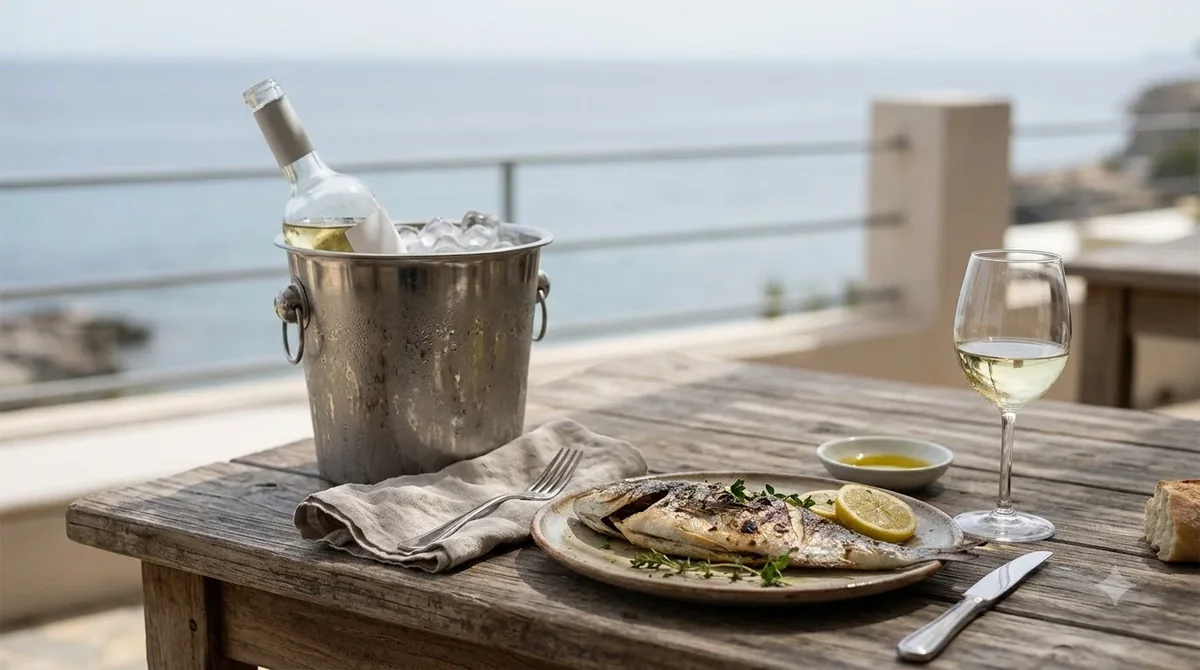
Bergerac Sec is a flexible choice for seafood, grilled white fish, goat cheese, salads, and chicken. Sauvignon Blanc contributes freshness and citrus notes, making it especially useful with shellfish and dishes featuring fresh herbs or lemon.
Blends with more Sémillon can have additional body and a rounded texture. These wines may work better with creamy poultry dishes, roasted vegetables, and richer fish preparations. Acidity remains important: foods with strong citrus or vinegar elements generally need wines with equal or higher acidity to maintain balance.
Pairing Medium-Sweet White Wines
Rosette and Côtes de Bergerac moelleux are useful with foods that combine savory richness and a touch of sweetness. Foie gras is a classic option, while blue cheese provides salty intensity that contrasts with the wine’s fruit and residual sugar.
Medium-sweet Bergerac whites can also work well with chocolate pie and richer dishes. These wines can complement lightly spiced Asian dishes, too, provided the sweetness balances the seasoning rather than competing with excessive chili heat.
Pairing Monbazillac and Saussignac
Sweet Bergerac wines are particularly suitable for fruit-based desserts, blue cheese, foie gras, and certain rich seafood preparations. Monbazillac can accompany desserts featuring apricot, pear, peach, or baked apple. Its honeyed character also complements nuts and creamy textures.
A useful principle is to choose a wine at least as sweet as the dessert. If a dessert is sweeter than the wine, the wine can taste thin, sour, or unpleasantly acidic. A concentrated Monbazillac is therefore better suited to a sweet dessert than a relatively dry Bergerac white.
Sweet wines do not have to be reserved for the end of a meal. Their combination of sugar and acidity can work with salty and savory ingredients, allowing them to accompany appetizers or richer main courses.
Tip: For a simple regional pairing, serve Bergerac Sec with grilled fish, Pécharmant with roast lamb, and Monbazillac with blue cheese or an apricot dessert. Chill the whites before serving and allow structured reds a little time to open in the glass.
How to Choose, Serve, and Store Bergerac Wine
The easiest way to choose Bergerac wine is to start with the occasion and preferred sweetness level. For a versatile dinner wine, look at Bergerac red or dry white. For a more structured red, consider Pécharmant, while Monbazillac is a natural starting point for concentrated sweet wine.
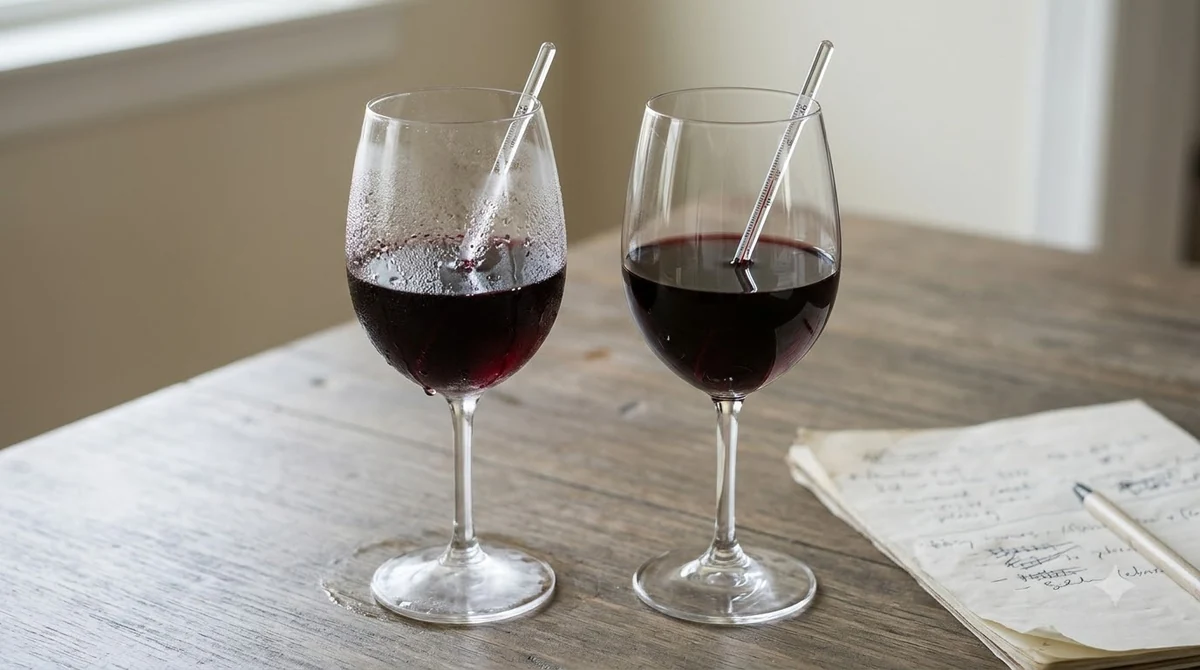
Serving temperature makes a noticeable difference. Excessively warm whites can seem heavy and less refreshing, while very cold reds can feel more tannic and restrained. The following temperatures provide useful starting points for different styles.
| Wine Style | Serving Temperature | Serving Suggestion |
|---|---|---|
| Dry Bergerac white | 45–50°F | Seafood, goat cheese |
| Medium-sweet white | 45–50°F | Foie gras, blue cheese |
| Sweet Monbazillac | 43–50°F | Desserts, fruit, cheese |
| Bergerac rosé | 45–50°F | Salads, grilled vegetables |
| Light Bergerac red | 55–60°F | Roast chicken, pork |
| Structured Pécharmant | 60–65°F | Lamb, beef, braised dishes |
For structured reds, a little aeration can improve the drinking experience. Young, full-bodied wines can benefit from approximately 30–60 minutes in a decanter. This allows the wine to interact with oxygen and can soften the impression of firm tannins. More delicate or mature wines generally need a gentler approach.
Use a standard 5-ounce pour when serving wine at dinner. A 750-milliliter bottle provides approximately five glasses, making it easy to estimate how many bottles are needed for a meal. Sweet wines are often served in smaller portions because their concentration and residual sugar make a full-sized pour less necessary.
Storing Bergerac Wines
Store unopened bottles in a cool, dark location with a reasonably stable temperature. Around 55°F is a useful storage target. Bottles sealed with natural cork are generally stored on their sides to keep the cork from drying out. Avoid locations with frequent temperature fluctuations, direct sunlight, or excessive vibration.
Not every Bergerac wine needs extended cellaring. Many regional dry whites, rosés, and uncomplicated reds are intended to be enjoyed while their fresh fruit character remains prominent. More structured Pécharmant reds and concentrated sweet wines may offer greater aging potential, depending on the producer, vintage, and winemaking style.
Once opened, still wines generally keep for around three to five days in the refrigerator when properly resealed. The cooler temperature slows oxidation, although delicate aromas gradually fade. Sweet wines can also benefit from refrigeration after opening, particularly when they are intended to be enjoyed over several occasions.
For anyone exploring other European wine destinations, comparing Bergerac with the Switzerland wine region can be an interesting exercise. Switzerland has a different climate and grape-variety profile, while Bergerac offers a stronger emphasis on Bordeaux-associated varieties and traditional sweet white wines.
Reading the Label
French wine labels often emphasize the appellation rather than the grape variety. This means that learning names such as Bergerac, Pécharmant, Monbazillac, and Saussignac can be more useful than looking only for Merlot or Sauvignon Blanc.
The appellation provides information about geographical origin and permitted production rules. It does not guarantee that every wine will taste identical. Producers can make different decisions about blending, fermentation, maturation, and the degree of sweetness, creating meaningful differences within the same appellation.
For a first purchase, choose the style that matches the meal. Bergerac Sec is a practical starting point for dry white wine drinkers, Bergerac red is useful for everyday food pairing, and Monbazillac introduces the area’s distinctive sweet-wine tradition.
Frequently Asked Questions
Is Bergerac considered part of Bordeaux?
No. Bergerac is a separate wine region in southwestern France, although it shares important grape varieties and historical connections with Bordeaux. Its appellations operate under their own geographical and production rules. The Dordogne River historically connected Bergerac’s wine trade with Bordeaux and the Gironde estuary.
What does Pécharmant mean on a French wine label?
Pécharmant identifies a specific red wine appellation east of the town of Bergerac. The appellation’s production rules distinguish it from general Bergerac wines, including restrictions on permitted grape varieties and blending. It is especially associated with Merlot, Cabernet Sauvignon, Cabernet Franc, and Malbec.
Why is noble rot important in Monbazillac wine?
Noble rot is caused by Botrytis cinerea, a fungus that affects ripe grapes under suitable weather conditions. It reduces the water content of the berries and concentrates their sugars and flavor compounds. In Monbazillac, wines labeled Sélection de Grains Nobles have more than 85 grams of residual sugar per liter.
Can Bergerac wine be made from Chenin Blanc?
Yes. Chenin Blanc is permitted in Bergerac white wine blends and is attracting interest from producers seeking freshness and acidity. It can contribute texture and balance alongside Sauvignon Blanc, Sémillon, and Muscadelle. Its use also distinguishes some Bergerac blends from the traditional white wine varieties associated with Bordeaux.
How many wine appellations are in the Bergerac-Duras area?
The wider Bergerac-Duras winegrowing area has 10 protected appellations of origin covering 17 wine types. Its seven principal terroirs are Bergerac, Pécharmant, Rosette, Montravel, Monbazillac, Saussignac, and Duras. Several appellations cover more than one wine style or color, explaining the difference between the number of terroirs and the number of appellations.
The Bergerac wine region offers considerably more variety than its reputation as a Bordeaux neighbor might suggest. From Merlot-based reds and structured Pécharmant to fresh dry whites and honeyed Monbazillac, its appellations provide options for many occasions and food pairings. Exploring different styles is an excellent way to discover the character of southwestern France and appreciate a wine region with a distinctive identity of its own.
More in Wine Regions
 Willcox Wine Trail: Discover Arizona’s High-Elevation Wine CountryUpdated Nov 20, 2026
 Yakima Valley Wine Region: Find the Best Styles to TryUpdated Nov 20, 2026
 Vosne Romanee Wine Tasting: Identify Aromas and Choose Better PairingsUpdated Nov 20, 2026
 Yakima Valley Wine Festival: Find the Best Seasonal Wine EventsUpdated Nov 20, 2026
 Wales Vineyards: Discover Cool-Climate Wines and Where to VisitUpdated Nov 20, 2026
 Yountville Wine Festival: Discover Napa Wines and Local FoodUpdated Nov 20, 2026