

We may earn a commission when you buy through links on this page, at no extra cost to you. Learn more.
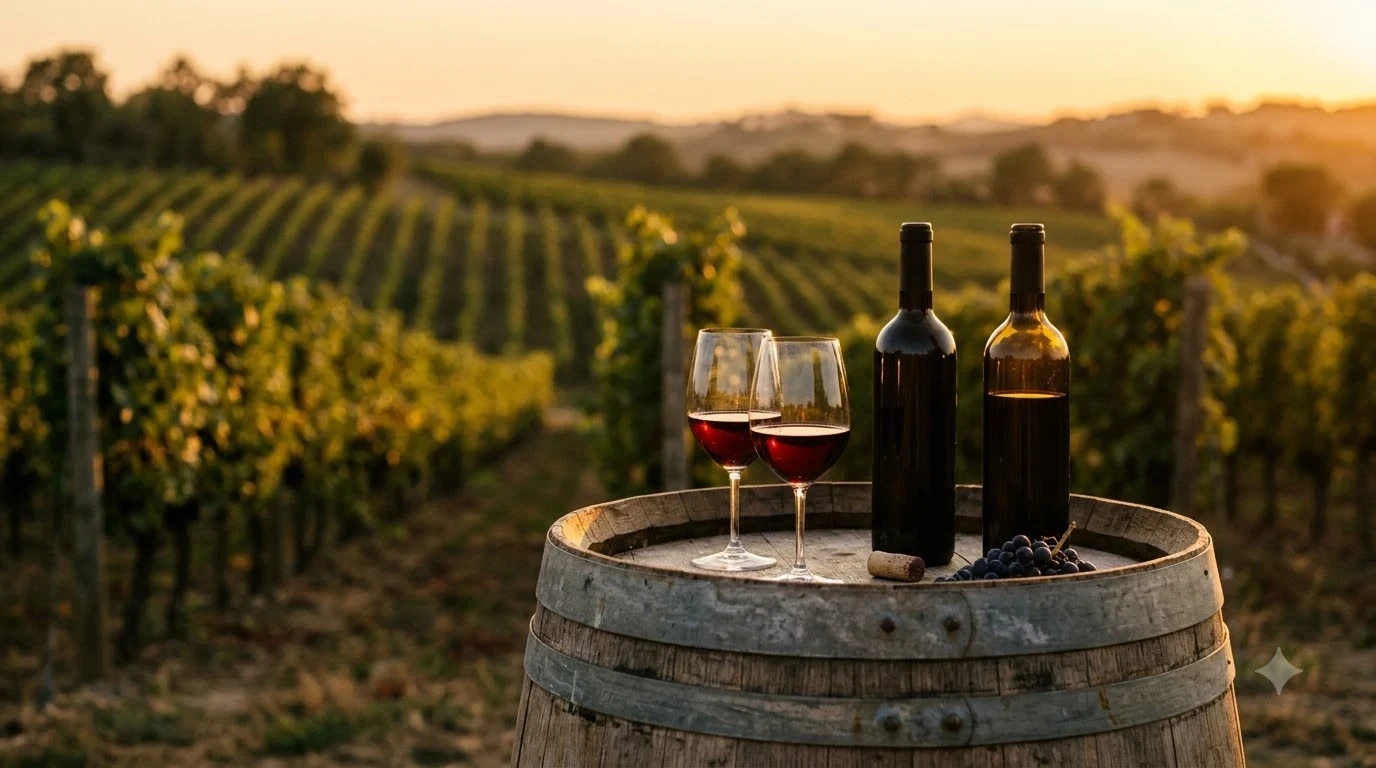
An Asheville wine festival is an opportunity to explore North Carolina wines, meet independent producers, and experience the mountain city’s growing wine culture through organized tastings and special events. Asheville does not have just one permanent festival that represents its entire wine scene; instead, visitors can find independent celebrations, winery gatherings, tasting experiences, and regional beverage events throughout the year. The Hallowedland Wine Festival is one example, bringing together established and emerging wine producers for a focused tasting experience.
Set among the Blue Ridge Mountains, Asheville offers a distinctive destination for wine enthusiasts interested in more than traditional vineyard visits. Its wine scene combines local mountain producers, independent wineries, natural wines, estate wineries, downtown tasting rooms, and nearby agricultural communities. Whether you are planning a dedicated wine weekend or adding a tasting to a longer North Carolina vacation, understanding the city’s festival calendar and surrounding wine regions will help you make better choices.
Understanding the Asheville Wine Festival Scene
Asheville’s wine festival scene is made up of independent events rather than a single citywide celebration with one permanent schedule. Visitors can encounter focused wine festivals, producer showcases, tasting-room gatherings, and food-and-wine experiences, each offering a different way to explore the region.
One notable example is the Hallowedland Wine Festival, which took place on April 4, 2026, from 2 p.m. to 6 p.m. at VISUALS Rooftop Bar and Eulogy in Asheville. The event brought together a selection of wine producers whose work reflects an interest in expressive wines, distinctive growing locations, and independent winemaking. Participating names included Ruth Lewandowski, Idlewild, Martha Stoumen, Reeve/Bloodroot, Ryme, Vidl, Botanist & Barrel, and Stone Ashe.
The event’s combination of producers from different locations gave attendees an opportunity to compare winemaking approaches without traveling to multiple vineyards. It also demonstrated that Asheville’s wine culture is not limited to wines made in North Carolina. Regional producers and wineries from other parts of the country can contribute to the city’s tasting calendar.
It is important to distinguish between a recurring festival and an individual event listing. Hallowedland’s April 2026 gathering is a completed event, not confirmation of an annual date or a future edition. Similarly, the North Carolina Wine Festival is a separate statewide event that announced the cancellation of its 2026 edition and indicated a possible return in 2027.
For visitors planning a trip, the most useful approach is to look for individual event announcements rather than assume that a festival takes place on the same weekend every year. Explore Asheville’s event listings, local wine businesses, and regional wine organizations are useful starting points for finding current information.
Asheville’s wider wine calendar can also include educational tastings, winemaker appearances, special bottle releases, and seasonal gatherings. These smaller events may offer more opportunities to speak directly with producers than a large public festival. A wine enthusiast who prefers a relaxed tasting experience may find that a smaller gathering is just as rewarding as a major event.
What Makes Asheville a Wine Destination?
Asheville’s location in western North Carolina gives it access to a varied mountain wine landscape. The surrounding Appalachian environment, local agricultural traditions, and growing network of independent wineries make the city an appealing starting point for discovering regional wines.
According to Explore Asheville, nearly 60 wineries are located throughout the mountains of western North Carolina, with more than a dozen wineries within an hour of Asheville. That concentration gives visitors several ways to build a wine-focused itinerary without spending an entire vacation traveling between distant destinations.
The area’s growing conditions are an important part of its appeal. Local winemakers have pointed to Appalachian soils, abundant rainfall, sunlight, and mountain temperatures as factors contributing to regional wine production. Elevation and changing conditions across the surrounding communities also help create differences between vineyard sites.
North Carolina’s wine identity is not restricted to a single grape variety or style. Depending on the producer and growing location, visitors can encounter European grape varieties, American grape varieties, muscadine wines, fruit wines, and experimental small-production bottles. This variety makes tasting across several producers more interesting than focusing on one familiar wine style.
Asheville also provides a convenient urban base. Travelers can stay downtown, explore restaurants and tasting rooms, and arrange transportation to nearby vineyards. This combination of city attractions and rural wine destinations is particularly useful for visitors who want to combine wine tasting with mountain scenery, shopping, and outdoor activities.
The region also offers an opportunity to learn about the relationship between wine and local agriculture. North Carolina’s agricultural landscape includes grapes, apples, and other fruit crops. That diversity appears in the area’s wine, cider, and mead offerings, allowing visitors to explore several types of fermented beverages during the same trip.
For a broader understanding of how climate, geography, and grape-growing conditions influence regional wines, the site’s Wine Regions resource provides useful background before planning a tasting itinerary.
Wineries to Explore Near Asheville
Several wineries around Asheville offer distinct experiences, ranging from established estate attractions to smaller mountain vineyards. Choosing two or three producers with different approaches can provide a more informative tasting experience than visiting several similar venues.
Biltmore Winery is one of the best-known wine destinations in Asheville. Located on the grounds of the Biltmore estate, it combines wine tasting with the estate’s broader visitor experience. Vineyards were first planted on the property in the early 1970s, and a complimentary wine tasting is included with estate admission.
For travelers who want to combine sightseeing with wine, Biltmore is a convenient starting point. Its setting also gives visitors an opportunity to understand how wine fits into the estate’s agricultural and hospitality history. Because the winery is part of a larger attraction, it is sensible to allow enough time for the rest of the estate rather than treating the tasting as a quick standalone stop.
Addison Farms Vineyard is another worthwhile destination. Located in Leicester, approximately 17 miles northwest of downtown Asheville, this family-owned vineyard offers mountain views and a more rural tasting-room experience.
The vineyard planted 600 Cabernet Sauvignon vines in 2009 and has additional producing acreage devoted to Cabernet Franc, Petit Verdot, Sangiovese, Montepulciano, and Petit Manseng. This range provides an opportunity to explore several grape varieties associated with different wine traditions.
Visitors interested in exploring other producers can also consider destinations in Hendersonville and Tryon. Explore Asheville identifies Hendersonville as approximately 35 minutes from Asheville and Tryon as approximately 50 minutes away. Both communities can expand a wine-focused weekend beyond the immediate Asheville area.
Hendersonville is particularly useful for travelers interested in the Crest of the Blue Ridge wine region. Nearby wineries include Marked Tree and Stone Ashe, which are among the producers featured in some regional wine-tour itineraries.
Before visiting, check each winery’s tasting arrangements, reservation requirements, and operating schedule. A winery may have different hours for tasting rooms, tours, private events, and seasonal activities. Allowing time for the journey between destinations also makes the day more relaxed.
Wine Styles and Local Producers Worth Discovering
An Asheville wine tasting can introduce visitors to considerably more than familiar Chardonnay and Cabernet Sauvignon. Western North Carolina’s producers work with a range of grape varieties and fermentation approaches, while nearby cideries and meaderies extend the experience beyond grape wine.
Cabernet Sauvignon, Cabernet Franc, Petit Verdot, Sangiovese, Montepulciano, and Petit Manseng are among the varieties represented in the regional producer landscape. Addison Farms, for example, grows several of these grapes, offering visitors a chance to compare wines made from varieties with different structures and flavor profiles.
Cabernet Sauvignon generally has relatively high tannin, making it a useful reference point when comparing full-bodied reds. Cabernet Franc often presents a different balance of fruit, acidity, and herbal character. Sangiovese can offer lively acidity, while Montepulciano is commonly associated with dark fruit and a more rounded red-wine profile.
White wine enthusiasts should also pay attention to the region’s aromatic and textured white wines. Petit Manseng is an interesting grape to seek out because it can produce wines with pronounced acidity and concentrated fruit character. Depending on the winemaker, the finished style may be dry or sweeter.
Another distinctive part of Asheville’s wine culture is the presence of natural and low-intervention producers. Botanist & Barrel works with spontaneous and wild-culture fermentation approaches for wines and ciders. Its downtown Asheville tasting bar and bottle shop at 32 Broadway Street, Suite 110, provide an accessible option for visitors who want to explore these styles without traveling to its agricultural production location.
These wines can be particularly interesting for people who enjoy comparing fermentation methods, texture, and differences in acidity. Some bottles may be cloudy or show more pronounced savory and earthy characteristics than conventionally produced wines. That does not automatically mean that every natural wine tastes alike; the grape variety, vintage conditions, and winemaking decisions remain important.
North Carolina’s broader beverage scene also includes muscadine wines, fruit wines, hard ciders, and meads. These products reflect the state’s agricultural diversity and offer alternatives for guests who prefer something outside conventional grape varieties.
For visitors interested in comparing the broader American festival scene, the Livermore wine festival offers another example of how regional wine communities showcase local producers and their surrounding wine traditions.
Planning a Wine Festival Weekend in Asheville
A successful Asheville wine weekend requires more than choosing an event. Visitors should consider the festival location, the distance between wineries, tasting schedules, and transportation before deciding how many stops to include.
Start by identifying the main event you want to attend. If a festival is scheduled downtown, staying within walking distance can make the evening considerably easier. Downtown accommodation also provides convenient access to restaurants, wine bars, shops, and other attractions.
For a weekend centered on winery visits, consider organizing destinations by geographic area. Biltmore offers an accessible starting point within Asheville, while Leicester provides an opportunity to visit Addison Farms. Hendersonville and Tryon can become separate excursions rather than being squeezed into an already busy afternoon.
Guided transportation is particularly useful for visitors planning multiple winery tastings. Blue Ridge Wine Tours offers half-day driving experiences that typically last around six hours and include visits to three nearby wineries. Some itineraries feature producers in the Crest of the Blue Ridge AVA, including Marked Tree and Stone Ashe.
Asheville Wine Tours provides another option, with excursions generally lasting six to eight hours and transportation between several wineries and vineyards. A guided tour can simplify logistics, especially for groups unfamiliar with the area’s mountain roads.
A practical weekend schedule
A two-day itinerary gives visitors enough time to experience Asheville’s city wine culture and surrounding vineyards without rushing through every tasting.
Day one: Downtown Asheville. Begin with a relaxed exploration of downtown tasting rooms and bottle shops. Botanist & Barrel’s tasting bar is one option for discovering local wines and ciders. Depending on the event calendar, visitors can add a guided tasting, a winemaker appearance, or a special wine gathering to the afternoon or evening.
For dinner, choose a restaurant with a wine list that includes regional selections. Ask about North Carolina bottles and consider ordering something unfamiliar. A meal can provide a useful opportunity to understand how local wines work with food.
Day two: Nearby wineries. Dedicate the second day to vineyard visits. Biltmore is a practical choice for visitors who have not explored the estate, while Addison Farms offers a rural setting northwest of the city. Alternatively, arrange a guided excursion to wineries in the Crest of the Blue Ridge area.
Leave enough time between visits to enjoy the scenery, ask questions, and have a meal. Two or three well-planned stops generally provide a better opportunity to compare wines than attempting to visit every available tasting room in one day.
Tip: Book a designated driver or guided wine tour before your first tasting. Asheville’s mountain roads, winery distances, and multiple tasting stops make transportation planning an important part of a comfortable wine weekend.
It is also helpful to keep a simple tasting record. Write down the winery, grape variety, vintage, and a few impressions about acidity, tannin, body, and aroma. These details make it easier to remember favorite bottles and compare producers after the trip.
Food Pairings and Serving Temperatures for Local Wines
Food is an important part of many Asheville wine gatherings, and understanding basic pairing principles can make a tasting more enjoyable. The best matches usually balance the wine’s acidity, sweetness, tannin, and body with the food’s dominant flavors.
North Carolina’s mountain cuisine provides plenty of pairing possibilities. Rich pork dishes, grilled meats, local cheeses, roasted vegetables, and seasonal fruit preparations can all work with different regional wine styles.
For example, Cabernet Sauvignon can complement fatty beef dishes because fat and protein help soften the perception of tannin. A medium-bodied Merlot is another option for grilled pork or roasted vegetables. Pinot Noir, with its comparatively lower tannin and higher acidity, can work well with mushroom dishes, poultry, and lighter meat preparations.
White wines offer another set of possibilities. Sauvignon Blanc and Riesling generally have high acidity, making them useful partners for acidic foods, salads with citrus dressing, and dishes featuring fresh herbs. Chardonnay has medium acidity and can complement roasted chicken, creamy dishes, and richer seafood preparations.
Sweet wines should generally be at least as sweet as the dessert they accompany. A slightly sweet wine served with a very sugary dessert can seem tart or thin, while a balanced match allows both the wine and the food to retain their character.
Serving temperature also makes a noticeable difference. A wine served too warm may seem alcoholic or heavy, while excessive chilling can reduce the perception of aroma and flavor.
| Wine style | Recommended serving temperature | Useful food pairing |
|---|---|---|
| Sparkling wine | 40–50°F | Oysters, fried appetizers, soft cheeses |
| Light white wine | 45–50°F | Salads, seafood, fresh goat cheese |
| Full-bodied white wine | 50–55°F | Roasted chicken, creamy pasta |
| Light red wine | 55–60°F | Roasted mushrooms, poultry, pork |
| Full-bodied red wine | 60–65°F | Grilled beef, braised meats |
| Sweet white wine | 43–50°F | Fruit desserts, pastries, blue cheese |
These temperatures are useful starting points for festival tastings, although personal preference and the specific wine style can influence the ideal serving temperature. A chilled Pinot Noir, for example, can be especially refreshing during a warm-weather tasting, while a fuller Cabernet Sauvignon generally benefits from being served slightly warmer.
Festival visitors should also remember that tasting portions are different from standard restaurant servings. A traditional wine serving is approximately 5 ounces, and a 750-milliliter bottle contains about five such glasses. At a tasting event, smaller sample pours make it easier to compare several wines without committing to a full glass of each.
When sampling wines with different levels of sweetness, start with dry wines before moving toward sweeter selections. This sequence helps preserve the perception of acidity and fruit character. Sparkling wines can also be explored by sweetness category, from Brut Nature and Extra Brut through Brut, Extra Dry, Dry, Demi-Sec, and Doux.
Visitors interested in exploring other state wine celebrations can also compare the experience with an Indiana wine festival, where local producers and regional food traditions provide a different tasting perspective.
Beyond Grape Wine: Cider, Mead, and Nearby Experiences
Asheville’s beverage scene extends beyond traditional vineyard wines. The surrounding mountain communities have strong agricultural connections, and local producers use apples, honey, and other fruit to create ciders, meads, and specialty beverages.
The North Carolina Cider Wine Trail provides a useful starting point for discovering producers across the state. Its listings include several businesses in and around western North Carolina, allowing visitors to combine traditional wine tastings with alternative craft beverage experiences.
Appalachian Ridge Artisan Cidery in Hendersonville is an interesting example. Its ciders use traditional Henderson County apples as well as apple trees transplanted from Normandy, France. The producer operates from a renovated barn surrounded by an orchard, offering a different agricultural setting from a conventional grape vineyard.
Black Mountain Cider + Mead is another regional option. Located in Black Mountain, the producer makes dry cider and session mead using local apples and honey. Its focus on smaller batches and traditional fermentation offers a useful comparison with grape-based wine production.
These experiences are particularly relevant for visitors traveling during the apple-growing season. The relationship between local fruit agriculture and fermentation is an important part of the wider western North Carolina craft beverage identity.
Asheville also has downtown venues where visitors can explore wine without leaving the city. Battery Park Book Exchange and Champagne Bar combines a bookstore atmosphere with an extensive wine selection. The establishment is located in the historic Grove Arcade and features live jazz on selected evenings.
Other options include 5 Walnut Wine Bar, Weinhaus, WALLS Wine Bar, and Ivory Road. Each offers a different approach to wine service, from casual glasses and bottle selections to curated tastings and food-focused events.
Ivory Road is particularly interesting for people who enjoy educational wine experiences. Its programming includes curated tastings, wine dinners, pop-ups, chef collaborations, and classes. Such events can provide an alternative to a large festival, particularly for visitors who want to learn about individual grapes or wine regions.
North Carolina’s wider craft beverage calendar also provides opportunities to discover producers outside Asheville. The North Carolina Department of Agriculture’s North Carolina Wine, Cider and Mead Garden announcement describes a statewide lineup featuring mountain wineries, cider producers, and mead makers. Its 2026 State Fair program included Biltmore Estate Winery, Noble Cider, and Urban Orchard Cider Co. from Asheville.
For those planning a longer North Carolina trip, it can be useful to explore other regional celebrations as well. The Utah wine festival provides a contrasting example of how another state presents its wine industry and tasting culture.
Frequently Asked Questions
Is the Asheville wine festival suitable for beginners?
Yes. Many wine events welcome people who are still learning about grape varieties and wine styles. Beginners can start by comparing a dry white, a light red, and a sparkling wine before exploring more unusual bottles. Asking a producer about the grape variety and fermentation method is an easy way to learn during a tasting.
Does Asheville have an official wine festival organization?
Asheville has several wine-related organizations, producers, and independent event organizers rather than one organization responsible for every wine festival in the city. The North Carolina Wine and Grape Council supports the wider state’s wine industry, but it does not operate every local festival. Individual event organizers establish their own schedules and participating producers.
Can visitors buy wine directly from Asheville-area wineries?
Many wineries and tasting rooms offer bottles for visitors to purchase, although available selections and sales arrangements differ by business. Some tasting experiences also provide opportunities to discover wines that are less widely distributed through conventional retail channels. Ask the producer about shipping availability and any applicable restrictions before purchasing bottles for travel.
What is the Crest of the Blue Ridge AVA?
The Crest of the Blue Ridge is an American Viticultural Area, a federally recognized grape-growing region in western North Carolina. Its designation identifies a geographically defined area with distinctive growing characteristics. Producers such as Marked Tree and Stone Ashe are associated with the region, making it an interesting destination for visitors exploring local vineyard wines.
Are there wine experiences in Asheville during the winter?
Yes. Downtown wine bars, tasting rooms, bottle shops, and selected wineries provide opportunities to enjoy wine outside the main outdoor festival season. Indoor tastings and educational classes can be especially appealing during colder mountain weather. Check individual business calendars because vineyard tours and outdoor activities may operate on reduced seasonal schedules.
An Asheville wine festival is a great starting point for discovering the distinctive producers, agricultural traditions, and mountain communities that shape western North Carolina’s wine scene. From Biltmore Winery and Addison Farms to independent tasting rooms and regional cider producers, the area offers plenty of ways to explore beyond a single event. Plan around confirmed festival dates, arrange transportation, and leave time to discover the wines that make this mountain destination distinctive.
More in Wine Regions
 Willcox Wine Trail: Discover Arizona’s High-Elevation Wine CountryUpdated Nov 20, 2026
 Yakima Valley Wine Region: Find the Best Styles to TryUpdated Nov 20, 2026
 Vosne Romanee Wine Tasting: Identify Aromas and Choose Better PairingsUpdated Nov 20, 2026
 Yakima Valley Wine Festival: Find the Best Seasonal Wine EventsUpdated Nov 20, 2026
 Wales Vineyards: Discover Cool-Climate Wines and Where to VisitUpdated Nov 20, 2026
 Yountville Wine Festival: Discover Napa Wines and Local FoodUpdated Nov 20, 2026