

We may earn a commission when you buy through links on this page, at no extra cost to you. Learn more.
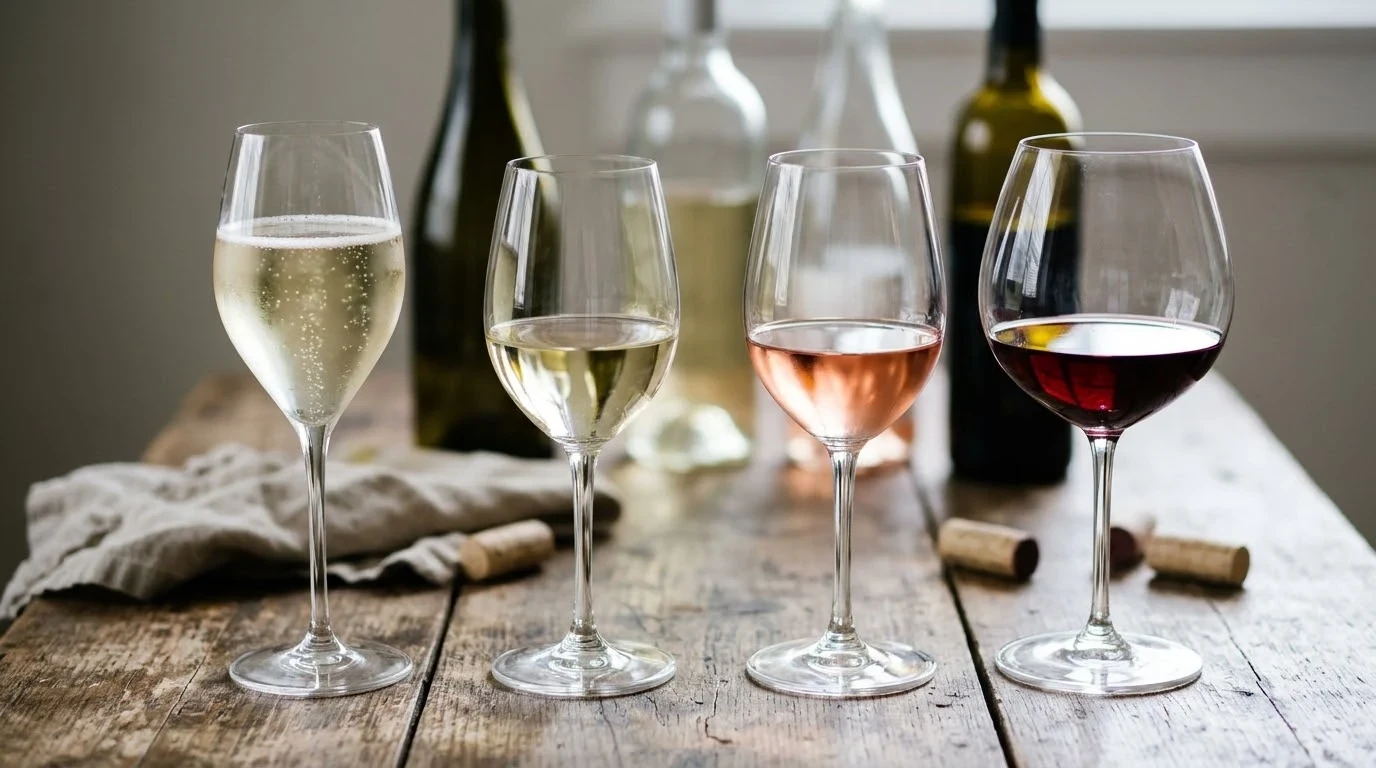
What wine has the highest alcohol? Fortified wines, especially Port, generally have the highest alcohol content, reaching approximately 19%–22% alcohol by volume (ABV). Madeira and certain Sherry styles can also reach approximately 17%–22% ABV. Among unfortified wines, powerful reds such as Zinfandel, Shiraz and Amarone are generally stronger, although they rarely match the alcohol levels of fortified wines.
Wine alcohol content depends on grape ripeness, fermentation and winemaking decisions. Most everyday table wines fall between approximately 11% and 15% ABV, while fortified wines exceed that range because producers add grape spirit during or after fermentation. Understanding these differences makes it easier to compare bottles, select wines for particular occasions and recognize why two wines with similar flavors can have very different alcohol strengths.
Port Wine Has One of the Highest Alcohol Contents
Port is one of the strongest widely recognized wine styles, typically containing 19%–22% ABV. Produced in Portugal’s Douro Valley, this fortified wine reaches its strength through the addition of grape spirit during fermentation, creating a concentrated wine with distinctive sweetness and depth.
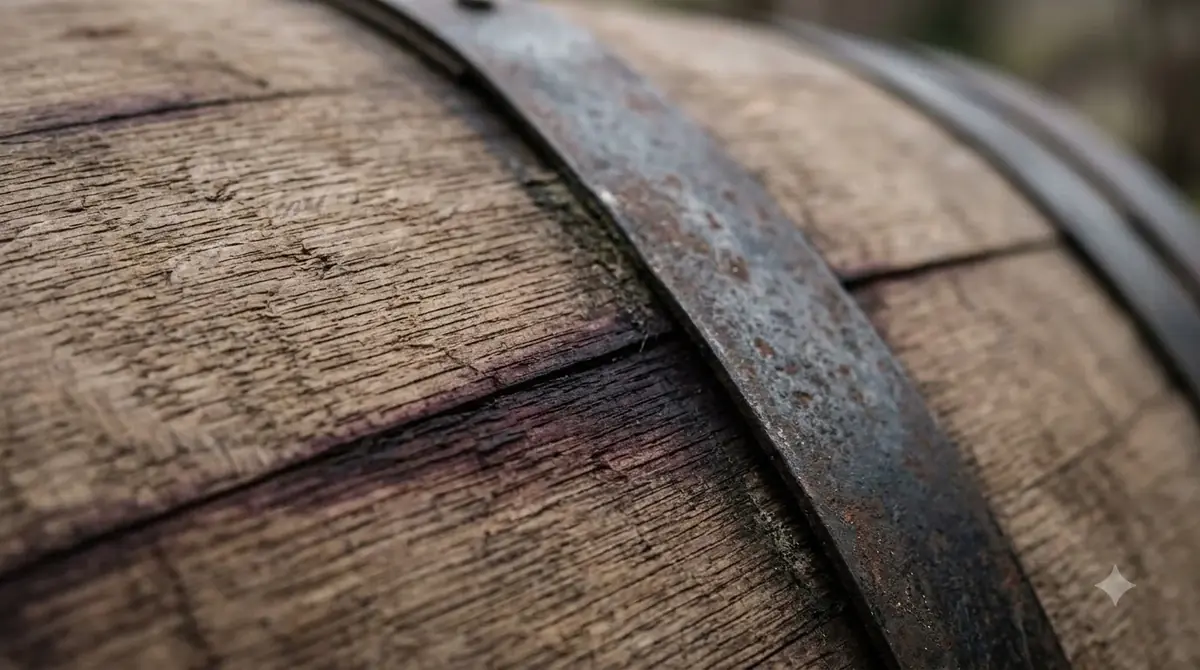
The Instituto dos Vinhos do Douro e do Porto explains that Port fermentation is deliberately interrupted by adding grape spirit. The process commonly uses approximately one part grape spirit for every four parts of fermenting must-wine. Adding the spirit stops the yeast from converting the remaining grape sugar into alcohol, leaving natural sweetness in the finished wine.
This production method explains why Port is considerably stronger than an ordinary Cabernet Sauvignon or Merlot. A conventional red wine develops its alcohol almost entirely through fermentation. Port receives an additional contribution from distilled grape spirit, increasing its final strength while preserving some of the original grape sugar.
Port is not a single uniform style. Different production and aging decisions create several categories with different aromas, textures and sweetness levels.
Ruby Port
Ruby Port is generally fruit-forward, with flavors associated with ripe cherries, blackberries, plums and other dark fruits. Its aging process is designed to preserve its deep color and youthful fruit character. Ruby, Reserve, Late Bottled Vintage and Vintage are important categories within this family.
Vintage Port is made from a single exceptional harvest and is intended for bottle aging. Late Bottled Vintage Port spends longer aging before bottling, while standard Ruby Port is generally designed for earlier enjoyment. These differences affect complexity and development rather than changing the basic reason Port has a high alcohol content.
Tawny Port
Tawny Port develops through exposure to oxygen during aging in wooden casks. Its flavor profile often includes walnuts, caramel, dried figs, raisins and toasted nuts. Older Tawny expressions can show particularly concentrated dried-fruit and wood characteristics.
Age-indicated Tawny Ports include 10-year, 20-year, 30-year and 40-year categories. These numbers describe the wine’s indicated average age characteristics, not its alcohol percentage. A 40-year Tawny is not automatically stronger than a 10-year Tawny.
White Port offers another option, ranging from extra dry to very sweet. Its alcohol content and production approach make it part of the same fortified wine family, even though its appearance and flavor differ from traditional red Port.
Tip: When comparing Port with ordinary red wine, look at the ABV rather than judging strength by sweetness or body. A smooth, sweet Port can contain considerably more alcohol than a dry red wine that tastes more powerful.
Madeira and Sherry Also Reach High Alcohol Levels
Madeira and Sherry are two important fortified wine families that can approach Port’s strength. Their alcohol levels commonly range from approximately 15% to 22% ABV, depending on the particular style, production method and bottling.
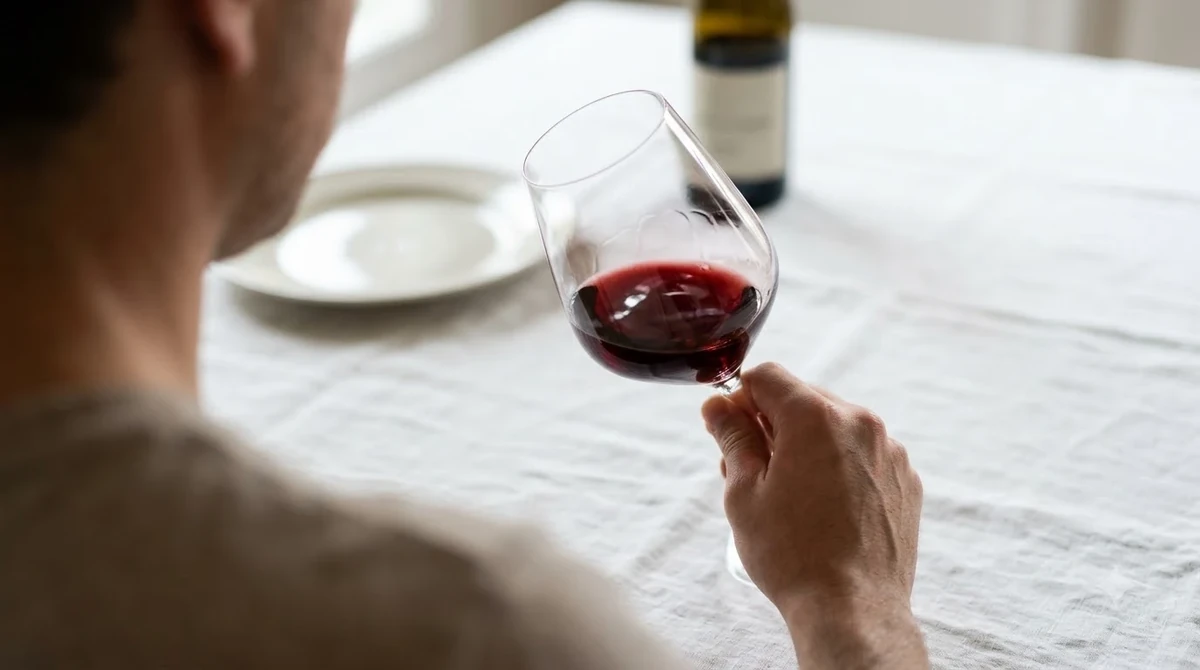
Madeira comes from the Portuguese island of Madeira. Its characteristic production includes fortification and a distinctive heating or warm-aging process that contributes to its complex flavor profile. Many Madeira wines contain approximately 17%–18% ABV, although the exact strength varies by producer and style.
Four traditional white grape varieties associated with Madeira are Sercial, Verdelho, Boal and Malvasia. These varieties are associated with different sweetness and flavor profiles.
- Sercial: Generally the driest traditional style, with refreshing acidity and citrus characteristics.
- Verdelho: Usually medium-dry, with a combination of acidity and richer fruit flavors.
- Boal: Commonly medium-sweet, with caramel, dried fruit and nutty notes.
- Malvasia: Also known as Malmsey, this is traditionally the sweetest of the four styles, with rich flavors of raisins, caramel and dried fruit.
Madeira’s high alcohol content does not mean every bottle tastes equally strong. Sweetness, acidity, aging and serving temperature all influence how the wine feels on the palate. A sweet Malvasia may seem richer than a dry Sercial even when their alcohol percentages are similar.
Sherry and Its Different Alcohol Levels
Sherry comes from the Jerez region of southern Spain and includes several styles with substantially different production methods. The most familiar dry styles include Fino, Manzanilla, Amontillado, Palo Cortado and Oloroso.
The Sherry regulatory council explains that Fino and Manzanilla are generally fortified to approximately 15% ABV. At this strength, a protective layer of yeast called flor can develop on the wine’s surface, influencing its aroma and protecting it from oxidation.
Oloroso follows a different approach. Its base wine is fortified to at least 17% ABV, preventing flor from continuing to grow. The wine then ages through oxidative contact with air, developing deeper color and flavors associated with toasted nuts, dried fruit and wood.
Amontillado and Palo Cortado can involve more complicated aging histories, including both biological and oxidative development. Consequently, their alcohol percentages can be higher than those of Fino.
Sweet Sherry offers additional variety. Pedro Ximénez is particularly rich and concentrated, with flavors of raisins, dates, molasses and dried figs. Moscatel is another naturally sweet style. These wines demonstrate that high alcohol and considerable sweetness can exist together.
Comparing the Alcohol Content of Popular Wine Styles
Fortified wines generally occupy the highest positions in a comparison of wine alcohol percentages. Ordinary still wines usually have lower alcohol levels, although some warm-climate red wines can approach 16% ABV.
The following table provides approximate typical ranges for comparing common styles. Individual bottles can differ according to grape ripeness, fermentation decisions, fortification and producer practices.
| Wine style | Typical ABV | Category |
|---|---|---|
| Port | 19%–22% | Fortified |
| Madeira | 17%–22% | Fortified |
| Oloroso Sherry | 17%–22% | Fortified |
| Amontillado Sherry | 16%–22% | Fortified |
| Marsala | 17%–18% | Fortified |
| Fino Sherry | Approximately 15% | Fortified |
| Zinfandel | 14%–15.5% | Unfortified red |
| Shiraz | 14%–15% | Unfortified red |
| Grenache | 14%–15% | Unfortified red |
| Malbec | 13.5%–15% | Unfortified red |
| Cabernet Sauvignon | 13.5%–14.5% | Unfortified red |
| Chardonnay | 13%–14.5% | Unfortified white |
| Pinot Noir | 13%–14% | Unfortified red |
| Pinot Grigio | 12%–13% | Unfortified white |
| Moscato d’Asti | 5%–6.5% | Sparkling sweet |
These figures show why Port, Madeira and certain Sherry wines stand out. A Port at 20% ABV contains approximately 5 percentage points more alcohol than a red wine at 15% ABV. That difference is substantial even though both wines are made from grapes.
It is also important to distinguish typical ranges from guaranteed minimums or maximums. Producers can make different decisions about grape selection, fermentation and fortification, resulting in different strengths within the same wine category.
For example, two Zinfandels from different vineyards can have noticeably different alcohol levels because of differences in grape ripeness and growing conditions. Similarly, Madeira producers can make different styles with different alcohol strengths while retaining the wine’s distinctive regional identity.
For additional wine basics and comparisons, explore our Wine Q&A resources.
Why Some Wines Have More Alcohol Than Others
Wine alcohol content is mainly determined by the amount of fermentable sugar in the grapes and how much of that sugar yeast converts into alcohol. Fortification adds another variable because distilled grape spirit increases the finished wine’s alcohol percentage beyond what fermentation alone would produce.
Several production factors explain the differences between wine styles.
Grape Ripeness and Natural Sugar
Riper grapes generally contain more natural sugar than grapes harvested earlier. During fermentation, yeast consumes this sugar and produces alcohol and carbon dioxide. When more fermentable sugar is available, the potential alcohol level is generally higher.
This is one reason some wines from warm regions have relatively high alcohol percentages. Warm growing conditions can encourage grapes to accumulate sugar, although vineyard altitude, water availability, grape variety and harvest decisions also influence the result.
For example, some California Zinfandel and Australian Shiraz wines reach approximately 15%–16% ABV. These wines can develop concentrated fruit flavors and a fuller body because of their ripe grapes and winemaking choices.
Fermentation Decisions
Yeast activity determines how much grape sugar becomes alcohol. If fermentation continues until most fermentable sugar has been consumed, the resulting wine is generally dry. If fermentation stops earlier, residual sugar remains.
Port producers use this principle in a particularly deliberate way. They add grape spirit during fermentation, stopping yeast activity and leaving some natural grape sugar behind. This creates a wine that is both stronger and often sweeter than ordinary table wine.
Fortification With Grape Spirit
Fortification is the main reason traditional fortified wines can reach 19%–22% ABV. Instead of relying exclusively on fermentation, producers add distilled grape alcohol to increase the finished wine’s strength.
The timing of this addition matters. Port is typically fortified during fermentation, while many Sherry styles are fortified after their base wine has fermented. Madeira also uses fortification, with its own distinctive production and aging practices.
The resulting wines have different characteristics despite sharing a relatively high alcohol range. Port is often rich and sweet, Fino Sherry is dry and delicate, and Madeira can combine high acidity with complex nutty or caramelized flavors.
Climate and Grape Variety
Climate influences how quickly grapes ripen and how much sugar they accumulate. Regions with warm growing seasons can produce grapes with higher potential alcohol than cooler regions, although the final result also depends on vineyard management and harvest timing.
Grape varieties matter as well. Zinfandel, Grenache and Shiraz can produce naturally powerful red wines. Pinot Noir, by comparison, is generally associated with lower to moderate tannin and relatively high acidity, rather than consistently high alcohol.
Alcohol is therefore not a reliable measure of wine quality. A carefully balanced 12.5% Riesling can be just as well made as a powerful 15% Cabernet Sauvignon.
The Strongest Unfortified Wines and High-Alcohol Reds
Among wines made without added distilled spirit, some full-bodied reds have the highest alcohol percentages. Zinfandel, Shiraz, Grenache and Amarone are notable examples, with certain bottlings reaching approximately 15%–16% ABV or higher.
These wines become strong primarily through natural grape sugar and fermentation rather than fortification. Their alcohol levels depend heavily on climate, grape maturity, vineyard conditions and decisions made in the winery.
Zinfandel
Zinfandel is particularly associated with ripe fruit and relatively high alcohol in some California bottlings. Typical flavors include blackberry, raspberry, plum and black pepper, with some wines showing jammy fruit characteristics.
Many examples fall around 14%–15.5% ABV. Some can reach higher levels, especially when grapes are harvested at advanced ripeness. The resulting wine may feel warm and full-bodied, particularly when alcohol is not balanced by acidity and fruit concentration.
Shiraz and Syrah
Shiraz is the name commonly used for Syrah in Australia and some other wine-producing countries. Australian Shiraz can be particularly concentrated, with ripe blackberry, dark plum, pepper and spice flavors.
Many bottles fall between 14% and 15% ABV, although some powerful examples reach approximately 16% or more. Cooler-climate Syrah can have lower alcohol and more pronounced savory, peppery and fresh-fruit characteristics.
Amarone della Valpolicella
Amarone is an Italian red wine made using partially dried grapes, a process known as appassimento. The grapes lose water during drying, concentrating their sugar and flavor before fermentation.
This technique produces a rich wine with flavors of dried cherries, raisins, dark chocolate and spices. Amarone commonly reaches approximately 15%–16% ABV, making it one of the stronger traditional unfortified red wine styles.
Grenache and Malbec
Grenache can produce ripe, high-alcohol reds with strawberry, raspberry, red cherry and herbal notes. In warm growing regions, its alcohol content commonly reaches approximately 14%–15% ABV.
Malbec is another variety associated with full-bodied wines, especially those from Argentina’s Mendoza region. Typical alcohol levels range from approximately 13.5% to 15%, with dark plum, blackberry and cocoa flavors.
Although these wines can be strong by table-wine standards, they generally remain below Port’s typical 19%–22% ABV range. The distinction is important: a naturally powerful red is not the same as a fortified wine.
How Alcohol Percentage Changes Wine Serving and Enjoyment
Alcohol percentage influences the warmth, weight and overall impression of a wine. Higher-alcohol wines can feel fuller and warmer, while lower-alcohol wines often seem lighter, particularly when served at the appropriate temperature.
Serving temperature is especially important for wines such as Port, Madeira and Sherry. Excessive warmth can make alcohol seem more prominent, while appropriate chilling can help preserve balance and highlight the wine’s aromas.
Recommended Serving Temperatures
Different wine categories benefit from different serving temperatures. The following ranges provide practical starting points for enjoying common wine styles.
- Fortified Port: Approximately 57–60 F for many styles.
- Fino Sherry: Approximately 43–46 F, served well chilled.
- Light white wines: Approximately 45–50 F.
- Full-bodied white wines: Approximately 50–55 F.
- Light-bodied red wines: Approximately 55–60 F.
- Full-bodied red wines: Approximately 60–65 F.
- Sweet white wines: Approximately 43–50 F.
Madeira has a particularly wide range of styles, so its serving temperature can depend on sweetness, age and producer recommendations. A dry Sercial and a rich Malvasia do not necessarily benefit from identical serving conditions.
Choose Appropriate Glassware
Fortified wines are often served in smaller stemmed glasses than standard table wines. A copita is a traditional choice for Sherry, while a small Port glass can help concentrate aromas without requiring a large serving.
A smaller glass also makes it easier to serve fortified wines in portions appropriate to their higher alcohol content. A 5-ounce pour is a common reference for standard table wine, but fortified wines are often enjoyed in smaller pours.
For dinner parties and celebrations, planning bottle quantities requires considering serving size and the number of guests. Our guide to how many glasses in a magnum explains how bottle size affects the number of available servings. You can also use our guide on how much wine for 100 guests when estimating wine quantities for a larger gathering.
Food Pairings for High-Alcohol Wines
Port’s sweetness and concentrated fruit make it suitable for blue cheese, aged cheddar, walnuts and dark chocolate. Tawny Port is particularly enjoyable with nut-based desserts, dried fruit and caramel flavors.
Madeira works well with roasted nuts, mushrooms, aged cheeses and dishes containing rich sauces. Dry Sercial and Verdelho can pair with savory dishes, while sweeter Boal and Malvasia styles complement desserts.
Fino Sherry is a different experience. Its dry, savory character works well with olives, salted almonds, seafood and Iberian cured ham. Oloroso, with its richer oxidative profile, pairs well with aged cheeses, roasted meats and dishes containing toasted nuts.
High alcohol can amplify the sensation of chili heat, so particularly spicy dishes may be challenging with powerful fortified wines or tannic reds. Matching the wine’s sweetness, acidity and structure to the food generally produces a more balanced pairing.
Frequently Asked Questions
Can wine contain more than 22% alcohol?
Some wine products can approach the upper end of the permitted wine alcohol range, depending on their legal classification and production method. In the United States, federal wine regulations generally define wine within an alcohol range of 7%–24% ABV for the relevant regulatory category. Products above that range are generally classified differently for federal tax and labeling purposes.
Does sparkling wine ever have high alcohol content?
Most traditional sparkling wines have moderate alcohol levels rather than the strength associated with fortified wines. Prosecco commonly contains approximately 11%–12% ABV, while many Champagnes fall around 12% ABV. The bubbles and acidity can make sparkling wine feel lively without indicating a particularly high alcohol concentration.
Is expensive wine always higher in alcohol?
No. Wine quality and alcohol percentage are separate characteristics. A premium Burgundy Pinot Noir can have a relatively moderate alcohol level, while an inexpensive fortified wine can contain approximately 20% ABV. Price and alcohol content depend on different production and market factors.
Does wine lose alcohol as it ages in the bottle?
Properly sealed wine generally retains a relatively stable alcohol concentration during normal bottle aging. Chemical changes can alter its aroma, color, acidity and texture, but ordinary bottle maturation does not substantially reduce its ABV. A bottle of Vintage Port can therefore retain its original alcohol strength while developing more complex aromas over many years.
Can a wine with less sugar have more alcohol?
Yes. During complete fermentation, yeast converts much of the grape sugar into alcohol, leaving relatively little residual sugar in the finished wine. A dry fortified wine such as Oloroso Sherry can therefore have approximately 17%–22% ABV without tasting sweet. Sweetness and alcohol are two different characteristics, and neither automatically determines the other.
Port is the clearest answer for anyone looking for a widely recognized wine with particularly high alcohol content, generally reaching 19%–22% ABV. Madeira and Sherry offer similarly interesting fortified styles, while Zinfandel, Shiraz and Amarone are strong choices among unfortified reds. Comparing ABV, sweetness and production methods will help you identify the wine style that best matches your preferences and occasion.
More in Wine Basics
 What Is The Best Wine For Mimosas? Choose Bubbly That Balances Orange JuiceUpdated Nov 20, 2026
 Which Prosecco Is Best for Your Taste and OccasionUpdated Nov 20, 2026
 Which Wine Is Best For Health? Understand the Risks and BenefitsUpdated Nov 20, 2026
 Which Champagne Is Best for Your Taste and OccasionUpdated Nov 20, 2026
 What To Put In A Wine Gift Basket For A Thoughtful, Memorable GiftUpdated Nov 20, 2026
 What Is the Best Wine for Mulled Wine? Choose a Smooth, Fruity RedUpdated Nov 20, 2026