


We may earn a commission when you buy through links on this page, at no extra cost to you. Learn more.
Syrah is the best all-around answer to what wine goes with tri tip, especially when the beef is grilled with black pepper, garlic, and smoke. Its savory pepper notes echo the crust, while dark fruit and firm tannins have enough presence for beef. Cabernet Sauvignon, Malbec, Merlot, and Pinot Noir can also work; the best bottle depends on the rub, the sauce, and how strongly the meat is charred.
Tri-tip is flavorful but leaner than highly marbled steaks, so a successful pairing has to balance the beef’s savory character without making each bite feel dry or heavy. Start with the way the roast is cooked, then choose a wine whose fruit, acidity, and tannin suit the seasonings and sides on the plate.
Syrah Is the Best All-Around Match for Smoky Tri-Tip
Syrah is a natural partner for grilled tri-tip because its dark fruit, black pepper, and smoky or savory notes can meet the flavor of a well-browned crust. Choose a medium- to full-bodied style with firm but balanced tannins; it has enough structure for beef, yet its spice character feels at home beside garlic and char.
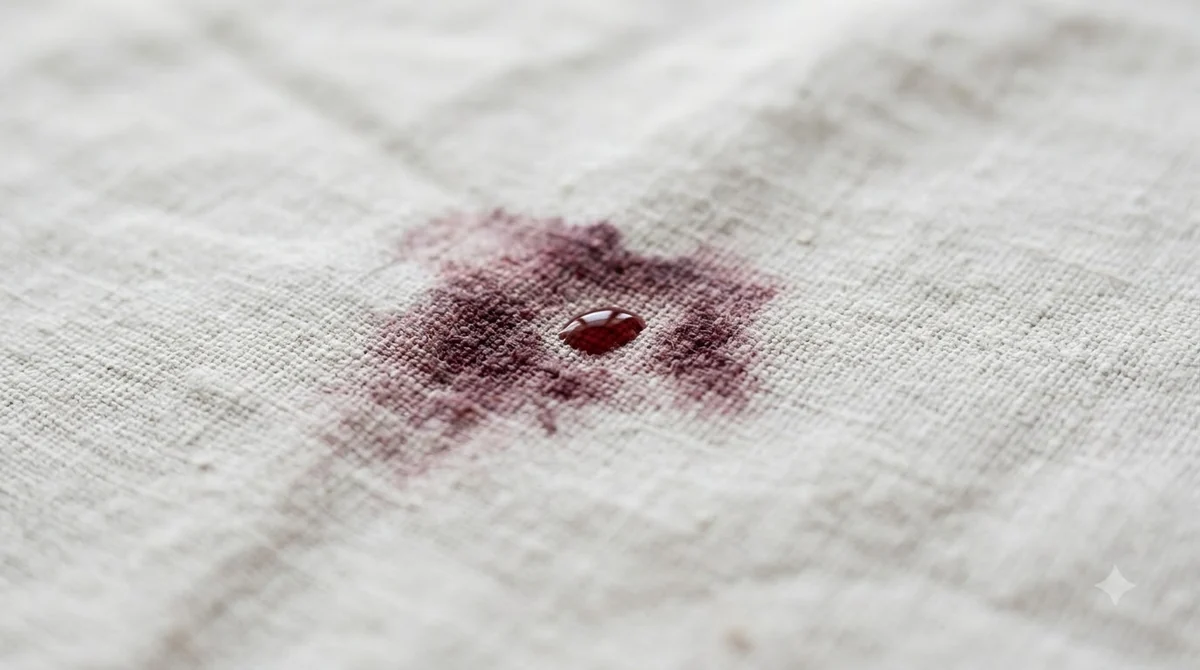
Syrah is made in a range of styles. Cooler-climate examples, including wines from France’s northern Rhône and California’s Sonoma Coast, often emphasize savory herbs, brisk acidity, and earthy notes. Warmer-climate Shiraz, particularly from South Australia’s Barossa Valley, tends to show riper blackberry and blueberry fruit, plus more obvious concentration and alcohol. Both styles can work, but the cooler, peppery style is especially good with red-oak smoke and a salt-and-pepper crust.
The grape’s flavor profile is well suited to the grill: Wine Enthusiast’s overview of Syrah and Shiraz describes the wines through smoke, black fruit, pepper, and firm tannins. Those traits connect directly with a tri-tip roast seasoned with granulated garlic, salt, and ground pepper. For a juicy roast with a deeply browned exterior, pour Syrah from the Rhône Valley, Sonoma Coast, or another region known for a savory expression of the grape.
Why Tri-Tip Needs More Than a Big Red Wine
Tri-tip comes from the bottom sirloin and is typically a triangular roast weighing about 1.5 to 2.5 pounds. Its flavor is substantial, but the cut is leaner than ribeye, so a huge, aggressively tannic red is not automatically the right choice; body and structure should match the crust and cooking method, not simply the word “beef.”
Traditional Santa Maria-style tri-tip is seasoned simply, often with salt, pepper, and garlic, then cooked over red oak. The wood smoke and browned exterior add savory intensity, while the meat itself stays relatively clean and beef-forward. That balance gives Syrah an advantage, but a fruit-forward Cabernet blend or a softer Merlot can also be successful when the seasoning is less assertive.
Cooking details matter because doneness changes the texture and the way the meat meets tannin. The Santa Maria Valley recipe uses a 2.5-pound roast, sears it over direct heat, then cooks it over indirect heat for 20 to 30 minutes until the thickest part reaches 130°F. It rests for 15 minutes before slicing. The method is a useful example rather than a fixed rule for every grill: roast thickness, fire temperature, and preferred doneness all affect timing. The region’s Santa Maria tri-tip recipe also explains why the grain needs attention: the two halves of the roast run in different directions, so locate the point where the grain changes and slice each half across its fibers.
Five Red Wines That Pair Well With Tri-Tip
Syrah is the first bottle to consider, but several other red grapes offer a useful match. Think about the amount of char, the richness of the roast, and whether you want a firm, structured wine or a softer glass with more freshness.
| Wine | Typical structure | Best tri-tip match | Serving temperature |
|---|---|---|---|
| Syrah | Medium-plus to high tannin; savory spice | Red-oak smoke, black pepper, char | 60–65°F |
| Cabernet Sauvignon | High tannin; high acidity | Deeply browned crust, rich beef flavor | 60–65°F |
| Merlot | Medium tannin; softer texture | Garlic-herb rub and a gentler sear | 60–65°F |
| Pinot Noir | Low-medium tannin; high acidity | Light seasoning, herbs, and less smoke | 55–60°F |
| Malbec | Dark fruit with substantial structure | Classic grilled beef and a savory crust | 60–65°F |
Cabernet Sauvignon is a dependable choice when the roast has a pronounced sear or is served with a rich pan sauce. Its high tannin and acidity give it plenty of structure, and the dark-fruit profile sits comfortably beside roasted beef. A bottle from California or Bordeaux can suit the dish; a blend with Merlot may feel rounder than a Cabernet-dominant wine.
Merlot is a good option for a softer pairing. Its medium tannin is less forceful than Cabernet Sauvignon, so it can be a better fit when tri-tip is moderately seasoned and cooked to medium-rare. Pedroncelli Winery specifically pairs its Santa Maria tri-tip recipe with Merlot, a useful reminder that a gentler red can work even with a traditional garlic-and-pepper rub. Pinot Noir is the lighter choice for herb-crusted or lightly smoked tri-tip; its higher acidity and lower tannin make it more refreshing beside lean slices. Malbec brings dark fruit and structure, making it a straightforward steak-house style alternative when the beef has a well-browned crust.
Match Wine to the Rub, Sauce, and Smoke
Seasoning can change the best pairing more than the cut itself. A simple garlic-and-pepper rub welcomes savory Syrah or Merlot, while sweet, sticky, or spicy barbecue sauce calls for a fruit-forward wine that will not taste thin beside the sauce.
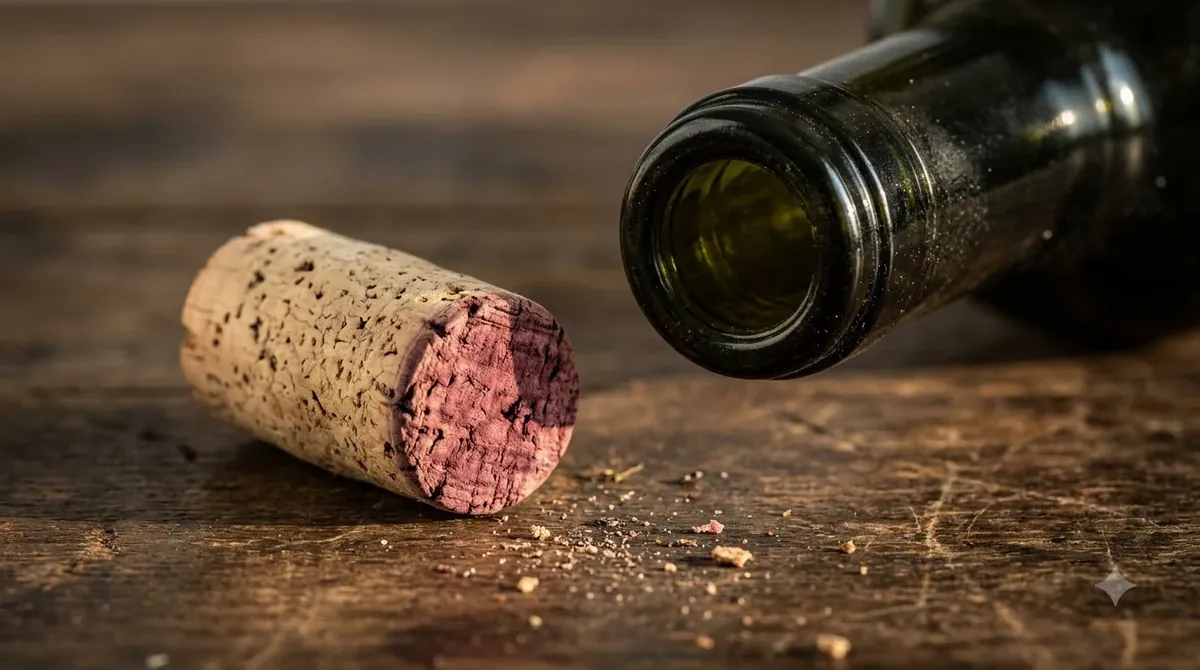
For a classic Santa Maria rub, use Syrah as the first choice and Merlot as the softer alternative. Salt and fat can soften a wine’s tannins, which helps structured reds feel smoother with grilled beef. If the seasoning has a heavier pepper crust, Syrah’s own pepper notes create a natural echo. Cabernet Sauvignon can also handle the extra intensity, particularly when the outside of the roast has a deep sear.
Barbecue sauce changes the equation. A sauce with brown sugar, molasses, or a sweet tomato base makes a very dry, tannic wine seem more austere, so choose a ripe, fruit-forward Syrah, Shiraz, or Malbec. If the sauce has vinegar or a pronounced tomato tang, look for a red with enough acidity to keep pace. A sauce with noticeable chili heat is best served with a moderate-alcohol, softer red: alcohol and tannin can amplify the burning sensation, so a powerful, high-alcohol Shiraz may make the heat feel stronger.
Chimichurri is a different case because parsley, cilantro, garlic, lemon, olive oil, and red wine vinegar add herbs and acidity. A fresher Syrah, Pinot Noir, or medium-bodied red blend can work, but avoid a wine that tastes flat beside the sauce’s sharpness. Acidic food needs a wine with equal or higher acidity. That basic principle also applies to salsa with fresh lime or a vinegar-based mop. The sauce is not a minor garnish; it is part of the pairing.
Choose Wine for the Sides, Not Just the Beef
Tri-tip often arrives as part of a full barbecue plate, and the sides can pull the wine in a different direction. Traditional Santa Maria accompaniments include pinquito beans, green salad, and garlic bread, each with its own texture and seasoning.
Beans and garlic bread add starch and savory depth, so they make medium- to full-bodied reds feel more at home. A dish of roasted potatoes or grilled mushrooms can support Syrah, Cabernet Sauvignon, or Malbec because the browned flavors mirror the meat’s crust. For a creamy potato salad or macaroni and cheese, a smoother Merlot can be a comfortable middle ground; a very tannic wine may feel drying if the plate has little fat or salt to soften it.
Green salad deserves extra attention. A vinaigrette made with lemon or vinegar is more acidic than the beef, and a low-acid, heavy red can taste dull beside it. Choose a high-acid Pinot Noir, a fresher Syrah, or serve the salad before the roast rather than asking one wine to match every bite. This is the same practical approach used in broader Wine Pairing guidance: match the wine to the dominant flavor, then account for strong sauces and sides.
Cheese can shift the balance again. A salty blue cheese topping or blue-cheese butter softens tannin and can make Cabernet Sauvignon or Syrah taste rounder, while a sharp, acidic dressing may have the opposite effect. For a deeper look at that specific contrast, see what wine goes with blue cheese. If the meal includes more than one beef preparation, the same logic can guide a second bottle for what wine goes with beef brisket, where longer cooking and sauce often make fruit and body especially useful.
Serving Temperature, Pour Size, and Timing
Serve full-bodied reds such as Syrah, Cabernet Sauvignon, Merlot, and Malbec at 60 to 65°F. That range keeps the fruit expressive while preventing alcohol from seeming too warm; if the bottle has been sitting in a warm kitchen, a short chill before pouring can make the wine feel more balanced.
Pinot Noir is usually best a little cooler, around 55 to 60°F, especially with a lightly seasoned roast. Avoid serving every red at room temperature if the room is warm. A cool cellar or a brief spell in the refrigerator can bring the wine closer to its ideal range, but a wine served too cold will lose some aroma and flavor. Set the bottle out while the meat rests so the wine and food are ready together.
Plan on a 5-ounce pour per person; a standard 750-milliliter bottle provides about five glasses. If you are serving a young, full-bodied red with a firm tannic frame, decant it for 30 to 60 minutes before dinner to let its aromas open and its texture feel less compact. Older bottles may need gentler handling, so avoid assuming every red benefits from a long decant. Keep unopened bottles on their sides in a cool, steady place near 55°F rather than beside a hot grill or sunny window.
Tip: Put the bottle in the refrigerator for about 15 minutes before serving if a full-bodied red is warmer than 65°F. Check the temperature again before pouring, especially during an outdoor cookout.
For a simple dinner, open one versatile Syrah and serve it through the meal. For a tasting-style barbecue, pour a softer Merlot first and follow with Syrah or Cabernet Sauvignon alongside the more charred slices. This makes the difference in tannin and intensity easier to notice, without requiring a complicated wine list.
Can White Wine or Rosé Work With Tri-Tip?
Red wine is the easiest match for classic grilled tri-tip, but white wine and rosé can work when the seasoning is lighter or the side dishes are more prominent. Choose a wine with enough body and freshness to stand beside the beef rather than a delicate white that disappears after the first bite.
Oaked Chardonnay is the most practical white option for tri-tip served with garlic butter, creamy potatoes, or a rich mushroom side. Chardonnay has medium acidity and a fuller texture that can give it enough weight for the meal. Serve a fuller white at 50 to 55°F. A dry rosé with good structure can be refreshing with chimichurri, grilled vegetables, or a summer plate built around herbs and lemon; light rosé is best served at 45 to 50°F.
High-acid Sauvignon Blanc or Riesling can make sense when the plate includes a sharp, acidic sauce, but neither is the default match for a heavily charred roast. Riesling can also have a touch of sweetness, which may be useful with spicy barbecue, provided the wine is at least as sweet as the food. Sparkling wine is another possibility for a spread with salty, fried, or rich sides, though a structured red will usually have the advantage beside plain grilled beef.
The important point is to pair the whole plate rather than follow a rigid rule that red meat must always mean red wine. A crisp white can refresh a bright, herb-led meal; a red remains the more natural choice for smoke, black pepper, and a substantial crust. For another meatless main with bold tomato and cheese flavors, the pairing principles shift again, as they do with what wine goes with eggplant parmesan.
Frequently Asked Questions
Where did Santa Maria-style tri-tip become popular?
Santa Maria-style barbecue is associated with California’s Central Coast, where tri-tip became a local specialty. The Santa Maria Valley account credits Central Coast butcher Bob Schutz with preparing the cut as a standalone roast in the 1950s, helping establish its place in the region’s barbecue tradition.
Are Syrah and Shiraz made from the same grape?
Yes. Syrah and Shiraz are two names for the same grape variety, while the names often signal different regional styles. Cooler-climate wines labeled Syrah commonly emphasize savory notes and acidity, while warmer-climate Shiraz often leans toward ripe, concentrated fruit.
Does tri-tip need to be marinated overnight?
No. A dry rub of salt, garlic, and pepper is enough for a traditional Santa Maria-style roast, and the meat can be seasoned before grilling without an overnight marinade. Longer marinating is a matter of recipe preference rather than a requirement for the cut.
How many people does a 2.5-pound tri-tip roast serve?
A Santa Maria Valley recipe portions a 2.5-pound roast for six people. The actual number of servings depends on the appetite of the group and whether the meal includes filling sides such as pinquito beans and garlic bread.
Can leftover tri-tip be served cold with wine?
Yes. Thin, chilled slices can work in sandwiches or salads, especially with a lighter red such as Pinot Noir or a dry rosé. Cold beef tends to show less aroma than freshly grilled meat, so a wine with fresh fruit and acidity is often more useful than a very tannic, oak-heavy red.
For most grilled tri-tip, start with Syrah: its pepper, dark fruit, and savory character meet the smoke and crust without demanding a heavy sauce. Move to Cabernet Sauvignon for a more powerful sear, Merlot for a softer pairing, or Pinot Noir when the seasoning is light and fresh. Match the wine to the complete plate, serve it at the right temperature, and let the seasoning decide the final pour.
More in Food & Wine Pairing
 Risotto With White Wine Recipe: Make a Creamy Dinner at HomeUpdated Nov 20, 2026
 Wassail With Wine Recipe for a Festive Spiced Holiday DrinkUpdated Nov 20, 2026
 Spritz Veneziano Recipe: Make a Classic Venetian Aperitivo at HomeUpdated Nov 20, 2026
 Summer Wine Punch Recipe for Easy Homemade EntertainingUpdated Nov 20, 2026
 Bishop Recipe: How to Make a Bright, Citrus-Forward Red Wine CocktailUpdated Nov 20, 2026
 Wine Cupcakes Recipe: Bake Rich Chocolate Cupcakes at HomeUpdated Nov 20, 2026