

We may earn a commission when you buy through links on this page, at no extra cost to you. Learn more.
What wine goes with roast beef? Cabernet Sauvignon is the classic choice, thanks to its firm tannins, dark fruit flavors, and structure that complement the savory richness of roasted beef. Merlot, Malbec, Syrah, and Bordeaux blends are excellent alternatives, while Pinot Noir is particularly appealing with leaner cuts and delicate preparations. The best bottle depends on the cut of beef, its doneness, the seasoning, and whether you are serving gravy, horseradish, or another sauce.
Roast beef is a versatile centerpiece, ranging from delicately pink tenderloin to richly marbled prime rib and slow-cooked Sunday roasts. Although red wine is the traditional companion, choosing the right style involves more than matching the color of the meat. Tannin, acidity, body, fruit intensity, and the flavors of the accompanying dishes all influence how enjoyable the combination will be. This guide explains which wines work best, how to adapt your selection to different preparations, and how to serve each bottle at its best.
The Best Red Wines to Serve With Roast Beef
Cabernet Sauvignon is the strongest all-around starting point for roast beef, particularly when the meat has a browned crust, generous marbling, and traditional beef gravy. Merlot, Malbec, Syrah, and Bordeaux blends provide different levels of tannin, fruit, and savory character for other preparations.
Cabernet Sauvignon: This full-bodied red is a natural partner for substantial beef dishes. Its high tannin content creates a drying sensation that becomes less pronounced alongside the fat and protein in beef. Dark fruit flavors, including blackcurrant and blackberry, complement the browned exterior of a roast, while cedar, tobacco, and herbal notes can echo rosemary, thyme, and black pepper used during cooking. A Cabernet Sauvignon from Napa Valley or a Cabernet-based Bordeaux blend is particularly suitable for prime rib and richly flavored sirloin.
Merlot: Merlot offers a softer alternative when Cabernet Sauvignon feels too structured. Its medium tannins, rounded fruit, and approachable texture work especially well with medium-roasted beef, roast sirloin, and meals featuring traditional gravy. Look for plum, cherry, and subtle herbal flavors. Merlot from Washington State or Bordeaux can provide enough body for a substantial dinner without overwhelming a leaner cut.
Malbec: Argentine Malbec is another excellent choice, particularly for beef with a deeply browned crust or generous seasoning. Its dark plum, blackberry, and sometimes cocoa-like flavors complement roasted meat, while its tannins provide enough structure for flavorful cuts. Malbec is especially appealing with garlic, cracked black pepper, and rosemary.
Syrah and Shiraz: Syrah brings savory depth, black pepper, dark berries, and earthy character. Northern Rhône Syrah is a useful choice for beef with herbs or peppercorn seasoning, while fuller-bodied Australian Shiraz suits richly flavored roasts. Its substantial texture can complement prime rib, although high alcohol levels may become uncomfortable alongside spicy sauces.
Bordeaux blends: Wines based on Cabernet Sauvignon and Merlot offer a combination of structure and softer fruit. Their balance makes them suitable for traditional roast beef dinners, particularly those with roasted vegetables and concentrated pan juices. The International Wine & Food Society includes Cabernet Sauvignon, Cabernet Franc, Carmenère, and Merlot among its recommendations for roast beef. Its beef pairing recommendations provide several useful starting points.
For a dependable dinner pairing, choose Cabernet Sauvignon when the beef is rich and intensely flavored, Merlot when you prefer softer tannins, and Malbec when dark fruit and savory seasoning are prominent. These three styles cover most traditional roast beef preparations without requiring a complicated selection process.
Choosing Wine by Beef Cut and Doneness
The cut of beef determines how much fat, flavor, and texture the wine needs to complement. Prime rib can support structured reds, while tenderloin and lean roast sirloin usually benefit from wines with more restrained tannins and lively acidity.
Prime rib: Prime rib contains substantial marbling, which helps soften the drying sensation of tannic wines. Cabernet Sauvignon is a classic match, particularly when the roast develops a deeply browned exterior. A structured Bordeaux blend, Malbec, or Syrah also works well. If the roast is served rare, a young Cabernet can provide the intensity needed to stand alongside the meat’s concentrated savory flavor. With medium-cooked prime rib, a mature red with more integrated tannins can be especially appealing.
Beef tenderloin: Tenderloin is comparatively lean and delicate. It does not need the same tannic intensity as prime rib, so Pinot Noir, Merlot, and softer Bordeaux blends are attractive choices. Pinot Noir offers low-to-medium tannins and high acidity, with red cherry, raspberry, and earthy notes that complement the subtle flavor of the meat. An Oregon Pinot Noir or a red Burgundy can work particularly well when tenderloin is served with mushrooms or a light red wine sauce.
Top round and bottom round: These leaner cuts benefit from moderate tannins and good acidity. Merlot, Tempranillo, and medium-bodied Cabernet blends can provide enough flavor without making the combination feel overly dry. Avoid automatically choosing the most powerful Cabernet on the shelf simply because the meal contains beef. A roast with limited marbling may be better supported by a more restrained red.
Sirloin roast: Sirloin has more pronounced beef flavor than tenderloin and can accommodate a wider range of reds. Cabernet Sauvignon works with a richly browned sirloin, while Rioja, Malbec, and Merlot offer useful alternatives. For a rare sirloin with a savory crust, a younger, structured wine is often appropriate. For a more thoroughly cooked preparation, consider a softer, more mature style.
Pot roast: Slow-cooked beef develops concentrated flavors from the cooking liquid, vegetables, and seasonings. The result generally calls for a wine with enough body and savory character to match the sauce. Syrah, Malbec, and Sangiovese are good options. If the cooking liquid contains red wine, choosing a similar style for the table can create a more coherent pairing.
Tip: Match the wine to the fattiness of the finished roast rather than relying on the cut’s name alone. A heavily marbled prime rib can handle Cabernet Sauvignon, while a lean, pink tenderloin is often better with Pinot Noir or Merlot.
Doneness also changes the pairing. Rare beef retains a juicy texture and concentrated meat flavor, making it suitable for structured young reds. Medium-cooked beef offers a balance of rendered fat and caramelized flavor, allowing Cabernet Sauvignon, Bordeaux blends, and Malbec to perform well. Well-done beef can become drier and more concentrated in flavor, so a softer wine with moderate tannins may be more comfortable than an aggressively tannic young red.
For additional comparisons between different preparations, see our guide to what wine goes with beef brisket. Brisket’s long cooking time and often smoky seasoning create a different pairing challenge from a traditional oven-roasted joint.
Matching Roast Beef Wine With Gravy, Horseradish, and Sauces
The sauce can change the ideal wine more dramatically than the cut itself. Traditional beef gravy favors balanced reds, horseradish calls for freshness and restraint, and concentrated wine-based sauces benefit from a wine with compatible flavors.
Traditional beef gravy: Pan gravy usually contains meat drippings, stock, seasoning, and sometimes flour or butter. Its savory richness works with Cabernet Sauvignon, Merlot, and Bordeaux blends. Cabernet brings enough tannin to complement the fat in the gravy, while Merlot offers softer fruit and a rounder texture. For a particularly concentrated gravy, a medium-to-full-bodied red with refreshing acidity helps prevent the meal from feeling heavy.
Red wine jus: A concentrated jus made with red wine, beef stock, and pan drippings calls for a wine with compatible character. If Cabernet Sauvignon is used in the sauce, serving Cabernet alongside the roast creates continuity between the glass and the plate. Merlot-based sauces can be paired with Merlot or a Bordeaux blend. The goal is not necessarily to use an identical bottle, but to avoid a wine that clashes with the sauce’s dominant flavors.
Horseradish cream: Horseradish introduces pungency and heat, while cream contributes fat and richness. Cabernet Sauvignon with high tannins and alcohol can make the sharpness more noticeable. Instead, consider Cabernet Franc, Pinot Noir, or a medium-bodied Syrah with balanced acidity and moderate alcohol. These wines can complement the beef without competing excessively with the condiment.
Peppercorn sauce: Black pepper and cream create a rich, aromatic sauce that works with Syrah particularly well. Syrah’s natural peppery character complements the seasoning, while its body stands up to the sauce. Cabernet Sauvignon is another option for a heavier peppercorn preparation, although a softer red may be preferable if the sauce is especially intense.
Mushroom sauce: Mushrooms bring earthy and savory flavors that are especially compatible with Pinot Noir. The wine’s red-fruit character, acidity, and relatively restrained tannins allow the mushroom flavors to remain prominent. Merlot and aged Bordeaux blends can also work, particularly when the sauce includes butter, cream, or roasted garlic.
Mustard sauce: Mustard adds acidity and pungency, so an extremely tannic red may feel harsh. Choose Pinot Noir, Merlot, or Cabernet Franc instead. A medium-bodied wine with good acidity can complement the meat while allowing the mustard’s character to remain balanced.
Decanter’s beef pairing guidance highlights the usefulness of Cabernet Sauvignon, Syrah, and Malbec, while emphasizing the importance of balancing fruit, tannin, and refreshing acidity. Its wine styles for beef offer additional inspiration for choosing a bottle around the preparation rather than following a single fixed rule.
When planning the complete meal, consider the sauce before making the final selection. A roast served with plain pan juices may welcome a more structured wine, whereas a creamy horseradish sauce or mustard accompaniment generally benefits from a fresher, less aggressive red.
Pairing Wine With Yorkshire Pudding and Roast Beef Sides
Traditional side dishes contribute sweetness, acidity, salt, fat, and earthy flavors that influence the wine pairing. Yorkshire pudding, roasted potatoes, carrots, mushrooms, and green vegetables each bring different characteristics to the plate.
Yorkshire pudding: This traditional accompaniment is made from flour, eggs, and milk, producing a light but substantial baked pudding. Its relatively neutral flavor and ability to absorb gravy make it an extension of the beef dish. Cabernet Sauvignon and Merlot can work well, but Sangiovese and Tempranillo offer another attractive direction because their acidity refreshes the palate after rich gravy and starchy pudding.
Roasted potatoes: Crispy potatoes introduce browned, savory flavors and a satisfying starchy texture. Their roasted edges complement the darker fruit and earthy notes of Cabernet Sauvignon, Malbec, and Syrah. If the potatoes are prepared with rosemary and garlic, a savory Rhône-style red is especially appealing.
Roasted carrots and parsnips: These vegetables develop natural sweetness during roasting. A dry red with generous fruit can work well, particularly Merlot or Grenache. Avoid pairing noticeably sweet vegetables with a wine that is too austere or aggressively tannic, since the contrast can make the wine seem bitter. A fruit-forward style with balanced acidity is generally more versatile.
Green beans and asparagus: Green vegetables can introduce fresh, grassy, or slightly bitter flavors. A lighter red such as Pinot Noir may work better than an extremely powerful Cabernet. If the vegetables are simply steamed or lightly seasoned, the wine does not need to dominate the entire plate.
Garlic and herb vegetables: Rosemary, thyme, sage, and garlic are common roast beef seasonings. These flavors are compatible with Cabernet Sauvignon, Cabernet Franc, and Syrah, especially when the wine also has earthy or herbal characteristics. A roast seasoned generously with rosemary can be particularly enjoyable with a Rhône red.
Salty accompaniments: Salted potatoes, seasoned gravy, and other savory sides can make tannic wines feel softer. This is useful when serving a young Cabernet Sauvignon or Syrah. Fat also softens the perception of tannin, which is why rich meat and creamy sauces often work well with structured reds.
Acidity is another important consideration. A side dish containing vinegar, citrus, or another pronounced acidic ingredient can make a low-acid wine seem flat. Choose a wine with equal or greater acidity when acidic ingredients are prominent. Sangiovese and Pinot Noir are useful options for plates containing sharper vegetable preparations or vinaigrette-based sides.
For a different style of beef dinner, our guide to what wine goes with beef stew explores how slow-cooked meat, concentrated stock, and vegetables influence wine selection. Meanwhile, a more elaborate preparation involving pastry and mushrooms has its own considerations in our article about what wine goes with beef Wellington.
Serving Temperature, Glassware, and Wine Preparation
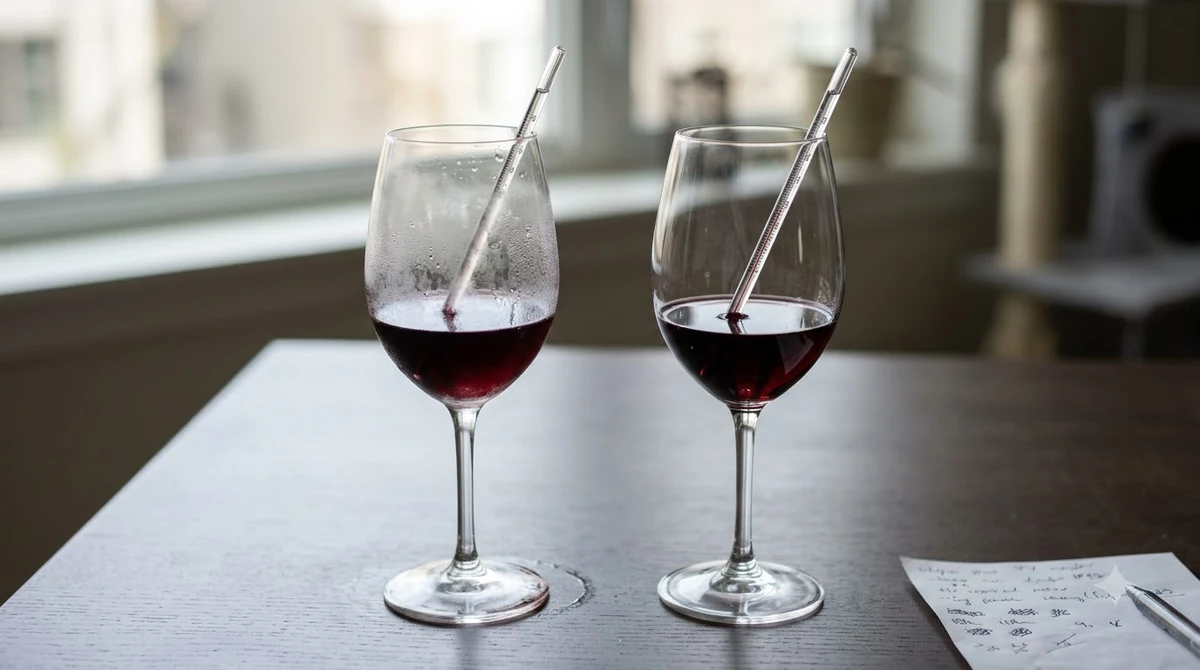
Serving temperature affects the way wine expresses its fruit, acidity, alcohol, and tannins. Full-bodied reds such as Cabernet Sauvignon and Syrah should generally be served slightly cooler than a warm room, while lighter reds such as Pinot Noir benefit from a little additional chilling.
Use the following temperature ranges as practical serving targets for a roast beef dinner:
| Wine style | Serving temperature | Roast beef pairing |
|---|---|---|
| Full-bodied red | 60–65°F | Prime rib and rich gravy |
| Light red | 55–60°F | Beef tenderloin and lean sirloin |
| Medium-bodied red | 60–65°F | Sunday roast and roasted vegetables |
| Full-bodied white | 50–55°F | Lean beef with creamy sauces |
| Light white | 45–50°F | Cold roast beef and lighter accompaniments |
For a full-bodied Cabernet Sauvignon, Malbec, or Syrah, aim for approximately 60–65°F rather than serving the bottle at a warm room temperature. Excessive warmth can make alcohol feel more prominent and cause the wine to seem heavy. Conversely, serving a structured red too cold can make its tannins seem harder and suppress its fruit aromas.
Pinot Noir and other lighter reds are generally best around 55–60°F. If the bottle has been stored at room temperature, place it in the refrigerator briefly before serving. The goal is to keep the wine refreshing while allowing its fruit and aromatic character to remain expressive.
When to decant roast beef wines
Young, full-bodied reds can benefit from exposure to air before dinner. A young Cabernet Sauvignon, Syrah, or Bordeaux blend may be more approachable after approximately 30–60 minutes in a decanter. Aeration allows the wine to open aromatically and can make its structure seem more integrated.
Older wines require more caution. Extended aeration can cause delicate aromas and flavors to fade, particularly in mature Pinot Noir and aged Bordeaux. If sediment is present, carefully pouring the wine into a decanter can separate the clear wine from the deposits. Taste before deciding whether additional aeration is needed.
Choosing the right glass
A large red wine glass with a broad bowl is useful for Cabernet Sauvignon, Malbec, and Syrah. The larger surface area encourages aromatic development and gives the wine room to release its fragrance. A slightly smaller bowl works well for Pinot Noir, helping focus its delicate red-fruit and earthy aromas.
Pour approximately 5 ounces per glass. A standard 750 ml bottle provides about five such servings, making one bottle a practical starting point for a dinner serving five guests. For a longer meal with multiple courses, additional wine may be appropriate.
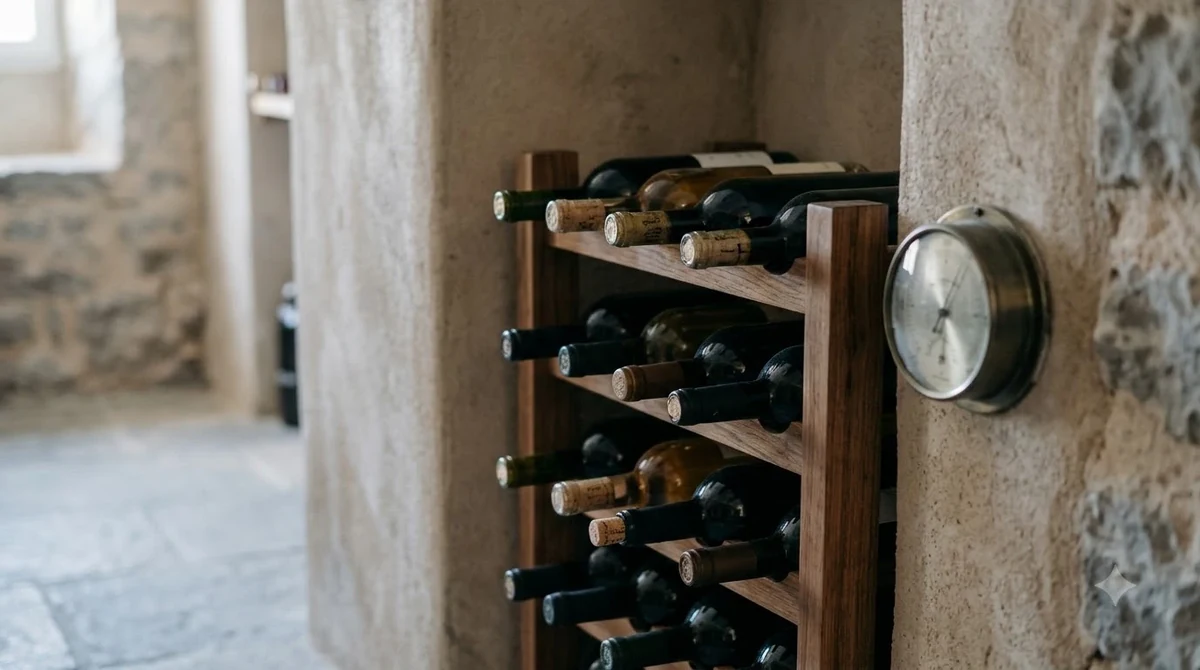
Once opened, most still wines can be refrigerated and enjoyed within approximately 3–5 days, although freshness varies by style and storage conditions. Reseal the bottle promptly and keep it cool between servings. Proper storage also matters before opening: bottles intended for longer-term storage should generally be kept on their sides, away from light and temperature fluctuations, at approximately 55°F.
Frequently Asked Questions
What is the best red wine to serve with roast beef?
Cabernet Sauvignon is the classic choice, but the exact grape variety depends on the preparation. A traditional French-style roast dinner can also pair beautifully with a red Burgundy or a Beaujolais Cru made from Gamay. These wines offer alternatives for diners who prefer less tannic reds.
Does Cabernet Sauvignon go with prime rib?
Yes. Cabernet Sauvignon is particularly suitable for prime rib because its structure complements the meat’s rich texture. For a more specific regional alternative, consider a Cabernet-led blend from Australia’s Coonawarra region, which is known for producing structured Cabernet Sauvignon wines.
Is Pinot Noir suitable for lean roast beef?
Yes. Pinot Noir is especially attractive with tenderloin and lean roast sirloin. Its relatively low-to-medium tannins and high acidity provide freshness without overwhelming delicate meat flavors. Red Burgundy and Oregon Pinot Noir are two useful regional styles to explore.
Can sparkling wine be served with roast beef?
Yes. Dry traditional-method sparkling wines, including Champagne and Cava, can provide an interesting contrast with roast beef, especially when served with salty appetizers or lighter preparations. Their bubbles and acidity refresh the palate between bites. Brut is a useful starting point because it is dry rather than noticeably sweet.
Can fortified wine accompany roast beef?
Yes. Dry Oloroso Sherry is an interesting alternative for roast beef sandwiches and preparations with rich pan juices. Its nutty, oxidative character gives it a different profile from conventional table reds. It is particularly useful when the meal includes concentrated savory sauces.
For most traditional roast beef dinners, Cabernet Sauvignon remains the safest and most versatile choice, while Merlot, Malbec, Syrah, and Pinot Noir provide excellent alternatives for different cuts and sauces. Consider the fat content, doneness, seasoning, and side dishes before selecting your bottle, then serve it at the appropriate temperature. A well-matched wine should complement the roast without overpowering the flavors that make the meal memorable.
More in Food & Wine Pairing
 Risotto With White Wine Recipe: Make a Creamy Dinner at HomeUpdated Nov 20, 2026
 Wassail With Wine Recipe for a Festive Spiced Holiday DrinkUpdated Nov 20, 2026
 Spritz Veneziano Recipe: Make a Classic Venetian Aperitivo at HomeUpdated Nov 20, 2026
 Summer Wine Punch Recipe for Easy Homemade EntertainingUpdated Nov 20, 2026
 Bishop Recipe: How to Make a Bright, Citrus-Forward Red Wine CocktailUpdated Nov 20, 2026
 Wine Cupcakes Recipe: Bake Rich Chocolate Cupcakes at HomeUpdated Nov 20, 2026