

We may earn a commission when you buy through links on this page, at no extra cost to you. Learn more.
What wine goes with orange chicken? Off-dry Riesling is one of the best choices because its natural sweetness balances the orange glaze, while its bright acidity refreshes the palate after each bite of crispy chicken. Demi-sec Chenin Blanc, Gewürztraminer, and lightly sweet sparkling wines are also excellent options. The ideal bottle depends on how sweet, tangy, spicy, and crispy your orange chicken is, but a fruity white with refreshing acidity is the most dependable starting point.
Orange chicken combines several flavors and textures that can make choosing wine surprisingly interesting. The chicken is usually fried until crisp, then coated in a glossy orange sauce that brings together sugar, citrus, soy sauce, garlic, and sometimes chili. That combination calls for a wine that can handle sweetness without losing its freshness. Rather than automatically reaching for a dry white or a full-bodied red, consider how the sauce, cooking method, and spice level influence the pairing. A little residual sugar, lively acidity, and moderate alcohol can make the difference between a wine that complements dinner and one that tastes harsh beside it.
Why Off-Dry Riesling Is the Best Overall Pairing
Off-dry Riesling is the most reliable choice for orange chicken because it combines noticeable fruit, refreshing acidity, and just enough sweetness to complement the orange glaze. Its balance makes it suitable for both traditional sweet orange chicken and versions with a little extra chili or ginger.
Riesling is naturally high in acidity, which helps it remain refreshing alongside fried chicken. The citrus and orchard-fruit characteristics found in many examples also connect with the orange sauce. Meanwhile, a small amount of residual sugar keeps the wine from tasting excessively tart or thin when paired with a sweet glaze.
There is a useful distinction between dry and off-dry Riesling. A bone-dry bottle can work with a relatively restrained sauce, especially one with more vinegar and less sugar. However, the familiar American takeout version of orange chicken usually has enough sweetness to make an off-dry style a better match. Its fruit remains noticeable even after a bite of glazed chicken, while its acidity helps refresh the palate.
Wine Enthusiast specifically identifies Kabinett Riesling as a suitable match for orange chicken. This German style often combines delicate sweetness with lively acidity and citrus-oriented fruit. The combination is particularly useful because the wine does not need to be intensely sweet to complement the dish. A modest level of residual sugar can be enough to make the pairing work. Its article, Chinese food and wine pairing recommendations, also identifies demi-sec Chenin Blanc as another strong choice.
Choosing the right Riesling
Look for an off-dry Riesling from Germany’s Mosel or Rheingau regions, or explore bottles from New York’s Finger Lakes. German Kabinett is a useful starting point, although sweetness varies between producers and individual wines. A bottle described as feinherb can also be worth considering if you prefer a wine with a gentle touch of sweetness rather than an overtly sweet finish.
For a sweeter orange sauce, choose a Riesling with more apparent fruit and residual sugar. For a sauce with stronger vinegar and fresh orange zest, a slightly drier example can provide enough sweetness while keeping the overall pairing balanced.
Serve Riesling at approximately 45–50°F. This temperature keeps the wine refreshing without suppressing all its aromatic character. It also provides a pleasant contrast to warm, freshly cooked chicken.
Other White Wines That Complement Orange Chicken
Several aromatic and moderately sweet white wines offer alternatives to Riesling. Demi-sec Chenin Blanc, Gewürztraminer, and Torrontés are particularly useful because their fruit, floral aromas, and varying levels of residual sugar complement the dish’s orange-forward sauce.
Chenin Blanc: Demi-sec Chenin Blanc is one of the strongest alternatives to Riesling. Wine Enthusiast highlights this style from Vouvray in France’s Loire Valley, noting its subtle sweetness and additional weight. Chenin Blanc also has naturally high acidity, which helps it stand up to citrus-based sauces. Its apple, pear, quince, and honeyed fruit characteristics can complement the orange glaze without making the pairing seem excessively sugary.
A demi-sec example is especially appropriate when the chicken has a generous coating of sweet sauce. A drier Chenin Blanc is better suited to recipes with more vinegar, ginger, or fresh citrus and less added sugar. The grape’s range of styles makes it adaptable to different restaurant preparations.
Gewürztraminer: This aromatic white is another appealing option, particularly for orange chicken with ginger, garlic, or chili. Gewürztraminer commonly offers lychee, rose petal, tropical fruit, and fragrant spice notes. Those aromas complement the dish’s orange and ginger flavors, while a slightly sweet version helps balance the sauce.
Choose an off-dry or gently sweet example rather than an intensely dry, high-alcohol bottle. Gewürztraminer can have a fuller texture than Riesling, which makes it interesting with substantial pieces of fried chicken. However, the alcohol level and sweetness should remain balanced so that the wine does not overpower the food.
Torrontés: Argentina’s aromatic white grape offers another option for people who enjoy floral wines. Torrontés often features peach, citrus, orange blossom, and tropical fruit aromas. These characteristics work naturally with orange-based sauces, particularly when the recipe includes fresh orange zest or juice.
Choose a fresh, fruit-driven example rather than one with excessive alcohol or a heavy texture. Torrontés is not always sweet, so a dry version may work best with a less sugary recipe. If the glaze is particularly sweet, a wine with some residual sugar is preferable.
Pinot Gris: An Alsace-style Pinot Gris can also complement orange chicken. Compared with lighter Italian Pinot Grigio, many Alsace examples have more body, ripe fruit, and a fuller texture. Their pear and stone-fruit flavors work with the glaze, while moderate acidity helps keep the pairing from becoming too heavy. A slightly off-dry version is especially useful when the sauce contains chili or extra sugar.
These wines are not interchangeable in every situation. Chenin Blanc is particularly useful when acidity is important, Gewürztraminer brings aromatic intensity, and Torrontés emphasizes floral and citrus character. Pinot Gris offers a broader texture that can suit richer preparations.
Tip: Match the wine’s sweetness to the orange sauce rather than choosing a wine simply because its label says white. If the chicken tastes noticeably sweet on its own, a bone-dry wine is more likely to seem sharp and lacking in fruit.
Sparkling Wine and Rosé for Crispy Orange Chicken
Sparkling wine and refreshing rosé are excellent alternatives when the fried coating is as important as the orange sauce. Their acidity, fruit, and refreshing character provide contrast to the richness of the chicken while helping reset the palate between bites.
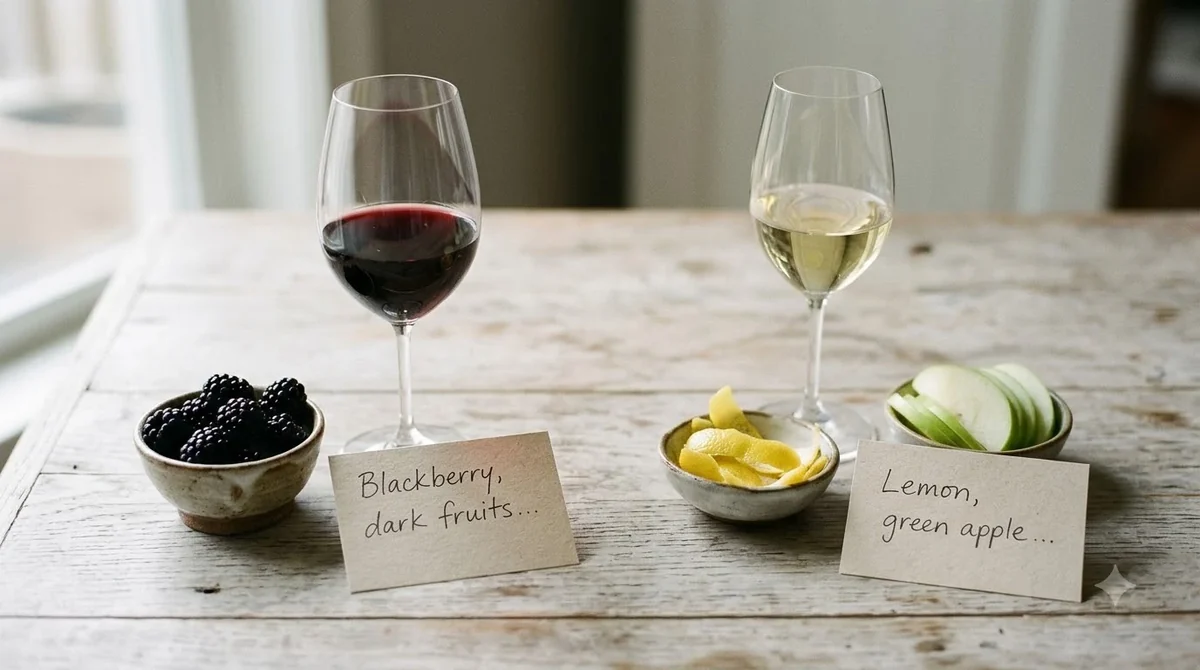
Prosecco: Prosecco is a practical option for casual orange chicken dinners. Made primarily from the Glera grape using the tank method, it commonly has around 11–12% ABV. Its fresh pear, apple, and citrus flavors provide an appealing contrast to the orange glaze. The bubbles also make the fried coating feel less heavy.
For a sweeter sauce, choose an Extra Dry Prosecco rather than assuming that the term means completely dry. In sparkling wine terminology, Extra Dry is generally sweeter than Brut. A Brut example can still work with a moderately sweet sauce, but a particularly sugary glaze may make its finish seem sharper.
Champagne: Champagne offers more complexity and often has pronounced acidity, making it a good choice when the chicken is particularly rich or heavily fried. Its second fermentation takes place in the bottle, creating the bubbles and contributing to its characteristic texture. Notes of citrus, apple, toast, and pastry can complement both the fried chicken and the orange sauce.
Brut Champagne is best with a less sugary preparation or a dinner that includes other savory dishes. If the orange chicken is very sweet, consider a sweeter sparkling style instead. A bottle with some residual sugar will maintain a better balance against the glaze.
Cava: Spanish Cava provides another bottle-fermented sparkling alternative. Its acidity and lively bubbles help refresh the palate after fried food. Its citrus and green-apple flavors also complement the orange component of the dish. A Brut style suits moderately sweet orange chicken, while a sweeter style can be more comfortable alongside a particularly sugary sauce.
Rosé: Dry or off-dry rosé can work when it has enough ripe fruit to stand alongside the orange glaze. Look for strawberry, raspberry, watermelon, and citrus characteristics. A fruit-forward rosé can provide a pleasant contrast to the savory soy and garlic components without introducing the heavier tannins found in many red wines.
For sparkling wines, sweetness terminology matters. Brut Nature and Extra Brut are the driest common categories, followed by Brut, Extra Dry, Dry, Demi-Sec, and Doux. A Demi-Sec sparkling wine is a particularly useful choice if the sauce is very sweet. Doux is substantially sweeter and may be excessive for an ordinary orange chicken dinner unless the dish has an unusually sweet glaze.
Serve sparkling wine at approximately 40–50°F and rosé at 45–50°F. The cooler temperature preserves freshness and makes both styles refreshing alongside hot fried food.
Red Wines That Can Work With Orange Chicken
Red wine is not the traditional first choice for orange chicken, but lighter, fruit-forward reds can work when they have moderate tannins and refreshing acidity. Pinot Noir and Gamay are more dependable choices than heavily structured Cabernet Sauvignon or Syrah.
Pinot Noir: Pinot Noir has relatively low to medium tannin and high acidity compared with many other red varieties. Its cherry, raspberry, strawberry, and earthy flavors can complement the savory chicken underneath the sweet orange glaze. A light-bodied example is especially appropriate when the dish includes ginger, soy sauce, and garlic.
Choose a youthful, fruit-forward Pinot Noir rather than an especially concentrated or heavily oaked version. Oregon and cooler-climate California examples are useful places to explore. Serve the wine slightly chilled, around 55–60°F, to preserve its freshness.
Gamay: Gamay, particularly Beaujolais, offers juicy red-fruit flavors, modest tannins, and lively acidity. Its lighter structure makes it easier to pair with sweet and savory sauces than many powerful reds. It is especially attractive when orange chicken is served with steamed vegetables, mushrooms, or a less sugary sauce.
Beaujolais-Villages is a useful starting point, while more concentrated Cru Beaujolais can provide additional depth. For the most versatile pairing, choose a fresh, youthful style rather than one with substantial oak influence or pronounced tannic structure.
Barbera: Barbera from Piedmont in northern Italy is another possible choice. It typically has high acidity and relatively modest tannins, along with cherry and dark-fruit flavors. Its freshness can complement savory soy-based seasoning and help balance the richness of fried chicken.
Barbera is better suited to orange chicken with a less sugary sauce. If the glaze is extremely sweet, the wine may lose some of its fruit and seem more acidic. A ripe, fruit-forward example is preferable to a very lean, austere bottle.
Why Cabernet Sauvignon is usually a poor choice: Cabernet Sauvignon has high tannin, which can become more noticeable alongside sweet orange sauce. The combination can make the wine seem dry, bitter, and less fruity. The citrus acidity can create another point of friction, particularly with a heavily lemony or orange-forward glaze.
Syrah is another red that requires caution. Its medium-plus to high tannin and potentially substantial alcohol can amplify chili heat. A softer, fruit-driven example may work with a less sweet recipe, but it is generally less dependable than Pinot Noir or Gamay.
Red wine should be considered a secondary option rather than the default pairing. If the meal includes several dishes, including savory noodles, mushrooms, or grilled meats, a lighter red may be more versatile across the entire table.
How Sauce Sweetness, Citrus, and Spice Change the Pairing
The best wine depends on the balance of ingredients in the orange chicken sauce. Sugar, vinegar, fresh orange, soy sauce, garlic, ginger, and chili each influence how the wine tastes, so adjusting the bottle to the recipe is more useful than relying on a single universal recommendation.
Sweet orange glaze: Many American restaurant versions use a generous amount of sugar to create a sticky, glossy coating. This is where off-dry Riesling, demi-sec Chenin Blanc, and slightly sweet Gewürztraminer perform particularly well. Their fruit and residual sugar help maintain balance rather than allowing the wine to taste thin.
A useful general principle is that wine should be at least as sweet as the food. This is particularly important when the glaze is noticeably sugary. A dry white can taste sharp beside a sweet sauce because the food makes the wine’s acidity stand out while reducing the perception of fruit.
Strong orange and vinegar flavors: A sauce with fresh orange juice, orange zest, and rice vinegar needs a wine with sufficient acidity. Riesling and Chenin Blanc are especially dependable because both varieties naturally offer high acidity. Sauvignon Blanc and Albariño are additional possibilities when the sauce is more tart than sweet.
However, a very dry Sauvignon Blanc may not be the best match for a heavily sweetened orange glaze. The wine’s herbal, citrus, and sometimes grassy notes can work with the orange, but its lack of sweetness may make the overall pairing feel unbalanced. Choose a fruitier style or a recipe with less added sugar.
Chili and red pepper flakes: A spicy orange chicken recipe benefits from a wine with some sweetness and moderate alcohol. Off-dry Riesling is particularly useful because it combines refreshing acidity with a gentle sweetness. Gewürztraminer can also work, especially when ginger and aromatic spices are prominent.
Avoid powerful, high-alcohol wines when chili heat is substantial. Alcohol and tannin can make the burning sensation more noticeable, so a big Syrah or Cabernet Sauvignon is generally a less comfortable match. A chilled sparkling wine can also provide a refreshing contrast to moderate spice.
Ginger and garlic: These ingredients create savory and aromatic layers that make the dish more complex. Gewürztraminer is especially appealing because its floral and spice characteristics can connect with ginger. Riesling is another good choice, particularly when its citrus and stone-fruit flavors echo the orange sauce.
Soy sauce and savory seasoning: Soy sauce introduces salt and umami, which can soften the perception of some wine characteristics. This makes fruit-forward wines useful, including off-dry Riesling, Chenin Blanc, and light Pinot Noir. The saltiness also helps prevent the pairing from becoming one-dimensional when the glaze is sweet.
Fried batter and oil: The chicken’s crispy coating adds another consideration. Acidity and bubbles help refresh the palate after the richness of fried food. This is why Prosecco, Champagne, and Cava can work so well even when the orange sauce is fairly sweet. The best sparkling choice still needs an appropriate sweetness level.
For more detailed guidance on balancing acidity, sweetness, and texture, explore our Wine Pairing principles. The same approach can be applied to other sauced chicken dishes, although their sweetness, spice, and richness may call for different wines.
Best Wine Pairings for Different Orange Chicken Styles
Different preparations call for different wine styles, even when the dish is called orange chicken. The following comparisons provide practical starting points for choosing a bottle based on sauce intensity, frying method, and accompanying food.
| Orange Chicken Style | Best Wine Choice | Why It Works |
|---|---|---|
| Classic sweet orange chicken | Off-dry Riesling | Balances the sugary glaze with acidity and fruit. |
| Extra-sweet orange glaze | Demi-Sec Chenin Blanc | Its sweetness and refreshing acidity stand up to the sauce. |
| Spicy orange chicken | Kabinett Riesling | Gentle sweetness and moderate alcohol suit chili heat. |
| Ginger-heavy orange chicken | Gewürztraminer | Floral and aromatic flavors complement ginger and spice. |
| Extra-crispy fried chicken | Prosecco | Bubbles and freshness refresh the palate after fried batter. |
| Orange chicken with more vinegar | Chenin Blanc | High acidity complements the tangy sauce. |
| Less-sweet orange chicken | Pinot Noir | Light tannins and red-fruit character complement savory seasoning. |
| Orange chicken with steamed vegetables | Off-dry Riesling | Fruit, acidity, and moderate sweetness work across the meal. |
| Orange chicken with fried rice | Brut sparkling wine | Refreshing acidity and bubbles complement the oily texture. |
These are starting points rather than strict rules. For example, a Brut sparkling wine may be excellent with fried chicken but less successful when the orange glaze is exceptionally sweet. In that situation, a sweeter sparkling style or off-dry white may provide a better balance.
Side dishes can also influence the choice. Steamed broccoli, bok choy, and other green vegetables add freshness and sometimes bitterness. These flavors work particularly well with aromatic whites such as Riesling and Chenin Blanc. Fried rice, noodles, and other oily accompaniments make sparkling wine especially attractive.
If orange chicken is part of a larger Chinese-American meal, consider the other main dishes before choosing one bottle. A Riesling with moderate sweetness is a versatile option for a table that includes orange chicken, savory noodles, and mildly spicy appetizers. Champagne or Cava can also serve as an adaptable choice when several fried dishes are being shared.
Decanter’s guide to pairing wine with Chinese food likewise highlights aromatic whites, fruit-forward reds, and sparkling wines as useful options, with residual sugar particularly important for sweet-and-sour dishes.
Other chicken preparations require slightly different decisions. For a creamy, spiced sauce, see our guide to what wine goes with butter chicken. For smoky, savory grilled poultry, our article on what wine goes with BBQ chicken covers another useful set of pairing principles. A spicier curry calls for a different balance, which is explained in what wine goes with chicken curry.
Serving Temperature, Pouring, and Storing Wine
Serving temperature can change how a wine tastes alongside orange chicken. Light whites and sparkling wines should be properly chilled, while lighter reds benefit from a modest chill rather than being served warm at room temperature.
For off-dry Riesling, aim for approximately 45–50°F. This temperature keeps its acidity refreshing and allows its fruit aromas to remain noticeable. Chenin Blanc and Gewürztraminer are also enjoyable within the 45–50°F range when they are light or moderately full-bodied.
Fuller white wines can be served slightly warmer, around 50–55°F. This allows their texture and aromas to become more expressive without losing all their freshness. A richer Alsace Pinot Gris may benefit from this range, especially when paired with substantial portions of fried chicken.
Sparkling wines are generally best served between 40–50°F. Prosecco, Cava, and Champagne all benefit from cool serving temperatures, which help preserve their refreshing character. Rosé is generally best around 45–50°F.
Light red wines should be served around 55–60°F. Pinot Noir and Gamay are good examples. If the bottle has been stored at a typical warm indoor temperature, a short period in the refrigerator can help bring it into the preferred range.
Use a standard 5-ounce pour when serving wine with dinner. A 750-milliliter bottle contains approximately five such servings. This is a convenient amount for a meal where the wine is intended to complement the chicken rather than dominate the table.
Opening and preserving the bottle
Most young white wines do not need decanting. Open the bottle shortly before dinner and allow the wine to settle into its serving temperature. If a white wine seems particularly restrained when first poured, a few minutes in the glass can help its aromas develop.
Young, full-bodied red wines can benefit from 30–60 minutes of decanting, although this is rarely necessary for a lighter Pinot Noir or Gamay served with orange chicken. The goal is to make the wine expressive without allowing it to overwhelm the meal.
After dinner, refrigerate opened bottles. Sparkling wine generally keeps for approximately 1–3 days with a suitable sparkling-wine stopper. Still wines typically retain acceptable quality for around 3–5 days, depending on the wine and storage conditions. Fortified wines can last several weeks after opening, while bag-in-box wines commonly remain usable for 4–6 weeks after opening.
For unopened bottles, store wine on its side when using a traditional cork closure, ideally in a cool, dark environment near 55°F. Avoid large temperature fluctuations and direct sunlight. Proper storage helps preserve the freshness and balance that make aromatic whites and sparkling wines attractive with orange chicken.
Frequently Asked Questions
What is the single best wine for orange chicken?
Off-dry Riesling is the most dependable choice for classic American-style orange chicken. German Kabinett is a particularly useful style because it often combines moderate sweetness with lively acidity. Its aromatic profile also works with orange, ginger, and garlic without overpowering the chicken.
Can you drink Moscato with orange chicken?
Yes, particularly if you enjoy noticeably sweet wines. Moscato generally has low to medium acidity and fragrant peach, orange blossom, and grape characteristics. Choose a lightly sweet example for a moderately sweet sauce, but avoid a wine that is substantially sweeter than the dish unless you specifically prefer a dessert-like pairing.
Is Pinot Grigio better than Riesling with orange chicken?
Riesling is generally the safer choice because its sweetness can match the glaze while its high acidity maintains freshness. Most Pinot Grigio is relatively dry, making it better suited to lighter, less sugary preparations. A fruitier Pinot Grigio can still work when the sauce emphasizes vinegar and citrus rather than sugar.
Does orange chicken pair with wine that has oak aging?
Lightly oaked Chardonnay can work with a less sweet orange chicken preparation, particularly one with substantial savory seasoning. However, heavily oaked Chardonnay may introduce vanilla, toast, and buttery richness that compete with the orange glaze. A fresher, moderately textured white is generally easier to pair with the dish.
Should you choose wine before or after ordering orange chicken?
Choosing the wine after deciding on the recipe is more reliable because restaurant preparations vary in sweetness, acidity, and spice. Ask whether the sauce is especially sweet or spicy if those details are not apparent. This simple distinction can help determine whether an off-dry Riesling, demi-sec Chenin Blanc, or sparkling wine will be the better match.
For most orange chicken dinners, off-dry Riesling offers the best combination of sweetness, acidity, and refreshing fruit. Demi-sec Chenin Blanc, Gewürztraminer, Prosecco, and lighter Pinot Noir provide worthwhile alternatives depending on the sauce and cooking method. Match the wine to the dish’s sweetness and spice, serve it at the right temperature, and the pairing can make a familiar takeout favorite an even more enjoyable meal.
More in Food & Wine Pairing
 Risotto With White Wine Recipe: Make a Creamy Dinner at HomeUpdated Nov 20, 2026
 Wassail With Wine Recipe for a Festive Spiced Holiday DrinkUpdated Nov 20, 2026
 Spritz Veneziano Recipe: Make a Classic Venetian Aperitivo at HomeUpdated Nov 20, 2026
 Summer Wine Punch Recipe for Easy Homemade EntertainingUpdated Nov 20, 2026
 Bishop Recipe: How to Make a Bright, Citrus-Forward Red Wine CocktailUpdated Nov 20, 2026
 Wine Cupcakes Recipe: Bake Rich Chocolate Cupcakes at HomeUpdated Nov 20, 2026