

We may earn a commission when you buy through links on this page, at no extra cost to you. Learn more.
what wine goes with ceviche? Sauvignon Blanc is one of the best choices because its bright acidity, citrus flavors, and fresh herbal character complement lime-marinated seafood. Albariño, dry Riesling, Assyrtiko, and crisp sparkling wines are also excellent options. The best bottle depends on the fish, citrus intensity, chili heat, and additional ingredients in the ceviche, but a refreshing white wine with lively acidity is usually the safest starting point.
Ceviche brings together some particularly distinctive food-pairing characteristics: delicate seafood, sharp citrus, fresh herbs, salt, and sometimes considerable chili heat. Unlike grilled or baked fish, its preparation emphasizes the brightness of the marinade rather than the richness of cooking fats or browned flavors. That combination makes wine selection especially important. A suitable wine should refresh the palate, complement the citrus, and preserve the subtle flavor of the seafood instead of overwhelming it. Understanding a few basic pairing principles makes it easier to choose everything from a familiar Sauvignon Blanc to a more unusual Spanish or Greek white.
Why High-Acidity Wine Works Best With Ceviche
The most important characteristic in a ceviche pairing is acidity. Lime and lemon juice give the dish its defining sharpness, so the wine needs enough natural acidity to remain lively alongside the marinade rather than tasting dull, soft, or overly fruity.

Ceviche is commonly prepared with fresh fish or seafood marinated in citrus juice. Traditional Peruvian preparations may include white-fleshed fish, red onion, cilantro, and chili pepper. The citrus changes the texture and appearance of the fish, creating a dish with a distinctive combination of freshness, acidity, and savory seafood character.
When a wine has less acidity than the food, the contrast can make the wine seem flatter and sweeter than expected. A crisp white wine avoids much of this problem because its natural acidity can stand alongside the lime. The wine does not need to taste like lemon juice, but it should have enough freshness to keep the combination balanced.
Acidity also influences how the other ingredients interact. Fresh cilantro contributes green, herbal aromas, while red onion adds a pungent savory quality. A wine with citrus, green apple, or herbal notes can connect these flavors without introducing excessive oak, sweetness, or weight. This is one reason Sauvignon Blanc is such a reliable choice.
Salt creates another useful interaction. A little salt in ceviche can soften the perception of wine tannin, although a heavily tannic red is still generally unsuitable for delicate seafood. The combination is better served by a clean white with refreshing acidity and minimal bitterness.
Body matters as well. A light or medium-bodied wine generally preserves the delicate character of sea bass, halibut, snapper, or shrimp. A heavily oaked, full-bodied Chardonnay may dominate a simple preparation, while a leaner stainless-steel Chardonnay can be more appropriate when avocado or a richer sauce adds texture.
For a broader explanation of how acidity, sweetness, salt, and texture influence food choices, the principles in our Wine Pairing resource provide a useful foundation.
The Best White Wines to Serve With Ceviche
Sauvignon Blanc is the most dependable starting point, followed closely by Albariño and dry Riesling. Each offers a different combination of citrus, fruit, herbal character, and acidity, allowing you to match the wine to the particular ingredients in the dish.
Sauvignon Blanc: The Most Versatile Choice
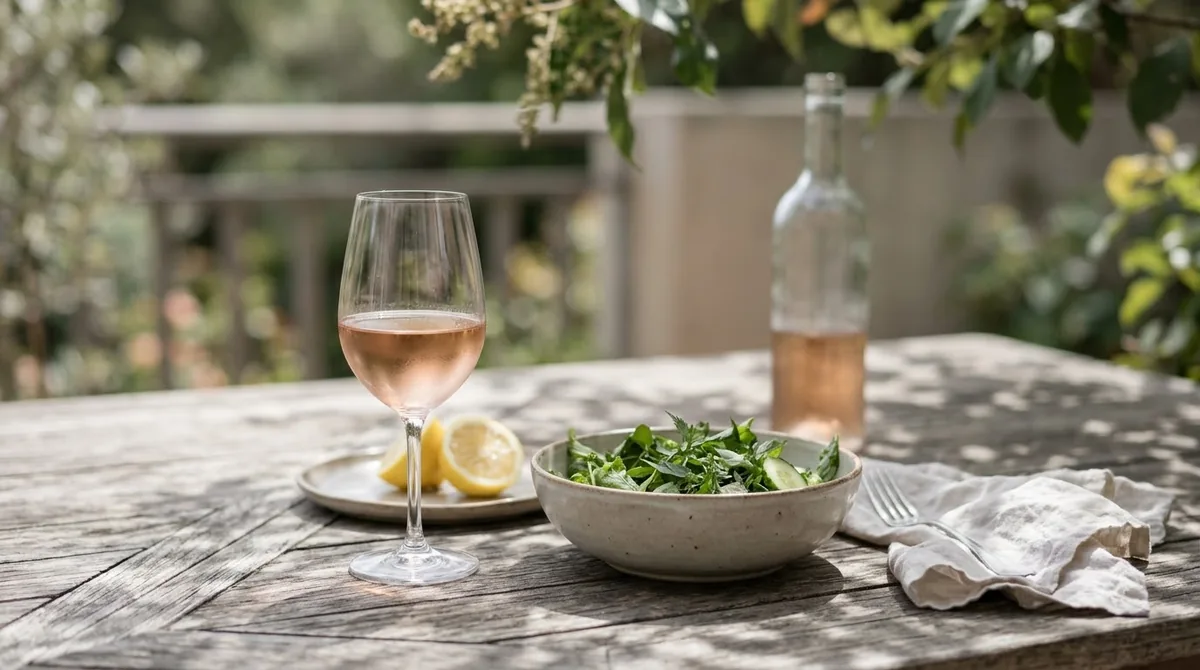
Sauvignon Blanc is an excellent match for traditional ceviche because its natural acidity can keep pace with lime juice. Depending on its origin and production style, it may offer grapefruit, lime, green apple, gooseberry, passion fruit, or freshly cut herb aromas.
These characteristics work particularly well with cilantro, cucumber, red onion, and green chili. A New Zealand Sauvignon Blanc often brings pronounced citrus and tropical fruit alongside recognizable herbal notes. A Loire Valley Sauvignon Blanc, such as Sancerre, can offer a more restrained combination of mineral, citrus, and green flavors.
For a classic fish ceviche with lime, cilantro, and red onion, choose a dry Sauvignon Blanc with lively acidity and a relatively light body. Avoid styles with excessive sweetness or pronounced oak because they can distract from the freshness of the seafood.
Albariño: A Natural Seafood Companion
Albariño is a Spanish white grape particularly associated with Rías Baixas in Galicia. Its combination of citrus, stone fruit, refreshing acidity, and sometimes saline character makes it a natural partner for seafood.
Look for flavors of lemon, lime, peach, green apple, and pear. Some examples also have a subtle impression of sea spray or mineral freshness. These characteristics complement shrimp, scallops, sea bass, and white fish without overwhelming their delicate flavors.
Albariño is especially useful when ceviche contains several kinds of seafood. A mixed preparation with shrimp, scallops, and white fish can benefit from its balance of fruit and acidity. Its slightly broader texture can also work well with avocado while retaining enough freshness for the citrus marinade.
Dry Riesling: Freshness With More Aromatic Character
Dry Riesling offers pronounced acidity and a distinctive aromatic profile. Depending on its origin, it may show lime, green apple, lemon, white peach, and mineral notes.
German and Alsatian Rieslings are particularly useful options. A dry German Riesling can provide a crisp, refreshing structure, while Alsatian examples may have a slightly fuller body and concentrated fruit. Both can work with traditional ceviche, especially when the preparation contains aromatic herbs and moderate chili.
It is important to distinguish dry Riesling from sweeter styles. An off-dry Riesling can be a better option when the ceviche has substantial chili heat, but a dry example is generally the more straightforward choice for a classic lime-forward preparation.
Other Excellent White Wine Alternatives
Several less familiar grapes deserve consideration. Assyrtiko from Greece, Grüner Veltliner from Austria, and Vermentino from Italy all offer refreshing acidity and distinctive flavors that can complement seafood.
Assyrtiko is particularly interesting because of its citrus-driven character and mineral freshness. Its firm acidity can stand alongside a generous amount of lime juice. Grüner Veltliner often contributes green apple, citrus, and peppery herbal notes that work with cilantro and fresh vegetables.
Vermentino is another attractive choice for Mediterranean-inspired ceviche. It can show lemon, fresh herbs, and a subtle bitter-almond finish. These characteristics make it particularly suitable for preparations containing cucumber, parsley, olive oil, or other fresh green ingredients.
| Wine | Typical Flavor Profile | Best Ceviche Match |
|---|---|---|
| Sauvignon Blanc | Lime, grapefruit, herbs | Classic fish and lime |
| Albariño | Citrus, peach, saline notes | Shrimp and mixed seafood |
| Dry Riesling | Lime, green apple, mineral notes | Herb-forward ceviche |
| Assyrtiko | Lemon, mineral freshness | Strongly citrus-marinated fish |
| Grüner Veltliner | Green apple, citrus, pepper | Ceviche with cilantro and chili |
| Vermentino | Lemon, herbs, almond | Mediterranean-style seafood |
| Dry sparkling wine | Apple, citrus, crisp bubbles | Seafood with salty accompaniments |
These are general pairing suggestions rather than rigid rules. The acidity and body of individual bottles vary with grape-growing conditions, ripeness, and winemaking choices. The most useful approach is to match the wine’s freshness and intensity to the strongest characteristics of the ceviche.
How Regional Wine Styles Change the Pairing
The region where a wine is produced can offer useful clues about its flavor and structure. Chile, New Zealand, France, Spain, and Greece all produce white wines that can complement ceviche, but their different expressions create slightly different combinations.
Chilean Sauvignon Blanc is a particularly appealing option because coastal growing areas can produce fresh, mineral-driven wines. The Leyda Valley, for example, is associated with Sauvignon Blanc that can show citrus, herbal, and mineral characteristics. These flavors work well with the lime, cilantro, and chili found in many South American ceviche preparations.
New Zealand Sauvignon Blanc generally provides a more expressive alternative. Its citrus, gooseberry, and tropical fruit characteristics can complement ceviche with cucumber, green herbs, and a noticeable amount of lime. For preparations with a little sweetness from mango or pineapple, its fruit-forward character can also be useful, provided the wine remains dry enough to balance the dish.
France offers a more restrained direction. Sancerre and other Loire Valley Sauvignon Blancs can show citrus, mineral, and herbal characteristics without relying on pronounced tropical fruit. This makes them particularly suitable for simple white-fish ceviche in which the flavor of the seafood should remain central.
Spain’s Rías Baixas region is a natural place to look for Albariño. The grape’s fresh acidity and combination of citrus and stone fruit make it useful for shrimp, scallops, and mixed seafood. It is also a good choice when the dish includes avocado because its refreshing structure helps balance the additional richness.
Greece provides another interesting option through Assyrtiko, especially wines from Santorini. The grape is known for its pronounced acidity and citrus-oriented character. A dry example can work particularly well with ceviche containing plenty of lemon or lime, sea salt, and fresh herbs.
For a more aromatic pairing, consider Torrontés from Argentina. Decanter identifies Argentinian Torrontés and Chilean Sauvignon Blanc as suitable options for citrus-marinated fish. Its floral and fruit-driven character can complement fresh herbs and seafood, especially when the dish has a slightly gentler citrus profile. Read Decanter’s guide to pairing wine with fish for additional guidance on matching wine to fish texture and preparation.
These regional differences provide opportunities to adjust the pairing without changing the basic principle. Choose a more restrained wine for delicate fish, a fruitier white for aromatic ingredients, and a particularly crisp example when the citrus marinade is intense.
Matching Wine to Chili, Avocado, Shrimp, and Other Ingredients
The fish is only one part of the pairing. Chili, avocado, tropical fruit, onions, and herbs can influence the best wine choice just as much as the seafood itself, so consider the complete preparation before opening a bottle.
Traditional White-Fish Ceviche
Traditional preparations using sea bass, snapper, halibut, or another mild white fish usually call for a crisp, relatively light white wine. Sauvignon Blanc and Albariño are particularly dependable choices.
The fish should remain the main flavor, with lime and herbs providing freshness rather than overwhelming the seafood. A wine with moderate body, bright acidity, and restrained oak will generally preserve this balance.
For a simple preparation of white fish, lime juice, cilantro, red onion, and salt, choose a Loire Valley Sauvignon Blanc or a Spanish Albariño. Both provide enough freshness to complement the citrus without adding unnecessary weight.
Shrimp and Scallop Ceviche
Shrimp and scallops have a naturally sweet seafood character that can work beautifully with aromatic white wines. Albariño is a particularly good option because its fruit and refreshing acidity complement the sweetness without making the pairing heavy.
Dry sparkling wine is another useful alternative. The bubbles add freshness, while the acidity works with the citrus marinade. A Brut Cava or another dry traditional-method sparkling wine can be especially suitable for a seafood platter that includes ceviche alongside other small bites.
For scallop ceviche with cucumber and a small amount of citrus, a delicate white wine may be preferable to a strongly aromatic Sauvignon Blanc. The aim is to preserve the subtle sweetness of the scallops.
Spicy Ceviche With Jalapeño or Habanero
Chili heat changes the pairing because alcohol and tannin can amplify the sensation of spice. A wine with very high alcohol or a substantial tannic structure can make an already hot dish seem more aggressive.
For moderate chili heat, Sauvignon Blanc remains a practical choice, particularly a relatively moderate-alcohol example. For stronger heat, consider an off-dry Riesling. Its touch of residual sugar can soften the impression of chili while its acidity keeps the overall pairing refreshing.
Aromatic wines can also work, provided they do not overpower the dish. Riesling offers citrus and stone-fruit aromas, while Grüner Veltliner can bring peppery and herbal characteristics that connect naturally with fresh chili and cilantro.
Avocado and Creamier Preparations
Avocado contributes fat and a creamy texture, making the ceviche richer than a simple fish-and-lime preparation. This creates room for a white wine with a little more body while retaining sufficient acidity.
Albariño is an excellent option because its combination of fruit and freshness works with both avocado and seafood. A lightly textured, unoaked Chardonnay can also be appropriate when the avocado is especially prominent and the citrus marinade is relatively restrained.
For a preparation with avocado, mango, and shrimp, consider a fruit-forward Sauvignon Blanc or Albariño. The wine should be dry enough to preserve the contrast between the sweet fruit and acidic marinade.
Mango, Pineapple, and Other Sweet Ingredients
Fruit-based ceviche introduces another dimension. Mango, pineapple, and orange can soften the impression of acidity and add sweetness, making aromatic wines particularly useful.
A dry Riesling can work well when the fruit is present but does not dominate. If the preparation has substantial sweetness and chili, a slightly off-dry Riesling can provide a more balanced combination. The wine should still have enough acidity to prevent the overall pairing from becoming cloying.
Tip: When preparing ceviche with strong chili heat, choose a lower-alcohol white wine and consider a slightly off-dry Riesling. When lime is the dominant flavor, prioritize a dry Sauvignon Blanc or Albariño with pronounced acidity.
The same attention to the complete dish helps with other meals. For example, a rich preparation such as eggplant parmesan needs a different balance of acidity and body from delicate citrus-marinated seafood. Likewise, the rich, savory character of beef brisket calls for a different approach to tannin and structure.
Can Sparkling Wine or Rosé Work With Ceviche?
Yes. Dry sparkling wine and crisp rosé are useful alternatives to still white wine, particularly when ceviche is served as part of a larger seafood meal. Their refreshing qualities can complement citrus, salt, and fresh ingredients without overpowering the fish.
Dry Sparkling Wine
Brut sparkling wine is a strong choice for ceviche because its acidity and bubbles create a refreshing contrast with the seafood and citrus marinade. The combination is especially attractive when the dish includes salty tortilla chips, tostadas, or other crisp accompaniments.
Spanish Cava is a practical option. Traditional-method Cava undergoes its second fermentation in the bottle, creating the bubbles and a more complex texture. Its fresh citrus, apple, and sometimes subtle bread-like characteristics work well with seafood.
Champagne is another possibility, particularly a fresh Brut style. A Blanc de Blancs made primarily from Chardonnay can provide citrus and mineral characteristics that complement delicate seafood. However, a very mature, heavily developed sparkling wine may be unnecessarily powerful for a simple preparation.
Prosecco can also work, particularly when served with a fruitier ceviche containing mango or pineapple. Made primarily from Glera and generally produced using the tank method, Prosecco typically has fresh fruit flavors and a lighter, approachable character. A dry style is preferable for classic lime-forward ceviche.
Dry Rosé
A crisp dry rosé offers a slightly different direction. Its refreshing acidity and light red-fruit flavors can complement ceviche containing tomato, red onion, cucumber, or tropical fruit.
Choose a pale, dry style rather than a noticeably sweet rosé. Provence-style rosé is one possibility, while lighter rosés from other cool or moderate climates can also work. The wine should remain fresh and relatively delicate.
Rosé is particularly useful for mixed meals where ceviche is served alongside grilled shrimp, fish tacos, or vegetable dishes. It can bridge several different flavors without the weight of a substantial red wine.
When Red Wine Is a Poor Choice
Most traditional red wines are less suitable for ceviche. Cabernet Sauvignon has high tannin, while Syrah can have medium-plus to high tannin. These characteristics can clash with delicate seafood and the sharp acidity of the citrus marinade.
Even softer reds such as Merlot and Pinot Noir are generally less dependable than crisp white wines in this situation. Their fruit and texture may distract from the seafood, while the combination of raw fish and tannin can create an unpleasant impression.
For a ceviche-focused meal, stay with white wine, sparkling wine, or a fresh dry rosé. This approach gives you more flexibility when balancing citrus, seafood, and chili.
Serving Temperature, Glassware, and Practical Pairing Tips
Serving temperature can make a meaningful difference to the pairing. A well-chosen wine can seem overly alcoholic, soft, or heavy if served too warm, while excessive chilling can suppress its aromas and make it taste less expressive.
For Sauvignon Blanc, Albariño, dry Riesling, and other light-bodied whites, aim for approximately 45–50 degrees Fahrenheit. This temperature preserves refreshing acidity while allowing citrus, fruit, and herbal aromas to remain noticeable.
Fuller white wines, including richer Chardonnay, are generally better served slightly warmer, around 50–55 degrees Fahrenheit. Dry rosé can also be served around 45–50 degrees Fahrenheit. Sparkling wines benefit from a colder serving temperature of approximately 40–50 degrees Fahrenheit.
For a simple preparation, chill the bottle in advance rather than relying on ice in the glass. If the wine becomes too cold, allow it to warm slightly before serving. This is especially helpful with aromatic varieties such as Riesling and Sauvignon Blanc.
Choose the Right Glass
A standard white-wine glass with a moderately narrow bowl is suitable for most ceviche pairings. It allows the wine to retain its freshness while giving citrus and herbal aromas enough room to develop.
For sparkling wine, use a tulip-shaped glass if available. It provides more room for aromas than a very narrow flute while still preserving the visual appeal of the bubbles.
Plan the Pour and Food Portions
A standard wine pour is approximately 5 ounces. A 750-milliliter bottle provides about five standard glasses, making one bottle sufficient for a small gathering of four or five people depending on serving size.
When serving ceviche as an appetizer, keep the wine portions moderate and allow the food to remain the center of attention. If the meal includes several courses, choose a wine that can work with the other dishes rather than selecting something that only suits one small serving of seafood.
For example, Sauvignon Blanc can continue into a meal featuring grilled white fish or vegetable dishes. Albariño is particularly convenient for a seafood-focused menu. Dry sparkling wine can accompany several appetizers before the main course.
Adjust the Wine to the Marinade
The amount of citrus juice is one of the easiest ways to determine the appropriate wine style. A preparation with a strong lime presence calls for particularly refreshing acidity. A gentler marinade with more cucumber, avocado, or sweet fruit allows a somewhat rounder wine.
Consider the balance of salt and fat as well. Avocado and olive oil can soften the perception of acidity, so a white wine with slightly more body may be useful. A simple lean fish preparation usually needs less weight and more straightforward freshness.
Finally, serve the wine alongside the finished ceviche rather than choosing it solely from the recipe title. The amount of lime, chili, salt, and additional fruit can vary considerably between preparations, and these differences influence the final pairing.
If you enjoy exploring other food combinations, our guide to what wine goes with blue cheese explains why sweetness and acidity can be just as important as body when matching wine to strongly flavored food. For ceviche, however, freshness and citrus compatibility should remain the priorities. The Wine Society’s ceviche wine-pairing recommendations also highlight crisp Sauvignon Blanc, dry Riesling, Assyrtiko, and sparkling alternatives.
Frequently Asked Questions
Does Peruvian ceviche require a Peruvian wine?
No. Although a South American wine can create an interesting regional connection, the grape variety and wine style matter more than geographic origin. Chilean Sauvignon Blanc and Argentinian Torrontés are two South American options, while Spanish Albariño and French Sauvignon Blanc can also complement traditional Peruvian preparations.
Can orange wine pair with ceviche?
It can, but the style requires careful selection. Light, fresh orange wines with restrained tannin and good acidity are more suitable than heavily extracted examples. Extended skin contact can introduce bitterness and astringency that may compete with delicate raw fish and lime.
Should ceviche wine be opened before serving?
Most fresh white wines do not require lengthy aeration before serving. Opening a bottle approximately 10–15 minutes before the meal is generally sufficient to prepare it for pouring. Older or more complex white wines may benefit from additional time in the glass, but fresh Sauvignon Blanc and Albariño are usually ready to enjoy shortly after opening.
Can canned sparkling wine be served with ceviche?
Yes, provided it is a properly produced sparkling wine and is served cold. A dry sparkling wine in a can can be convenient for outdoor meals and individual portions. Check that the style is Brut or another relatively dry classification if serving it with traditional lime-heavy ceviche.
How long can opened white wine be kept after a ceviche dinner?
Most opened still white wines retain their best qualities for approximately 3–5 days when recorked and refrigerated. Sparkling wine generally has a shorter window of around 1–3 days, depending on how well it is sealed. Keep the bottle cold and limit unnecessary exposure to air to preserve its freshness.
For most ceviche preparations, Sauvignon Blanc is the easiest wine to choose, while Albariño and dry Riesling provide excellent alternatives. Match the wine’s acidity and body to the citrus, seafood, and chili, and serve it well chilled rather than ice cold. With those principles in mind, a fresh white wine or dry sparkling wine can make a simple seafood dish feel like a thoughtfully planned meal.
More in Food & Wine Pairing
 Risotto With White Wine Recipe: Make a Creamy Dinner at HomeUpdated Nov 20, 2026
 Wassail With Wine Recipe for a Festive Spiced Holiday DrinkUpdated Nov 20, 2026
 Spritz Veneziano Recipe: Make a Classic Venetian Aperitivo at HomeUpdated Nov 20, 2026
 Summer Wine Punch Recipe for Easy Homemade EntertainingUpdated Nov 20, 2026
 Bishop Recipe: How to Make a Bright, Citrus-Forward Red Wine CocktailUpdated Nov 20, 2026
 Wine Cupcakes Recipe: Bake Rich Chocolate Cupcakes at HomeUpdated Nov 20, 2026