

We may earn a commission when you buy through links on this page, at no extra cost to you. Learn more.
Roussanne food pairing works especially well with seafood, roast chicken, creamy pasta, scallops, and soft cheeses because this aromatic white wine combines a rounded texture with moderate acidity. Its flavors of apricot, pear, honey, flowers, and herbs complement dishes with butter, cream, and gentle seasoning. Serve Roussanne at approximately 50–55°F and match the richness of the wine to the weight of the food for a balanced meal.
Roussanne deserves more attention at the dinner table than it often receives. Originally associated with France’s Rhône Valley, this distinctive white grape produces wines that can be floral and delicate or rich, full-bodied, and textured. It frequently appears alongside Marsanne in Rhône blends, but single-varietal bottles offer an especially useful opportunity to explore its individual character. Whether preparing grilled fish, roast poultry, mushroom risotto, or a cheese course, understanding its acidity, texture, and aromatic profile makes choosing the right dish much easier.
Understanding Roussanne’s Flavor and Structure
Roussanne is generally a dry white wine with medium acidity, an aromatic personality, and a rounded texture that makes it particularly adaptable to food. Its combination of ripe fruit, floral notes, and savory complexity gives it more weight than many lighter white wines.
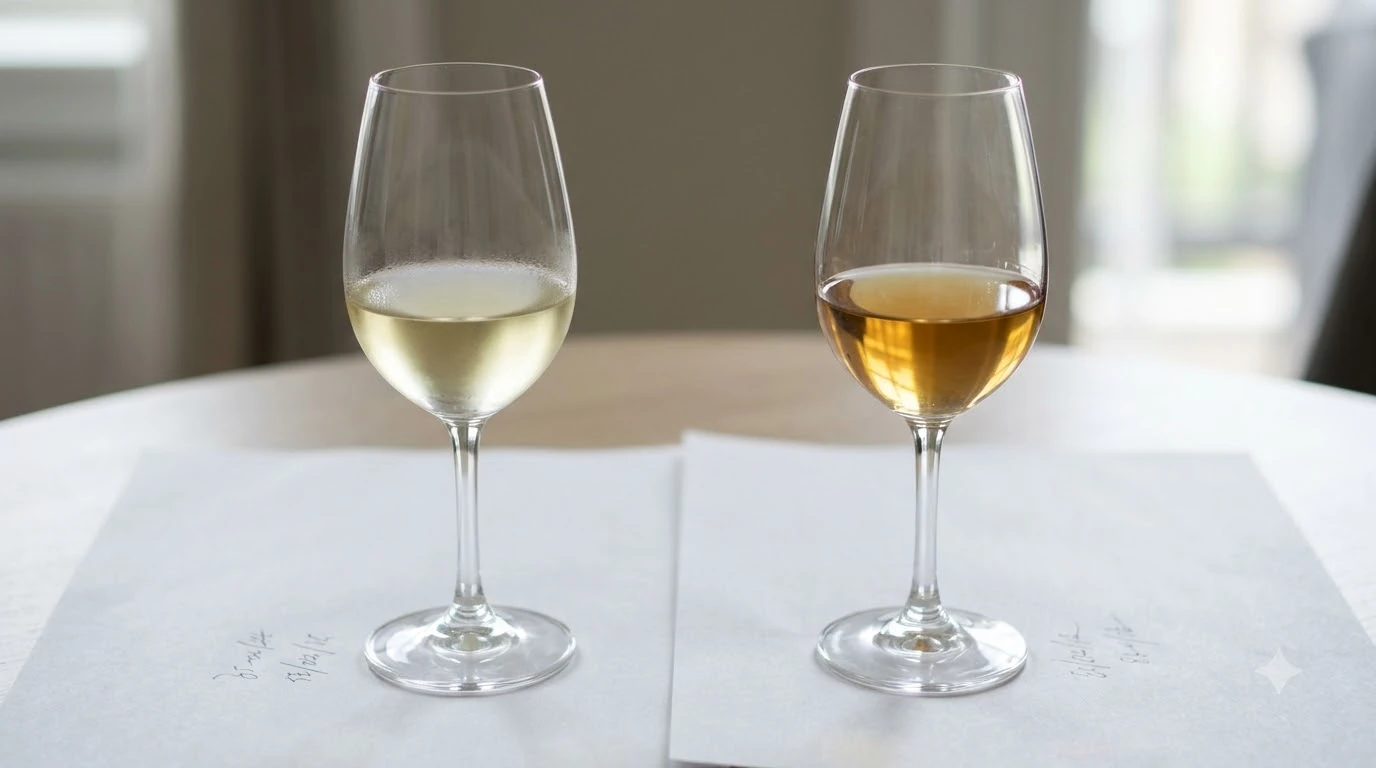
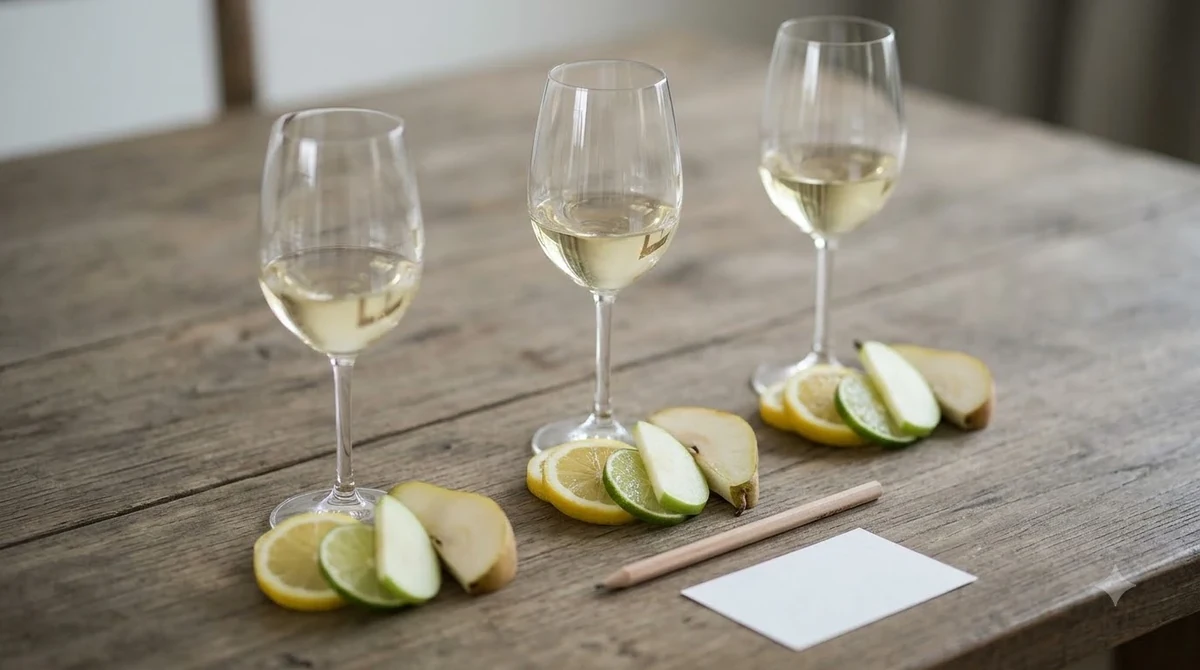
Typical aromas include apricot, pear, yellow apple, honeysuckle, chamomile, honey, and herbal tea. Some examples also develop notes of beeswax, almond, dried fruit, brioche, or toasted nuts. The precise combination depends on the growing region, harvest conditions, winemaking techniques, and bottle age. The Rhône Valley wine authority describes Roussanne as a variety capable of producing elegant, structured wines with floral aromas that develop toward dried fruit and honey.
Its moderate acidity is particularly important for pairing. Unlike Sauvignon Blanc, which generally has noticeably higher acidity, Roussanne does not always provide enough sharpness to cut through extremely acidic sauces or heavily dressed salads. Instead, it works by matching the texture of a dish while contributing freshness and aromatic complexity. A piece of salmon with lemon butter, for example, has enough richness to meet the wine’s body without overwhelming its more delicate fruit flavors.
Roussanne is also relatively low in tannin because it is a white wine made without the extended skin extraction associated with many red wines. This makes it suitable for poultry, seafood, and creamy vegetable dishes without creating the drying sensation that a highly tannic red might produce alongside delicate fish.
Oak treatment can change the ideal pairing considerably. Stainless-steel examples often emphasize fruit, flowers, and freshness. Wines fermented or aged in oak may show additional vanilla, toast, spice, and creamy texture. These fuller examples can accompany richer dishes such as lobster with butter, crab gratin, and pâté.
For an overview of the grape’s traditional characteristics, the Rhône Valley’s Roussanne grape profile provides useful information about its origins, aromas, and regional wine styles.
Seafood Pairings: Scallops, Salmon, Crab, and Lobster
Seafood is among the strongest food categories for Roussanne, particularly when the dish includes butter, cream, olive oil, or aromatic herbs. The wine’s rounded texture complements substantial seafood while its fruit and floral character prevent the pairing from feeling excessively heavy.
Scallops are an excellent starting point. Pan-seared scallops develop a golden exterior and naturally sweet interior that complement Roussanne’s apricot and honeysuckle notes. Serve them with browned butter, parsley, and a modest amount of lemon. The butter echoes the wine’s texture, while the citrus adds freshness without dominating its moderate acidity.
Salmon is another reliable match, particularly when roasted, pan-seared, or served with a creamy herb sauce. Salmon has enough richness to accommodate a medium- to full-bodied white wine. A preparation with dill, tarragon, parsley, or lemon butter highlights Roussanne’s aromatic qualities. Avoid overly sweet glazes that make a dry wine seem thin or bitter.
Crab and lobster work especially well with fuller, oak-aged Roussanne. Lobster with melted butter, crab cakes with a restrained aioli, and baked crab gratin all provide the richness that this style of wine can handle. Wine Folly specifically recommends lobster, crab, foie gras, and pâté for richer American Roussanne examples.
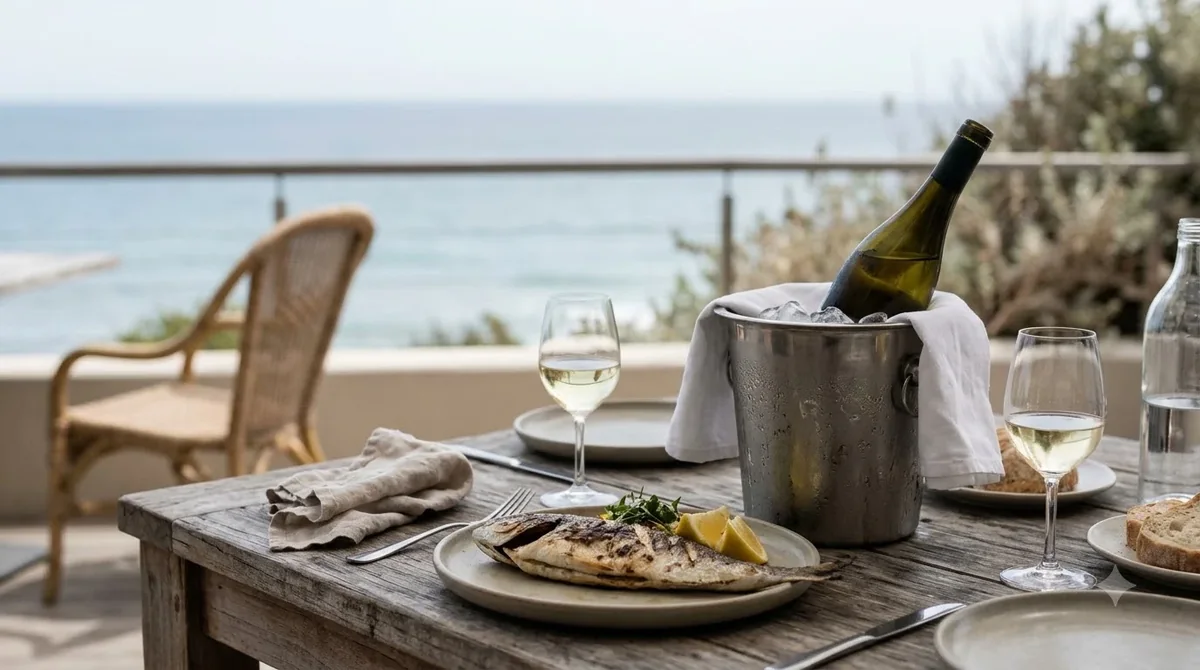
For simpler seafood dishes, choose a fresher Roussanne with less noticeable oak influence. Grilled shrimp with olive oil, baked halibut with parsley, and white fish with a light cream sauce are all appropriate. The seasoning should remain moderate so the wine’s floral and fruit aromas can contribute to the meal.
Shellfish also benefits from careful sauce selection. A garlic butter sauce can be an excellent choice, but a strongly acidic vinegar dressing may make the wine seem less fresh. For raw oysters served with sharp mignonette, a more acidic white wine may be a better match than Roussanne.
One important distinction is the type of fish. Roussanne is generally more suitable for substantial fish such as salmon, halibut, and monkfish than for extremely delicate preparations. It can also accompany oily fish, provided the dish is prepared with complementary herbs and sauces rather than relying on an intensely tannic red wine.
Chicken, Turkey, and Other White Meats
Roast chicken is one of the most dependable partners for Roussanne because both have enough flavor and texture to support each other without competing. The wine’s apricot, honey, and herbal notes complement roasted poultry, especially when the recipe includes garlic, thyme, rosemary, or a light cream sauce.
For a simple dinner, roast a whole chicken with lemon, thyme, garlic, and olive oil. The browned skin provides savory depth, while the tender meat and aromatic seasoning create a natural connection with Roussanne. A medium- to full-bodied bottle is particularly appropriate for a chicken with pan juices or a butter-based sauce.
Chicken with mushrooms is another strong combination. Mushrooms contribute earthy and savory flavors that complement Roussanne’s dried-fruit and herbal characteristics. A sauce made with sautéed cremini mushrooms, shallots, thyme, and a little cream provides enough richness to match the wine. Serve the dish with roasted potatoes or buttered green beans.
Turkey can also work well, especially when roasted rather than heavily smoked. A traditional roast turkey with herb stuffing and gravy offers several complementary flavors. Roussanne’s texture can stand up to the meat, while its fruit and floral notes add contrast to the savory seasoning.
Other suitable meats include pork tenderloin, veal, and lightly seasoned duck. Pork with apple and sage provides an appealing fruit-and-herb connection. Veal in a mild cream sauce is particularly appropriate for richer Rhône-style examples. Duck requires a little more care because strongly sweet or intensely flavored preparations can overwhelm a dry white wine.
A useful regional example comes from Les Jamelles, whose 100% Roussanne is sourced from vineyards north of Béziers in the Orb Valley. Its producer recommends pairing the wine with white meats in a light sauce and suggests chicken tajine with preserved lemons as another option.
That preserved-lemon preparation illustrates an important principle: Roussanne can accompany dishes with aromatic complexity, not just plain roasted meat. The key is balancing the seasoning. Preserved lemon, cumin, coriander, and ginger can work together when their intensity is controlled and the dish retains enough savory richness to meet the wine’s body.
Creamy Pasta, Risotto, and Vegetable Dishes
Cream-based pasta and risotto are natural choices for Roussanne because their smooth textures complement the wine’s rounded mouthfeel. Mushrooms, cheese, herbs, and roasted vegetables provide additional flavors that connect with the grape’s floral and savory characteristics.
Three-cheese gnocchi is a particularly suitable match. Soft potato dumplings, Parmesan, and a mild creamy cheese sauce provide a rich foundation for Roussanne. The wine’s fruit aromas help balance the savory cheese, while its moderate acidity prevents the combination from becoming excessively heavy. A producer-recommended pairing from Les Jamelles specifically includes gnocchi with three-cheese sauce.
Mushroom risotto is another excellent option. Arborio rice creates a creamy consistency as its starch is released during cooking, while mushrooms contribute earthy depth. Finish the dish with Parmesan, butter, and thyme. Roussanne can complement the mushroom character without requiring an aggressively acidic wine to balance the meal.
For pasta, consider fettuccine with chicken and mushrooms, linguine with shrimp and cream, or penne with roasted squash and sage. These preparations combine starch, fat, and aromatic ingredients in a way that suits the wine. Avoid making the sauce excessively rich or using large quantities of sharp vinegar, since those additions can disturb the overall balance.
Vegetable dishes deserve equal consideration. Roasted eggplant, zucchini, cauliflower, fennel, and butternut squash can all accompany Roussanne. Roasting brings out natural sweetness and adds browned, savory flavors that complement the wine’s ripe-fruit profile.
Eggplant tart is particularly interesting because the vegetable has a substantial texture and readily absorbs olive oil and herbs. Combine roasted eggplant with onions, thyme, and a mild cheese in pastry for a satisfying match. Les Jamelles also identifies eggplant tart as a suitable pairing for its Roussanne.
For a lighter vegetarian dinner, serve grilled vegetables with couscous, toasted almonds, parsley, and olive oil. The almonds reinforce the wine’s possible nutty characteristics, while parsley and other herbs complement its floral and savory notes. Keep strong vinegar dressings to a minimum.
Tip: Match the richness of the recipe to the richness of the bottle. Choose fresher, less oak-influenced Roussanne for grilled vegetables and simple pasta, and reserve fuller, oak-aged examples for three-cheese gnocchi, mushroom risotto, lobster, and creamy sauces.
Cheese, Charcuterie, and Appetizers
Roussanne is a versatile cheese wine, especially with creamy, mildly tangy, and moderately savory cheeses. Its fruit and floral aromas complement the richness of soft cheese, while its moderate acidity helps keep the combination balanced.
Goat cheese is one of the most useful starting points. Fresh goat cheese has a tangy character that works with the wine’s ripe fruit, particularly when served with crackers, toasted bread, or roasted vegetables. A baked goat cheese tart with thyme and caramelized onions can turn the pairing into a complete appetizer.
Brie and Camembert are also suitable, especially when the cheeses are ripe but not excessively pungent. Their creamy textures match the rounded character of Roussanne. Serve them with sliced pear, unsalted crackers, and a small portion of almonds.
For harder cheeses, consider mild aged Gouda, Gruyère, and Comté. Their nutty and savory flavors can complement the honeyed and dried-fruit characteristics that appear in some mature Roussanne wines. A cheese board with two soft cheeses, one moderately aged hard cheese, and fresh fruit provides enough variety without overwhelming the wine.
Charcuterie requires a little more attention. Mild pâté and chicken liver mousse can be excellent with a rich Roussanne because their smooth textures mirror the wine’s weight. Wine Folly also identifies pâté as a pairing for fuller oak-aged examples. Lightly smoked poultry and delicate cured meats can work as well.
However, extremely salty, spicy, or heavily smoked meats may dominate a more delicate bottle. For a balanced appetizer selection, include mild pâté, goat cheese, roasted almonds, pear slices, and lightly seasoned crackers.
Olives and marinated vegetables can be included in small quantities, especially with a Mediterranean-style Roussanne. Their saltiness can soften perceived acidity and provide contrast to ripe fruit. Very sharp pickles, strongly vinegared onions, and aggressively seasoned antipasti are less reliable choices.
For a practical entertaining arrangement, prepare a board with approximately three cheese styles, one mild pâté, two fresh fruits, and a small bowl of almonds. A 750 ml bottle provides approximately five standard 5-ounce wine servings, making it suitable for a small appetizer gathering.
Matching Roussanne by Style, Serving Temperature, and Occasion
Not every Roussanne tastes the same, so the best food match depends on whether the wine is fresh and floral, rich and oak-aged, or developed through bottle aging. Understanding these differences makes it easier to choose the right dish and serve the wine at a temperature that preserves its character.
Fresh, stainless-steel-fermented Roussanne generally emphasizes pear, apricot, flowers, and herbal notes. Pair this style with grilled fish, scallops, roast chicken, vegetable tarts, and fresh goat cheese. Avoid dishes with excessive butter or intense seasoning that might overpower its more delicate character.
Oak-aged Roussanne often has a broader texture and additional notes of toast, vanilla, baking spice, and nuts. These characteristics make it suitable for lobster with butter, crab gratin, creamy mushroom pasta, roast poultry, and pâté. A dish with enough fat and flavor can match the wine’s greater weight.
Older Roussanne can develop dried fruit, honey, nuts, and more complex savory characteristics. These bottles may be especially interesting alongside aged cheeses, mushroom dishes, roast chicken, and richly flavored seafood. Their aromatic complexity can be more delicate than expected, so avoid pairing them with dishes containing large amounts of chili, vinegar, or aggressive spices.
Serving temperature matters because excessive chilling can conceal the wine’s aromatic detail, while excessive warmth can make alcohol seem more prominent and reduce its refreshing quality.
| Wine style or situation | Temperature | Recommended food |
|---|---|---|
| Fresh, unoaked Roussanne | 48–50°F | Grilled shrimp, scallops, goat cheese |
| Medium-bodied Roussanne | 50–53°F | Roast chicken, salmon, mushroom pasta |
| Full-bodied, oak-aged Roussanne | 52–55°F | Lobster, crab, creamy risotto |
| Mature Roussanne | 52–55°F | Aged cheese, pâté, roast poultry |
These are practical serving suggestions within the broader recommended 50–55°F range for fuller white wines. Wine Folly gives Roussanne a wider suggested serving range of 45–55°F, while Les Jamelles recommends approximately 50–54°F for its own bottling.
For a bottle stored in a refrigerator at approximately 40°F, allow it to warm briefly before pouring. Start with a small serving, then observe how the aromas change as the wine approaches its ideal temperature. A medium-sized white wine glass with enough room for swirling is useful for appreciating the grape’s floral and fruit characteristics.
Most Roussanne does not require the extended aeration commonly used for young, tannic red wines. Opening the bottle shortly before dinner and allowing it to develop in the glass is generally sufficient. Older bottles should be handled more carefully because extended exposure to air can reduce aromatic detail.
For food-focused entertaining, Roussanne is especially appropriate for meals built around seafood, poultry, and vegetables. It can accompany a complete menu beginning with goat cheese appetizers, followed by scallops or salmon, and finishing with a mild cheese course. This approach gives the wine several opportunities to complement different ingredients without requiring a change of bottle.
Common Pairing Mistakes and Better Alternatives
Roussanne is versatile, but its moderate acidity and rounded body mean that some foods are less suitable than others. The easiest way to avoid disappointing combinations is to consider sweetness, acidity, spice, fat, and the intensity of the preparation.
Overly acidic sauces are one potential problem. A dry Roussanne can seem softer and less refreshing beside dishes dominated by vinegar, sharp citrus, or heavily acidic tomato sauce. Instead of using a large quantity of lemon juice, try a little lemon zest, olive oil, butter, and fresh herbs. This preserves the citrus aroma without making the dish excessively sour.
Very spicy food can also be challenging. Chili heat is amplified by alcohol and tannin, and Roussanne’s often substantial alcohol level means that a heavily spiced dish may make the wine seem warmer. A mild chicken curry with coconut milk, ginger, and restrained chili is a better starting point than a very hot pepper-based preparation.
Strongly smoked or bitter foods may overwhelm a floral Roussanne. Heavily smoked fish, burnt vegetables, and intensely charred meats can obscure its fruit and delicate herbal notes. Choose gently grilled ingredients with moderate seasoning instead.
Extremely light dishes may also struggle with fuller examples. A simple plate of cucumber slices or delicate white fish with no sauce can be overwhelmed by an oak-aged Roussanne with substantial body. Pair those lighter foods with a fresher style, or select a more delicate white wine. For a lighter, aromatic seafood alternative, explore Albariño food pairing, which offers another approach to matching white wine with seafood.
Overly sweet desserts are another poor match for a typical dry Roussanne. A wine should generally be at least as sweet as the dessert served with it. A dry Roussanne alongside a very sweet chocolate cake or caramel pudding can taste bitter and thin by comparison. For dessert, a ripe peach tart with limited added sugar may work with some fruit-forward bottles, but a purpose-made sweet wine is usually more dependable.
There are also occasions when a red wine is a better choice. Rich beef dishes, strongly seasoned lamb, and heavily braised meats may require a red wine with more tannin and structure. For those meals, a structured Italian red such as Amarone may be more suitable; see Amarone food pairing for ideas. Likewise, tomato-based pasta and grilled pork can sometimes work better with a bright red such as Barbera, particularly when the sauce has pronounced acidity. The Barbera food pairing guide offers further examples.
The wider principles of matching food and wine are useful regardless of grape variety. Salt and fat can soften the perception of tannin, acidic dishes need a wine with equal or higher acidity, and very sweet foods require a suitably sweet wine. The Wine Pairing guide provides additional background for applying these principles to different meals.
For most dinners, the simplest solution is to begin with the wine’s body and intensity. A fresh Roussanne suits delicate seafood and vegetables, while a richer bottle is better alongside cream sauces, poultry, and substantial seafood preparations.
Frequently Asked Questions
Is Roussanne always a dry wine?
No. Although dry still wines are the most familiar style, Roussanne can also be used to produce sweet white straw wines in the Rhône Valley. The Rhône Valley wine authority lists dry still, dry sparkling, and sweet straw-wine styles among the possibilities for this grape.
Is Roussanne the same grape as Bergeron?
Roussanne is known as Bergeron in the French Savoie appellation of Chignin-Bergeron. The regional name refers to the same grape variety rather than a separate grape. Wines from this Alpine region can express a different balance of freshness and ripeness from fuller Southern Rhône examples.
Can Roussanne be blended with red wine grapes?
Yes. In some Rhône-style blends, Roussanne is used alongside red varieties such as Syrah to contribute aromatic complexity and structure. The finished wine’s color and style depend on the grape proportions and winemaking approach. White Roussanne blends, however, are the more familiar expression for the food pairings discussed here.
Why does Roussanne sometimes taste like honey without being sweet?
Honey is an aromatic impression rather than proof of residual sugar. Ripe fruit characteristics, floral aromas, and bottle development can create honey-like sensations in a completely dry wine. Checking the wine’s technical description for residual sugar is the best way to distinguish perceived sweetness from actual sweetness.
Does Roussanne have good bottle-aging potential?
Yes, particularly well-made examples with sufficient structure and concentration. Wine Folly suggests a general cellar window of approximately 5–10 years, while some exceptional Rhône wines can develop beyond that period. Storage conditions, vintage, producer, and winemaking style all influence how successfully an individual bottle ages.
Roussanne is an excellent choice for meals featuring seafood, roast poultry, creamy pasta, roasted vegetables, and cheese. Its aromatic complexity and rounded texture make it especially rewarding when the food has enough richness to match its body without overwhelming its moderate acidity. Start with scallops, lemon-herb chicken, or mushroom risotto, serve the wine around 50–55°F, and adjust the pairing according to whether the bottle is fresh, oak-aged, or mature.
More in Food & Wine Pairing
 Risotto With White Wine Recipe: Make a Creamy Dinner at HomeUpdated Nov 20, 2026
 Wassail With Wine Recipe for a Festive Spiced Holiday DrinkUpdated Nov 20, 2026
 Spritz Veneziano Recipe: Make a Classic Venetian Aperitivo at HomeUpdated Nov 20, 2026
 Summer Wine Punch Recipe for Easy Homemade EntertainingUpdated Nov 20, 2026
 Bishop Recipe: How to Make a Bright, Citrus-Forward Red Wine CocktailUpdated Nov 20, 2026
 Wine Cupcakes Recipe: Bake Rich Chocolate Cupcakes at HomeUpdated Nov 20, 2026