

We may earn a commission when you buy through links on this page, at no extra cost to you. Learn more.
Dolcetto food pairing works best with Italian comfort foods, including pasta with meat sauce, salami, pizza, grilled meats, and semi-hard cheeses. This dry Piedmont red has dark-fruit flavors, moderate acidity, and noticeable tannins that complement savory dishes without overwhelming them. Its approachable character makes it particularly useful for everyday meals, casual dinners, and traditional Italian appetizers.
Dolcetto is one of Piedmont’s familiar red wines, particularly associated with the Langhe and the hills around Alba. Although its name suggests sweetness, the wine is generally dry, with flavors of cherries, plums, blackberries, and a characteristic almond-like finish. Understanding its fruit, acidity, and tannin helps explain why it works so well with pasta, cured meats, roasted vegetables, and a wide range of meat dishes. The best matches emphasize savory ingredients, moderate richness, and uncomplicated preparation.
Understanding Dolcetto’s Flavor and Structure
Dolcetto pairs particularly well with savory food because its dark-fruit character, moderate acidity, and noticeable tannins provide enough structure for substantial dishes without requiring extremely rich ingredients. Its dry finish also makes it a natural companion for traditional Piedmontese cooking.
The name Dolcetto comes from the sweetness of the grape itself, not from the finished wine. According to the Consorzio di tutela Barolo Barbaresco Alba Langhe e Dogliani, the variety produces dry or decidedly off-dry wines characterized by modest acidity and a pleasant, slightly bitter aftertaste. That combination helps distinguish Dolcetto from sweeter red wines and from more sharply acidic varieties.
Typical aromas include black cherry, plum, blackberry, and sometimes violet or subtle spice. The palate can feel soft and rounded, but the tannins provide a noticeable drying sensation, especially alongside food. Many examples are medium-bodied, making them substantial enough for meat sauce and grilled sausages while remaining comfortable with lighter appetizers.
Dolcetto d’Alba offers a useful example of the grape’s traditional style. Piemonte’s regional agricultural information describes its color as ruby red, its aromas as fruity and distinct, and its palate as dry with almond notes. The denomination requires at least 11.5% alcohol by volume, while the Superiore designation requires at least 12.5% and one year of aging.
These characteristics explain why Dolcetto often succeeds with foods that have savory depth rather than intense sweetness or sharp acidity. It does not need a complicated dish to show well. A plate of salami, a bowl of meat-sauce pasta, or a simple roast can provide the right balance.
There are differences between bottles, too. Some wines emphasize fresh cherry and approachable fruit, while more structured examples have deeper flavors and firmer tannins. Decanter’s panel tasting describes Dolcetto d’Alba as generally fleshy and rich, while noting that Dogliani examples can show more perfume. These differences can influence whether a particular bottle is better suited to light appetizers or a substantial main course.
For a general introduction to matching wine characteristics with food, the principles in our Wine Pairing resource provide a useful starting point. The central idea is to match the wine’s weight and structure with the dish rather than selecting a wine based only on its color.
Italian Antipasti, Salami, and Cured Meats
Antipasti are among the most dependable matches for Dolcetto. Salami, prosciutto, savory vegetable appetizers, and small portions of roasted meat work particularly well because their salt, fat, and concentrated flavors soften the wine’s tannins.
Start with a traditional Italian appetizer board. Include mild salami, prosciutto, mortadella, roasted peppers, marinated mushrooms, olives, and a few pieces of semi-hard cheese. Dolcetto’s dark-fruit character provides contrast to the saltiness of cured meat, while its tannins help balance richer ingredients.
Salami is especially useful because its fat and seasoning complement the wine’s dry, slightly bitter finish. A moderately seasoned fennel salami or traditional pork salami is usually a better choice than extremely spicy varieties. Strong chili seasoning can make alcohol and tannins seem more aggressive, reducing the pleasant fruit character of the wine.
Prosciutto offers another good option. Its delicate saltiness and soft texture work with Dolcetto’s fruit without demanding a powerful wine. Serve thin slices alongside crusty bread, mild cheese, and roasted vegetables. The combination is simple, but each ingredient contributes a different texture and flavor.
Building an antipasti platter
For a practical platter serving four people, use approximately 4 ounces of salami, 4 ounces of prosciutto, 4 ounces of cheese, and 1 to 2 cups of assorted vegetables and olives. Add breadsticks or sliced country bread to provide a neutral element between bites.
Avoid filling the board entirely with intensely seasoned ingredients. Very smoky meats, heavily pickled vegetables, and extremely hot peppers can dominate Dolcetto’s fruit. A mixture of salty, mild, and roasted ingredients gives the wine more opportunities to complement the food.
Other Piedmontese appetizers can be equally successful. Vegetable flans, savory pastries, and small portions of roasted meat provide the richness that makes the wine feel balanced. For a regional approach, consider serving Dolcetto with traditional boiled meat appetizers or a small portion of veal accompanied by a mild sauce.
When entertaining, open the wine shortly before serving and pour it alongside the appetizer board rather than waiting for the main course. Its approachable structure makes it particularly suitable for a meal that begins with several small dishes.
Pasta, Risotto, and Traditional Italian Sauces
Pasta with meat sauce is one of the strongest Dolcetto pairings. The wine’s dark-fruit flavors complement browned meat, tomato, herbs, and savory cooking juices, while its tannins provide structure alongside the protein and richness of the sauce.
Piedmont’s regional wine information specifically recommends Dolcetto d’Alba with flat noodles served with meat sauce, ravioli, and other filled pasta. These traditional dishes make sense because the wine’s moderate acidity does not overpower the pasta, and its fruit complements the savory filling.
Best pasta dishes for Dolcetto
Tagliatelle with beef or pork ragù is a particularly dependable choice. The broad noodles hold the sauce, allowing the wine to complement the concentrated meat flavors in each bite. A sauce that has simmered for two hours or longer often develops enough depth to work particularly well with the wine’s tannin.
Ravioli filled with roasted meat, sausage, or mushrooms also make excellent companions. Their rich filling provides substance, while a butter-based or light tomato sauce keeps the dish from becoming too heavy. Avoid extremely sweet sauces, which can make the dry wine taste harsher.
For a simpler meal, try penne with Italian sausage and tomato sauce. Brown the sausage, add garlic and tomatoes, and simmer until the sauce thickens. Finish with a moderate amount of grated Parmesan. The combination of savory meat, tomato, and cheese provides several flavors that complement Dolcetto.
Mushroom risotto is another worthwhile option. Its creamy consistency and earthy flavors work well with the wine’s darker fruit. A preparation using cremini mushrooms, shallots, vegetable stock, and Parmesan offers a particularly balanced match.
Tomato-based pasta requires some attention to seasoning. Because acidic food generally needs a wine with equal or higher acidity, avoid making the tomato sauce excessively sharp. Slowly cooked tomatoes, browned meat, olive oil, and a little grated cheese help create a rounder dish that better accommodates Dolcetto’s comparatively modest acidity.
Pairing pasta with different Dolcetto styles
Fresh, fruit-forward Dolcetto is ideal for straightforward pasta dishes, including sausage pasta, tomato-based sauces, and mushroom preparations. A more structured bottle can handle richer ragù, filled pasta, and slow-cooked meat sauces.
For a lighter pasta meal, use a smaller amount of cheese and avoid excessive cream. Dolcetto generally works better with savory, ingredient-driven sauces than with very rich preparations designed for a full-bodied, high-acid white wine.
If your preferred Italian red is particularly lively and acidic, you may also enjoy comparing these dishes with Barbera food pairing ideas. Barbera’s higher acidity makes it especially effective with tomato-heavy sauces and richer cheese dishes, whereas Dolcetto offers a rounder, more tannic alternative.
Grilled Meat, Roasts, and Hearty Main Courses
Dolcetto works particularly well with grilled pork, sausages, roast chicken, meatloaf, and moderately rich beef dishes. These foods provide savory flavors and enough protein and fat to balance the wine’s tannins without overpowering its fruit.
Grilled sausages are among the easiest main-course matches. Pork sausage seasoned with fennel, black pepper, garlic, and herbs brings out the wine’s dark-fruit notes. The browned exterior also adds a roasted flavor that makes the combination more satisfying.
For beef, consider a simple grilled steak, meatloaf, or braised beef with mushrooms. Dolcetto is generally more comfortable with moderate portions and straightforward seasoning than with extremely large steaks covered in intensely concentrated sauces. A heavily tannic wine would be more appropriate for some particularly rich beef preparations.
Roasted and braised meats
Roast pork is another reliable match. Season a pork loin with rosemary, garlic, black pepper, and olive oil, then roast until cooked through. Serve it with roasted potatoes or sautéed mushrooms. The meat’s savory character and moderate fat content complement the wine’s texture.
Roast chicken can also work, especially when prepared with herbs and browned skin. Choose a preparation with enough savory depth to meet the red wine’s tannins. A simple poached chicken breast, by contrast, may be too delicate for many Dolcetto examples.
Braised beef and traditional boiled meats are particularly appropriate for more structured Dolcetto. Piemonte’s regional wine information specifically identifies boiled meats as a suitable pairing for Dolcetto d’Alba. For a substantial dinner, serve the meat with polenta, roasted root vegetables, or a modest amount of gravy.
Polenta provides a useful neutral base. Its mild corn flavor and soft texture allow the wine’s fruit and tannins to remain noticeable. A portion topped with braised beef, mushrooms, or a small amount of sausage creates a satisfying Piedmont-inspired meal.
For a special dinner, a more developed Dolcetto d’Alba Superiore can accompany roasted meat and aged cheese. The regional product description associates this designation with at least 12 months of aging and a minimum alcohol content of 12.5%. Its additional structure makes it suitable for dishes with deeper savory flavors.
What about barbecue?
Barbecued pork, grilled burgers, and moderately seasoned ribs are excellent casual options. Decanter’s tasting panel specifically mentions barbecue meat among the foods that complement Dolcetto’s friendly, fruity character.
Choose barbecue sauces that emphasize savory tomato, herbs, and moderate sweetness rather than extremely sugary glazes. A very sweet sauce can make a dry wine taste more bitter. Similarly, avoid excessive chili heat because alcohol and tannin can amplify the sensation of spice.
For burgers, use a moderately fatty beef patty with grilled onions, mushrooms, and a slice of semi-hard cheese. This provides the wine with enough richness and savory flavor to create a balanced combination.
Cheese, Vegetables, and Pizza Pairings
Semi-hard cheeses, roasted vegetables, mushroom dishes, and traditional pizza offer versatile options for Dolcetto. The most successful combinations emphasize savory flavors and moderate richness rather than intense sweetness or excessive acidity.
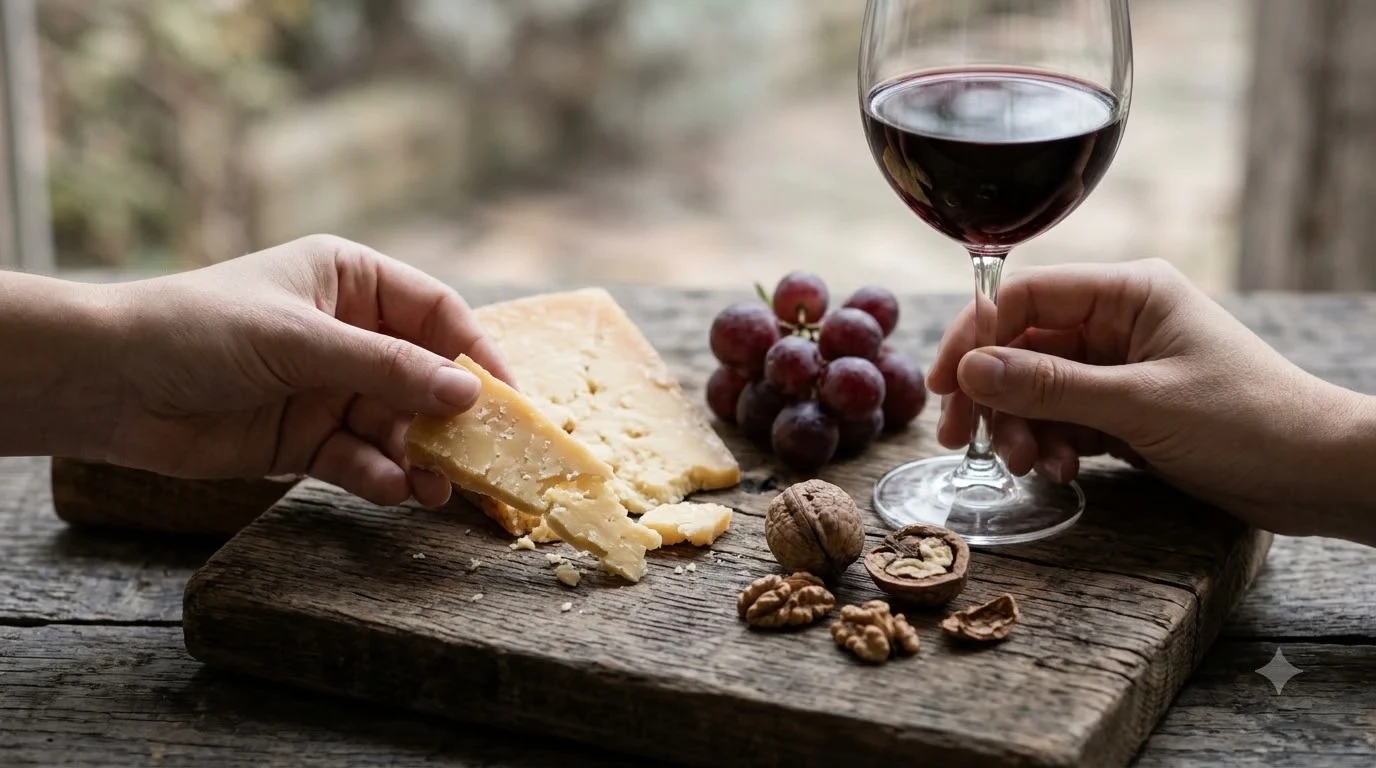
Piedmont’s regional description recommends semi-hard cheeses with Dolcetto d’Alba. Good options include young to medium-aged Gouda, Fontina, mild Asiago, and moderately aged Italian cow’s-milk cheeses. Their savory, creamy characteristics soften the wine’s tannins and bring its fruit forward.
For an Italian-inspired cheese board, combine Fontina, mild aged Pecorino, and a moderately mature cow’s-milk cheese. Add walnuts, plain bread, and a few slices of pear. Keep sweet accompaniments modest so they do not make the dry wine seem excessively bitter.
Vegetable dishes
Roasted mushrooms are among the strongest vegetable matches. Their earthy, savory flavors complement Dolcetto’s dark-fruit character, while roasting concentrates their flavor and creates a richer texture. Try cremini or portobello mushrooms cooked with olive oil, garlic, thyme, and black pepper.
Roasted eggplant, zucchini, and red peppers also work well, particularly when prepared with herbs and olive oil. A vegetable platter with grilled peppers, mushrooms, and onions can serve as a substantial vegetarian accompaniment.
Vegetarian lasagna with mushrooms, spinach, and a moderate amount of cheese is another useful choice. The combination of baked vegetables and savory filling creates sufficient weight for the wine. Avoid preparations dominated by sharp vinegar or intensely acidic dressings.
Pizza combinations
Pizza is an easy and dependable Dolcetto pairing. A classic sausage pizza, mushroom pizza, or Margherita with moderate tomato acidity and plenty of savory cheese can complement the wine’s structure.
For a sausage pizza, use Italian pork sausage, mozzarella, mushrooms, and a tomato sauce that is not overly sharp. The sausage provides fat and protein, the mushrooms contribute earthiness, and the cheese softens the tannins.
A mushroom and Fontina pizza is another good option. Its earthy topping and creamy cheese give Dolcetto a flavorful partner without adding excessive sweetness. A simple pepperoni pizza can also work, although extremely spicy pepperoni may make the alcohol and tannins feel more pronounced.
For a lighter pizza, choose roasted vegetables and a moderate amount of cheese rather than a heavily acidic tomato base. This allows the wine to remain balanced from the first slice to the last.
Serving Temperature and Choosing the Right Bottle
Serve Dolcetto slightly cool rather than warm. A practical target is 55–60°F for lighter examples, while fuller-bodied bottles can be served closer to 60–65°F.
Serving temperature influences how the wine’s fruit, tannins, and alcohol are perceived. Excessive warmth can make the alcohol feel more noticeable and soften the impression of freshness. Serving it too cold, however, can make the tannins seem harder and reduce the wine’s aromatic expression.
For a typical bottle, place it in the refrigerator for approximately 20 to 30 minutes before serving, then pour a small sample. If the wine seems too cold, allow it to warm slightly in the glass. The goal is a refreshing temperature that preserves its cherry and blackberry character.
Practical serving measurements
A standard 750 ml bottle provides approximately five glasses when each pour is 5 ounces. For a dinner with four guests, one bottle provides a little more than one glass per person, making two bottles a convenient quantity for a meal with several courses.
| Serving detail | Recommendation | Practical reason |
|---|---|---|
| Light-bodied Dolcetto | 55–60°F | Preserves freshness and fruit |
| Fuller-bodied Dolcetto | 60–65°F | Allows more structure and aroma to show |
| Standard pour | 5 oz | Provides room for swirling and aroma |
| 750 ml bottle | About 5 glasses | Useful for planning dinner portions |
| Young full-bodied red decanting | 30–60 minutes | Can soften the initial impression and open aromas |
| Opened still wine | 3–5 days refrigerated | Helps slow oxidation after opening |
Decanting is optional for most young, approachable Dolcetto wines. If a bottle seems particularly concentrated or closed, try pouring it into a decanter for 15 to 30 minutes and reassessing its aromas. There is no need to decant every bottle, particularly when the wine already displays fresh fruit and an easy-drinking character.
Storage also matters. Keep unopened bottles away from direct sunlight and temperature fluctuations, ideally around 55°F. Bottles sealed with natural cork should generally be stored on their sides. After opening, refrigerate the remaining wine and bring the next pour toward the appropriate serving temperature.
Tip: If Dolcetto tastes overly tannic or alcoholic, try serving it slightly cooler and pairing it with a salty, moderately fatty food such as salami, pork sausage, or Fontina. These adjustments can make the wine feel more balanced without changing the dish substantially.
Choosing between Dolcetto styles
For casual meals, look for a fresh, fruit-forward Dolcetto d’Alba or another approachable regional example. These wines are particularly suitable for pizza, pasta, antipasti, and simple grilled dishes.
For a more substantial dinner, consider Dolcetto d’Alba Superiore or a more structured example from Dogliani. These bottles can have greater concentration and may work better with braised meats, roasted pork, and aged cheeses.
Decanter’s tasting panel generally favored fresh, unoaked examples, noting that excessive oak can distract from Dolcetto’s natural fruit. The panel also recommended drinking most examples relatively young, with one taster suggesting a window of one or two years. However, the Langhe consortium notes that certain carefully produced wines can age for six or seven years, so bottle style and producer choices matter.
For comparison, Amarone food pairing ideas are useful when planning a richer Italian dinner. Amarone generally has a fuller, more concentrated profile, making it better suited to particularly rich braises and intense aged cheeses. Dolcetto offers a more relaxed alternative for everyday pasta, grilled meat, and appetizers.
For additional regional detail, the Piemonte regional description of Dolcetto d’Alba outlines the wine’s characteristics, production requirements, and traditional food matches.
Frequently Asked Questions
Is Dolcetto the same as Dolcetto d’Alba?
Dolcetto is the grape variety, while Dolcetto d’Alba is a specific Italian DOC wine designation from the Alba area of Piedmont. Other regional denominations include Dolcetto di Dogliani and Dolcetto d’Ovada. Their production areas and wine styles can differ, even though they use the same principal grape variety.
Does Dolcetto have a bitter aftertaste?
Yes, a slightly bitter almond-like finish is a recognized characteristic of Dolcetto. This is particularly noticeable in some traditional Piedmontese examples. It is a flavor characteristic rather than an indication that the wine has spoiled or been improperly stored.
Is Dolcetto suitable for vegetarian food?
Yes. Mushroom risotto, roasted eggplant, vegetable lasagna, and grilled portobello mushrooms are suitable choices. Dolcetto’s savory character and moderate acidity allow it to complement vegetable dishes that have enough roasted flavor, seasoning, or cheese to match its tannins.
Can Dolcetto be paired with seafood?
Some richer seafood preparations can work, particularly seafood dishes with tomato, mushrooms, or savory sauces. However, delicate white fish and oily fish are generally better served with white wines because Dolcetto’s tannins can create an unpleasant combination with fish oils. A crisp white such as Albariño is often a more reliable seafood choice.
How many Dolcetto varieties are grown in Piedmont?
The grape is associated with numerous protected regional wine denominations. The Consorzio Barbera d’Asti e Vini del Monferrato describes Dolcetto as having as many as 11 designations of origin in Piedmont. Names such as Alba, Asti, Dogliani, and Ovada identify different production areas and wine denominations rather than separate grape varieties.
Dolcetto is a versatile Italian red that works particularly well with pasta, cured meats, pizza, roasted vegetables, grilled pork, and semi-hard cheeses. Its combination of dark fruit, moderate acidity, and noticeable tannins makes it an excellent choice for straightforward, savory meals. Serve it slightly cool, choose foods with enough flavor and richness to complement its structure, and enjoy the wine as part of a relaxed Italian-inspired dinner.
More in Food & Wine Pairing
 Risotto With White Wine Recipe: Make a Creamy Dinner at HomeUpdated Nov 20, 2026
 Wassail With Wine Recipe for a Festive Spiced Holiday DrinkUpdated Nov 20, 2026
 Spritz Veneziano Recipe: Make a Classic Venetian Aperitivo at HomeUpdated Nov 20, 2026
 Summer Wine Punch Recipe for Easy Homemade EntertainingUpdated Nov 20, 2026
 Bishop Recipe: How to Make a Bright, Citrus-Forward Red Wine CocktailUpdated Nov 20, 2026
 Wine Cupcakes Recipe: Bake Rich Chocolate Cupcakes at HomeUpdated Nov 20, 2026