
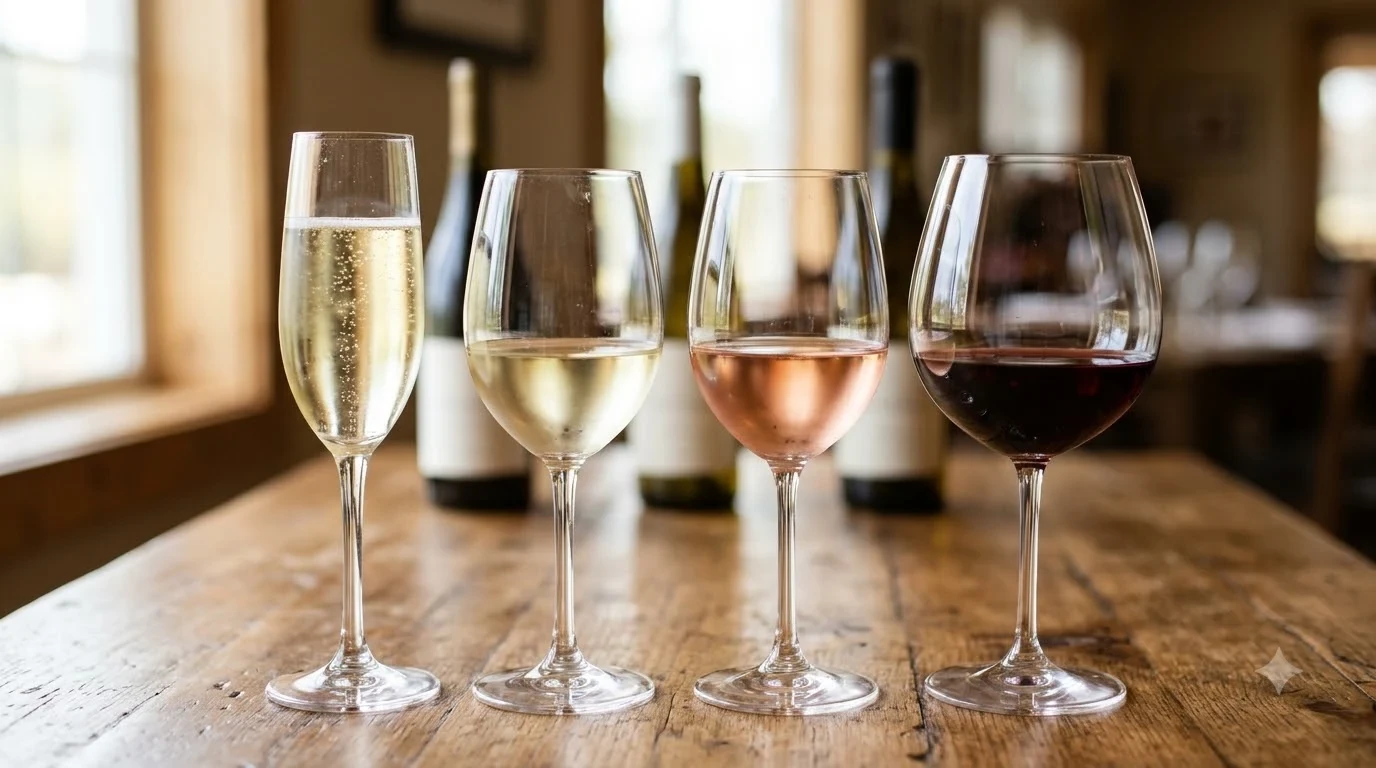

We may earn a commission when you buy through links on this page, at no extra cost to you. Learn more.
piper heidsieck wine is Champagne from the Piper-Heidsieck house, best known for its multi-vintage Cuvée Brut, a fresh, structured blend of Pinot Noir, Pinot Meunier, and Chardonnay. Its style combines citrus and orchard-fruit character with toasted notes and lively acidity. The range also includes rosé, sweeter and extra-brut styles, vintage bottlings, and limited-release cuvées.
Piper-Heidsieck is a Champagne house rather than the name of a single grape or one fixed wine. That distinction matters when choosing a bottle: the familiar Cuvée Brut is only one expression in a portfolio that includes wines with different blends, sweetness levels, aging periods, and intended uses. The overview below explains the signature bottling first, then shows how to select, serve, and pair the wider range.
What Piper-Heidsieck Wine Is
Piper-Heidsieck wine is produced in the Champagne appellation of northeastern France, where sparkling wine is made under tightly defined regional rules. The house’s best-known bottle is Cuvée Brut, a non-vintage Champagne assembled from wines across multiple growing areas and harvests. It is made from the region’s three principal Champagne grapes: Pinot Noir, Pinot Meunier, and Chardonnay. The result emphasizes freshness, fruit, and texture rather than one vineyard or one harvest year.
Champagne is made using the traditional method, in which the second fermentation takes place in the bottle that will be sold. That second fermentation creates the wine’s carbonation, while time spent resting on the lees—the spent yeast cells left after fermentation—can contribute finer texture and bread-like aromas. This helps Champagne show bright fruit alongside flavors associated with baking, nuts, or pastry. The method differs from the tank process commonly used for Prosecco, producing a different balance of texture and lees-derived character.
The Piper-Heidsieck name covers several styles, and a bottle marked Brut should not be assumed to taste exactly like a rosé, an Extra Brut, or a vintage release. The familiar Cuvée Brut is the most useful starting point because it introduces the house’s combination of fruit, acidity, and savory detail. Someone who prefers a drier profile, a wine focused on one grape, or a Champagne tied to one harvest can then compare the more specialized bottlings. For a broader introduction to producer names and categories, the site’s Wine Brands resource provides useful context.
The Piper-Heidsieck Champagne Collections
The range extends well beyond the signature Brut: Piper-Heidsieck groups its wines into Classics, Essentiel, Vintage, and Hors-Série collections. The names point to meaningful differences in style and production, so reading the collection and cuvée name is more useful than choosing by label color alone.
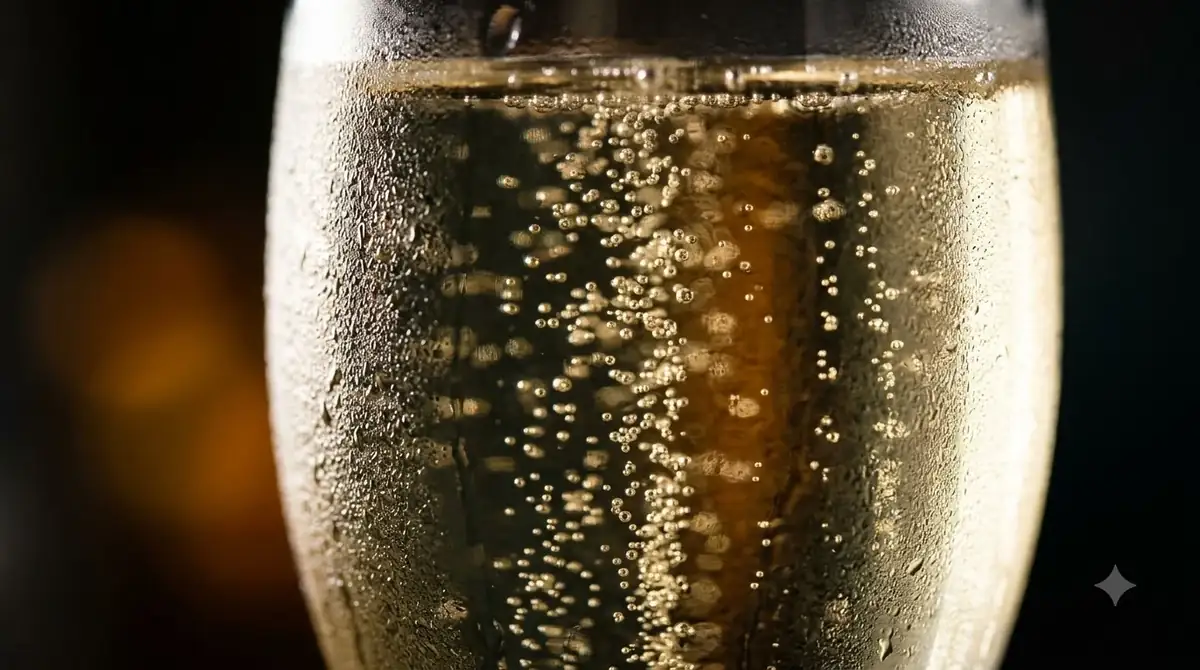
The Classics Collection includes Cuvée Brut, Brut Rosé, Cuvée Sublime, and Riviera. Cuvée Brut is the house’s multi-vintage reference point; Brut Rosé offers a rosé expression, while Cuvée Sublime and Riviera give the collection other stylistic choices. The producer presents these as its signature cuvées, but the exact grape blend and sweetness level should be considered bottle by bottle rather than transferred from the standard Brut. In particular, do not assume that every wine in the Classics Collection uses the same three-grape proportions or has the same dosage.
The Essentiel Collection is aimed at food-focused drinking and contains Essentiel Extra Brut, Essentiel Blanc de Blancs, and Essentiel Blanc de Noirs. Piper-Heidsieck states that the three wines spend at least 36 months aging in its cellars and use an Extra Brut dosage. Blanc de Blancs means a white Champagne made only from white grapes, typically Chardonnay in this context; Blanc de Noirs is a white wine made from dark-skinned grapes. These names tell a buyer more about grape composition than the word Brut alone, while the longer cellar aging offers a different point of comparison with the signature non-vintage bottling.
The Vintage Collection lists 2014 and 2018 releases and draws on the Montagne de Reims, with grapes sourced mainly from Premier Cru and Grand Cru vineyards. The house describes Pinot Noir and Chardonnay as central to this collection and notes that Pinot Meunier was introduced from 2018. Hors-Série sits at the limited-edition end of the range, with releases that revisit historical vintages or explore less usual Champagne expressions. Its collection page lists the 1971 and 1982 releases and a 2022 Coteaux Champenois Blanc de Noirs, a still wine rather than sparkling Champagne.
Cuvée Brut Blend and Flavor Profile
Cuvée Brut gives the clearest picture of the Piper-Heidsieck house style: a broad multi-cru blend, a majority of Pinot Noir, and a fruit-forward profile supported by freshness and lees-derived notes. The producer lists its blend as 50% Pinot Noir, 30% Pinot Meunier, and 20% Chardonnay, sourced from more than 100 crus across Champagne; its official Cuvée Brut profile publishes the blend and tasting details.
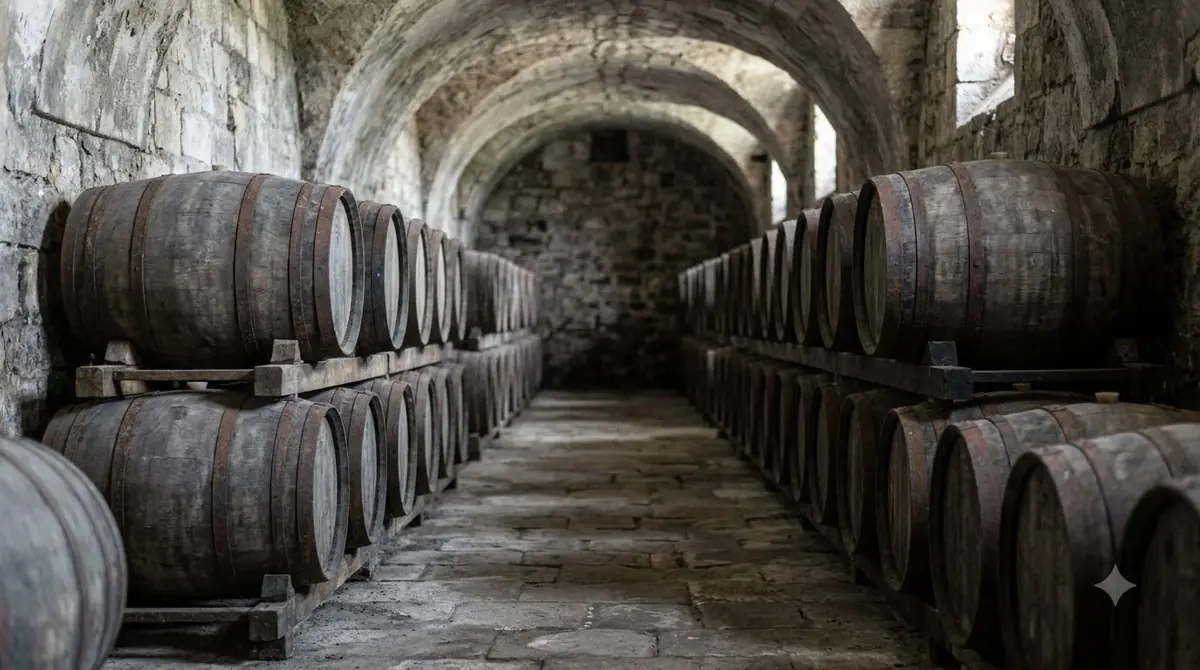
Each grape has a role in the balance. Pinot Noir supplies much of the wine’s frame and structure; Pinot Meunier contributes a generous fruit character; and Chardonnay helps maintain freshness and lift. Because the wine draws on more than 100 crus, it is not intended to taste like a snapshot of one village or vineyard. Instead, the blend gives the winemaking team a wide selection of base wines to shape a recognizable house expression. The producer says grapes are hand-harvested at full maturity.
On the nose and palate, the producer identifies pear, white peach, citrus, orange blossom, toasted bread, fresh almonds, and mint. Try orchard fruit and citrus first, then look for almonds or toast as the wine warms in the glass. Independent descriptions overlap with that profile. In its Cuvée Brut review, VinePair mentions white peach, brûléed pear, orange blossom, citrus, almonds, stone fruit, and mint, while Wine Enthusiast describes white peach, citrus oil, brioche, orchard fruit, white tea, and a stony, saline finish. These are tasting impressions, not ingredients, and a bottle may emphasize some more than others.
VinePair reports that reserve wines make up at least 25% of the blend and that Cuvée Brut spends at least 24 months aging on the lees. Those details help explain why the wine has both a fresh, fruit-led side and some roundness and toastiness. A Wine Enthusiast listing gives the reviewed non-vintage bottling an alcohol level of 12% ABV and a bottle size of 750 milliliters. For focused aroma and palate notes, see the separate piper heidsieck brut tasting notes.
How to Choose the Right Piper-Heidsieck Bottle
Choose by sweetness, grape focus, and occasion rather than by the house name alone. The standard Cuvée Brut is the straightforward starting point, while the other collections offer a more specific profile or a different relationship to vintage and aging.
Use the comparison below as a practical shortlist. The figures are the producer’s published blend and aging details or production information reported by VinePair; they do not mean that every Piper-Heidsieck cuvée follows the same recipe.
| Bottle or collection | What distinguishes it | Useful detail |
|---|---|---|
| Cuvée Brut | Multi-vintage house signature, blended from Pinot Noir, Pinot Meunier, and Chardonnay | 50% Pinot Noir, 30% Meunier, 20% Chardonnay; more than 100 crus |
| Cuvée Brut reserve blend | Includes reserve wines to build continuity across harvests | At least 25% reserve wines; at least 24 months on lees |
| Essentiel Collection | Extra Brut trio: Extra Brut, Blanc de Blancs, and Blanc de Noirs | At least 36 months of cellar aging |
| Vintage Collection | Harvest-specific Champagne centered on Pinot Noir and Chardonnay | Producer lists 2014 and 2018 releases |
For a general aperitif or a bottle that can move from a first toast to a seafood course, Cuvée Brut is the logical choice. Its balance of fruit, acidity, and moderate richness gives it more range than a very lean, sharply dry sparkling wine, without making it taste sweet. It also makes a useful reference point when comparing the rosé and other Classics bottlings. A buyer who already knows that they prefer a more restrained dosage may want to compare the Essentiel Extra Brut instead of assuming the standard Brut will deliver the driest taste.
Look to the Essentiel Blanc de Blancs or Blanc de Noirs when grape variety is part of the decision, and to the Vintage Collection when the appeal is a particular harvest and its character. A vintage Champagne is not automatically better than a non-vintage one; it is an expression tied more closely to one year. Hors-Série is the specialist end of the range, with limited releases that may differ substantially from the house style. Availability can vary by market, so the collection name is a starting point for identifying the style rather than a guarantee that each release is stocked everywhere.
Serving and Storing Piper-Heidsieck Champagne
Serve Piper-Heidsieck Cuvée Brut cold but not so cold that its fruit and aroma disappear. The producer recommends 8–10°C, which is about 46–50°F, a good target for this bottle and a practical range for most sparkling wines.
Chill the bottle in a refrigerator, then pour into clean Champagne tulip glasses or white-wine glasses that allow aromas to collect. A narrow flute preserves a stream of bubbles, while a wider bowl makes it easier to notice pear, citrus, almond, and toast notes. Open the bottle carefully by holding the cork and turning the bottle, keeping the closure pointed away from people. A controlled release is safer and wastes less wine than a loud pop. Use a modest pour rather than filling the glass to the rim; a standard five-ounce serving leaves room to assess the aroma as the wine warms a little.
Tip: Chill Cuvée Brut to 46–50°F, then let it rest in the glass for a minute or two before judging its aromas.
A 750-milliliter bottle contains about five standard five-ounce pours, though glass size and serving style change the number of servings. If the bottle is not finished, fit it with a sparkling-wine stopper and refrigerate it promptly. Opened sparkling wine generally keeps its best character for about one to three days in the refrigerator; the bubbles and freshness fade with time, even when the bottle is sealed. Avoid leaving an opened bottle on the counter overnight.
For unopened bottles, choose a cool, dark, stable area rather than a warm kitchen shelf or sunny display. A consistent temperature near 55°F is a useful target, and bottles with traditional corks are commonly kept on their sides. Avoid strong vibration and repeated temperature swings. The producer suggests that Cuvée Brut can be cellared for five years or beyond, but it is also enjoyable on release; storing it longer is a matter of preference, not a requirement for a good glass.
Food Pairings for Piper-Heidsieck Wine
Cuvée Brut works especially well with seafood, salty appetizers, and dishes that have enough richness to meet its acidity and creamy texture. The house specifically recommends tuna and salmon sushi or maki, along with fresh tagliatelle, pan-fried king prawns, and a white-butter sauce.
Oysters, shrimp, scallops, crab, and simply prepared white fish are natural choices because the wine’s acidity keeps the pairing lively without overwhelming delicate flavors. Wine Enthusiast also highlights oysters and fresh mackerel with its reviewed Cuvée Brut, while VinePair suggests fresh seafood and a cheese board. The mackerel example is a reminder that sparkling wine can work with richer fish when the preparation is balanced by acidity and freshness. Avoid treating all seafood as identical: strongly smoked, heavily sweetened, or intensely spicy preparations can make the wine seem less focused.
Salt and fat can soften the perception of bitterness and make a wine feel rounder, so Champagne can be a strong match for salty nuts, savory pastries, fried seafood, and cheeses with moderate richness. A simple cheese board with soft or semi-firm cheeses is often easier than one dominated by very pungent blue cheese. For a main course, try roast chicken, pork tenderloin, or a creamy mushroom dish; the wine has enough texture for these foods while its acidity refreshes the palate between bites. Keep sauces balanced rather than overwhelmingly sweet, since pronounced sweetness can make a dry Brut seem austere.
Be cautious with very hot chili dishes. Alcohol can intensify the sensation of heat, and the reviewed Cuvée Brut is listed at 12% ABV. A mildly spiced dish may work, particularly when it has a creamy or salty element, but fiery sauces are a less reliable match. Acidic ingredients such as lemon or vinegar are usually more compatible with a high-acid sparkling wine than with a soft, low-acid drink. Match the food’s intensity to the wine: delicate shellfish needs a light touch, while fried or butter-rich dishes can take a more substantial pour.
Frequently Asked Questions
These quick answers explain a few terms that appear on Piper-Heidsieck labels and in Champagne descriptions, including the house’s 1785 date, the meaning of NV, and the distinction between Blanc de Noirs and Blanc de Blancs.
What does 1785 mean on Piper-Heidsieck bottles?
1785 is the year the Champagne house was founded. It is a reference to the producer’s history, not a vintage date or an indication that the wine inside was harvested in that year.
What does NV mean on a Champagne label?
NV means non-vintage, so the wine is not presented as coming from one declared harvest year. A non-vintage Champagne can combine wines from multiple years, including reserve wines held back from earlier harvests.
What is a cru in Champagne?
In Champagne, cru refers to a wine-growing village or commune and its recognized standing within the region’s classification system. It is not simply another word for an individual vineyard, which is why a blend described as coming from more than 100 crus draws on a broad range of village sources.
Why do Champagne producers use reserve wines?
Reserve wines are wines from earlier harvests that are kept for later blending. They give a winemaking team additional components to work with when the current harvest differs in ripeness, acidity, or overall character, helping a non-vintage wine maintain a recognizable house profile.
What does Blanc de Noirs mean?
Blanc de Noirs means “white from black” and describes a white wine made from dark-skinned grapes. In Champagne, the grapes are commonly Pinot Noir, Pinot Meunier, or a blend of the two; gentle pressing limits color extraction from the skins.
Piper-Heidsieck offers more than one expression of Champagne, but Cuvée Brut remains the clearest introduction to its house style: fruit, freshness, and a savory edge in a multi-vintage blend. Start there for a versatile bottle, then explore rosé, Extra Brut, Blanc de Blancs, Blanc de Noirs, or vintage releases according to the flavor and occasion you have in mind.
More in Wine Brands
 Underwood Wine Price: Compare Bottles, Cans, and Pack SizesUpdated Nov 21, 2026
 Zenato Wine Price: Compare Styles and Choose the Right BottleUpdated Nov 21, 2026
 Zuccardi Wine Price: Compare Bottles and Find the Right RangeUpdated Nov 21, 2026
 Yellow Tail Moscato Review: Taste, Sweetness and Serving TipsUpdated Nov 21, 2026
 Wolf Blass Yellow Label Review: Choose Your Best StyleUpdated Nov 21, 2026
 Wolffer Estate Rose Review: Choose the Right Bottle for Your TableUpdated Nov 21, 2026