


We may earn a commission when you buy through links on this page, at no extra cost to you. Learn more.
Kim Crawford Sauvignon Blanc tasting notes center on bright passion fruit, citrus, melon, and crushed herbs, carried by lively acidity and a clean, refreshing finish. The wine is a Marlborough, New Zealand Sauvignon Blanc with a pale lemon appearance and a fresh, juicy palate. Expect an expressive tropical-fruit style rather than a heavy, oak-driven white, making it a natural match for seafood, salads, and bright herb-led dishes.
Kim Crawford Sauvignon Blanc is a familiar example of the vivid, fruit-forward style that made Marlborough famous. Its exact balance shifts with the vintage, but the main cues are easy to recognize: citrus lift, ripe tropical fruit, a green herbal edge, and enough acidity to keep each sip energetic. The tasting guide below explains how those elements show up in the glass, how to serve the wine, and which foods bring out its best qualities.
Color and Aromas: Pale Lemon, Citrus, and Tropical Fruit
Kim Crawford Sauvignon Blanc typically looks very pale yellow or pale lemon, sometimes with a faint green cast at the rim. Its first aromas are usually citrus and tropical fruit, followed by crushed herbs that give the bouquet a fresh, unmistakably Sauvignon Blanc character.
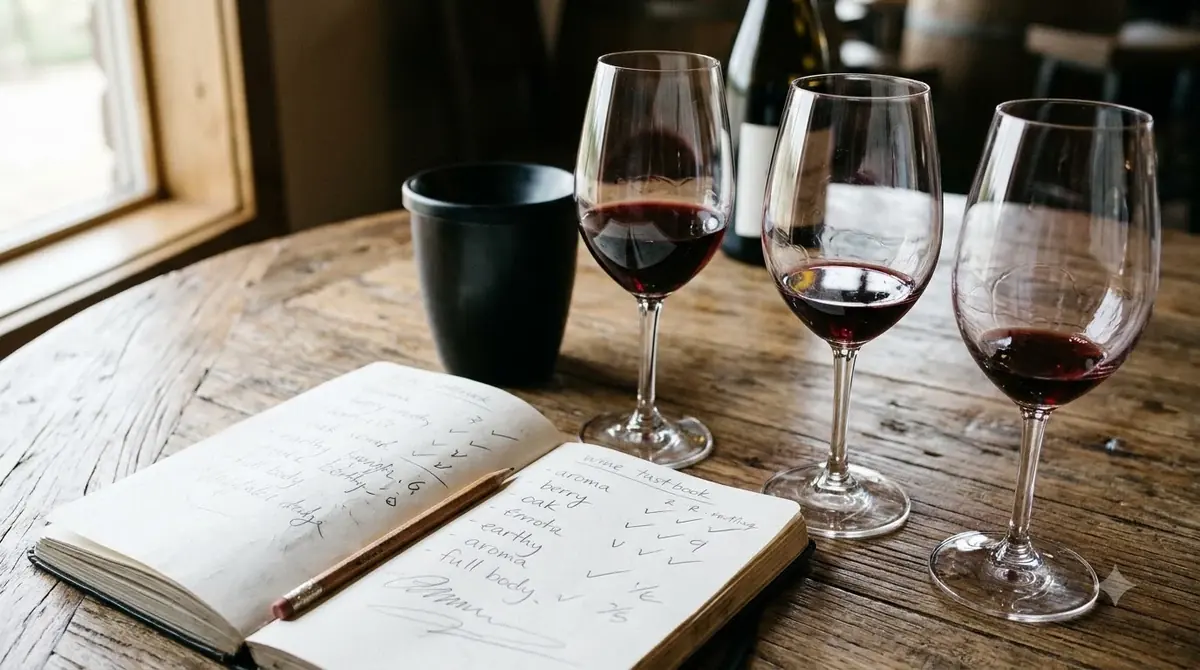
Swirl the glass gently and look for grapefruit, lime, passion fruit, and melon. These are the central notes in the producer’s description, which also highlights citrus, tropical fruit, and crushed herbs. Depending on the vintage and serving temperature, the fruit can suggest guava, peach, pineapple, or ripe mango. The citrus side may resemble fresh lemon zest or pink grapefruit rather than candied citrus peel.
The herbal detail keeps the fruit from seeming one-dimensional. Fresh-cut grass, green herbs, and sometimes a subtle tomato-leaf or capsicum note are familiar markers of New Zealand Sauvignon Blanc. They should read as crisp and green, not as a strong cooked-vegetable smell. A Wine Enthusiast review of the 2022 bottling described peach, pineapple, passion fruit, and lime, with subtle grass and herbal nuances, showing how a particular vintage can add stone fruit to the classic profile.
Aromas are easiest to identify when the wine is cool but not icy. Smell once before swirling, then again afterward; the first pass may reveal citrus while the second exposes tropical fruit and herbs. Excessive chill can mute softer aromas, leaving mainly acidity and sharp citrus.
Palate and Finish: Juicy Fruit Balanced by Bright Acidity
On the palate, Kim Crawford Sauvignon Blanc is fresh and juicy, with ripe passion fruit, melon, and grapefruit supported by vibrant acidity. The texture is generally light to medium in weight, with a crisp line through the middle and a finish that carries citrus and fruit rather than oak or heavy creaminess.
The first sip often gives a quick impression of citrus, followed by a broader wave of tropical fruit. Passion fruit is a useful reference point: it can feel tangy and aromatic at once, with a ripe edge that keeps it from tasting simply sour. Melon softens the sharper notes, while grapefruit adds a slightly bitter, mouthwatering finish. The combination explains why the wine can feel both generous in fruit and brisk in structure.
Acidity is the feature that makes the wine refreshing. It gives the palate shape, balances ripe fruit flavors, and helps the finish stay lively. Wine Enthusiast’s review of the 2022 bottling noted prickly acidity and a touch of residual sugar alongside juicy fruit and dried herbs. That description is a useful reminder that a wine can taste very crisp without being absolutely bone-dry. Vintage conditions and the individual bottling influence the balance, so one release may seem rounder or fruitier than another.
For most drinkers, the best shorthand is dry-tasting to just off-dry in impression, but decidedly fresh rather than sweet. Ripe fruit aromas can make the wine seem sweeter than it is: passion fruit and melon smell generous while acidity keeps the palate brisk. A long, clean finish shows the fruit and acidity working together.
Marlborough Origins and the Wine’s Fresh Style
The wine comes from Marlborough, on New Zealand’s South Island, a region known for aromatic Sauvignon Blanc with vivid fruit and high natural acidity. Sunshine, low rainfall, and shifts between warm days and cool nights help explain its ripe aromas and crisp structure.
New Zealand Wine describes Marlborough as the country’s largest Sauvignon Blanc region and notes that its low rainfall, high sunshine, and large day-to-night temperature changes help build and preserve flavor. Those conditions are part of the reason Marlborough wines can combine intense passion fruit and grapefruit with a firm, refreshing acid line. The national wine body also distinguishes between two broad local expressions: the Awatere Valley tends toward more herbaceous and mineral notes, while the main Wairau Valley is associated with riper, more tropical and pungent styles.
Kim Crawford’s published Sauvignon Blanc description emphasizes sustainable practices, individual vineyard-block harvesting, and small-lot fermentation. These choices allow fruit from different parts of the growing area to be handled separately before the final blend is assembled, preserving differences in ripeness and aroma. The stated aim is lifted aromatics, fresh fruit, vibrant acidity, and length.
Cool fermentation is commonly used for aromatic Sauvignon Blanc because it helps retain fresh fruit character. Kim Crawford’s profile keeps citrus, tropical notes, and herbs in the foreground rather than strong oak flavors, so it is best understood through fruit, acidity, and aromatic freshness.
New Zealand Sauvignon Blanc also has a wider flavor vocabulary than passion fruit alone. The New Zealand Wine description of the variety includes red capsicum, gooseberry, cut grass, tomato stalk, grapefruit, and lime. Not every glass of Kim Crawford will show all of these notes, but they provide useful reference points when identifying the green and citrus sides of the wine.
Serving Temperature, Glassware, and a Simple Tasting Method
Serve Kim Crawford Sauvignon Blanc at 45–50°F (7–10°C) to keep it refreshing while allowing citrus, tropical fruit, and herbal aromas to show. Use a standard white-wine glass with a bowl wide enough to collect aromas, and pour a moderate 5-ounce serving rather than filling the glass to the rim.
A refrigerator usually brings the bottle down to serving temperature, but the exact time depends on its starting temperature and the refrigerator. If the bottle feels very cold, give it a short rest on the table before pouring. A bucket with ice and water can chill a warm bottle more quickly; use more water than ice so the bottle has even contact around its surface. Avoid leaving the wine buried in ice for a long stretch, since an overly cold pour can hide its aromatic detail.
Use a clear glass to see the pale lemon color. Fill the bowl no more than one-third full, leaving room to swirl and gather aromas. Smell before and after swirling, then take a small sip and notice the order of sensations: citrus, tropical fruit, acidity, and finish.
| Serving detail | Useful guideline | Why it helps |
|---|---|---|
| Serving temperature | 45–50°F (7–10°C) | Preserves freshness without muting every aroma |
| Pour size | 5 oz (about 150 ml) | Leaves room to swirl and smell |
| Standard bottle | 750 ml; about 5 pours | Provides a practical serving estimate |
| After opening | Refrigerate and aim for 3–5 days | Cold storage slows the loss of freshness |
After opening, reseal the bottle and refrigerate it. A vacuum stopper can reduce air contact, though it cannot stop gradual flavor loss. For the most vivid passion-fruit and citrus aromas, the first day or two is often best; the broader guideline for opened still wine is about 3–5 days when refrigerated.
Tip: If the wine seems muted straight from the refrigerator, let it warm in the glass for 5–10 minutes before deciding that its aromas are faint. A small temperature change can reveal more melon, passion fruit, and herbal detail.
Food Pairings: Seafood, Salads, Herbs, and Citrus
Pair Kim Crawford Sauvignon Blanc with fresh seafood, shellfish, asparagus, lobster, and summer salads. Its acidity suits dishes with lemon, lime, vinegar, or fresh herbs, while its citrus and tropical-fruit flavors echo ingredients that appear in many light seafood preparations.
Oysters are a classic match because their briny flavor meets the wine’s citrus and crisp finish without overwhelming it. The producer also recommends lobster and asparagus, two foods that can be difficult to pair with wines that are too tannic or heavy. For grilled shrimp, scallops, or white fish, add lemon, parsley, cilantro, or a light garlic sauce. New Zealand Wine likewise identifies seafood, shellfish, white fish, citrus or garlic sauces, crunchy summer salads, capsicum, tomatoes, and vinegar-based dressings as natural companions for Sauvignon Blanc.
Vegetable dishes work particularly well when they retain freshness and a little snap. Try asparagus with lemon, a cucumber salad with dill, green beans with herbs, or a salad with goat cheese and a sharp vinaigrette. The wine’s acidity can meet the tang of the dressing, while the herbal aromas connect with parsley, basil, mint, or cilantro. For a richer plate, serve the wine with a modest amount of butter or olive oil rather than a dense cream sauce that could hide its delicate citrus detail.
Spicy food calls for a little care. Chile heat can make alcohol and tannin feel more pronounced, and a strongly spiced dish may overwhelm the wine’s aromatic freshness. Choose moderate heat and include cooling ingredients such as cucumber, avocado, or a mild yogurt-based sauce. Fresh ginger, lemongrass, and cilantro can complement the wine, while very hot chili oil is more likely to dominate it.
For cheese, try fresh goat cheese, feta, or a mild young cheese with herbs. Their salt and tang work with the wine’s acidity and citrus character. For an aperitif, serve it with salted almonds, olives, or crisp vegetables and a lemony dip.
How to Compare Bottlings and Other Marlborough Sauvignon Blancs
Kim Crawford is best judged as a fruit-forward Marlborough Sauvignon Blanc, but different vintages can shift the balance among tropical fruit, citrus, herbs, and texture. Compare wines by tasting them at the same temperature and in similar glasses, then focus on the intensity of the fruit, the sharpness of the acidity, and how long the finish lasts.
Do not assume every vintage will taste identical. The producer’s current aroma and palate description emphasizes citrus, tropical fruit, crushed herbs, passion fruit, melon, grapefruit, and vibrant acidity. A Wine Enthusiast review of the 2022 bottling adds peach and pineapple, plus a subtle impression of residual sugar. These notes are compatible: they describe a shared core style while showing that fruit ripeness and balance can vary between releases.
When comparing Kim Crawford with another New Zealand Sauvignon Blanc, look for the degree of green-herbal character versus ripe tropical fruit. The Oyster Bay Sauvignon Blanc tasting notes provide a useful comparison point for another recognizable Marlborough expression. The Whitehaven Sauvignon Blanc tasting notes offer another reference for assessing how a producer handles citrus, passion fruit, and acidity. Tasting side by side is more informative than relying on a single descriptor, because one wine may emphasize grapefruit and herbs while another leans toward riper tropical fruit.
It can also help to compare the wine with other styles in the broader category of Wine Brands. Sauvignon Blanc from cooler southern regions of New Zealand often presents more pungent fruit and higher acidity, while wines from warmer northern areas can seem rounder, with more melon and stone-fruit character. These are regional tendencies rather than fixed rules, but they help explain why bottles made from the same grape can show different balances.
Alcohol level is another point of comparison, but it should be treated as a separate specification rather than inferred from aroma or body. The Kim Crawford Sauvignon Blanc alcohol content varies by bottling and vintage, so use the information for the exact release being considered rather than carrying a figure from an older review into a newer bottle. Alcohol can contribute to a sense of warmth and weight, but the main sensory signature here remains fruit, freshness, and lively acidity.
For a useful comparison, smell each wine before swirling, compare acidity and body with a small sip, then assess the finish several seconds after swallowing. This makes it easier to decide whether the Kim Crawford profile suits your preference for ripe tropical fruit, citrus lift, and a clean ending.
Frequently Asked Questions
Does Kim Crawford Sauvignon Blanc come in a half bottle?
Yes. The producer’s U.S. product page lists both 375 ml and 750 ml formats for its Marlborough Sauvignon Blanc. The smaller bottle is half the volume of the standard 750 ml bottle and can be convenient when serving a smaller group.
What recognition has the 2024 Kim Crawford vintage received?
Kim Crawford reports that its 2024 Sauvignon Blanc was named “New Zealand Sauvignon Blanc of the Year” by the New York International Wine Competition. The producer also lists recognition for that vintage from the 2025 Decanter World Wine Awards. Awards describe a particular release and should not be read as a guarantee that every vintage tastes exactly the same.
When were the first Sauvignon Blanc vines planted in Marlborough?
New Zealand Wine records the first Marlborough Sauvignon Blanc vine plantings in 1975. Commercial Sauvignon Blanc production in New Zealand began during the 1970s, before the grape became the country’s most widely planted variety.
What is the difference between Awatere Valley and Wairau Valley Sauvignon Blanc?
New Zealand Wine describes Awatere Valley examples as more herbaceous and mineral, while the main Wairau Valley tends toward riper, more tropical, and more pungent flavors. These are broad style cues rather than a rule for every vineyard or bottle, but they can help explain differences among Marlborough wines.
Does Kim Crawford make an alcohol-removed Sauvignon Blanc too?
Yes. The producer has a separate Alcohol-Removed Sauvignon Blanc made from selected vineyard blocks across New Zealand, and its product page states that it contains less than 0.5% alcohol by volume. The producer says it uses spinning-cone technology to remove alcohol while working to retain the wine’s natural aromas; this is a different product from the standard Marlborough Sauvignon Blanc discussed above.
Kim Crawford Sauvignon Blanc offers a clear, approachable expression of Marlborough: passion fruit, citrus, melon, herbs, and lively acidity in a fresh, food-friendly style. Serve it cool rather than icy, pair it with seafood or crisp vegetables, and compare vintages by their fruit intensity and finish to find the balance you enjoy most.
More in Wine Brands
 Louis Latour Wine Price: Compare Bottles by Style and TierUpdated Nov 20, 2026
 Yellow Tail Moscato Price: What to Expect Before You BuyUpdated Nov 20, 2026
 Sutter Home Sweet Red Review: Find the Right Food PairingsUpdated Nov 20, 2026
 Franzia Chillable Red Review: Find the Right Serving StyleUpdated Nov 20, 2026
 Veuve Clicquot Rose Review: Flavor, Food Pairings and Buying AdviceUpdated Nov 20, 2026
 Rombauer Wine Price: Compare Bottles Before You BuyUpdated Nov 20, 2026