

We may earn a commission when you buy through links on this page, at no extra cost to you. Learn more.
How is champagne made? It uses the traditional method: a base wine is fermented, blended, bottled with a little sugar and yeast, and fermented a second time inside the bottle, which traps the bubbles. The wine then ages on its lees, the spent yeast, before the sediment is removed and a small dose of sugar is added to set the final sweetness. The region’s rules require this process, and it is what separates champagne from other sparkling wines made in tanks.
Champagne looks simple in the glass, but the process behind it is slow and deliberate. Understanding the steps explains why the bottle costs what it does, why the bubbles are so fine and why the flavors include toast and bread crust. This guide walks through each stage in order, from the vineyard to the cork.
The Grapes Behind Champagne
Champagne is a blend of three grapes. Chardonnay adds lightness, citrus and floral notes. Pinot Noir adds body, structure and red-fruit character, and Pinot Meunier adds fruit and softness. Wine Folly’s champagne guide lists these three as the core grapes of the region, and the blend can shift from house to house depending on the style each producer wants.
Harvest timing is one of the first quality decisions. Growers watch sugar and acid levels closely, and the team that picks the fruit often chooses the day based on tasting and testing rather than the calendar alone.
Harvest is done with great care because the grapes must be picked at the right balance of sugar and acidity. Champagne is grown in a cool northern climate, so the acidity needed for sparkling wine is naturally high. Growers pick the fruit, press it gently and keep the juice separate by quality, which gives the winemaker more choices when blending.
First Fermentation and Blending
After pressing, the juice ferments into a still base wine, which is dry, sharp and usually low in flavor compared with the finished champagne. This is the stage where the winemaker chooses which wines from different vineyards and vintages will go into the blend. A house style is built here, because the blend decides how the champagne will taste year after year.
Many houses blend wines from several years to keep the taste consistent, which is why non-vintage champagne tastes the same from one release to the next. Vintage champagne uses grapes from a single harvest year and is made only in strong years. The blending step is where skill matters most, because it sets the base for everything that follows.
Second Fermentation in the Bottle
The blended base wine is bottled with a small amount of sugar and yeast, a mixture known as the liqueur de tirage. The bottles are capped and stored horizontally while the yeast ferments the added sugar. Because the bottle is sealed, the carbon dioxide produced by the fermentation cannot escape, so it dissolves into the wine and creates the bubbles.
This second fermentation is the defining step of the traditional method. It is slow and gentle, and it builds pressure inside the bottle that is much higher than a car tire. Producers must use strong glass and careful handling, and the process is one reason champagne costs more than tank-made sparkling wines.
Aging on Lees
After the second fermentation, the spent yeast cells settle in the bottle as a sediment called lees. Champagne ages on these lees for a long period, and that contact adds the toasty, bready and brioche-like flavors many people associate with champagne. The longer the wine stays on lees, the more complex and creamy it tends to taste.
Wine Folly notes that the most treasured champagnes age for a minimum of three years, and cellar guidance for many bottles runs to a decade or more. Non-vintage champagne must age for less time than the top cuvées, but the principle is the same: time on lees builds flavor and texture.
| Stage | What happens | What it adds |
|---|---|---|
| First fermentation | Juice becomes a dry base wine | Acidity and fresh fruit |
| Blending | Wines from vineyards and years are combined | House style and consistency |
| Second fermentation | Sugar and yeast create CO2 inside the bottle | Fine bubbles |
| Aging on lees | Wine rests with spent yeast | Toast, brioche and creaminess |
Riddling and Disgorgement
Once the wine has aged, the sediment must be moved out of the bottle. Traditionally, workers turn each bottle a little at a time and tilt it so the lees slide down into the neck. This is called riddling, or remuage. Today many houses use gyro-pallets that do the same job automatically, but the goal is unchanged: gather the sediment at the cork.
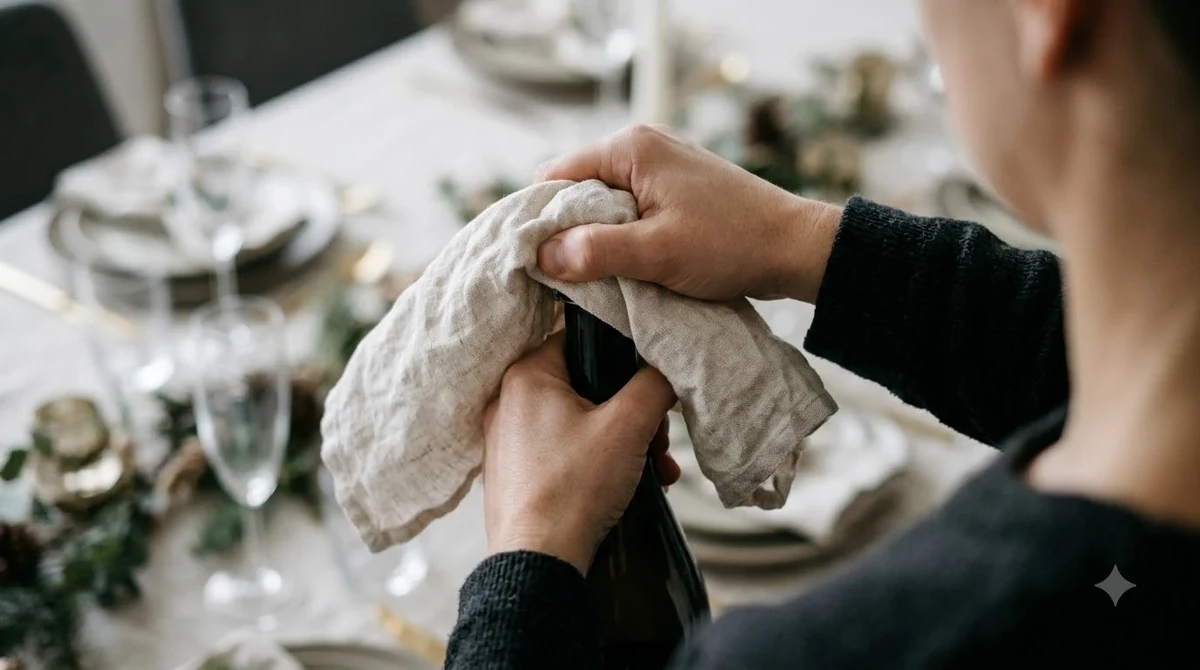
Disgorgement comes next. The neck is frozen, the cork is removed and the frozen plug of sediment is pushed out by the pressure inside the bottle. The bottle is then topped up with a little wine, and it is sealed for sale. The result is a clear champagne with the lees removed but the flavor from the aging still intact.
Dosage and Final Sweetness
Before the bottle is corked, producers add a small amount of wine and sugar called the dosage. The dosage sets the final sweetness of the champagne. Many modern champagnes are labeled brut, which means they are dry, while sweeter styles such as extra dry or demi-sec contain more sugar. Some producers choose a very small dosage or none at all, which gives a bone-dry wine with a crisp finish.
Each stage takes time and attention, and skipping a step changes the wine. A producer who rushes the second fermentation may end up with weak bubbles, while one who shortens the time on lees gives up part of the bread and toast character that makes the style distinctive.
After dosage, the bottle is corked, wired and labeled. Champagne is then ready to be sold, and most bottles are best served chilled. The sweetness is the last decision the producer makes, which is why two champagnes from the same house can taste different depending on the dosage.
Frequently Asked Questions
What is the traditional method?
The traditional method is the process of making sparkling wine with a second fermentation in the bottle, followed by aging on lees, riddling and disgorgement. Champagne is made this way, and so are some sparkling wines from other regions.
Why does champagne have so many small bubbles?
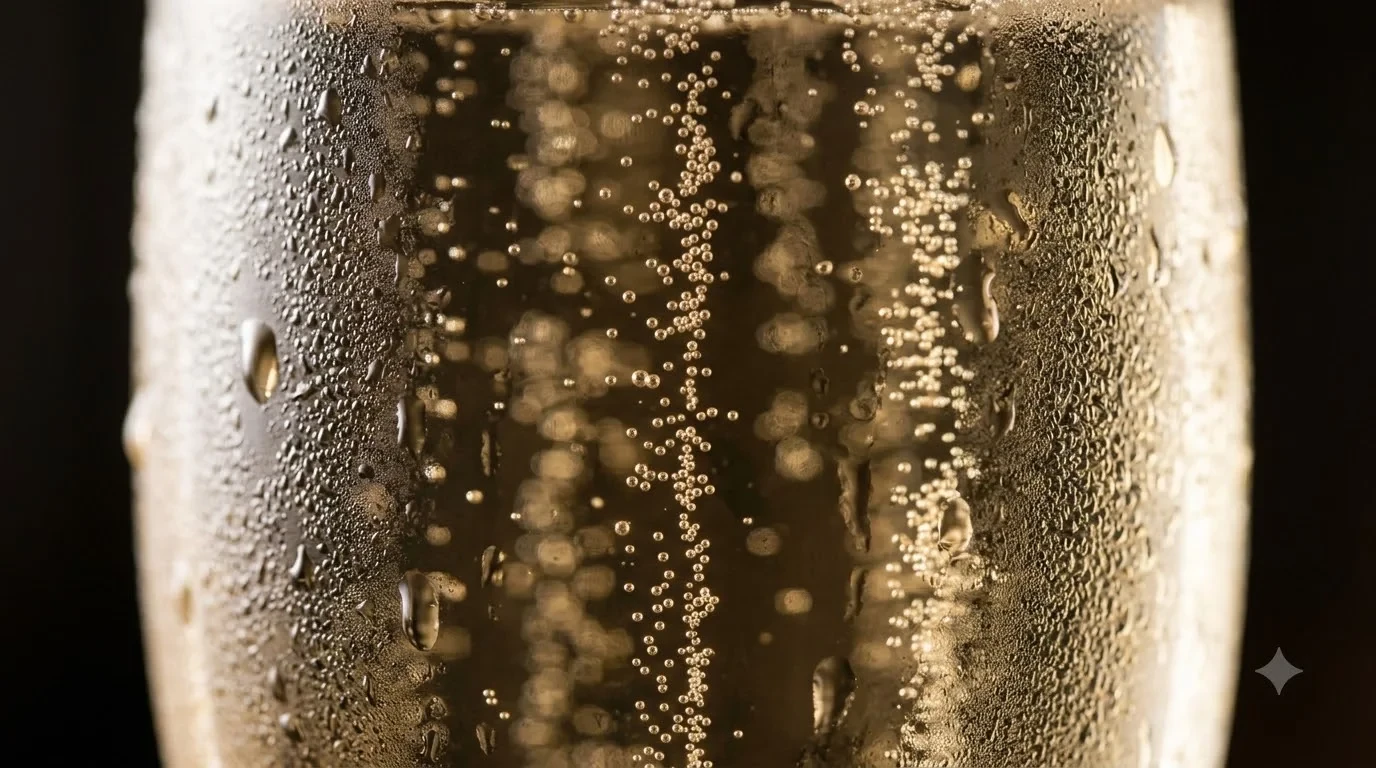
The bubbles come from the second fermentation, which happens inside a sealed bottle. The carbon dioxide has nowhere to go, so it dissolves into the wine. When the bottle is opened, the gas comes out slowly as tiny bubbles.
What is the difference between brut and dosage?
Dosage is the small amount of sugar and wine added after disgorgement. Brut is a label for a dry champagne, which means the dosage is low. Other labels such as extra dry or demi-sec indicate a sweeter result.
Is all champagne made the same way?
Champagne is always made by the traditional method, and the grapes come from the Champagne region of France. Each house has its own blend and style, so the taste can vary widely even though the process is the same.
Champagne is made through a careful sequence: a base wine, a blend, a second fermentation in the bottle, aging on lees and a final dosage. Each step shapes the flavor and the bubbles, which is why the process takes time. For more background on how wine is made, read what wine is made of, or learn about tannins to understand the structure in red wine. Find more basics in our wine basics guides.
More in Wine Basics
 Which Rose Is Best for Your Taste, Budget, and Food PairingsUpdated Nov 21, 2026
 Is Cheap Wine Bad? How to Find Bottles Worth DrinkingUpdated Nov 21, 2026
 What To Write On A Wine Gift Tag: Thoughtful Messages For Every OccasionUpdated Nov 21, 2026
 Which Wine Is Best For Weight Loss? Compare Lower-Calorie ChoicesUpdated Nov 21, 2026
 What Is The Best Wine For Mimosas? Choose Bubbly That Balances Orange JuiceUpdated Nov 20, 2026
 Which Prosecco Is Best for Your Taste and OccasionUpdated Nov 20, 2026